4PLANET · Ocean
Ocean
The blue heart of the living planet.
Video: Dominique Pelletier / Ifremer, CC BY 4.0
Why it matters
The ocean holds most of Earth's water, feeds billions and takes up carbon for all of us.
Life began in the sea, and the ocean still keeps the planet running. It soaks up carbon dioxide, lifts nutrients from the deep to the sunlit surface, and shelters reefs, kelp forests and mangroves. This page explains how it works, how it is doing and what helps.
In this guide: why the ocean matters, its wildlife, its state and what helps.- 96.5%
of all the water on Earth is in the ocean.
The water cycle → - ≈ 1/3
of the carbon dioxide people release is taken up by the ocean.
Ocean acidification → - ½
of the world's fish landings come from upwelling zones that cover just 1% of the ocean surface.
Ocean upwelling → - 25%+
of all marine life depends on coral reefs.
How coral reefs are built →
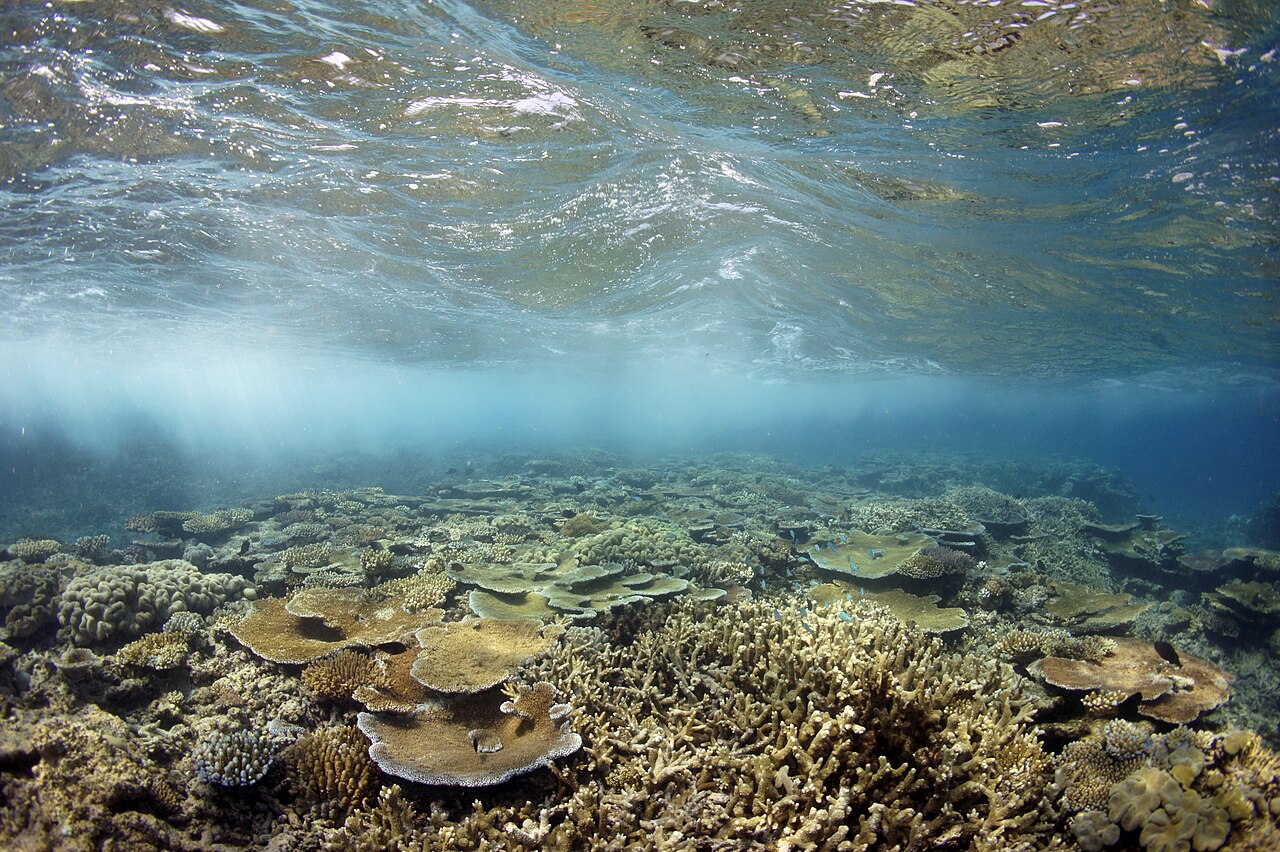
Ocean habitats
Where ocean life gathers
Reefs, kelp forests, mangroves and tidal flats hold the most life in the sea. Each page shows who lives there and who eats whom.
- Coral reefsThe fish, corals and other animals people record most on coral reefs, how they feed on each other, and…
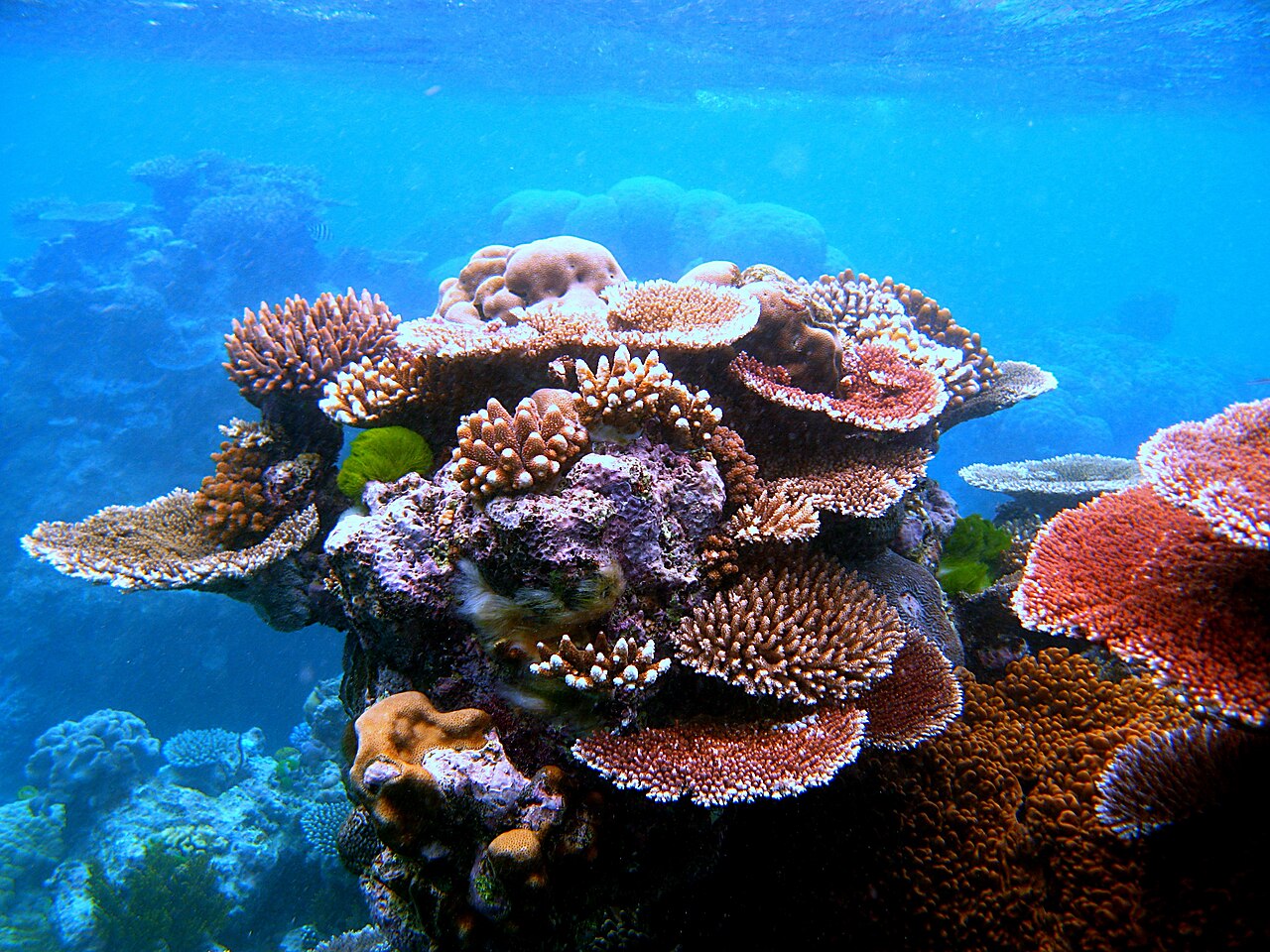 Great Barrier ReefThe fish, corals, turtles and sharks people record most on the Great Barrier Reef, who eats whom, and what…
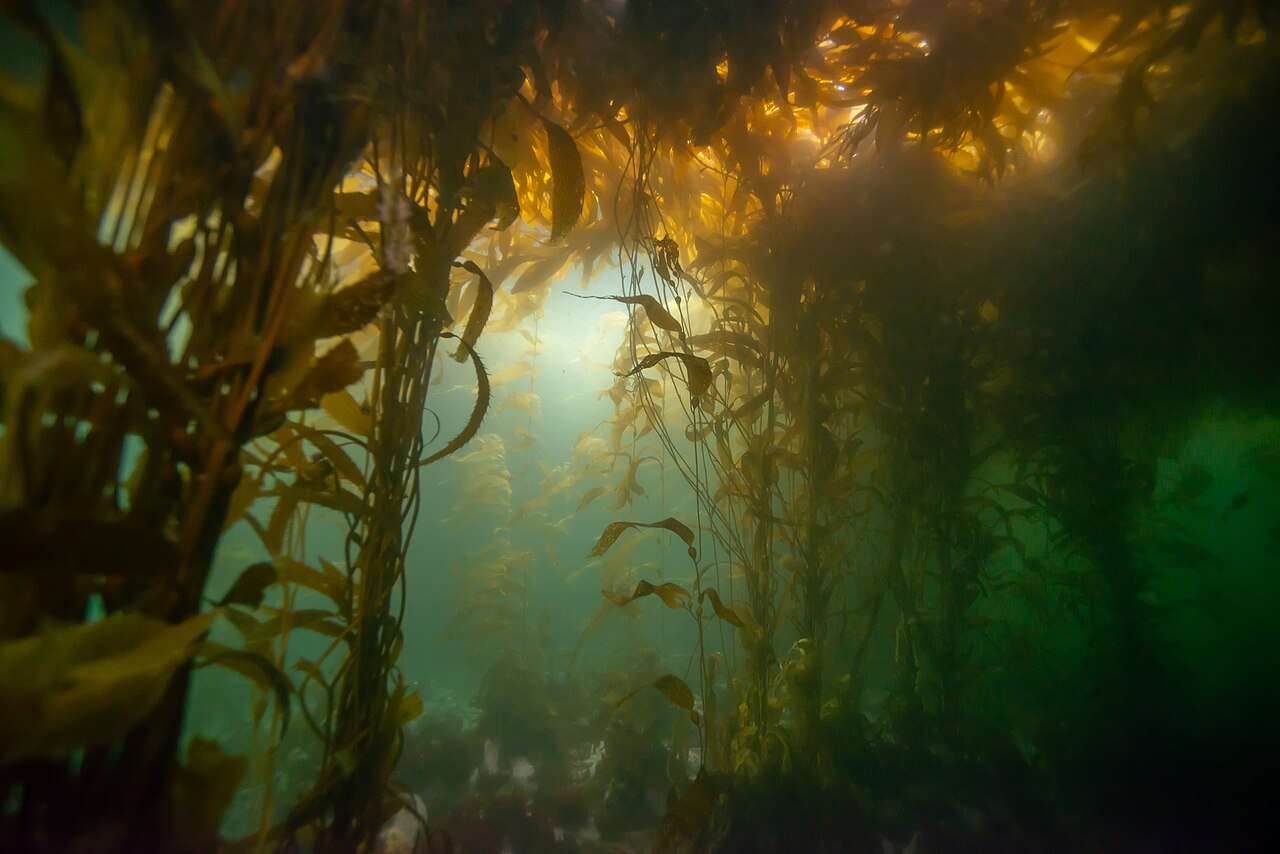 Kelp forestsThe fish, sea urchins, sea stars and mammals people record most in kelp forests, how they feed on each…
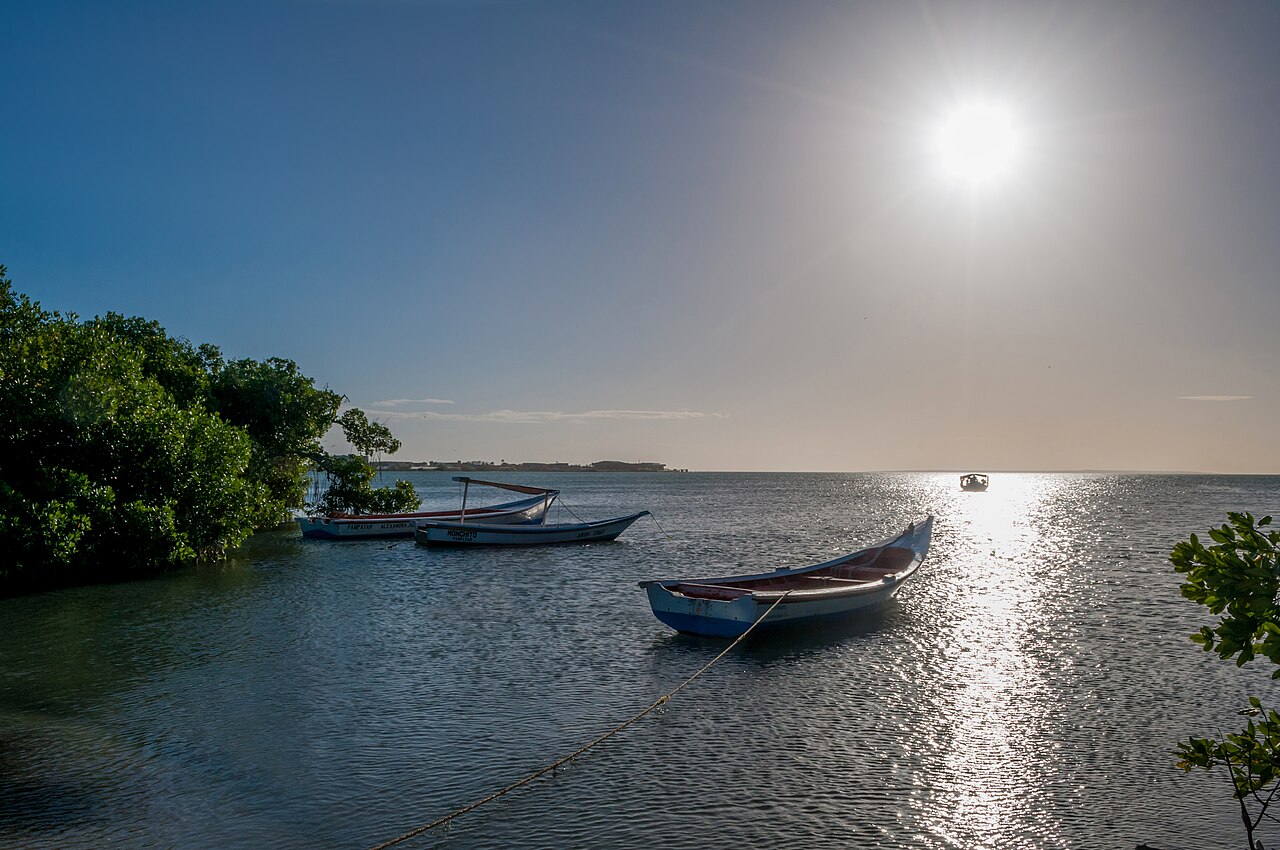 MangrovesThe birds, fish, crabs and trees people record most in mangrove forests, how they feed on each other, and…
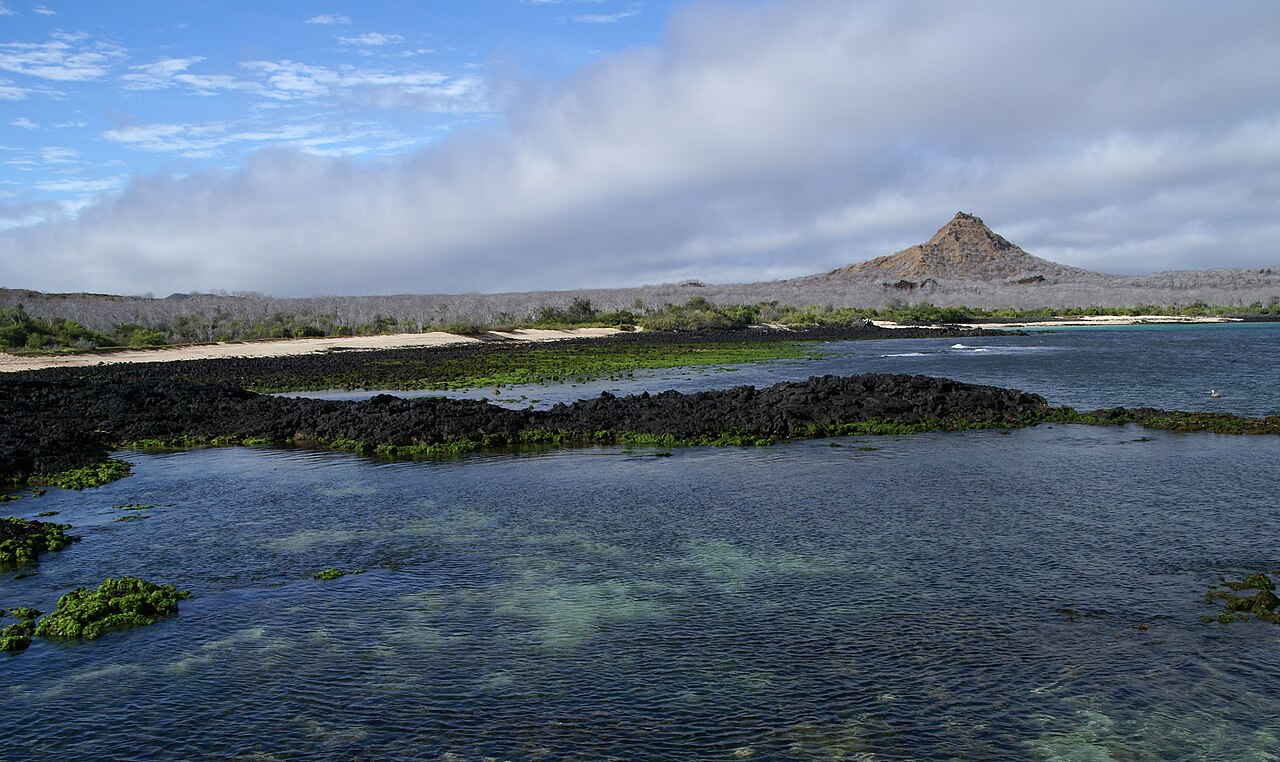 Galápagos IslandsThe animals people record most on the Galápagos Islands, from giant tortoises and marine iguanas to sea…
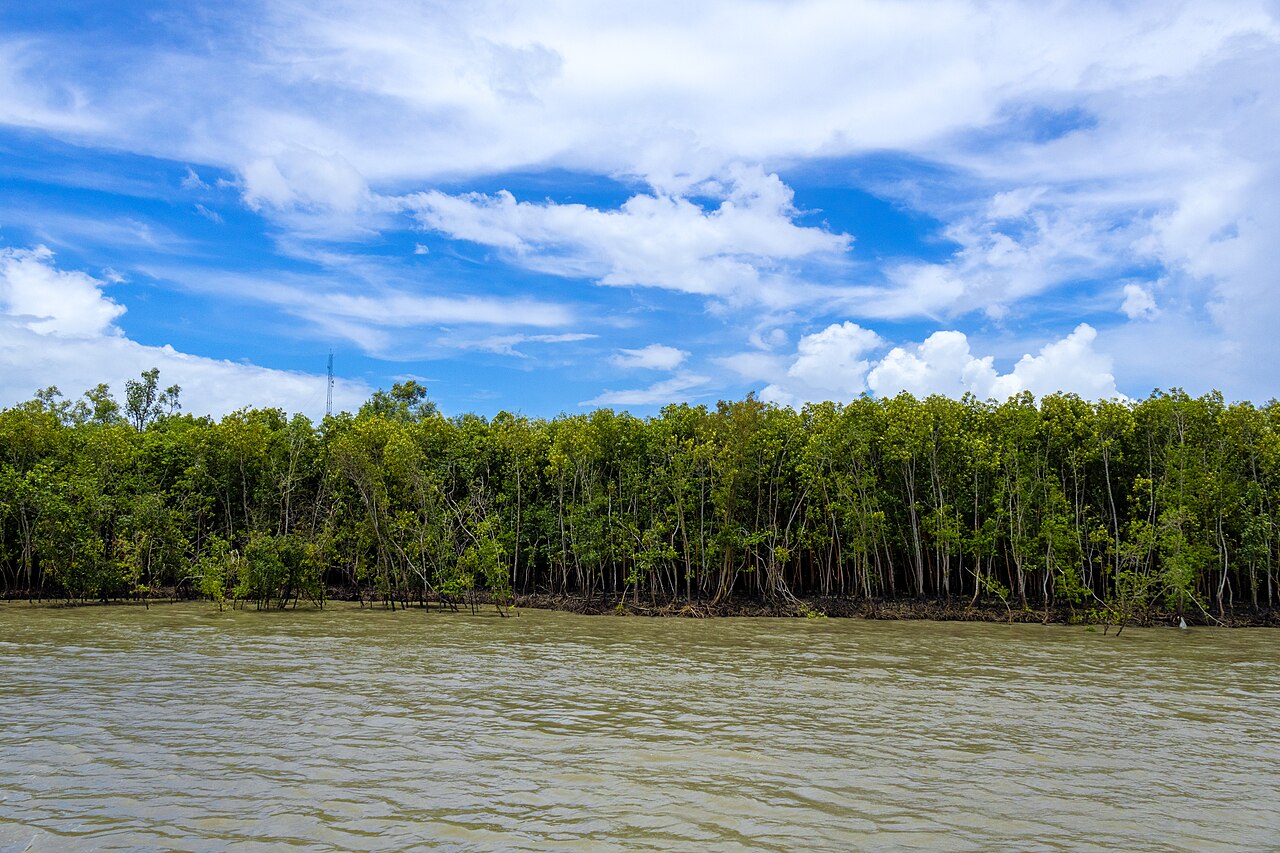 SundarbansThe species people record most in the Sundarbans, the world's largest mangrove forest, who eats whom, and…
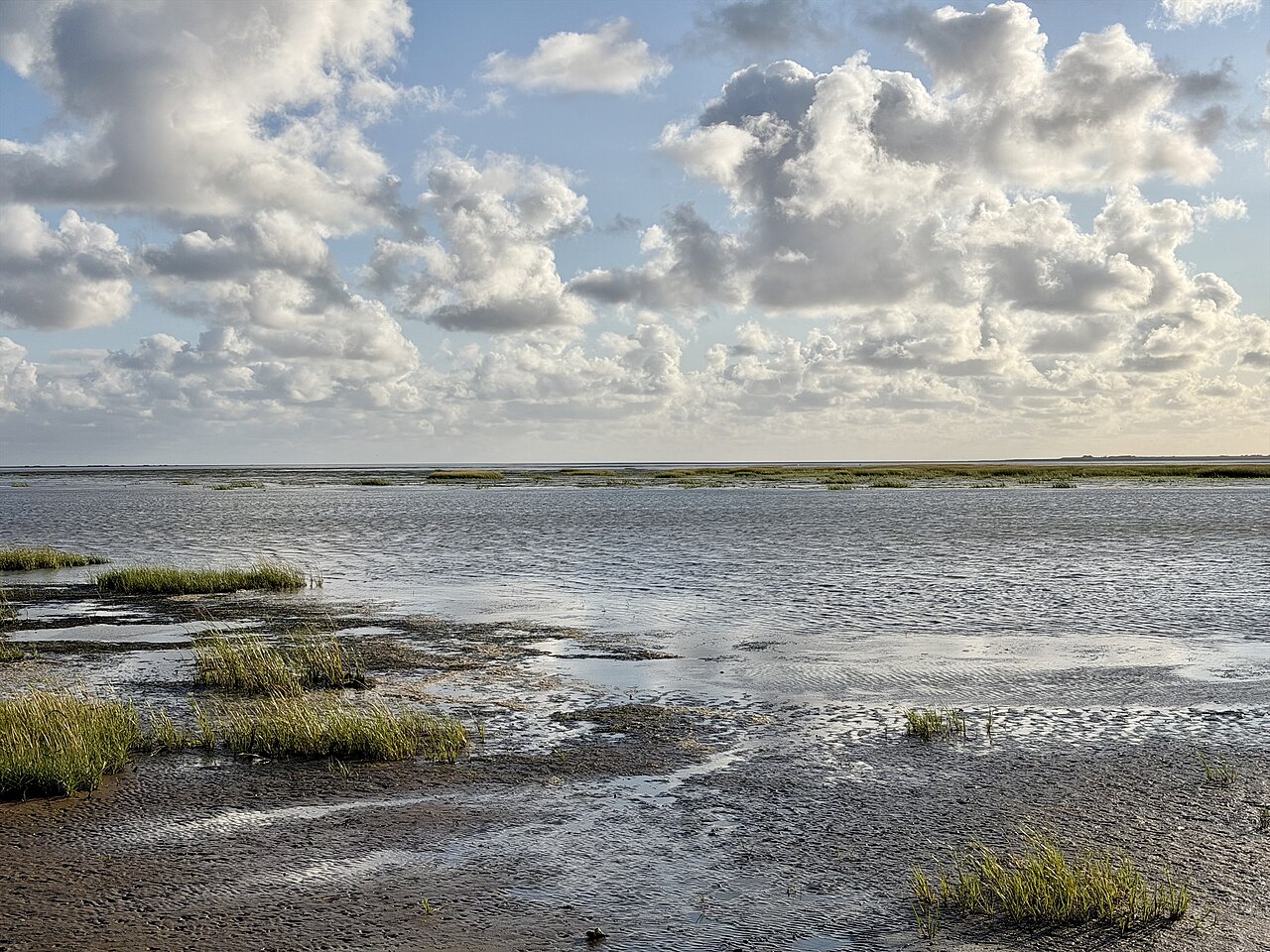 Wadden SeaThe birds, fish and shellfish people record most on the Wadden Sea, the world's largest unbroken tidal…
Ocean life
Whales, sharks and the wonders of the deep
The largest animals on Earth share the sea with hunters, gliders and shape-shifters. Choose one to see where it lives, what it eats and how it is doing.
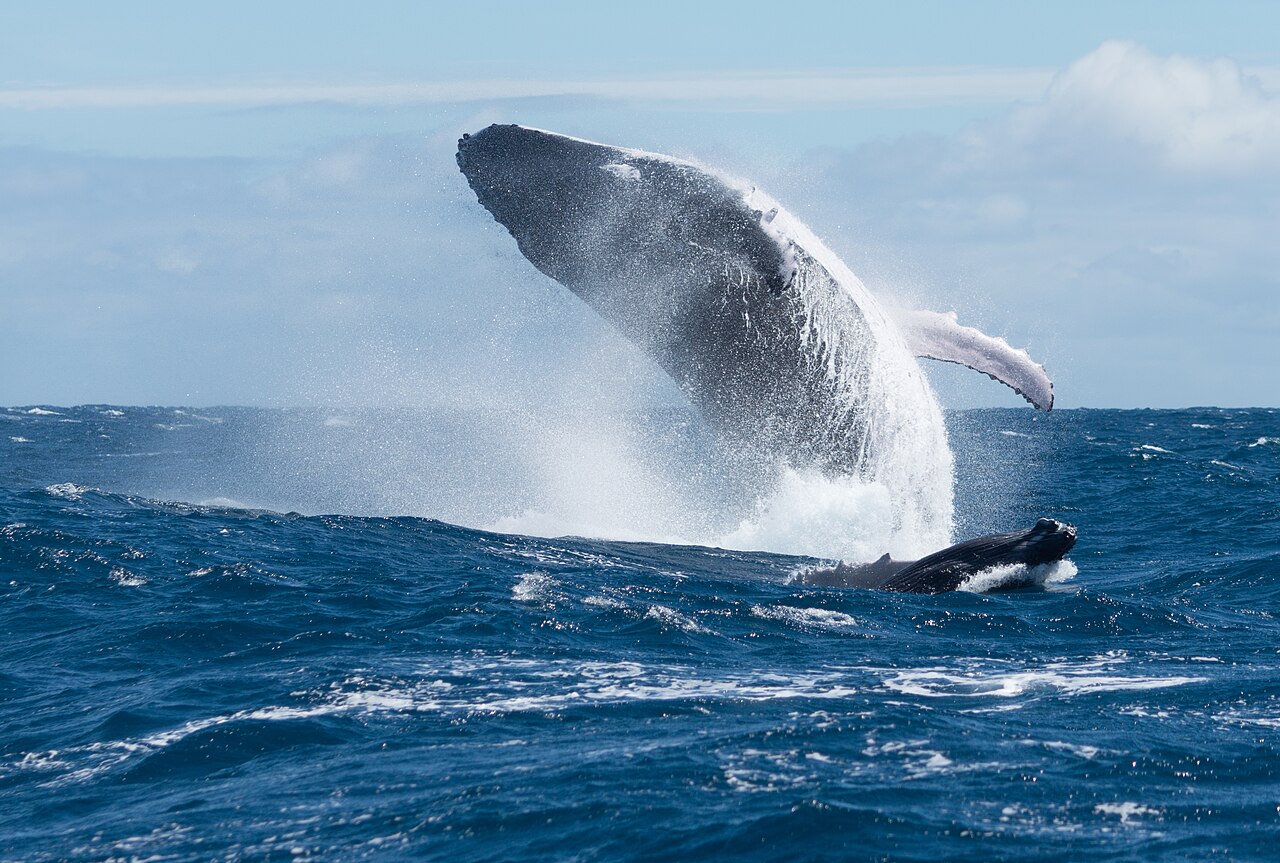 Humpback whaleMegaptera novaeangliae
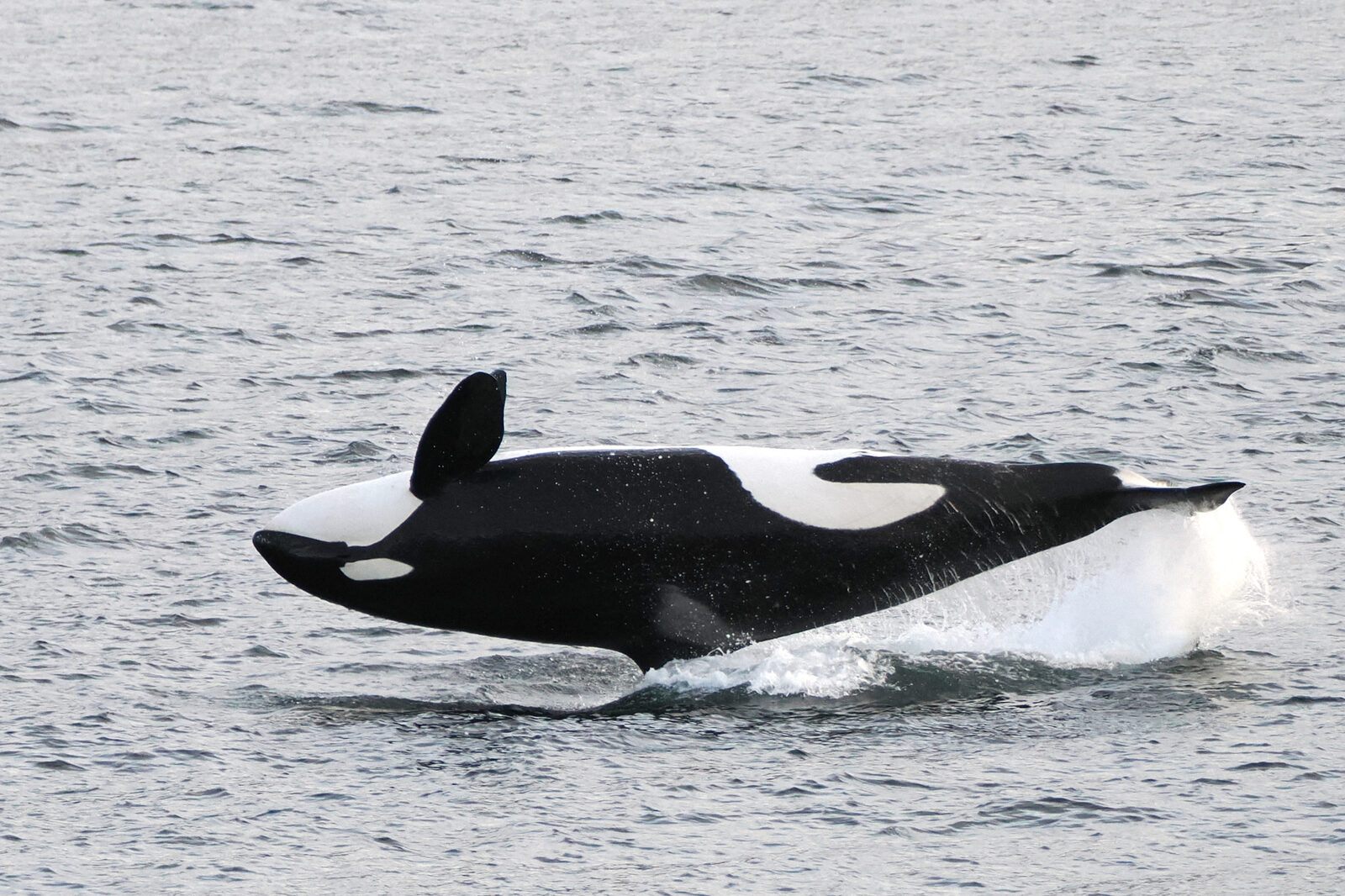 OrcaOrcinus orca
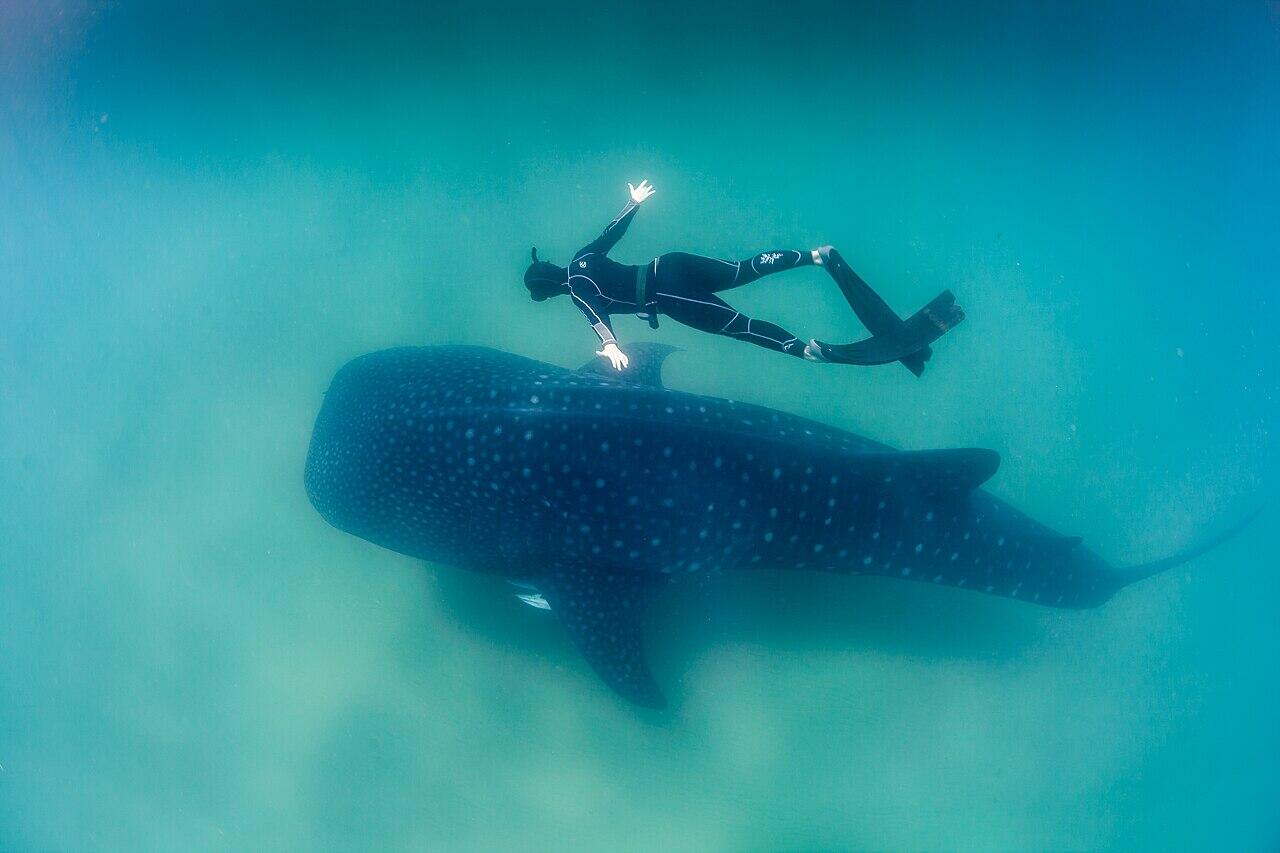
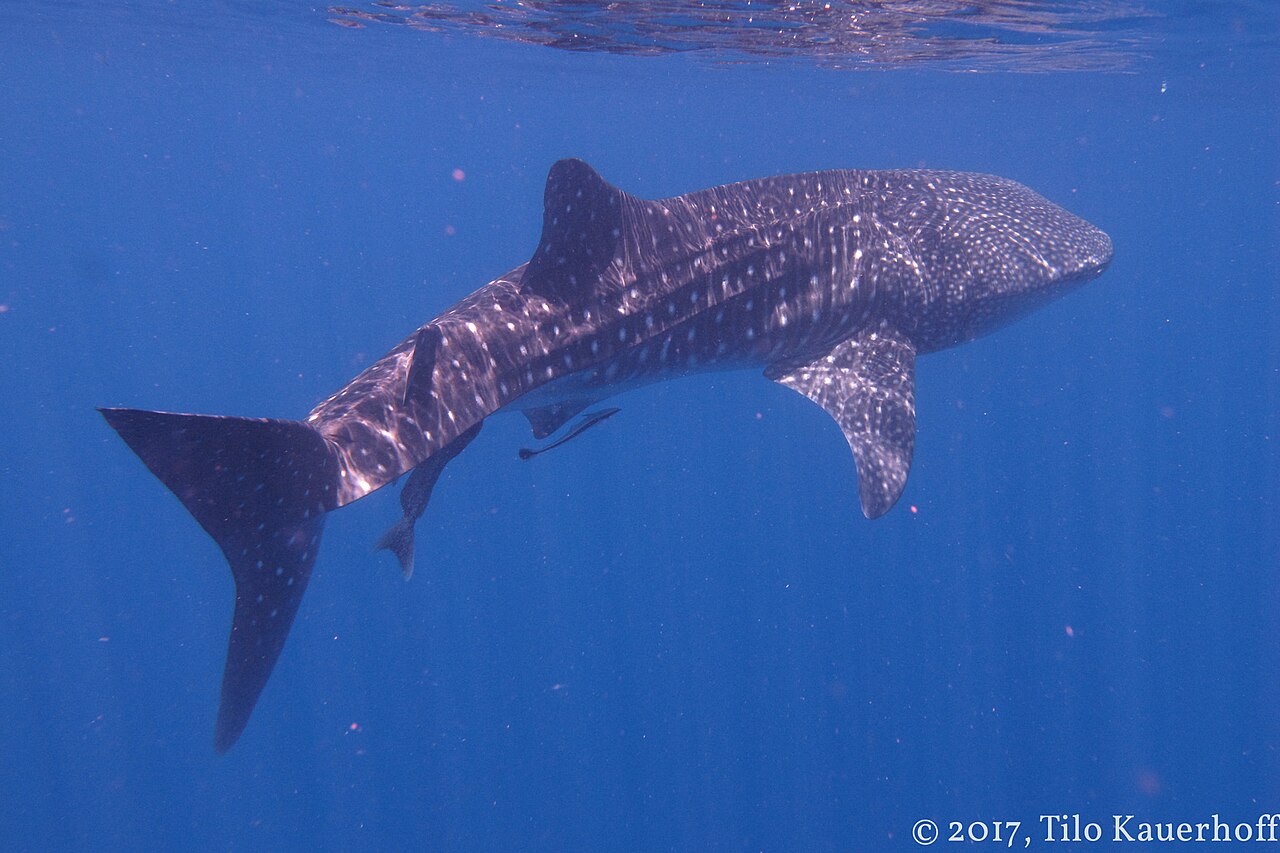 Whale sharkRhincodon typus
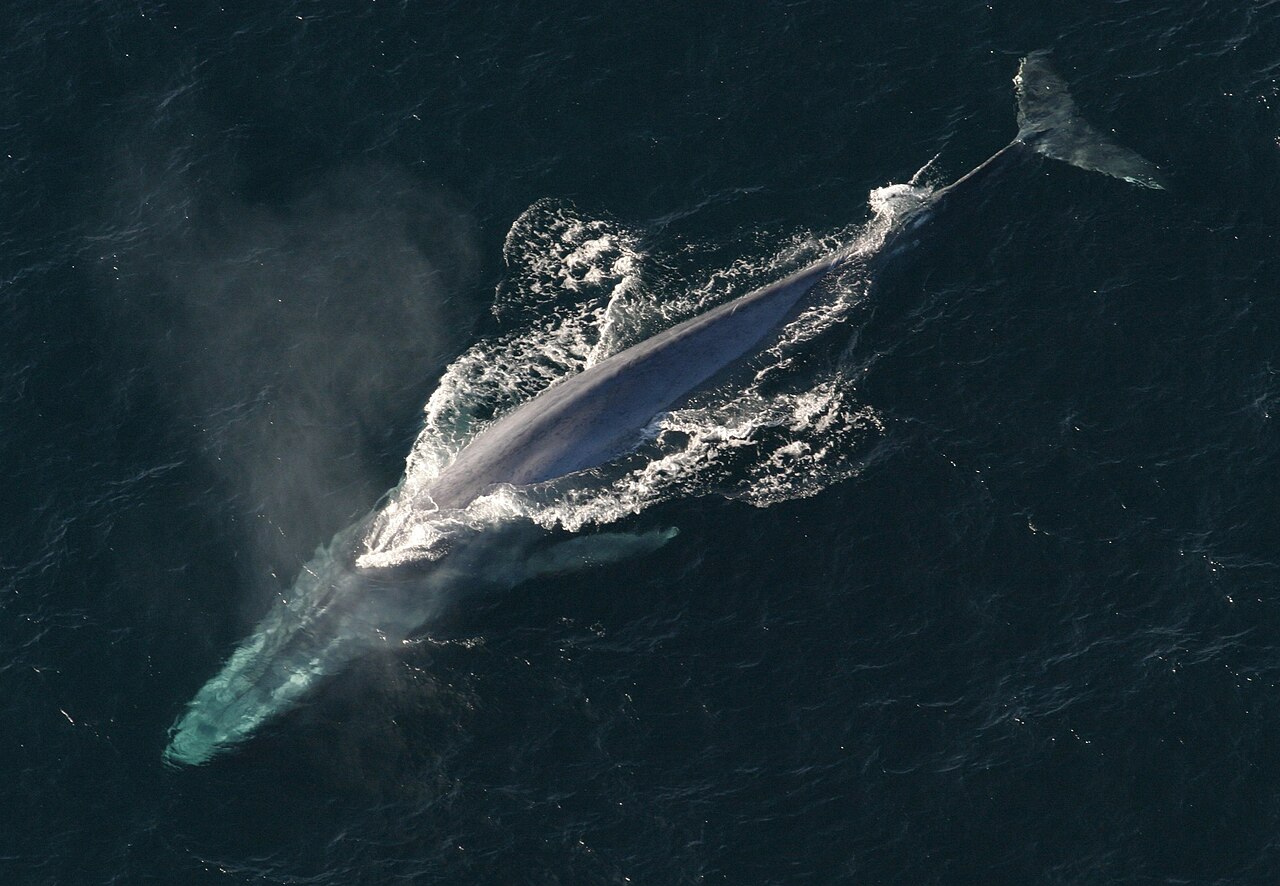 Blue whaleBalaenoptera musculus
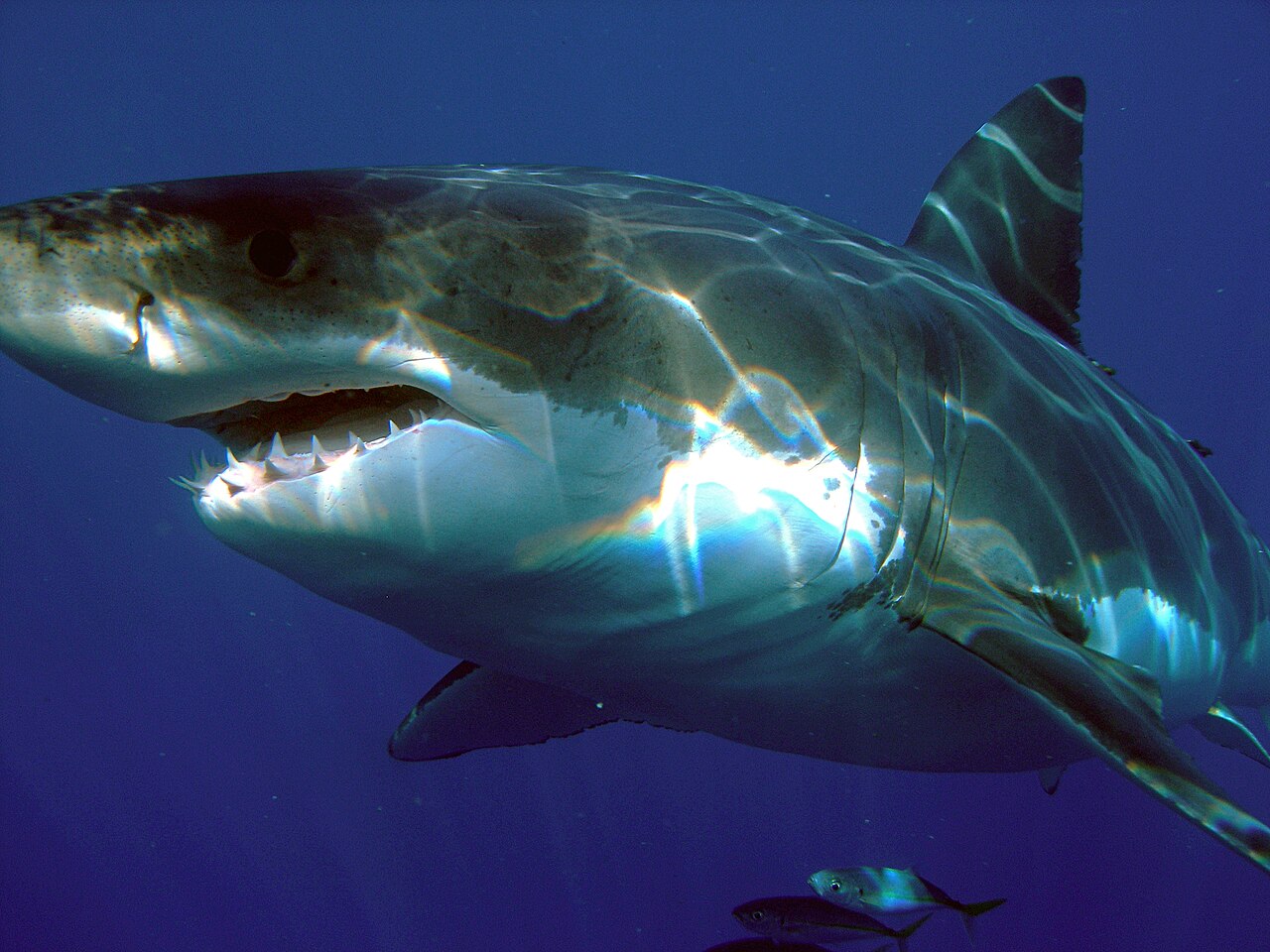 Great white sharkCarcharodon carcharias
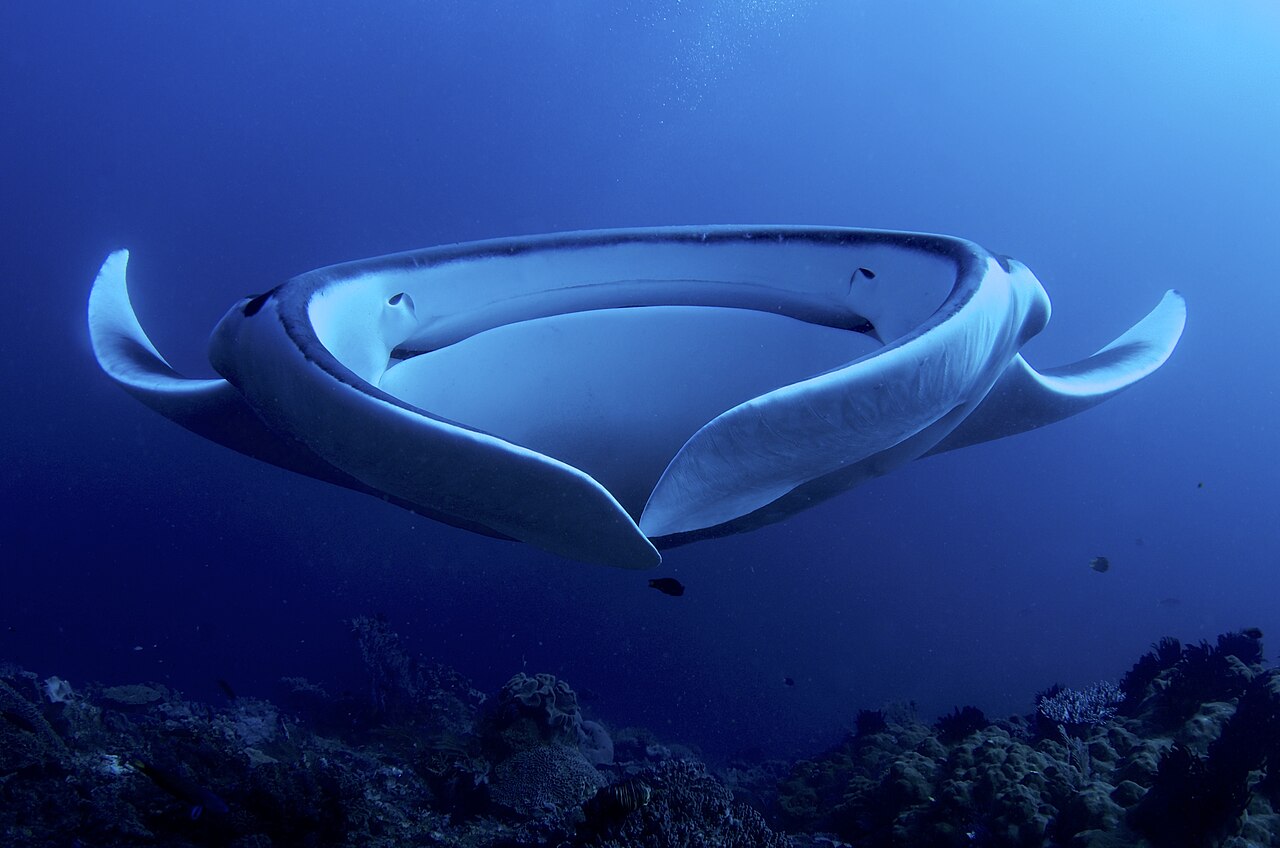 Giant oceanic manta rayMobula birostris
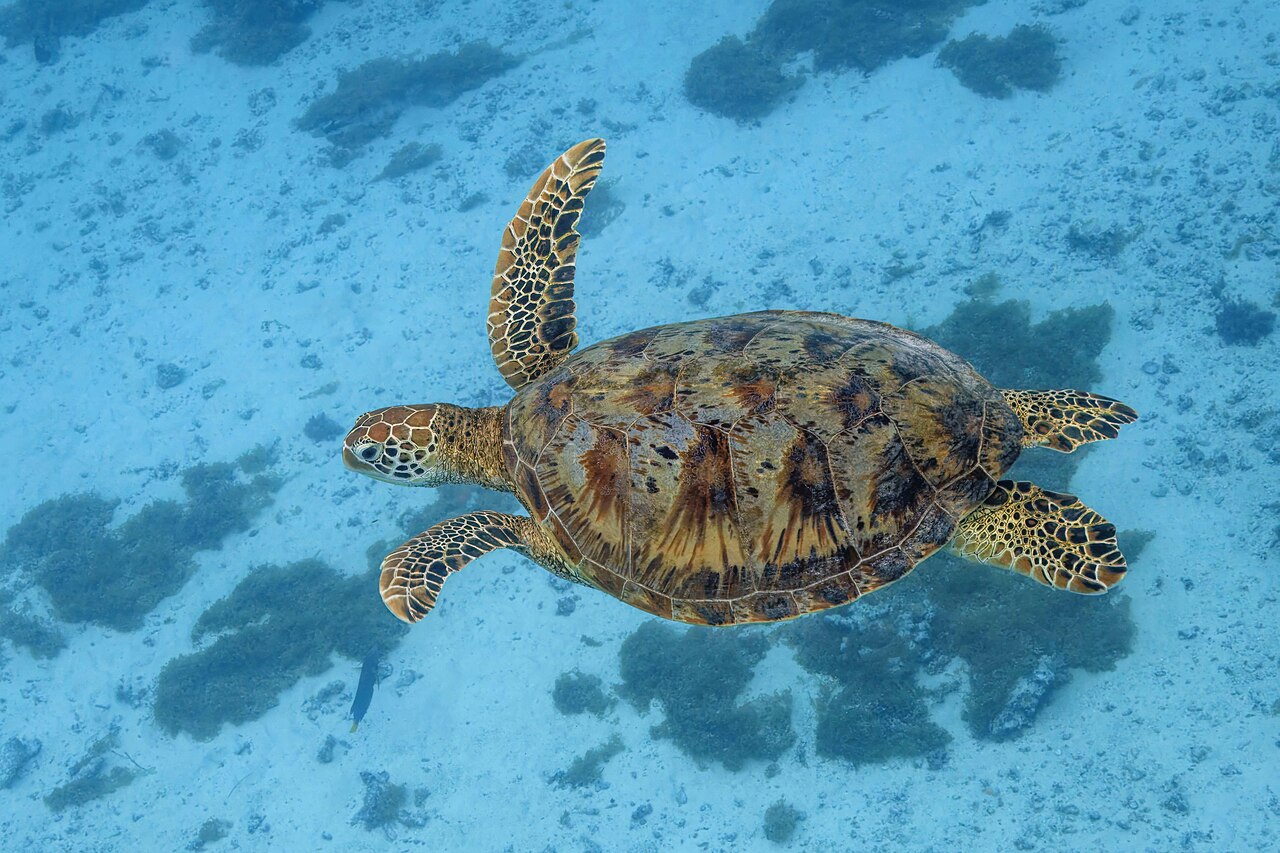 Green sea turtleChelonia mydas
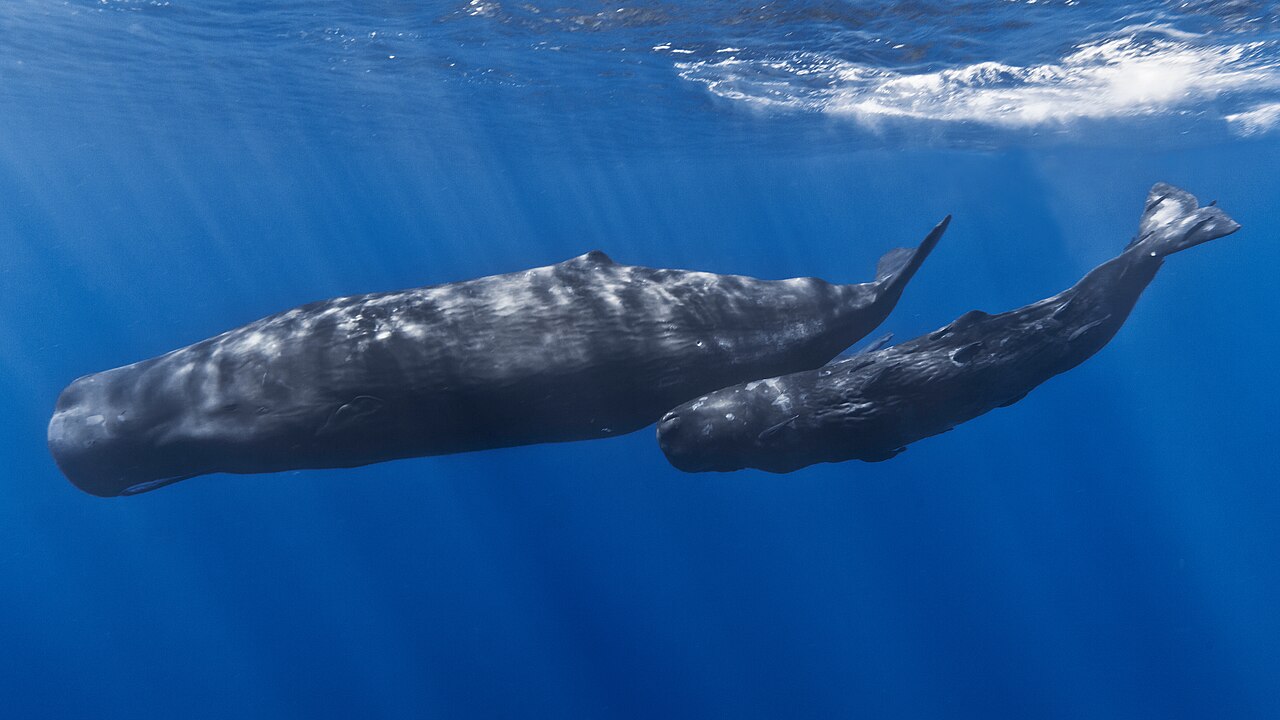 Sperm whalePhyseter macrocephalus
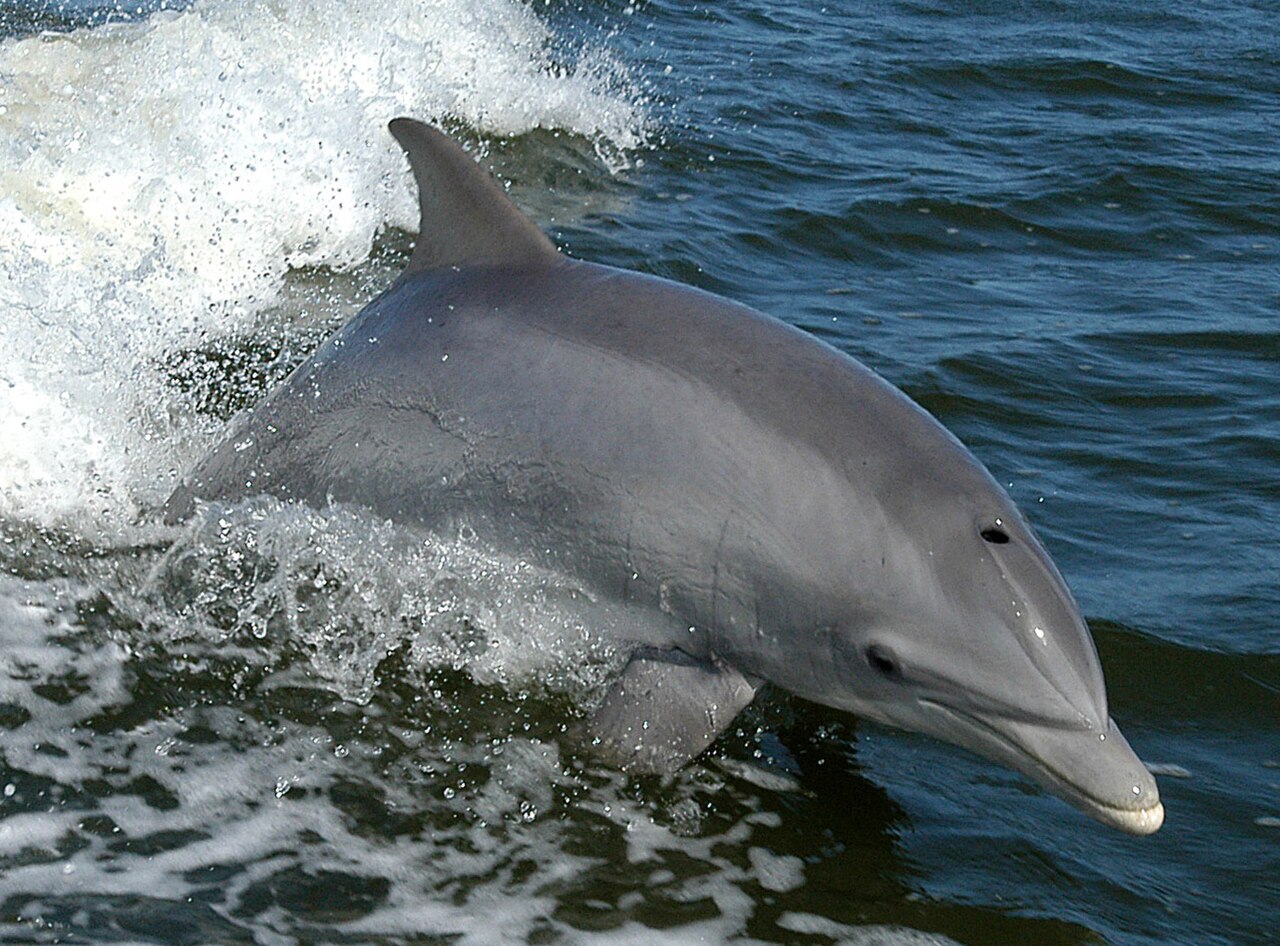 Common bottlenose dolphinTursiops truncatus
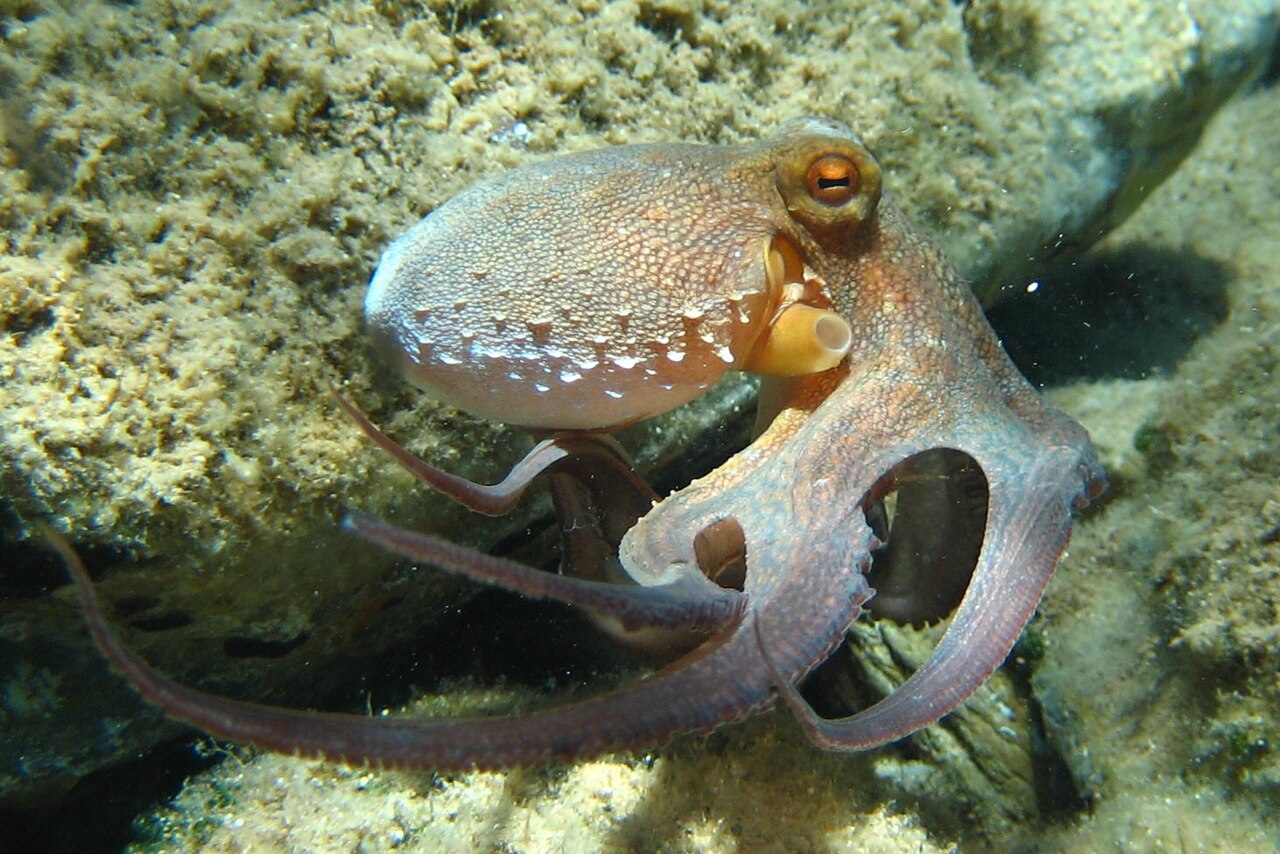 Common octopusOctopus vulgaris
People and the ocean
The people who see it change first
Divers, fishers, scientists and coastal communities are the first to notice when a reef bleaches or a fish disappears.
You can see it too: learn to recognise ocean animals, follow what threatens them and back the solutions that work.
See the wildlife near you →Watch
Films to watch
Documentaries from 4PLANET FILMS. Each page has the trailer and where to watch the film.
 My Octopus TeacherA filmmaker’s relationship with a wild octopus becomes an intimate route into the complexity of a South African kelp forest and the life within it.
 Chasing CoralDivers, scientists and photographers build a visual record of coral bleaching and rapid change across reef systems around the world.
 Mission BlueA portrait of oceanographer Sylvia Earle and her campaign to build public support for protecting critical places in the ocean.
 Sea of ShadowsScientists, investigators, journalists and activists confront an illegal wildlife-trafficking network whose fishing methods are pushing the vaquita toward extinction.
 A Plastic OceanA global expedition traces plastic pollution through marine environments, wildlife and food chains while examining technologies and practical responses.
 Sea Country / Malu LagA remote island community off northern Australia carries its relationship with Sea Country and its climate concerns into wider political arenas.
 ArtifishalA film about wild salmon, hatcheries and fish farms — and the human decisions shaping rivers, fisheries and the future of wild fish.
How it works
The living systems of the sea
The processes that move water, carbon and nutrients, and build homes for ocean life.
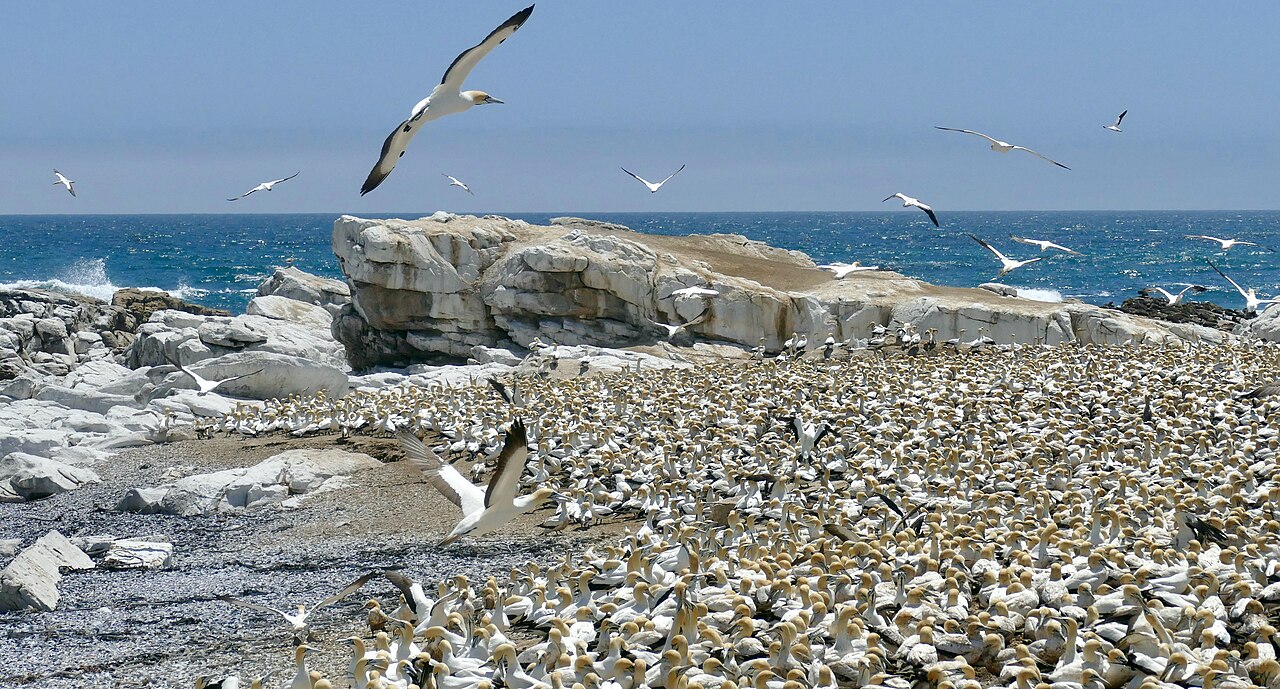 Ocean upwellingCoastal upwelling covers only 1% of the ocean surface yet supplies roughly half of the world’s fish…
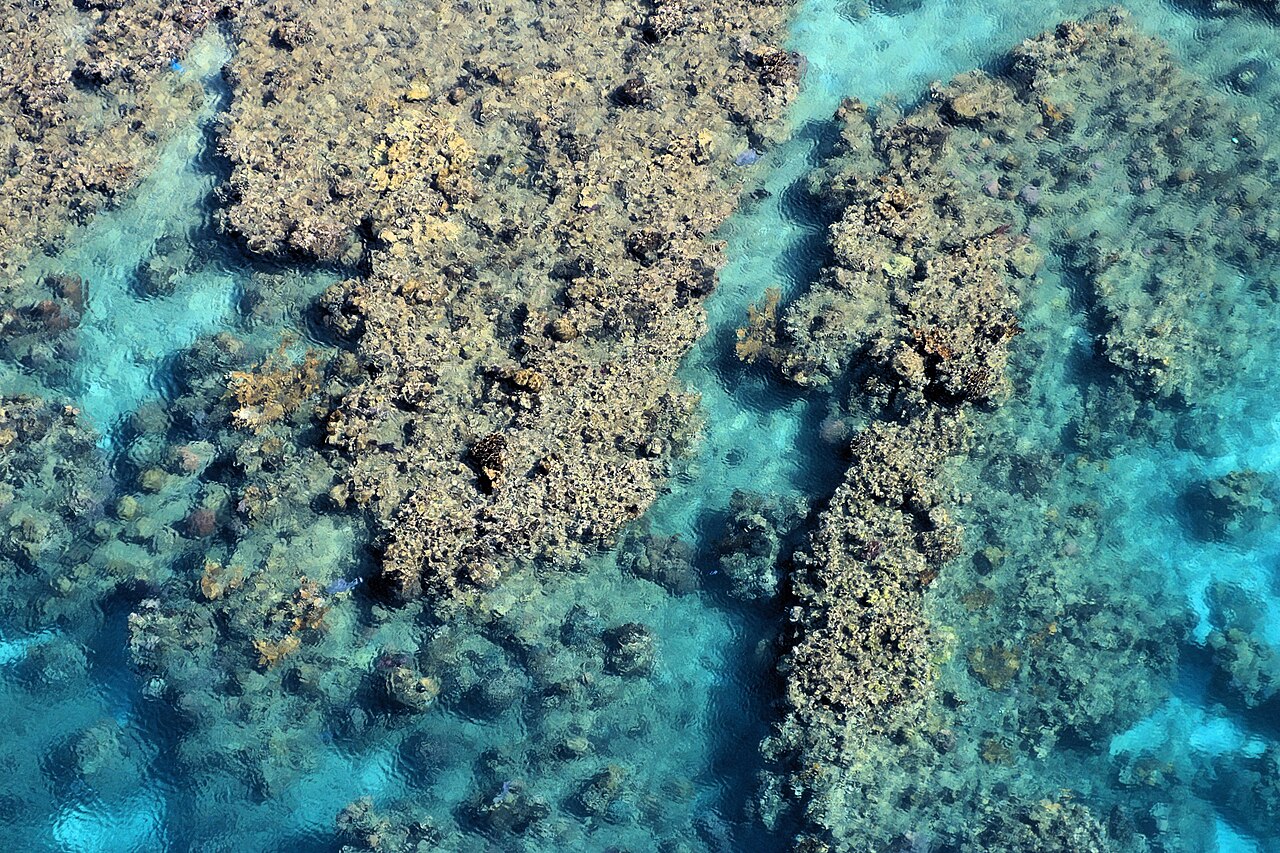 How coral reefs are builtTiny coral animals build the largest living structures on Earth. How reefs grow, why at least 25% of…
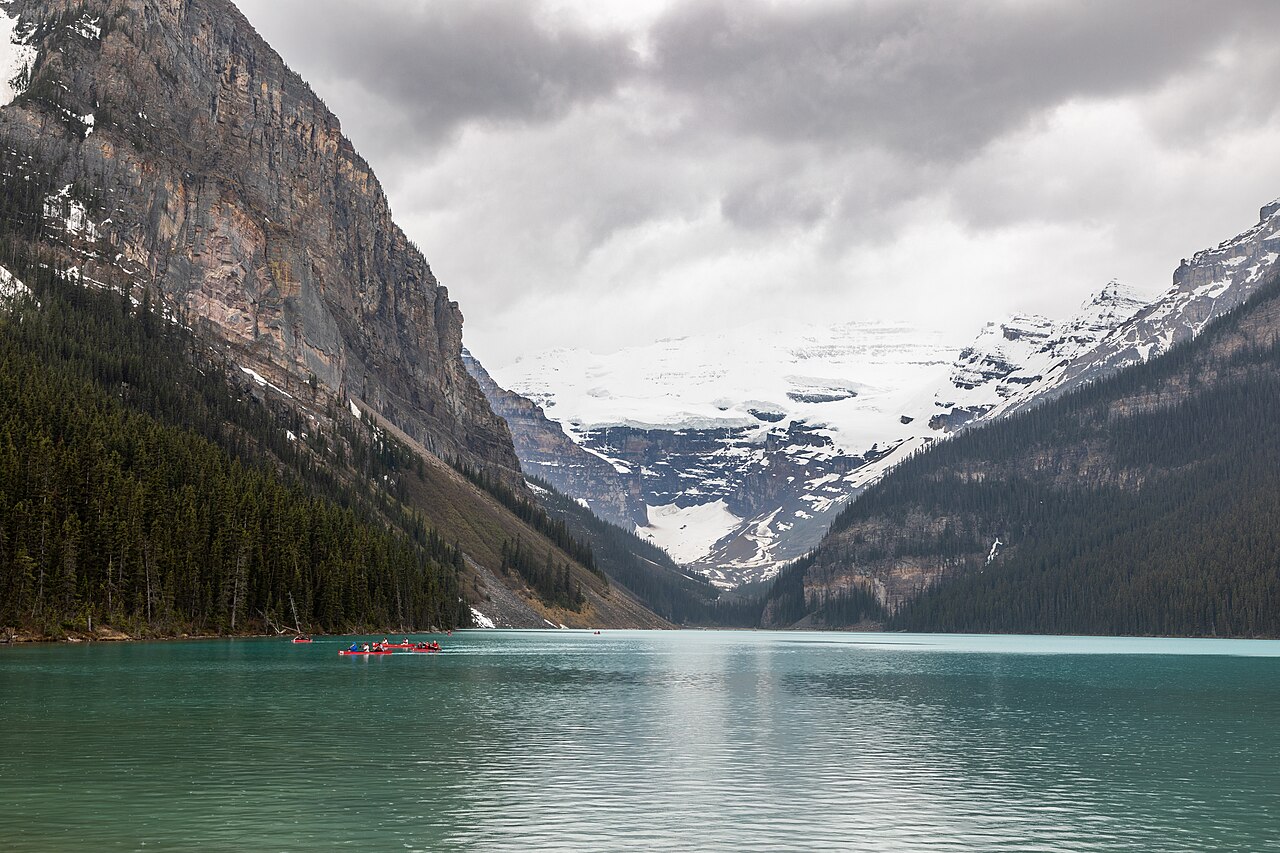 The water cycleThe oceans hold about 96.5% of all Earth’s water. How evaporation, clouds, rain, rivers and forests keep…
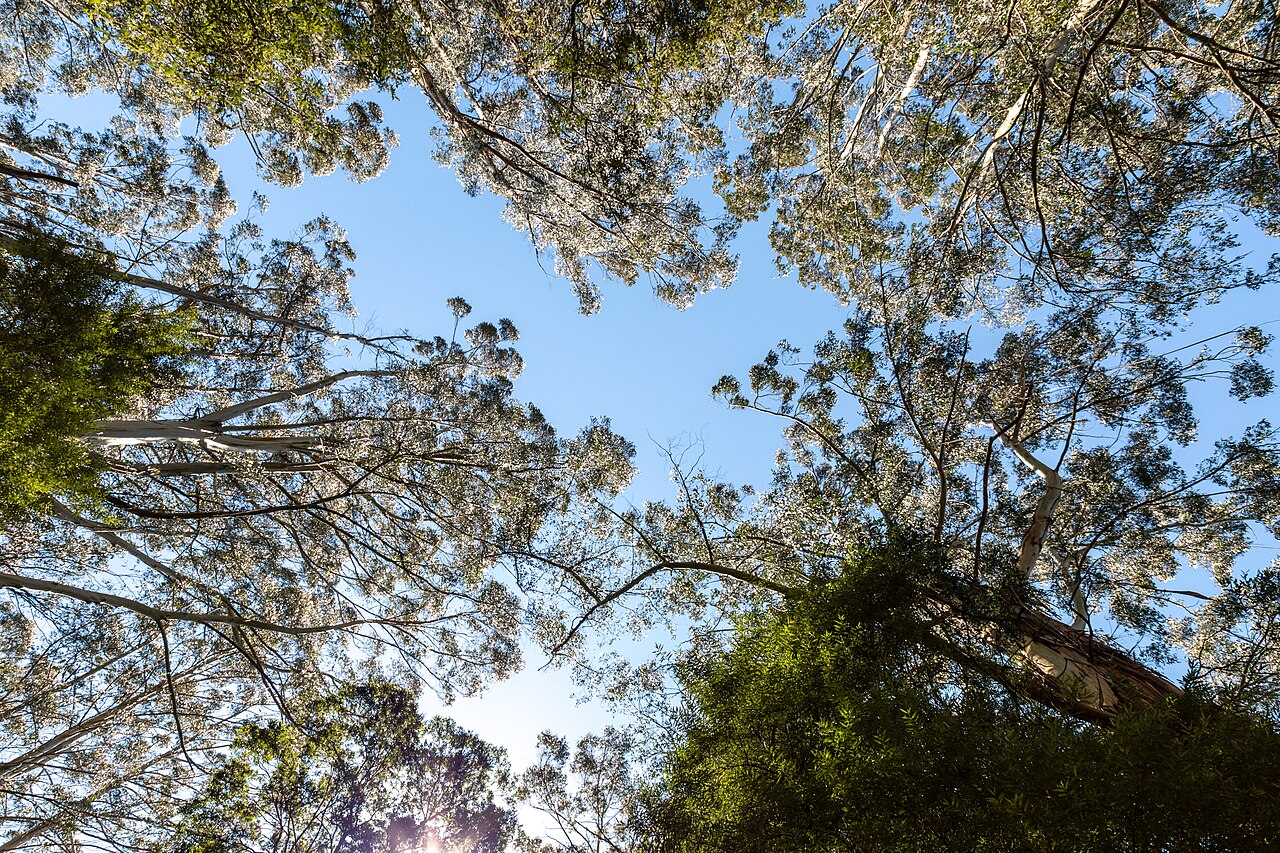 The carbon cyclePlants and the ocean have taken up about 55% of the extra carbon people have released. How carbon moves…
The state now
How the ocean is doing
Four numbers, each from the 4PLANET page that cites its source.
- 1 in 3
assessed fish stocks are overfished.
Overfishing → - 30%
more acidic surface ocean since the industrial age.
Ocean acidification → - 400+
ocean dead zones, fed by nutrients washed off the land.
Nutrient pollution → - 8.4%
of the ocean is protected.
Protected areas →
Pressures
What pushes the ocean out of balance
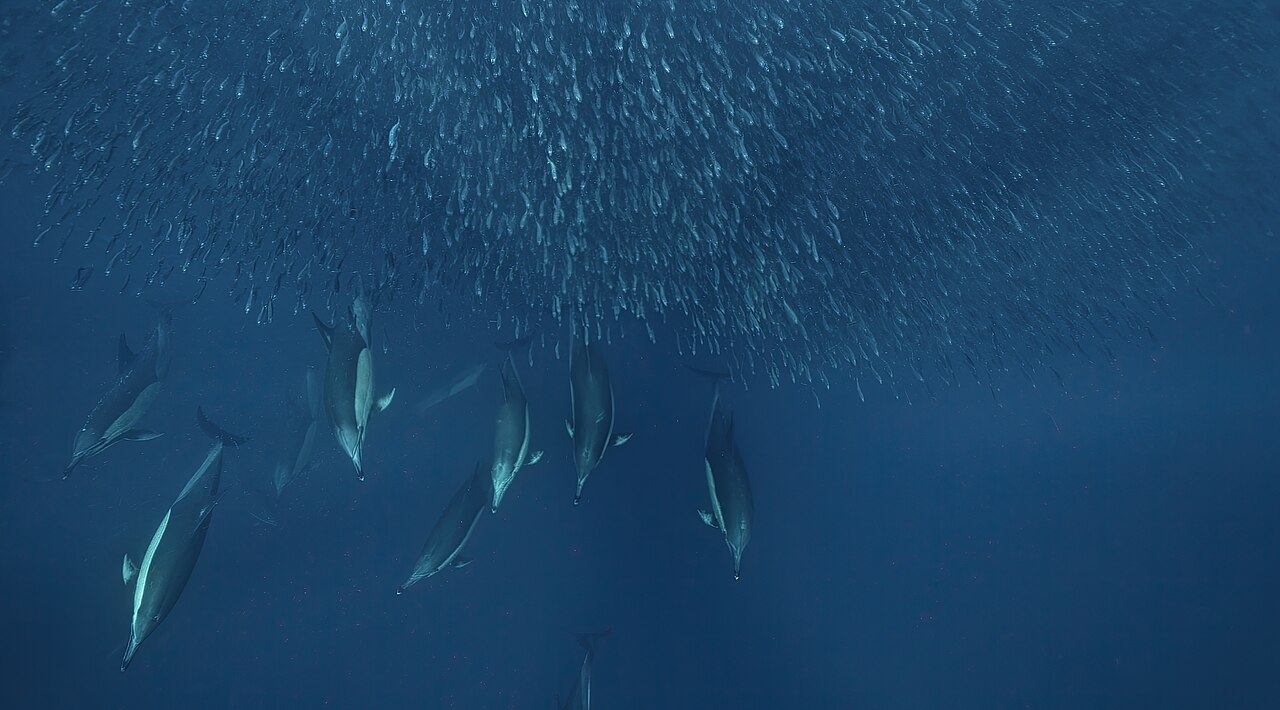 OverfishingMore than a third of the world's assessed fish stocks are overfished. Where fishing is heaviest, what it…
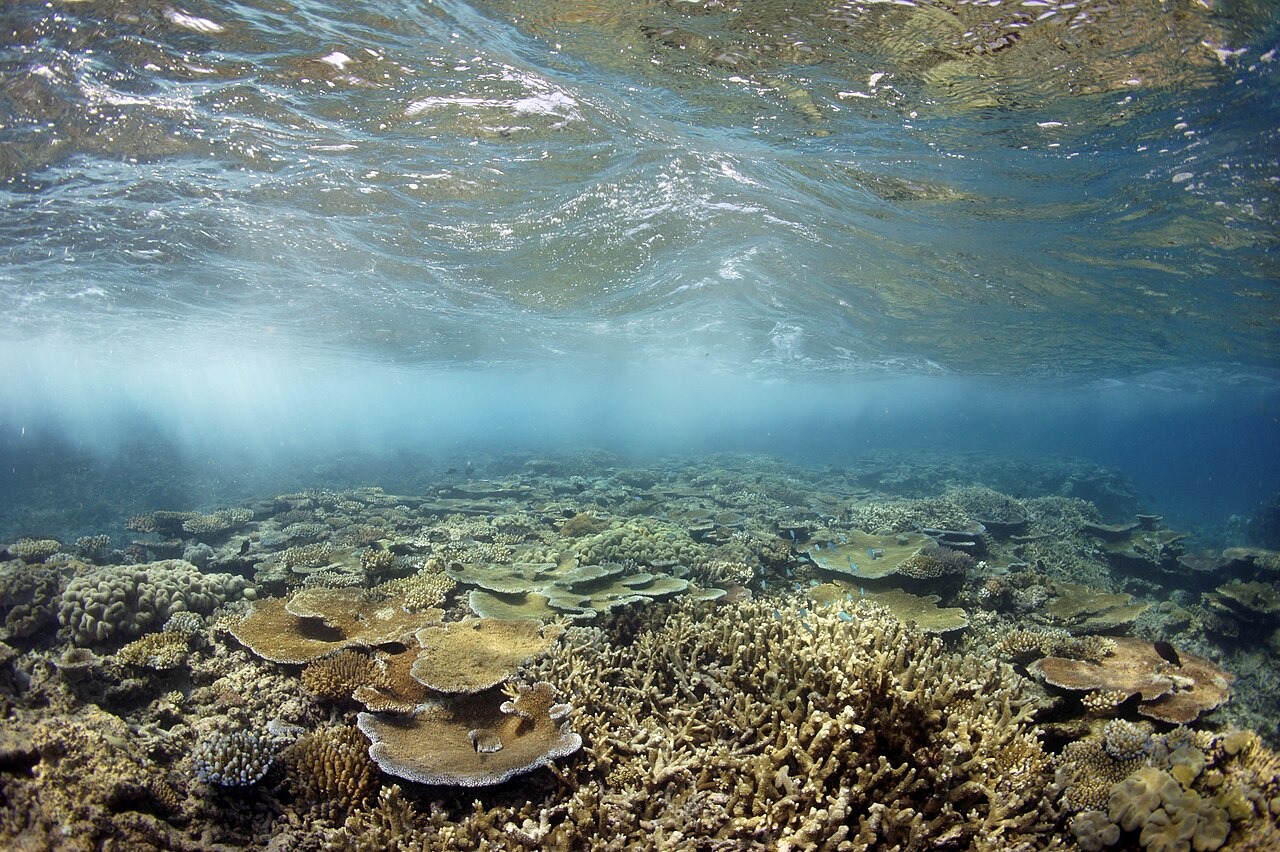 Ocean acidificationThe ocean has become about 30% more acidic since the industrial age, and has crossed its safe planetary…
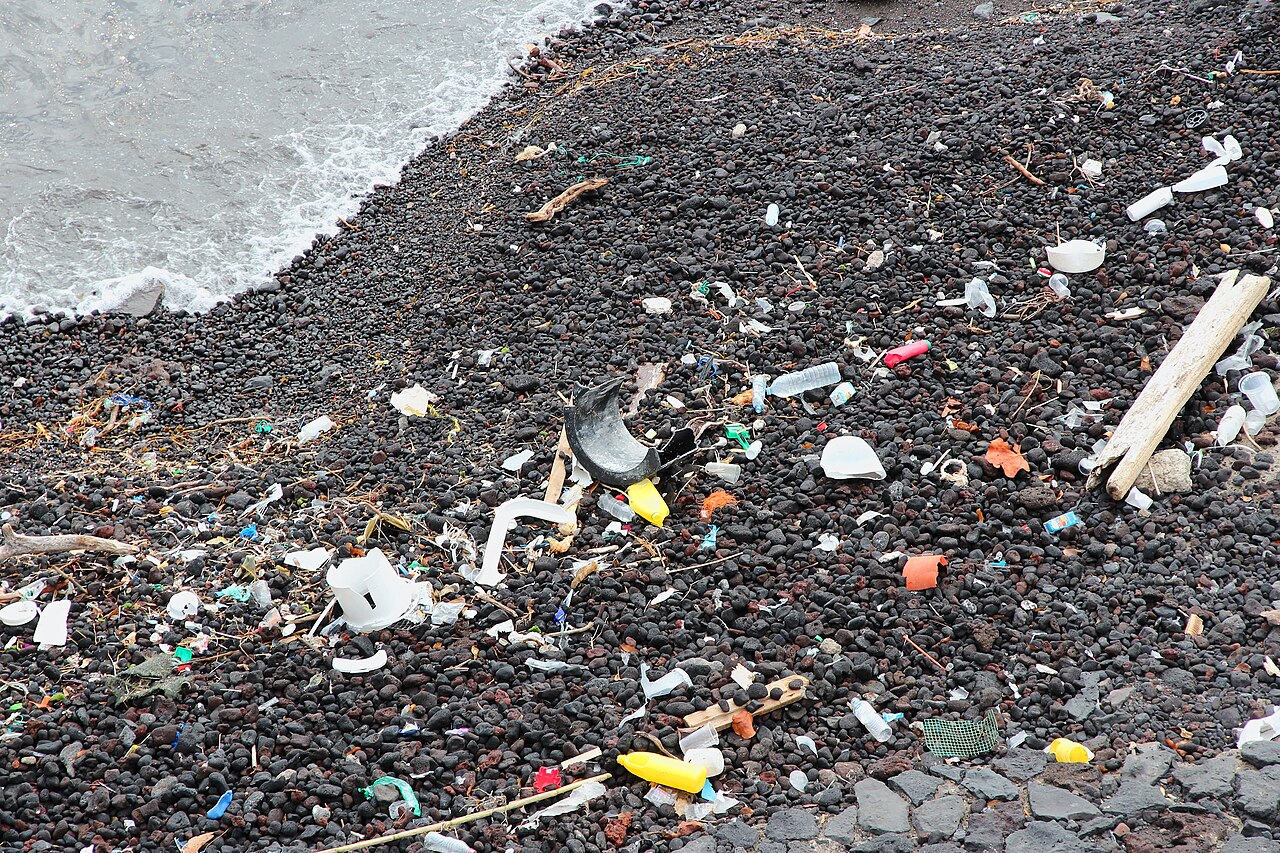 Plastic pollutionWhere plastic waste escapes into rivers and the sea, which habitats and animals it hits, and what is…
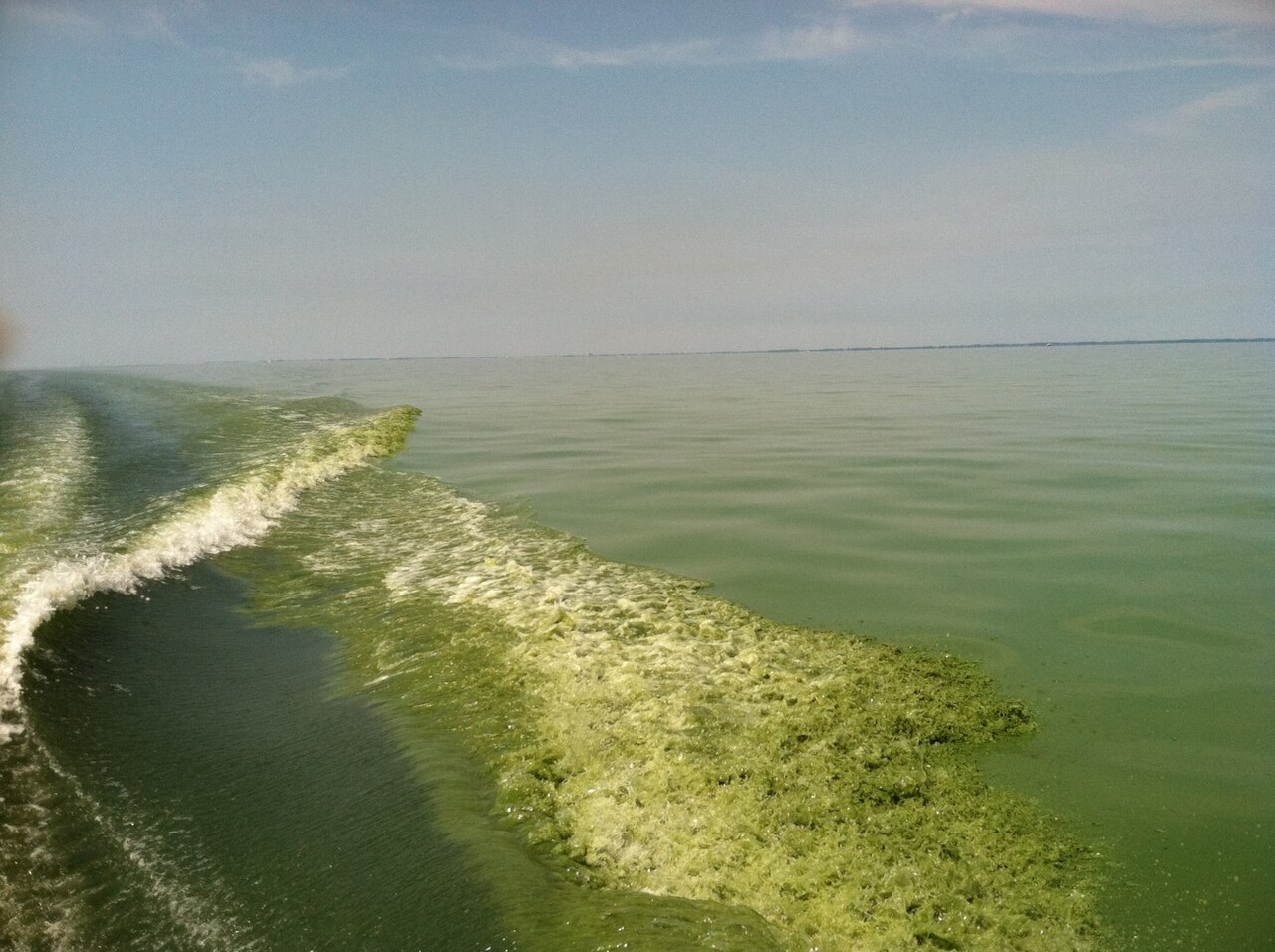 Nitrogen and phosphorus pollutionAbout 200 million tonnes of nitrogen are lost to nature each year, feeding algae and more than 400 ocean…
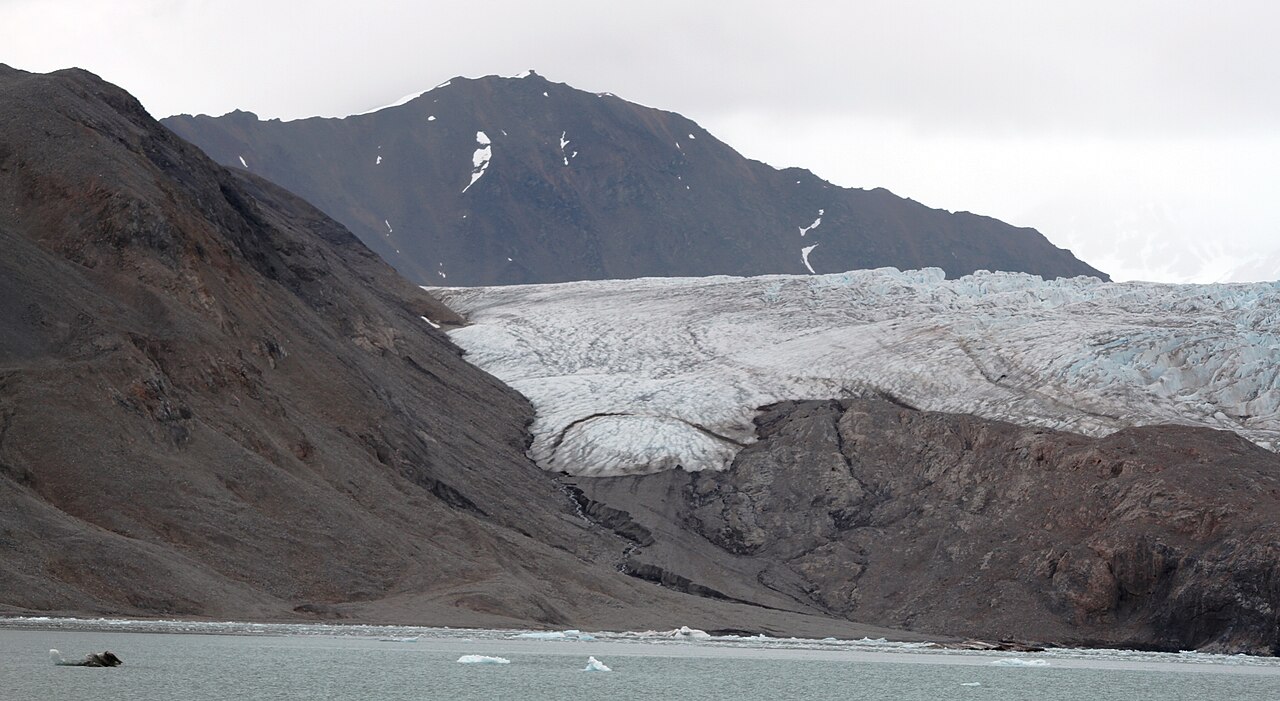 Global heatingHow much the world has warmed since the 1850s, which habitats and animals it hits hardest, from coral…
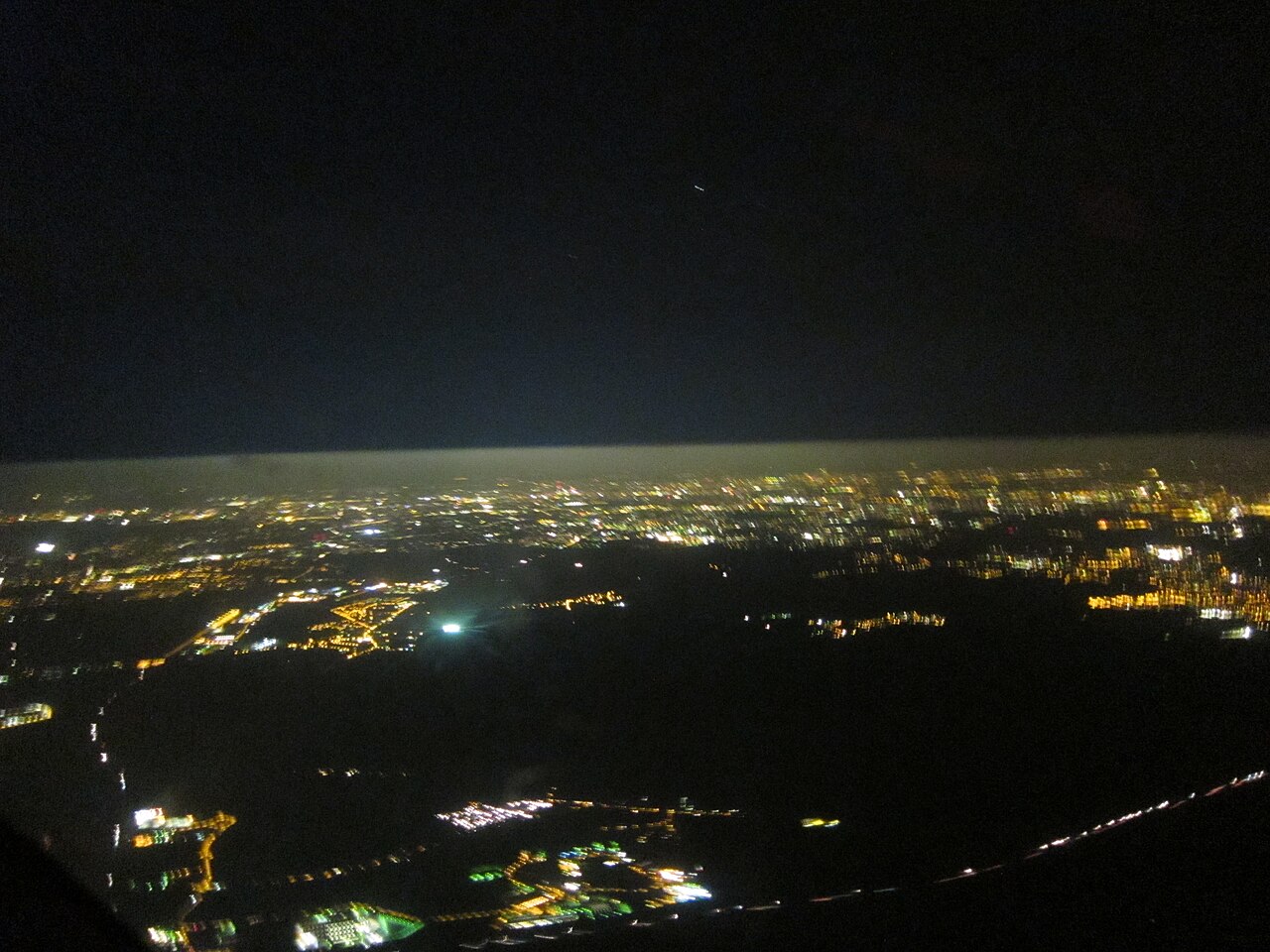 Light pollutionArtificial light now reaches 23% of the world's land at night and the sky grows brighter every year. How…
Solutions
What helps the ocean
Solutions with evidence, and the choices on your own plate.
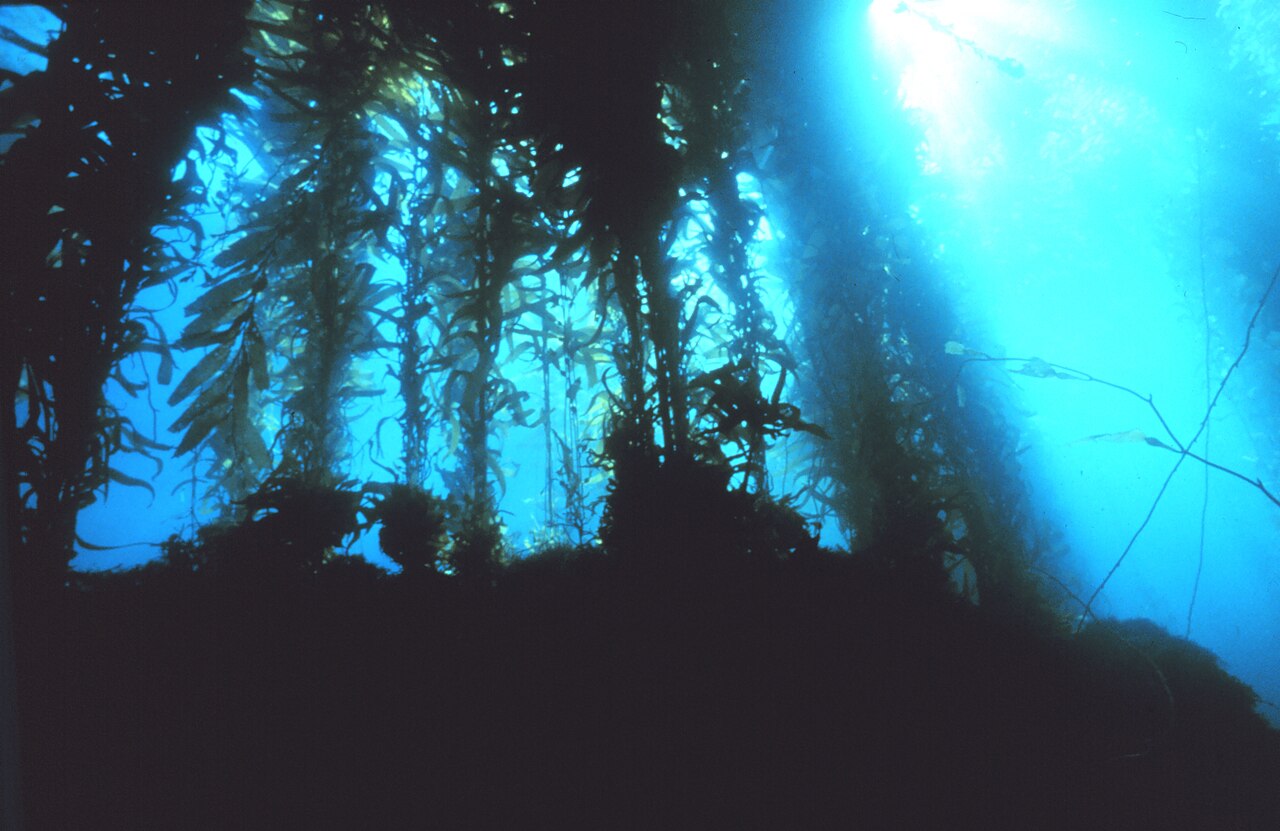 Marine protected areasOnly a small part of the ocean is fully protected. How marine reserves bring fish and reefs back, where…
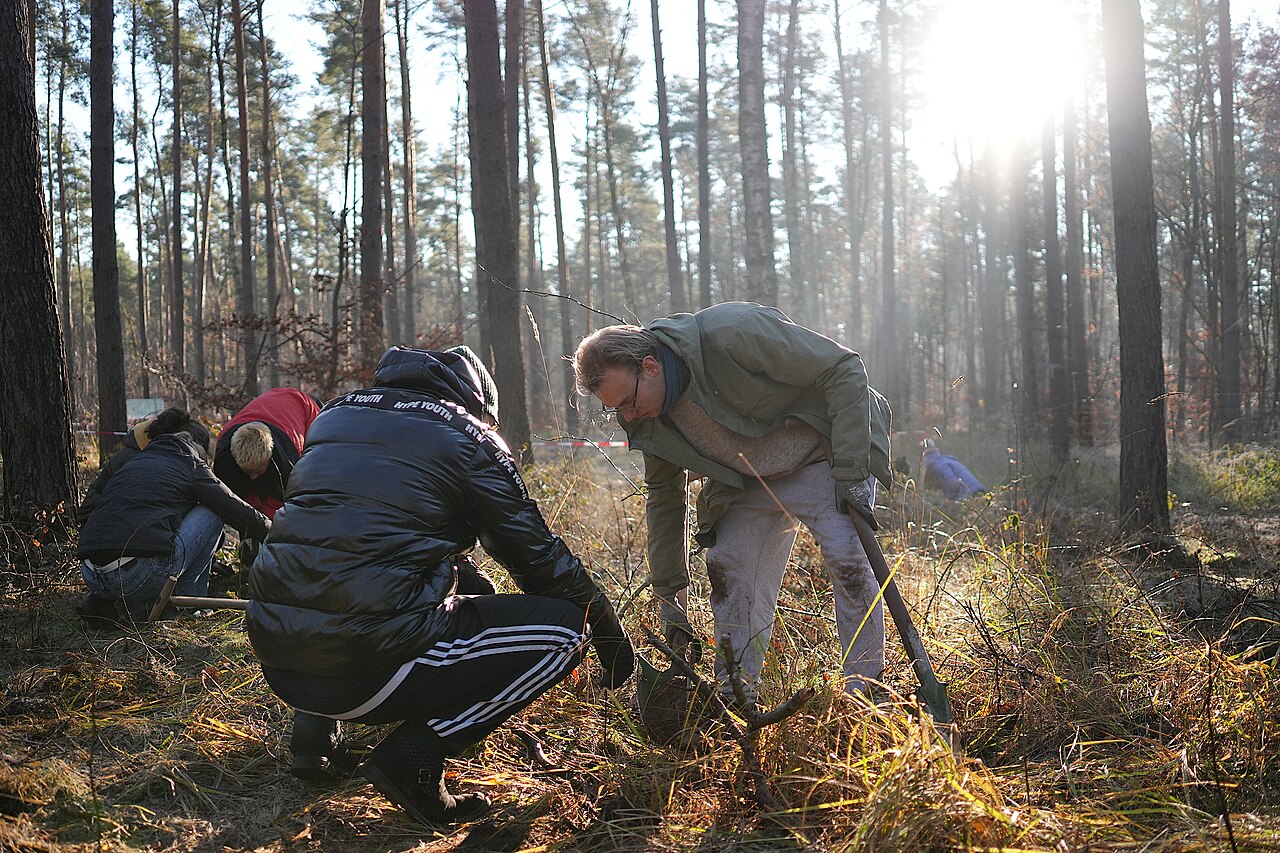 Ecosystem restorationHow restoring forests, wetlands, rivers and reefs brings nature back, what the science says works, the…
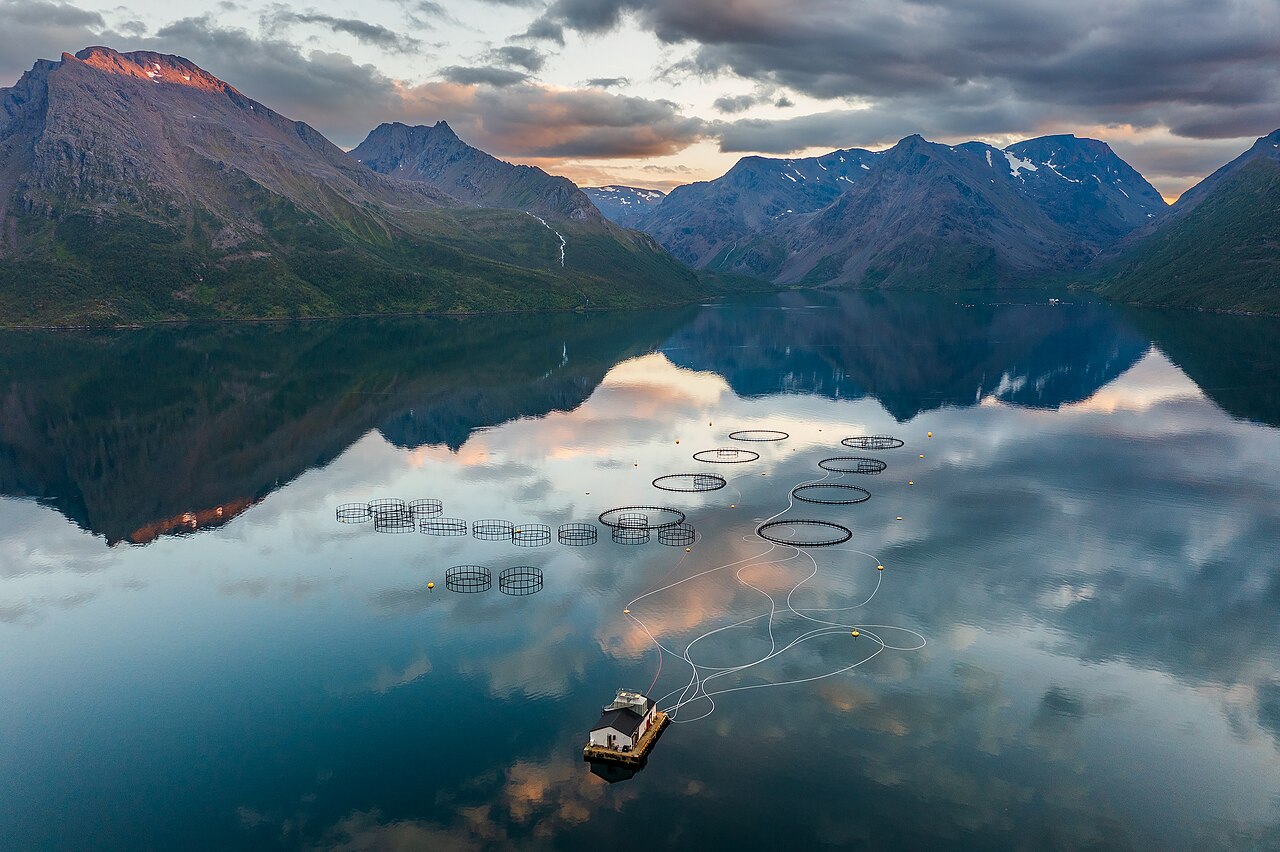 Farmed fishThe climate, land and water footprint of farmed fish such as salmon, per kilogram and per 100 g protein,…
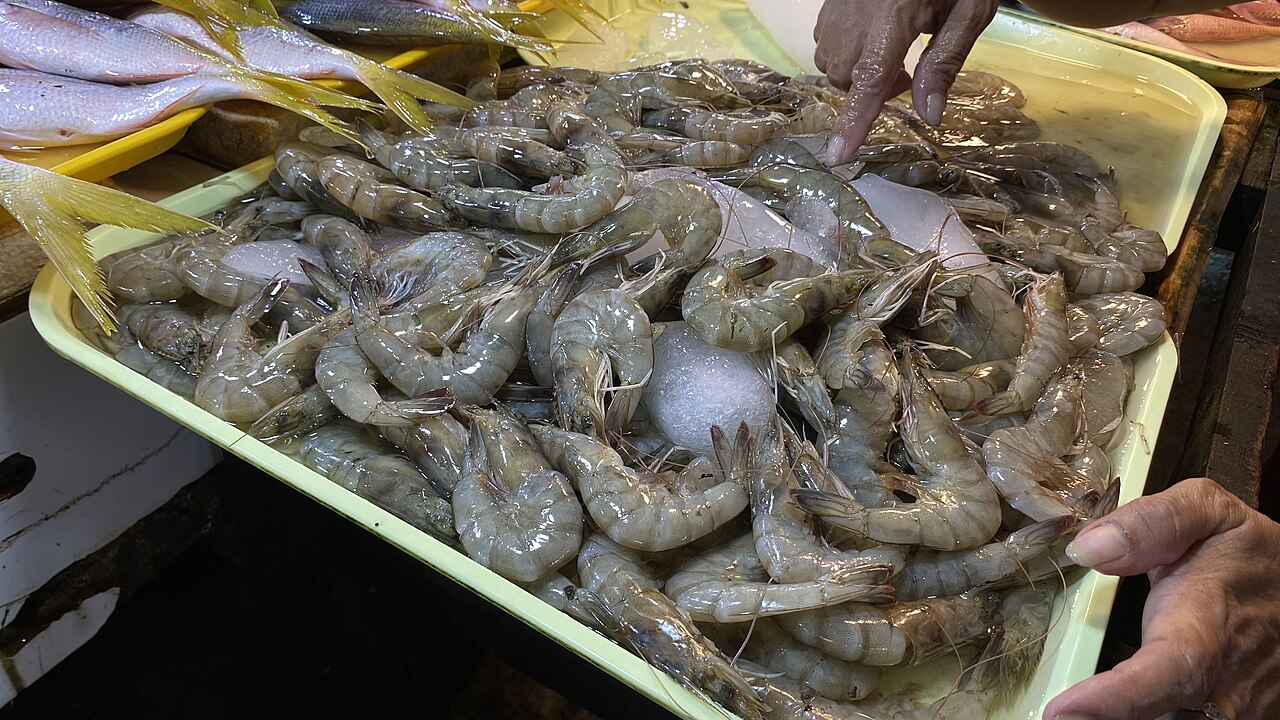 Farmed prawnsFarmed prawns: greenhouse gases, land and water per kilogram, the pressures shrimp farms put on coasts,…
Organisations
Working for the ocean
Profiled from their own and independent sources. Profiled, not partners.
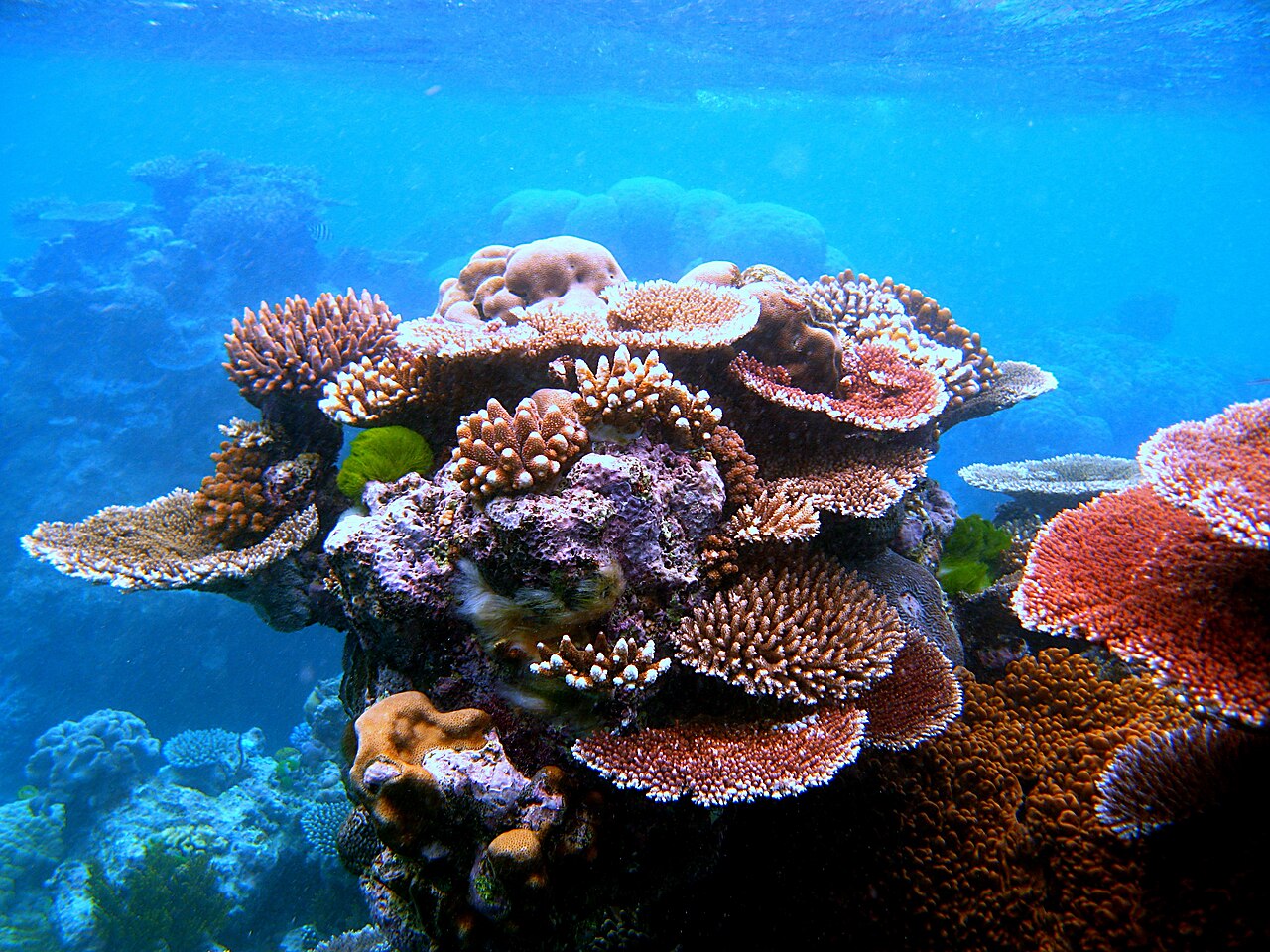 Coral Gardeners
Explore more
Go deeper
- SPECIESEvery animal and plant we profile, from whales to plankton eaters.
- Species A to ZFind any species by name.
- Wildlife near youWhat people record around you this month.
- Great Barrier ReefThe world's largest reef system, species by species.
- 4PLANET AtlasEvery country and coast on one living map.
- EarthLife on land: forests, savannas and wetlands.
Follow the ocean with us, and help bring it back.
Join 4PLANET freePhoto and video credits (47)
Fish over a coral reef in the Coral Sea Marine Park: Dominique Pelletier / Ifremer, CC BY 4.0 · Table and branching corals on Moore Reef, Great Barrier Reef, seen just below the surface: Holobionics, CC BY-SA 4.0 · A freediver swimming beside a whale shark: Feefiona123, CC BY-SA 4.0 · Coral reefs: Holobionics, CC BY-SA 4.0 · Great Barrier Reef: Toby Hudson, CC BY-SA 3.0 · Kelp forests: BravoGonzalo, CC BY-SA 4.0 · Mangroves: Wilfredor, CC0 · Galápagos Islands: putneymark, CC BY-SA 2.0 · Sundarbans: Kingshuk Mondal, CC BY 4.0 · Wadden Sea: Olgierd Rudak, CC BY-SA 4.0 · Humpback whale: Jérémie Silvestro (If you can improve this photo development, ask me the RAW.), CC BY-SA 4.0 · Orca: steve b, CC0 · Whale shark: Tilonaut, CC BY 3.0 · Blue whale: NOAA Photo Library, Public domain · Great white shark: Sharkdiver.com, Public domain · Giant oceanic manta ray: Arturo de Frias Marques, CC BY-SA 4.0 · Green sea turtle: Charles J. Sharp, CC BY-SA 4.0 · Sperm whale: Gabriel Barathieu, CC BY-SA 2.0 · Common bottlenose dolphin: NASA, Public domain · Common octopus: Beckmannjan, CC BY-SA 3.0 · Walrus: Nixette, CC BY-SA 4.0 · Harbor seal: Siddarth Machado, CC BY 4.0 · Greater blue-ringed octopus: Rickard Zerpe, CC BY 2.0 · Atlantic puffin: Charles J. Sharp, CC BY-SA 4.0 · Fin whale: Cephas, CC BY-SA 4.0 · Ocean upwelling: Bernard DUPONT, CC BY-SA 2.0 · How coral reefs are built: Paul Harrison, CC BY-SA 4.0 · The water cycle: Dietmar Rabich, CC BY-SA 4.0 · The carbon cycle: Dietmar Rabich, CC BY-SA 4.0 · Overfishing: Stanislav Stelmakhovich, CC0 · Ocean acidification: Holobionics, CC BY-SA 4.0 · Plastic pollution: Marek Ślusarczyk (Tupungato) Photo portfolio, CC BY 3.0 · Nitrogen and phosphorus pollution: NOAA Great Lakes Environmental Research Laboratory, CC BY-SA 2.0 · Global heating: Bjoertvedt, CC BY-SA 3.0 · Light pollution: Ralf Steikert, CC BY-SA 3.0 · Marine protected areas: NOAA Photo Library, Public domain · Ecosystem restoration: RobbieIanMorrison, CC BY-SA 4.0 · Farmed fish: Ximonic (Simo Räsänen), CC BY-SA 4.0 · Farmed prawns: QueenCityCebu, CC BY-SA 4.0 · Coral Gardeners: Toby Hudson, CC BY-SA 3.0 · Coral Restoration Foundation: Toby Hudson, CC BY-SA 3.0 · Global Fishing Watch: Stanislav Stelmakhovich, CC0 · Marine Stewardship Council: NOAA Photo Library, Public domain · Oceana: Charles J. Sharp, CC BY-SA 4.0 · Sea Shepherd Global: NASA, Public domain · The Ocean Cleanup: Marek Ślusarczyk (Tupungato) Photo portfolio, CC BY 3.0 · ORCA (UK): steve b, CC0