Marine protected areas
A way to bring nature back into balance, and what it takes to work
Marine protected areas are parts of the sea where fishing, mining and other harm are limited or banned. In the strongest of them, marine reserves, nothing is taken at all.
Where the sea is left alone, it can come back within years: fish grow larger and more plentiful, and reefs, kelp and seagrass recover. Yet most of the ocean has no protection, and much of what is protected on paper still allows fishing.
- Share of countries' own waters that is protected
- 17.5 % (2025)
Does it work? What the evidence says
- Well established
Fully protected (no-take) marine reserves are by far the most effective kind of marine protected area: they restore both the amount of fish and the natural mix of species. Sala & Giakoumi 2018, ICES Journal of Marine Science (review of studies)
- Likely, with caveats
Areas that still allow some fishing bring far smaller gains. How much depends on the rules, and on whether they are enforced. Sala & Giakoumi 2018, ICES Journal of Marine Science
Well established: shown repeatedly in reviews of many studies. Likely, with caveats: good evidence, but it depends on place and design. Not yet known: too little evidence to say.
Why it matters
- About 8.4% of the ocean lies in protected areas, most of it within countries' own waters. Very little of the high seas, nearly two thirds of the ocean, is protected. UNEP-WCMC & IUCN · Protected Planet Report 2024
- Less than 3% of the ocean is fully or highly protected from fishing and other harm. Marine Conservation Institute · MPAtlas
- The weight of fish in fully protected marine reserves is on average more than six times higher than in nearby unprotected waters. Sala & Giakoumi 2018 · ICES Journal of Marine Science
How it has changed
Where it is furthest along
Share of national waters that is protected (%), latest year for each country.
Source: Protected Planet WDPA and WD-OECM data, UNEP-WCMC and IUCN, via World Bank (2026) – processed by Our World in Data. Countries open their page in Atlas.
What it helps protect
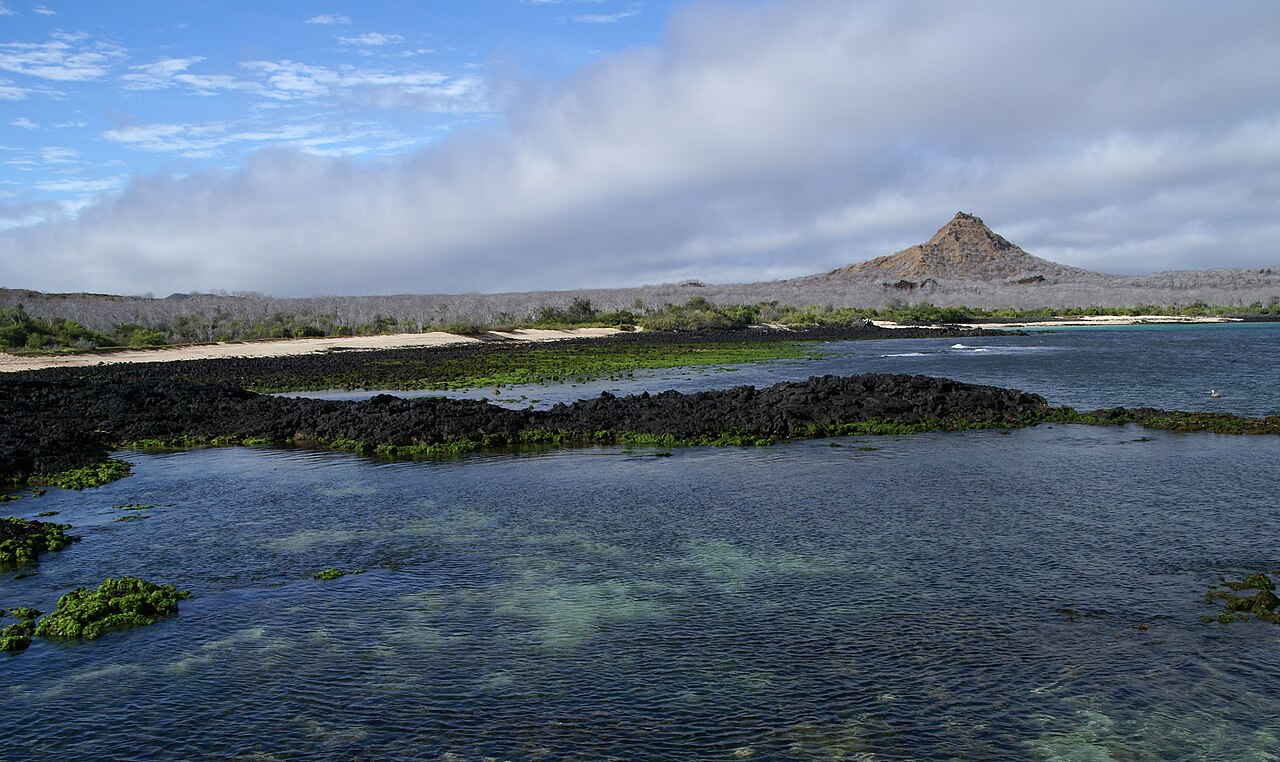
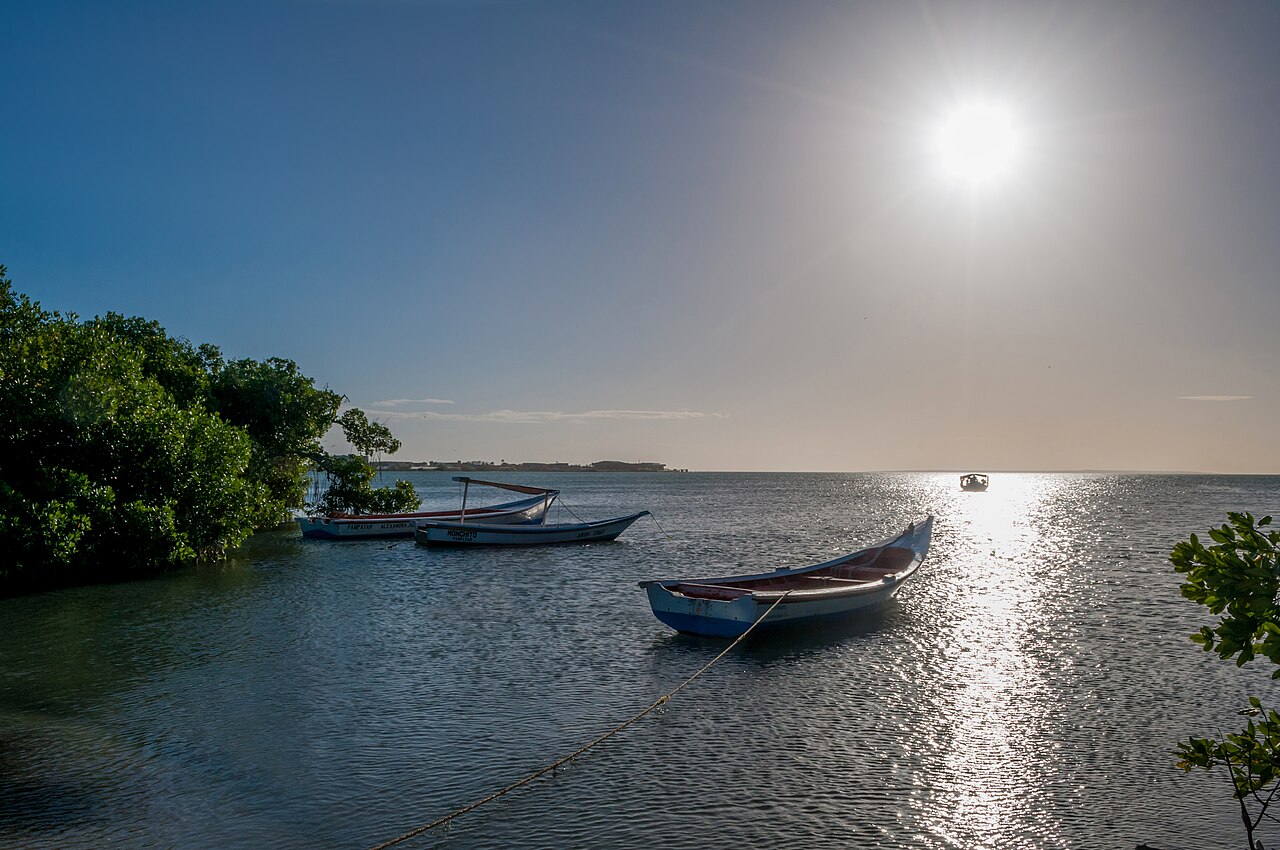
Habitats
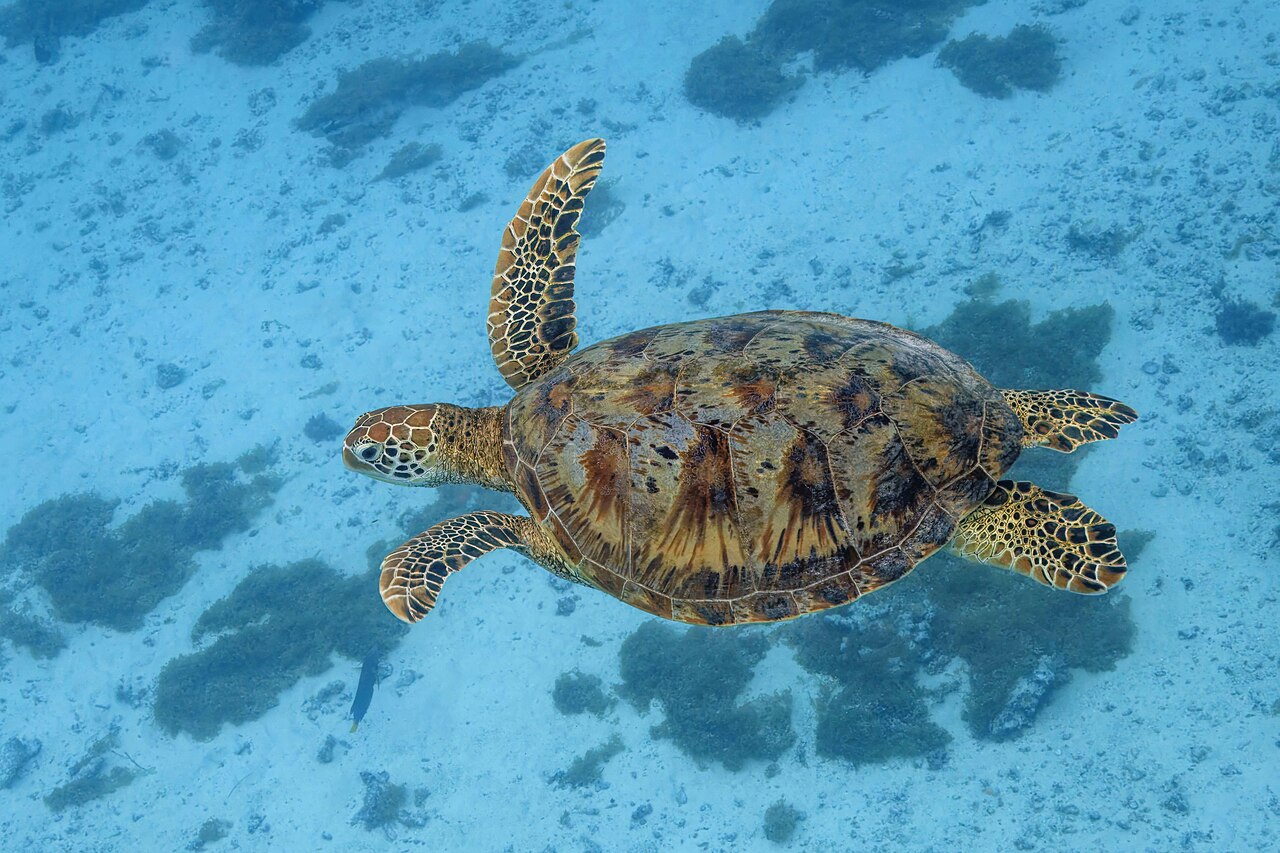
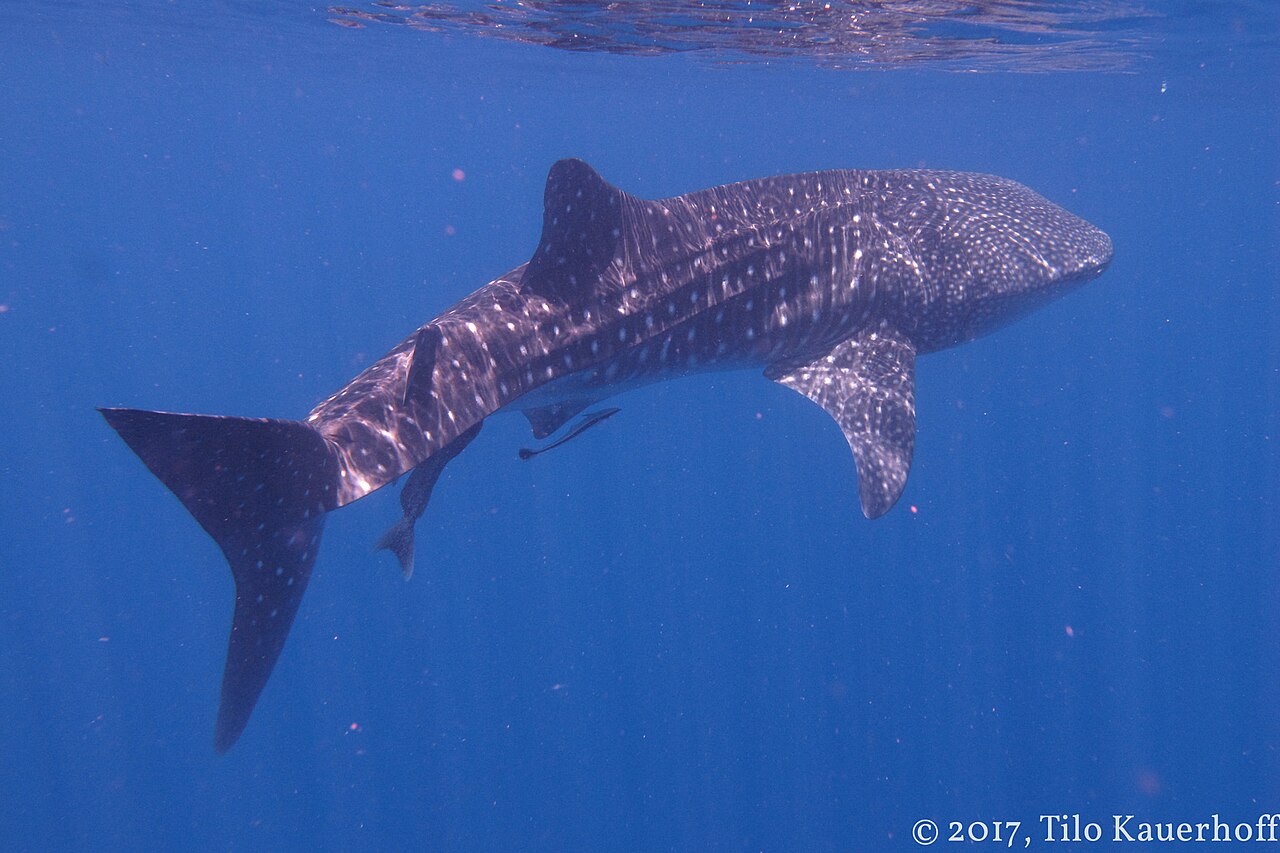
Species
How it works, and its limits
How it works
- An area of sea is given rules: limits on fishing, mining, dredging and building, or a full ban on taking anything
- In fully protected reserves fish live longer and grow larger, and their eggs and young spill over to the fishing grounds around
- Protected reefs, kelp and seagrass are healthier, and recover faster after heat waves and storms
- They work best when local fishers help design them, and when patrols and satellites enforce the rules
Limits, and what it needs
- Most of the area protected on paper still allows fishing; the big gains come only with full or high protection
- Large remote reserves are easier to declare than to patrol
- No reserve can keep out ocean heating, acidification or plastic
- The first years can be hard for local fishers, which is why reserves designed with them last
Pressures it answers
What the world has agreed
- Countries agreed to conserve at least 30% of coasts and oceans by 2030, together with 30% of land. Kunming-Montreal Global Biodiversity Framework, Target 3 (2022)
- The High Seas Treaty, adopted in 2023 and in force since January 2026, makes it possible for the first time to create protected areas in international waters. UN · Agreement on Marine Biodiversity of Areas beyond National Jurisdiction
What you can do
- Choose seafood from well-managed fisheries, or eat less of it
- Dive and snorkel with operators that respect reserves and pay park fees
- Support organisations that work with fishers and coastal communities to protect the sea
Questions people ask
What is the difference between a marine protected area and a marine reserve?
A marine protected area is any area of sea with rules to protect nature, and many of them still allow fishing. A marine reserve, or no-take zone, is fully protected: no fishing or other taking at all. Reserves bring the largest recovery.
How much of the ocean is protected?
About 8.4% of the ocean is in protected areas (Protected Planet Report 2024), and less than 3% is fully or highly protected (MPAtlas). The chart on this page shows the share of countries' own waters, which is higher, because the high seas beyond them are almost unprotected.
Do marine reserves hurt fishers?
Fully protected reserves often help nearby fisheries over time, as fish and their young spill over the border. The first years can be hard for local fishers, which is why reserves designed together with them work best.
Sources and photo credits
- Protected Planet WDPA and WD-OECM data, UNEP-WCMC and IUCN, via World Bank (2026) – processed by Our World in Data · Share of countries' own waters that is protected
- UNEP-WCMC & IUCN · Protected Planet Report 2024
- Marine Conservation Institute · MPAtlas
- Sala & Giakoumi 2018 · ICES Journal of Marine Science
- Kunming-Montreal Global Biodiversity Framework, Target 3 (2022)
- UN · Agreement on Marine Biodiversity of Areas beyond National Jurisdiction
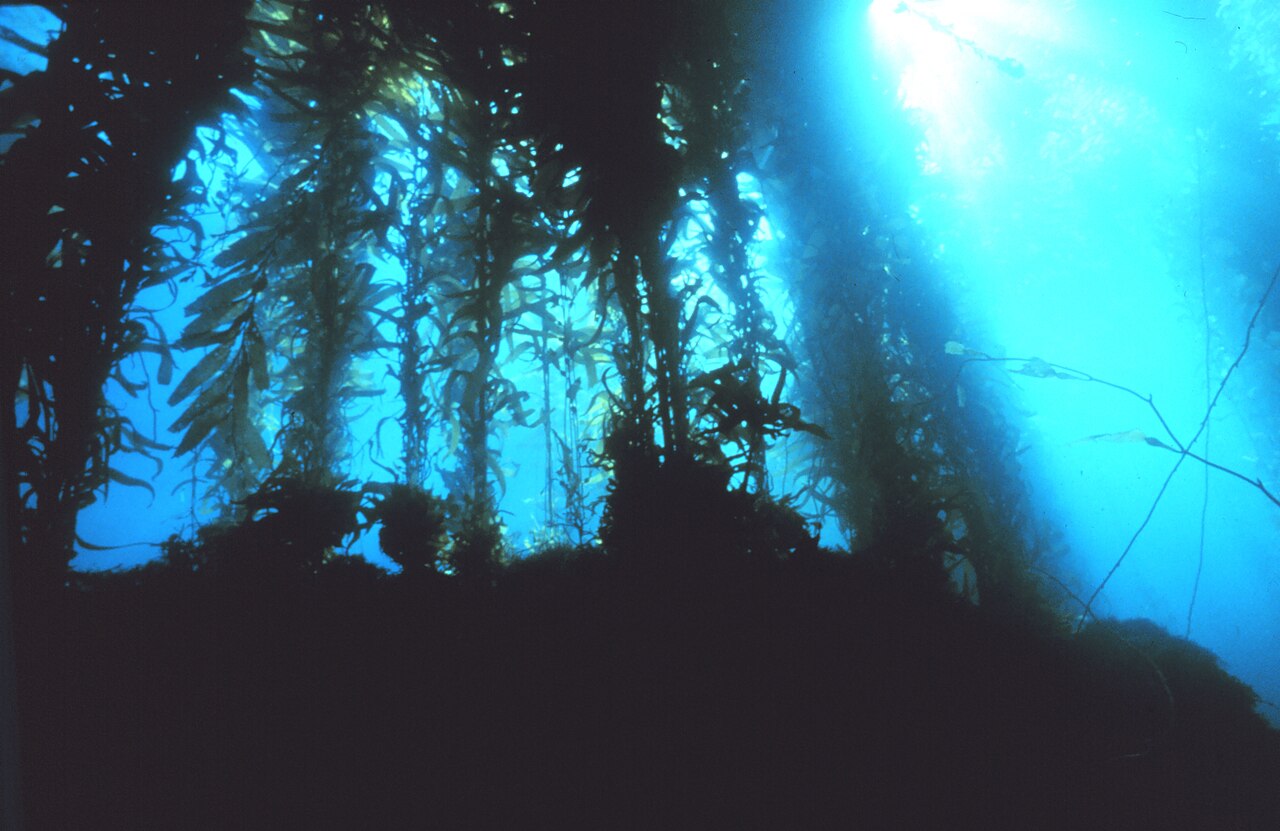
A kelp forest in Channel Islands National Marine Sanctuary, California: NOAA Photo Library, Public domain

Figures are national or global estimates from the sources named, with the uncertainty those sources give. Country rankings compare reported totals, not responsibility or effort.
Checked 2026-11-21.