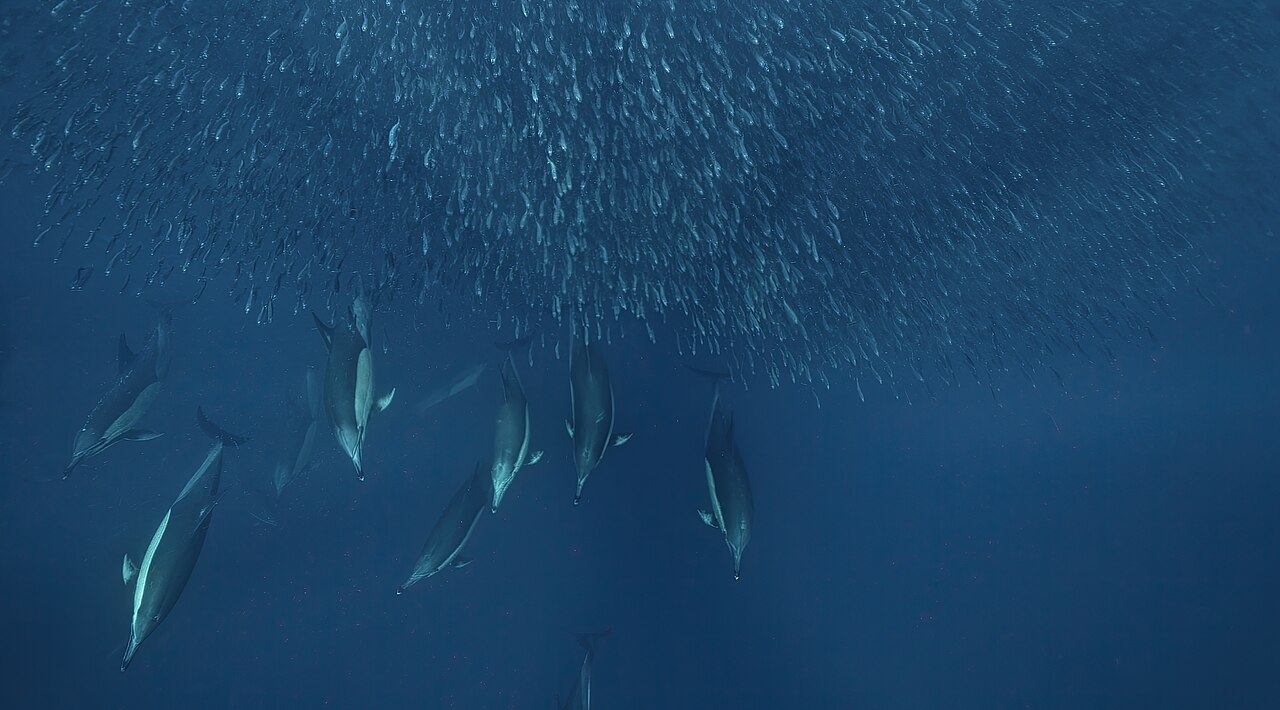
Overfishing
A pressure on the living planet, and what is being done about it
Fish feed billions of people and almost everything else in the sea, from dolphins and seabirds to sharks and whales. Overfishing means taking fish faster than they can breed and grow back.
In the 1970s, about one in ten of the fish stocks scientists follow were overfished. Today it is more than one in three. Where fishing is well managed, the fish are coming back, which shows that this is a problem with known solutions.
- Share of assessed fish stocks that are overfished
- 35.5 % (2021)
Why it matters
- FAO's 2025 assessment of 2,570 marine fish stocks found 35.5% overfished. FAO · Global marine fish stock assessment 2025
- Because the best-managed stocks are often the largest, about 77% of the fish landed comes from stocks fished at sustainable levels. In the strictly managed Northeast Pacific, 92.7% of assessed stocks are fished sustainably. FAO · Global marine fish stock assessment 2025
- In the ocean, fishing has had the largest impact on nature of any human activity over the past 50 years. IPBES · Global Assessment 2019
How it has changed
Where it is greatest
Wild fish caught per year, at sea and in fresh water (t), latest year for each country.
Source: Food and Agriculture Organization of the United Nations (FAO), via World Bank (2026) – processed by Our World in Data. Countries open their page in Atlas.
What it touches
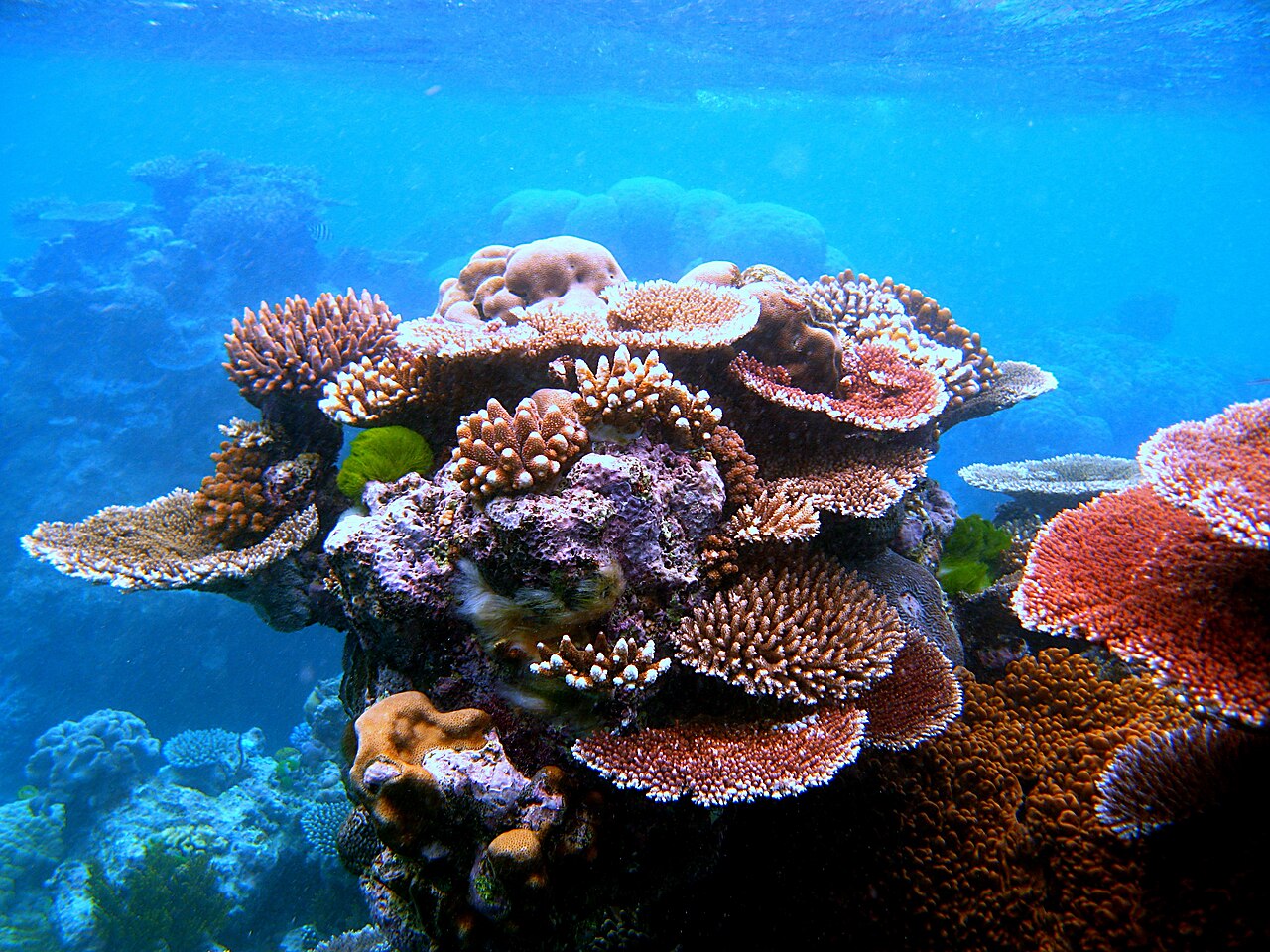
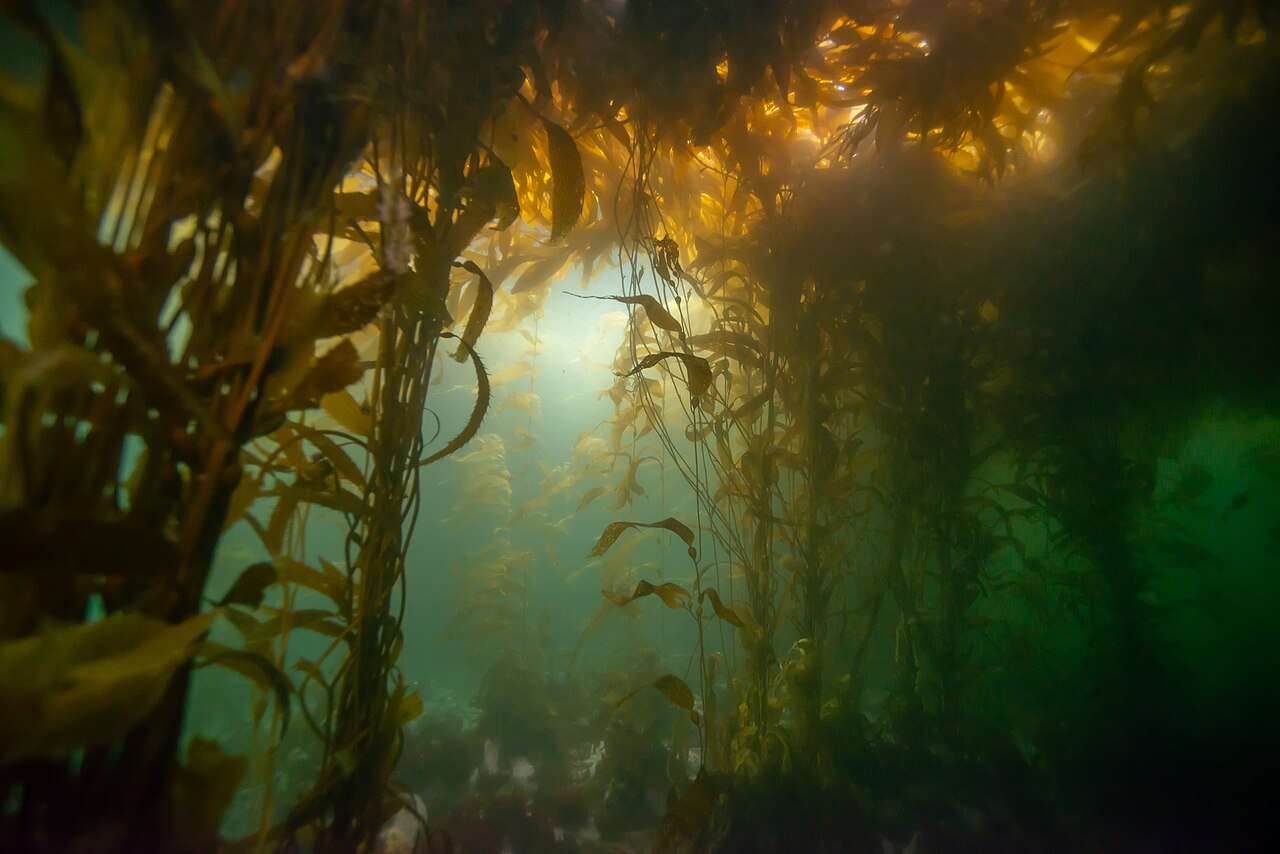
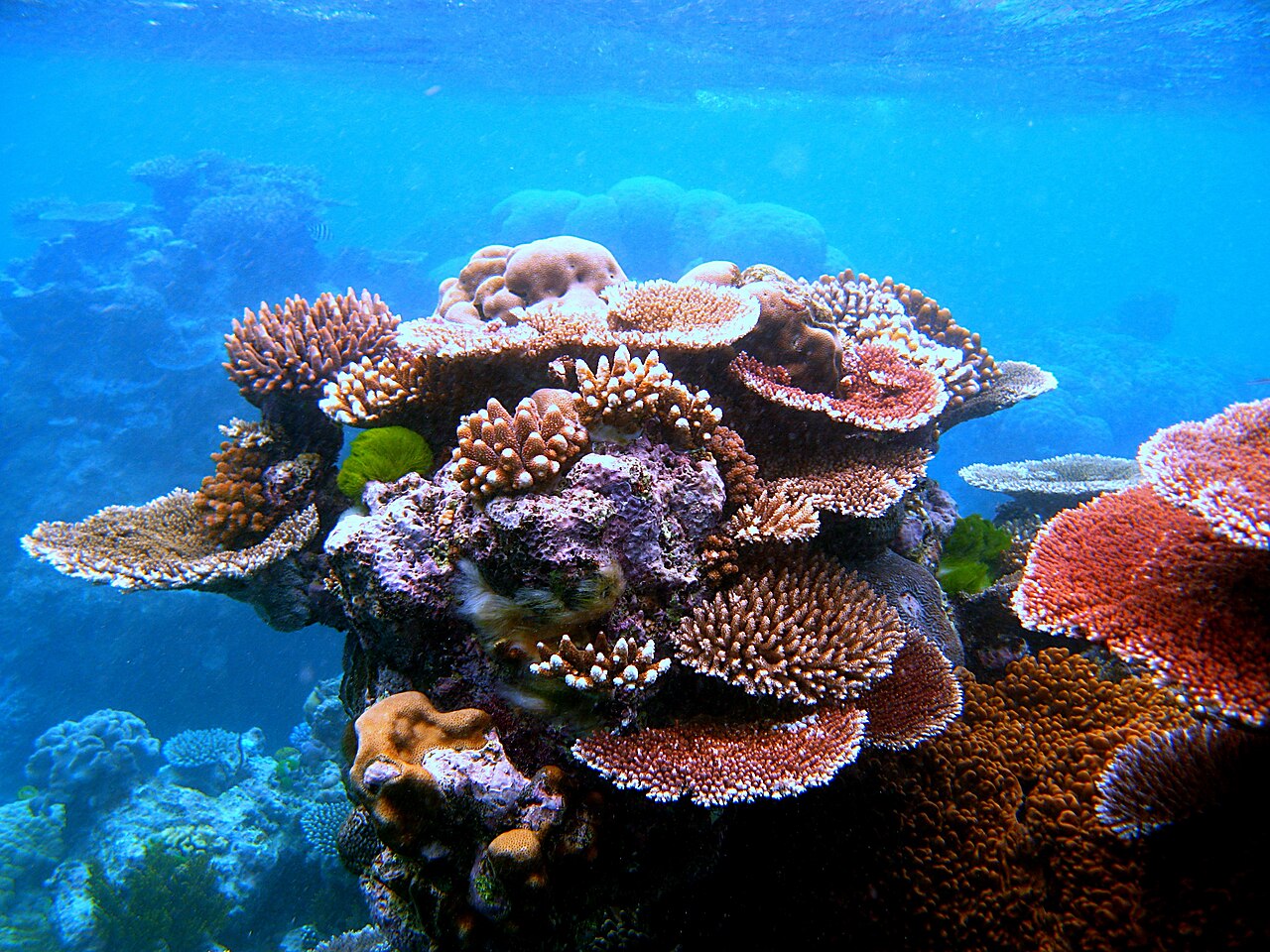
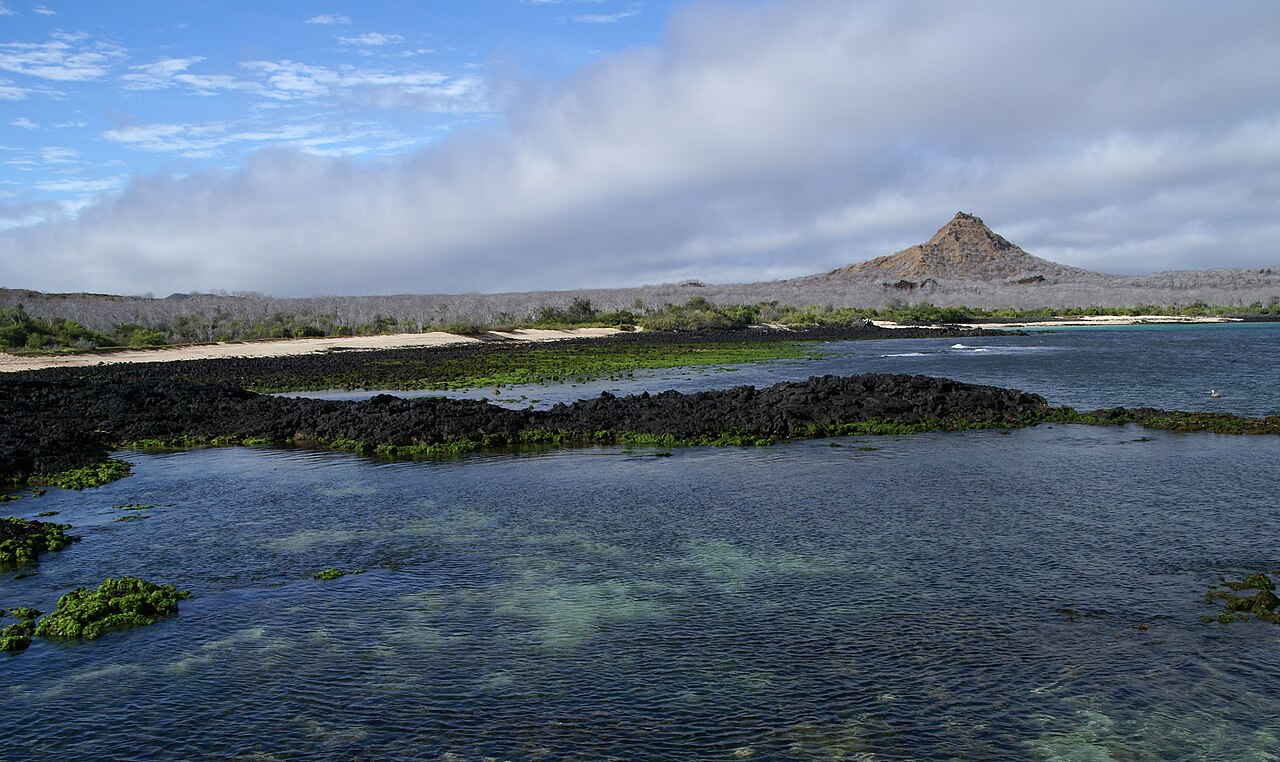
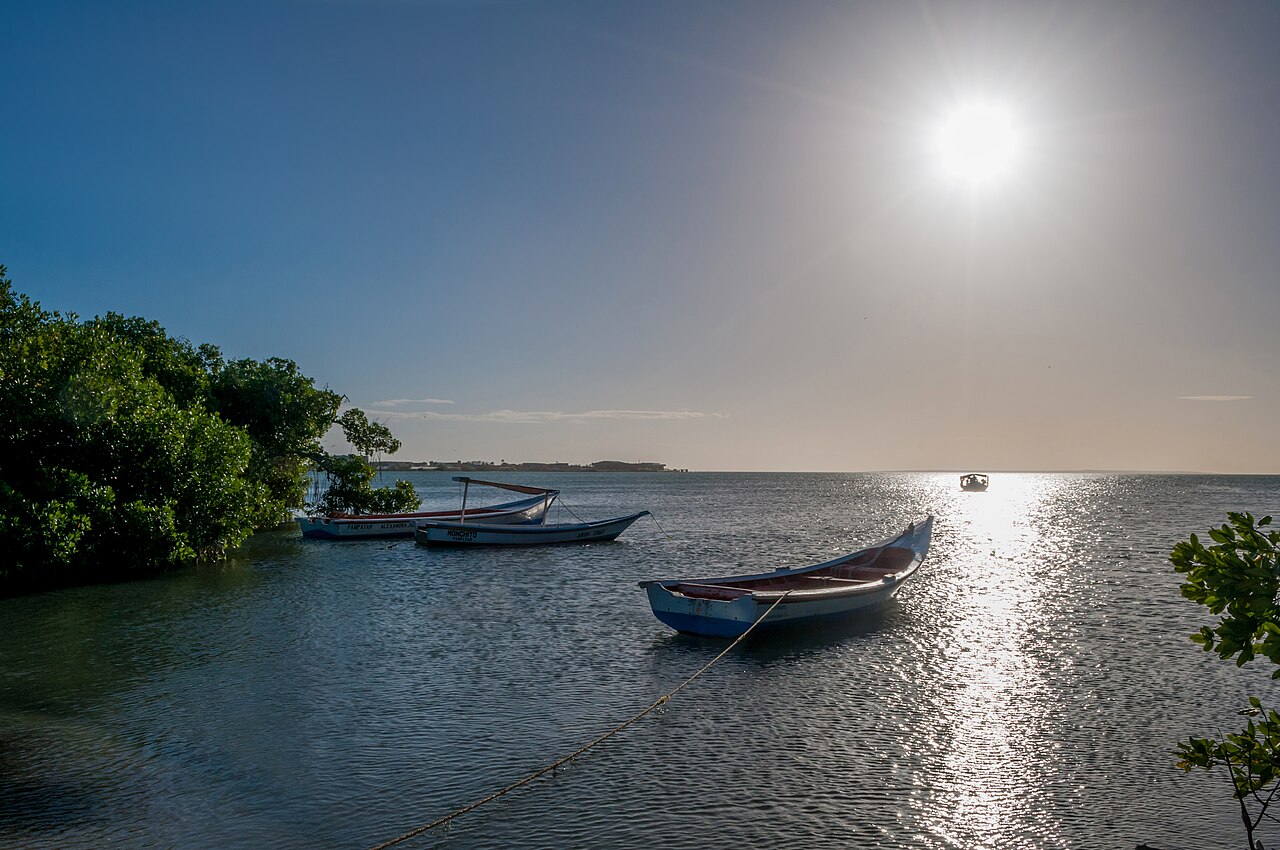
Habitats
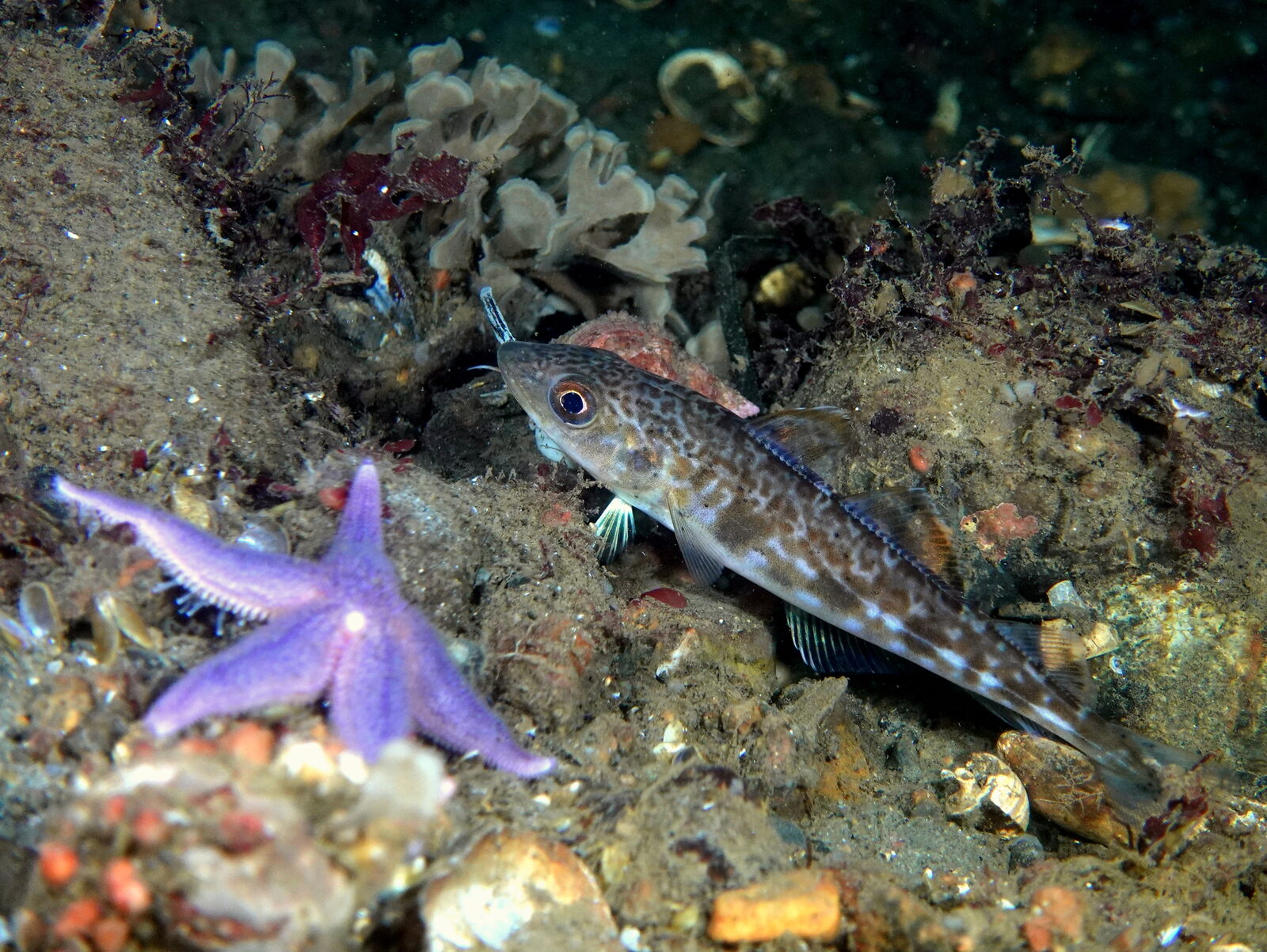
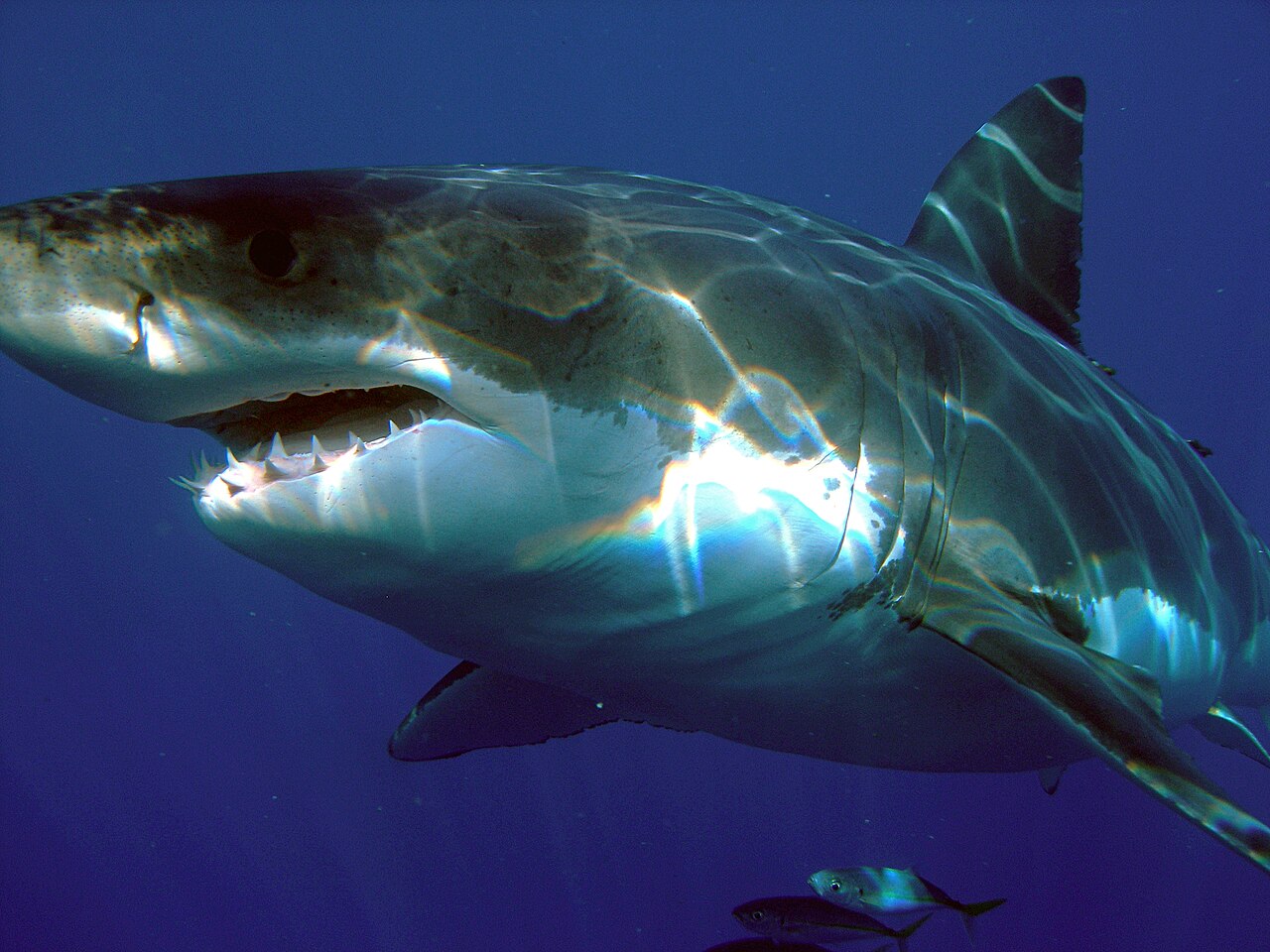
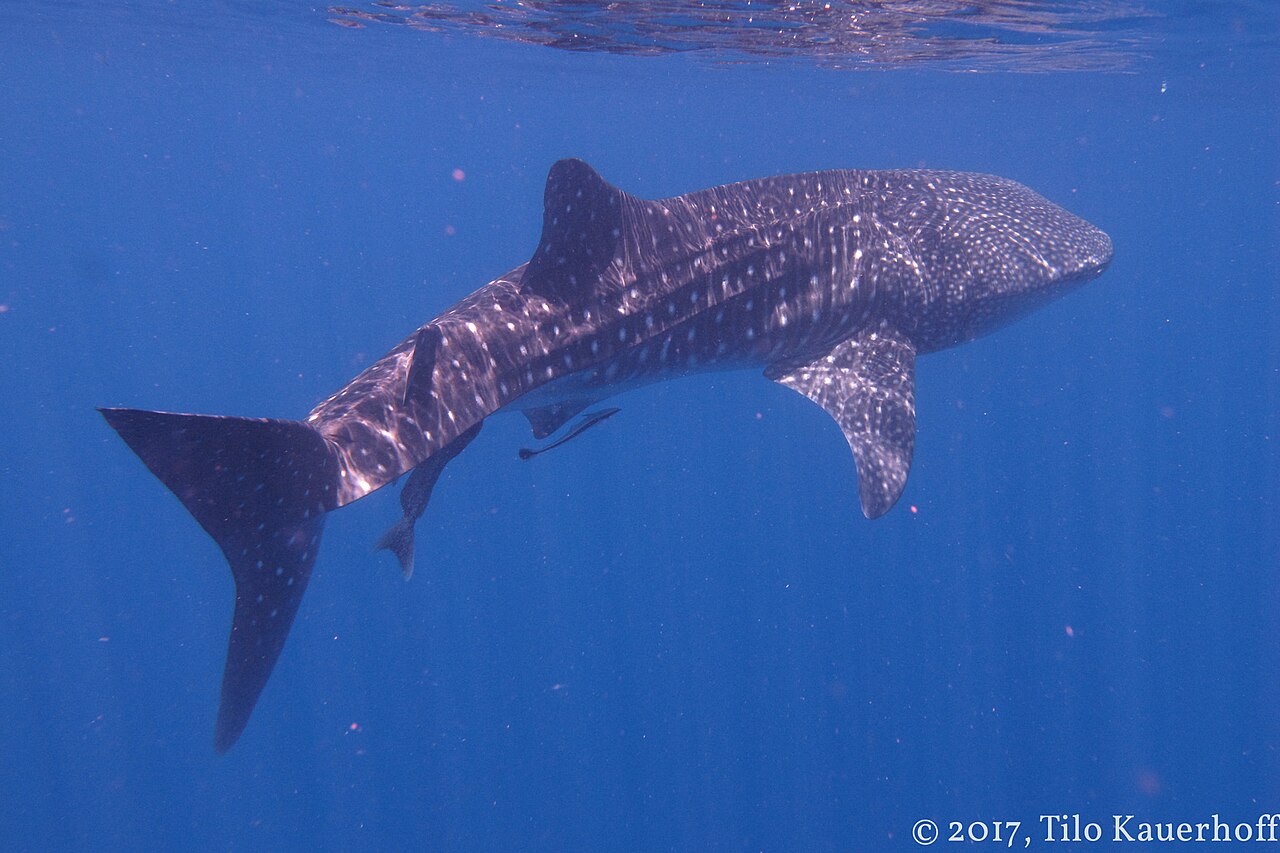
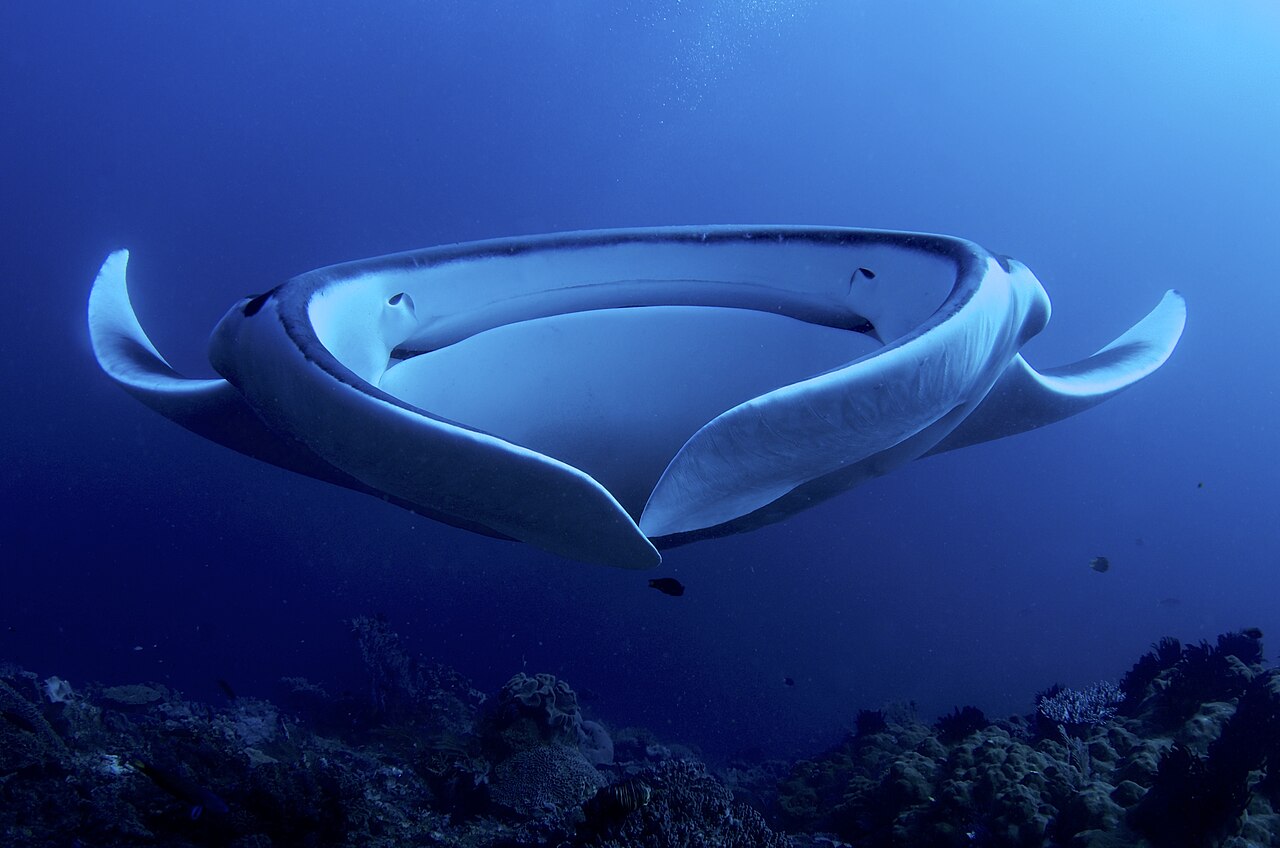
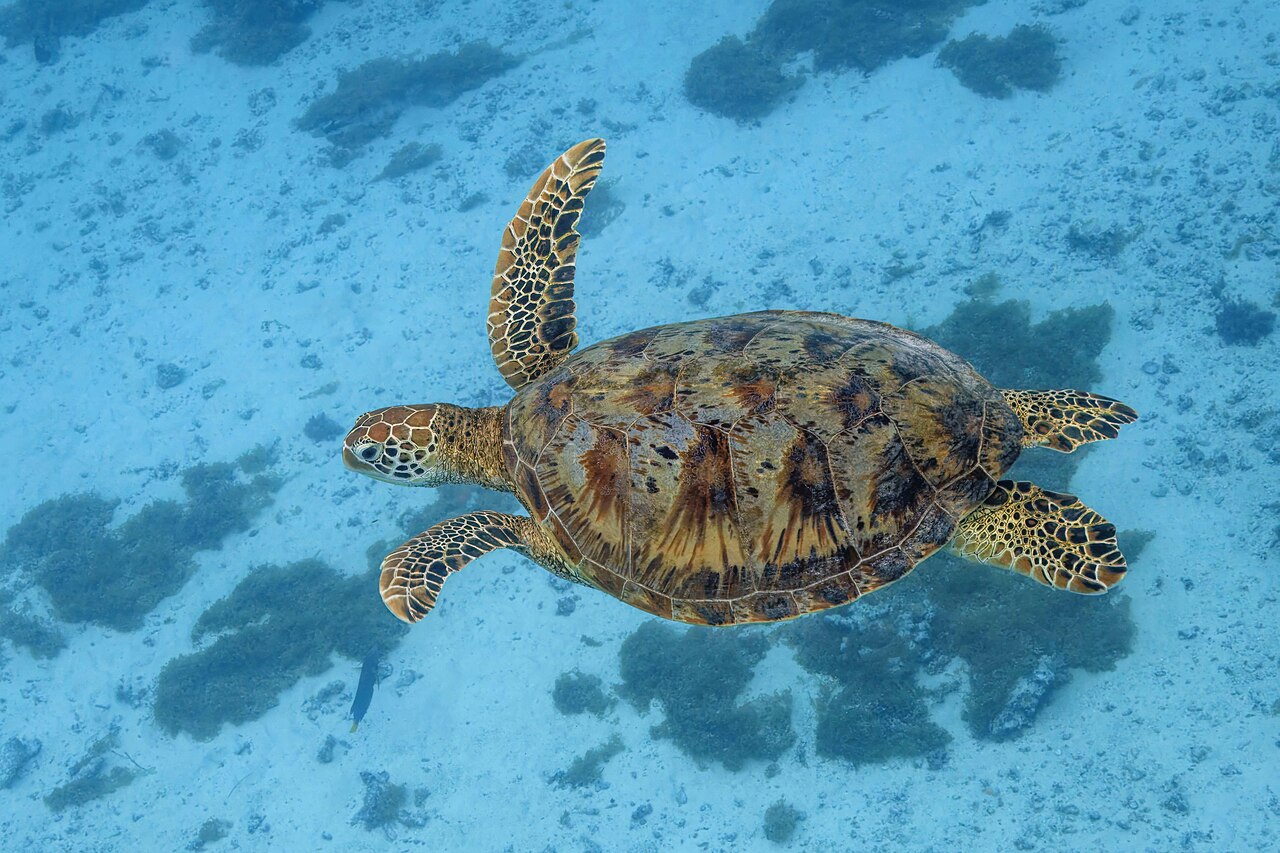
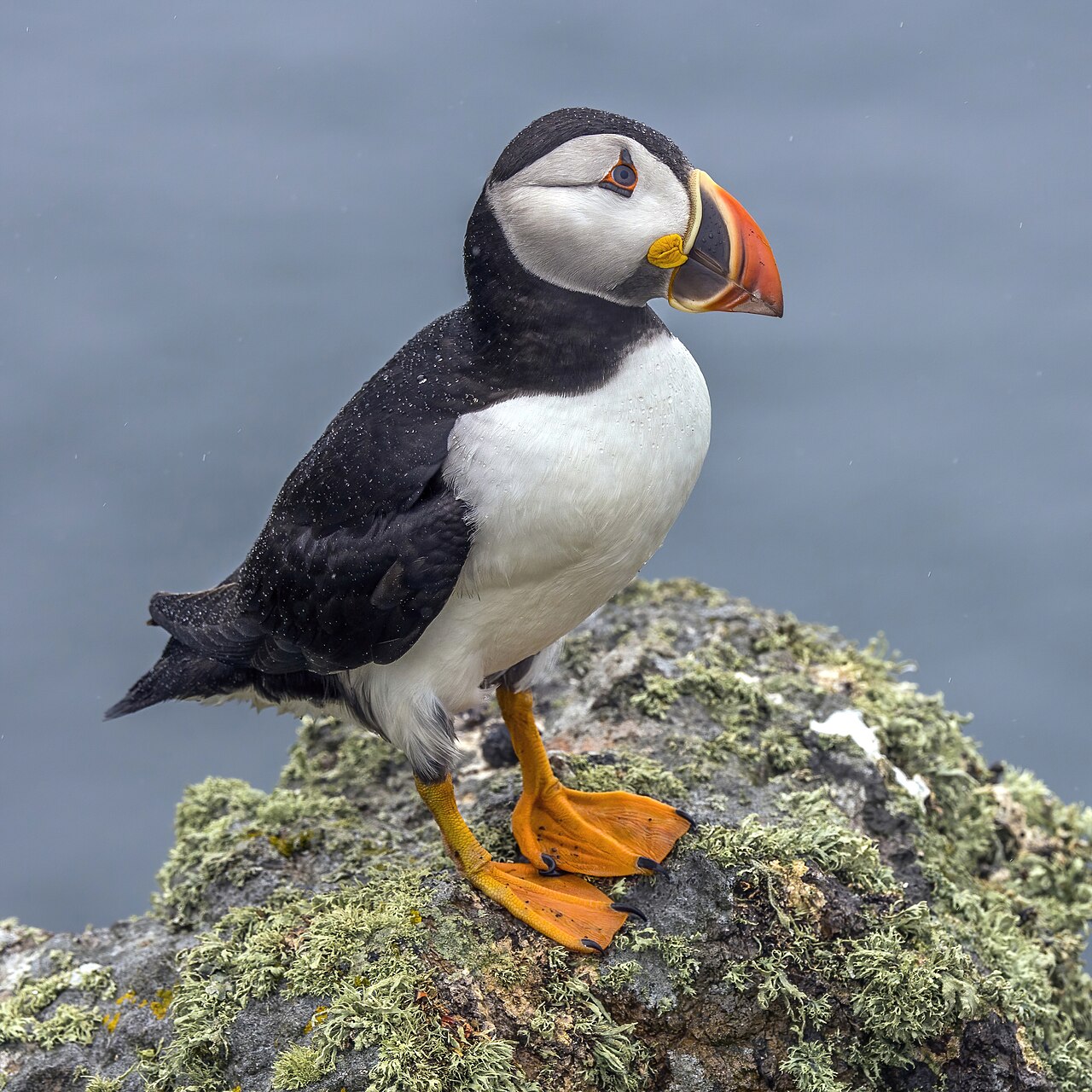
Species
Why it happens, and what helps
Main causes
- Too many boats chasing too few fish, often kept at sea by government subsidies
- Illegal, unreported and unregulated fishing
- Catch limits set above what scientists advise, or not enforced
- Bycatch: turtles, dolphins, sharks and seabirds caught by accident in nets and on lines
What is proven to help
- Catch limits based on science, and enforced
- Fully protected marine reserves, where fish grow larger and spill over to the waters around
- Ending subsidies that keep too many boats at sea
- Tracking fishing boats by satellite, and closing ports to illegal catch
- Gear that lets turtles, dolphins and seabirds escape
Solutions explained
What the world has agreed
- The WTO Agreement on Fisheries Subsidies, in force since 15 September 2025, bans government subsidies for illegal fishing and for fishing stocks that are already overfished. World Trade Organization · Agreement on Fisheries Subsidies
- UN Sustainable Development Goal 14.4 set out to end overfishing and illegal fishing and restore fish stocks by 2020. That target was missed, and the work continues. United Nations · Sustainable Development Goal 14
What you can do
- Ask where and how your fish was caught, and choose fish from well-managed fisheries
- Eat a wider range of seafood, and less of it
- Support organisations that work with fishers and coastal communities to protect the sea
Questions people ask
How much of the world's fish is overfished?
FAO's 2025 assessment of 2,570 marine fish stocks found 35.5% overfished and 64.5% fished within sustainable levels. Because many of the largest stocks are well managed, about 77% of the fish landed comes from sustainable stocks.
Can fish stocks recover?
Yes. When catches are cut to what scientists advise and the rules are enforced, stocks can rebuild, often within ten to twenty years. In the Northeast Pacific, where fisheries are strictly managed, 92.7% of assessed stocks are fished sustainably (FAO 2025).
Why does overfishing matter beyond fish?
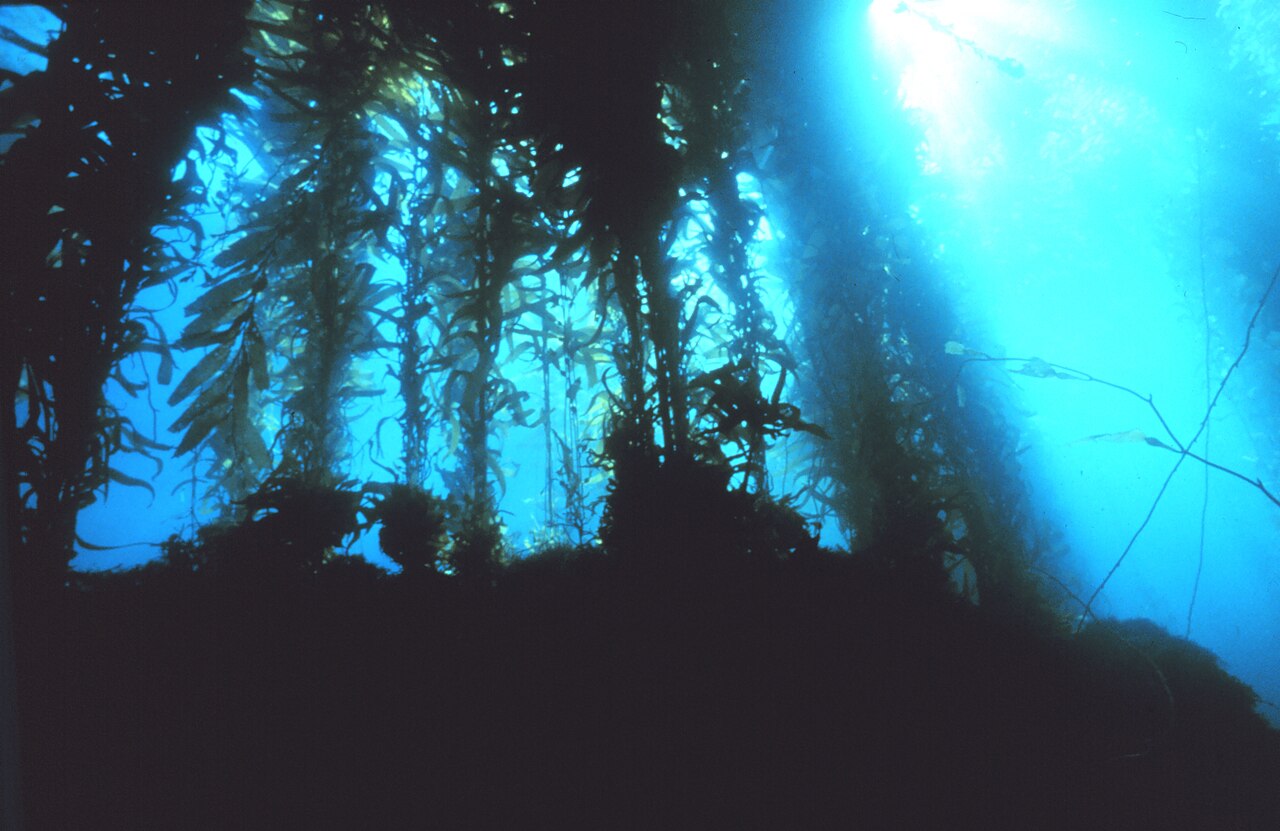
Fish are food for seabirds, seals, dolphins and whales, and many fish keep reefs and kelp forests in balance. Taking too many changes whole ecosystems, and it threatens the food and jobs of millions of people who live from the sea.
Sources and photo credits
- Food and Agriculture Organization of the United Nations (2025) – with major processing by Our World in Data · Share of assessed fish stocks that are overfished
- Food and Agriculture Organization of the United Nations (FAO), via World Bank (2026) – processed by Our World in Data · Wild fish caught per year, at sea and in fresh water
- FAO · Global marine fish stock assessment 2025
- IPBES · Global Assessment 2019
- World Trade Organization · Agreement on Fisheries Subsidies
- United Nations · Sustainable Development Goal 14
Dolphins hunting in a dense school of sardines: Stanislav Stelmakhovich, CC0

Figures are national or global estimates from the sources named, with the uncertainty those sources give. Country rankings compare reported totals, not responsibility or effort.
Checked 2026-11-21.