4PLANET · Sapiens
Sapiens
Everything we eat, buy and build touches the living planet.
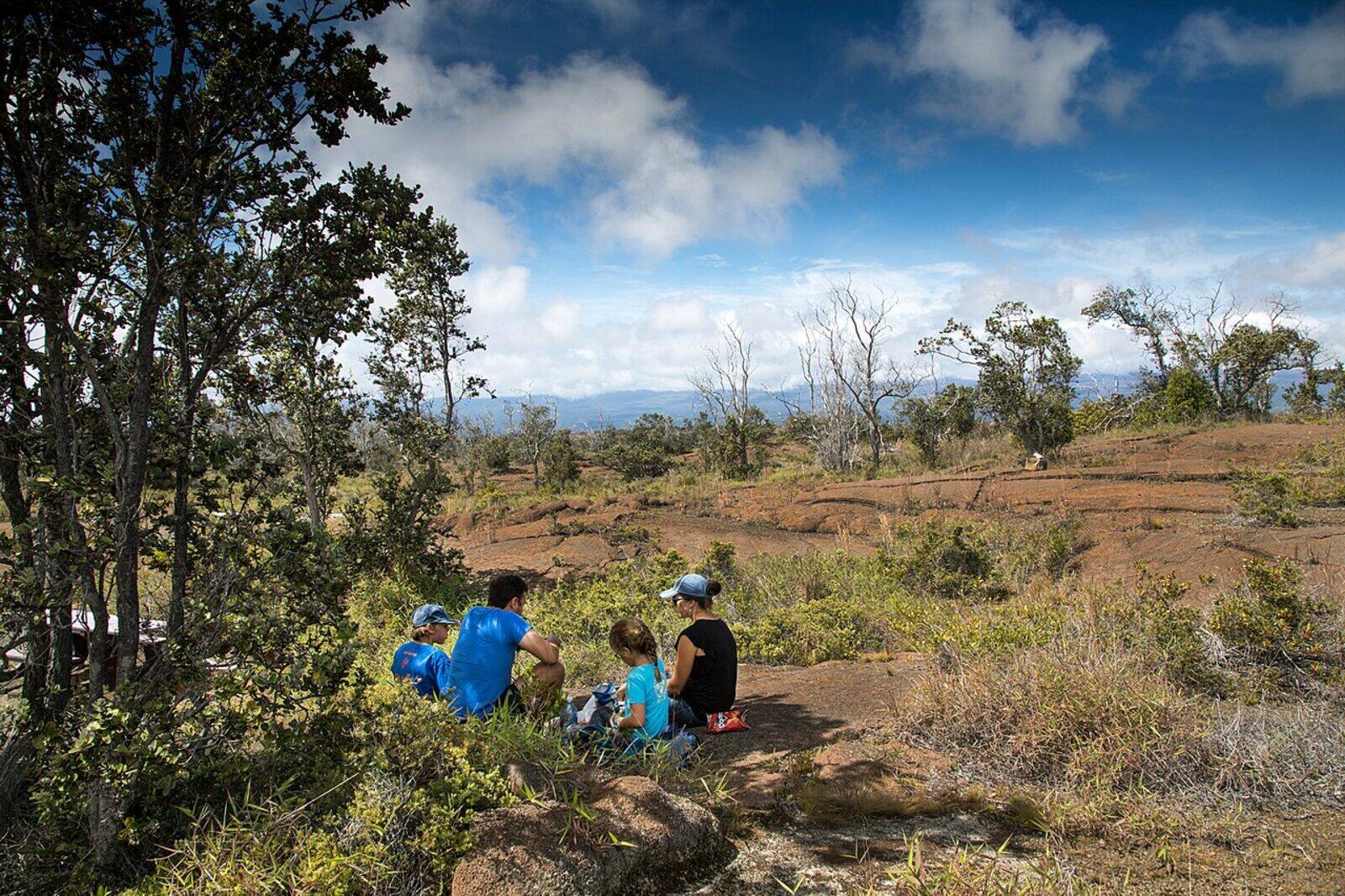
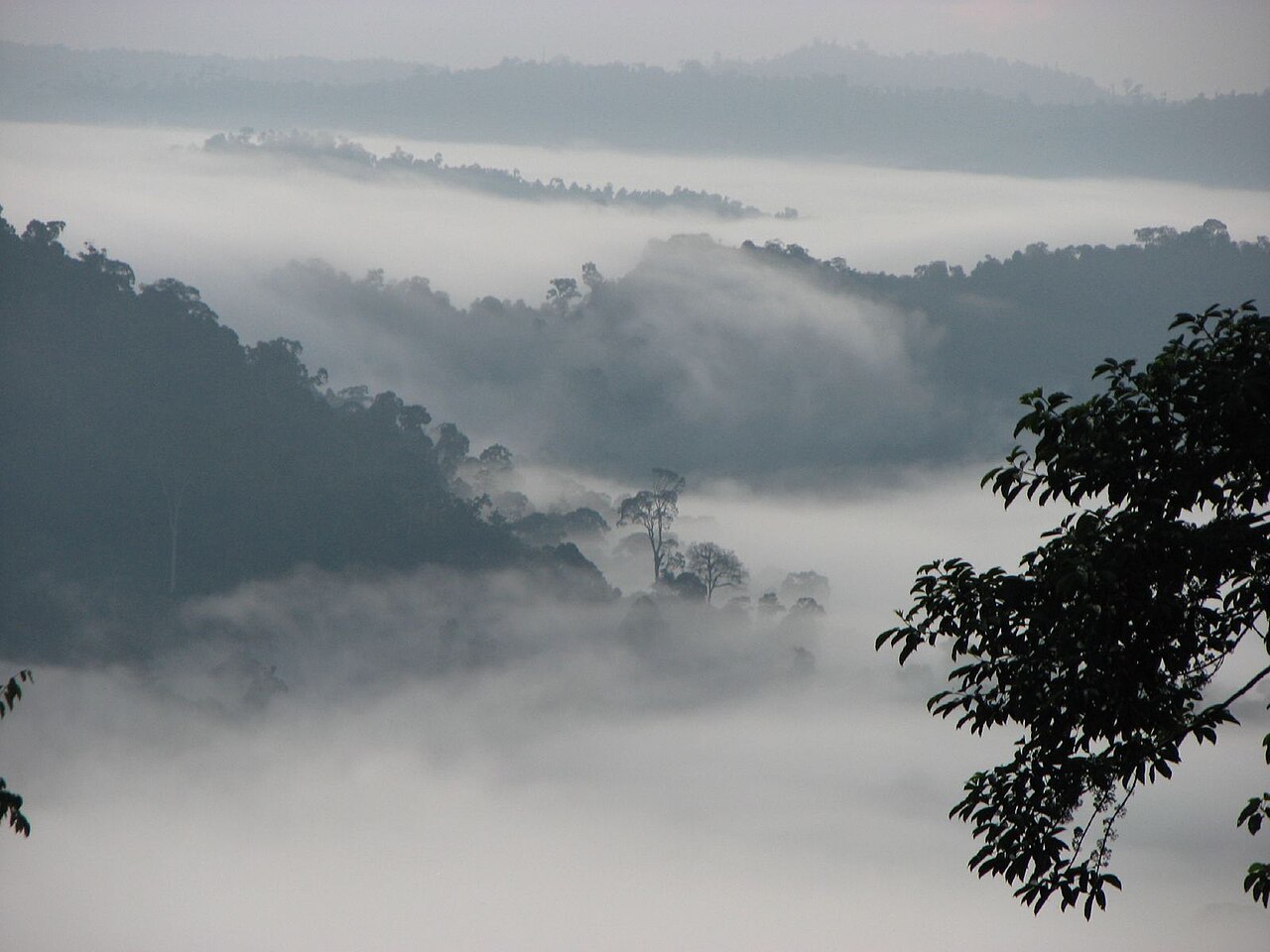
Photo: Janice Wei / NPS (public domain)
Why it matters
Every meal is a link between us and the living planet.
Food is where most of us touch nature every day: the land it grows on, the water it uses and the gases its farms release. The same kilogram of food can cost the planet a hundred times more or less. This page shows what everyday things do, how cities share space with wildlife, what harms nature most and which solutions work.
In this guide: what our food costs the planet, nature in cities, and what works.- 99 kg
of greenhouse gases for one kilogram of beef, the highest of any food.
Beef → - 1.0 kg
for one kilogram of peas: about one hundredth of beef.
Peas → - 38,700
farms in 119 countries: the size of the study behind these numbers.
All products →
What we eat
Everyday food, and what it costs the planet
Climate, land and water for each food, from open data. Tap one to compare.
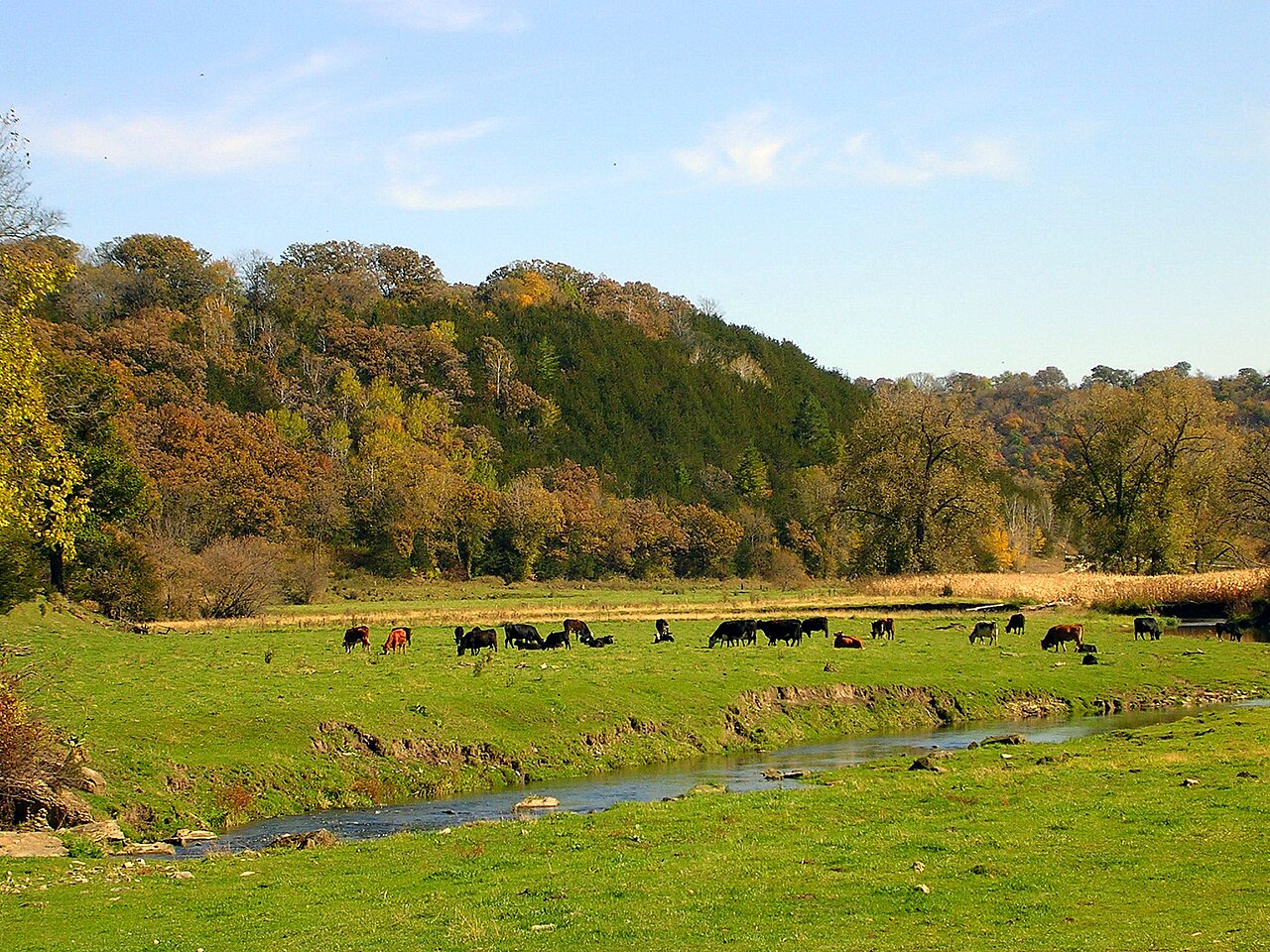 Beef99 kg CO₂e per kg
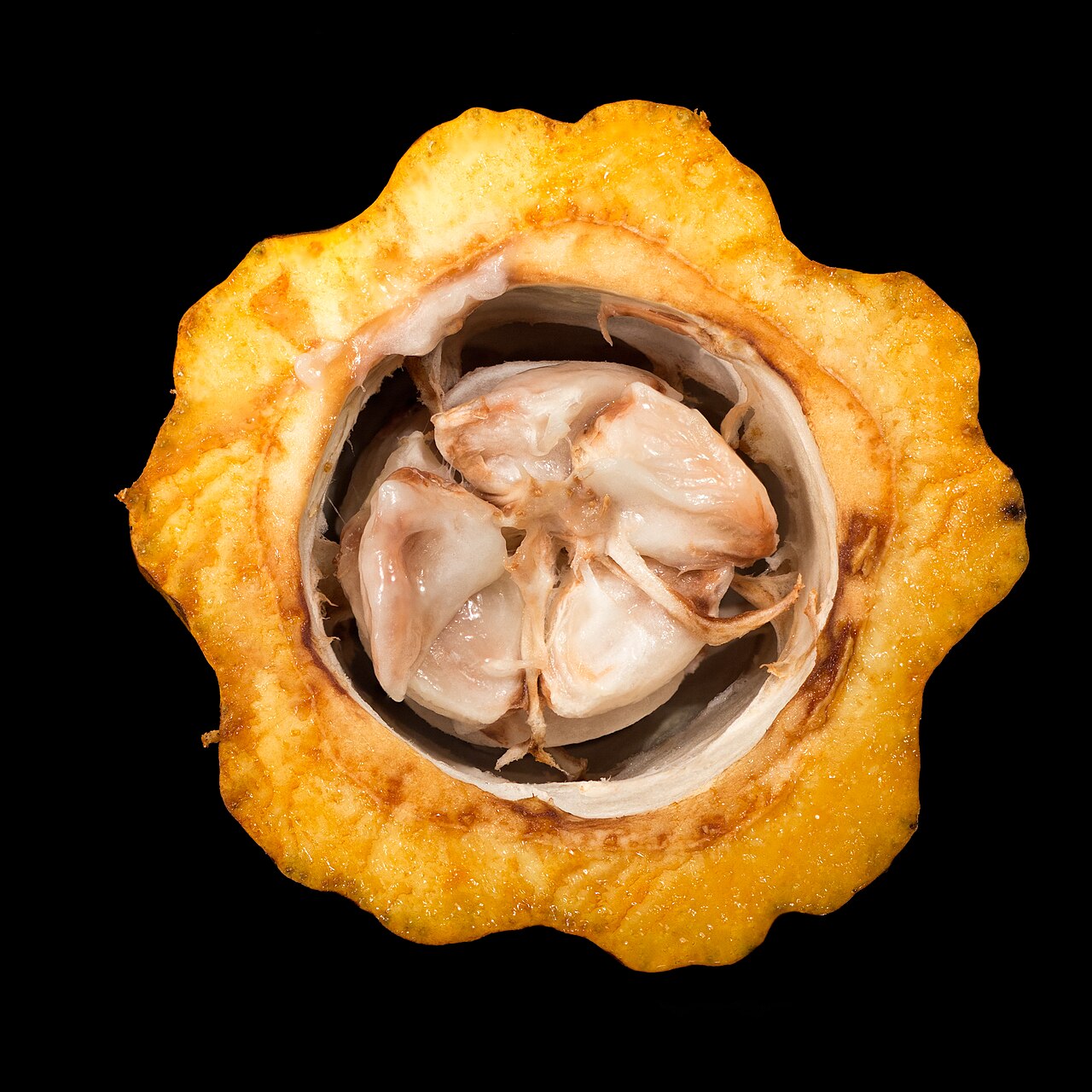 Chocolate47 kg CO₂e per kg
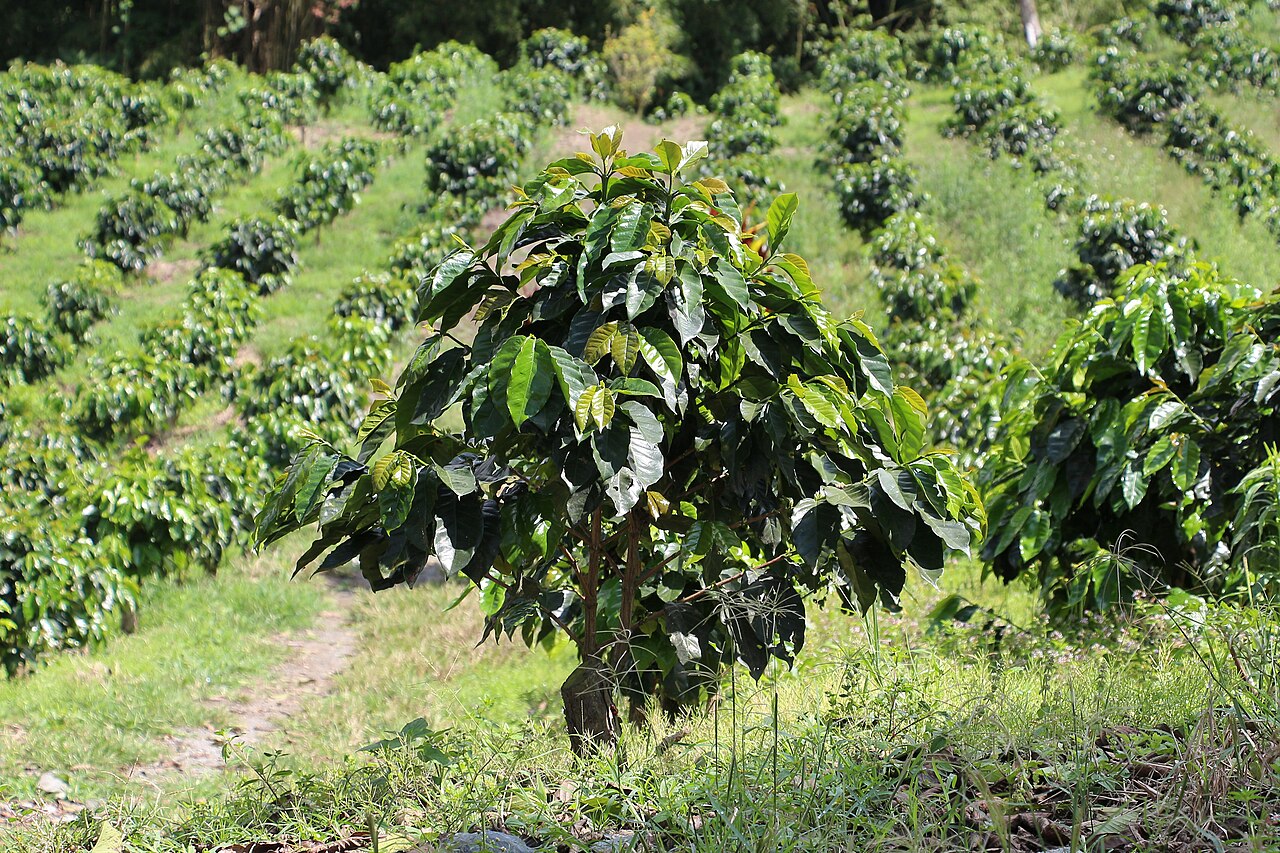 Coffee29 kg CO₂e per kg
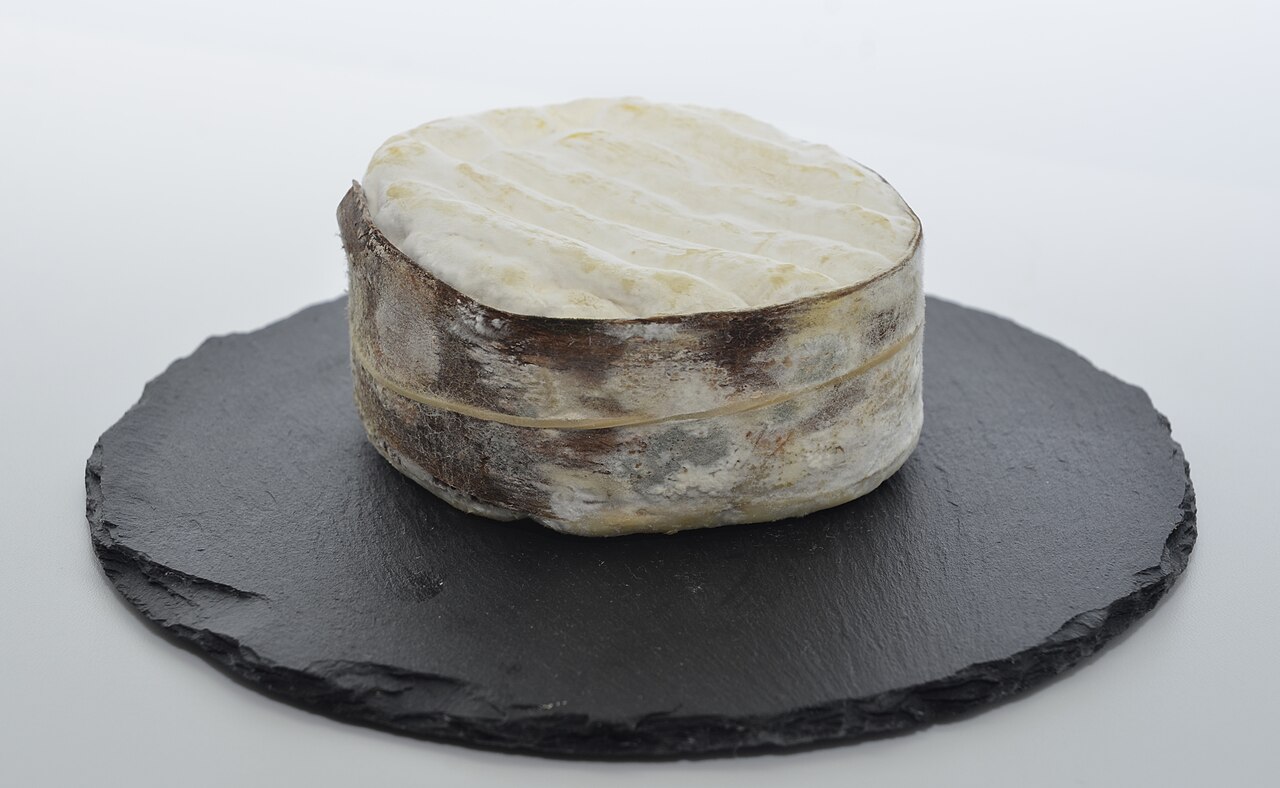 Cheese24 kg CO₂e per kg
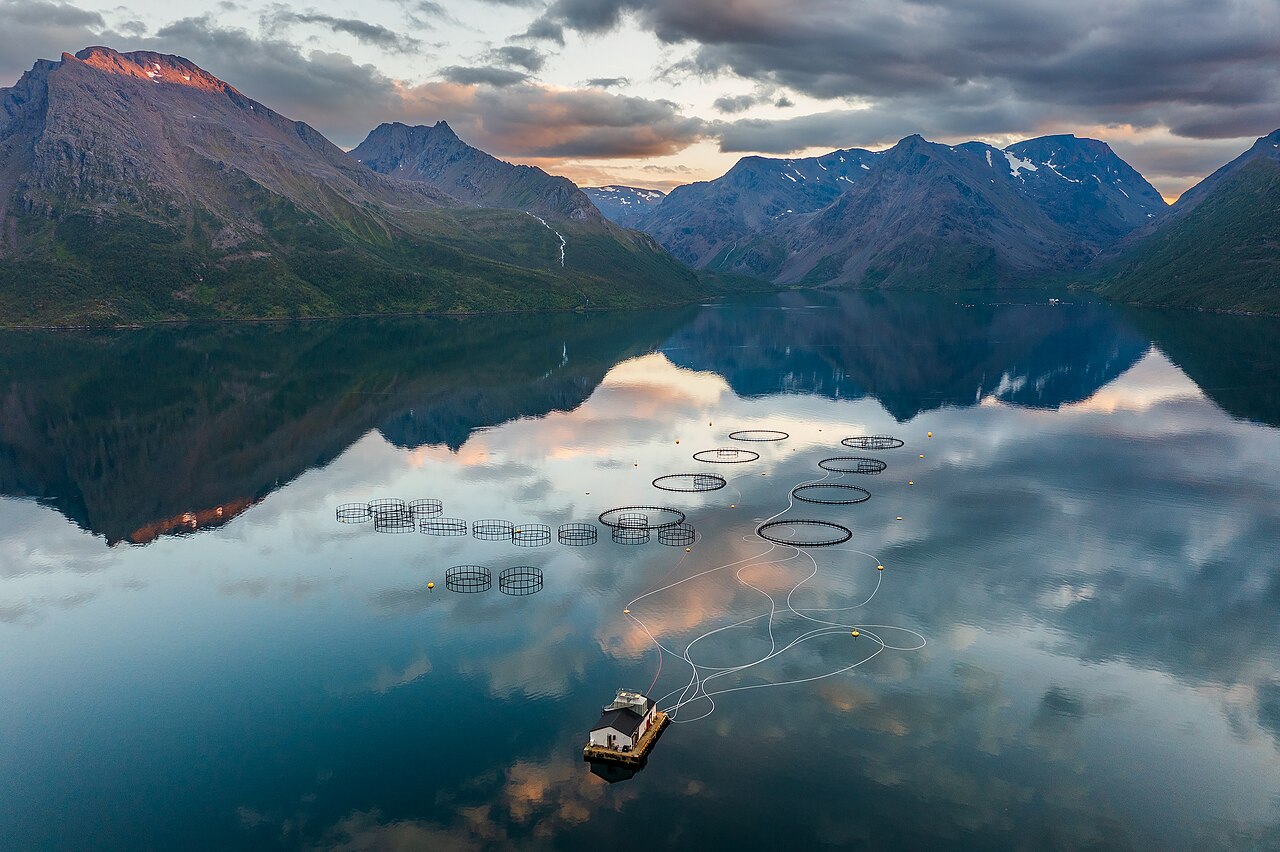 Farmed fish14 kg CO₂e per kg
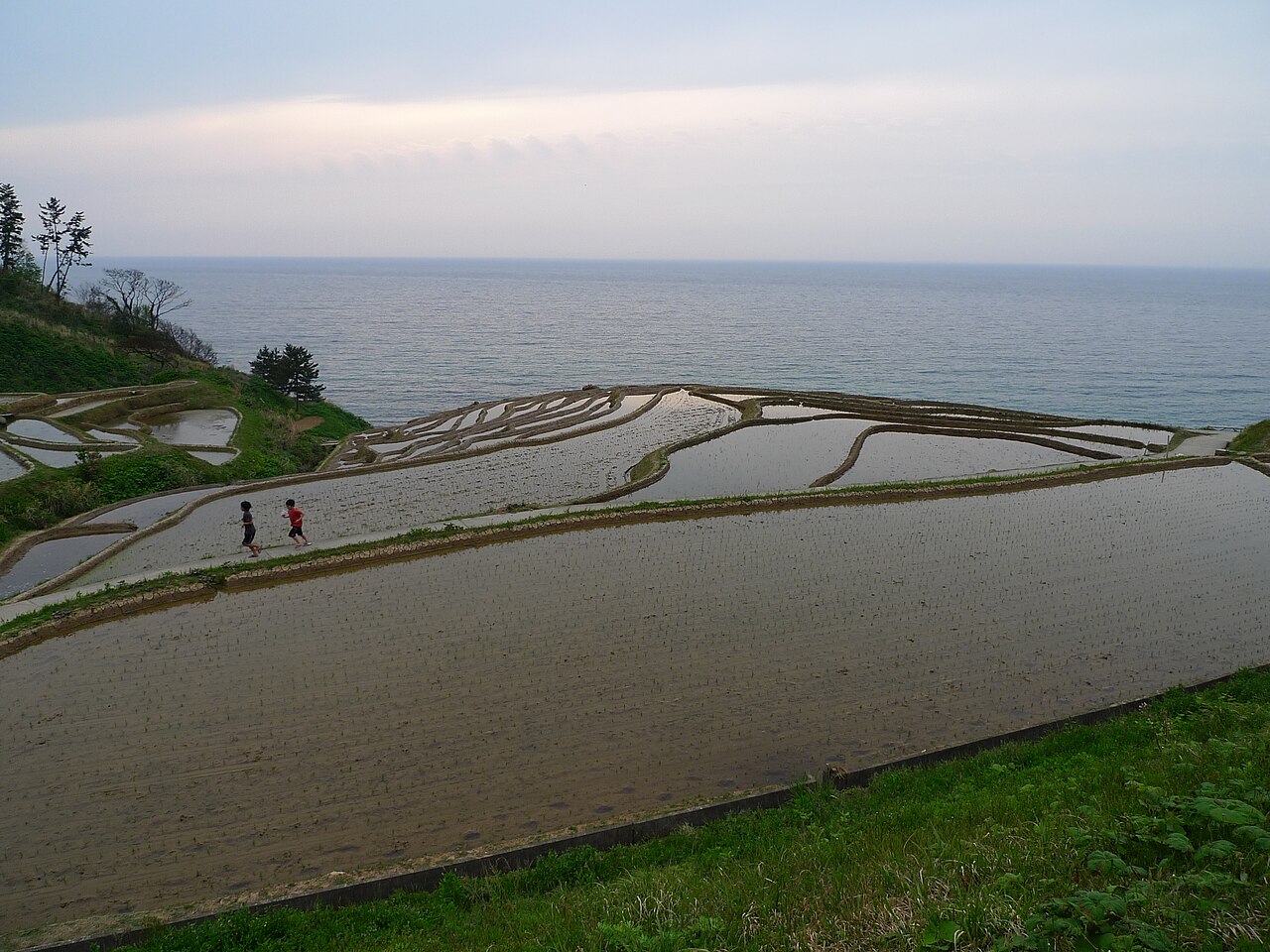 Rice4.5 kg CO₂e per kg
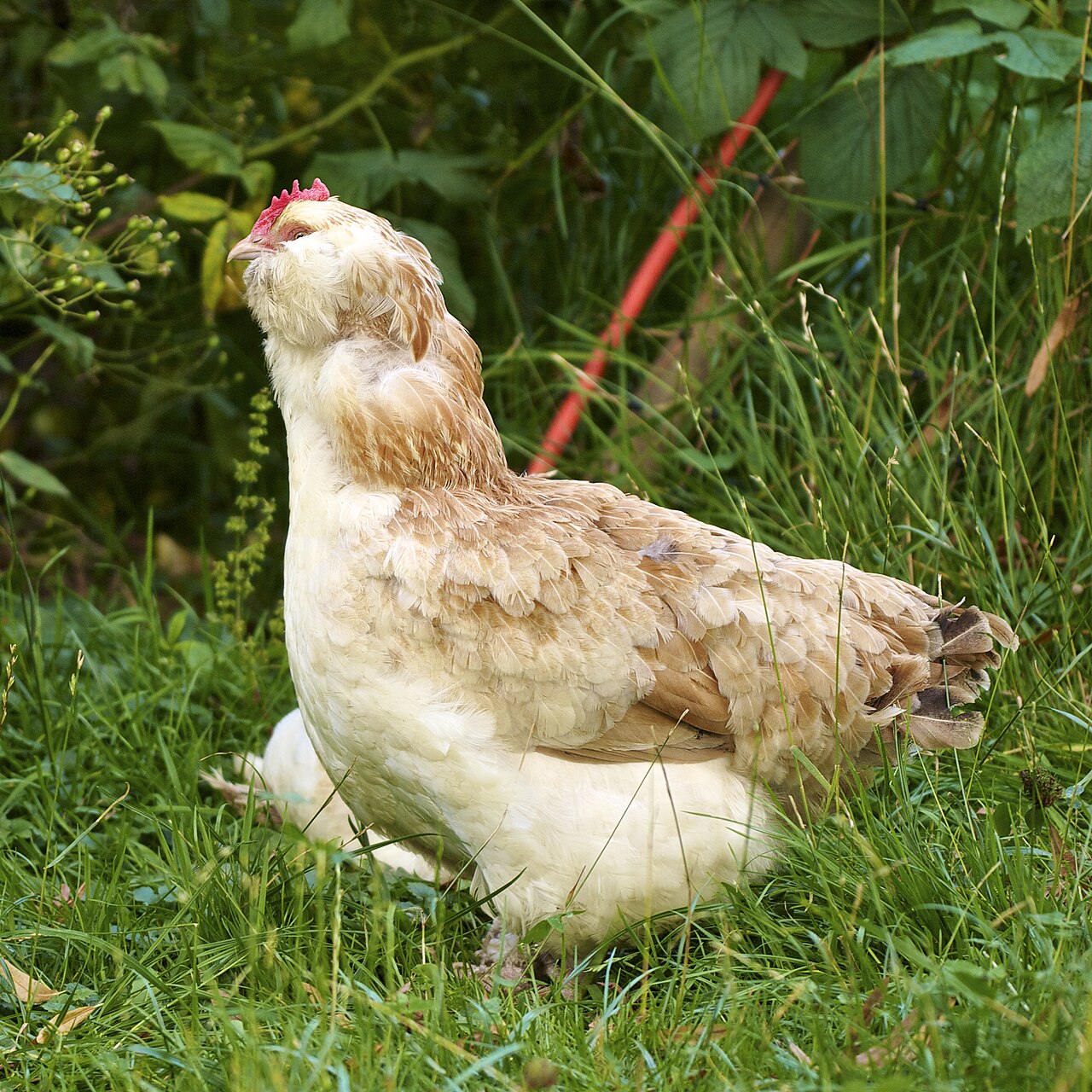 Chicken9.9 kg CO₂e per kg
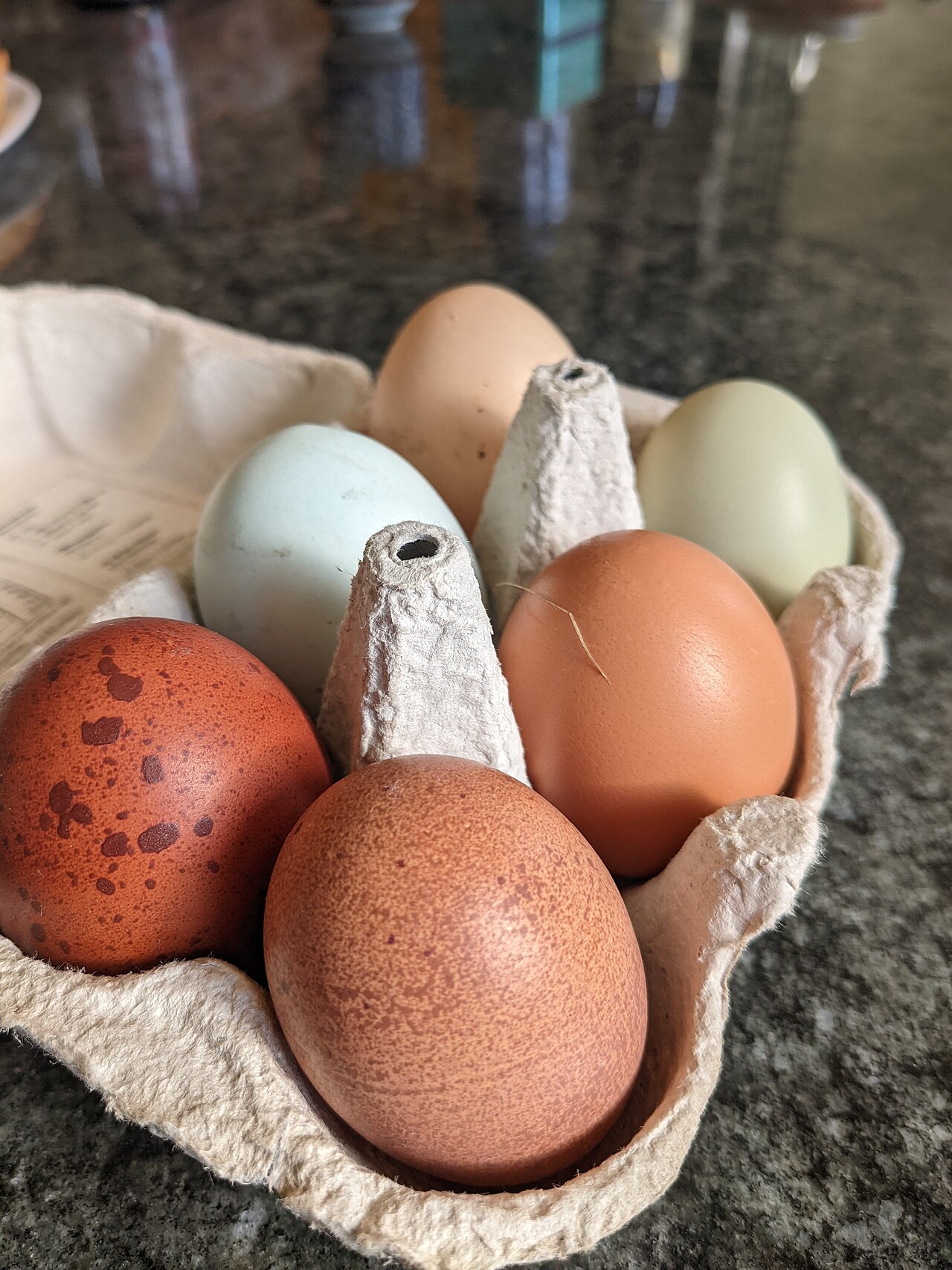 Eggs4.7 kg CO₂e per kg
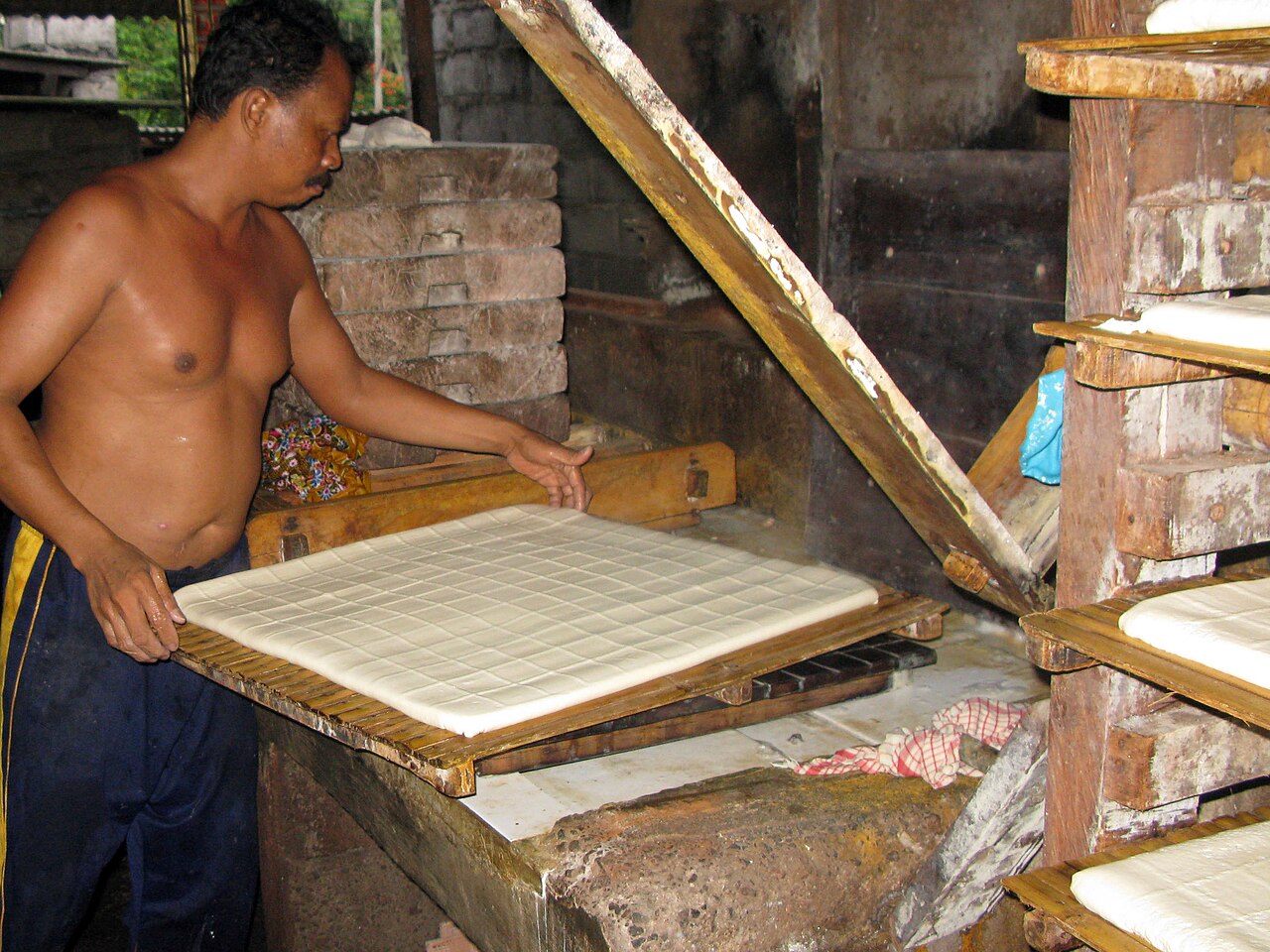 Tofu3.2 kg CO₂e per kg
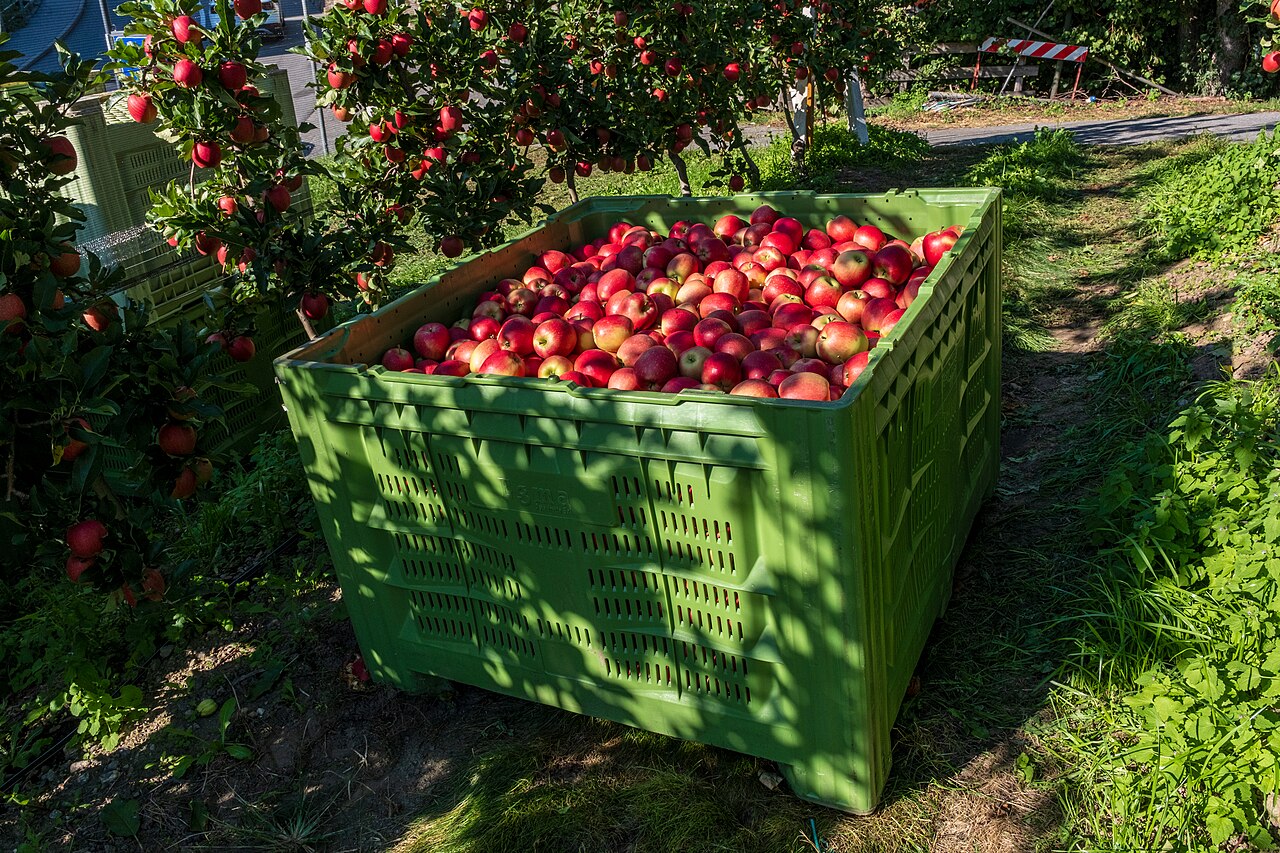 Apples0.4 kg CO₂e per kg
Cities and nature
Most of us live in cities. Nature lives there too.
Every city on 4PLANET Atlas lists the parks, wild places and walks closest to it, the wildlife people see month by month and how its climate is changing.
Find your city →Watch
Films to watch
Documentaries from 4PLANET FILMS. Each page has the trailer and where to watch the film.
 The Biggest Little FarmJohn and Molly Chester try to build a diverse farm by working with ecological relationships rather than against them, learning through pests, predators, soil and seasons.
 Kiss the GroundScientists, farmers and advocates explore regenerative agriculture and soil restoration as tools for rebuilding ecosystems, food systems and climate resilience.
 We the PowerA look at citizen-led renewable-energy cooperatives and the people trying to move energy ownership back into local communities.
 Home, GrownBuilders explore straw-bale construction and natural materials as a route toward lower-carbon buildings rooted in local resources.
 Breaking Boundaries: The Science of Our PlanetJohan Rockström and David Attenborough explain the planetary-boundaries framework, the risks of destabilising Earth systems and the space in which humanity can still act.
Cities
Nature in the world's cities
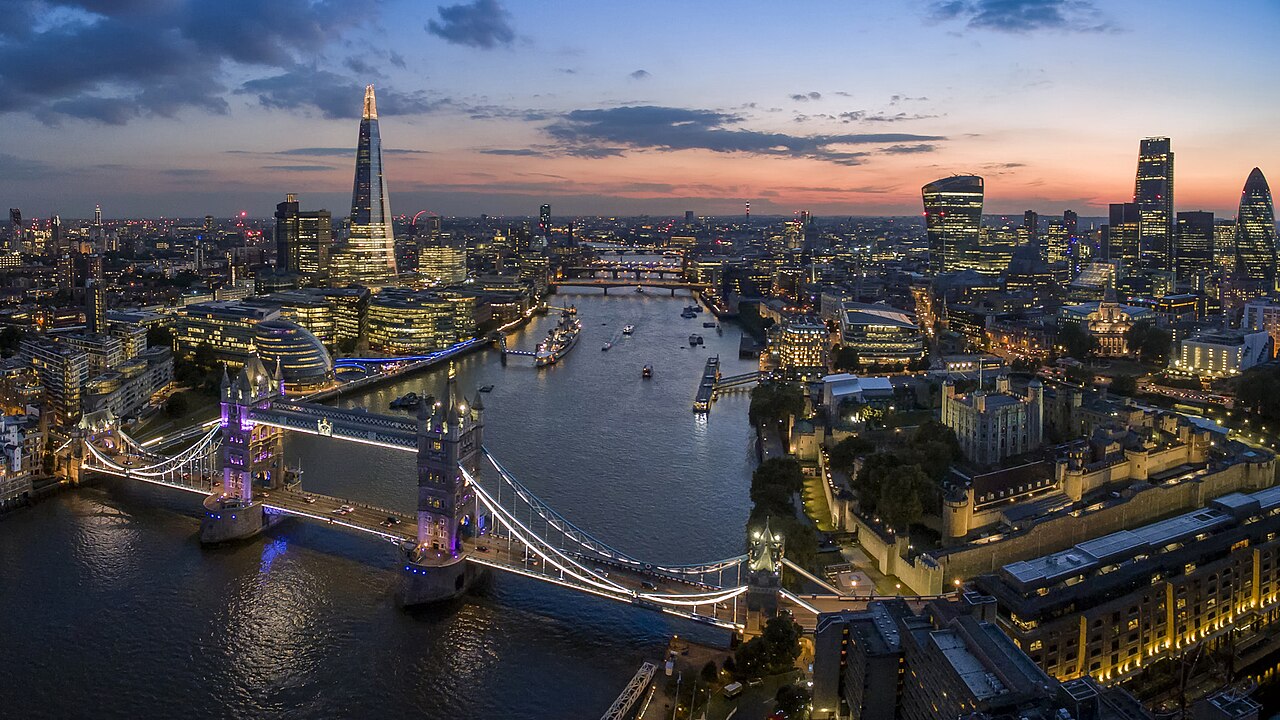
- LondonNature in London: green places and marked walks near the city, the wildlife people see month by month,…
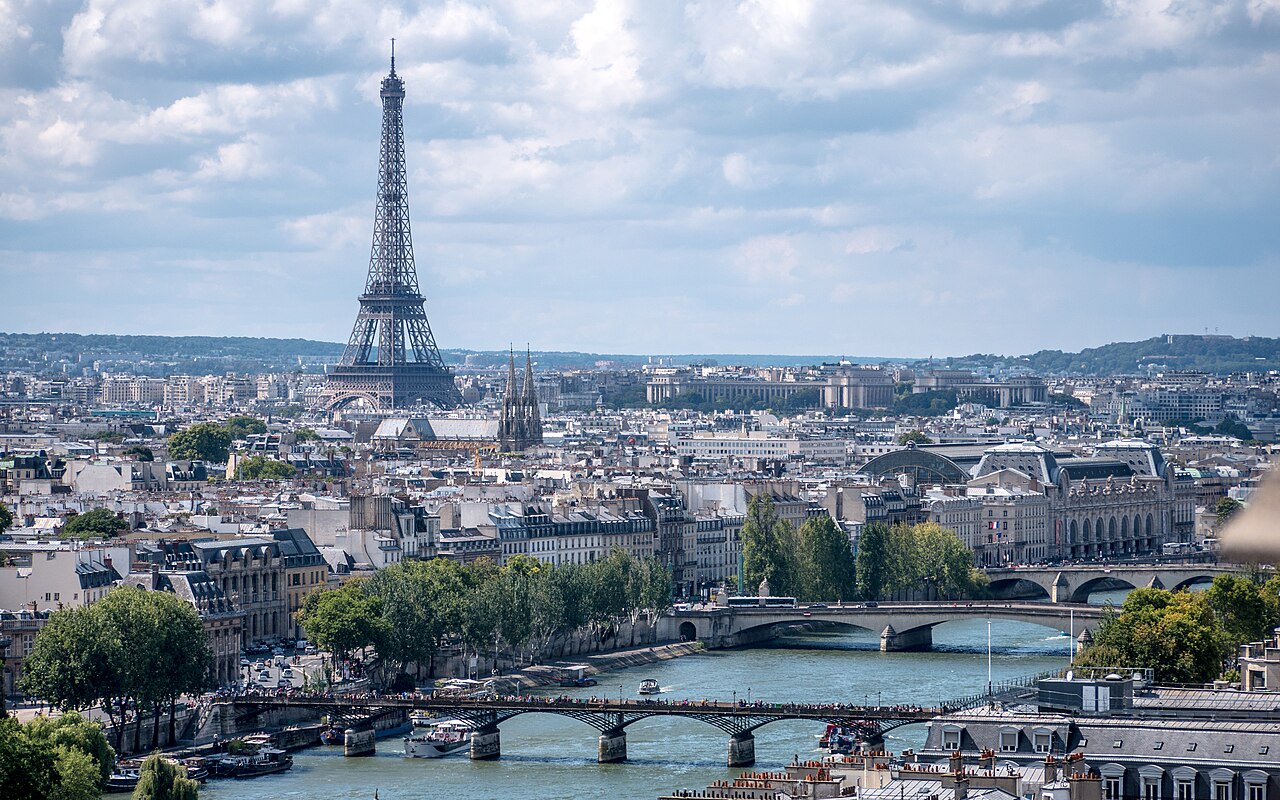 ParisNature in Paris: green places and marked walks near the city, the wildlife people see month by month,…
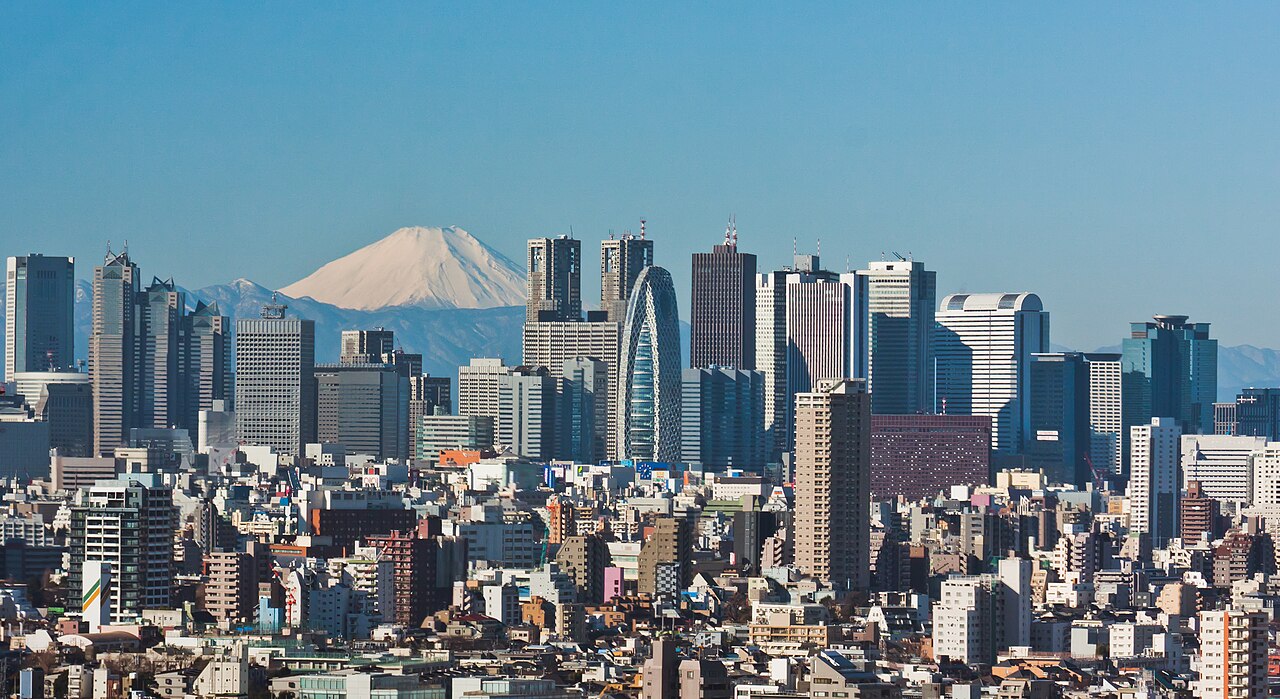 TokyoNature in Tokyo: green places and marked walks near the city, the wildlife people see month by month,…
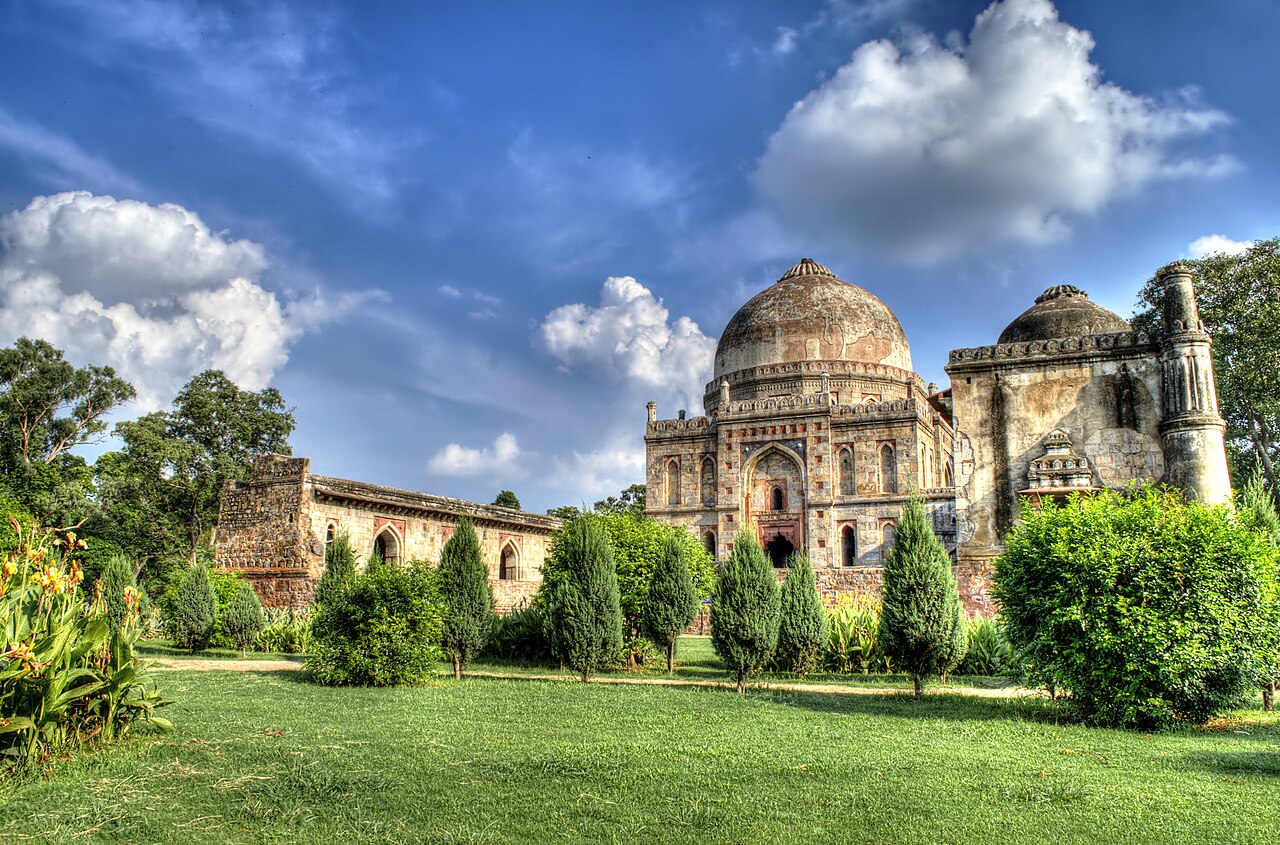 DelhiNature in Delhi: green places and marked walks near the city, the wildlife people see month by month,…
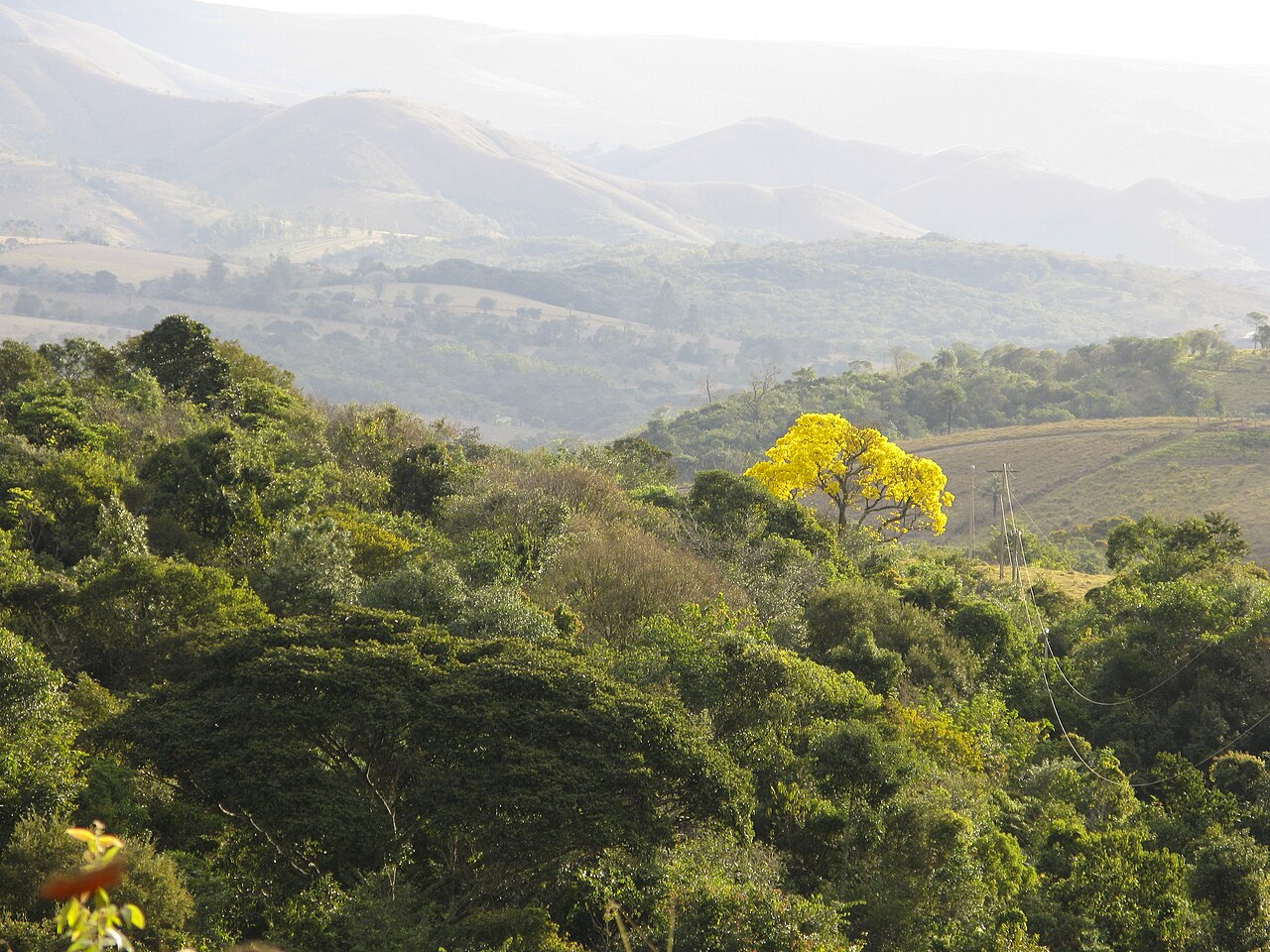 São PauloNature in São Paulo: green places and marked walks near the city, the wildlife people see month by month,…
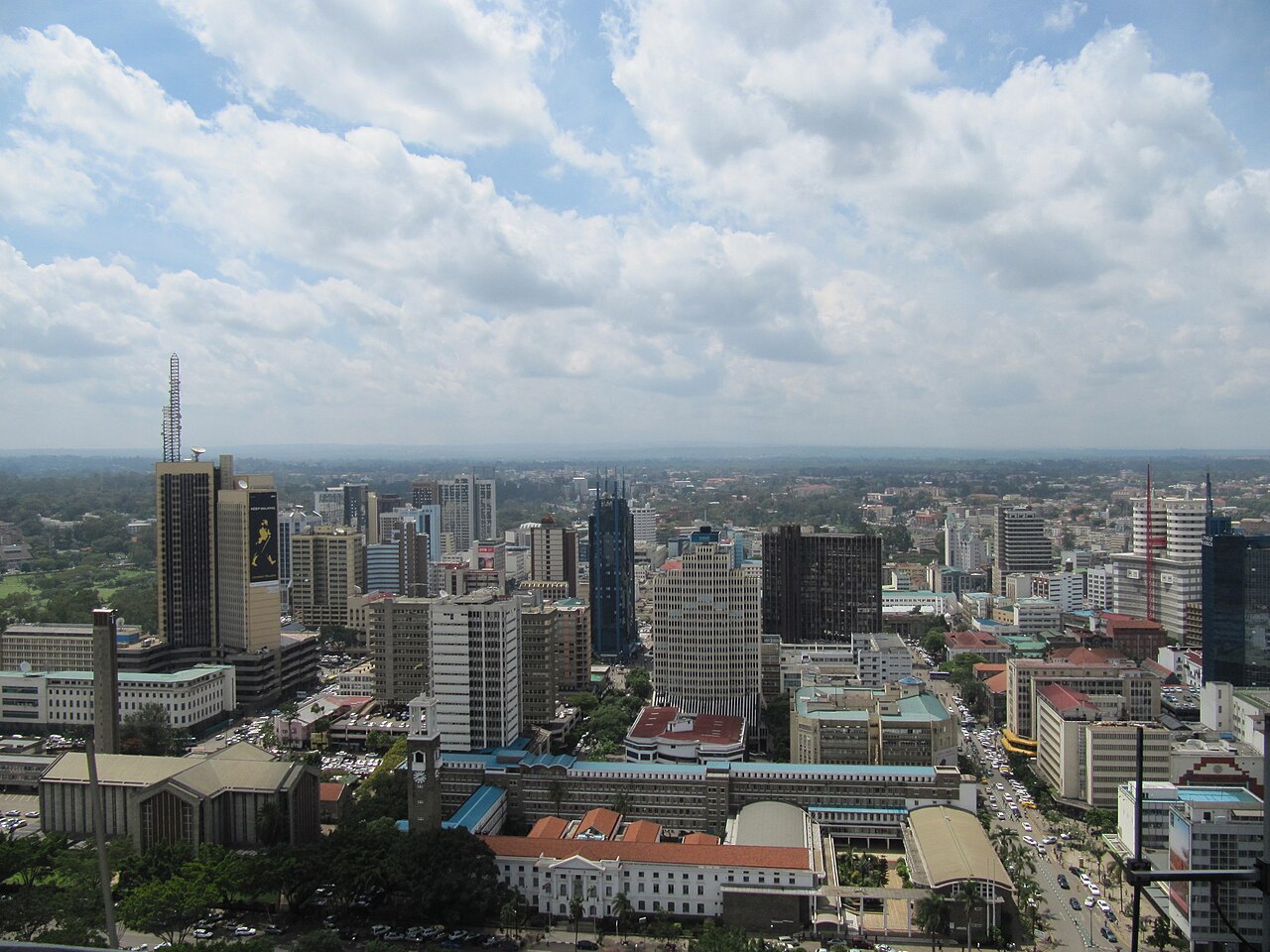 NairobiNature in Nairobi: green places and marked walks near the city, the wildlife people see month by month,…
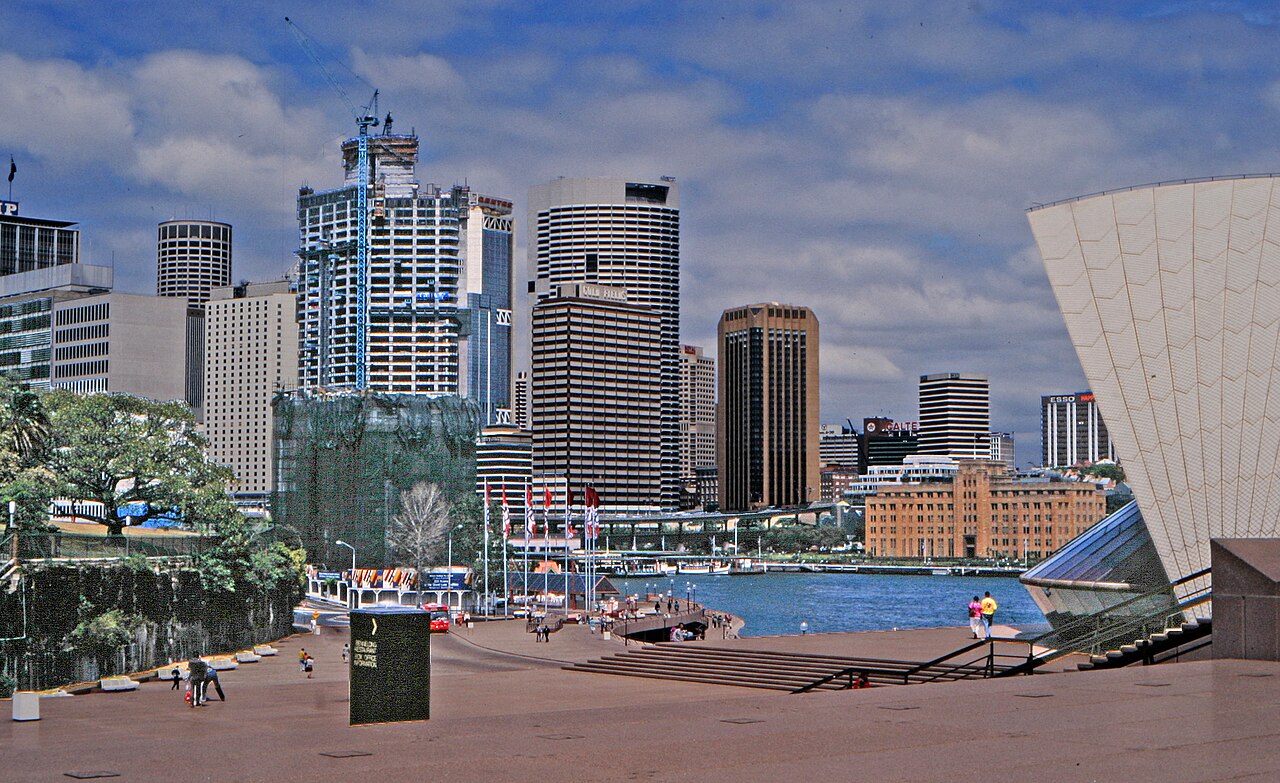 SydneyNature in Sydney: green places and marked walks near the city, the wildlife people see month by month,…
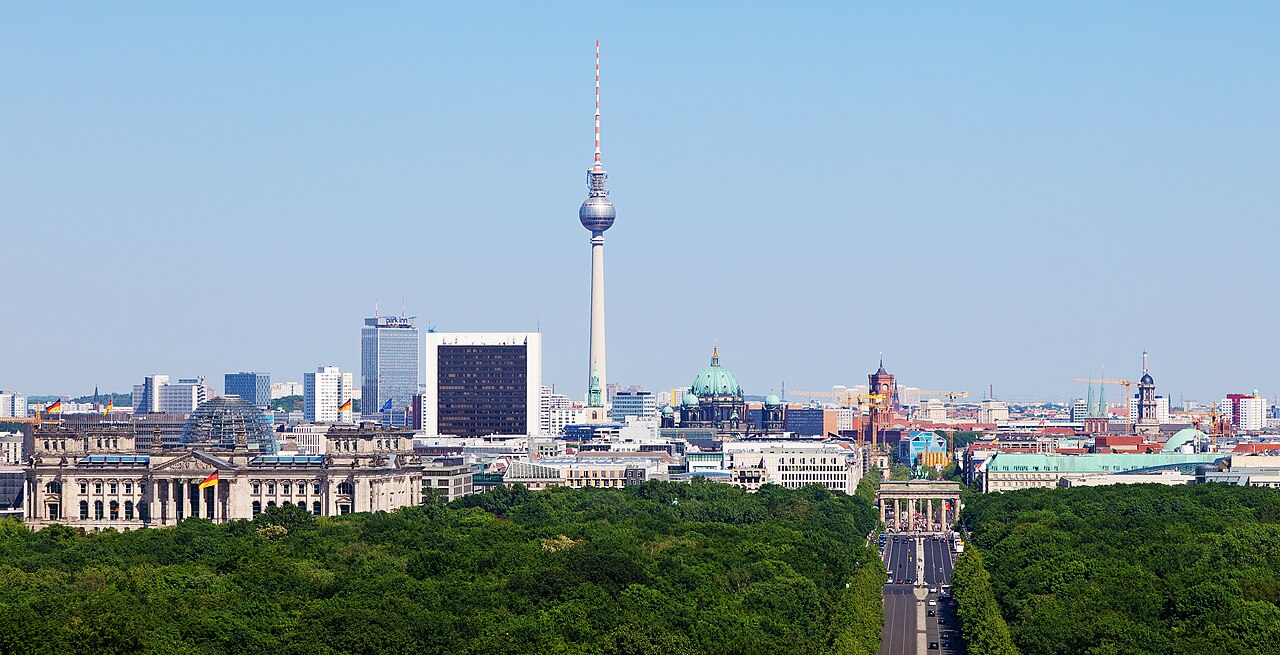 BerlinNature in Berlin: green places and marked walks near the city, the wildlife people see month by month,…
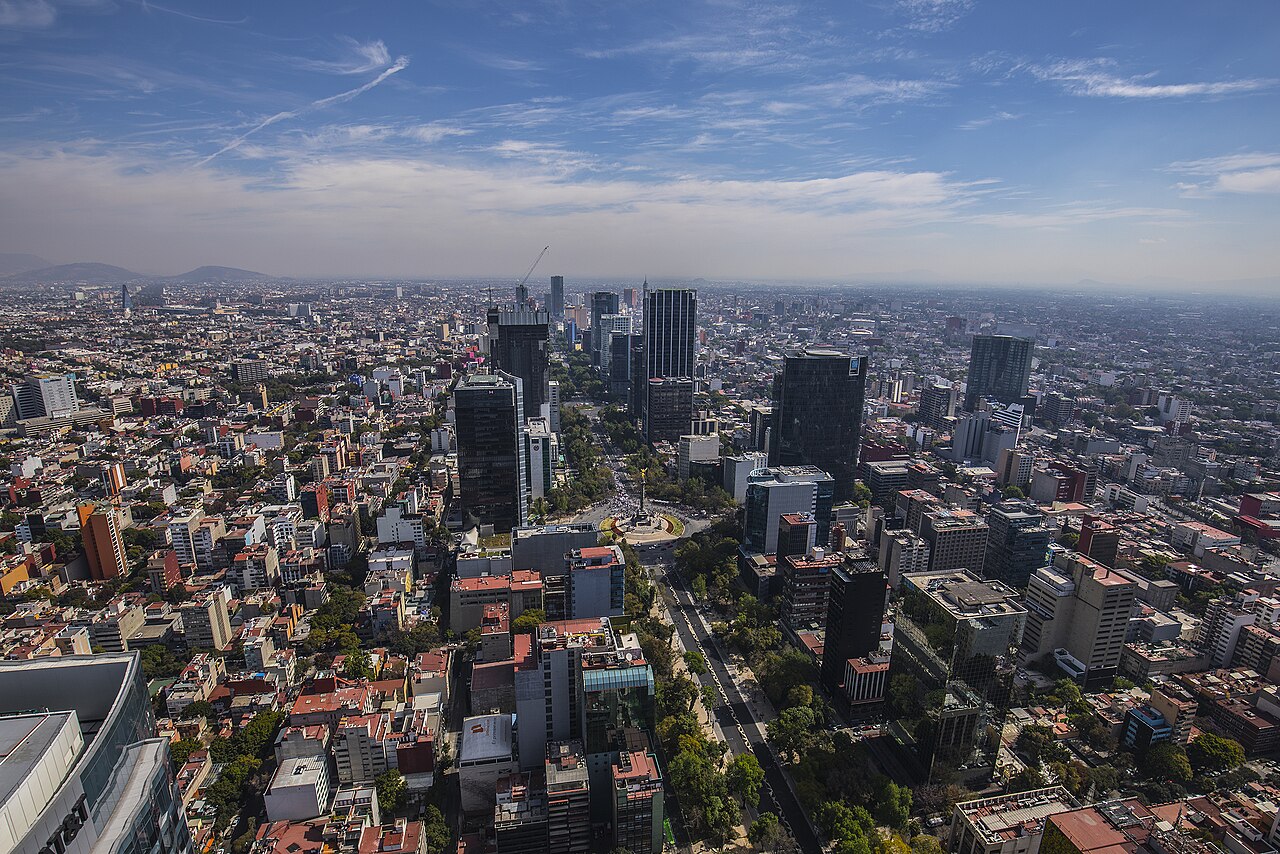 Mexico CityNature in Mexico City: green places and marked walks near the city, the wildlife people see month by…
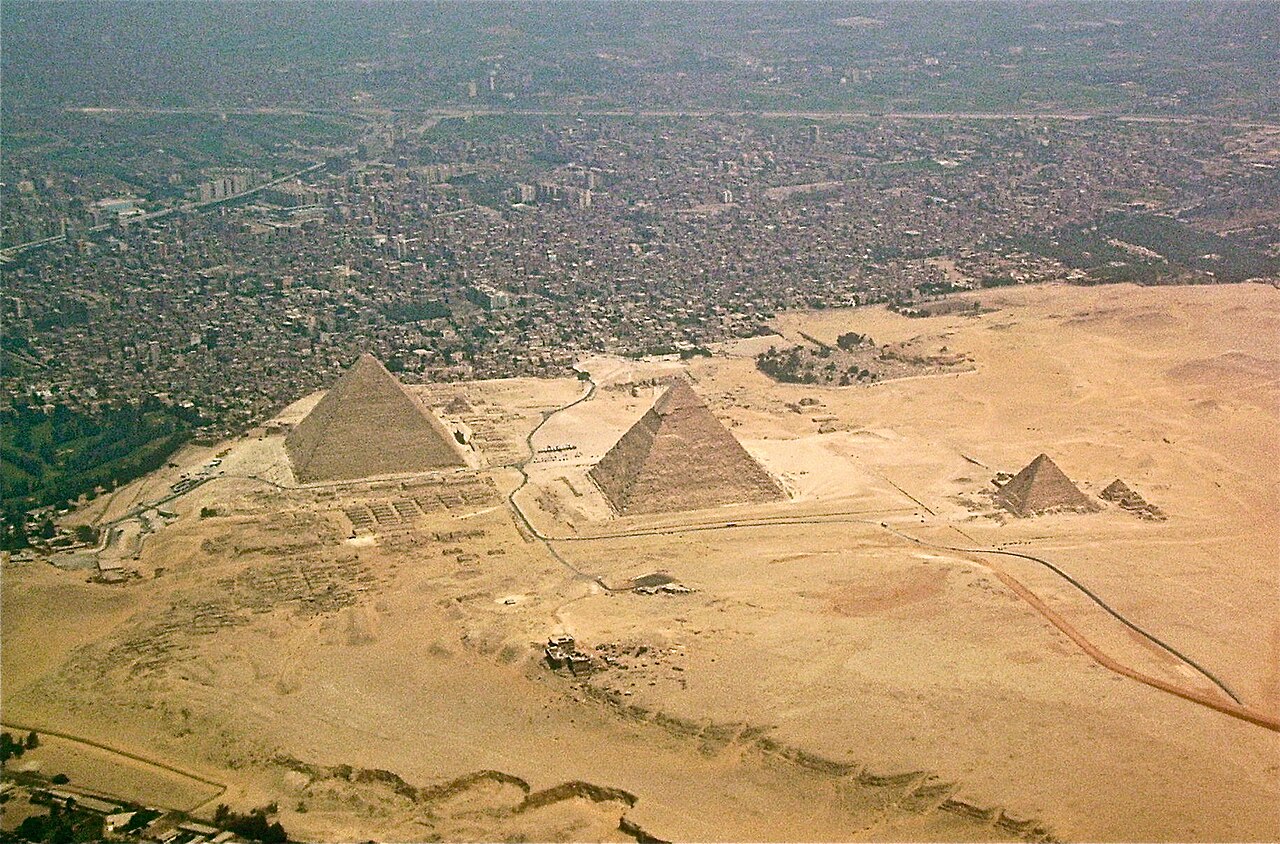 CairoNature in Cairo: green places and marked walks near the city, the wildlife people see month by month,…
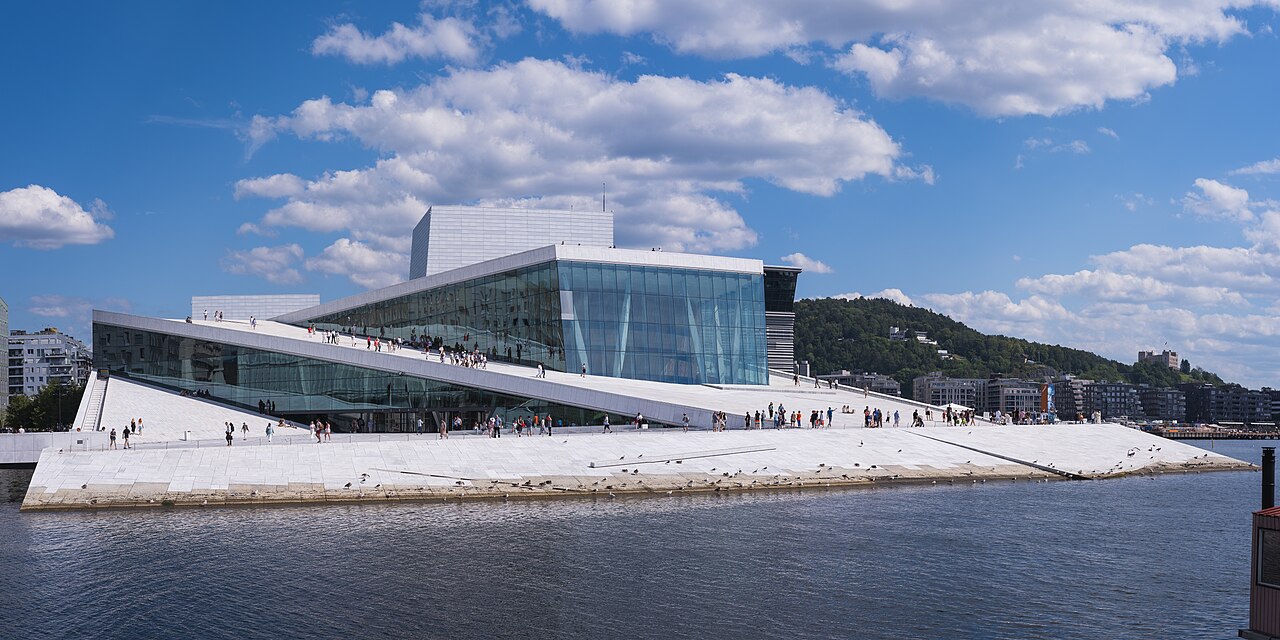 OsloNature in Oslo: marked walks, forests, lakes and islands near the city, the wildlife people see month by…
The state now
What our choices add up to
A few numbers that show where everyday life presses hardest on nature.
- 1 in 3
assessed fish stocks are overfished.
Overfishing → - 200 Mt
of nitrogen is lost to nature each year, feeding algae and dead zones.
Nutrient pollution → - 40%
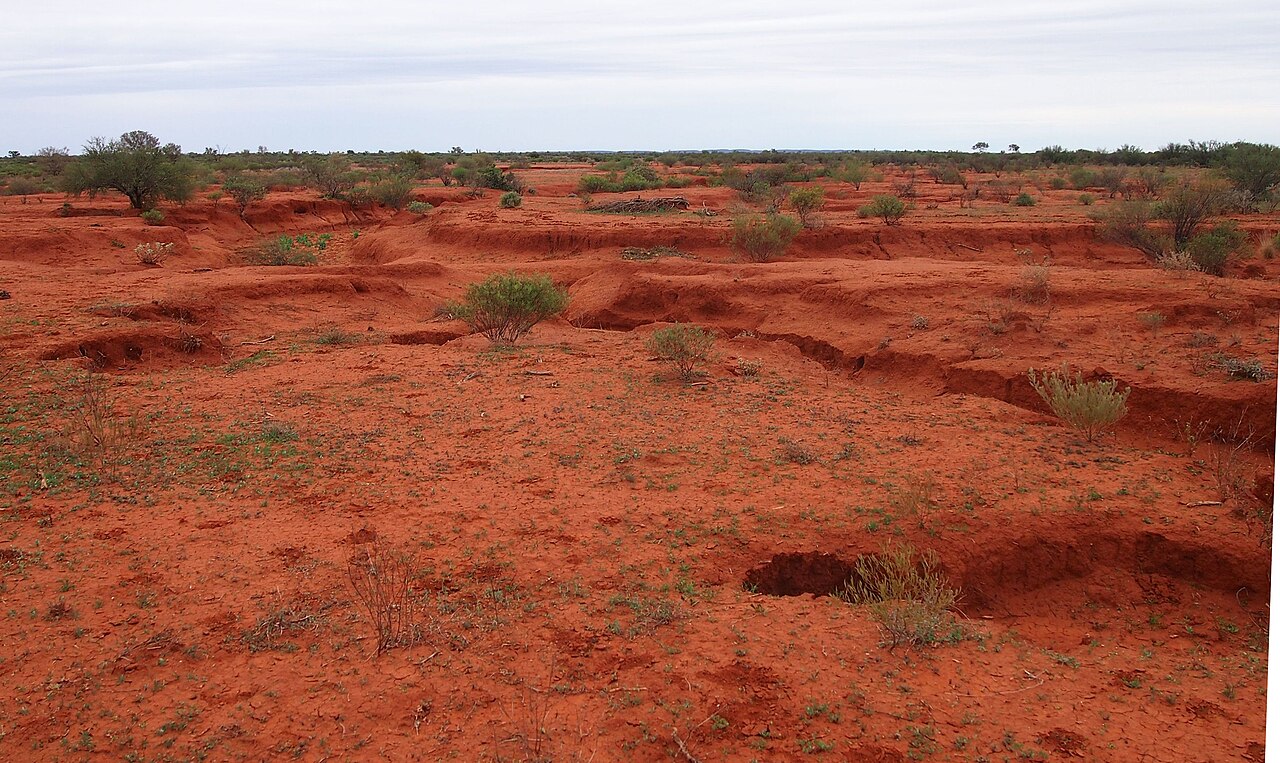
Up to 40% of the world's land is degraded.
Land degradation →
Pressures
What harms nature, and why
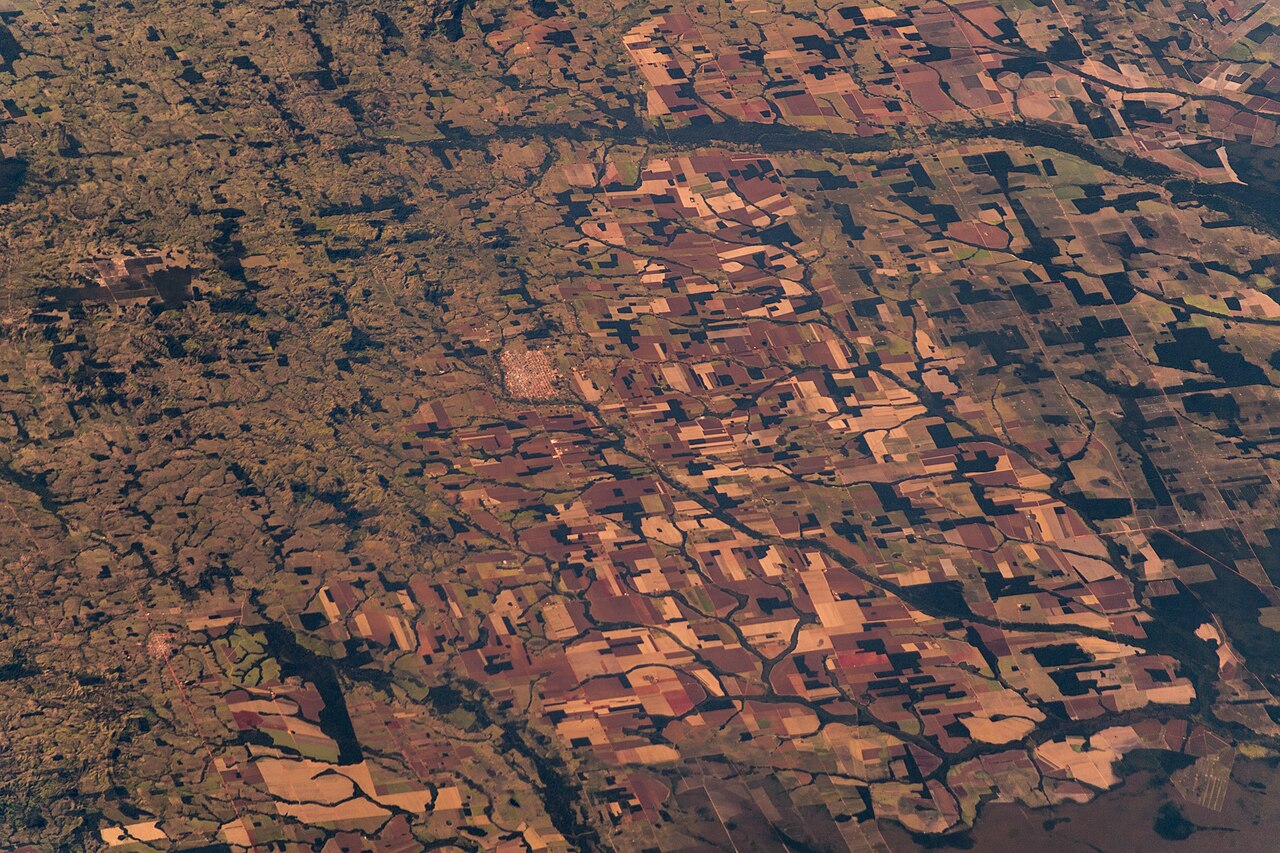 DeforestationHow much forest the world is losing, where the loss is greatest, which habitats and animals it hits, and…
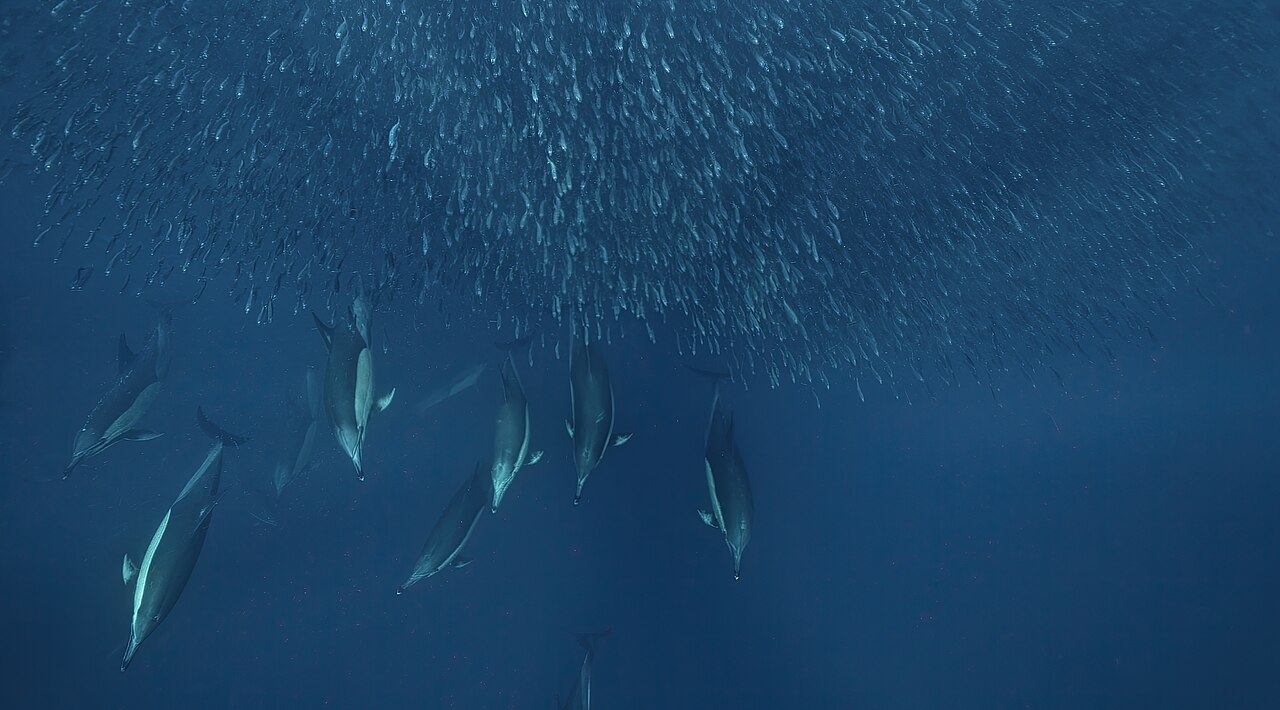 OverfishingMore than a third of the world's assessed fish stocks are overfished. Where fishing is heaviest, what it…
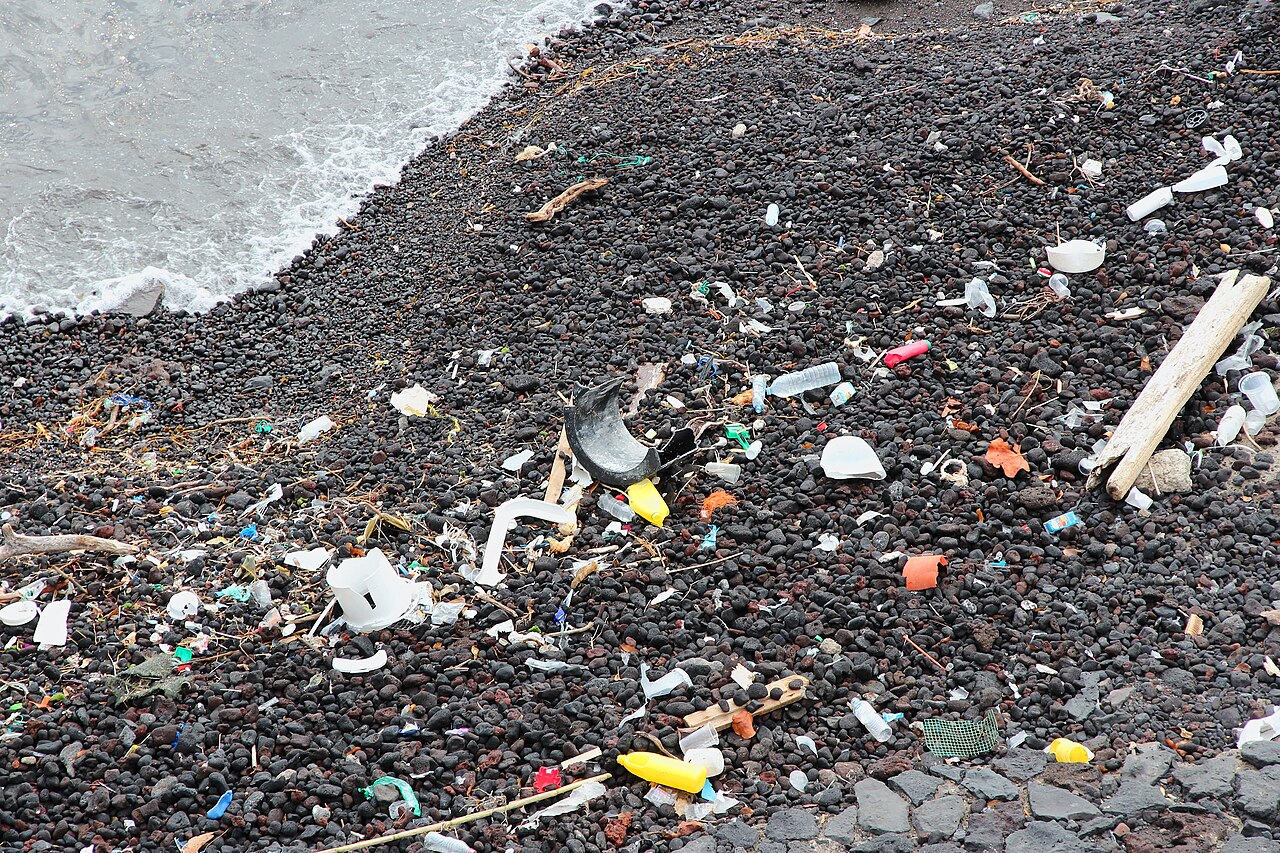 Plastic pollutionWhere plastic waste escapes into rivers and the sea, which habitats and animals it hits, and what is…
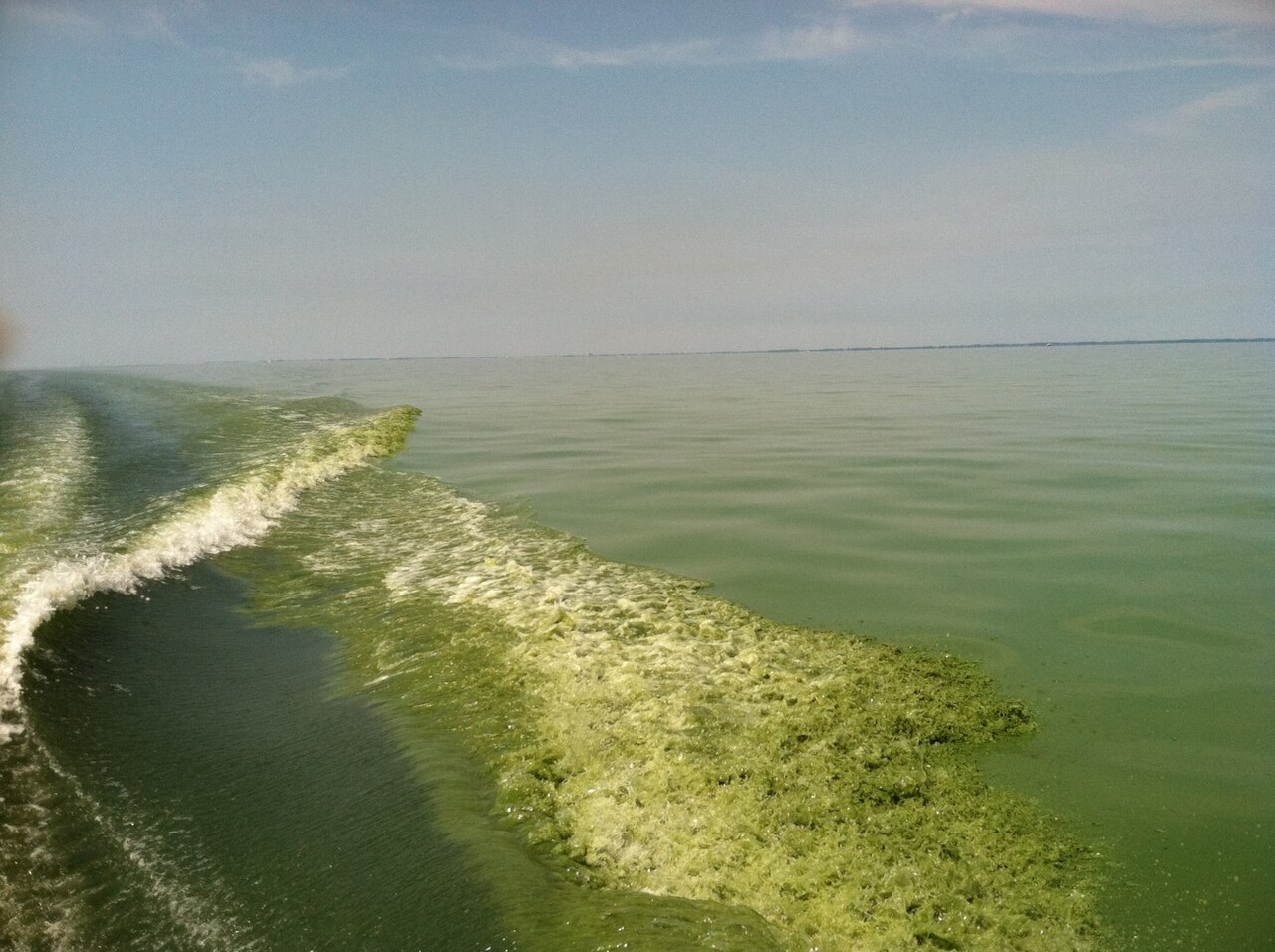 Nitrogen and phosphorus pollutionAbout 200 million tonnes of nitrogen are lost to nature each year, feeding algae and more than 400 ocean…
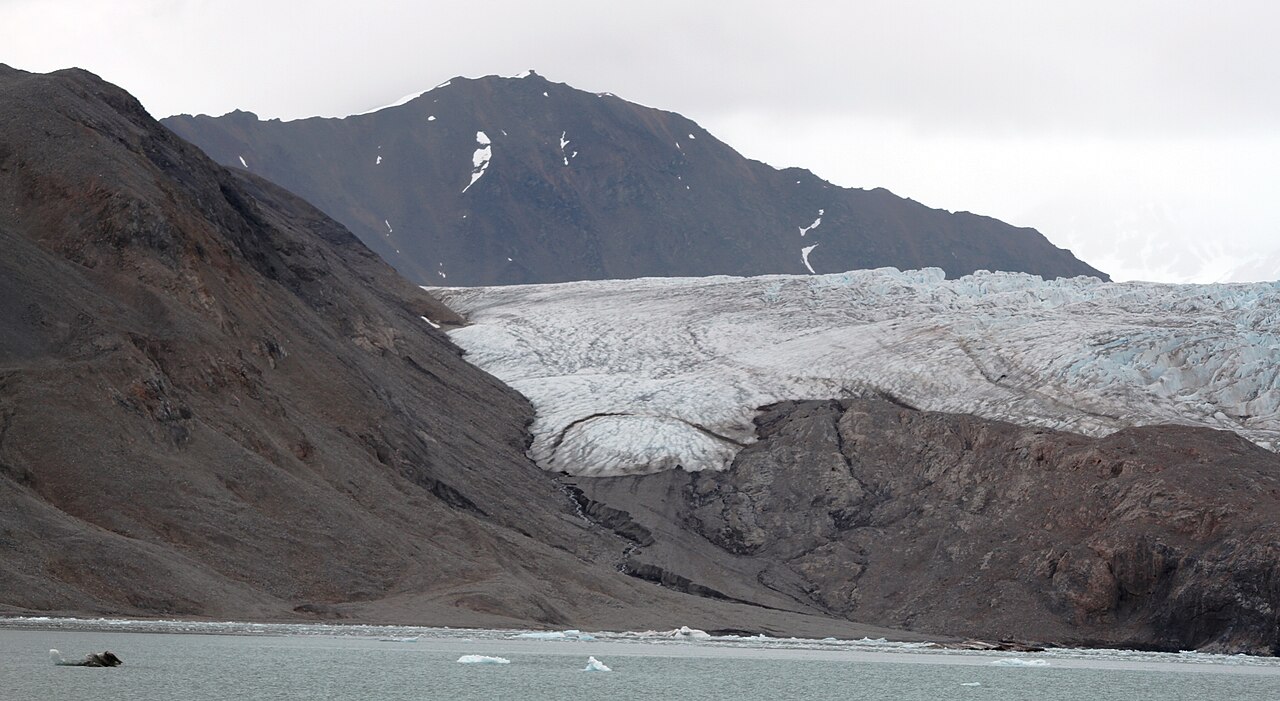 Global heatingHow much the world has warmed since the 1850s, which habitats and animals it hits hardest, from coral…
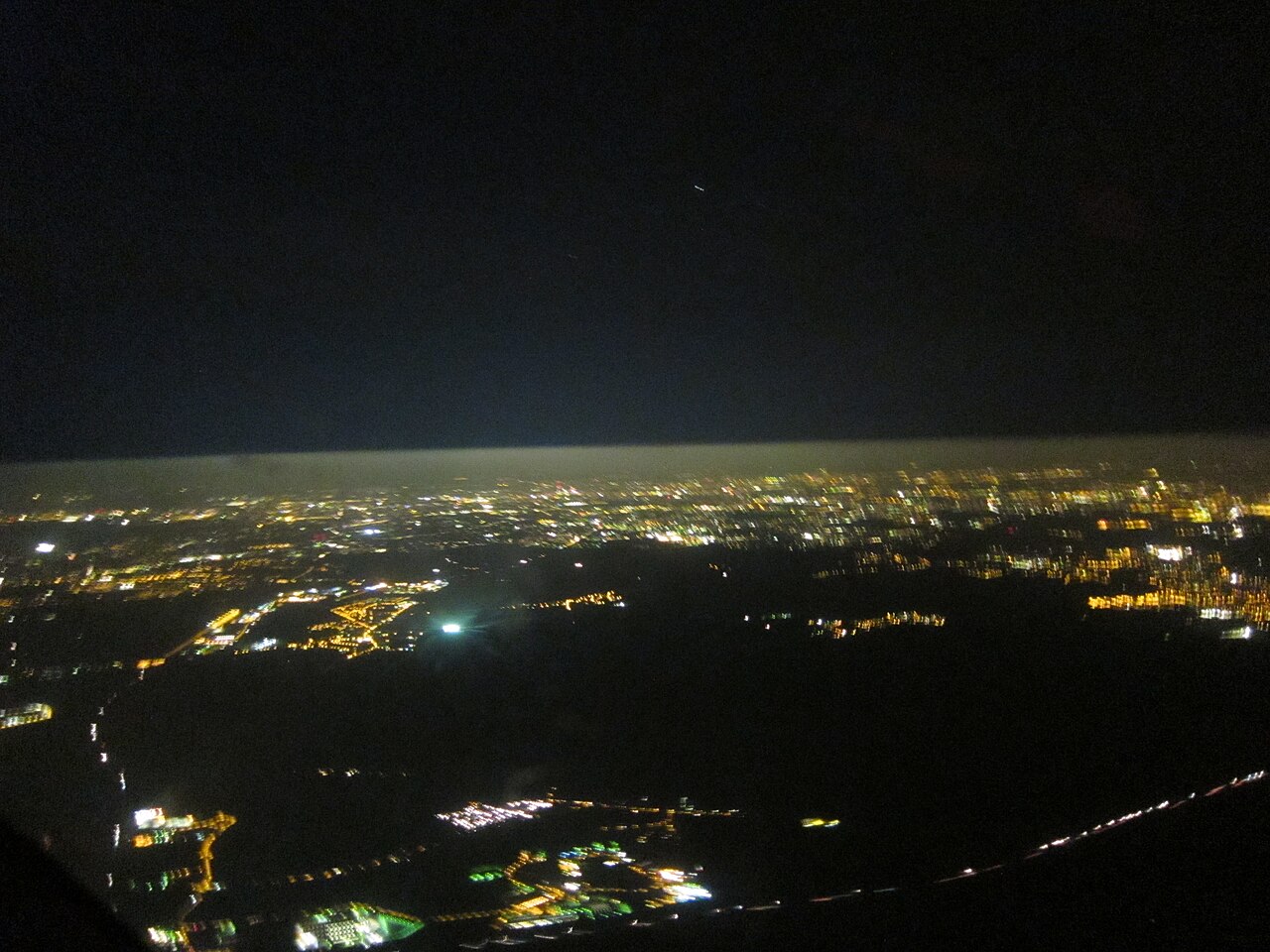 Light pollutionArtificial light now reaches 23% of the world's land at night and the sky grows brighter every year. How…
Solutions
What works
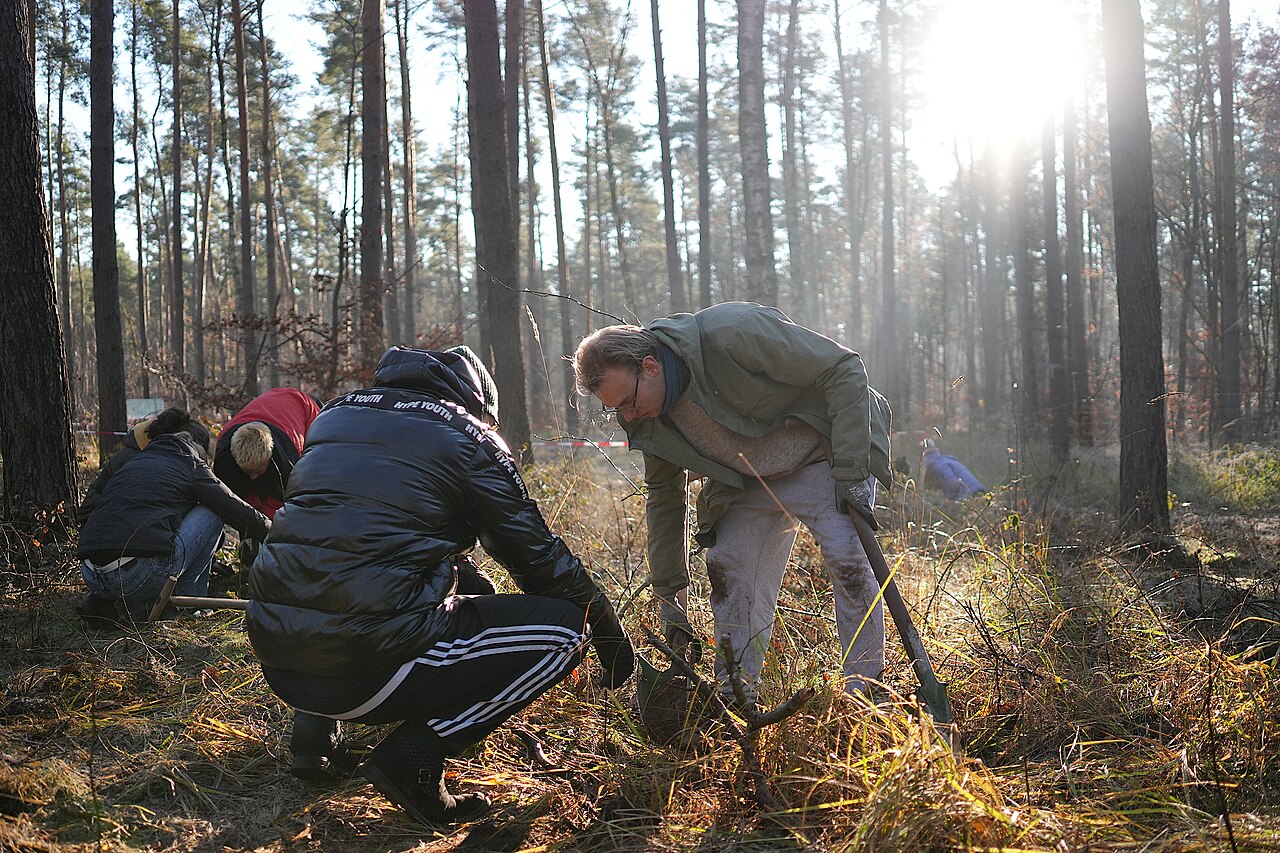 Ecosystem restorationHow restoring forests, wetlands, rivers and reefs brings nature back, what the science says works, the…
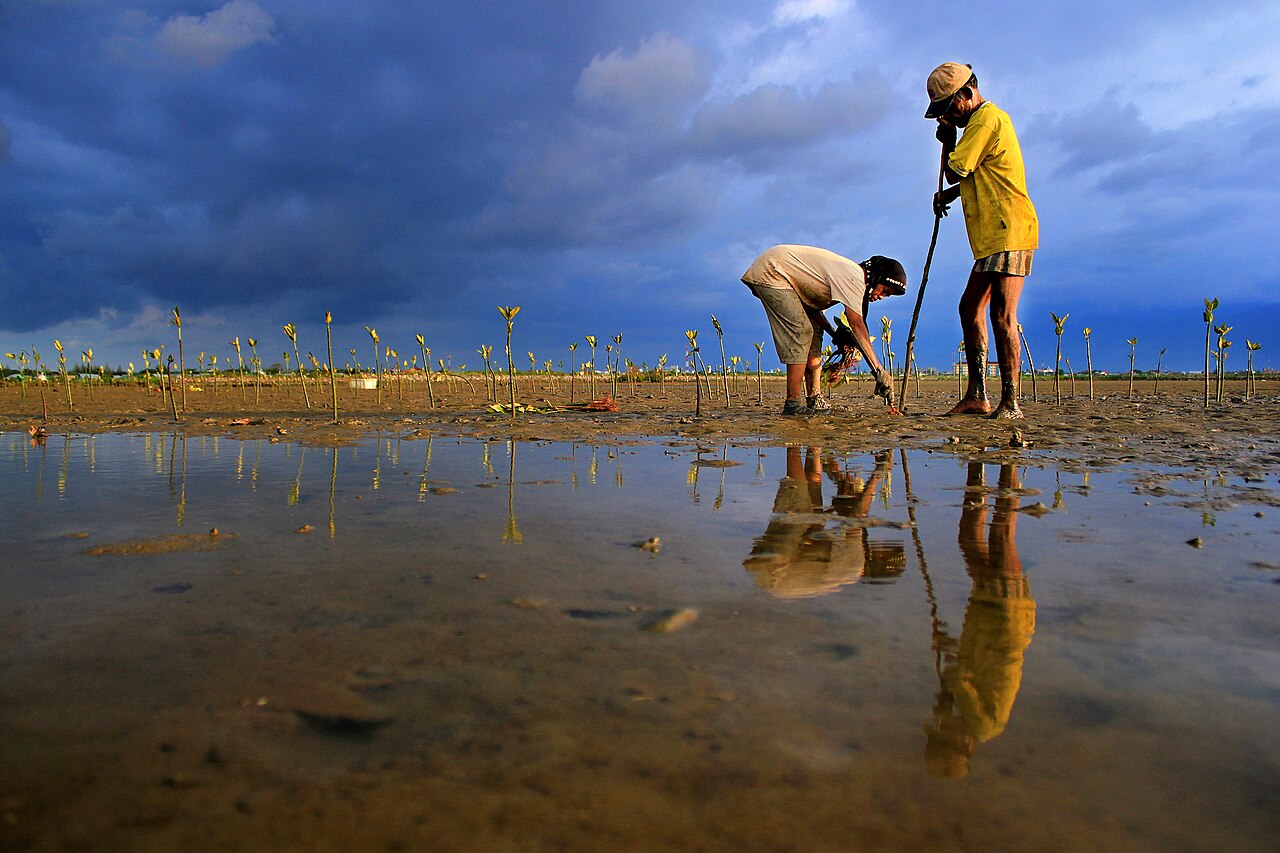 Mangrove restorationMangrove loss has slowed by 44%, and about 818,300 hectares could be restored. How bringing mangroves back…
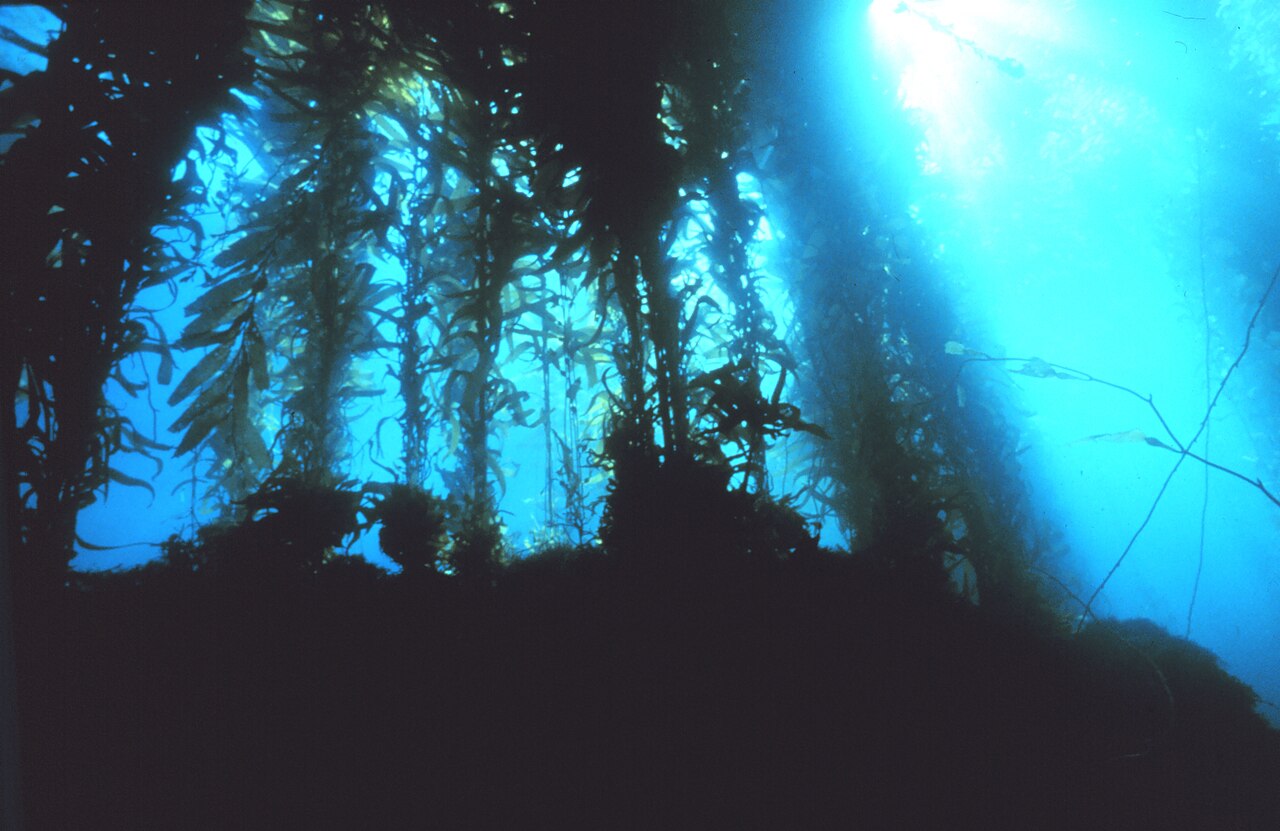 Marine protected areasOnly a small part of the ocean is fully protected. How marine reserves bring fish and reefs back, where…
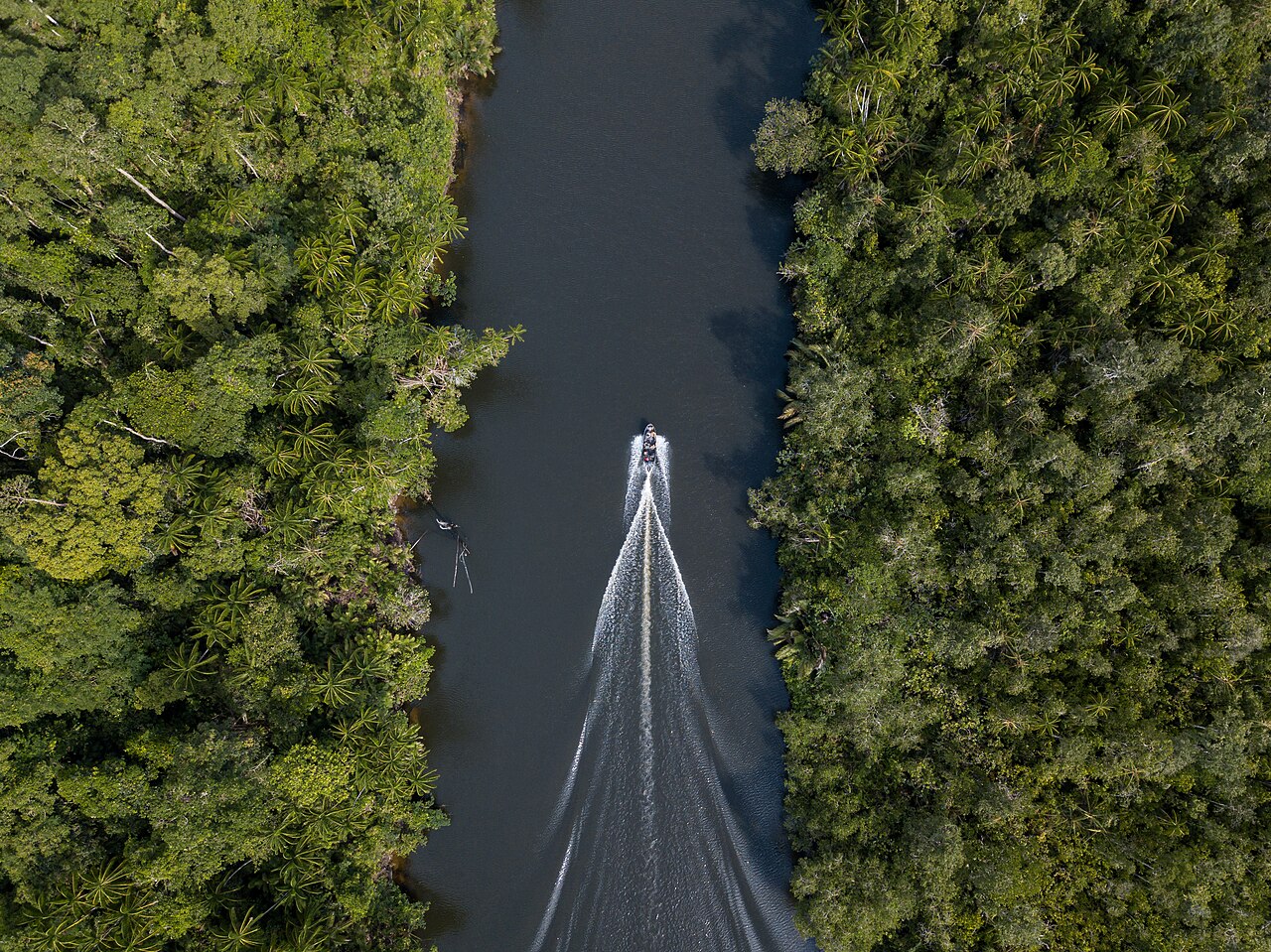 Protected areasAbout 17.6% of land and 8.4% of the ocean is protected. How protected areas work, where they are furthest…
Organisations
Already making it happen
Profiled, not partners.
 veritree
 International Bamboo and Rattan Organization (INBAR)
Explore more
Go deeper
- S4PIENS productsSearch everyday food by its climate, land and water footprint.
- The food journeyFrom farm to fork: where food meets nature.
- CitiesNature, walks and wildlife in the world's cities.
- PressuresThe forces pushing nature out of balance.
- SolutionsWhat works, with the evidence.
- 4PLANET ActionOrganisations protecting and restoring nature.
Join the people choosing better, for everyone.
Join 4PLANET freePhoto and video credits (45)
Sapiens: Janice Wei / NPS (public domain) · London from above, with its parks: Ilya Grigorik · Beef: Y1997xf11, Public domain · Chocolate: Rodrigo.Argenton, CC BY-SA 4.0 · Coffee: Bernard Gagnon, CC BY-SA 4.0 · Cheese: Yann Forget, CC BY-SA 4.0 · Farmed fish: Ximonic (Simo Räsänen), CC BY-SA 4.0 · Rice: Motokoka, CC BY-SA 4.0 · Chicken: Jörg Hempel, CC BY-SA 3.0 de · Eggs: Charlotte Corbisier, CC BY-SA 4.0 · Tofu: USAID Indonesia, Public domain · Apples: Dietmar Rabich, CC BY-SA 4.0 · Bananas: Moheen Reeyad, CC BY-SA 4.0 · Potatoes: Basotxerri, CC BY-SA 4.0 · Wine: Diego Delso, CC BY-SA 4.0 · Nuts: George Chernilevsky, Public domain · Peas: George Chernilevsky, Public domain · London: Ilya Grigorik, CC BY-SA 3.0 · Paris: Yann Caradec from Paris, France, CC BY-SA 2.0 · Tokyo: Morio, CC BY-SA 3.0 · Delhi: Amaninder, CC BY-SA 3.0 · São Paulo: RaulMRTFonseca, CC BY-SA 4.0 · Nairobi: Daryona, CC BY-SA 3.0 · Sydney: W. Bulach, CC BY-SA 4.0 · Berlin: Thomas Wolf, www.foto-tw.de, CC BY-SA 3.0 · Mexico City: Gobierno CDMX, CC0 · Cairo: Robster1983 at English Wikipedia, CC0 · Oslo: Christian David, CC BY-SA 4.0 · Deforestation: Alexander Gerst, CC BY-SA 2.0 · Overfishing: Stanislav Stelmakhovich, CC0 · Plastic pollution: Marek Ślusarczyk (Tupungato) Photo portfolio, CC BY 3.0 · Nitrogen and phosphorus pollution: NOAA Great Lakes Environmental Research Laboratory, CC BY-SA 2.0 · Global heating: Bjoertvedt, CC BY-SA 3.0 · Light pollution: Ralf Steikert, CC BY-SA 3.0 · Ecosystem restoration: RobbieIanMorrison, CC BY-SA 4.0 · Mangrove restoration: Irwandi wancaleu, CC BY-SA 4.0 · Marine protected areas: NOAA Photo Library, Public domain · Protected areas: Andyb3947, CC BY-SA 4.0 · United Nations Environment Programme: Bjoertvedt, CC BY-SA 3.0 · Greenpeace International: Bjoertvedt, CC BY-SA 3.0 · Marine Stewardship Council: NOAA Photo Library, Public domain · The Ocean Cleanup: Marek Ślusarczyk (Tupungato) Photo portfolio, CC BY 3.0 · veritree: Rob and Stephanie Levy, CC BY 2.0 · International Bamboo and Rattan Organization (INBAR): Mark Marathon, CC BY-SA 3.0 · Trees for the Future: Mark Marathon, CC BY-SA 3.0