Deforestation
A pressure on the living planet, and what is being done about it
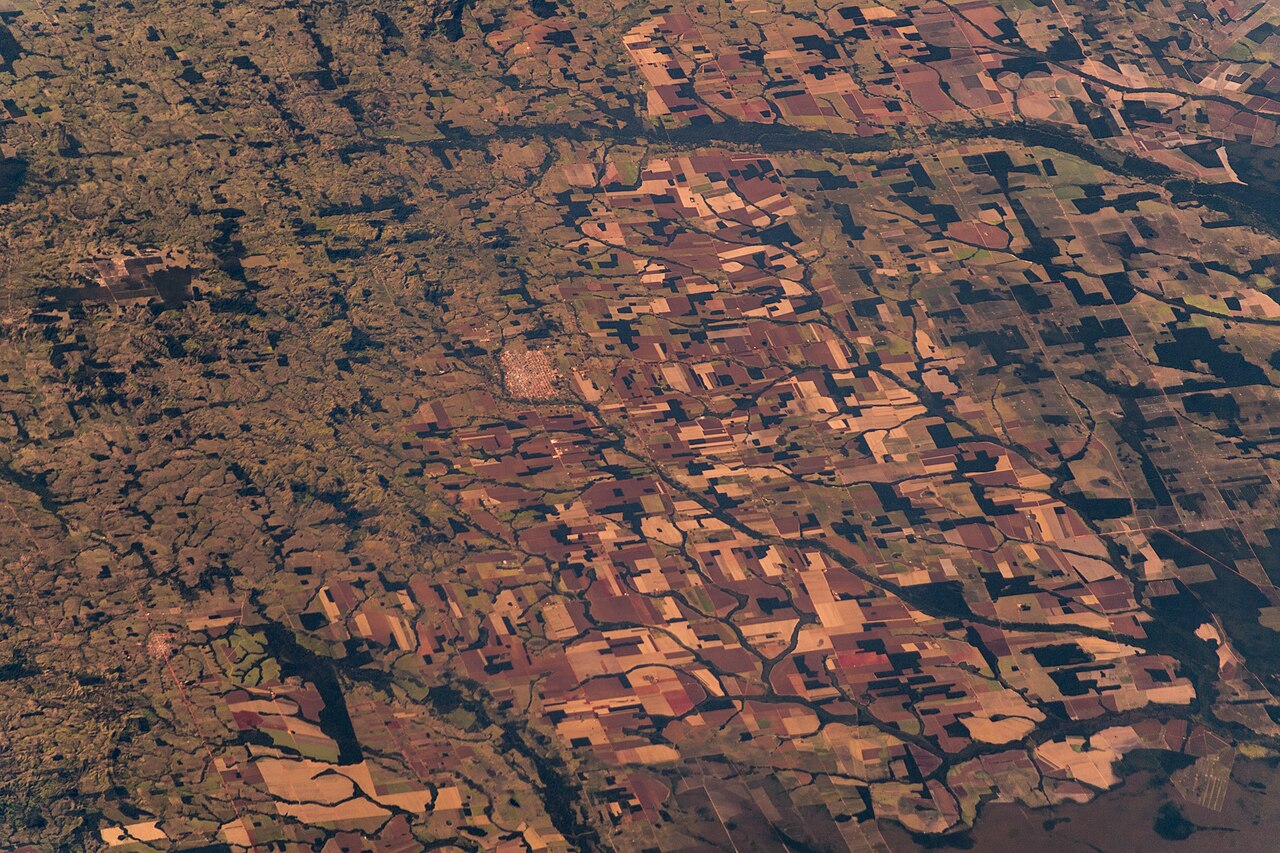
Forests cover about a third of the land and hold most of the animals and plants that live on it. Every year millions of hectares are cut or burned, above all in the tropics, mostly to make room for cattle pasture, soy, oil palm and other crops.
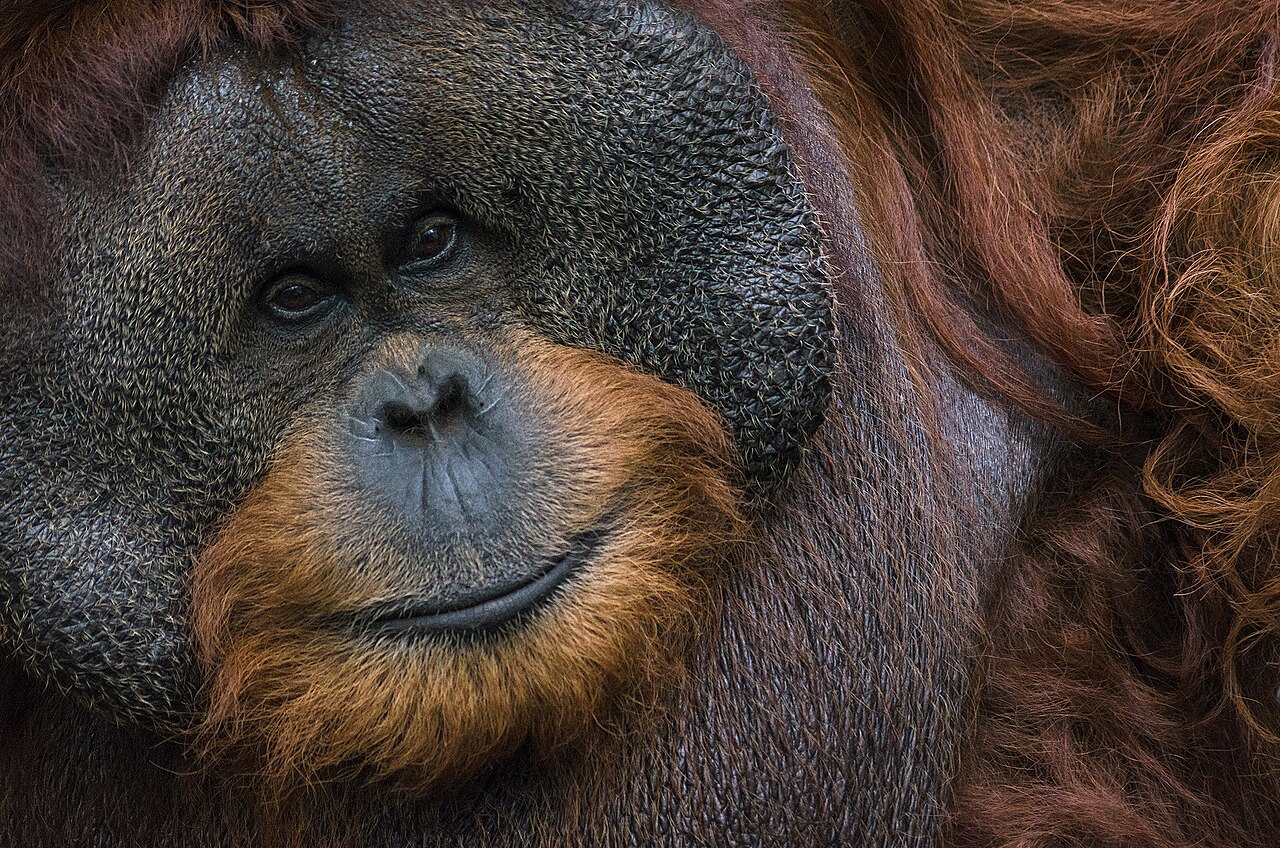
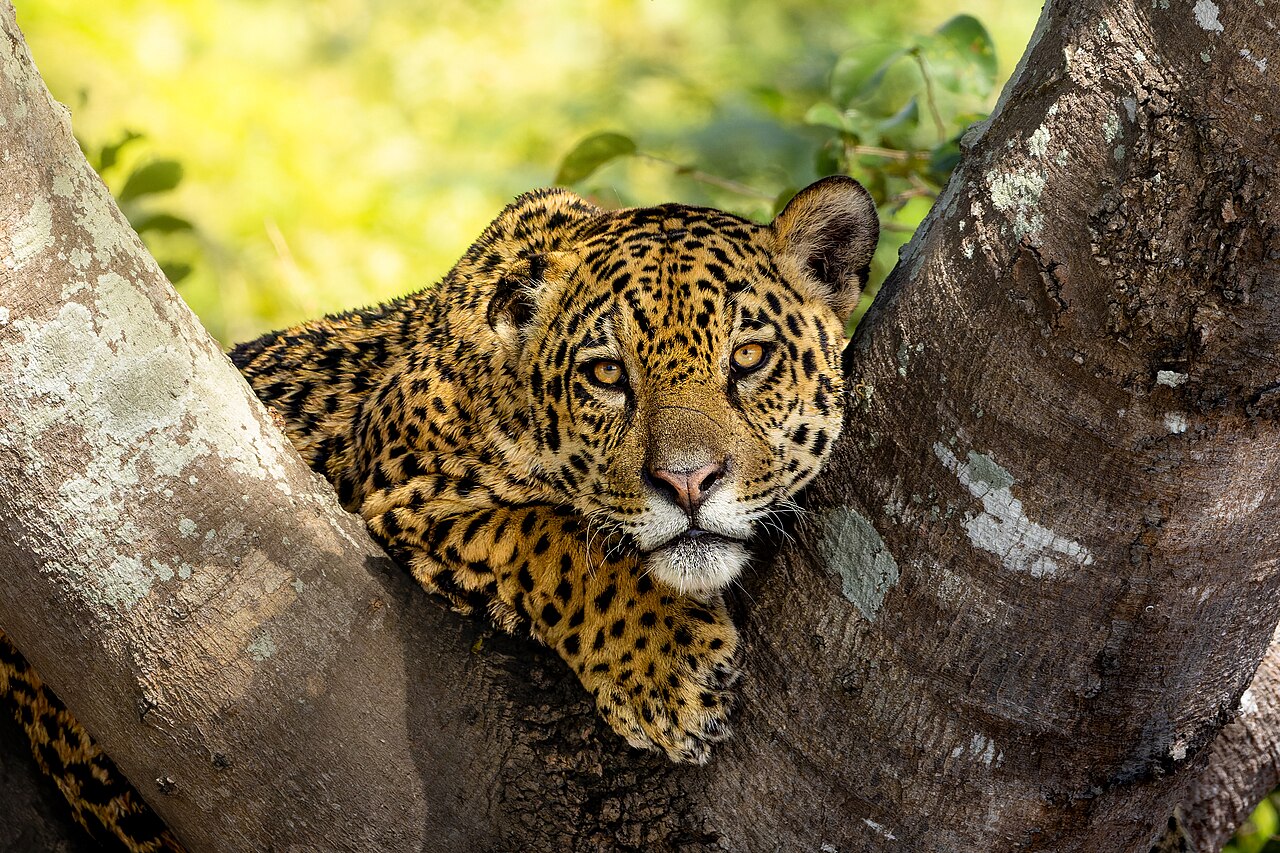
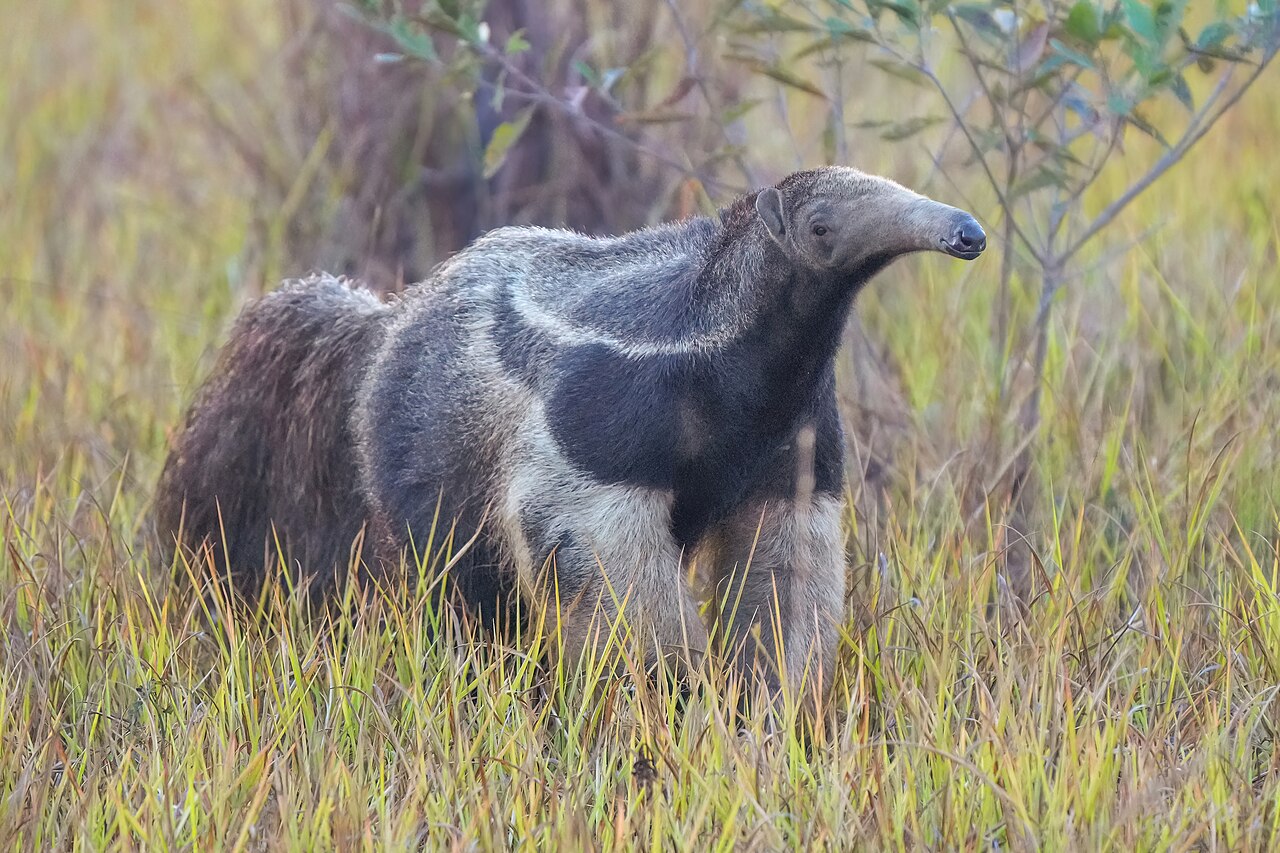
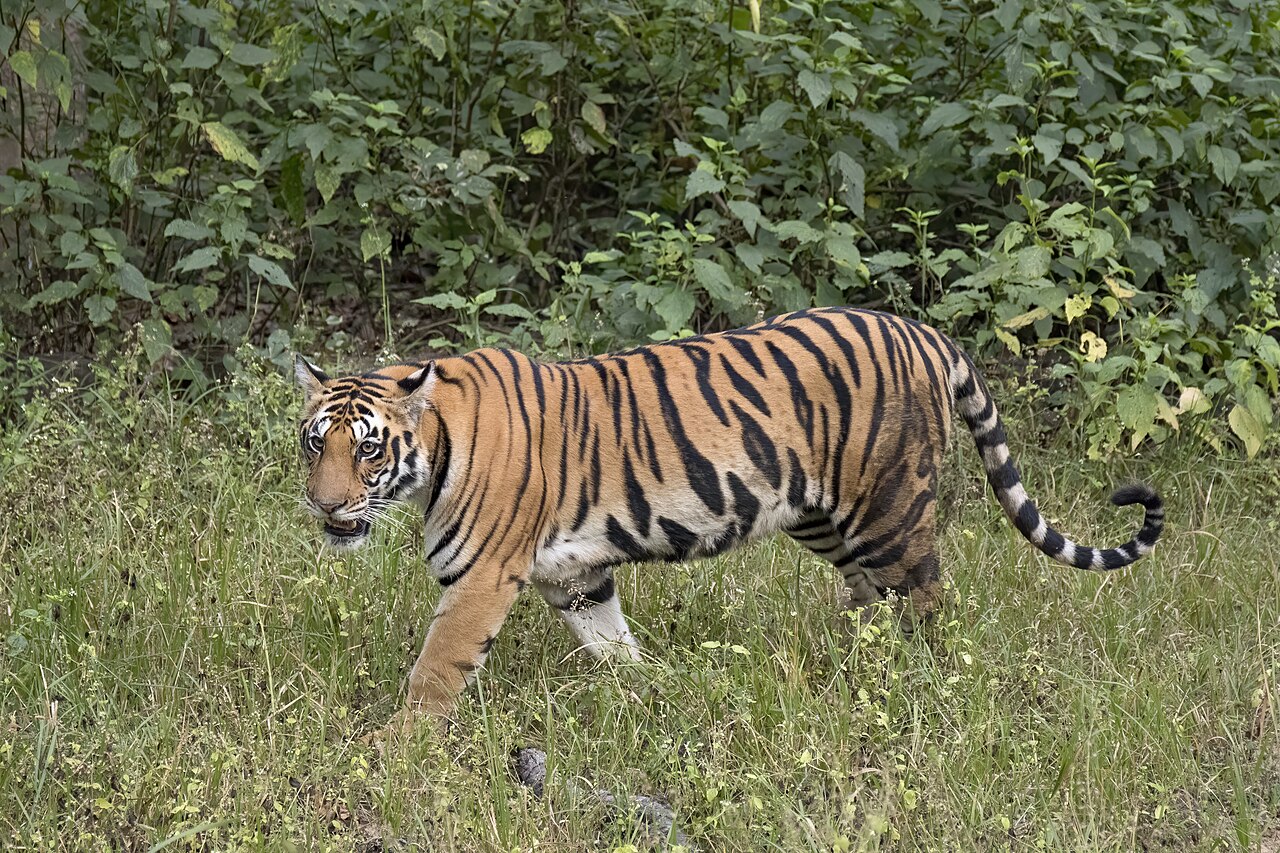
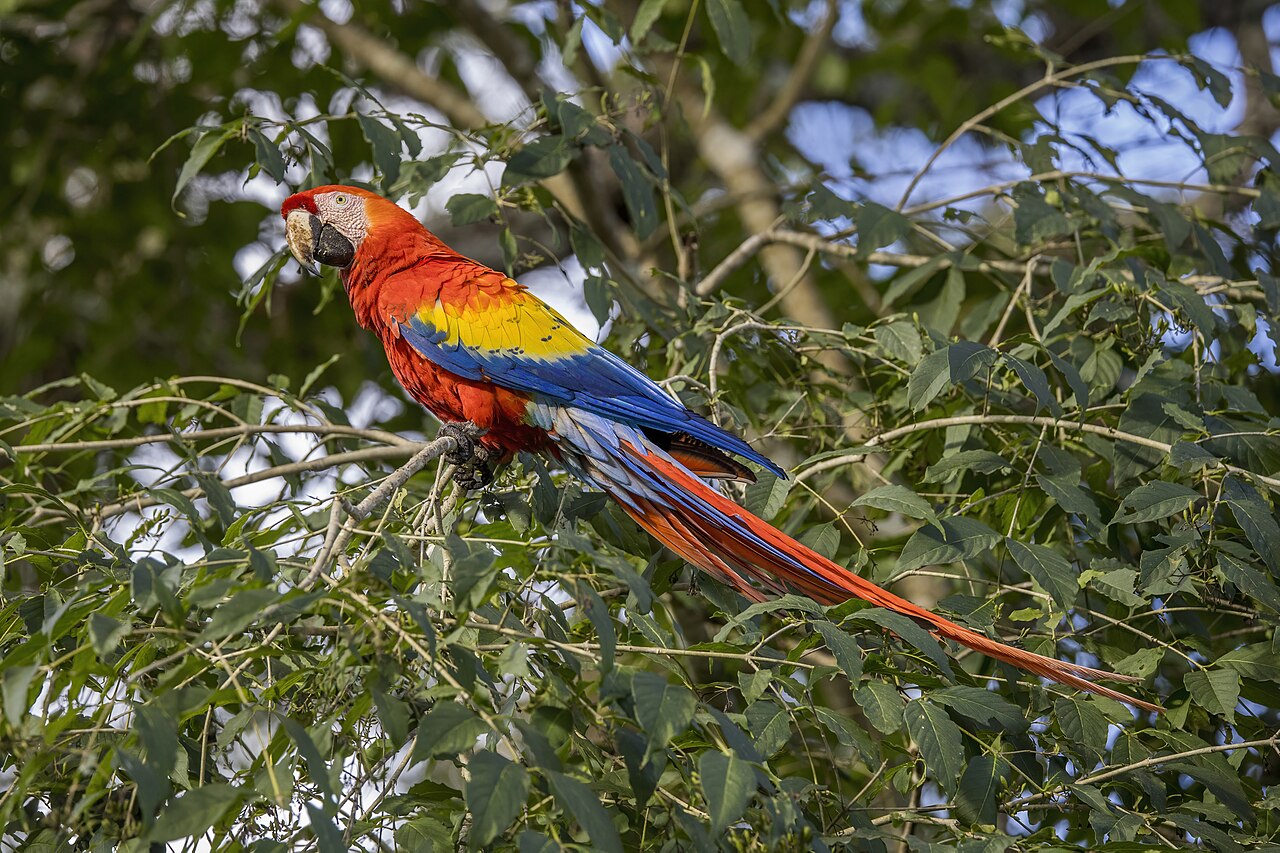
The loss has slowed since the 1990s, but it has not stopped. Where forest goes, so do orangutans, jaguars, hornbills and countless species that live nowhere else.
- Forest as a share of the world's land
- 31.9 % (2025)
Why it matters
- About 10 million hectares of forest were cut down every year between 2015 and 2020, an area about the size of Iceland. FAO · Global Forest Resources Assessment 2020
- Forests are home to 80% of amphibian species, 75% of bird species and 68% of mammal species. FAO · The State of the World's Forests 2020
- Turning forests and other wild land into farmland is the largest driver of nature loss on land. IPBES · Global Assessment 2019
How it has changed
Where it is greatest
Net change in forest area per year (ha), latest year for each country.
Source: Food and Agriculture Organization of the United Nations (2025) – with major processing by Our World in Data. Countries open their page in Atlas.
What it touches
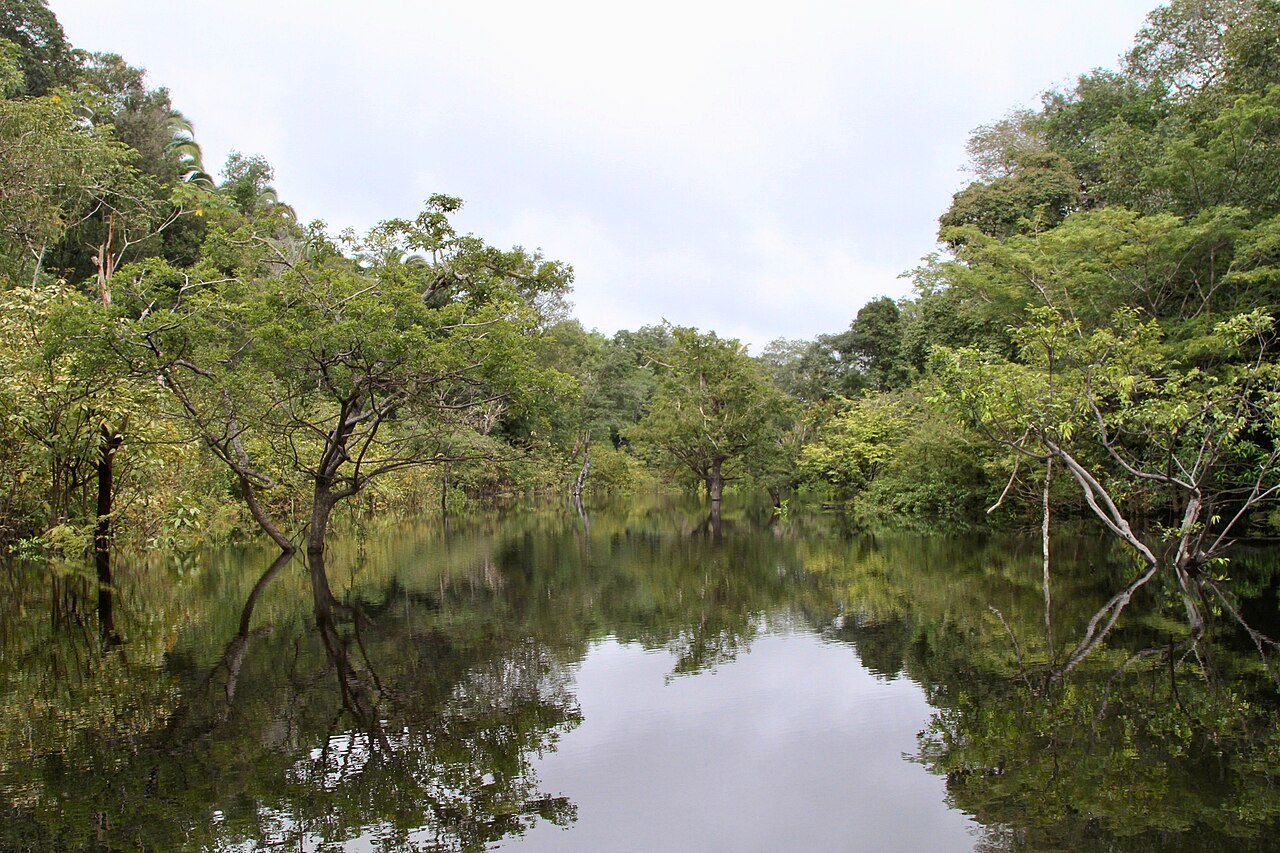
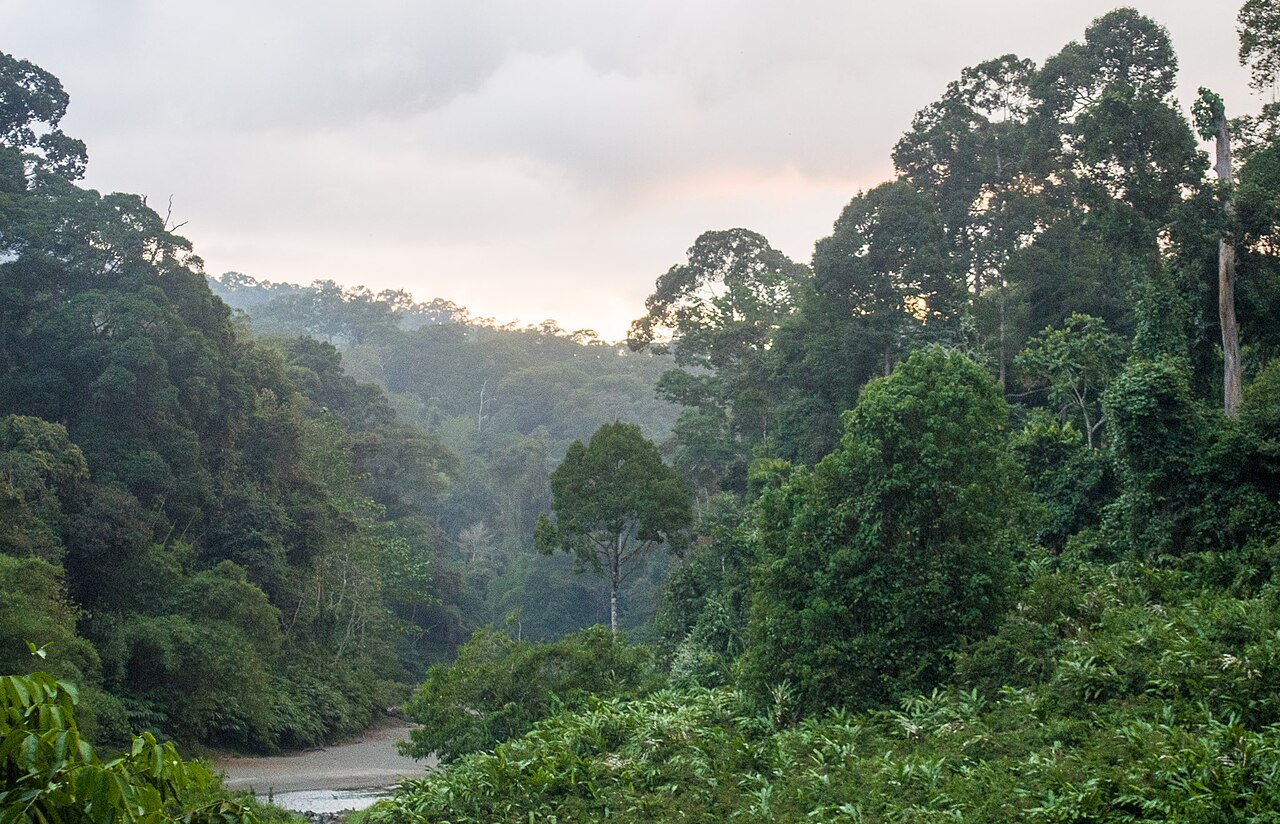
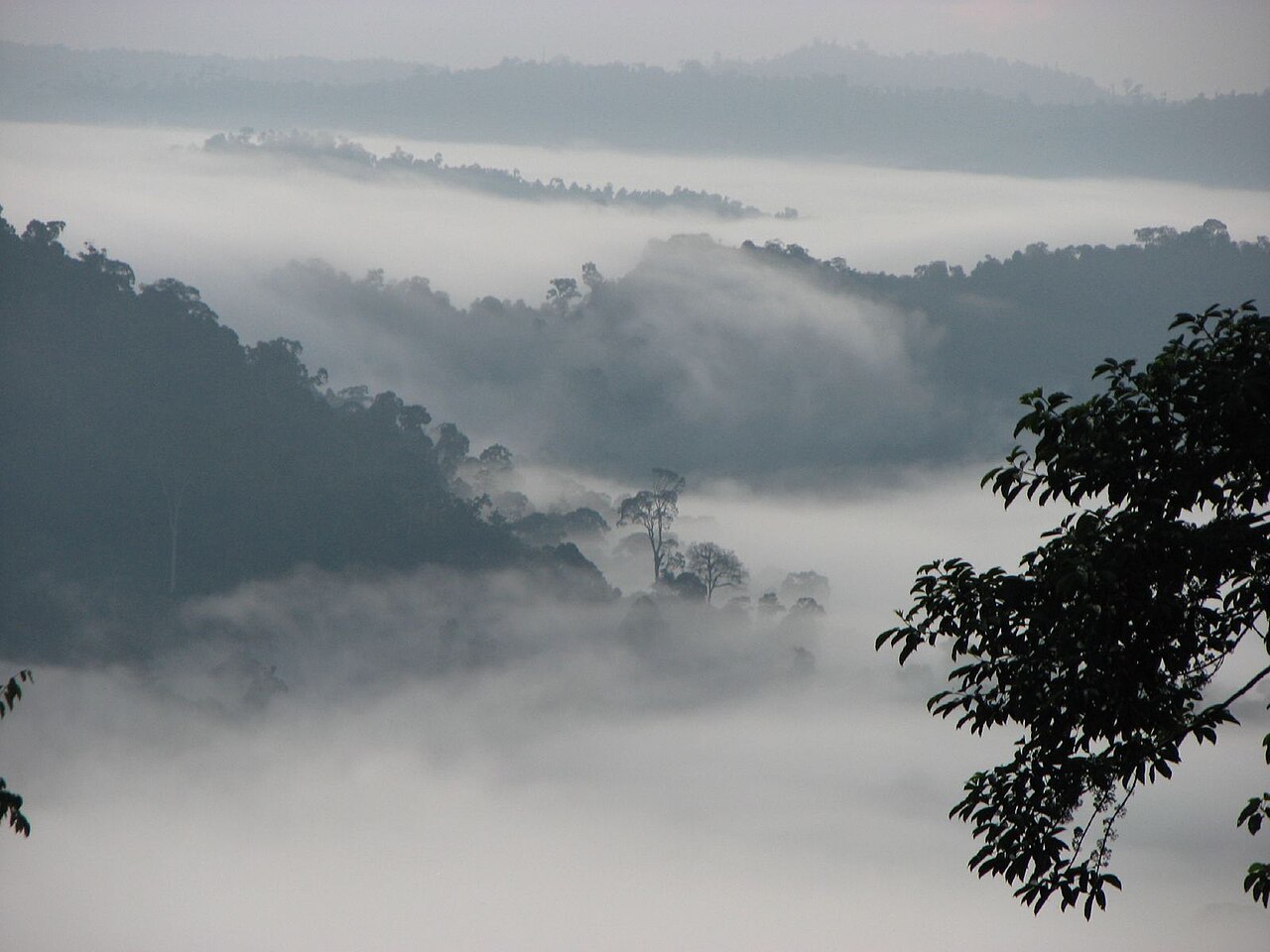
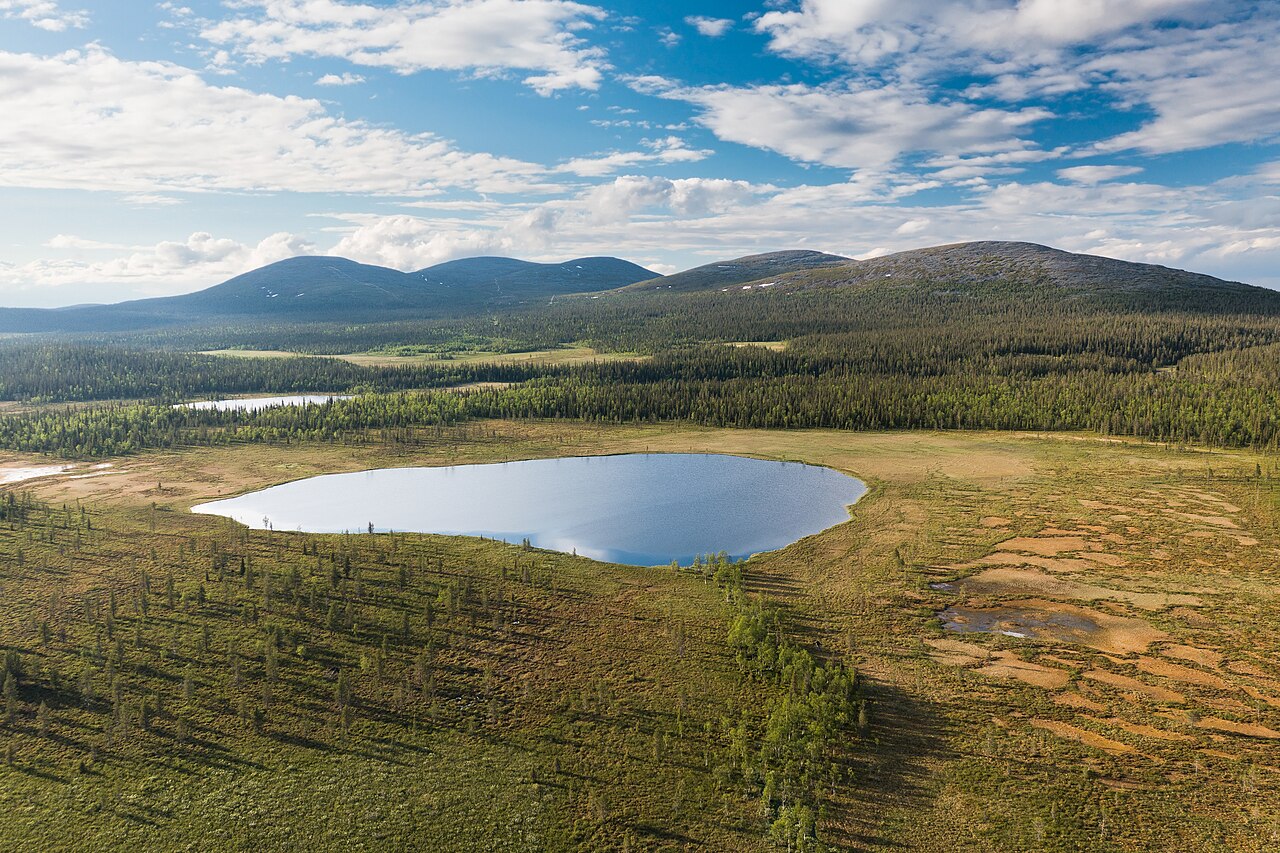
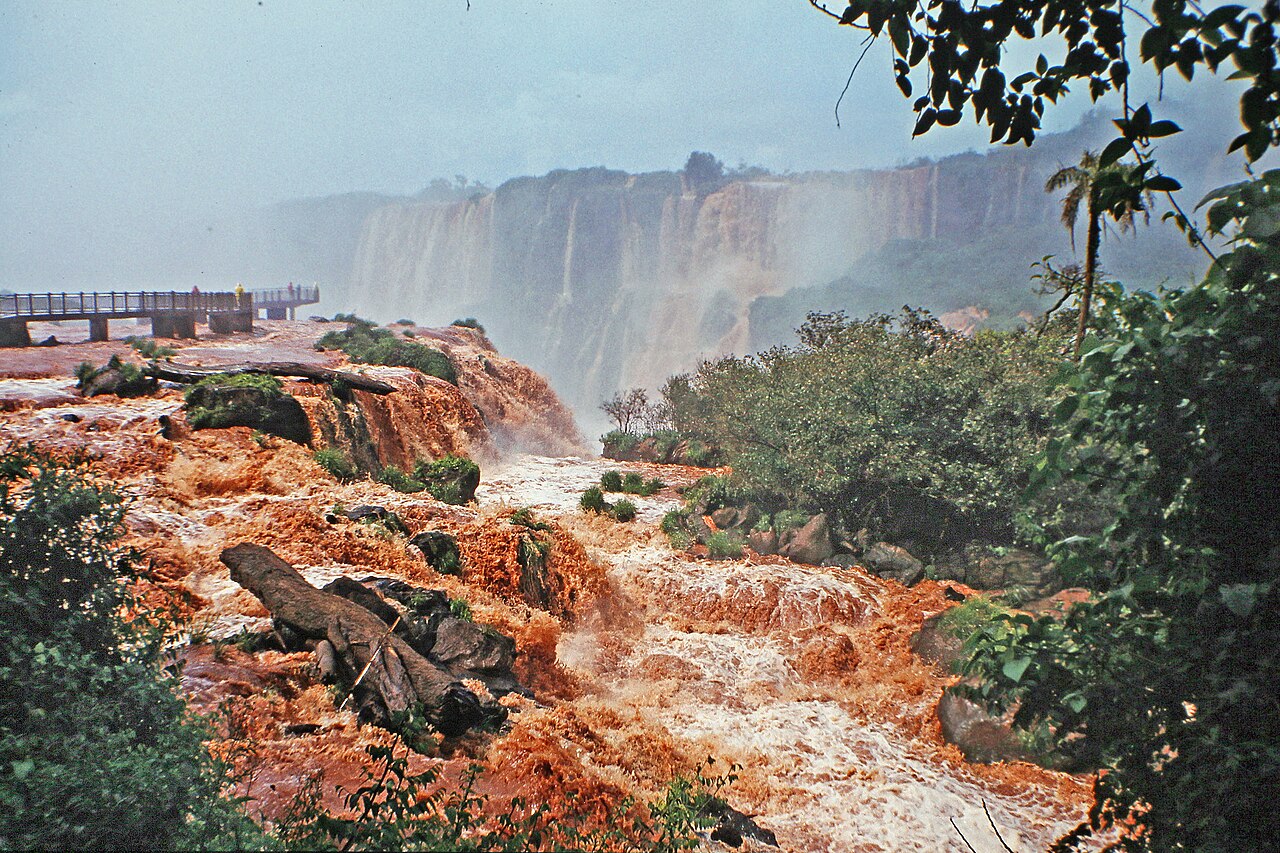
Habitats
Species
Why it happens, and what helps
Main causes
- Cattle ranching and feed crops such as soy
- Oil palm, pulp and other plantations
- Logging, roads and mining that open up the forest
- Fires, many of them set to clear land
What is proven to help
- Protected areas and the land rights of Indigenous peoples, whose forests are among the best kept
- Deforestation-free supply chains for beef, soy, palm oil, cocoa and wood
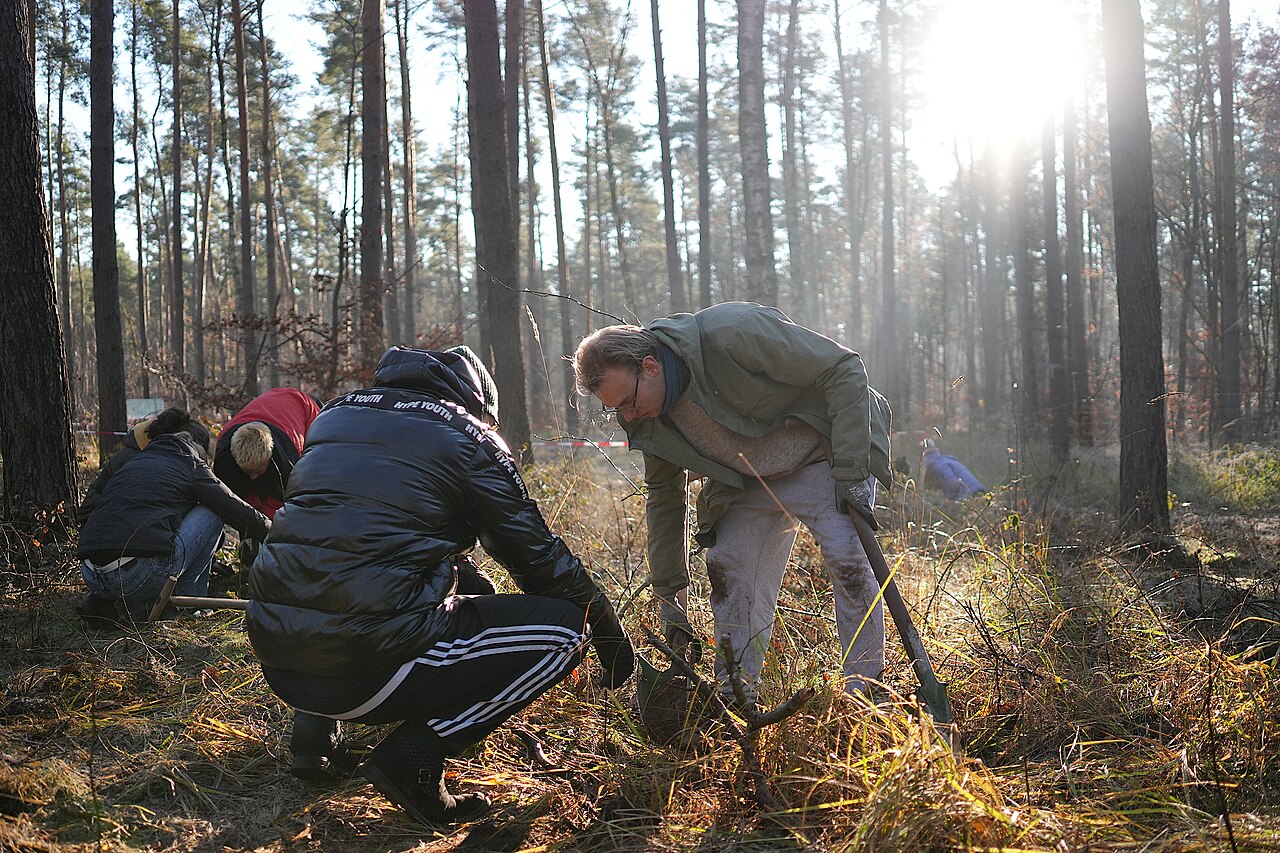
- Restoring degraded forest and letting it grow back
- Satellite monitoring that shows clearing within days
Solutions explained
Living systems it disrupts
What the world has agreed
- Over 140 countries pledged to halt and reverse forest loss by 2030. Glasgow Leaders' Declaration on Forests, COP26 (2021)
- Countries agreed to protect 30% of land and sea and restore 30% of degraded ecosystems by 2030. Kunming-Montreal Global Biodiversity Framework (2022)
- 2021–2030 is the UN Decade on Ecosystem Restoration. UN Decade on Ecosystem Restoration
What you can do
- Choose products certified deforestation-free, and eat less beef
- Support organisations that protect forests together with the people who live in them
- Follow the forests on Atlas and share what you learn
Sources and photo credits
- Department for Environment, Food & Rural Affairs (2013) and other sources – with major processing by Our World in Data · Forest as a share of the world's land, via Our World in Data
- Food and Agriculture Organization of the United Nations (2025) – with major processing by Our World in Data · Net change in forest area per year, via Our World in Data
- FAO · Global Forest Resources Assessment 2020
- FAO · The State of the World's Forests 2020
- IPBES · Global Assessment 2019
- Glasgow Leaders' Declaration on Forests, COP26 (2021)
- Kunming-Montreal Global Biodiversity Framework (2022)
- UN Decade on Ecosystem Restoration
- FAO · Global Forest Resources Assessment
Fields cut into the Amazon rainforest, seen from the International Space Station: Alexander Gerst, CC BY-SA 2.0

Figures are national or global estimates from the sources named, with the uncertainty those sources give. Country rankings compare reported totals, not responsibility or effort.
Checked 2026-11-20.