Protected areas
A way to bring nature back into balance, and what it takes to work
Protected areas are places where nature comes first: national parks, wildlife reserves, and the lands and waters that Indigenous peoples and local communities look after. They are the oldest and most widely used way of keeping wild places wild.
Today about a sixth of the world's land is protected, and countries have agreed to reach 30% by 2030. What counts is not only how much is protected, but how well, and whether the people who live there are part of it.
- Share of the world's land that is protected
- 16.5 % (2025)
Why it matters
- About 17.6% of the world's land and inland waters and 8.4% of the ocean lie in protected and conserved areas. UNEP-WCMC & IUCN · Protected Planet Report 2024
- Nature managed by Indigenous peoples and local communities is generally declining less rapidly than in other lands. IPBES · Global Assessment 2019
- In Latin America, deforestation has been significantly lower in Indigenous and tribal territories where governments formally recognise collective land rights. FAO & FILAC · Forest governance by indigenous and tribal peoples (2021)
How it has changed
Where it is furthest along
Share of land that is protected (%), latest year for each country.
Source: Protected Planet WDPA and WD-OECM data, UNEP-WCMC and IUCN, via World Bank (2026) – processed by Our World in Data. Countries open their page in Atlas.
What it helps protect
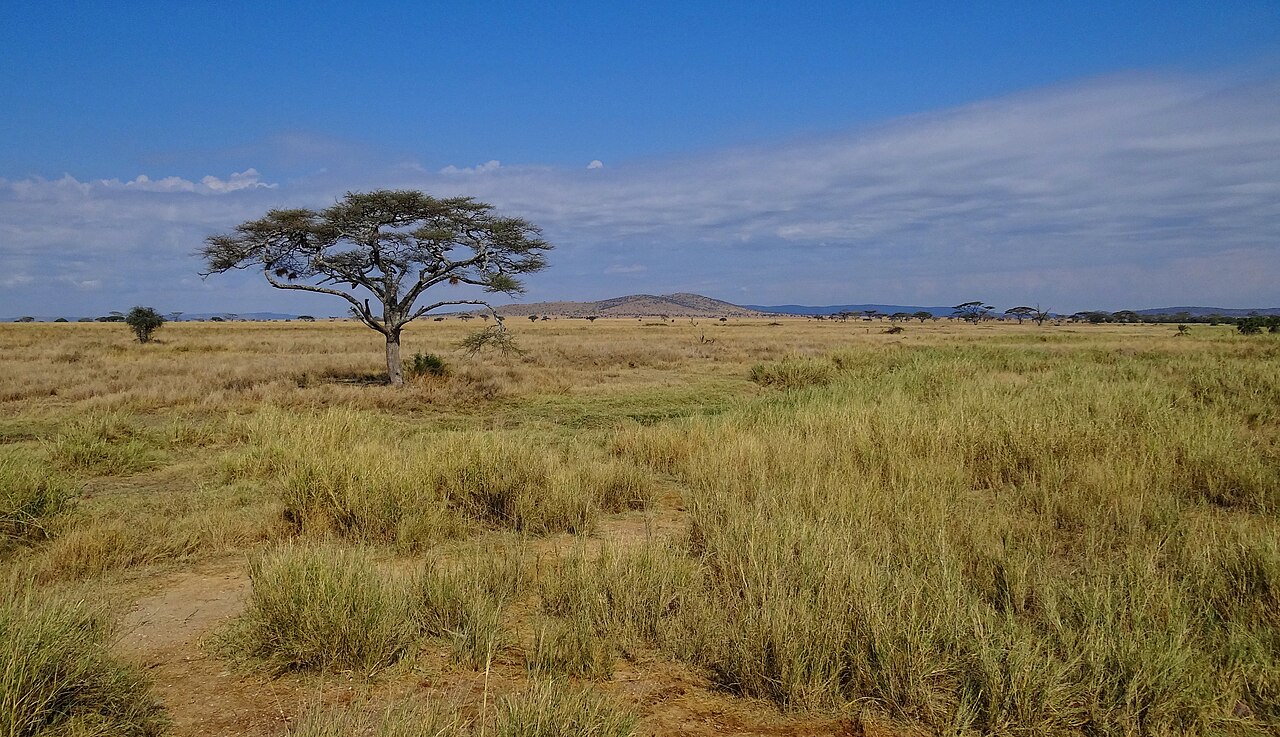
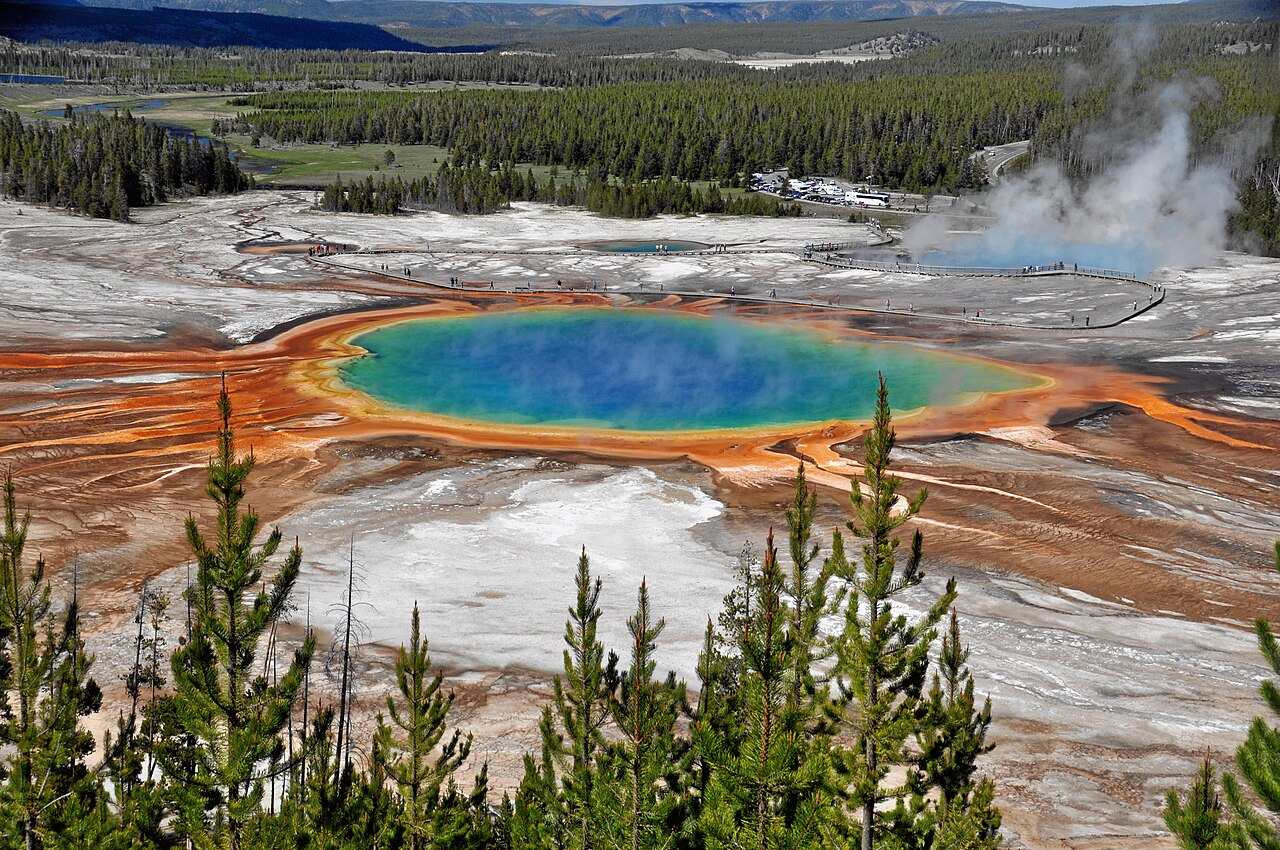
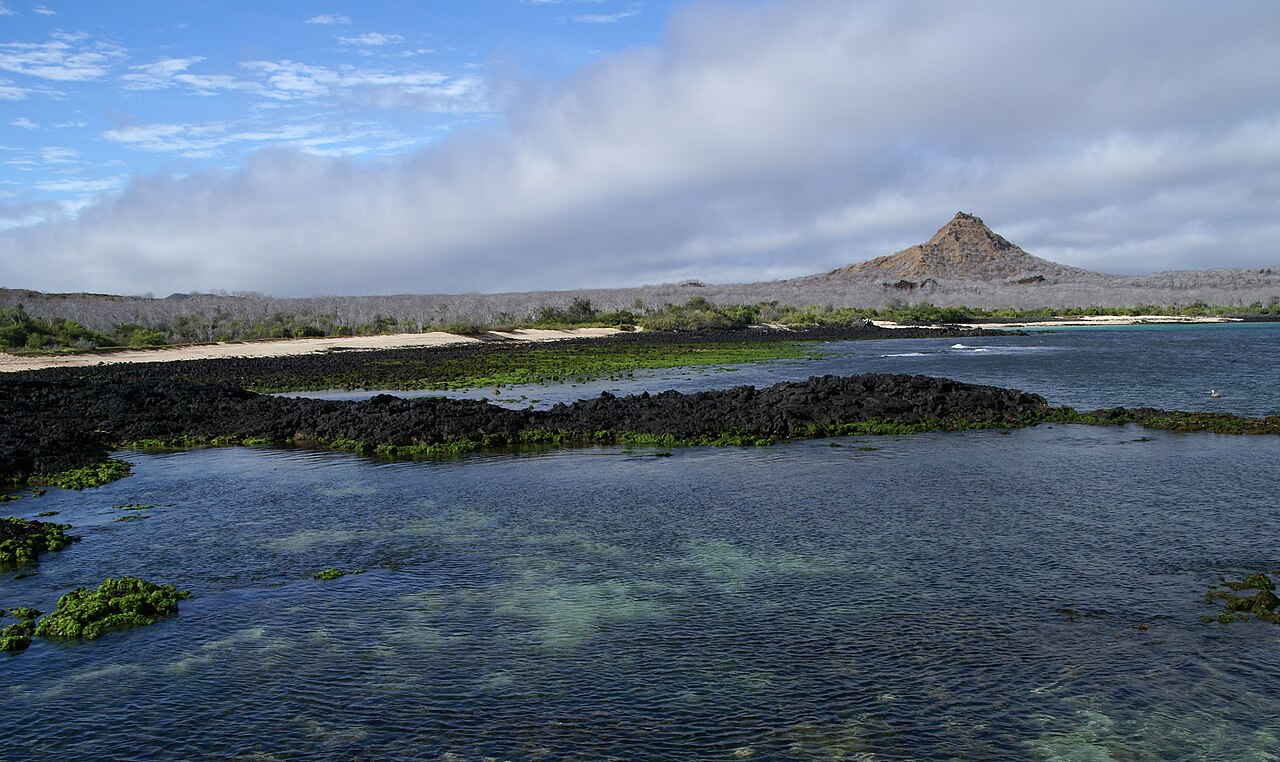
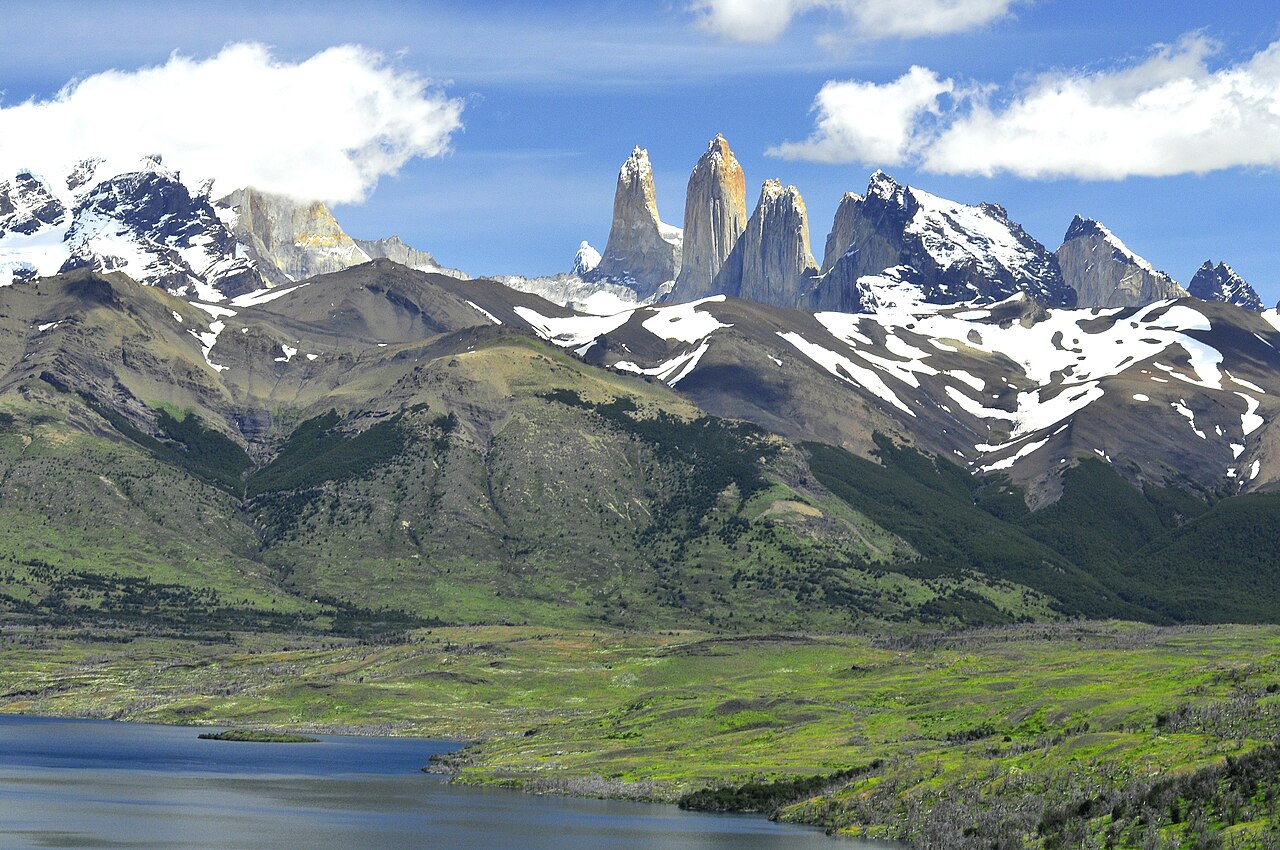
Habitats
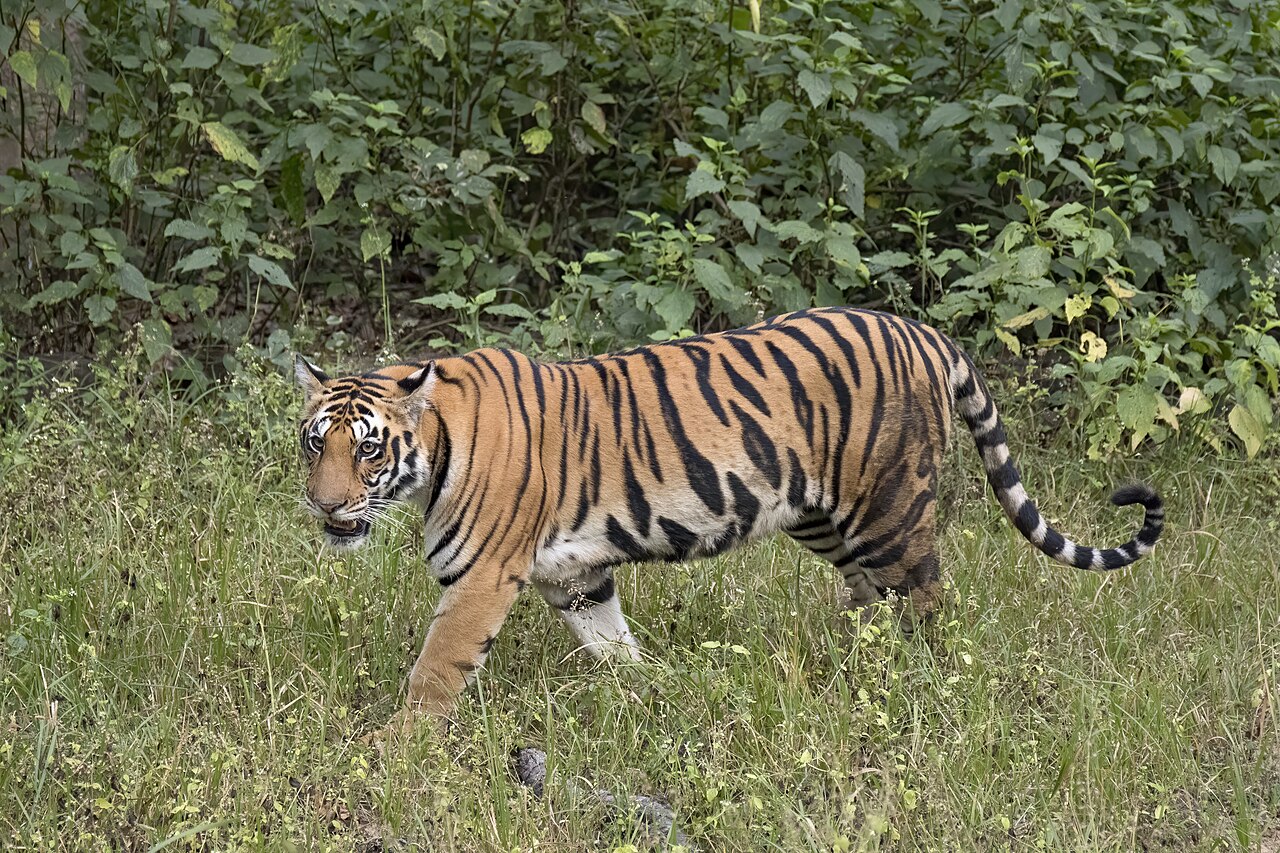
Species
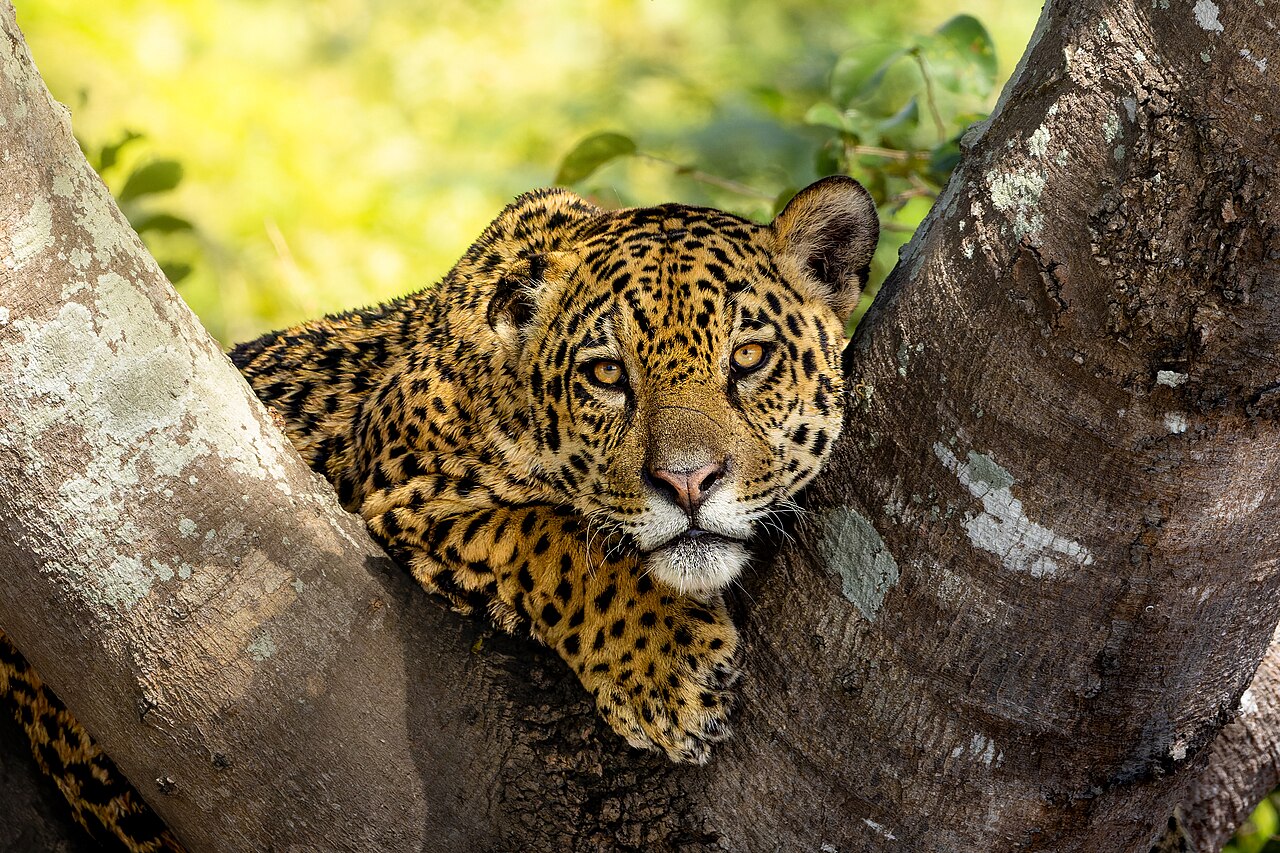
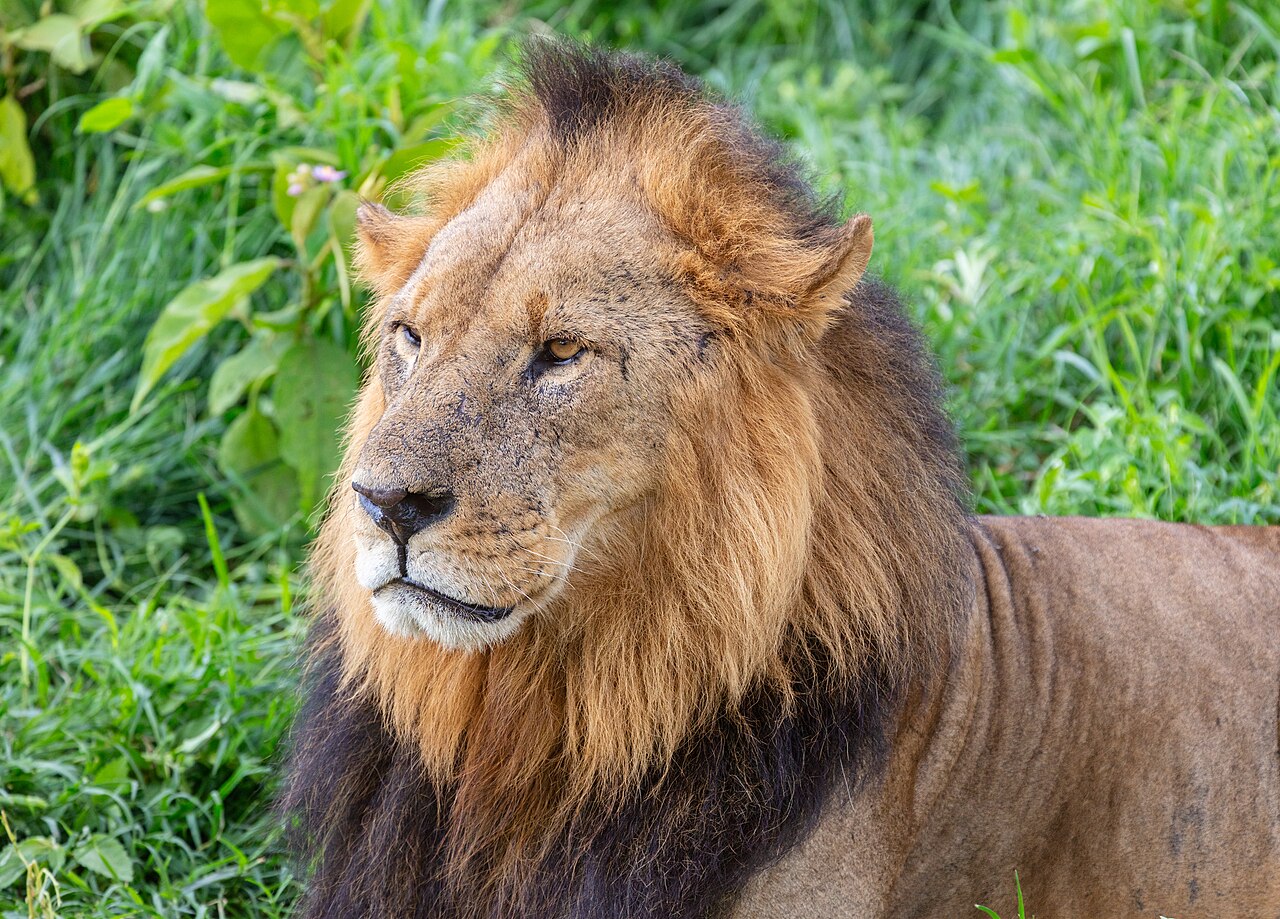
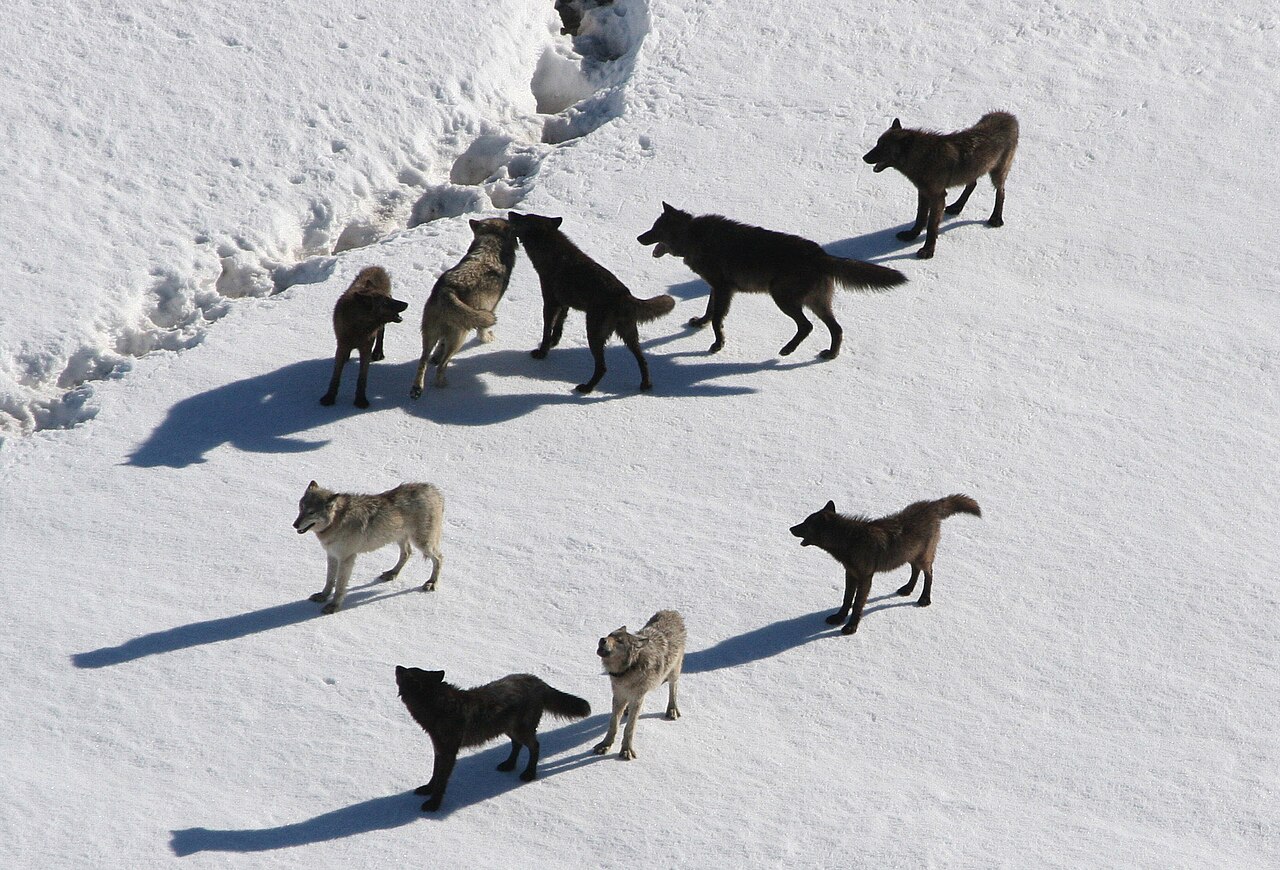
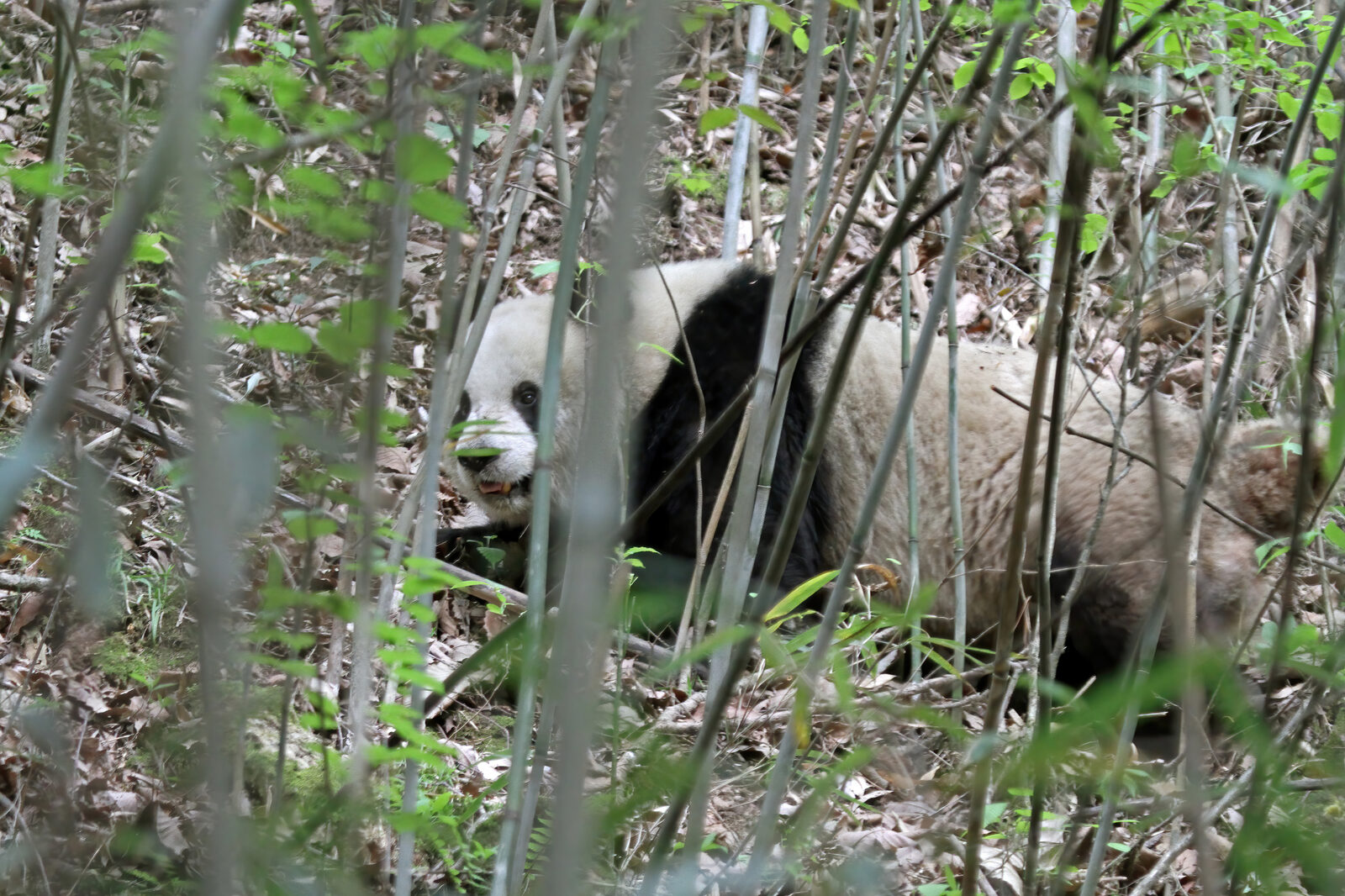
How it works, and its limits
How it works
- An area is set aside by law or by agreement so that nature comes first: no clearing, and limits on hunting, fishing, mining and building
- Rangers, local communities and clear rules keep the pressure out, and wildlife has room to recover
- Corridors between protected areas let animals move, and shift their range as the climate changes
- They work best when Indigenous peoples and local communities lead or share the care of the land
Limits, and what it needs
- Many protected areas exist mostly on paper, with too little money or staff to protect them
- Pushing local people off their land has failed and caused real harm; protection built on people's rights works better
- Protection cannot keep out global heating, pollution or invasive species arriving from outside
- Where they are placed matters: many protect remote land that was under little threat
Pressures it answers
Living systems it supports
What the world has agreed
- Countries agreed to conserve at least 30% of land, inland waters, coasts and oceans by 2030, respecting the rights of Indigenous peoples and local communities. Kunming-Montreal Global Biodiversity Framework, Target 3 (2022)
What you can do
- Visit national parks and reserves, follow their rules and pay their fees: it helps pay for the people who protect them
- Support organisations that protect land together with Indigenous peoples and local communities
- Ask your government how it will reach 30% by 2030, and how well the areas it has are protected
Questions people ask
How much of the world is protected?
About 17.6% of the world's land and inland waters and 8.4% of the ocean are in protected or conserved areas, according to the Protected Planet Report 2024 by UNEP-WCMC and IUCN. The chart on this page uses the same database and is updated every year.
What does 30 by 30 mean?
It is the goal, agreed by nearly every country in the Kunming-Montreal Global Biodiversity Framework in December 2022, to conserve at least 30% of the world's land and of its ocean by 2030, while respecting the rights of Indigenous peoples and local communities.
Do protected areas actually work?
Well-run protected areas slow forest clearing and help wildlife recover, and lands managed by Indigenous peoples often do as well or better. Many protected areas lack money and staff, so how well an area is looked after matters as much as how big it is.
Are people allowed in protected areas?
Usually, yes. Most national parks welcome visitors, and many protected areas are home to people who have lived there for generations. The strictest reserves limit access to protect sensitive wildlife. The rules differ from place to place.
Sources and photo credits
- Protected Planet WDPA and WD-OECM data, UNEP-WCMC and IUCN, via World Bank (2026) – processed by Our World in Data · Share of the world's land that is protected
- UNEP-WCMC & IUCN · Protected Planet Report 2024
- IPBES · Global Assessment 2019
- FAO & FILAC · Forest governance by indigenous and tribal peoples (2021)
- Kunming-Montreal Global Biodiversity Framework, Target 3 (2022)
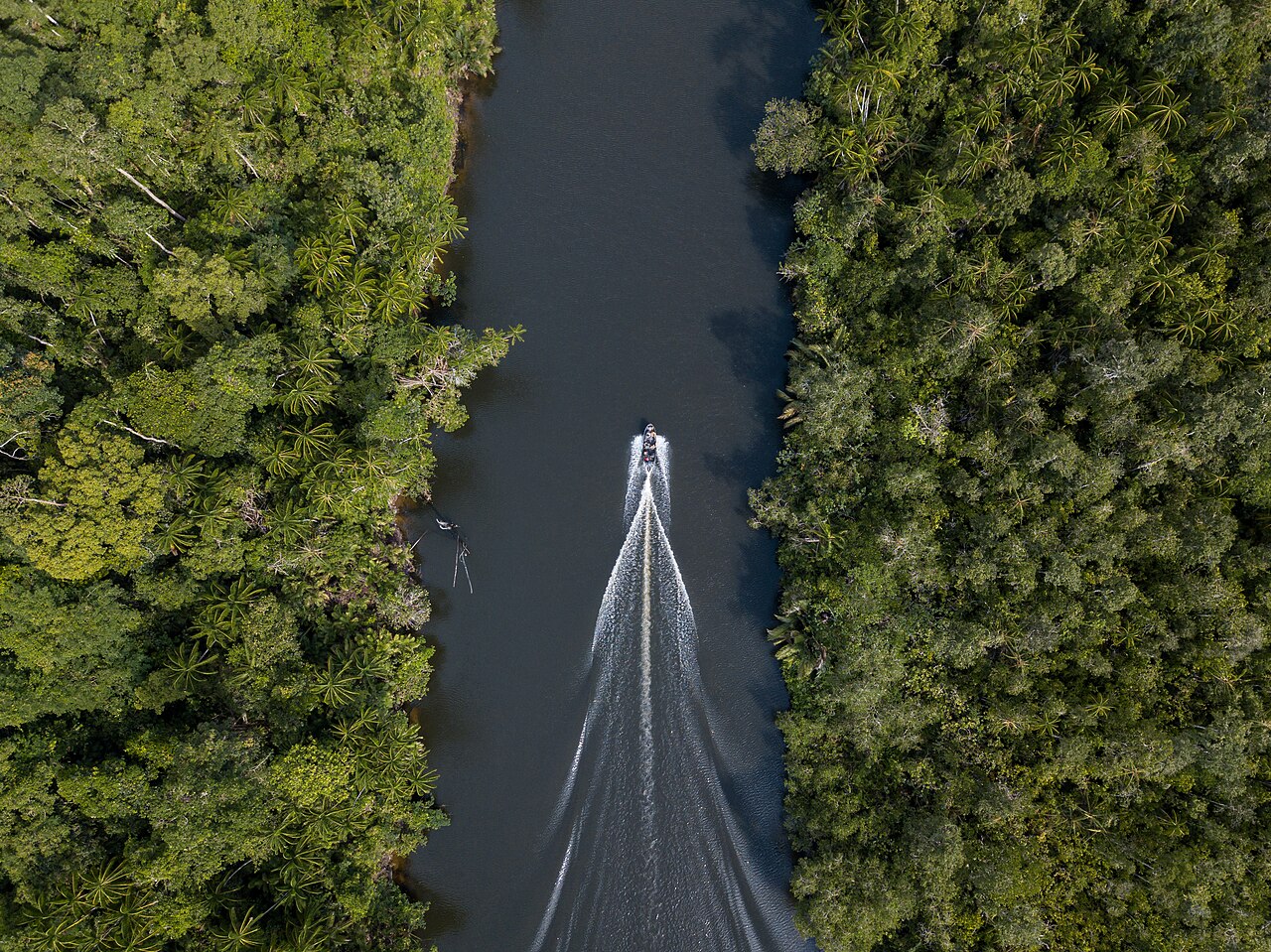
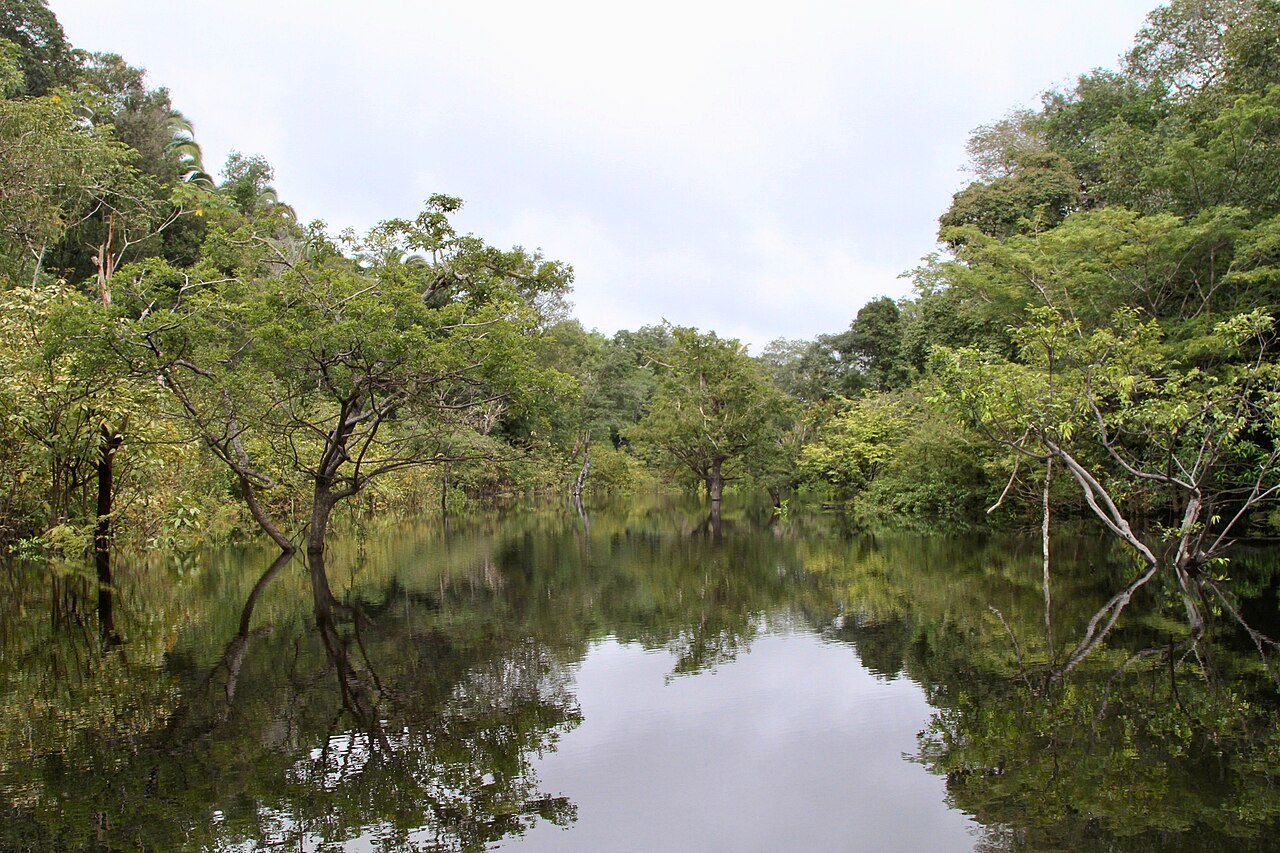
Rangers patrol by boat on a river through protected rainforest: Andyb3947, CC BY-SA 4.0

Figures are national or global estimates from the sources named, with the uncertainty those sources give. Country rankings compare reported totals, not responsibility or effort.
Checked 2026-11-21.