Wetland and freshwater loss
A pressure on the living planet, and what is being done about it
Rivers, lakes, marshes, swamps and peatlands are some of the richest places on Earth. They give people water and food, store carbon, and soften floods and droughts.
They are also the places people have drained, dammed and polluted the most. Freshwater animals are declining faster than animals on land or in the sea. Where wetlands are protected and rivers are freed, life comes back quickly.
- Living Planet Index for freshwater animal populations (1970 = 100)
- 15 (2022)
Why it matters
- An estimated 411 million hectares of wetlands, about 22% of the world's total, have been lost since 1970, and they are still disappearing by 0.52% a year. Ramsar Convention · Global Wetland Outlook 2025
- Monitored populations of freshwater animals have fallen by 85% on average since 1970, more than on land or in the sea. WWF & ZSL · Living Planet Report 2024
- About a quarter of the freshwater fishes, crabs, crayfish, shrimps, dragonflies and damselflies assessed are at high risk of extinction. Sayer et al. 2025 · Nature
How it has changed
What it touches
Habitats
Species
Why it happens, and what helps
Main causes
- Draining wetlands for farms, roads and cities
- Dams and water taken out for farms and cities, which change or stop the flow of rivers
- Pollution from farms, industry and sewage
- Invasive species and overfishing in lakes and rivers
- Global heating, droughts and floods
What is proven to help
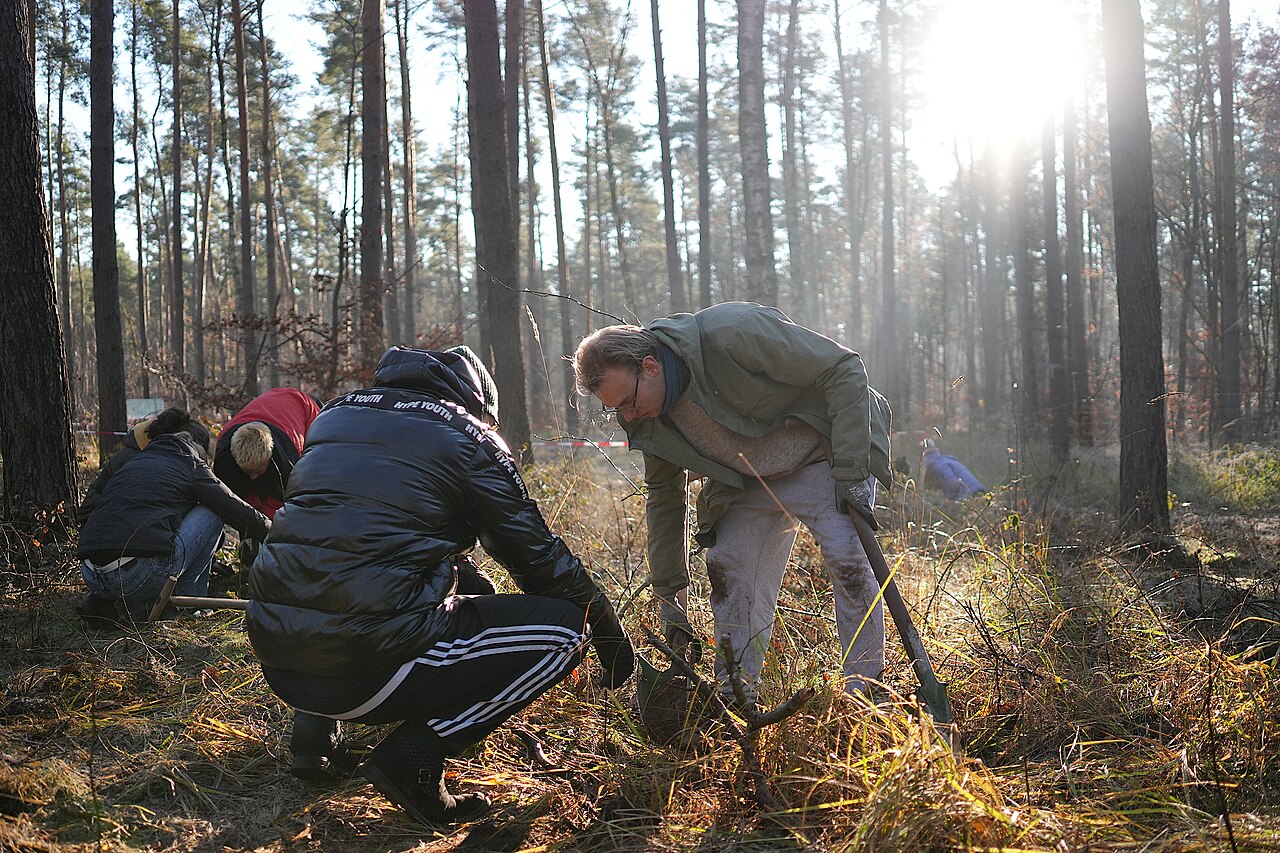
- Protecting wetlands and floodplains, and rewetting drained peatlands and marshes
- Removing old dams and barriers, so rivers flow and fish can migrate again
- Keeping enough water in rivers for the life in them
- Cleaning wastewater and cutting runoff from farms
Solutions explained
What the world has agreed
- Under the Ramsar Convention on Wetlands, most countries have committed to the wise use of all their wetlands and to protect wetlands of international importance. Ramsar Convention on Wetlands
- Countries agreed to conserve 30% of land and inland waters, and to restore 30% of degraded ecosystems, including rivers and wetlands, by 2030. Kunming-Montreal Global Biodiversity Framework, Targets 2 and 3 (2022)
What you can do
- Use less water, and keep chemicals, oils and plastics out of drains
- Join a river or wetland clean-up or restoration day
- Support organisations that protect rivers and wetlands
Questions people ask
Why are wetlands important?
Wetlands hold and clean water, soften floods and droughts, store large amounts of carbon, and are home to a great many birds, fish, amphibians and plants. Millions of people depend on them for water, food and work.
How much wetland has been lost?
The Ramsar Convention's Global Wetland Outlook 2025 estimates that about 22% of the world's wetlands, some 411 million hectares, have been lost since 1970, and that losses continue at about 0.52% a year.
Can rivers and wetlands recover?
Yes, and often fast. When drained wetlands are rewetted, birds and insects return within a few years, and when dams are removed, fish can swim upstream again within a season. Clean water and enough flow are the foundations.
Sources and photo credits
- World Wildlife Fund and Zoological Society of London (2026) – with minor processing by Our World in Data · Living Planet Index for freshwater animal populations (1970 = 100)
- Ramsar Convention · Global Wetland Outlook 2025
- WWF & ZSL · Living Planet Report 2024
- Sayer et al. 2025 · Nature
- Ramsar Convention on Wetlands
- Kunming-Montreal Global Biodiversity Framework, Targets 2 and 3 (2022)
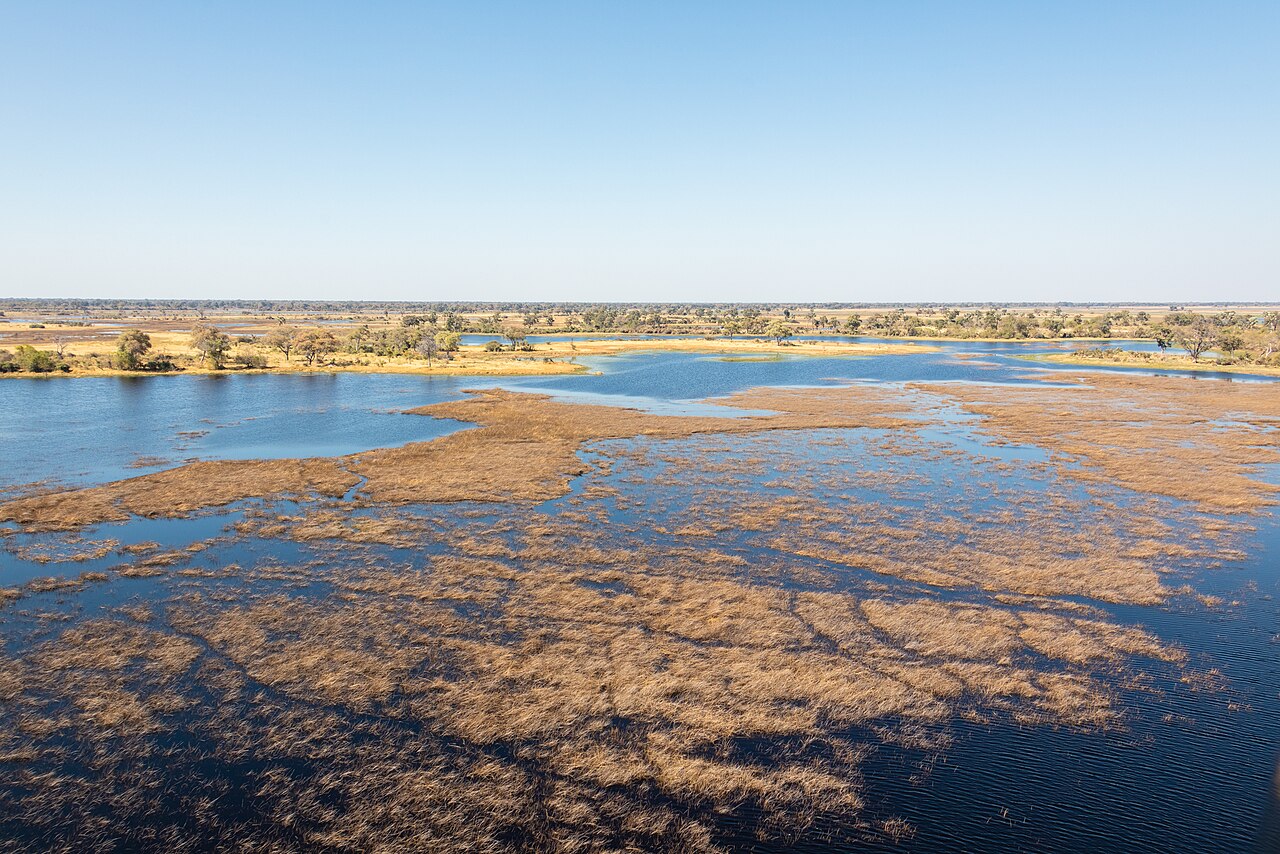
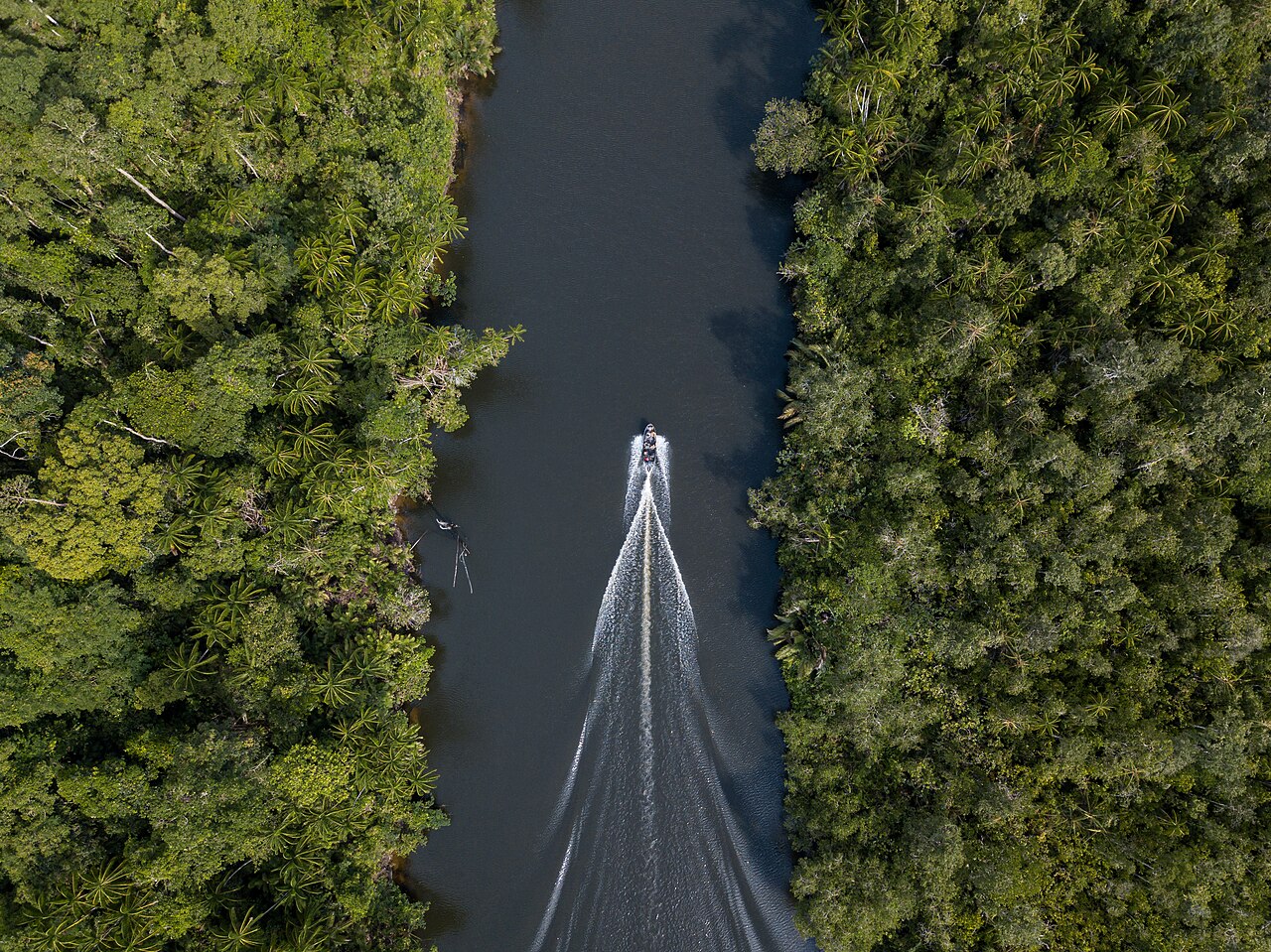
Channels and floodplains of the Okavango Delta in Botswana, seen from the air: Diego Delso, CC BY-SA 4.0

Figures are national or global estimates from the sources named, with the uncertainty those sources give. Country rankings compare reported totals, not responsibility or effort.
Checked 2026-11-21.