Ecosystem restoration
A way to bring nature back into balance, and what it takes to work
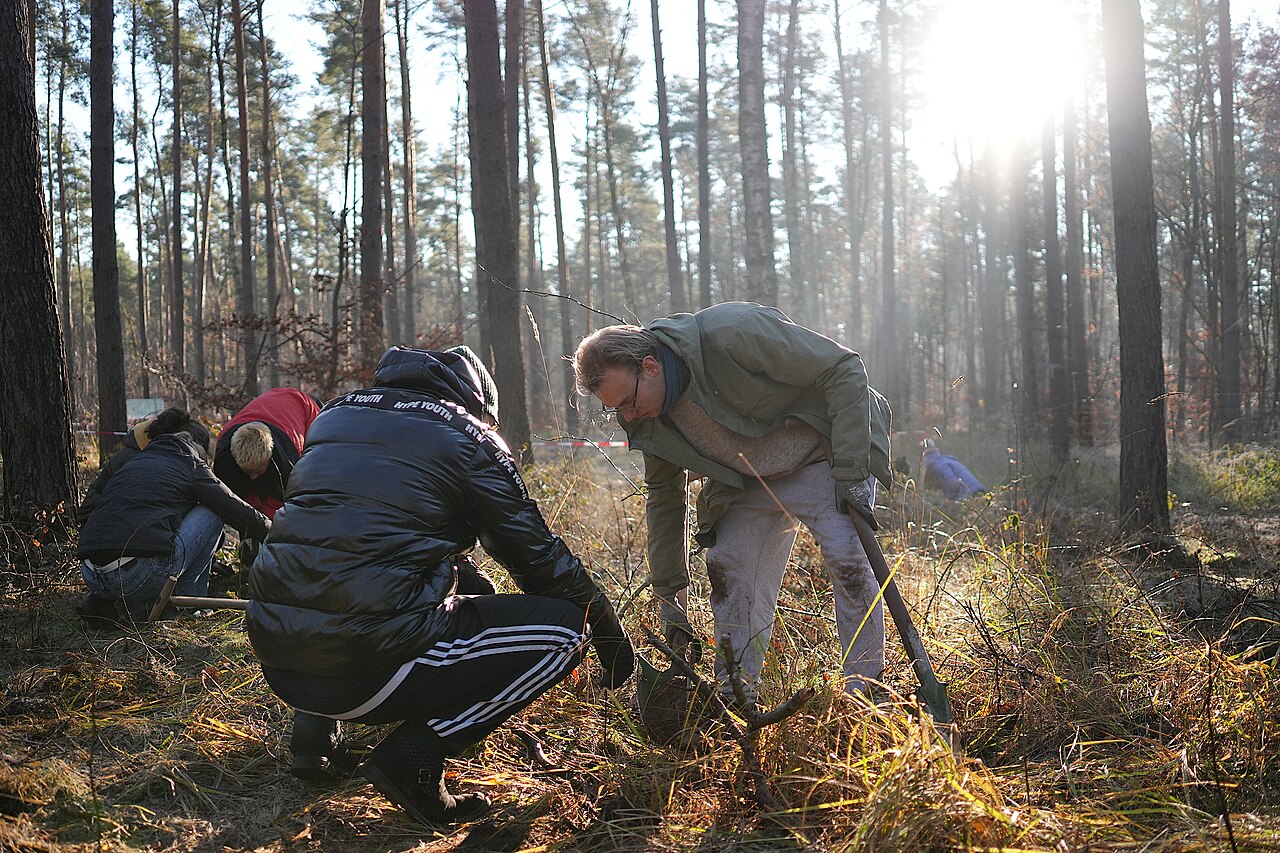
Restoration means helping damaged nature recover: letting forests grow back, rewetting drained peatlands, freeing rivers, replanting mangroves and seagrass, and bringing back animals that were lost.
It is one of the most hopeful things people do. Done well, it brings back wildlife, stores carbon, and gives people clean water and food. Done badly, it plants the wrong trees in the wrong place. The difference is in the details.
Why it matters
- Land degradation harms the well-being of at least 3.2 billion people. IPBES · Land Degradation and Restoration Assessment 2018
- Restoring 15% of converted land in the places that matter most could avoid 60% of expected extinctions and absorb 299 billion tonnes of carbon dioxide. Strassburg et al. 2020 · Nature
- Peatlands cover only about 3% of the world's land, yet store about twice as much carbon as all the world's forests. Drained, they release it. UNEP · Global Peatlands Assessment 2022
What it helps protect
Habitats
Species
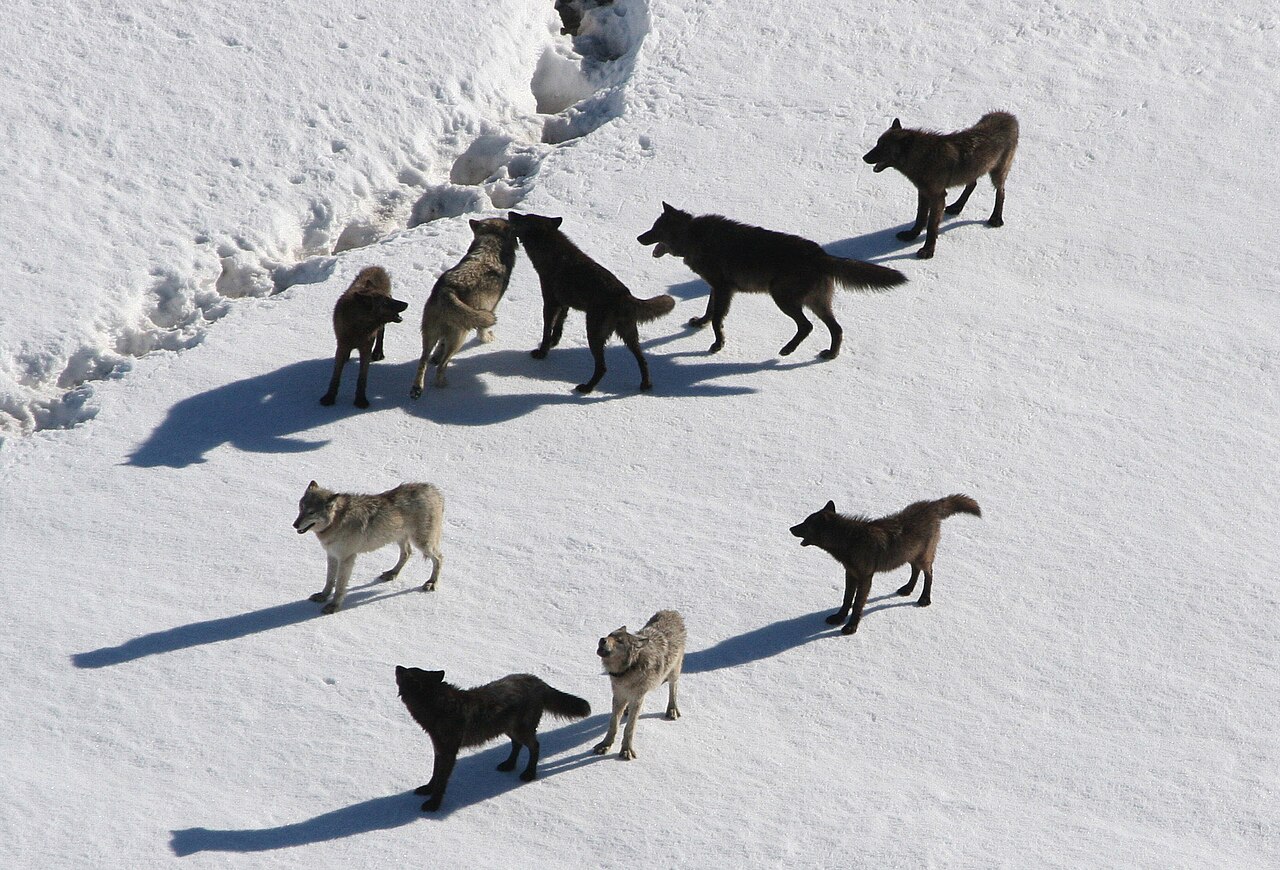
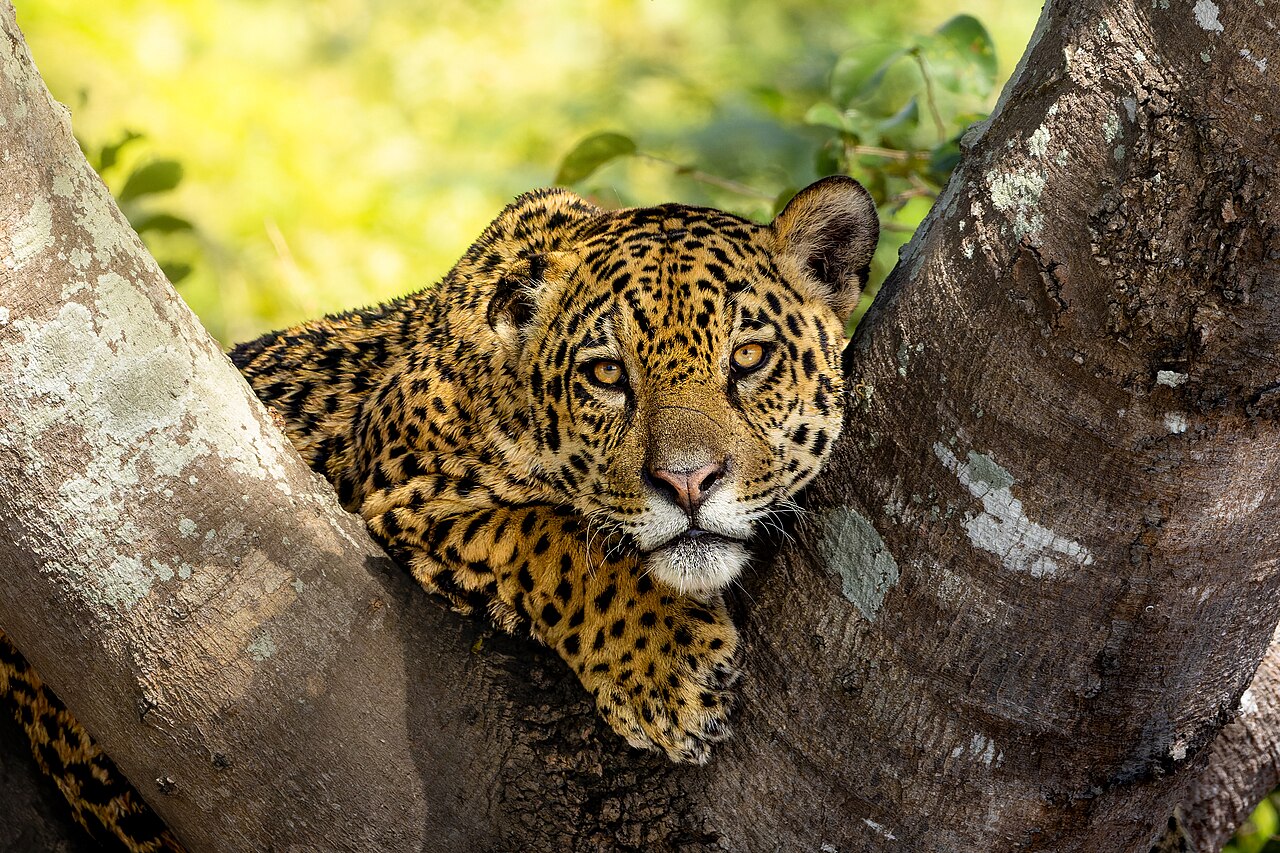
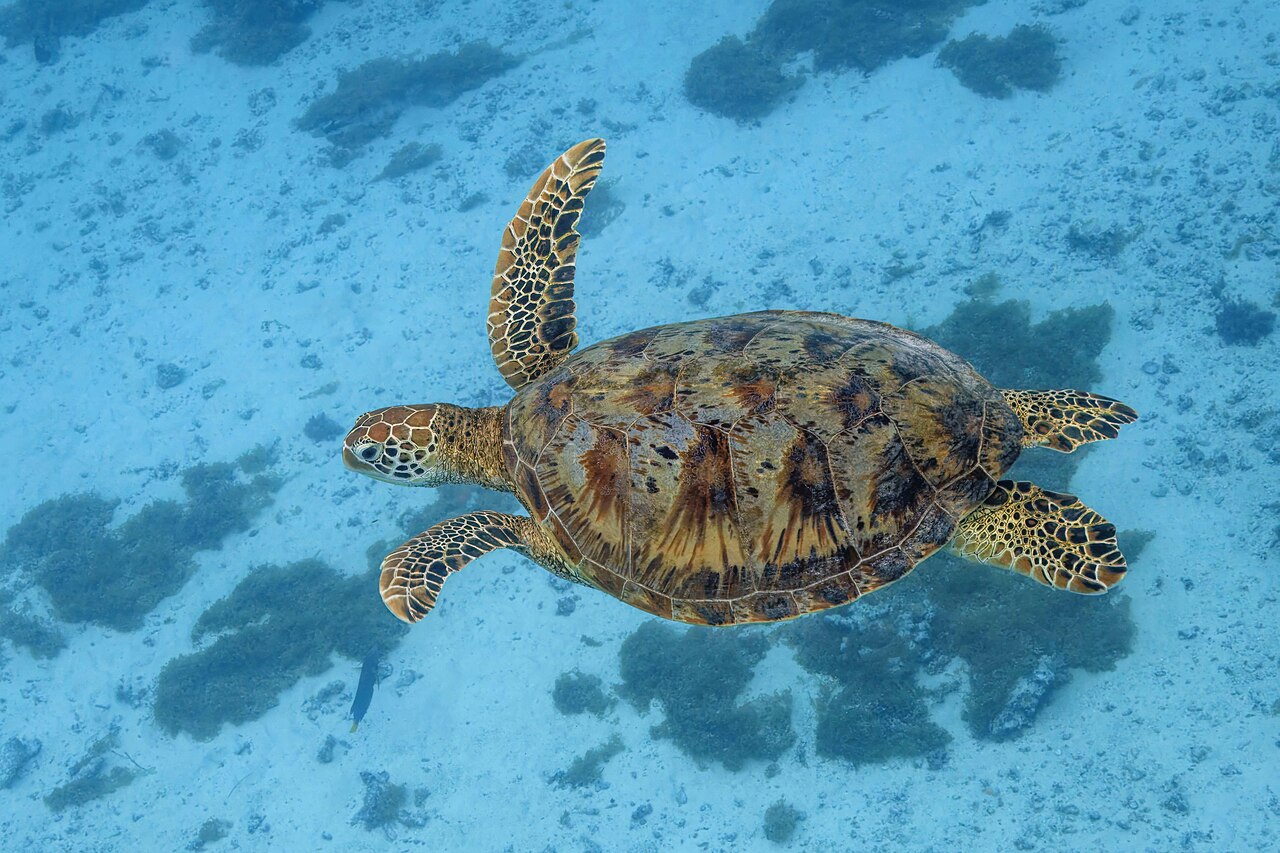
How it works, and its limits
How it works
- Remove what is causing the damage first: drainage, overgrazing, dams, pollution or invasive species
- Where nature can recover by itself, let it: natural regrowth is often the cheapest and richest way back
- Where it cannot, help it: plant a mix of native species, rewet peat, reconnect rivers to their floodplains, replant mangroves and seagrass
- Bring back missing animals, such as beavers, bison or oysters, that shape how a habitat works
- Let the people who live there lead, and care for the site for years, not days
Limits, and what it needs
- Planting trees where there were never forests, such as grasslands, savannas and peatlands, harms nature
- Plantations of a single species hold far less wildlife than native forest
- Many planted trees die without years of care: success is counted in trees that survive, not trees planted
- Restoration cannot replace protecting intact nature: old forests and reefs take centuries to rebuild
Pressures it answers
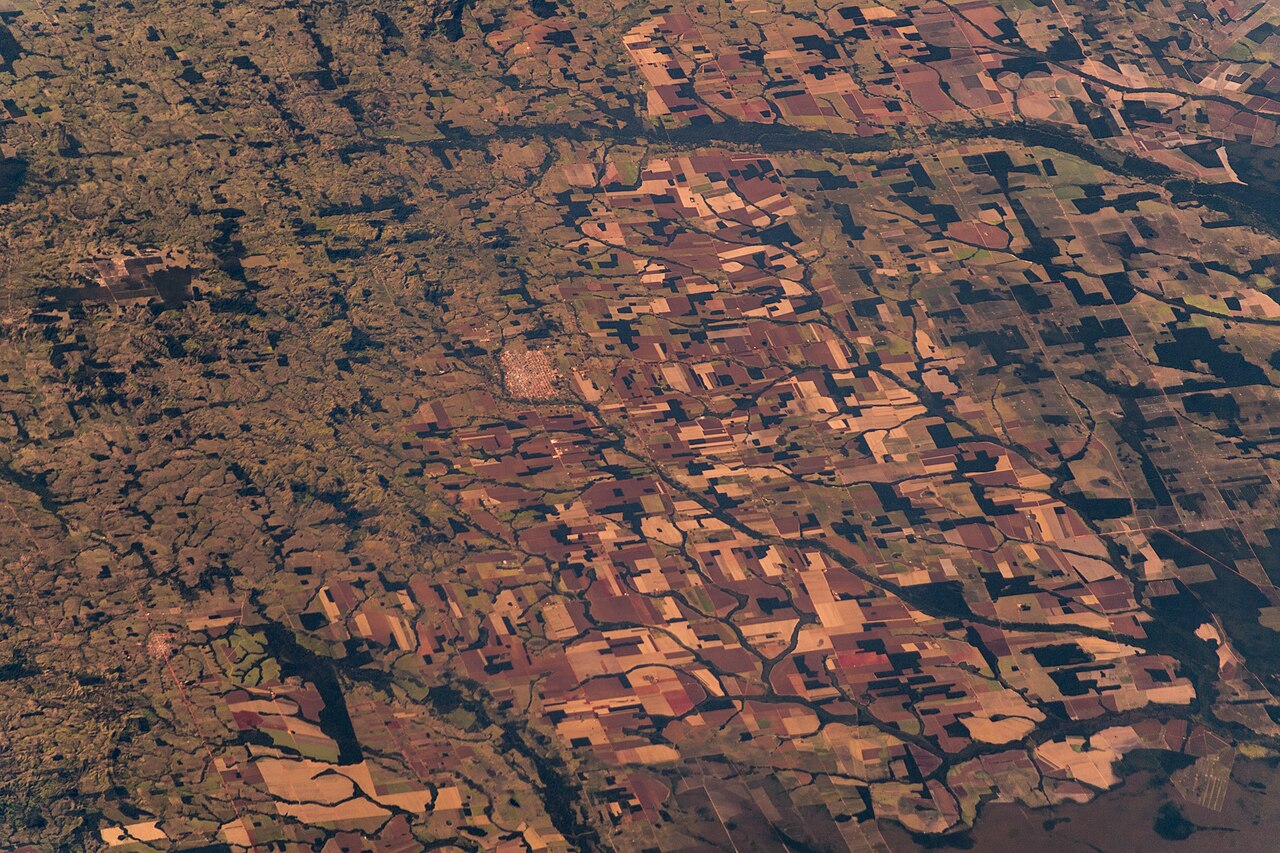
Living systems it supports
What the world has agreed
- Countries agreed that by 2030 at least 30% of degraded land, rivers, coasts and seas should be under effective restoration. Kunming-Montreal Global Biodiversity Framework, Target 2 (2022)
- The UN declared 2021 to 2030 the Decade on Ecosystem Restoration, to prevent, halt and reverse the degradation of ecosystems worldwide. UN Decade on Ecosystem Restoration
What you can do
- Join a local restoration day: planting native trees, clearing invasive plants, cleaning a stream
- Make room for nature where you live: a wild corner, native plants, no pesticides
- Support projects that restore with native species and local people, and that report how many trees survive
Questions people ask
What is ecosystem restoration?
It is helping a damaged or destroyed ecosystem recover, so that it again supports its wildlife and the people who depend on it. It can mean letting a forest grow back, rewetting a drained bog, freeing a river from a dam, replanting mangroves, or bringing back animals that were lost.
Is planting trees always good?
No. Trees in the wrong place can harm nature: grasslands, savannas and peatlands are valuable as they are, and plantations of a single species hold little wildlife. Letting native forest grow back, or planting a mix of native species with local people who care for them, works best.
How long does restoration take?
Some changes come fast: wetlands can fill with birds within a few years, and fish return quickly to freed rivers. Forests take decades, and old forests and coral reefs take far longer. That is why protecting the nature we still have comes first.
Sources and photo credits
- IPBES · Land Degradation and Restoration Assessment 2018
- Strassburg et al. 2020 · Nature
- UNEP · Global Peatlands Assessment 2022
- Kunming-Montreal Global Biodiversity Framework, Target 2 (2022)
- UN Decade on Ecosystem Restoration
Volunteers planting young beech trees under pines by Schlachtensee lake in Berlin: RobbieIanMorrison, CC BY-SA 4.0

Figures are national or global estimates from the sources named, with the uncertainty those sources give. Country rankings compare reported totals, not responsibility or effort.
Checked 2026-11-21.