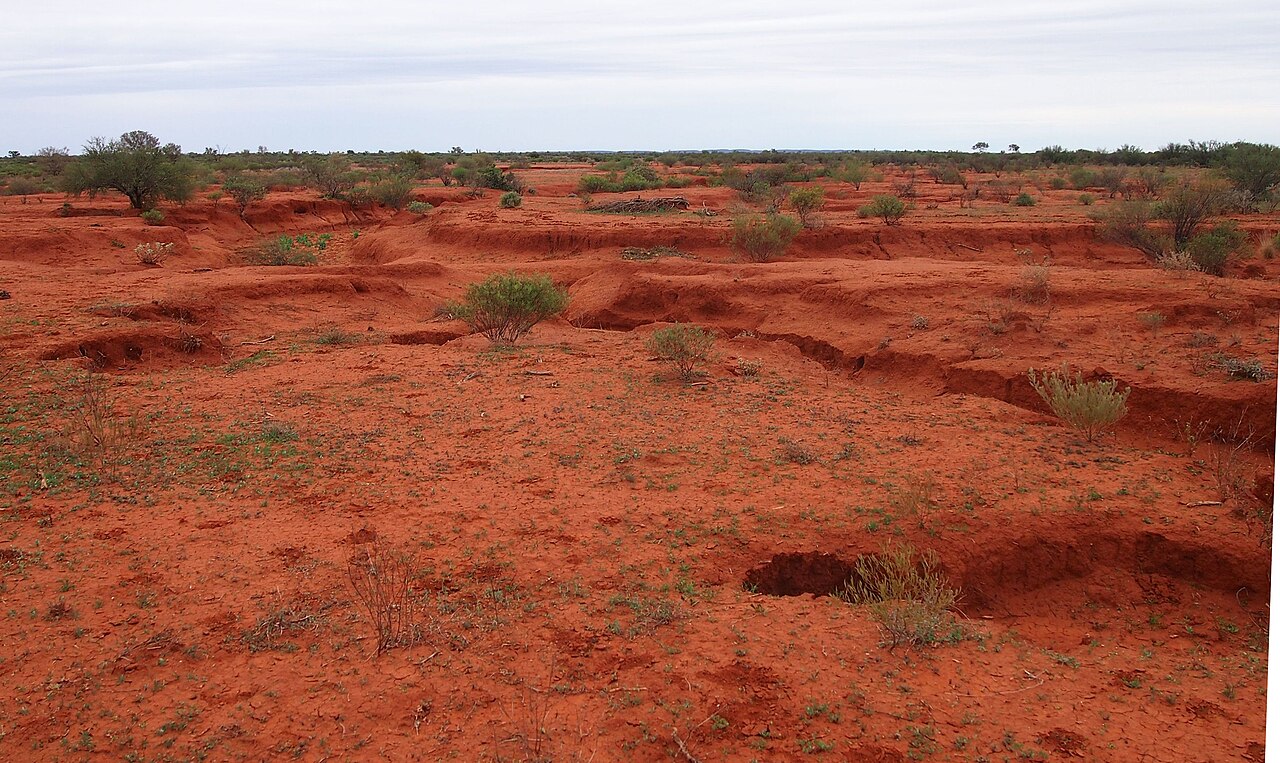
Land degradation
A pressure on the living planet, and what is being done about it
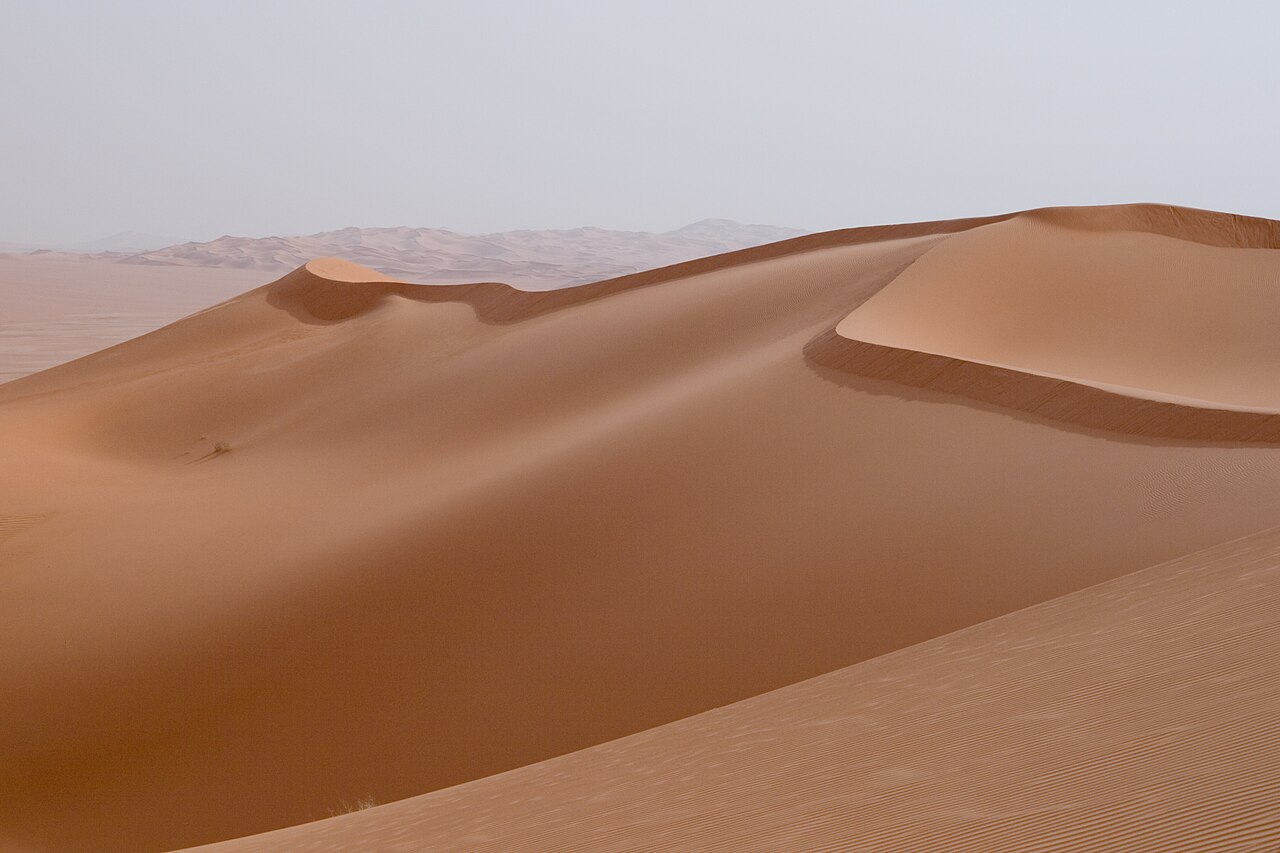
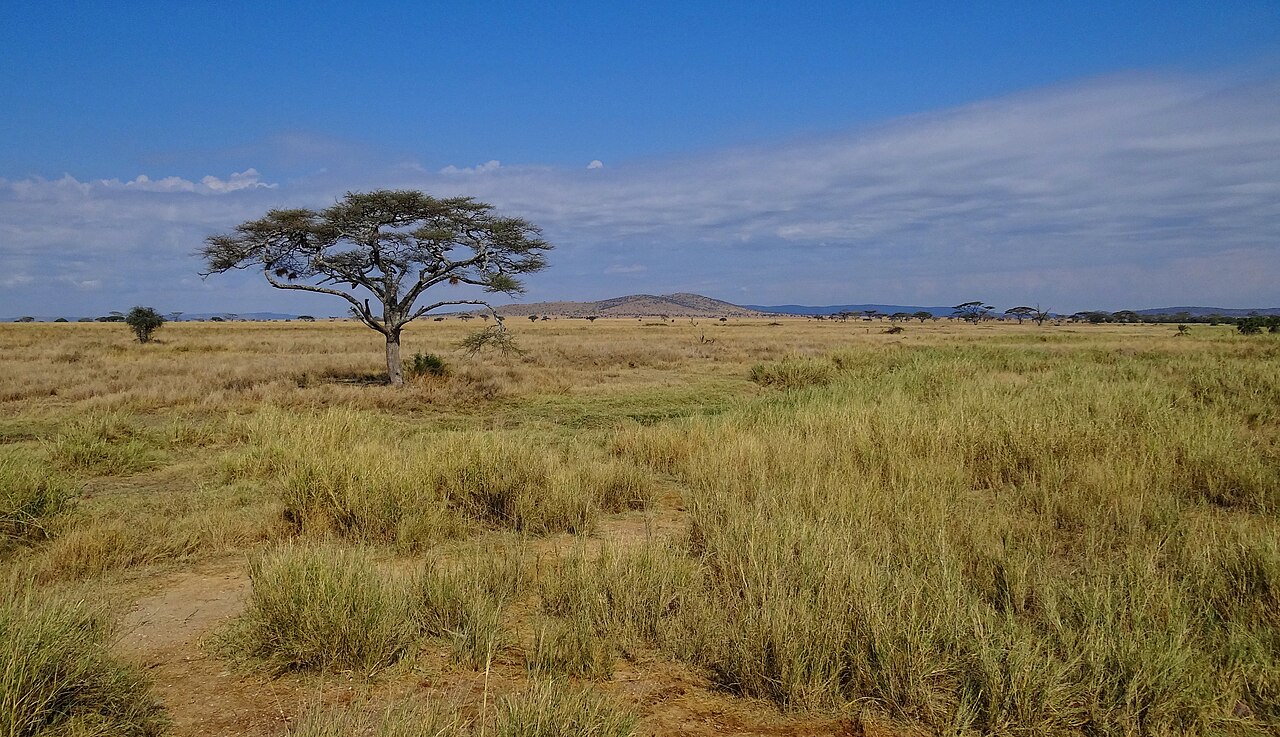
Land is degraded when it loses the soil, water and life that make it productive: topsoil washed or blown away, pastures grazed bare, forests cleared, wetlands drained, salt left behind by poor irrigation. In drylands, the end point is desertification.
It is a slow emergency. It cuts the food people can grow, makes droughts and floods worse, releases carbon from the soil and pushes wildlife out. Yet degraded land can be brought back, and millions of people are doing it.
- Share of land that is degraded, as reported by countries
- 15.5 % (2019)
Why it matters
- Up to 40% of the world's land is degraded. UNCCD · Land health
- More than 100 million hectares of healthy, productive land are lost every year. UNCCD · Land health
- Land degradation harms the well-being of at least 3.2 billion people. IPBES · Land Degradation and Restoration Assessment 2018
How it has changed
What it touches
Habitats
Why it happens, and what helps
Main causes
- Overgrazing, and farming that leaves the soil bare
- Clearing forests and draining wetlands
- Poor irrigation that leaves salt in the soil
- Droughts and heat, made worse by global heating
- Mining, roads and spreading cities
What is proven to help
- Farming that protects the soil: cover crops, less ploughing, trees on farms, grazing that moves the herds
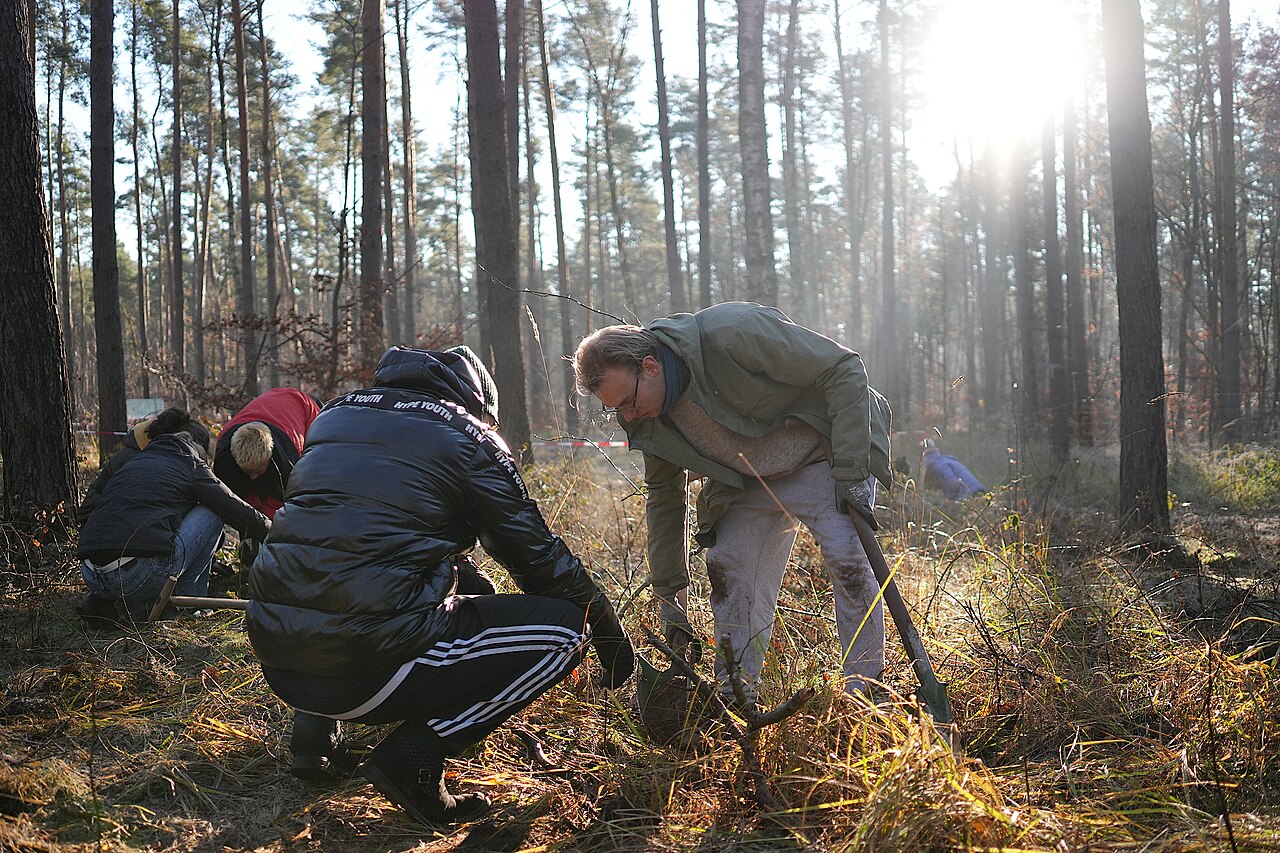
- Restoring degraded land: regrowing native plants, terraces and windbreaks, rewetting peat
- Secure land rights, so people can invest in their land for the long term
- Protecting the land that is still healthy
Solutions explained
Living systems it disrupts
What the world has agreed
- Countries agreed to combat desertification, restore degraded land and soil, and strive for a land-degradation-neutral world by 2030. United Nations · Sustainable Development Goal 15.3
- Countries agreed that by 2030 at least 30% of degraded land, rivers, coasts and seas should be under effective restoration. Kunming-Montreal Global Biodiversity Framework, Target 2 (2022)
What you can do
- Waste less food, and with it the land it took to grow it
- Choose food from farms that look after their soil
- Support restoration that works together with local farmers and herders
Questions people ask
What is land degradation?
It is the loss of the soil, water and life that make land productive, caused mainly by how people use the land. In dry regions it can end in desertification, where land that once supported plants and animals can barely support either.
How much land is degraded?
Estimates differ because they measure different things. UNCCD estimates that up to 40% of the world's land is degraded. The share that countries report under the UN's SDG indicator 15.3.1, shown on this page, is lower, at 15.5% in 2019, because it uses a narrower definition.
Can degraded land be restored?
Yes. Farmers and communities around the world have brought degraded land back by regrowing trees and native plants, protecting soil and changing how they graze. It takes years, and it works best when the people who live from the land lead it.
Sources and photo credits
- United Nations Convention to Combat Desertification – processed by Our World in Data · Share of land that is degraded, as reported by countries
- UNCCD · Land health
- IPBES · Land Degradation and Restoration Assessment 2018
- United Nations · Sustainable Development Goal 15.3
- Kunming-Montreal Global Biodiversity Framework, Target 2 (2022)
Erosion gullies cutting into bare red soil: Mark Marathon, CC BY-SA 3.0

Figures are national or global estimates from the sources named, with the uncertainty those sources give. Country rankings compare reported totals, not responsibility or effort.
Checked 2026-11-21.