Pollination
How the living planet works, and what keeps it working
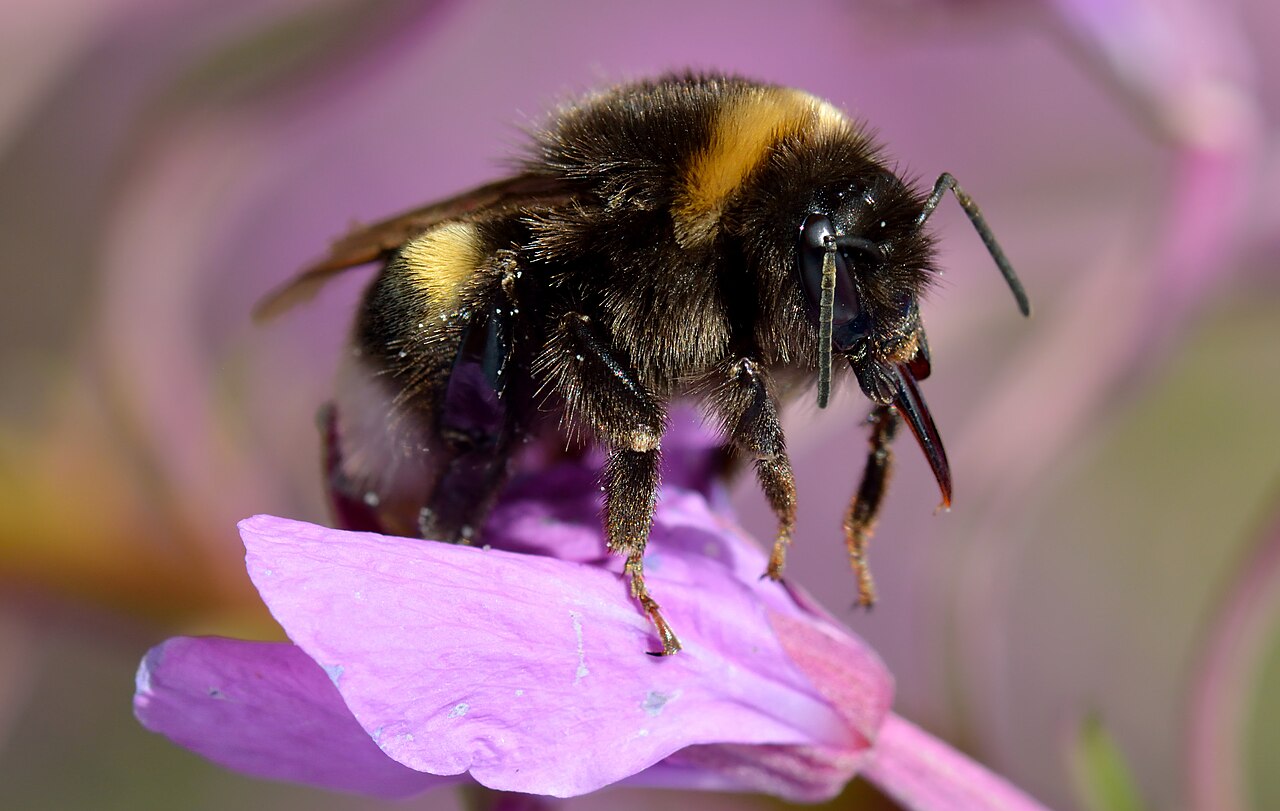
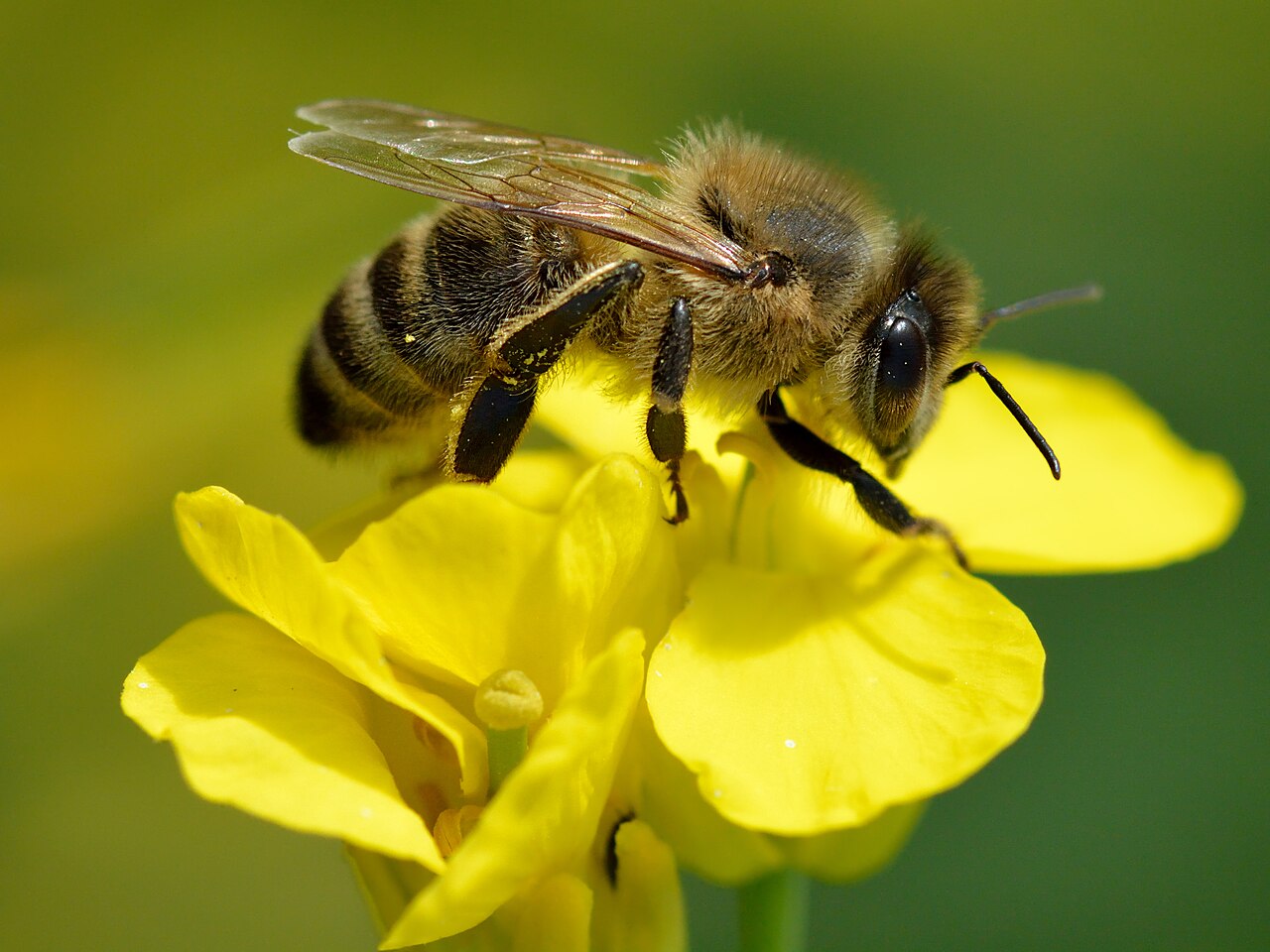
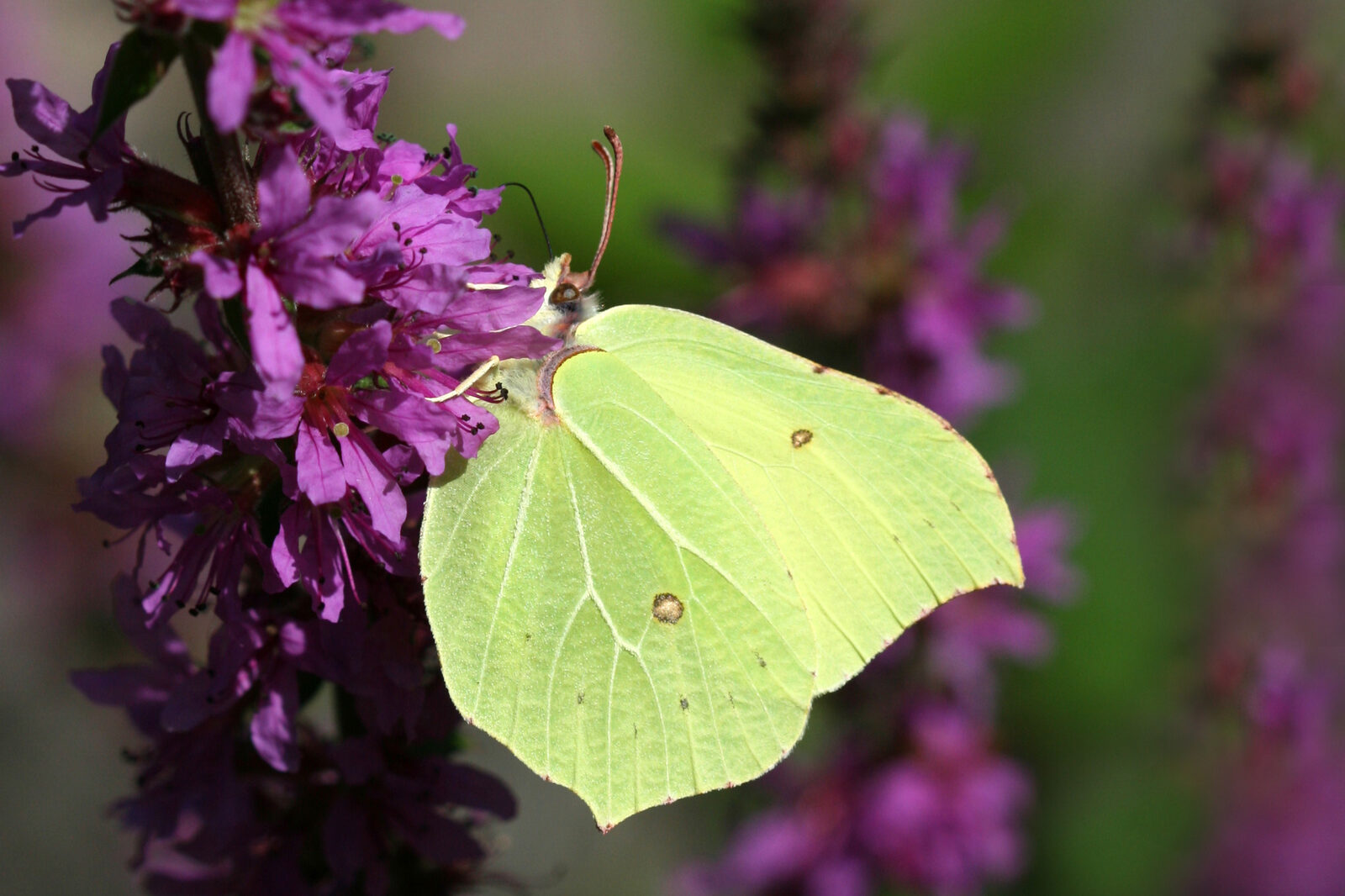
Most flowering plants cannot move, so they rely on animals to carry pollen from one flower to another. Bees, butterflies, moths, flies, beetles, birds and bats do it while they feed on nectar and pollen.
Without that visit there is no seed and no fruit. Pollination keeps wild plants reproducing, feeds the animals that live on fruit and seeds, and gives people many of the fruits, vegetables, nuts and oils we eat.
How it works
- A flower advertisesColour, scent and shape signal food: nectar for energy and pollen for protein.
- An animal comes to feedWhile a bee, butterfly, bird or bat feeds, pollen grains stick to its body.
- Pollen travelsThe animal moves on to another flower of the same kind and leaves some of the pollen behind.
- The flower is fertilisedPollen from another plant mixes genes, which keeps wild populations healthy and able to adapt.
- Seeds and fruitThe flower becomes fruit with seeds. Animals eat the fruit and spread the seeds, and the cycle starts again.
Why it matters
- Nearly 90% of all wild flowering plants depend to some extent on animal pollination. IPBES · Pollinators, pollination and food production (2016)
- More than 75% of global food crops rely on pollinators, contributing US$235–577 billion a year to global agricultural output. WHO · Biodiversity fact sheet
- 16% of vertebrate pollinators, such as birds and bats, are threatened with global extinction, rising to 30% for species on islands. IPBES · Pollinators, pollination and food production (2016)
What depends on it
Habitats
Species
What threatens it, and what helps
What threatens it
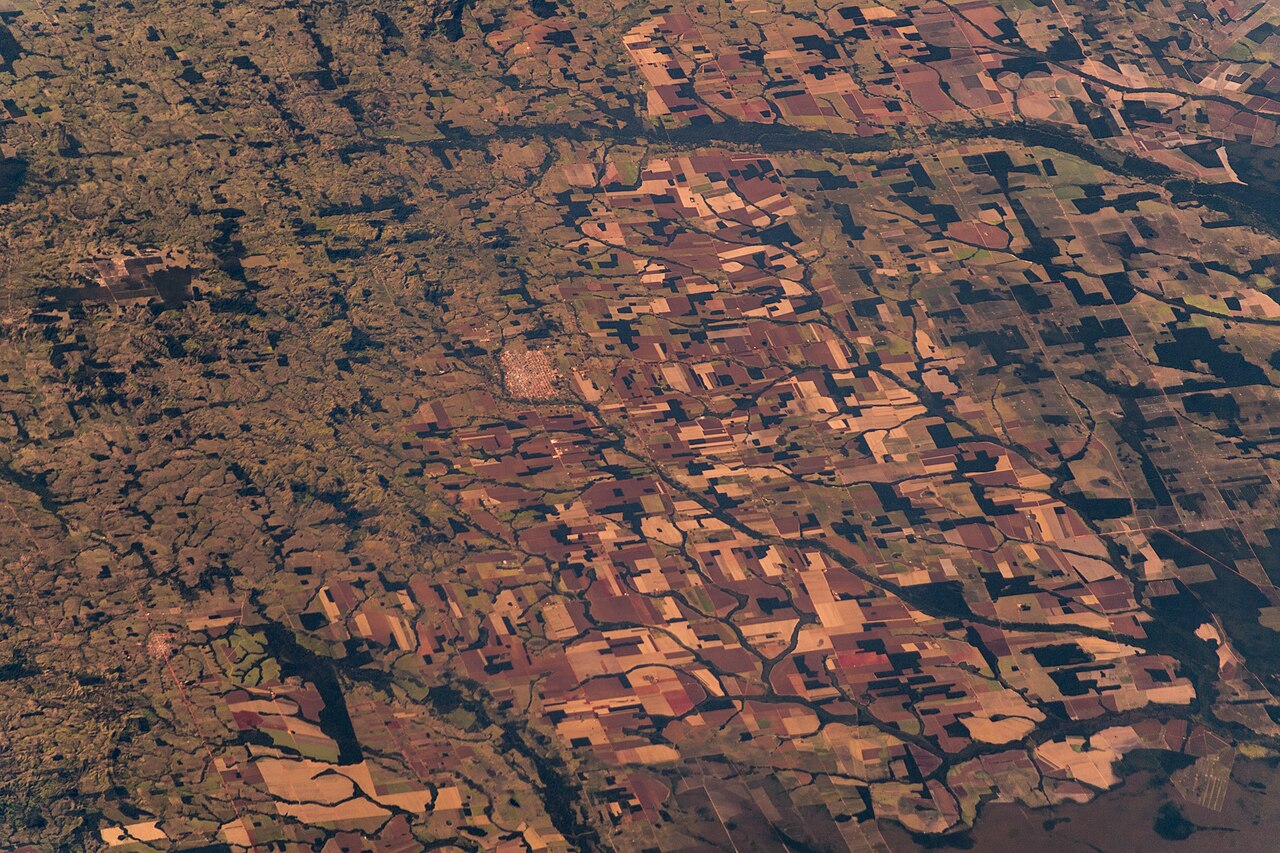
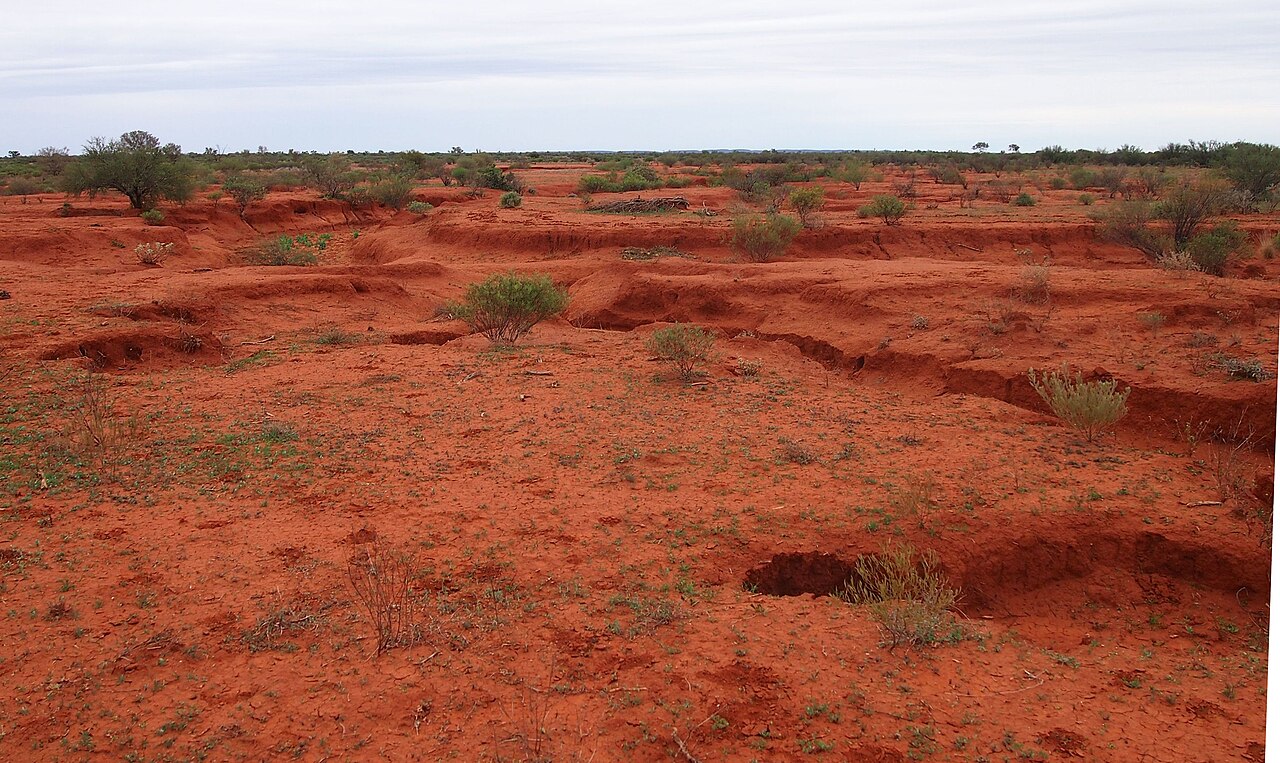
- Loss of flower-rich meadows, hedges and forest to farms, roads and cities
- Pesticides, especially insecticides
- Diseases and parasites, some spread from managed bees to wild ones
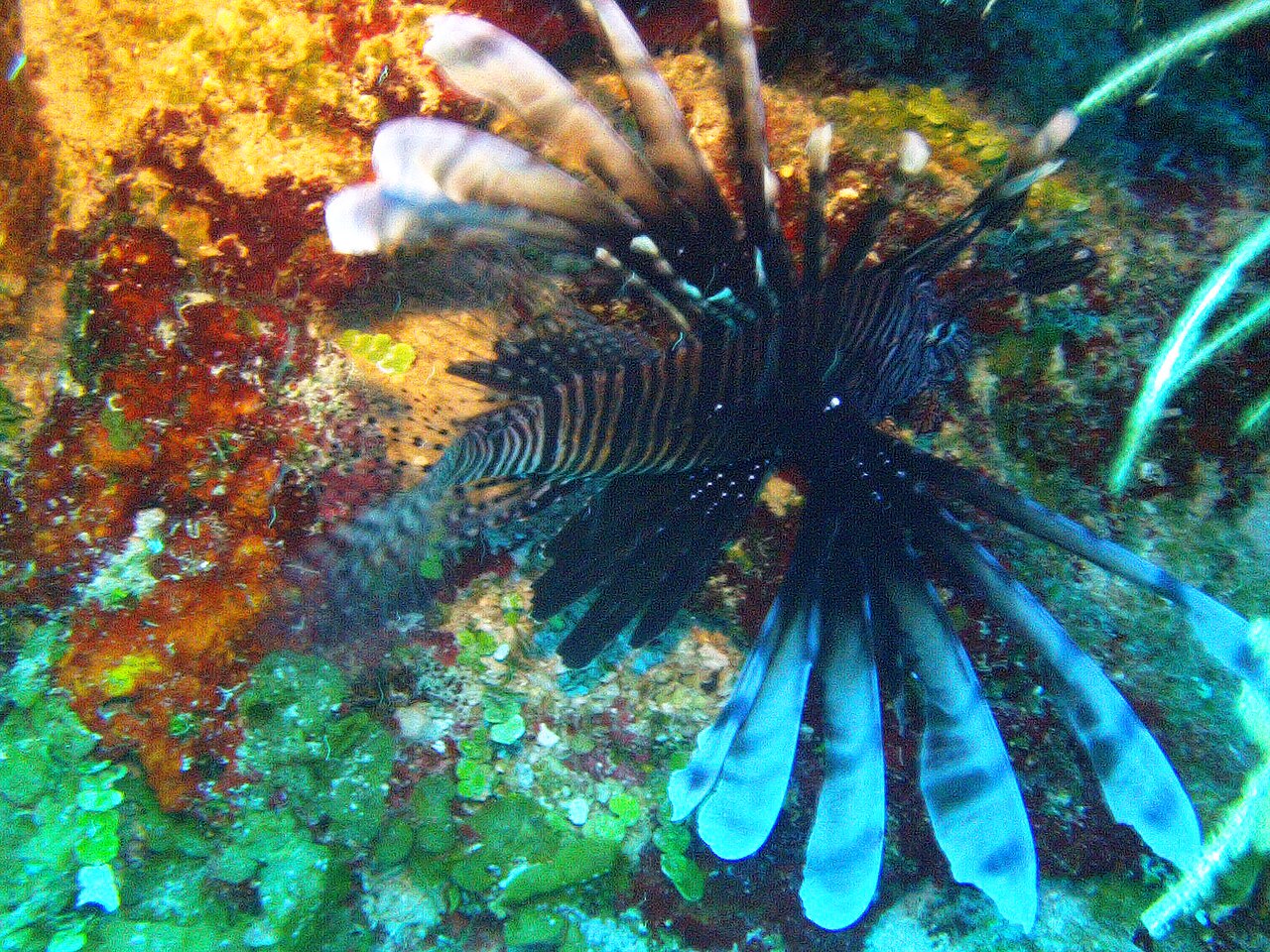
- Invasive species
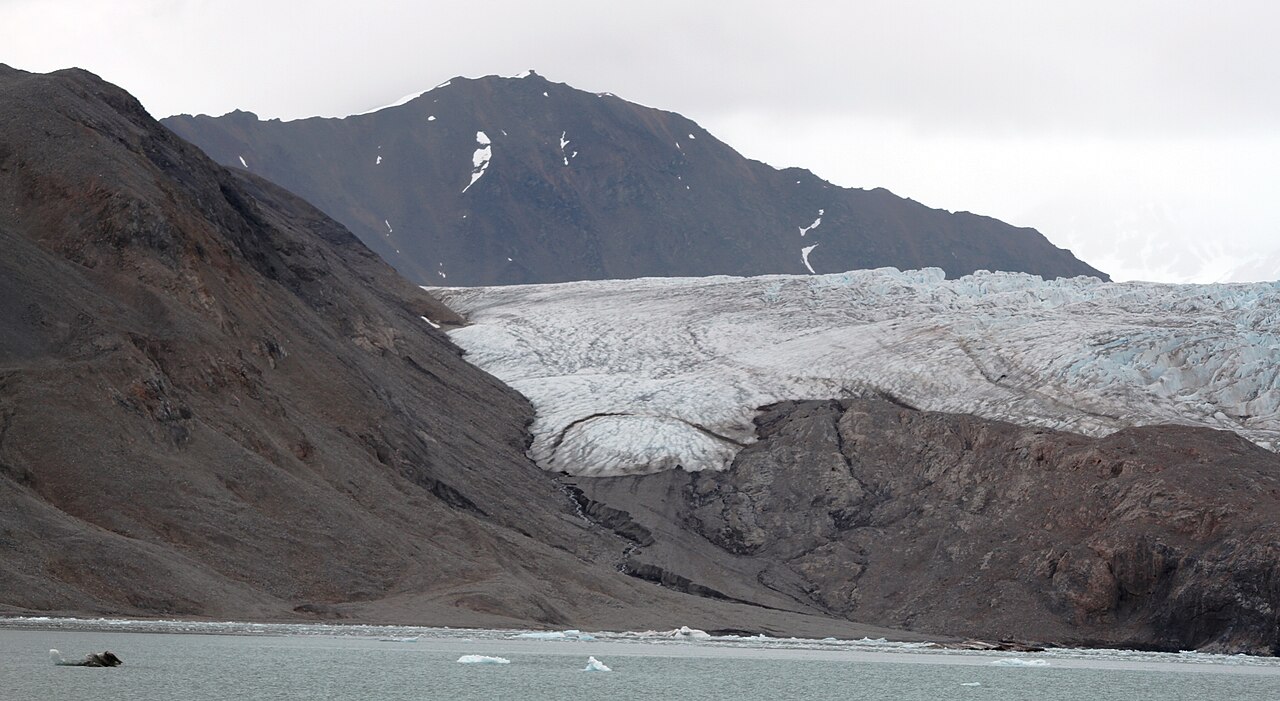
- Climate change, which shifts when flowers bloom and when pollinators fly
What helps
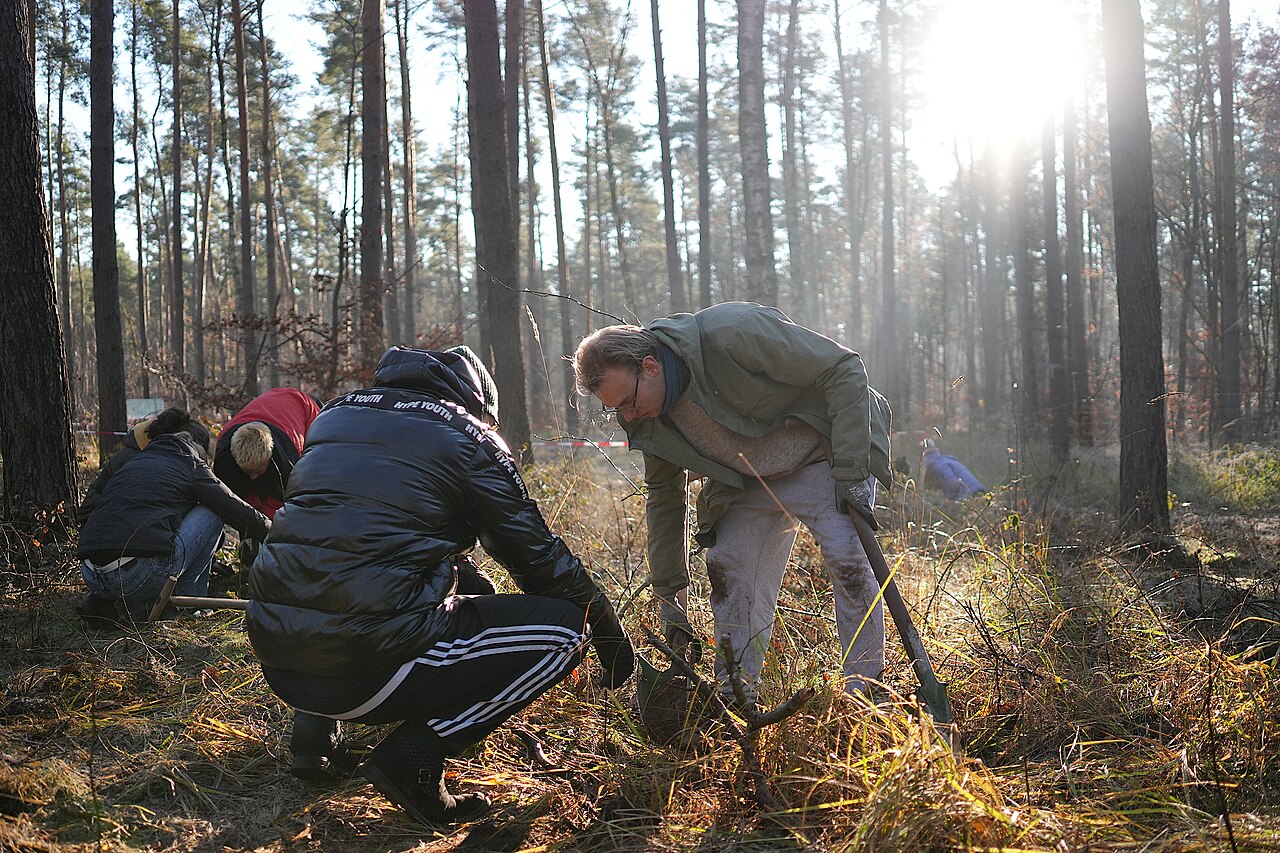
- Keeping and restoring flower-rich meadows, hedges and field margins
- Farming with fewer pesticides and a greater variety of crops
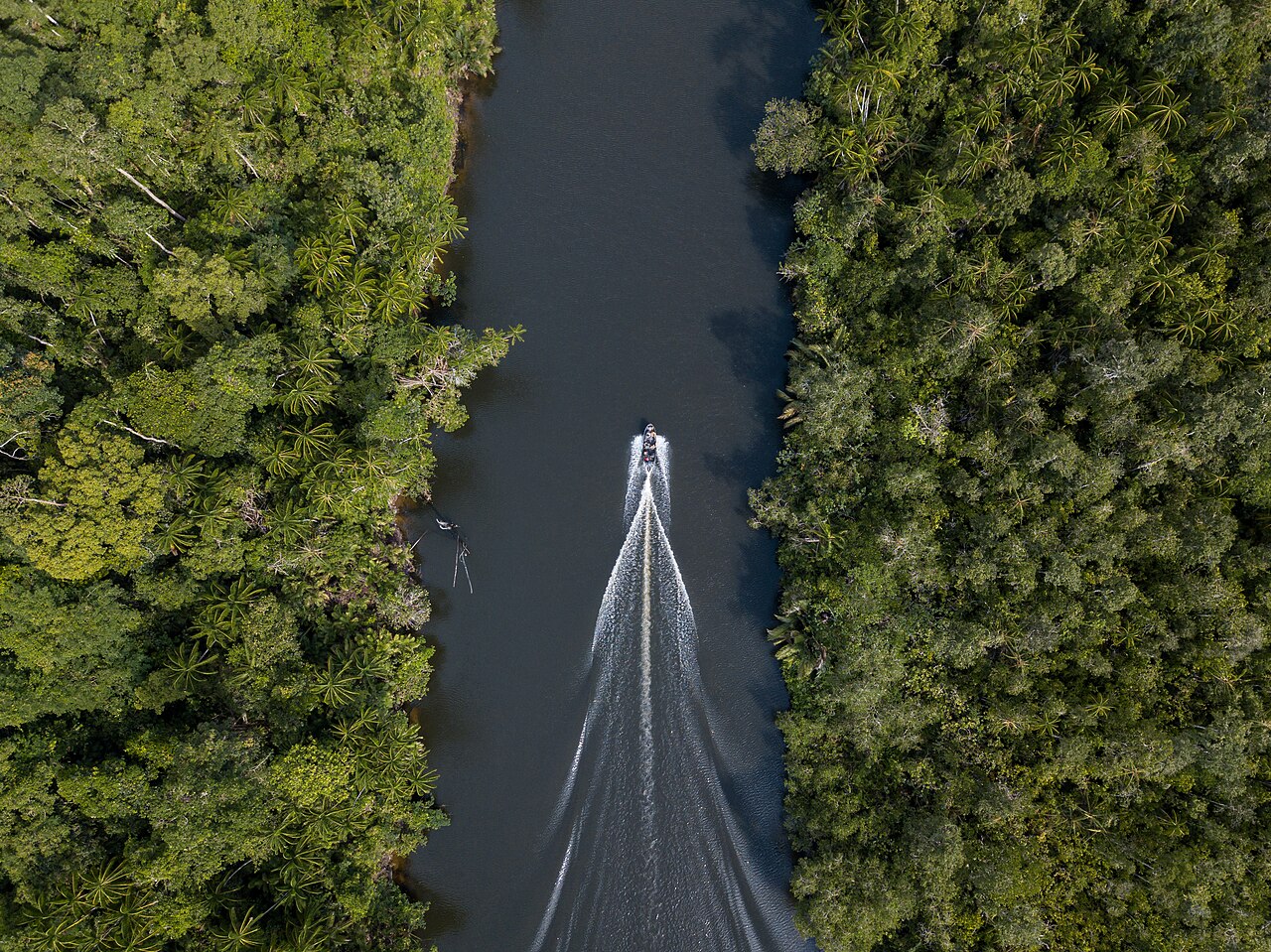
- Protecting the wild places where pollinators feed and nest
- Planting native flowers in gardens and parks, and mowing less often
Pressures on it
Solutions that help
What the world has agreed
- Countries agreed to restore, maintain and enhance nature's contributions to people, including pollination, by 2030. Kunming-Montreal Global Biodiversity Framework, Target 11 (2022)
- Countries agreed to halve the overall risk from pesticides and highly hazardous chemicals by 2030. Kunming-Montreal Global Biodiversity Framework, Target 7 (2022)
What you can do
- Plant native flowers that bloom from spring to autumn
- Leave a corner of your garden wild, and skip pesticides
- Count pollinators in a citizen science project
Questions people ask
Which animals pollinate?
Mostly insects: bees above all, but also butterflies, moths, flies, wasps and beetles. Birds such as hummingbirds and sunbirds, and bats, pollinate many plants too, especially in the tropics.
Is it only about honey bees?
No. Honey bees matter on farms, but thousands of kinds of wild bees, and many other insects, birds and bats, pollinate crops and most wild plants.
How much of our food depends on pollinators?
More than 75% of the world's food crops rely on pollinators to some extent, according to WHO, worth US$235–577 billion a year. Staples such as wheat, rice and maize are pollinated by wind, so pollinators matter most for fruit, vegetables, nuts and oils.
Sources and photo credits
- IPBES · Pollinators, pollination and food production (2016)
- WHO · Biodiversity fact sheet
- Kunming-Montreal Global Biodiversity Framework, Target 11 (2022)
- Kunming-Montreal Global Biodiversity Framework, Target 7 (2022)
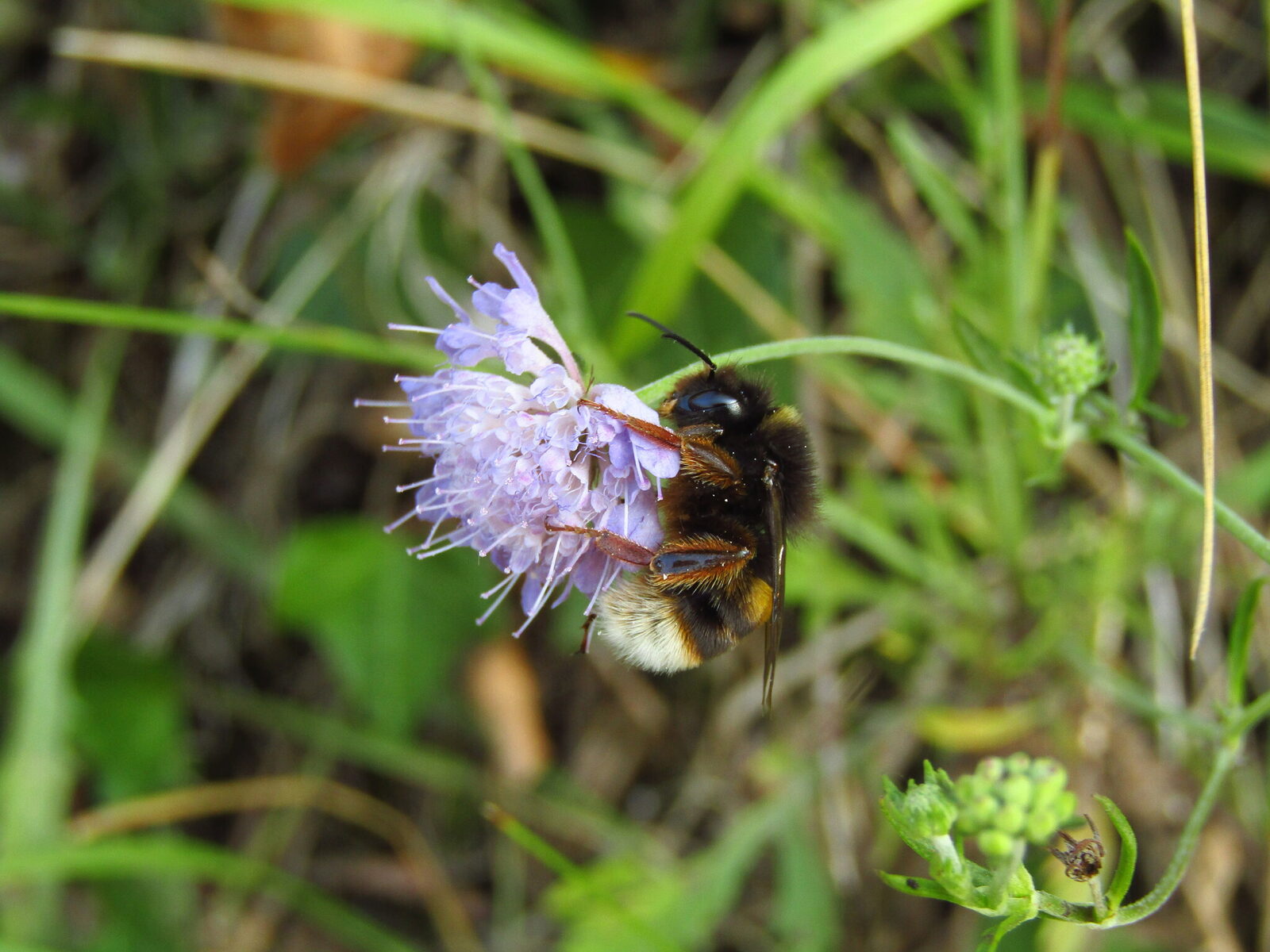
A wild white-tailed bumblebee (Bombus lucorum) feeding on a pink fireweed flower in Keila, Estonia: Ivar Leidus, CC BY-SA 4.0

Figures are national or global estimates from the sources named, with the uncertainty those sources give. Country rankings compare reported totals, not responsibility or effort.
Checked 2026-11-21.