Invasive species
A pressure on the living planet, and what is being done about it
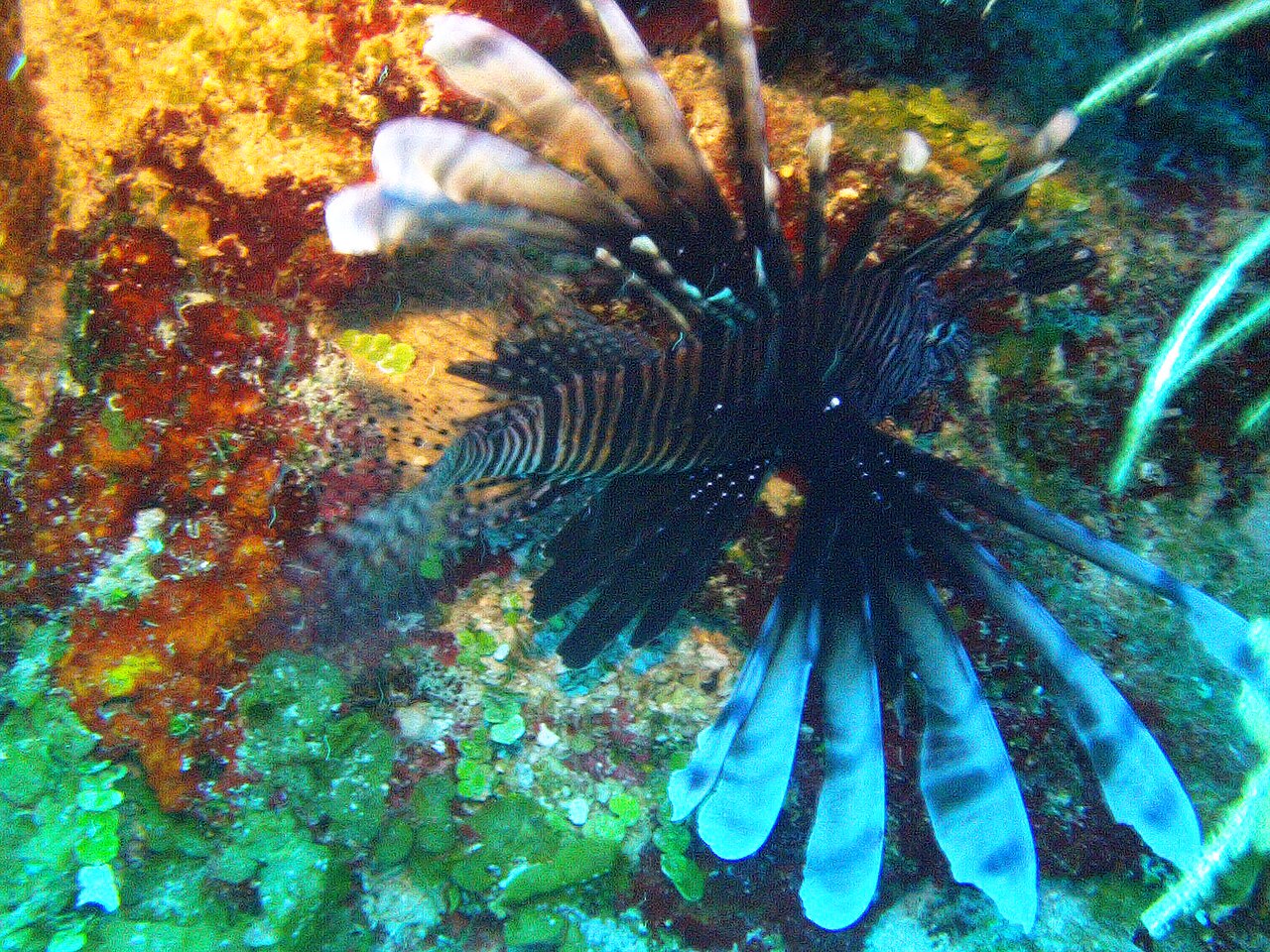
Invasive species are plants, animals and microbes that people have moved, on purpose or by accident, to places where they did not live before, and which then spread and harm the nature already there. Rats on seabird islands, lionfish on Caribbean reefs, water hyacinth on African lakes.
Most species moved by people never become a problem. The few that do can be devastating, above all on islands, where animals evolved without such predators or rivals. The best protection is to stop them early, and it works.
Why it matters
- Human activities have established more than 37,000 alien species around the world, and more than 3,500 of them are harmful invasive species. IPBES · Invasive Alien Species Assessment 2023
- Invasive species were a major factor in 60% of recorded global extinctions of plants and animals. IPBES · Invasive Alien Species Assessment 2023
- In 2019 they cost the world more than US$423 billion, and the cost has at least quadrupled every decade since 1970. IPBES · Media release on the Invasive Alien Species Assessment
What it touches
Habitats
Why it happens, and what helps
Main causes
- Trade and travel: ballast water and ship hulls, imported plants, soil and timber
- Pets, aquarium fish and garden plants that escape or are released
- Animals released on purpose, such as rabbits, foxes and cane toads in Australia
- Disturbed and warming habitats, which make it easier for newcomers to take hold
What is proven to help
- Prevention at borders: inspections, treated ballast water, clean equipment
- Early detection and fast removal while a newcomer is still rare
- Removing invasive rats and other predators from islands, after which seabirds and native animals come back
- Planting native species in gardens and parks
Living systems it disrupts
What the world has agreed
- Countries agreed to cut the introduction and establishment of invasive species by at least 50% by 2030, and to eradicate or control them, especially on islands and other priority sites. Kunming-Montreal Global Biodiversity Framework, Target 6 (2022)
- Since 2017, ships must manage their ballast water so they do not carry marine species from one sea to another. IMO · Ballast Water Management Convention
What you can do
- Never release pets, aquarium fish or plants into the wild
- Clean boots, boats and gear between rivers, lakes and wild places
- Plant native species, and report invasive species you find with apps such as iNaturalist
Questions people ask
What makes a species invasive?
A species is invasive when people have moved it to a new place, it has established itself there, and it spreads and harms the nature, economy or health of that place. Being non-native alone does not make a species invasive.
Is every non-native species harmful?
No. Of the more than 37,000 alien species people have established around the world, about 3,500 are known to be harmful (IPBES 2023). The difficulty is that it is hard to know in advance which ones will become a problem.
Can invasive species be removed?
Often, yes, if they are found early or live on islands. Rats and other invasive predators have been removed from hundreds of islands, and seabirds and other native animals have returned. Once a species has spread across a continent, control is the realistic goal.
Sources and photo credits
- IPBES · Invasive Alien Species Assessment 2023
- IPBES · Media release on the Invasive Alien Species Assessment
- Kunming-Montreal Global Biodiversity Framework, Target 6 (2022)
- IMO · Ballast Water Management Convention
A red lionfish on a reef off Belize, where it is an invader from the Indo-Pacific: Serge Melki from Indianapolis, USA, CC BY 2.0

Figures are national or global estimates from the sources named, with the uncertainty those sources give. Country rankings compare reported totals, not responsibility or effort.
Checked 2026-11-21.