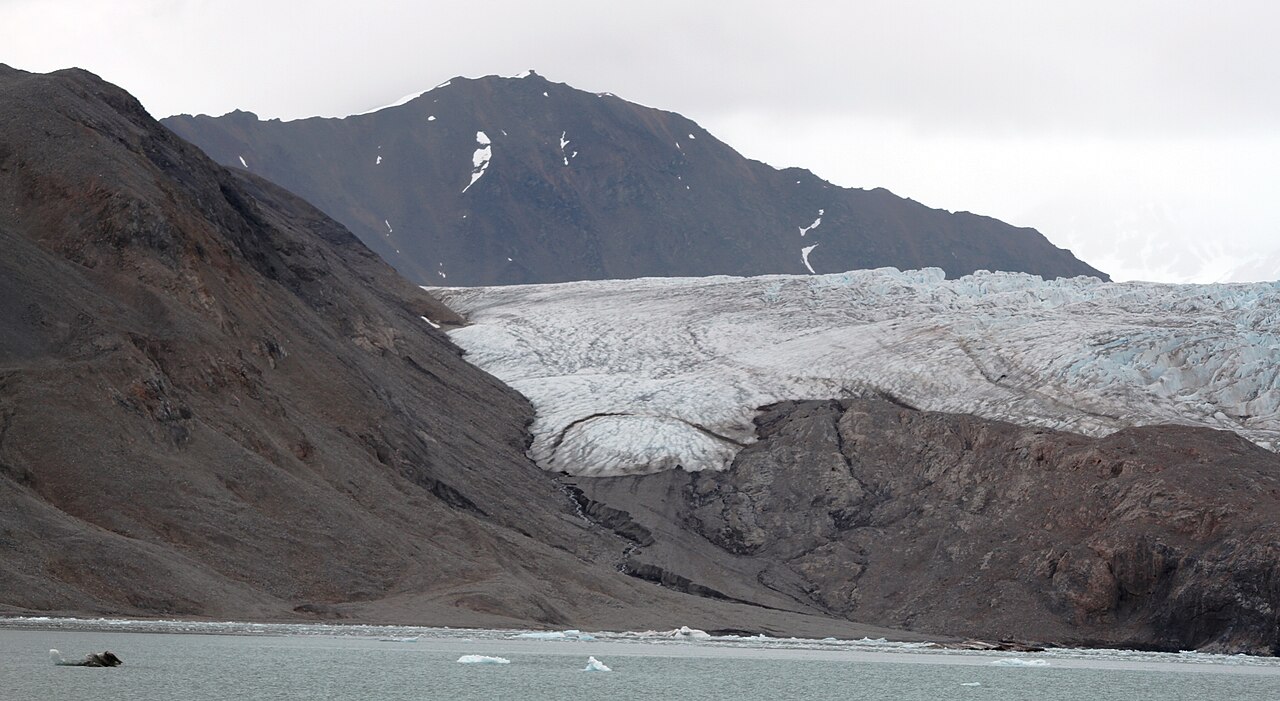
Global heating
A pressure on the living planet, and what is being done about it
The Earth is warming because of the greenhouse gases we release, above all by burning coal, oil and gas. The last decade was the warmest since measurements began.
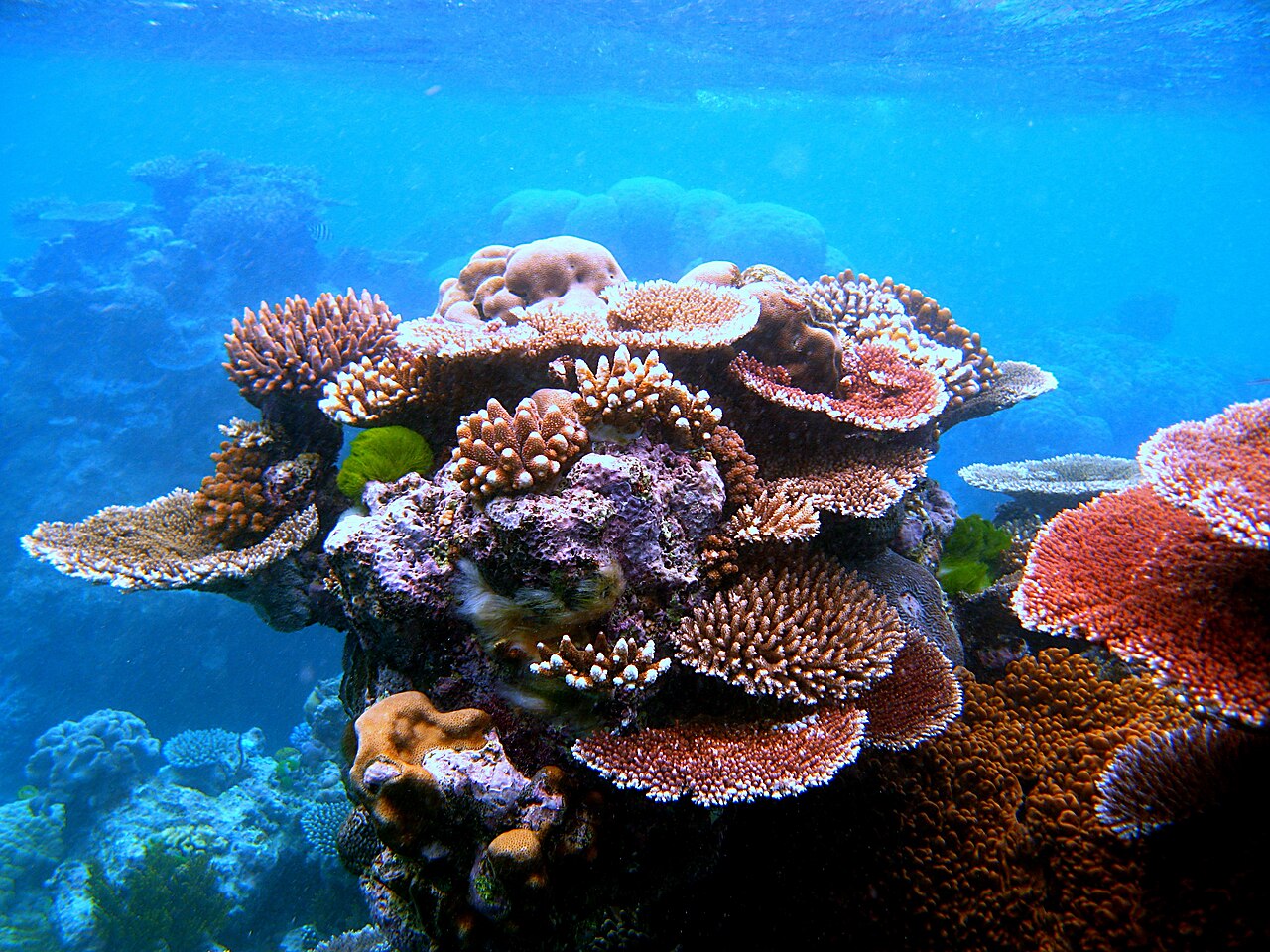
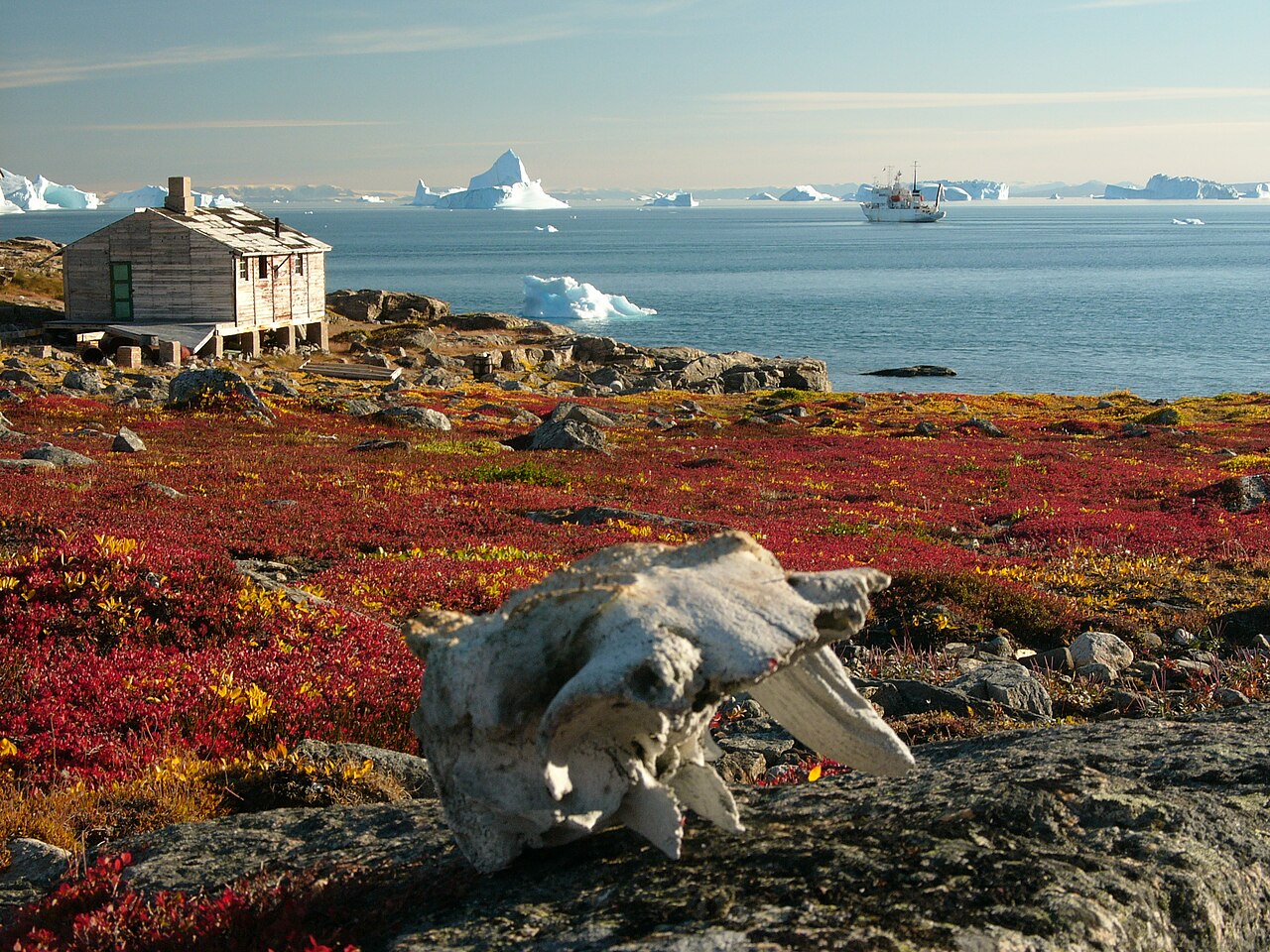
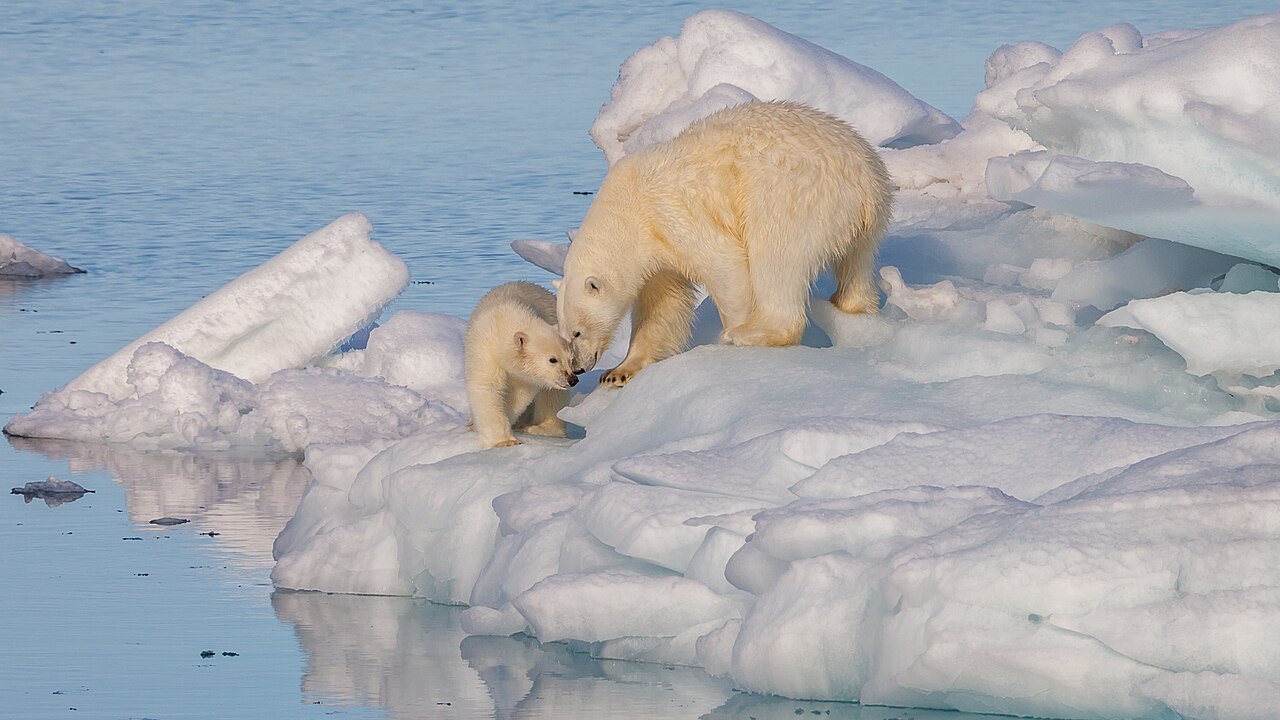
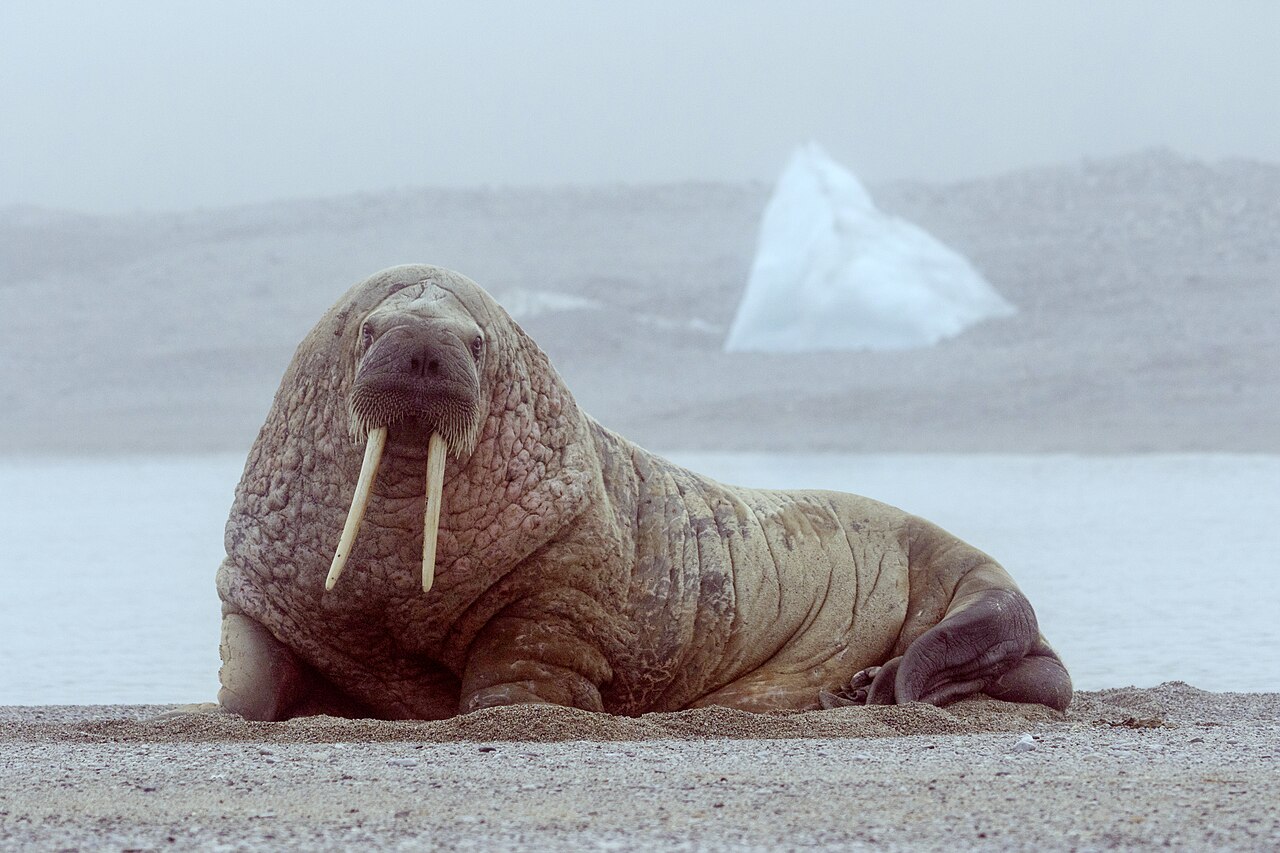
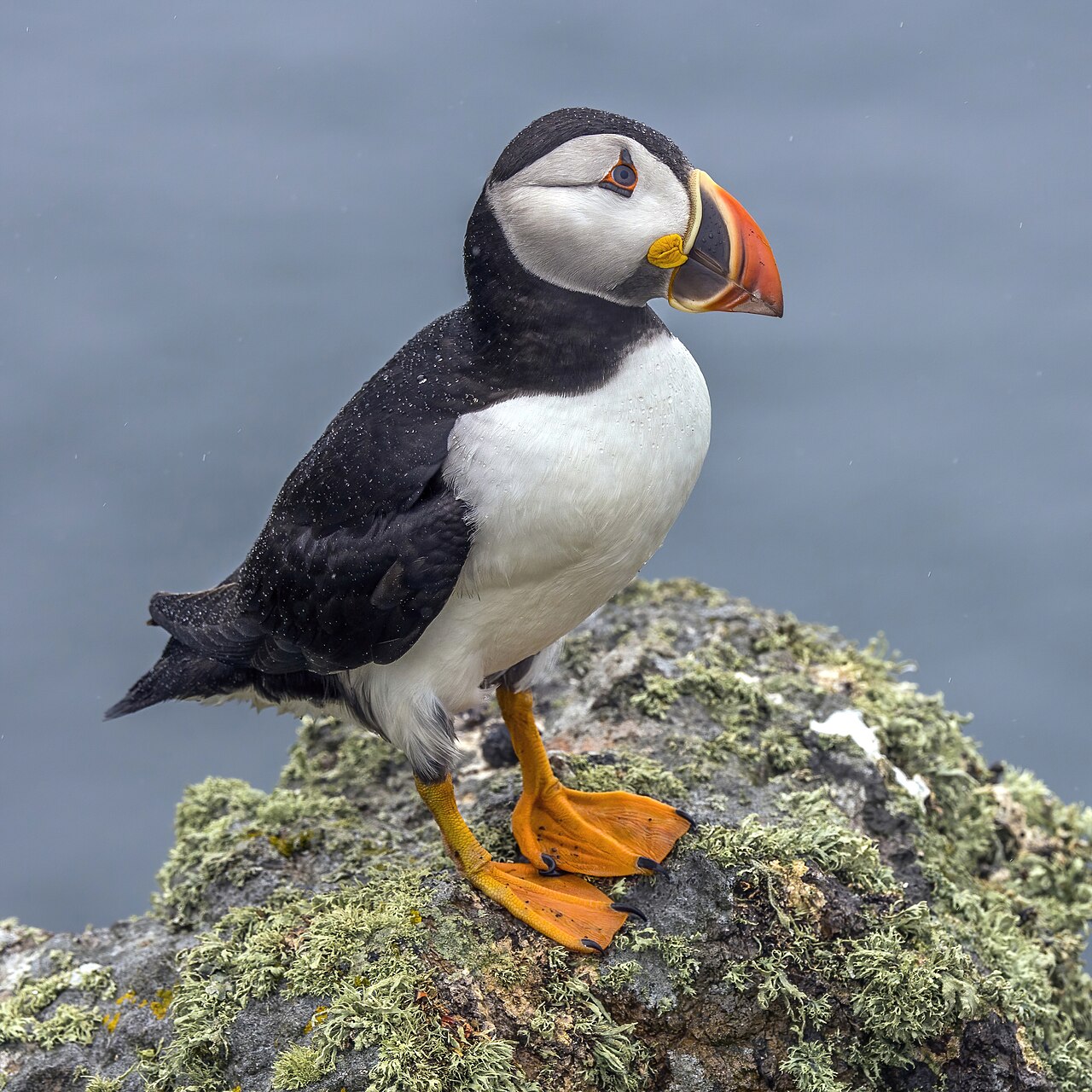
Warmer seas bleach corals, shrinking sea ice takes the hunting grounds of polar bears and walruses, and many plants and animals are moving towards the poles or up mountains.
- Global temperature compared with 1861–1890
- 1.41 °C (2025)
Why it matters
- Global surface temperature was 1.1 °C higher in 2011–2020 than in 1850–1900, and the warming is caused by human activities. IPCC · Sixth Assessment Report (2023)
- 2024 was the warmest year on record, about 1.55 °C above pre-industrial levels. World Meteorological Organization (2025)
- At 1.5 °C of warming, 70–90% of tropical coral reefs are projected to be lost; at 2 °C, more than 99%. IPCC · Global Warming of 1.5 °C (2018)
How it has changed
What it touches
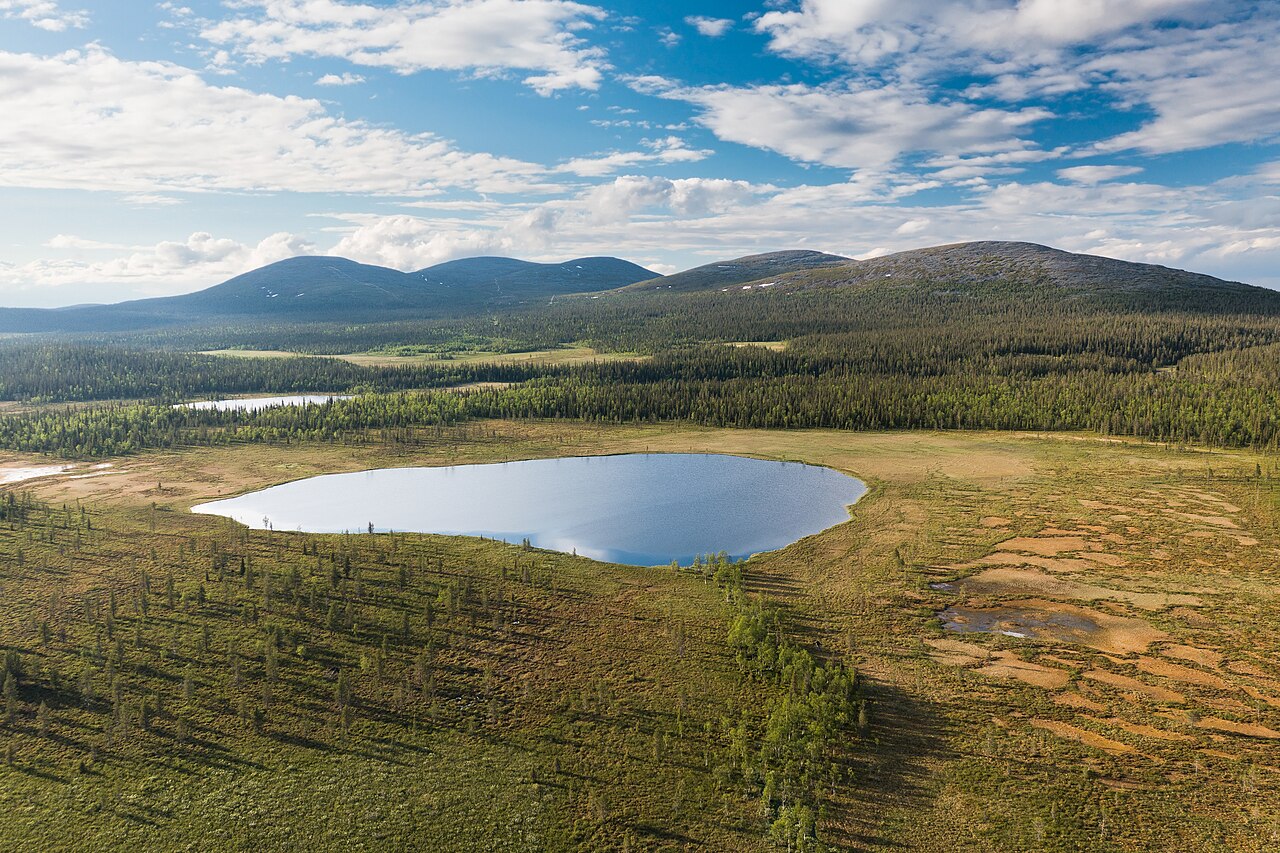
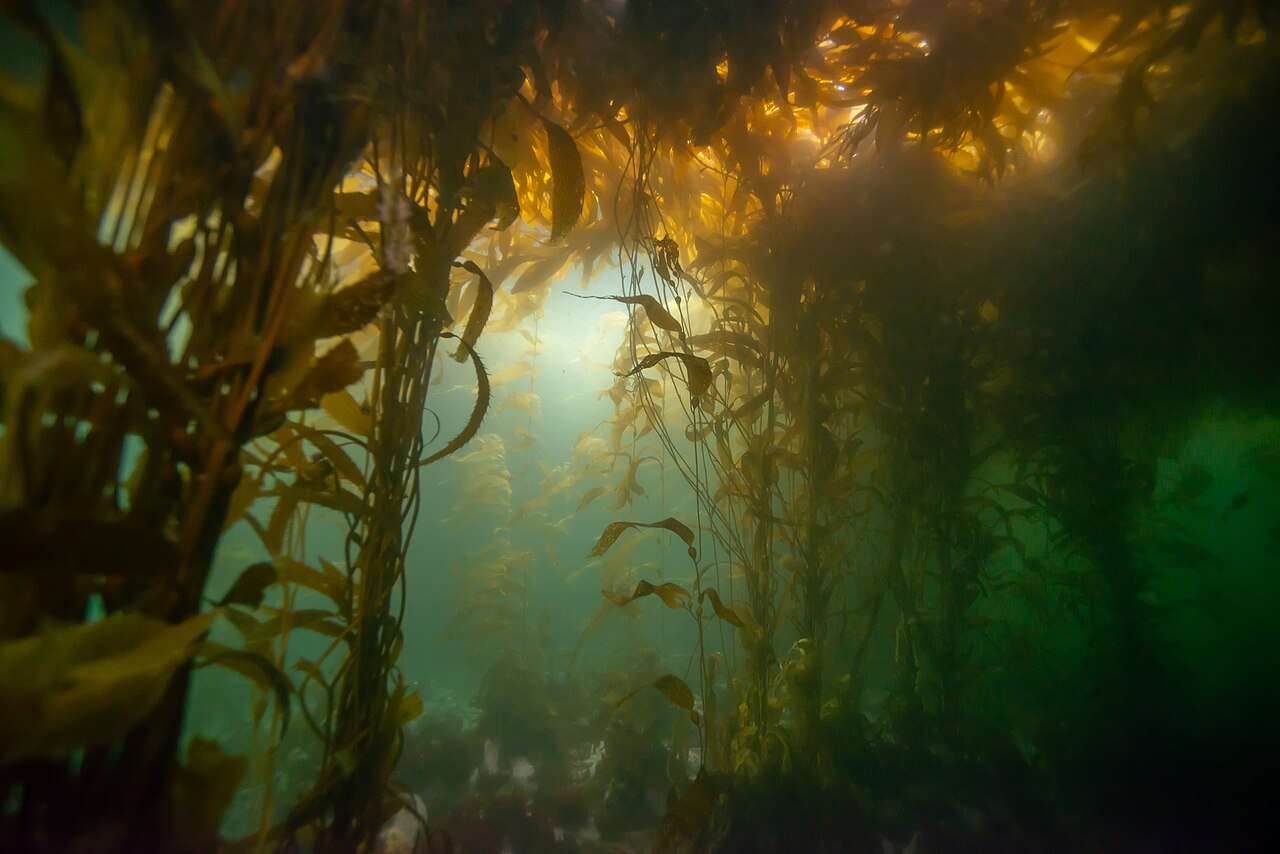
Habitats
Species
Why it happens, and what helps
Main causes
- Burning coal, oil and gas for energy and transport
- Cutting down forests
- Methane from farm animals, rice fields, landfills and leaking gas
What is proven to help
- Fast cuts in emissions, above all from coal, oil and gas
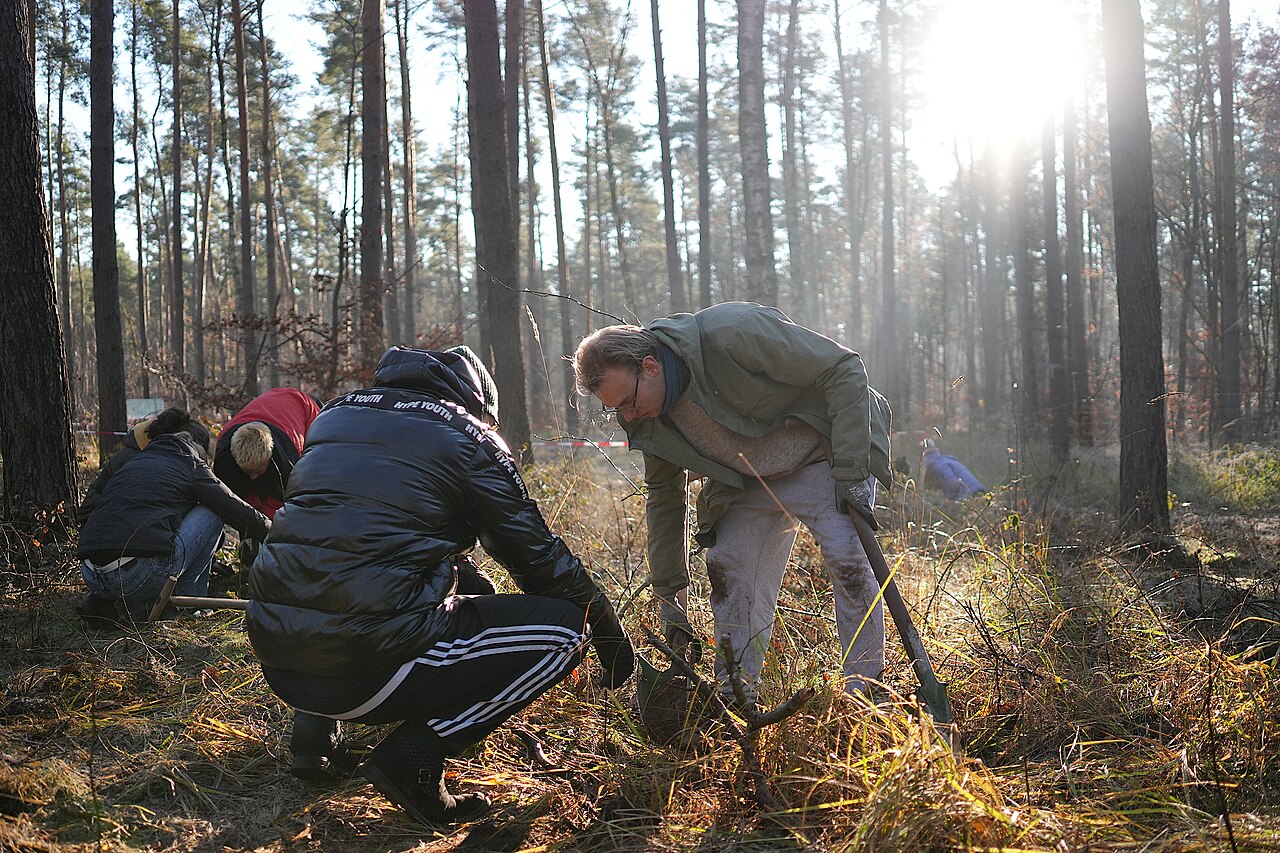
- Protecting and restoring forests, peatlands, mangroves and seagrass, which store carbon
- Protected areas and corridors that let species move as the climate shifts
Solutions explained
Living systems it disrupts
What the world has agreed
- Countries agreed to keep warming well below 2 °C and to pursue efforts to limit it to 1.5 °C. Paris Agreement (2015)
- Limiting warming to 1.5 °C needs global greenhouse gas emissions to fall by about 43% by 2030 compared with 2019. IPCC · Climate Change 2022: Mitigation
- Protecting 30% of land and sea by 2030 also protects the forests, peatlands and seas that store carbon. Kunming-Montreal Global Biodiversity Framework (2022)
What you can do
- Cut your own emissions where you can: travel, heating, food
- Support nature that stores carbon
- Share what you learn
Sources and photo credits
- Met Office Hadley Centre – HadCRUT5 (2026) – with major processing by Our World in Data · Global temperature compared with 1861–1890, via Our World in Data
- IPCC · Sixth Assessment Report (2023)
- World Meteorological Organization (2025)
- IPCC · Global Warming of 1.5 °C (2018)
- Paris Agreement (2015)
- IPCC · Climate Change 2022: Mitigation
- Kunming-Montreal Global Biodiversity Framework (2022)
- IPCC · Sixth Assessment Report, Synthesis
The front of the Blomstrandbreen glacier in Svalbard: Bjoertvedt, CC BY-SA 3.0

Figures are national or global estimates from the sources named, with the uncertainty those sources give. Country rankings compare reported totals, not responsibility or effort.
Checked 2026-11-20.