Nitrogen and phosphorus pollution
A pressure on the living planet, and what is being done about it
Nitrogen and phosphorus make crops grow. Farms spread them as fertiliser and manure, and towns and factories release them in wastewater and smoke.
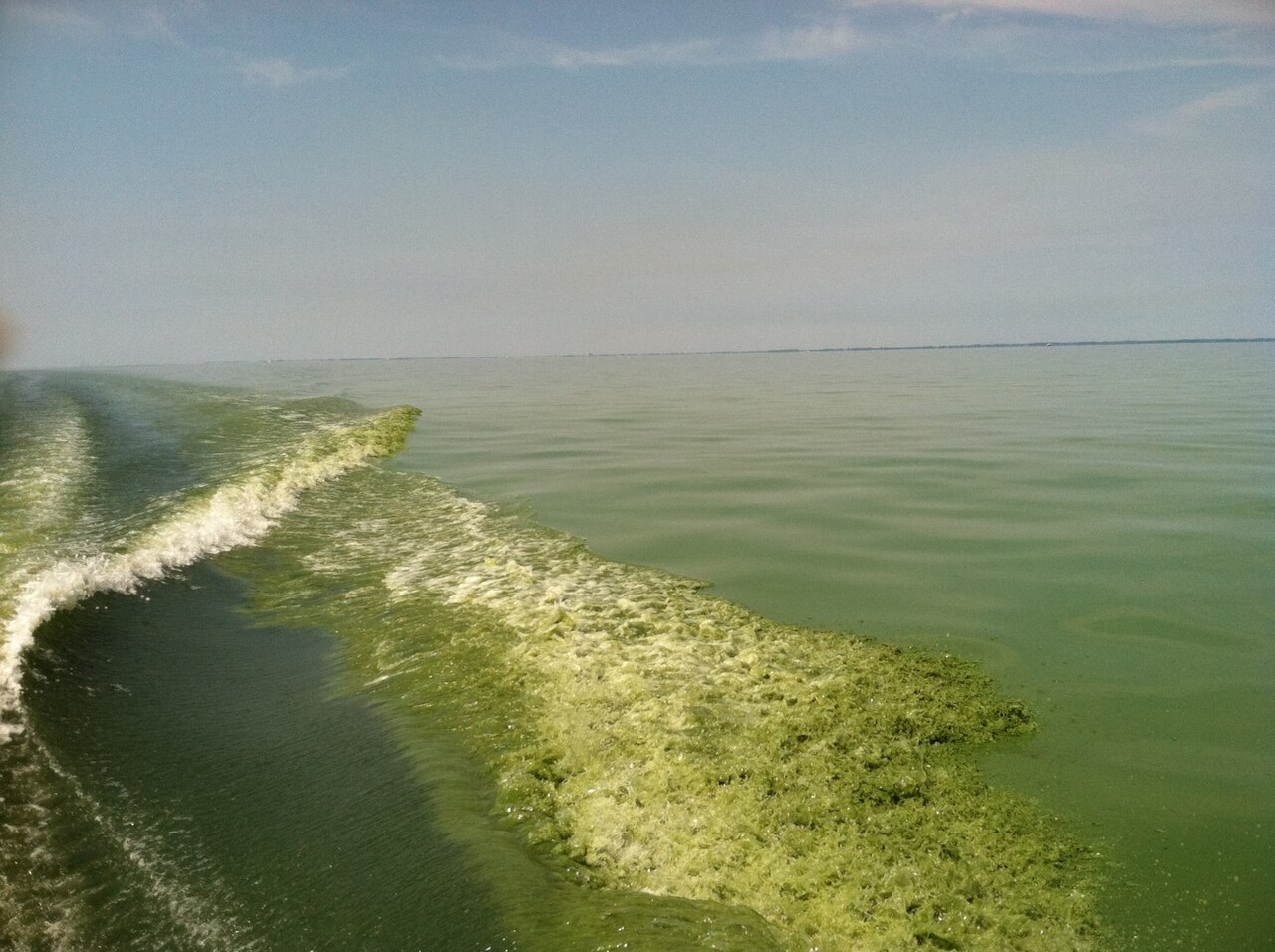
Much of it never reaches a plant. It washes into rivers, lakes and the sea, where it feeds blooms of algae. When the algae die and rot, they use up the oxygen in the water, and fish, crabs and shellfish suffocate or flee. Using fertiliser more precisely, cleaning wastewater and restoring wetlands cuts the flow.
- Nitrogen fertiliser used per hectare of cropland, world average
- 68 kg/ha (2023)
Why it matters
- About 80% of reactive nitrogen, some 200 million tonnes a year, is lost to the environment, leaching into soil, rivers and lakes or escaping to the air. UNEP · Facts about nitrogen pollution
- Fertilisers washing into coastal waters have created more than 400 ocean dead zones, covering more than 245,000 km², an area larger than the United Kingdom. IPBES · Global Assessment Report (2019)
- The nitrogen lost each year is worth about US$200 billion. UNEP · Facts about nitrogen pollution
How it has changed
What it touches
Habitats
Species
Why it happens, and what helps
Main causes
- Fertiliser that crops do not take up, washed off fields by rain
- Manure from livestock farms
- Sewage and wastewater that is not treated, or not treated well enough
- Nitrogen from burning fuels, which falls back to the ground with rain
What is proven to help
- Using fertiliser precisely: the right amount, at the right time and place
- Treating wastewater to take out nitrogen and phosphorus
- Restoring wetlands, and planting strips of trees and grass along rivers to catch runoff
- Wasting less food, so less fertiliser is needed to grow it
Solutions explained
What the world has agreed
- Countries agreed to cut the excess nutrients lost to the environment by at least half by 2030. Kunming-Montreal Global Biodiversity Framework, Target 7 (2022)
- In the Colombo Declaration (2019), governments set the goal of halving nitrogen waste by 2030. UNEP · Colombo Declaration on Sustainable Nitrogen Management
What you can do
- Use fertiliser sparingly in your garden, and never just before rain
- Waste less food
- Support farmers and organisations that restore wetlands and river banks
Questions people ask
What is a dead zone?
An area of water with so little oxygen that most sea life cannot survive there. Dead zones form when nutrients from farms and wastewater feed blooms of algae, which die, sink and rot, using up the oxygen.
How much nitrogen is lost?
UNEP estimates that about 80% of reactive nitrogen, some 200 million tonnes a year, is lost to the environment. In 2019 IPBES counted more than 400 ocean dead zones caused by fertiliser runoff.
Can it be fixed?
Yes. More precise use of fertiliser, better treatment of wastewater and restored wetlands all cut the nutrients that reach rivers and the sea. Countries have agreed to halve excess nutrient losses by 2030.
Sources and photo credits
- Food and Agriculture Organization of the United Nations (2025) – with major processing by Our World in Data · Nitrogen fertiliser used per hectare of cropland, world average
- UNEP · Facts about nitrogen pollution
- IPBES · Global Assessment Report (2019)
- Kunming-Montreal Global Biodiversity Framework, Target 7 (2022)
A boat's wake cuts through a thick green algal bloom on Lake Erie: NOAA Great Lakes Environmental Research Laboratory, CC BY-SA 2.0

Figures are national or global estimates from the sources named, with the uncertainty those sources give. Country rankings compare reported totals, not responsibility or effort.
Checked 2026-11-21.