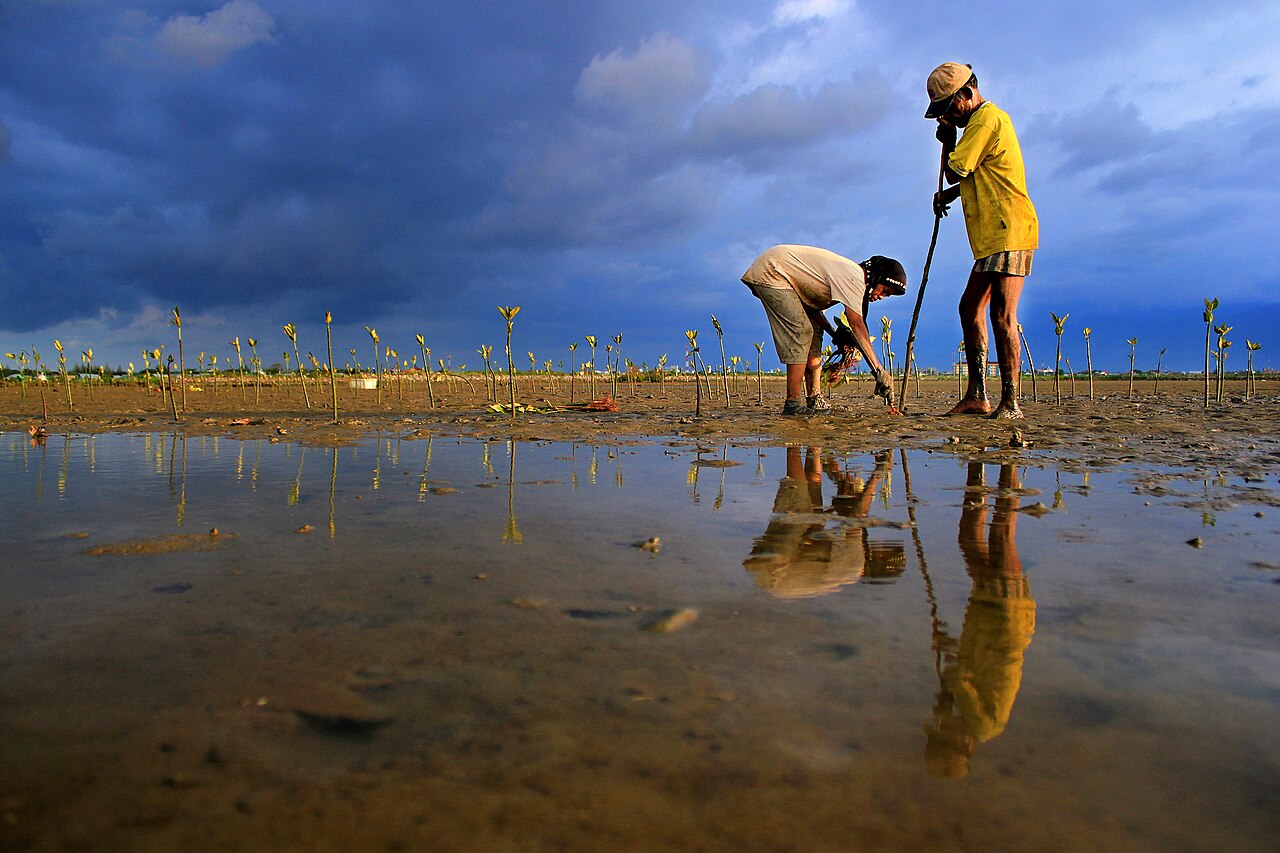
Mangrove restoration
A way to bring nature back into balance, and what it takes to work
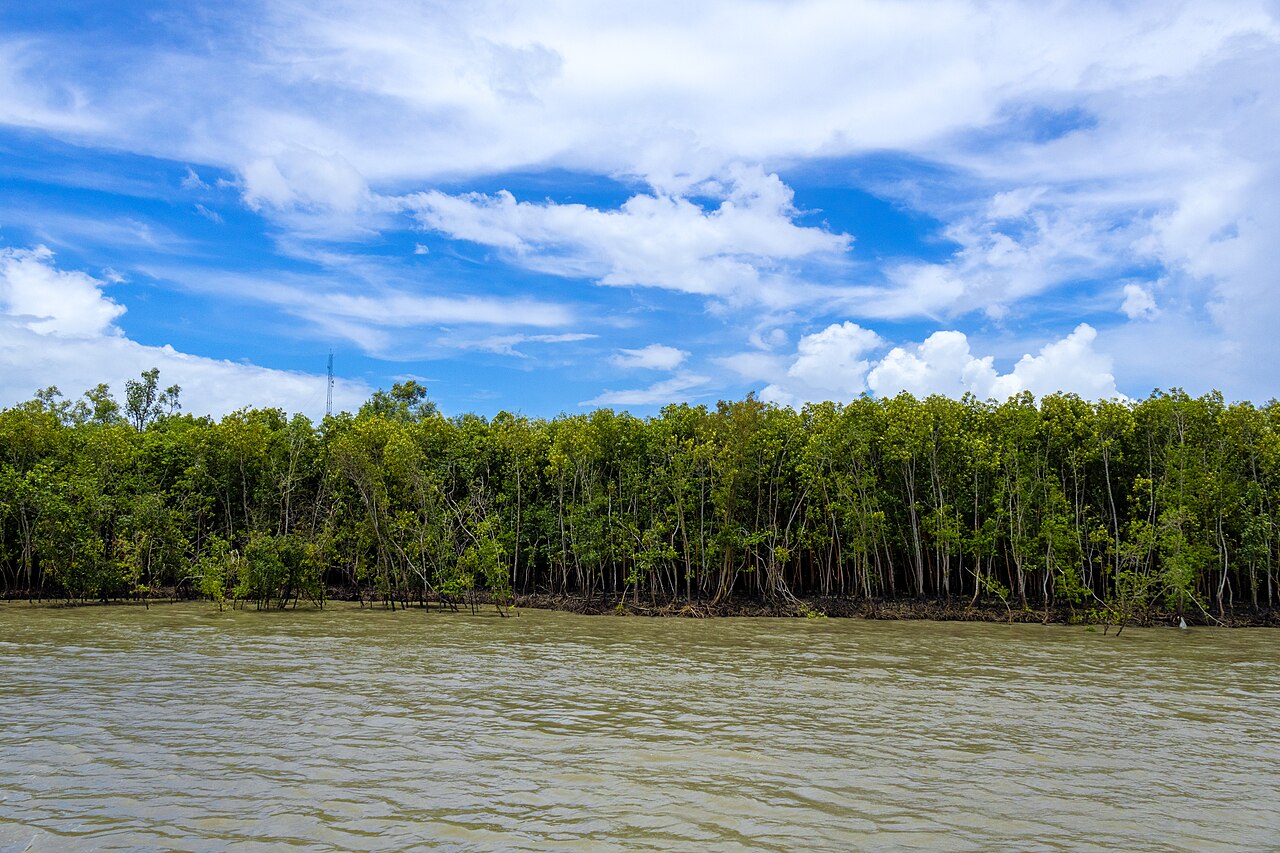
Mangroves are forests that grow in salt water, where land meets sea in the tropics. Their tangled roots hold the coast together against erosion and storms, and shelter young fish, prawns and crabs.
Much has been lost, mostly to fish and shrimp ponds, oil palm and rice. Restoration brings the forest back, usually by repairing the tides and water flow that mangroves need, so that seedlings can take root again on their own or survive when planted.
Why it matters
- Mangrove loss slowed by 44% between 2000 and 2020. Global Mangrove Alliance · The State of the World's Mangroves
- Conversion to aquaculture, oil palm plantations and rice accounted for 43.3% of global mangrove loss between 2000 and 2020. Global Mangrove Alliance · The State of the World's Mangroves
- 18 mangrove provinces, about half of the world's mangrove area, are threatened on the IUCN Red List of Ecosystems. Global Mangrove Alliance · The State of the World's Mangroves
- Mangroves support nearly 800 billion young fish and invertebrates every year. Global Mangrove Alliance · The State of the World's Mangroves
What it helps protect
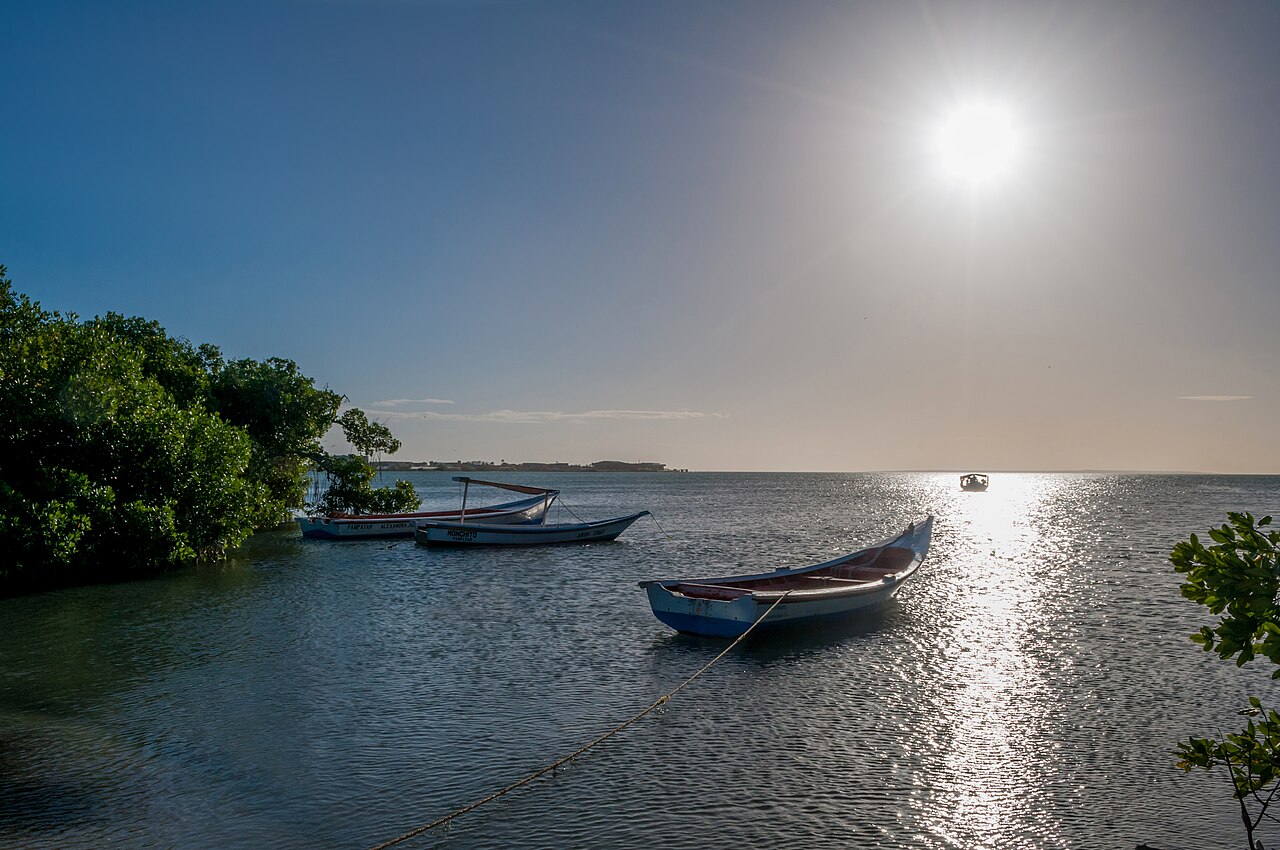
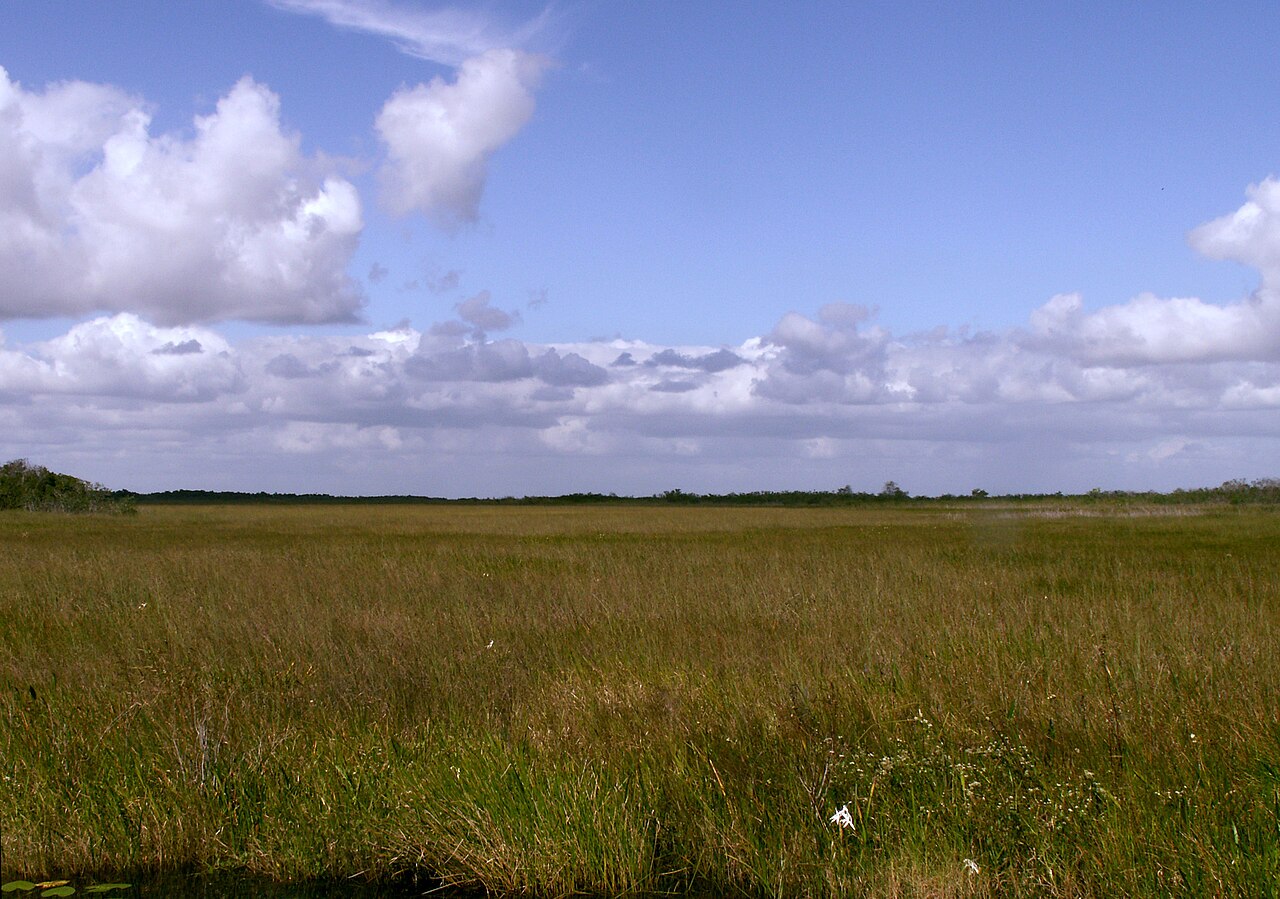
Habitats
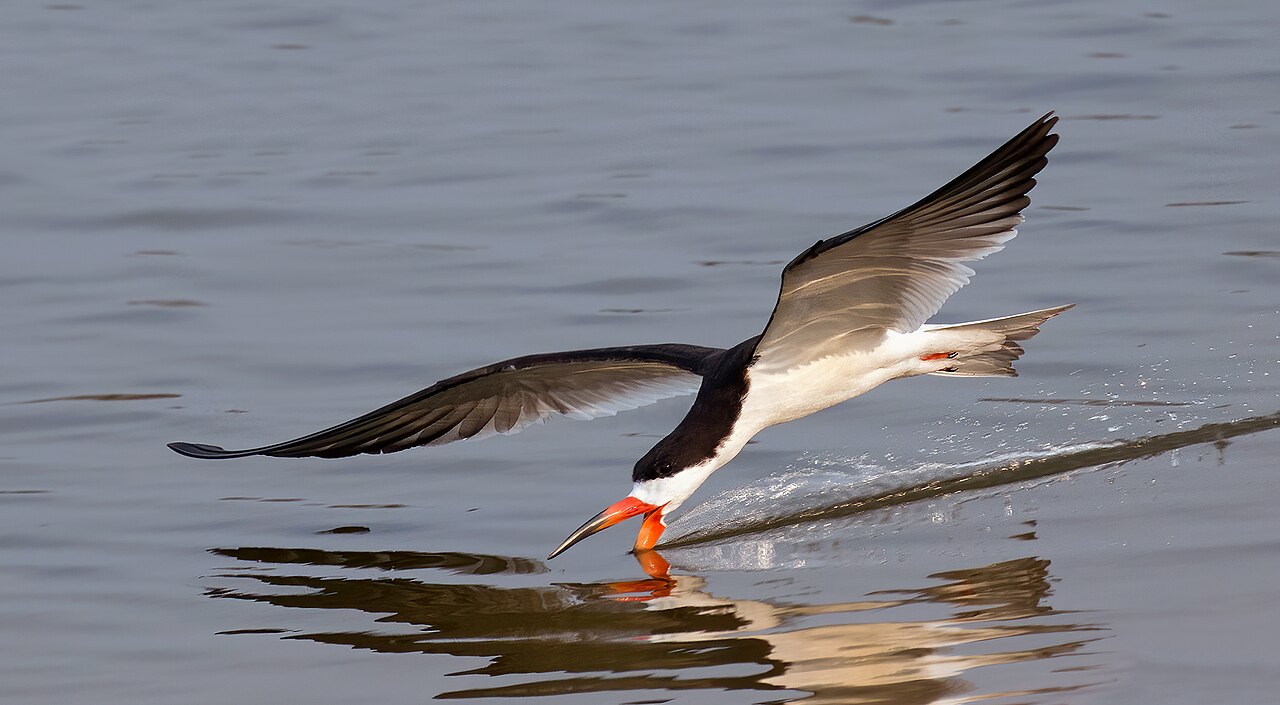
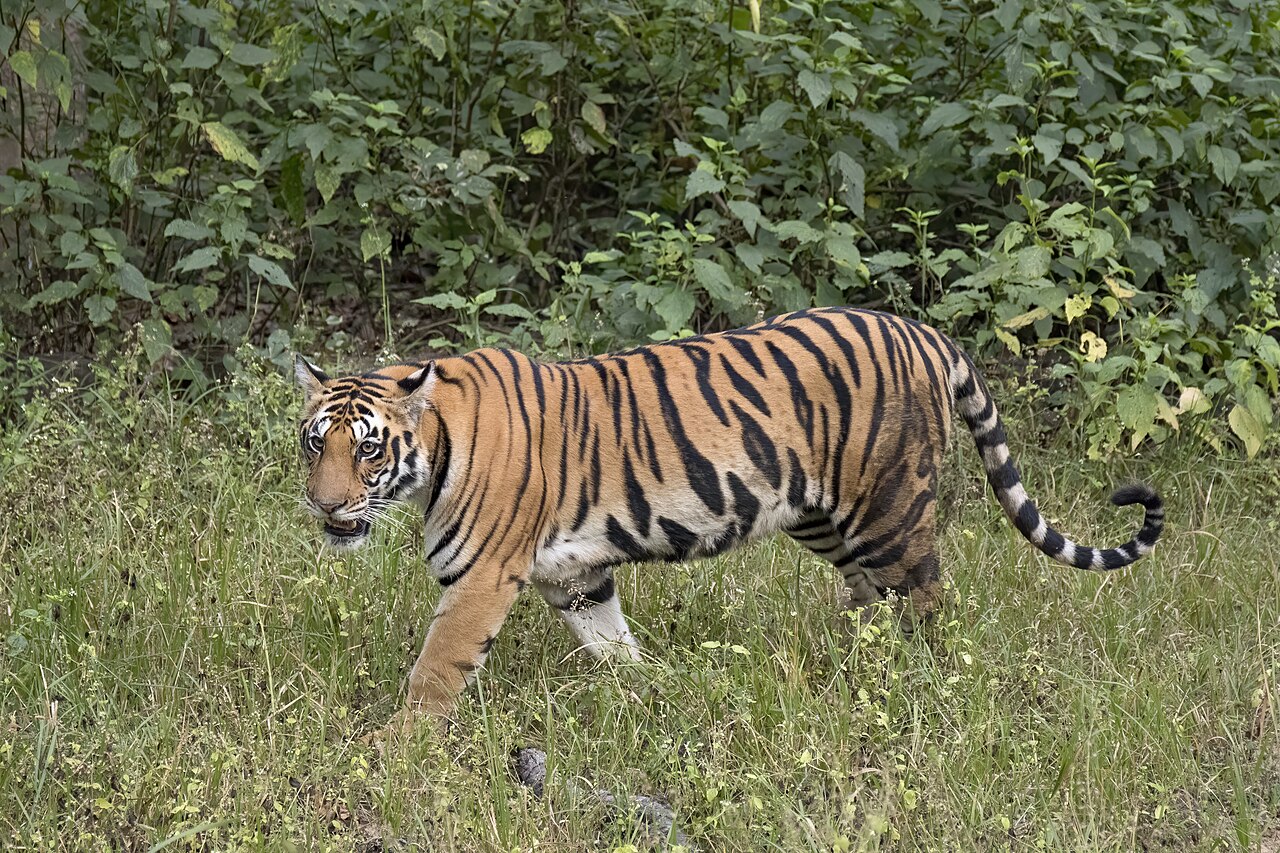
Species
How it works, and its limits
How it works
- Find out why the mangroves died: blocked tides, ponds, dykes, cutting or too little mud
- Repair the water first: open channels and breach old pond walls so the tide flows in and out again
- Let seeds from nearby forest wash in and root, and plant only where they cannot arrive by themselves
- Work with the fishers and farmers who live there, so the new forest is protected and used well
Limits, and what it needs
- Planting where mangroves never grew, or where the tide cannot reach, often fails
- Single-species plantations give far less than a natural, mixed forest
- Restoration is slower and more expensive than keeping the forest that is still standing
- Rising seas will squeeze mangroves that have no room to move inland
Pressures it answers
What the world has agreed
- Countries agreed that by 2030 at least 30% of degraded land, inland water and coastal and marine ecosystems should be under effective restoration. Kunming-Montreal Global Biodiversity Framework, Target 2 (2022)
What you can do
- Choose shrimp and farmed fish from sources that do not clear mangroves
- Support mangrove projects that repair the water and are led with local communities
- When visiting mangroves, keep to boardwalks and use local guides
Questions people ask
How much mangrove can be restored?
The Global Mangrove Alliance considers about 818,300 hectares of lost mangroves restorable, and aims to restore half of that by 2030.
Is planting trees enough?
Often not. Mangroves die back when the tide, water flow or mud supply changes. Projects that repair the water first, and plant only where seeds cannot arrive by themselves, succeed far more often than mass planting on open mudflats.
Sources and photo credits
- Global Mangrove Alliance · The State of the World's Mangroves
- Kunming-Montreal Global Biodiversity Framework, Target 2 (2022)
- UNEP · Mangroves in the spotlight
Two people planting mangrove seedlings on a tidal mudflat under a stormy sky: Irwandi wancaleu, CC BY-SA 4.0

Figures are national or global estimates from the sources named, with the uncertainty those sources give. Country rankings compare reported totals, not responsibility or effort.
Checked 2026-11-22.