4PLANET · Earth
Earth
Every forest, field and wetland, connected.
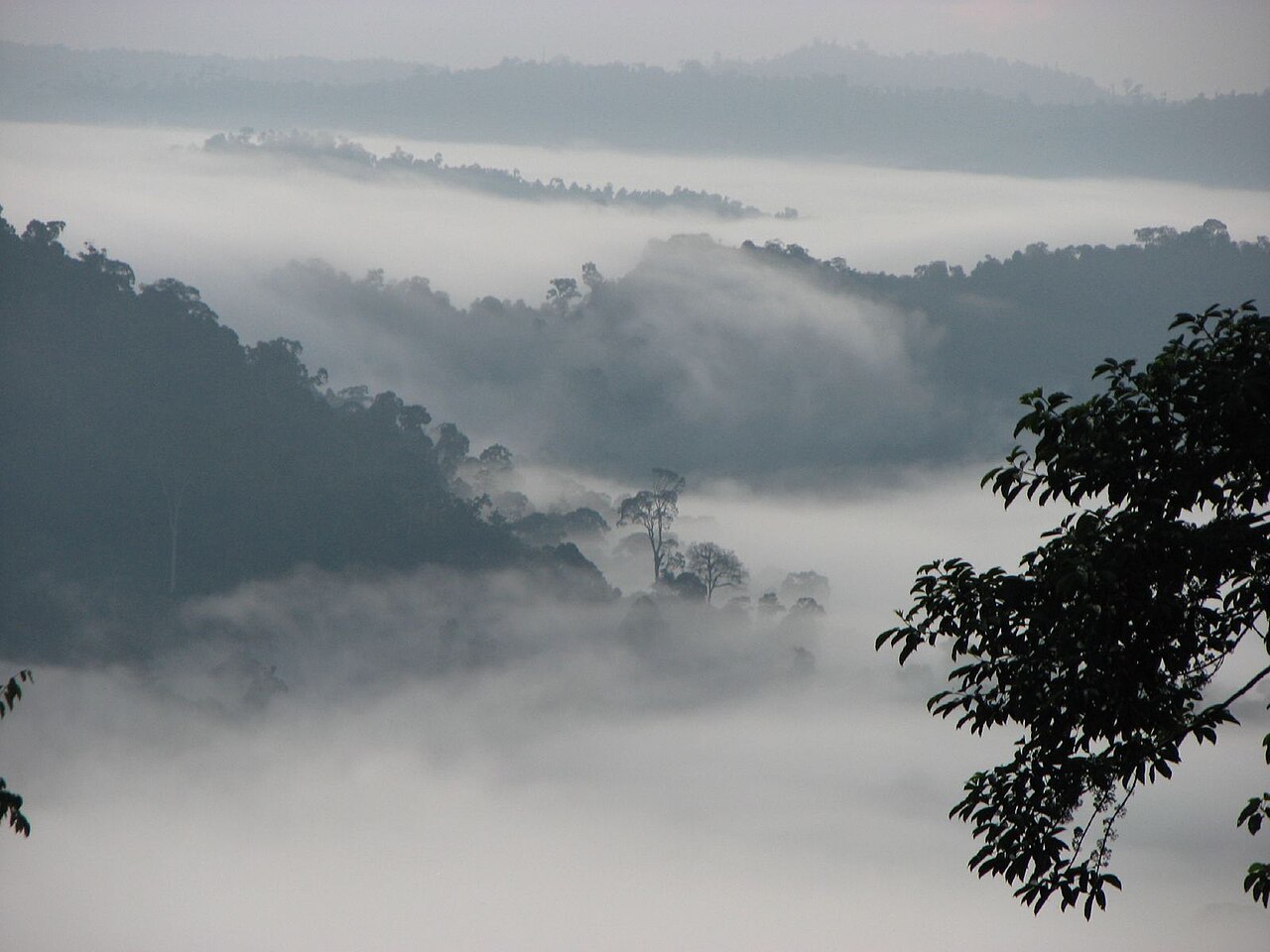
Photo: Rob and Stephanie Levy
Why it matters
Life on land rests on a thin living layer of soil, plants and animals.
Forests, grasslands, wetlands and deserts are home to most of the animals and plants on land. Together they make soil, pollinate crops and keep fresh water moving, and almost all our food depends on it. This page explains how life on land works, how it is doing and what helps.
In this guide: why life on land matters, its wildlife, its state and what helps.- ≈ 1/3
of the land is covered by forest, home to most land animals and plants.
Deforestation → - 75%+
of food crops, and nearly 90% of wild flowering plants, rely on animal pollinators.
Pollination → - 1,000 yrs
to make one centimetre of soil, and 95% of our food grows in it.
How soil forms →
Wild places
Great ecosystems and World Heritage sites
Rainforests, savannas, deltas and mountains, and the species people record most in each.
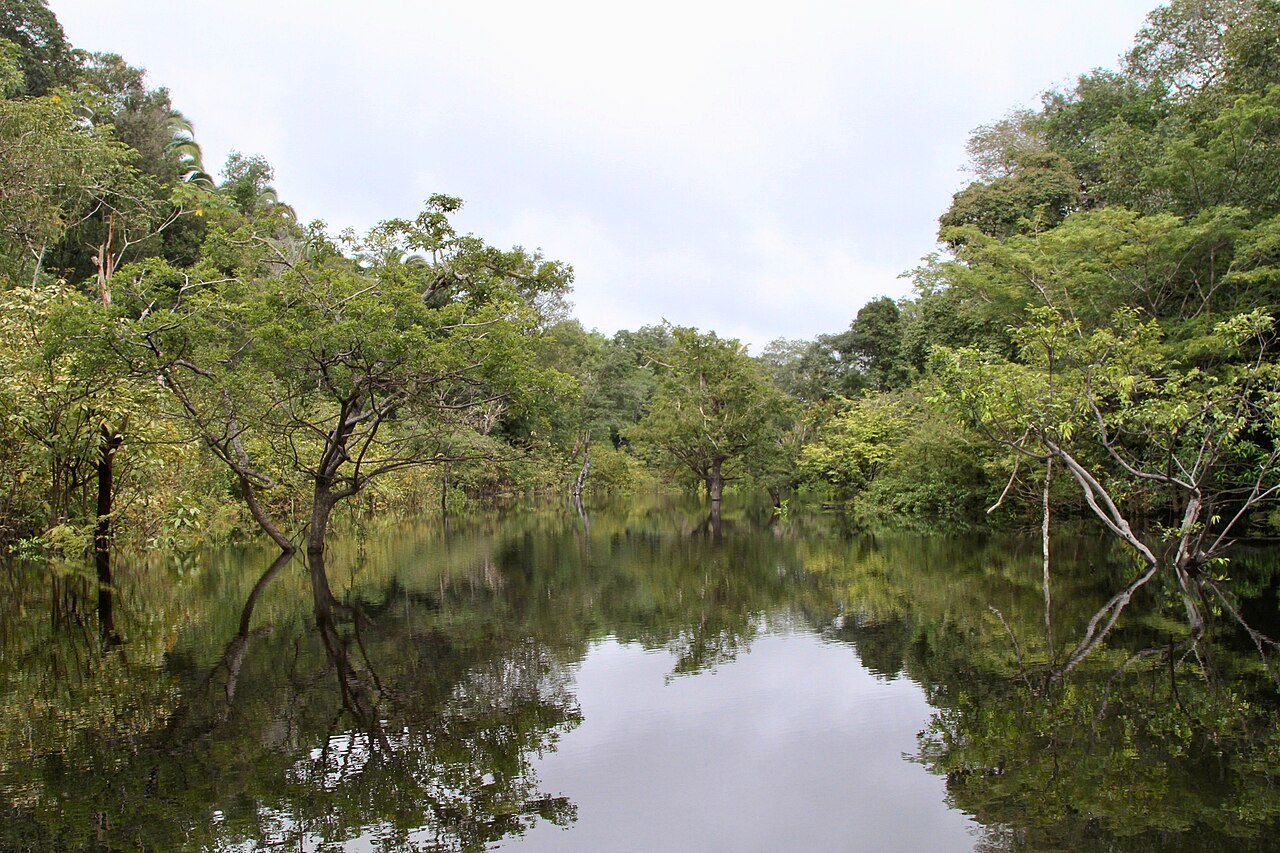
- Amazon rainforestWhat lives in the Amazon rainforest, who eats whom, and what threatens it: the species people record most,…
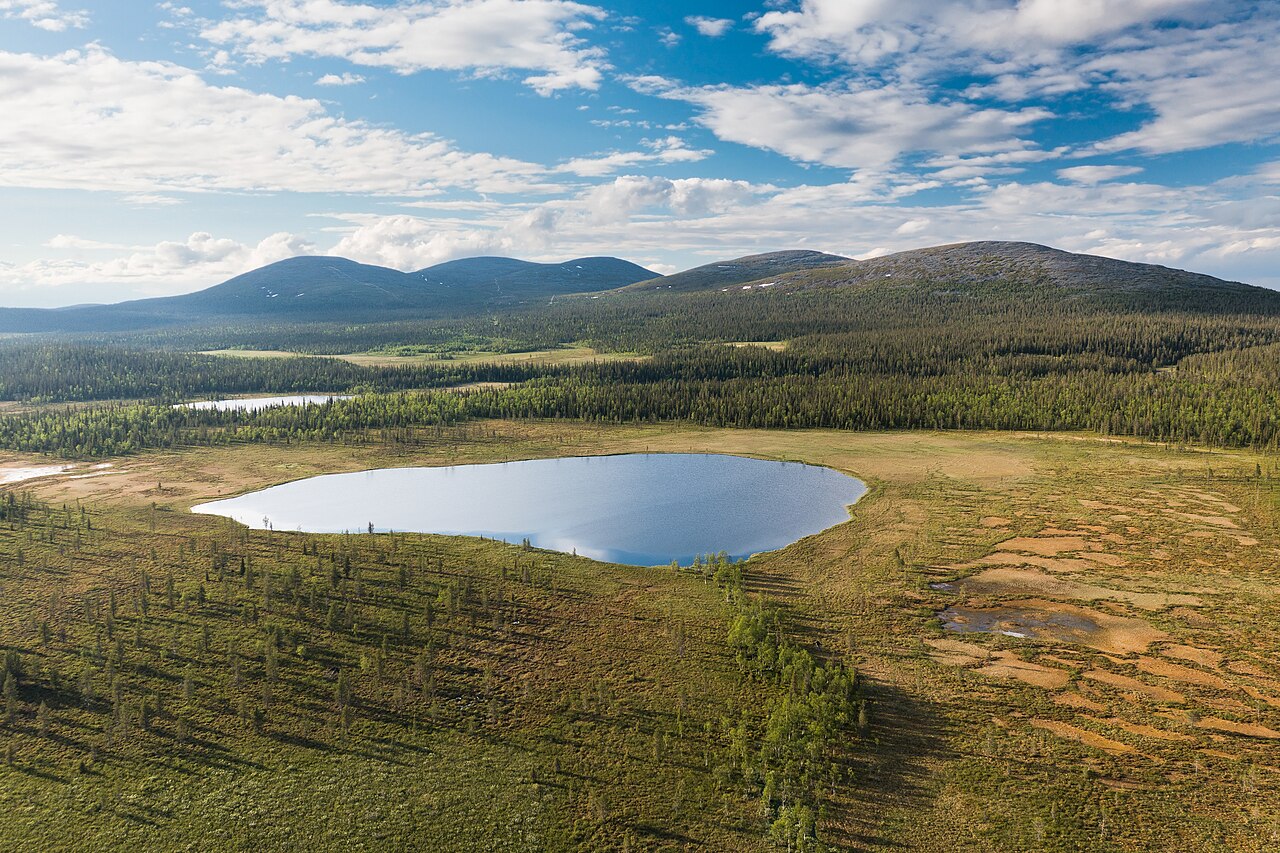 Boreal forestThe mammals, birds and plants people record most in the boreal forest, or taiga, how they feed on each…
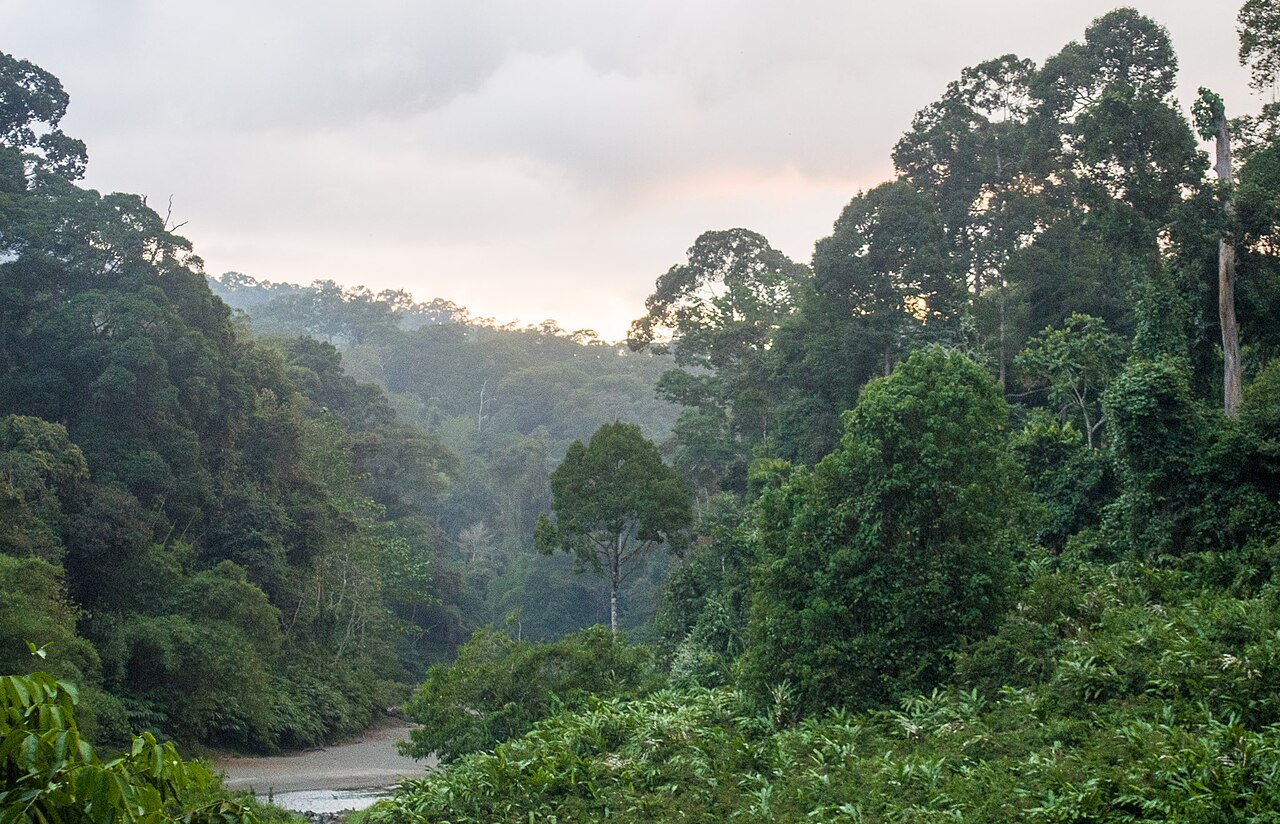 Borneo rainforestThe animals and plants people record most in the rainforests of Borneo, from hornbills and proboscis…
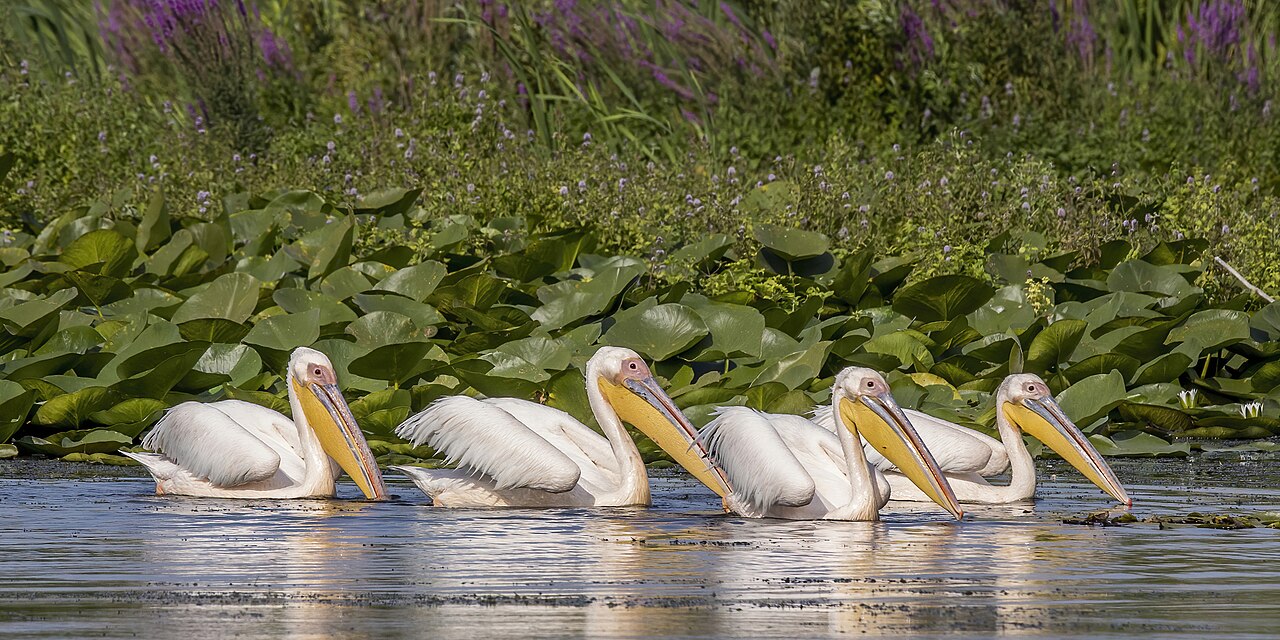 Danube DeltaThe birds, fish and plants people record most in the Danube Delta, Europe's largest and best-preserved…
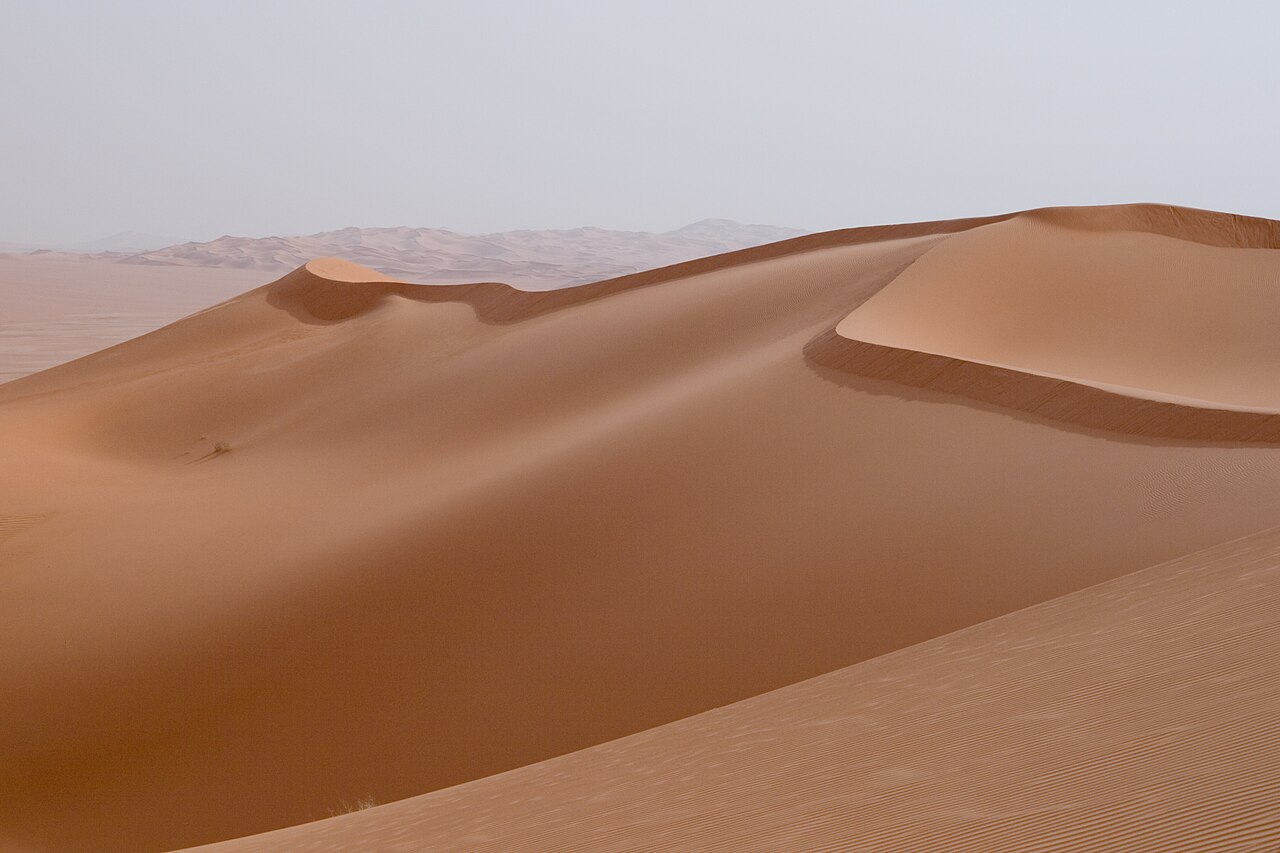 DesertsThe reptiles, mammals, birds and plants people record most in deserts, how they feed on each other, and…
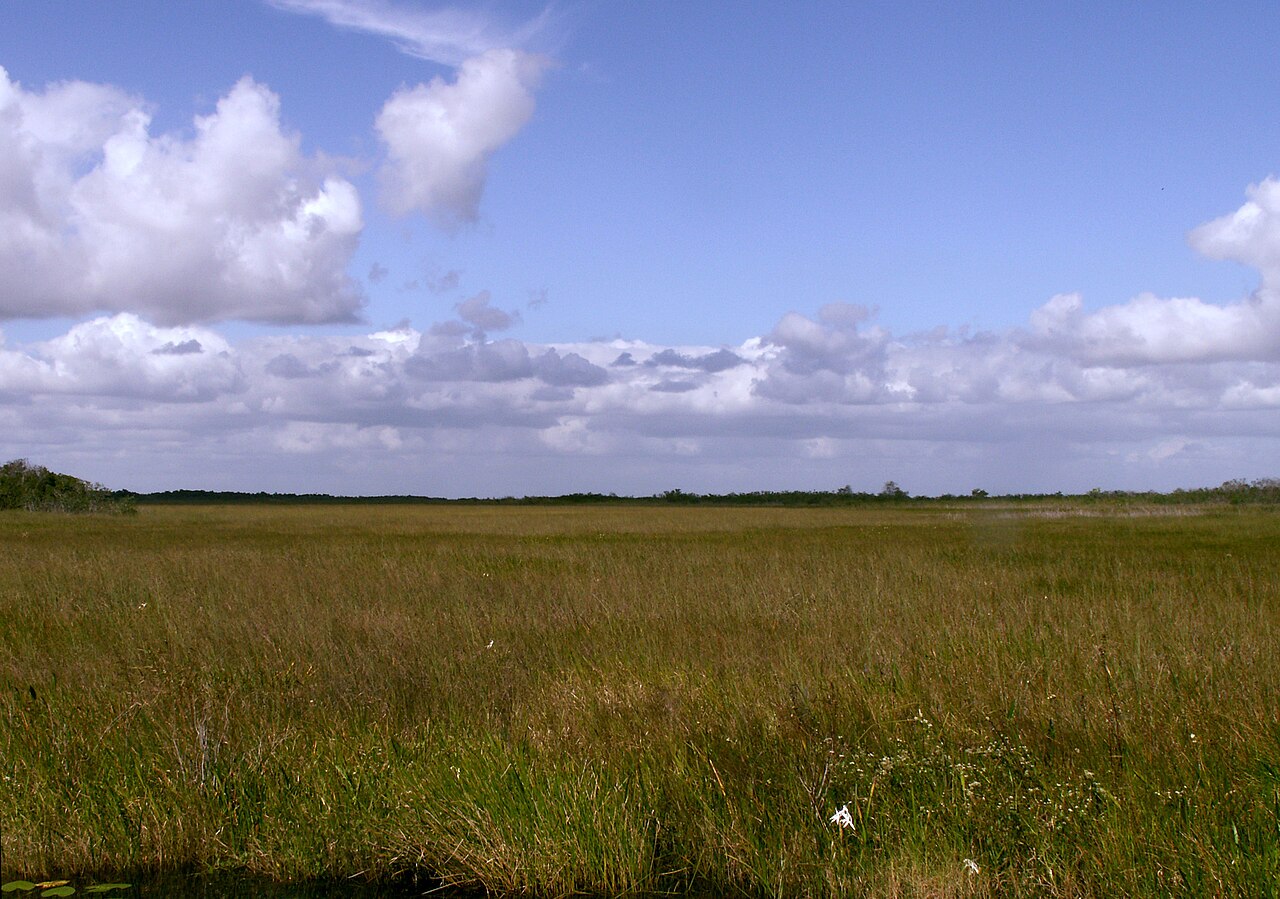 EvergladesThe animals and plants people record most in the Everglades, who eats whom in its unbroken food chain, and…
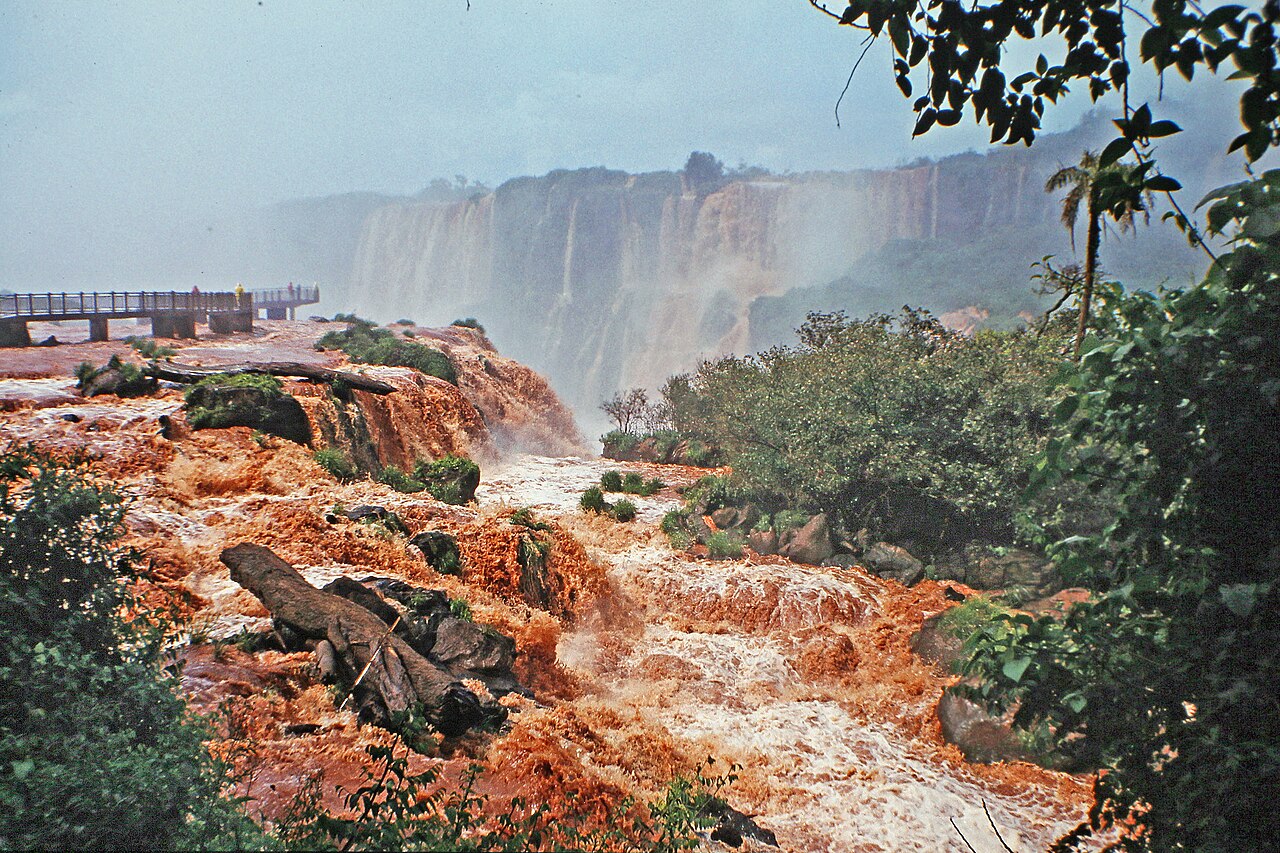 Iguazú FallsThe animals people record most around the Iguazú Falls, from toucans and coatis to butterflies, who eats…
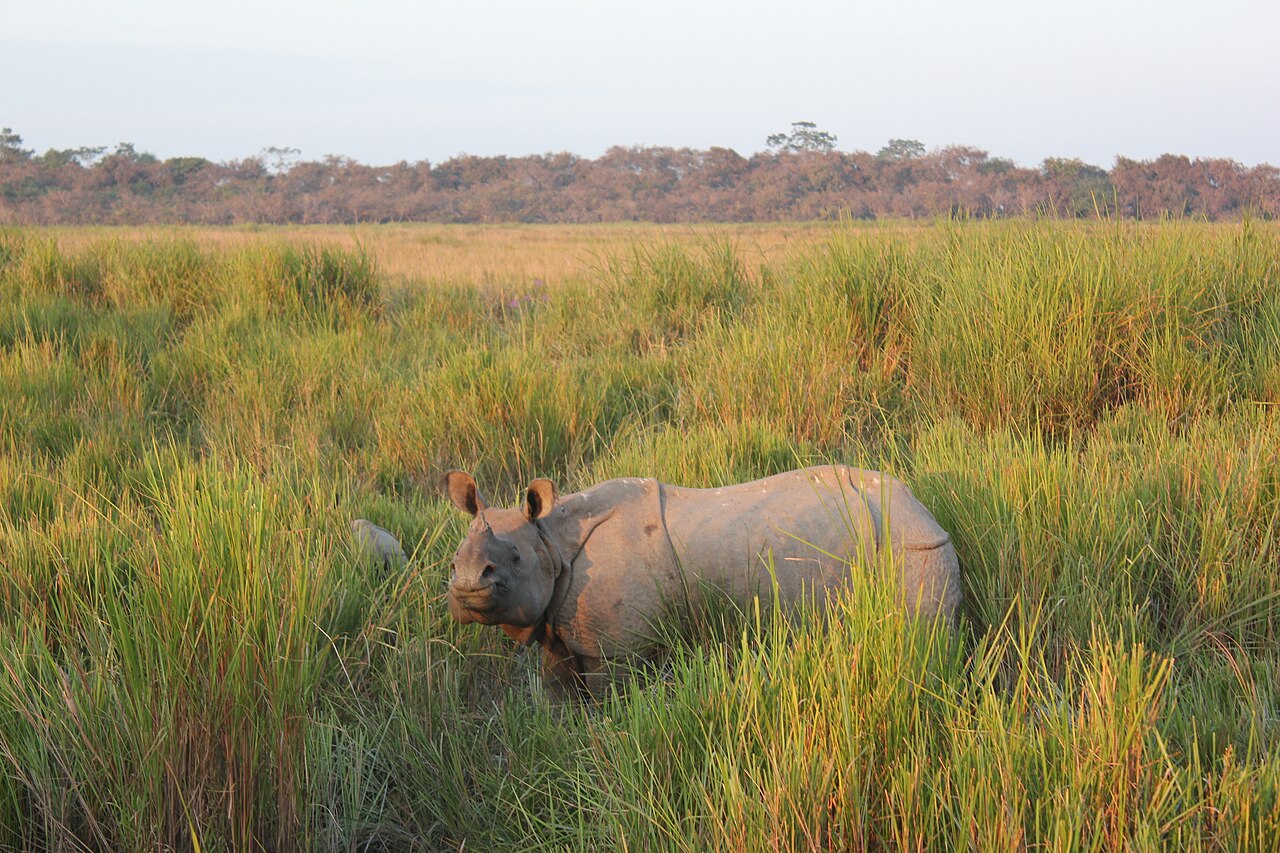 KazirangaThe animals and plants people record most in Kaziranga, home to the largest population of one-horned…
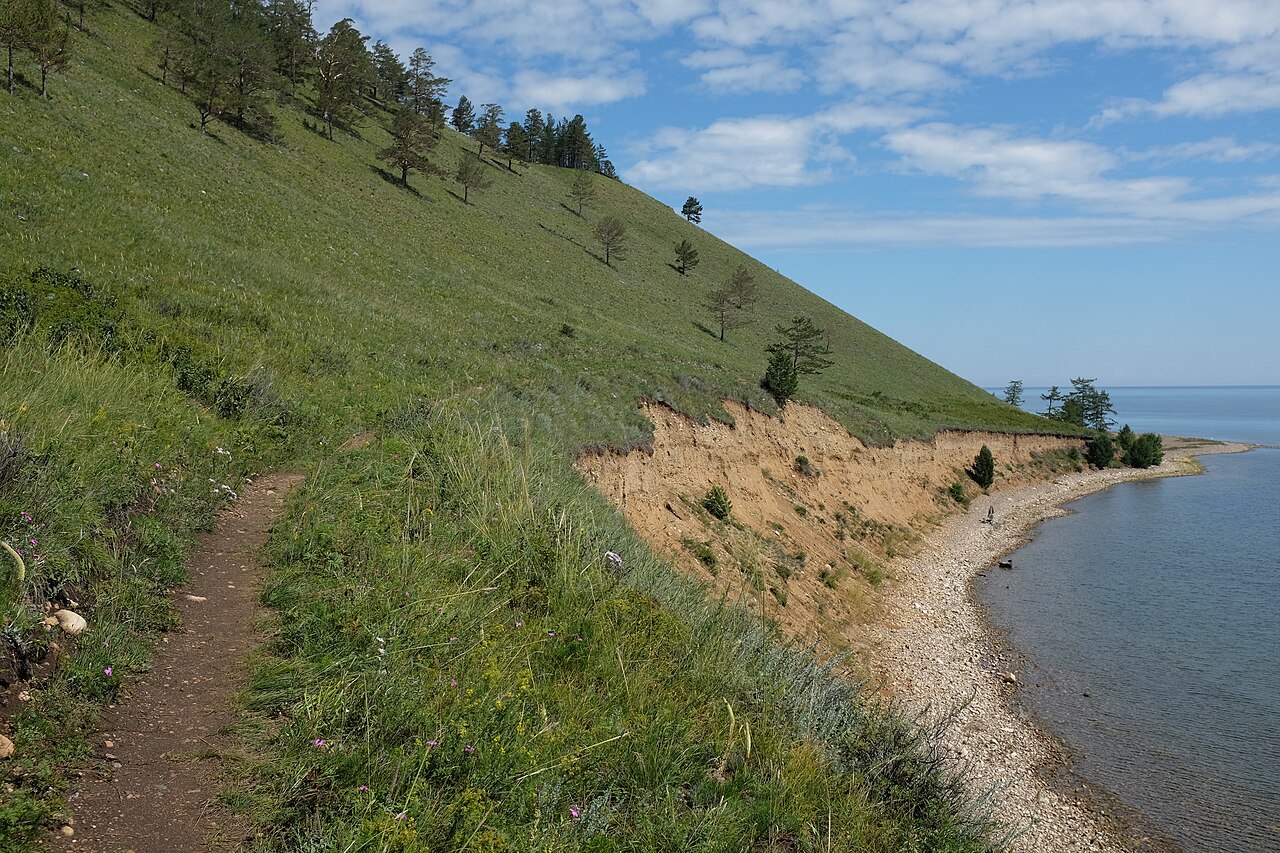 Lake BaikalThe animals and plants people record most at Lake Baikal, the oldest and deepest lake on Earth, who eats…
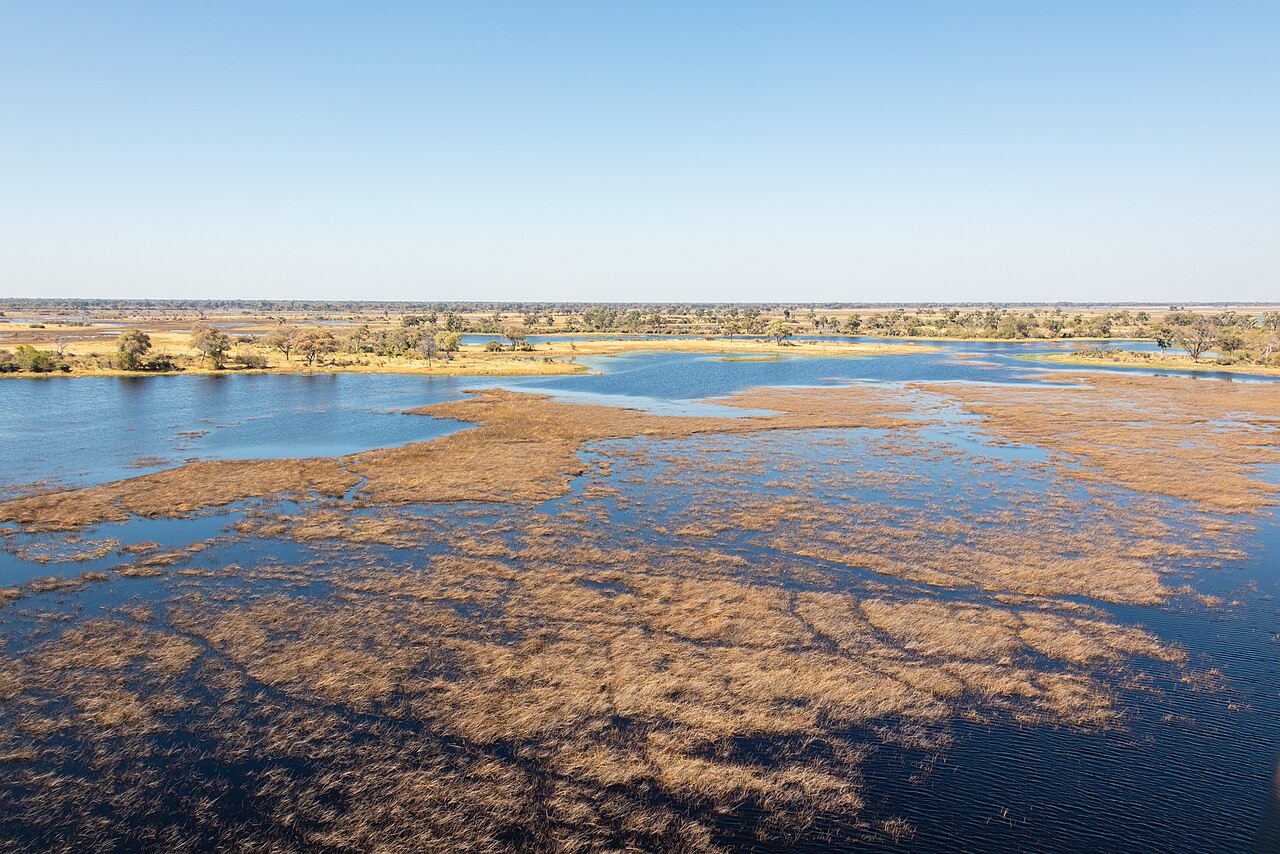 Okavango DeltaThe animals and plants people record most in Botswana's Okavango Delta, who eats whom, and why the flood…
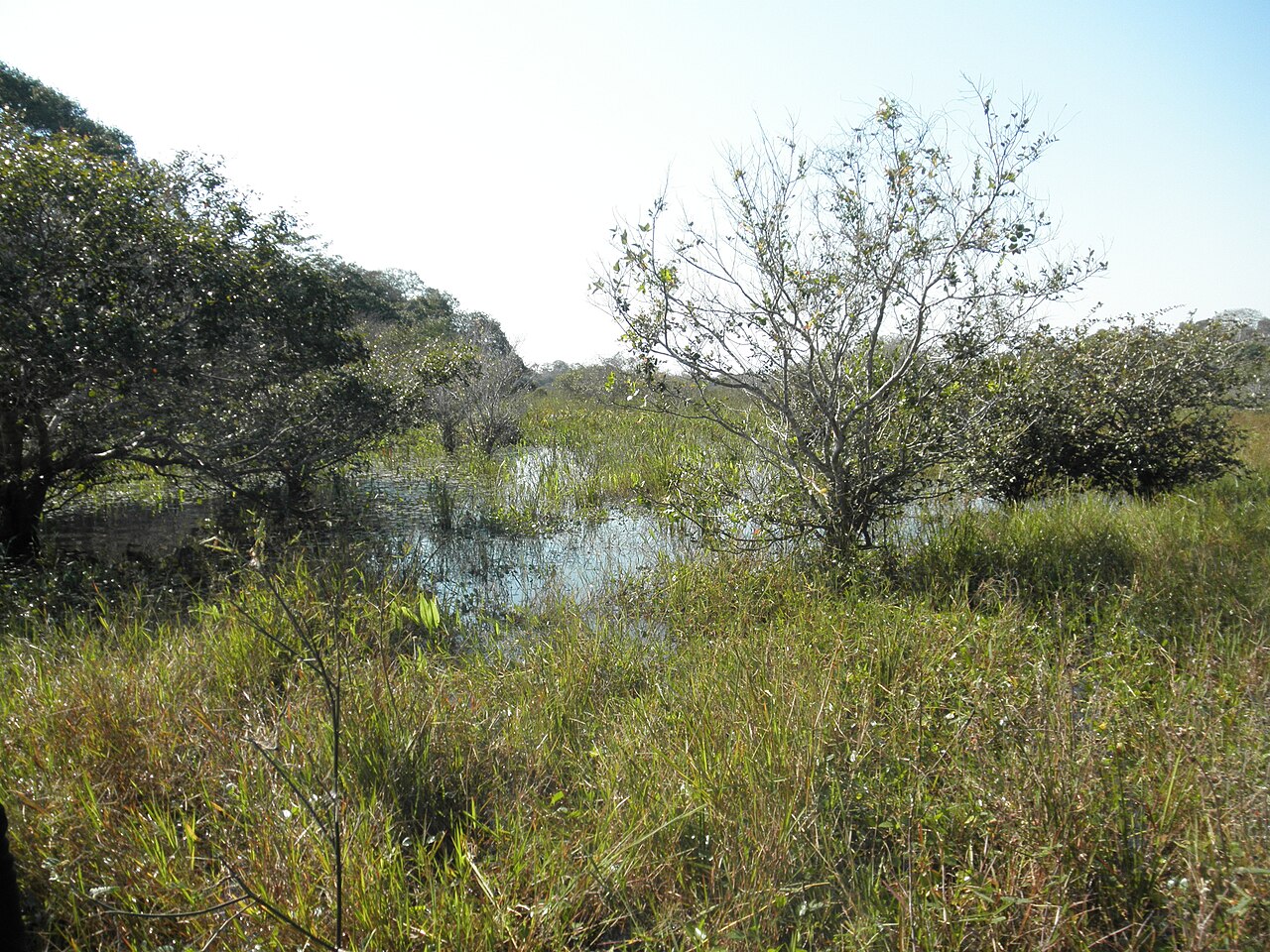 PantanalThe animals and plants people record most in the Pantanal, one of the world's largest freshwater wetlands,…
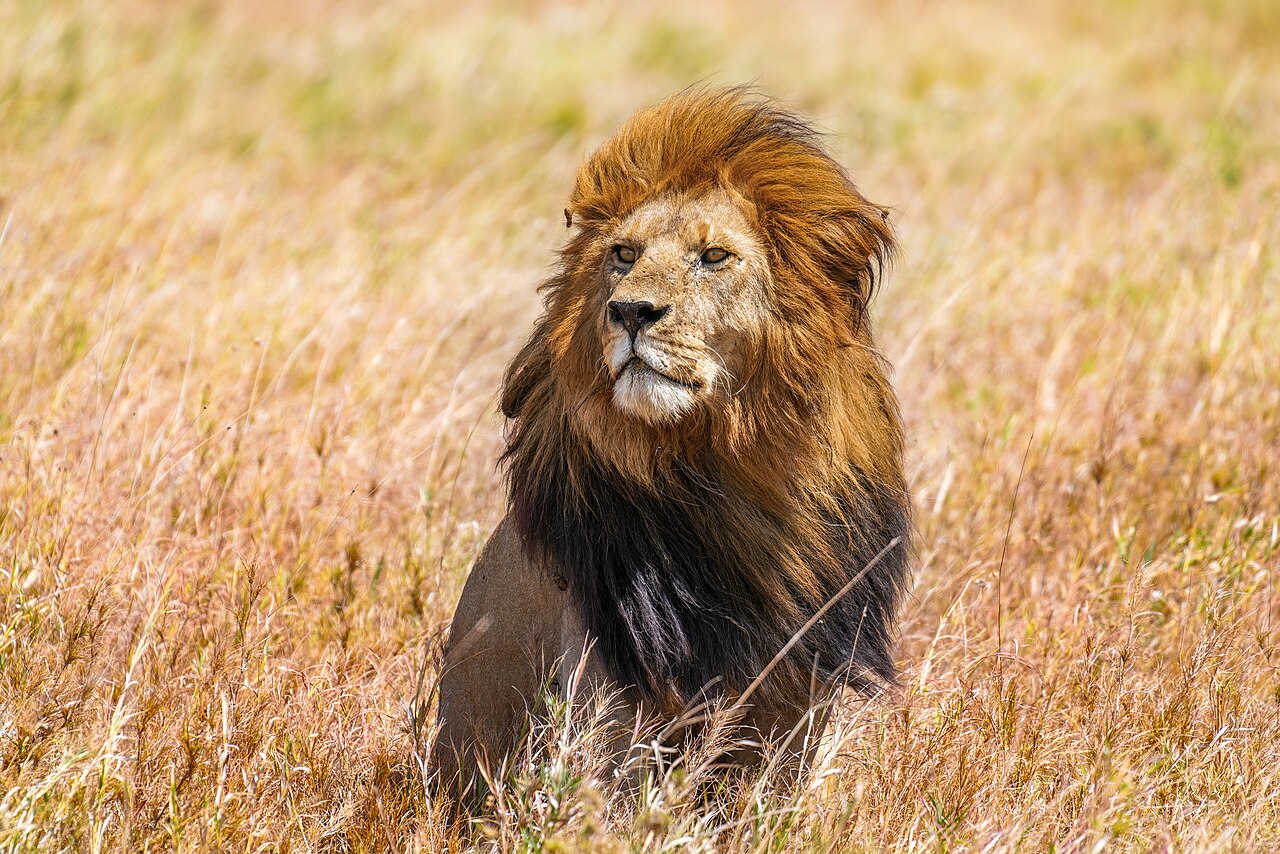 SavannasThe mammals, birds and reptiles people record most on the African savanna, how they feed on each other,…
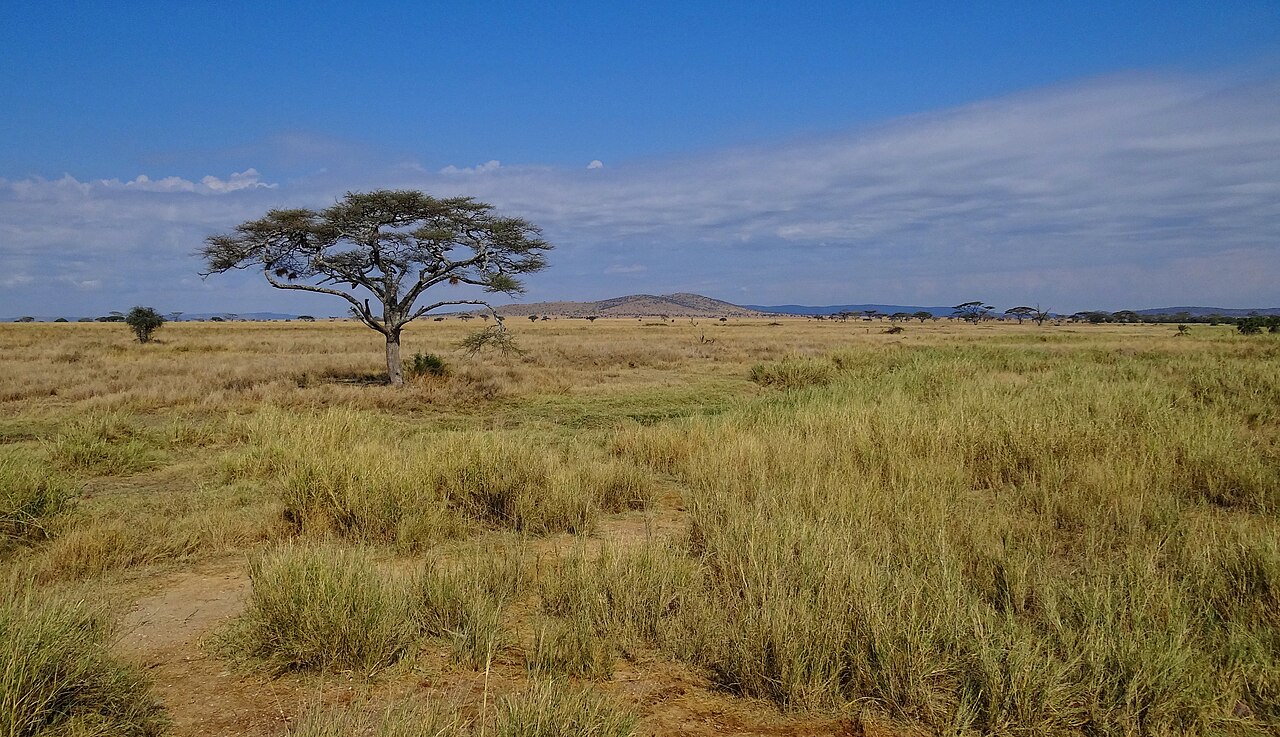 SerengetiThe animals people record most in the Serengeti and Maasai Mara, who eats whom on the savanna, and what…
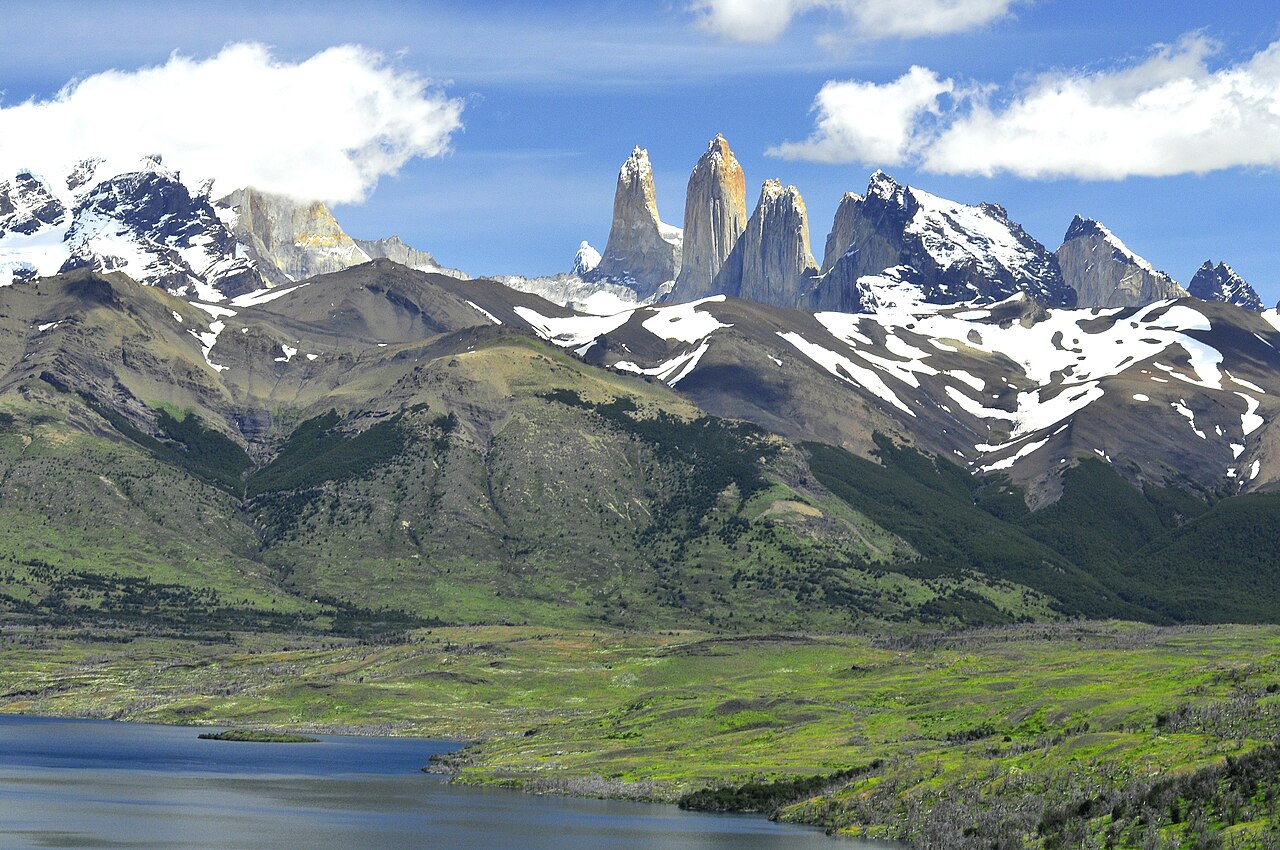 Torres del PaineThe animals and plants people record most in Torres del Paine in Chilean Patagonia, from guanacos and…
- Tropical rainforestsThe mammals, birds, frogs and insects people record most in tropical rainforests, how they feed on each…
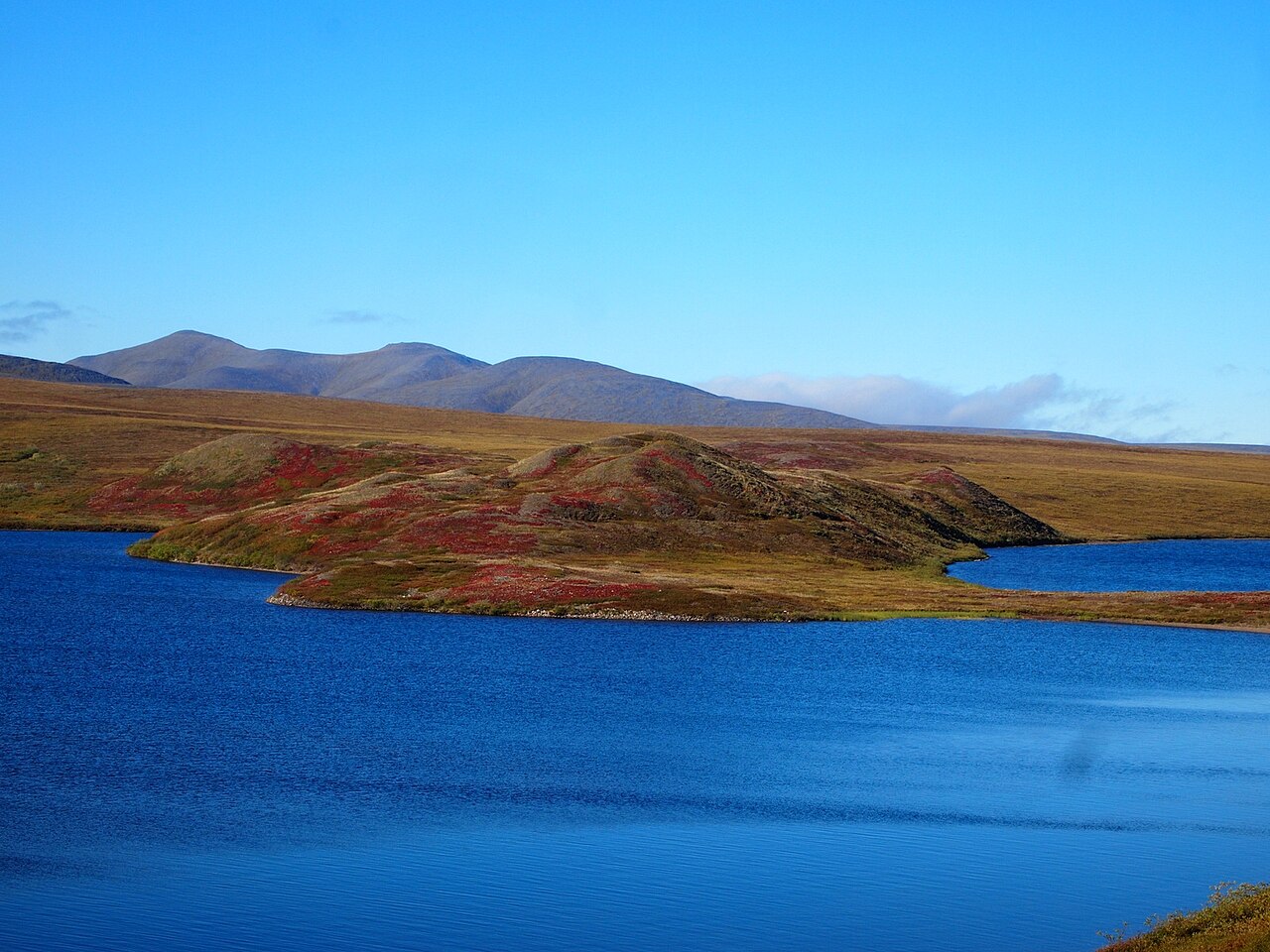 TundraThe animals and plants people record most on the Arctic tundra, how they feed on each other, and how…
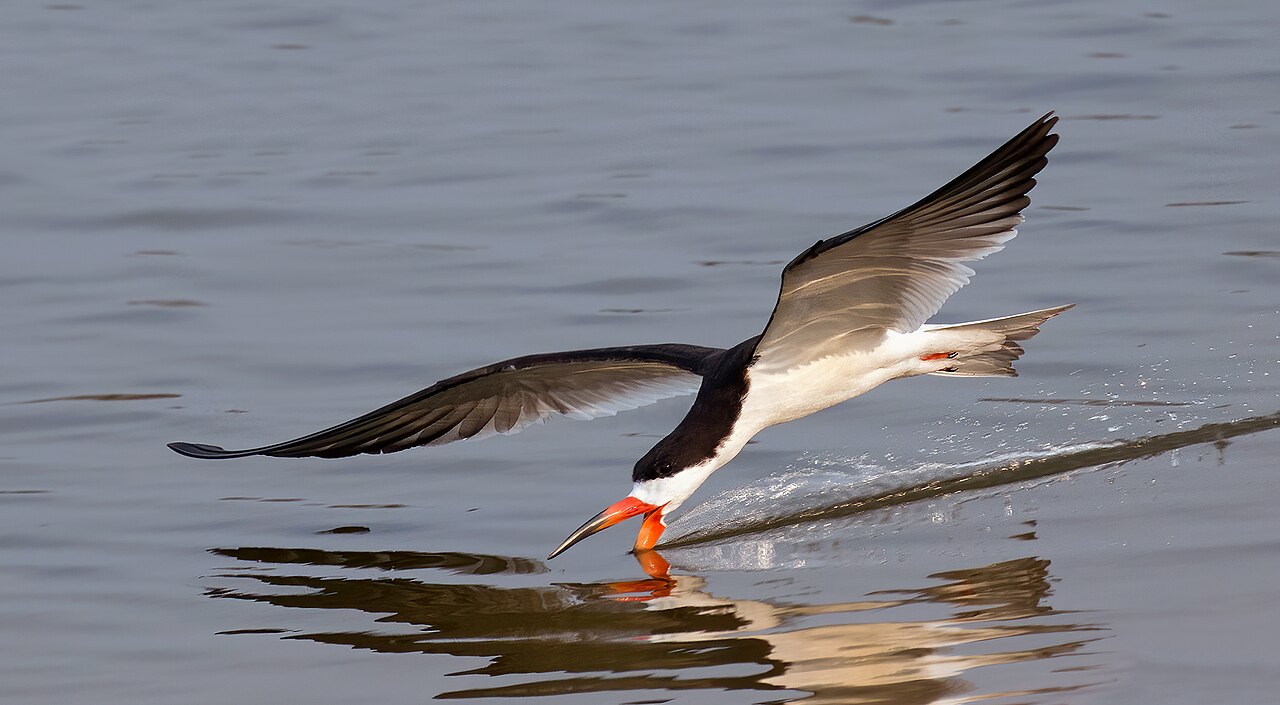 WetlandsThe birds, mammals, reptiles and fish people record most in great wetlands, how they feed on each other,…
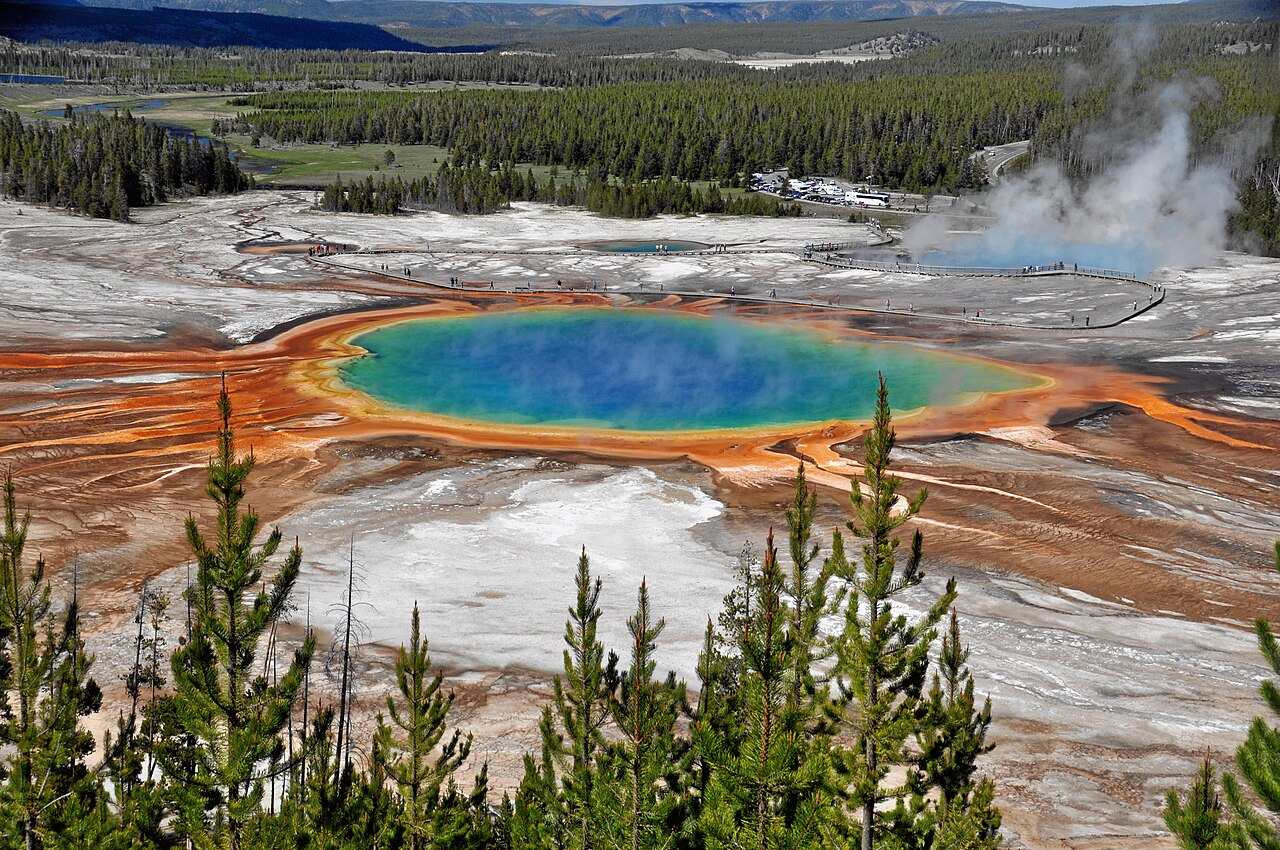 YellowstoneThe animals people record most in Yellowstone National Park, from bison and elk to bears, who eats whom,…
Wildlife
From big cats to bees
The great predators and grazers of the land, and the small creatures that keep it running. Choose one to see where it lives, what it eats and how it is doing.
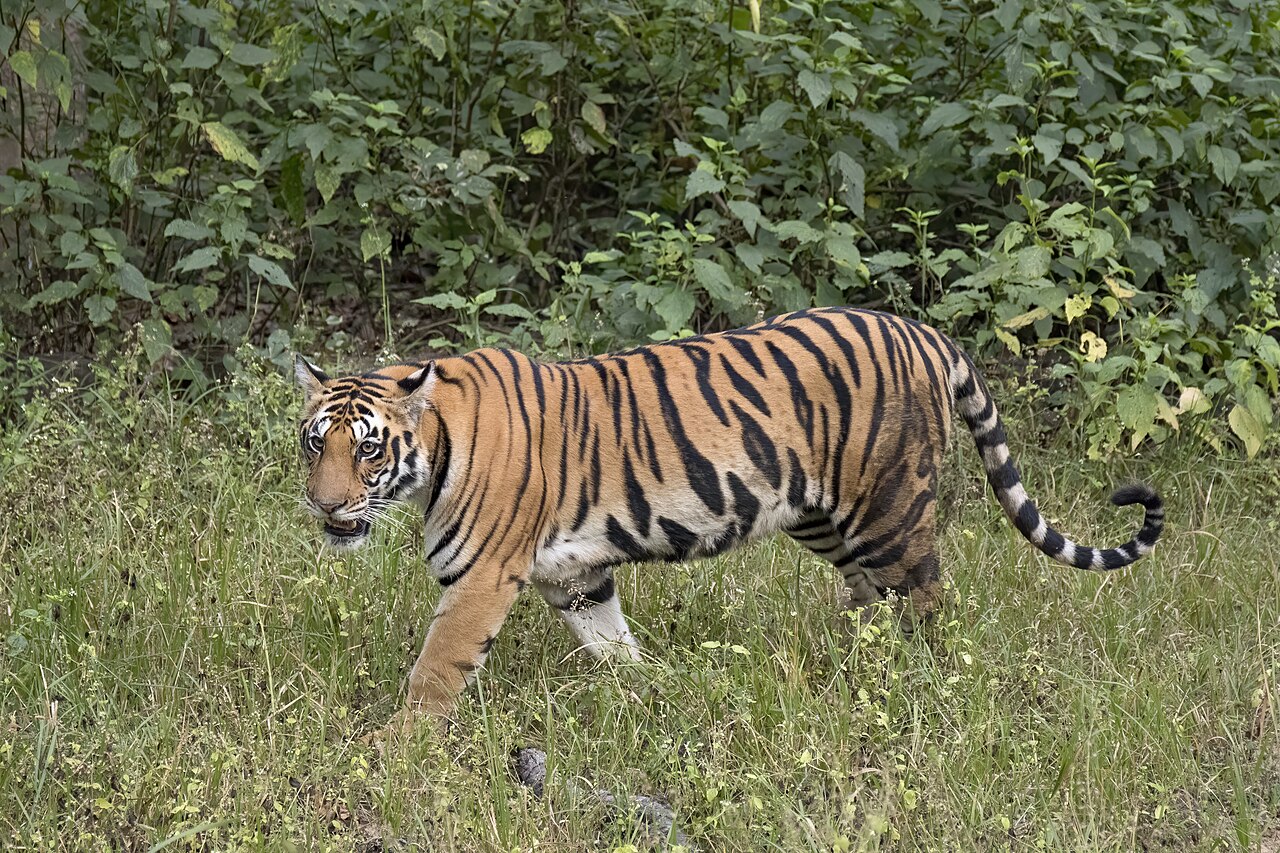 TigerPanthera tigris
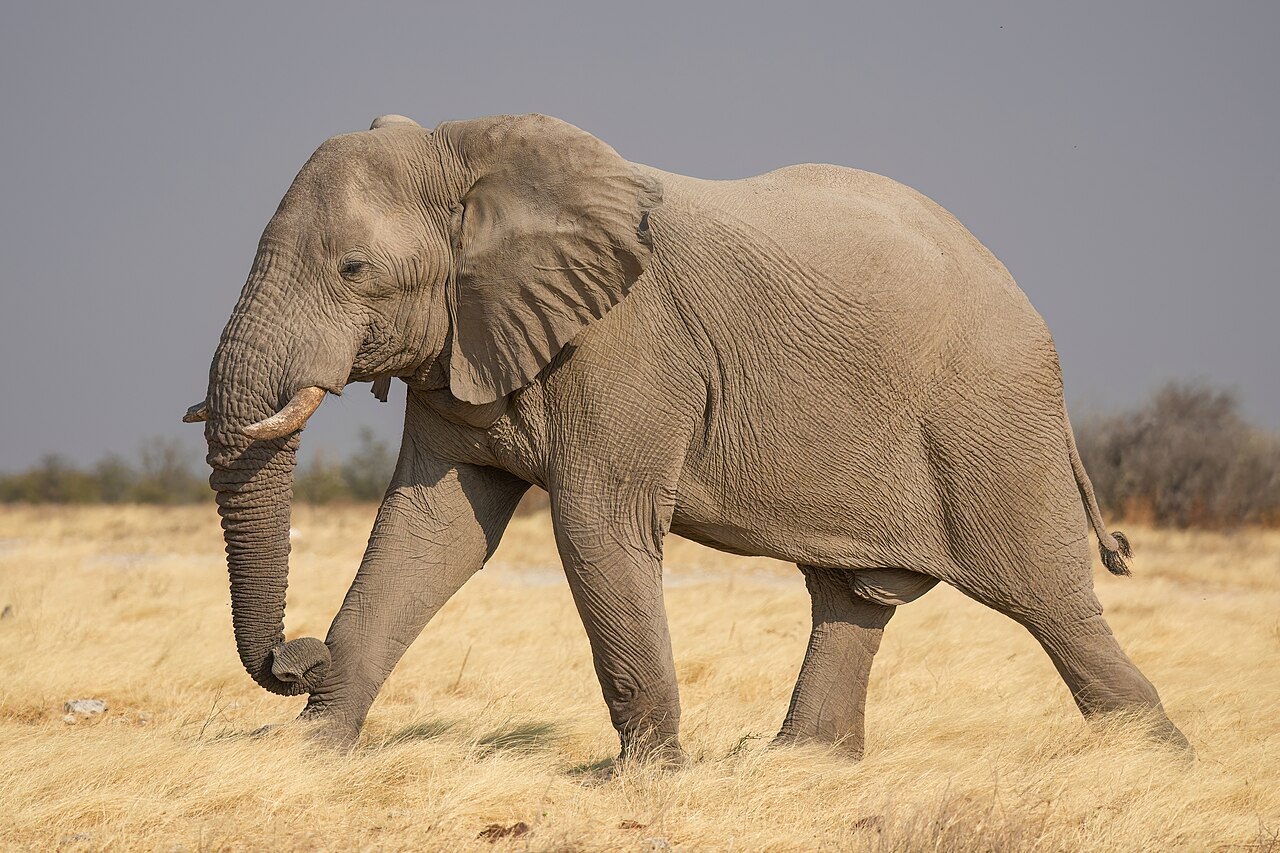 African savanna elephantLoxodonta africana
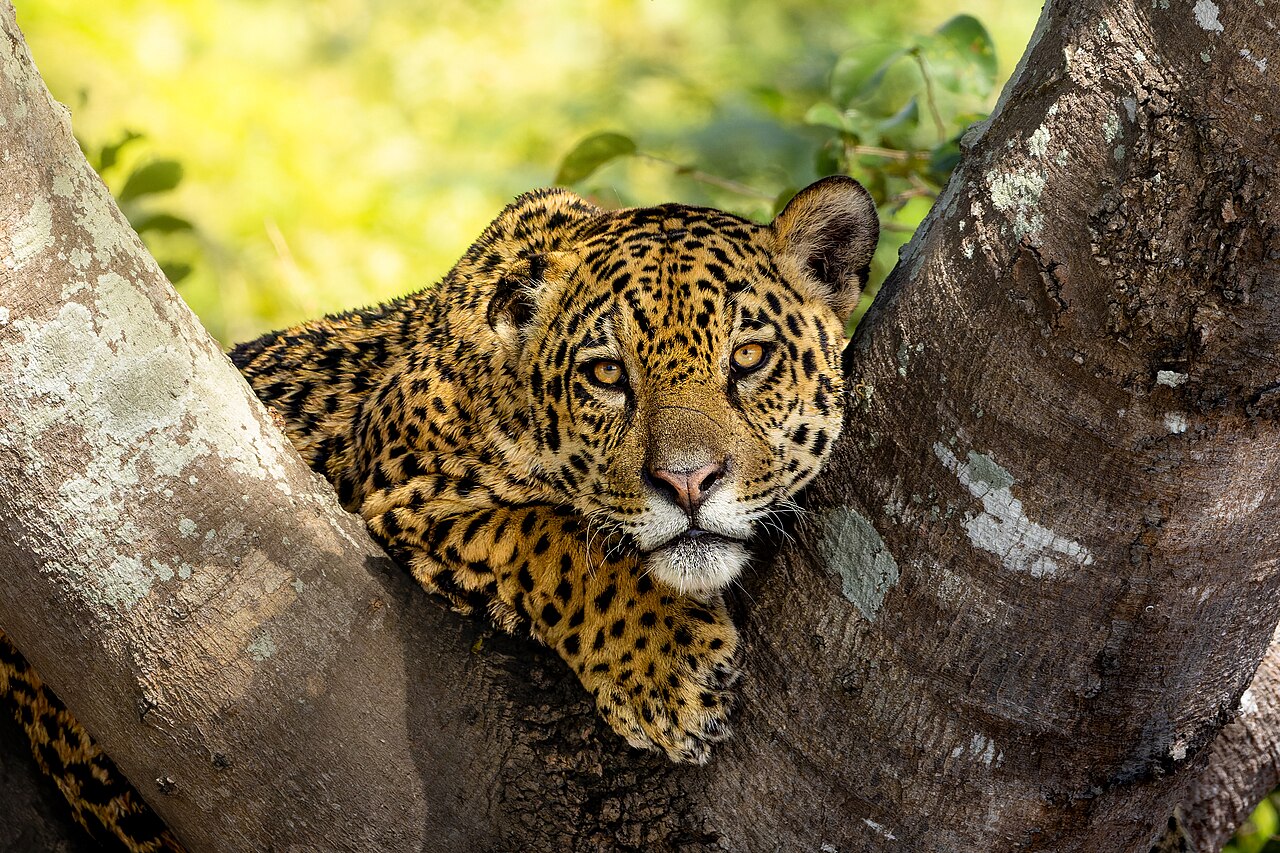 JaguarPanthera onca
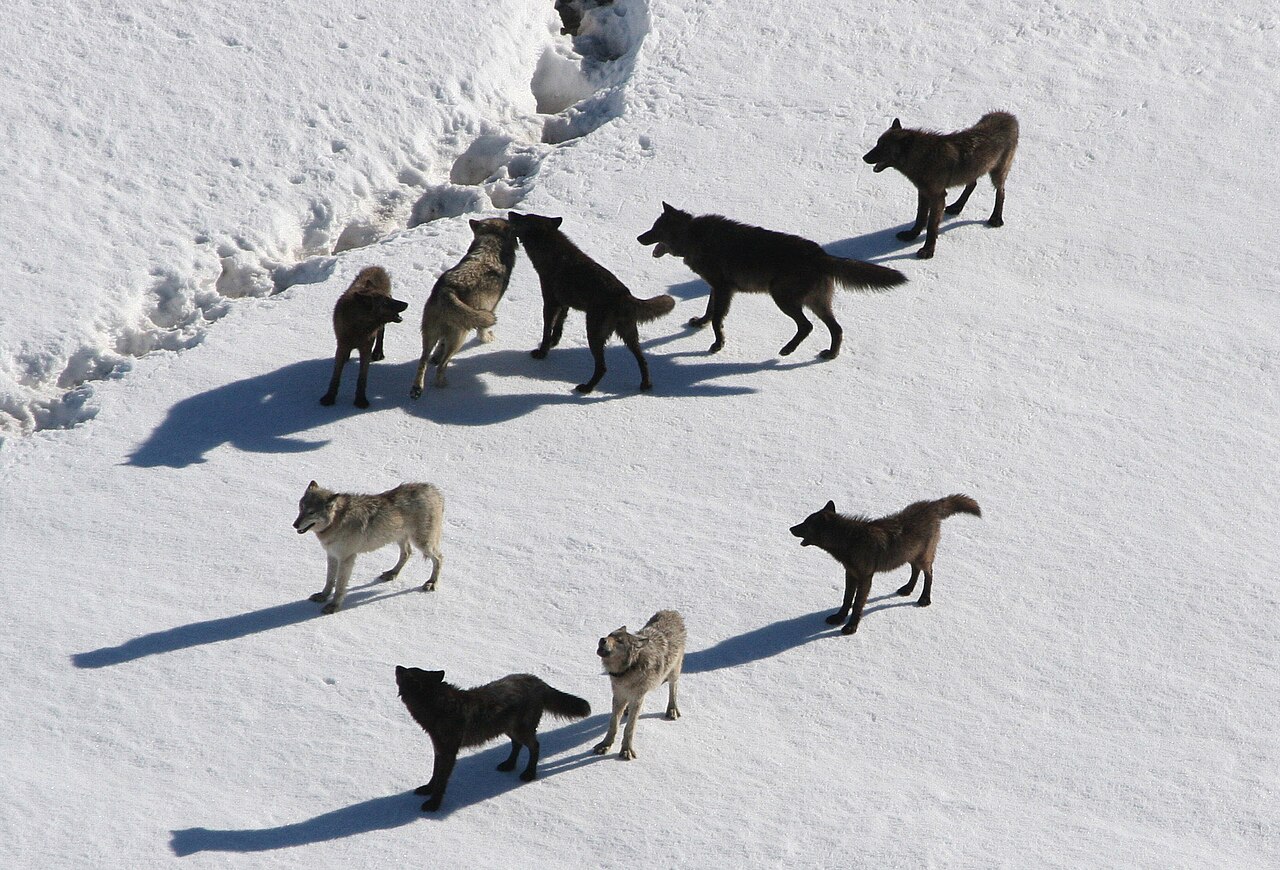 Gray wolfCanis lupus
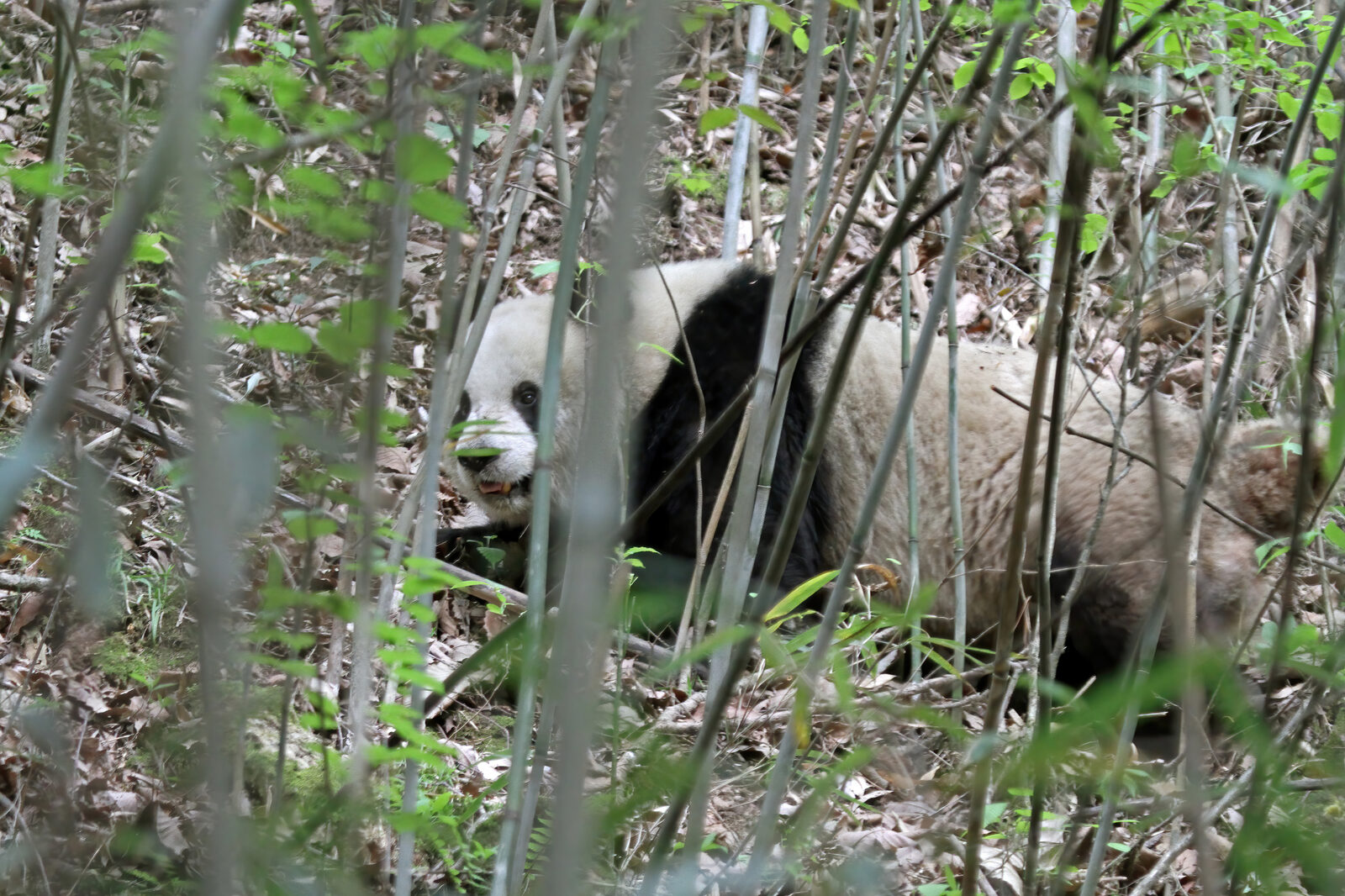 Giant pandaAiluropoda melanoleuca
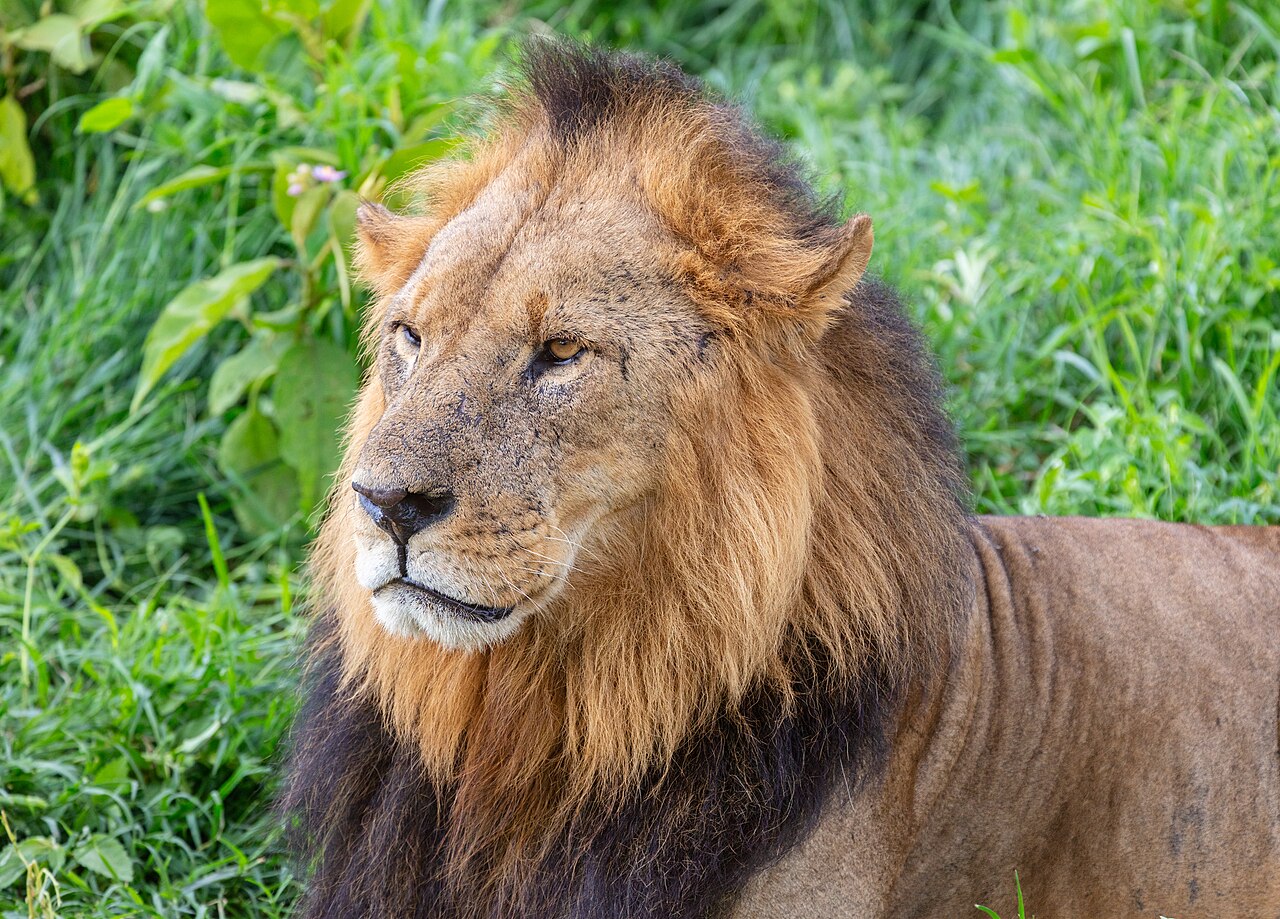 LionPanthera leo
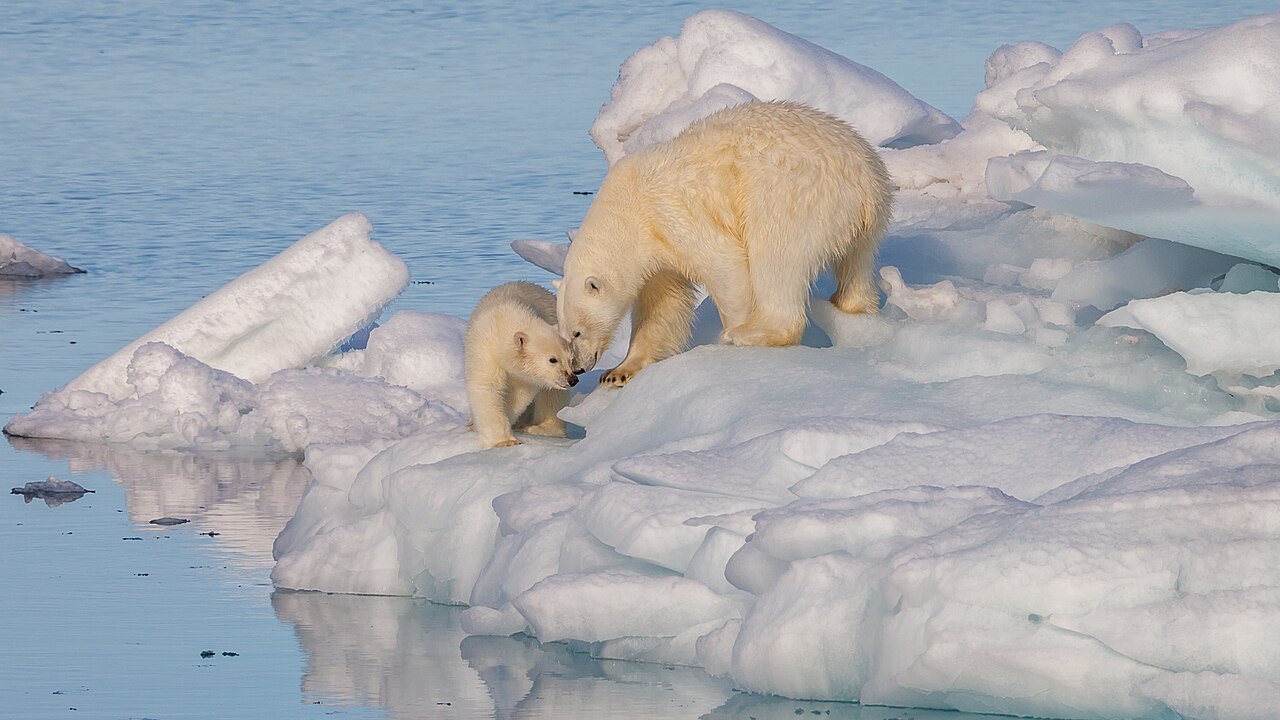 Polar bearUrsus maritimus
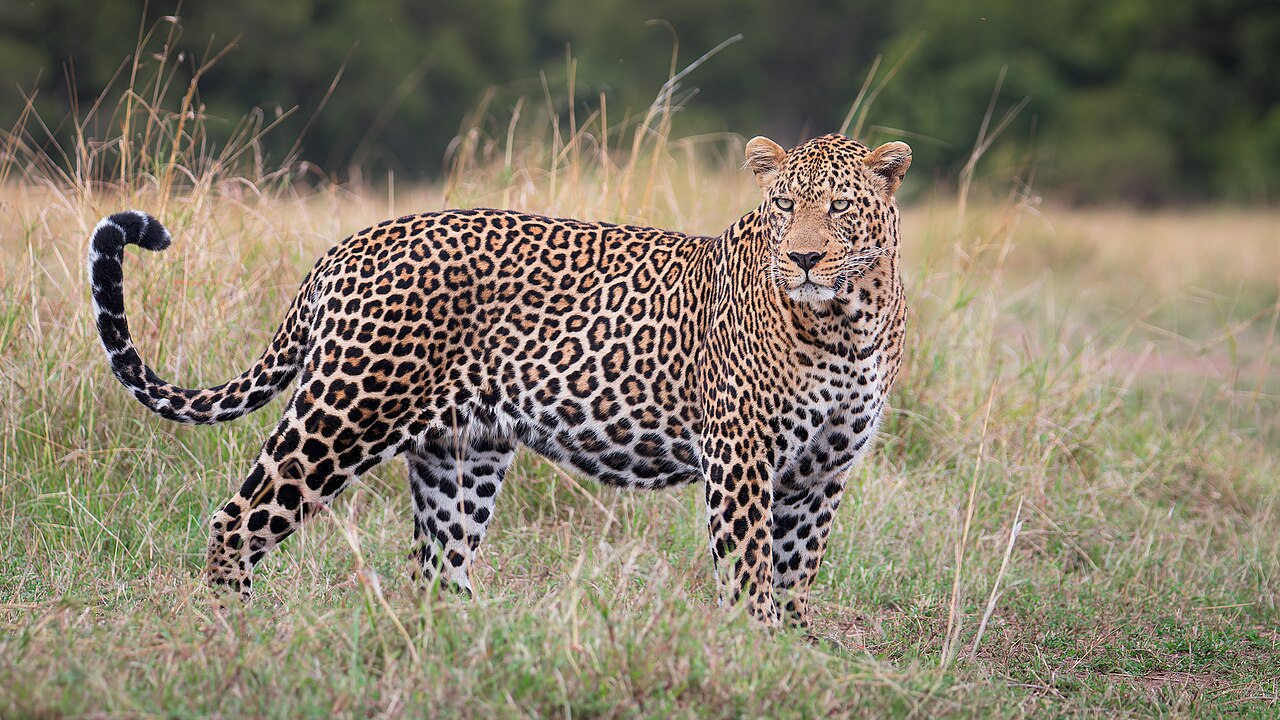 LeopardPanthera pardus
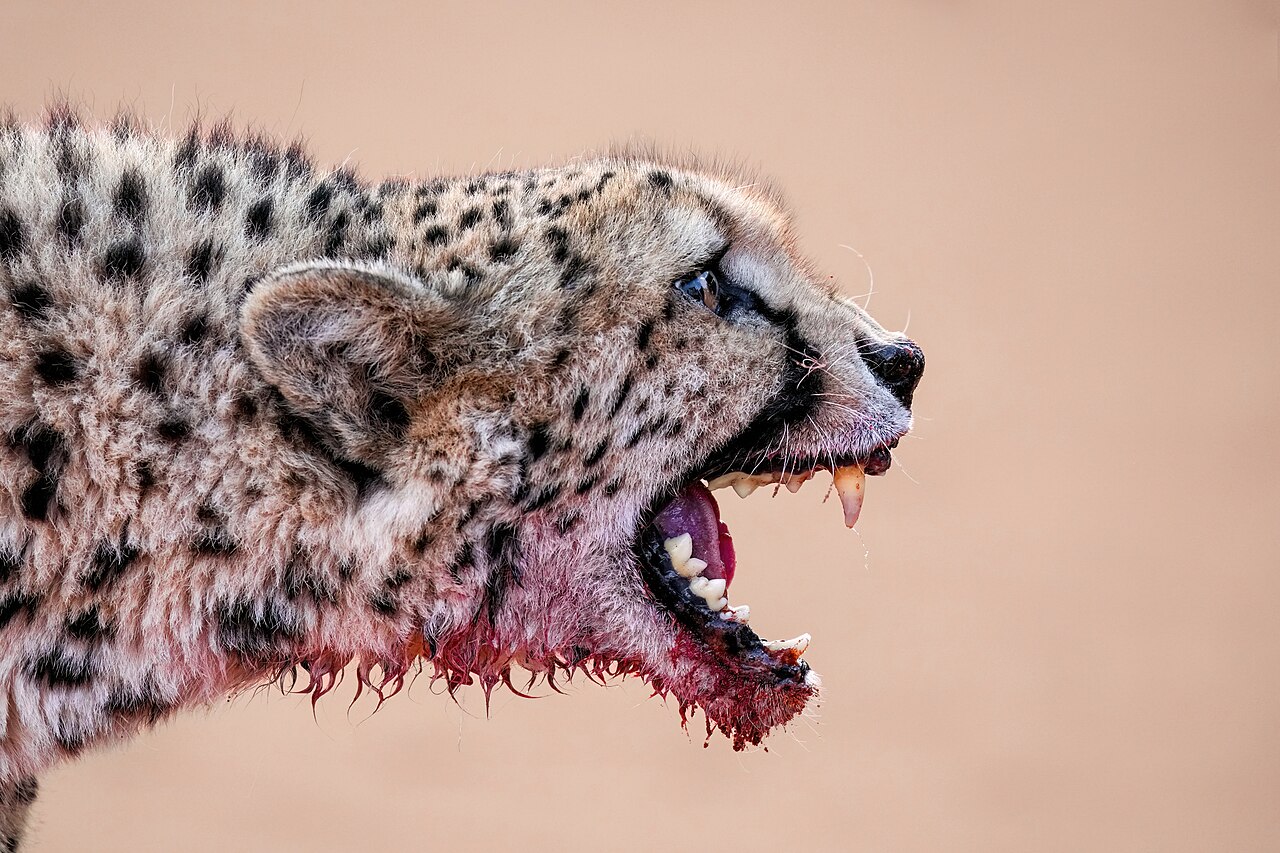 CheetahAcinonyx jubatus
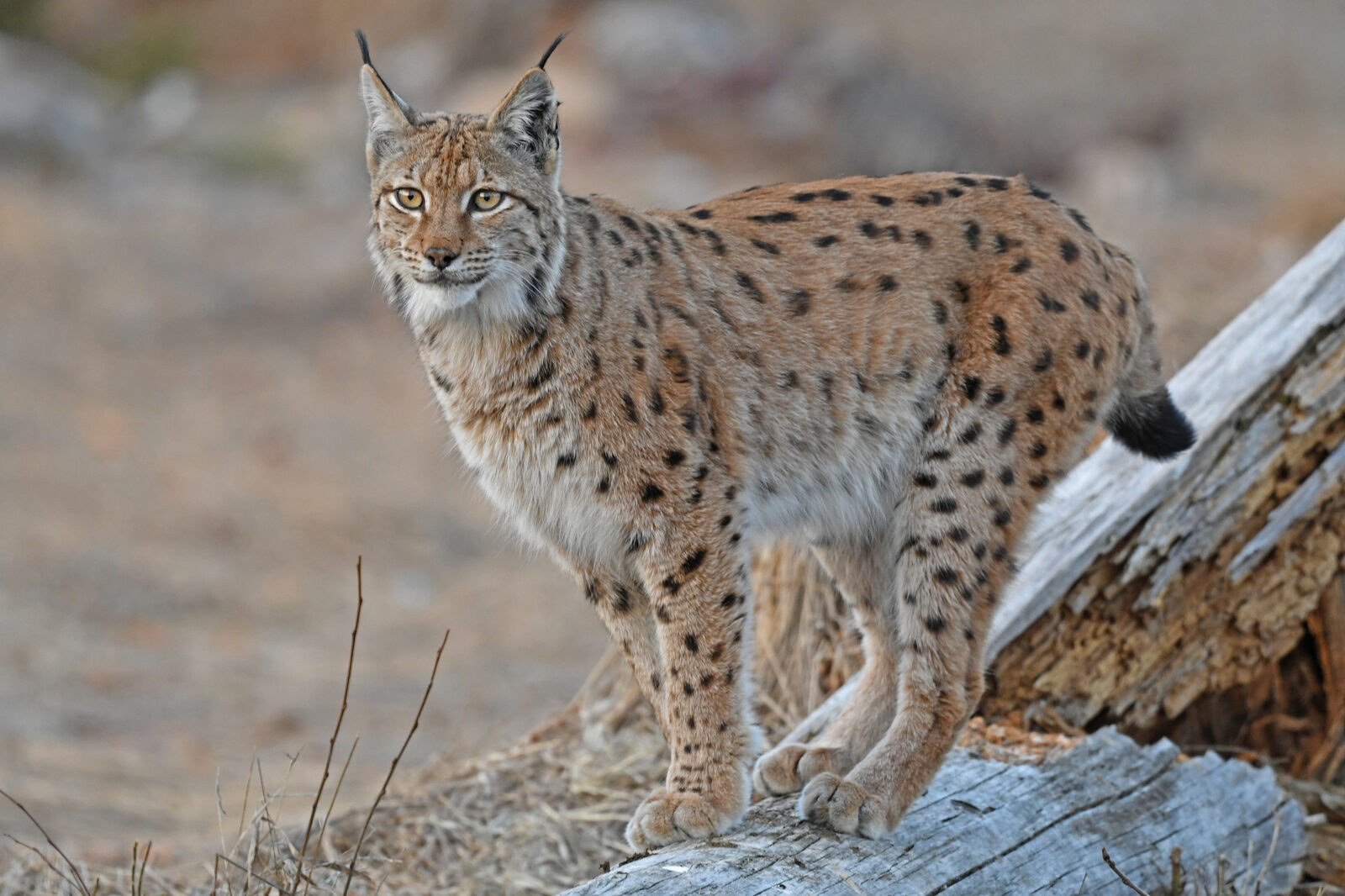 Eurasian lynxLynx lynx
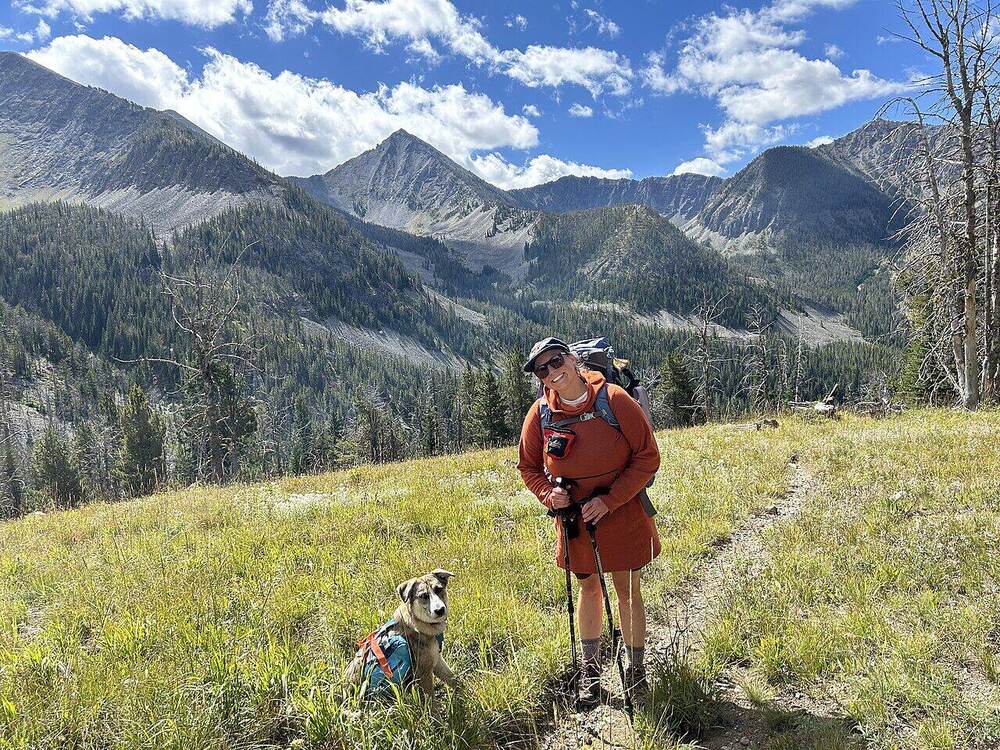
People and nature
Wild places are closer than you think
Every city on 4PLANET Atlas lists the nature places and marked walks closest to it, and what you can see there each month.
Start near home: find what lives around you, then follow it to the places where it thrives.
Find nature near your city →Watch
Films to watch
Documentaries from 4PLANET FILMS. Each page has the trailer and where to watch the film.
 The TerritoryThe Uru-eu-wau-wau people confront deforestation and encroachment in the Brazilian Amazon while taking control of how their story is recorded.
 YANUNIIndigenous leader Juma Xipaia defends Xipaya territory in the Brazilian Amazon as illegal mining, politics and climate justice collide.
 Kiss the GroundScientists, farmers and advocates explore regenerative agriculture and soil restoration as tools for rebuilding ecosystems, food systems and climate resilience.
 TakaynaA journey into Tasmania’s takayna / Tarkine, where rainforest, Aboriginal heritage, mining and logging pressures meet a campaign for permanent protection.
 The Ivory GameAn investigation into the illegal ivory trade, following activists and investigators across networks connecting elephant poaching to international trafficking.
 TreelineSkiers, snowboarders, scientists and cultural practitioners travel through ancient forests in Japan, British Columbia and Nevada to understand the lives of trees.
 Breaking Boundaries: The Science of Our PlanetJohan Rockström and David Attenborough explain the planetary-boundaries framework, the risks of destabilising Earth systems and the space in which humanity can still act.
How it works
How nature works on land
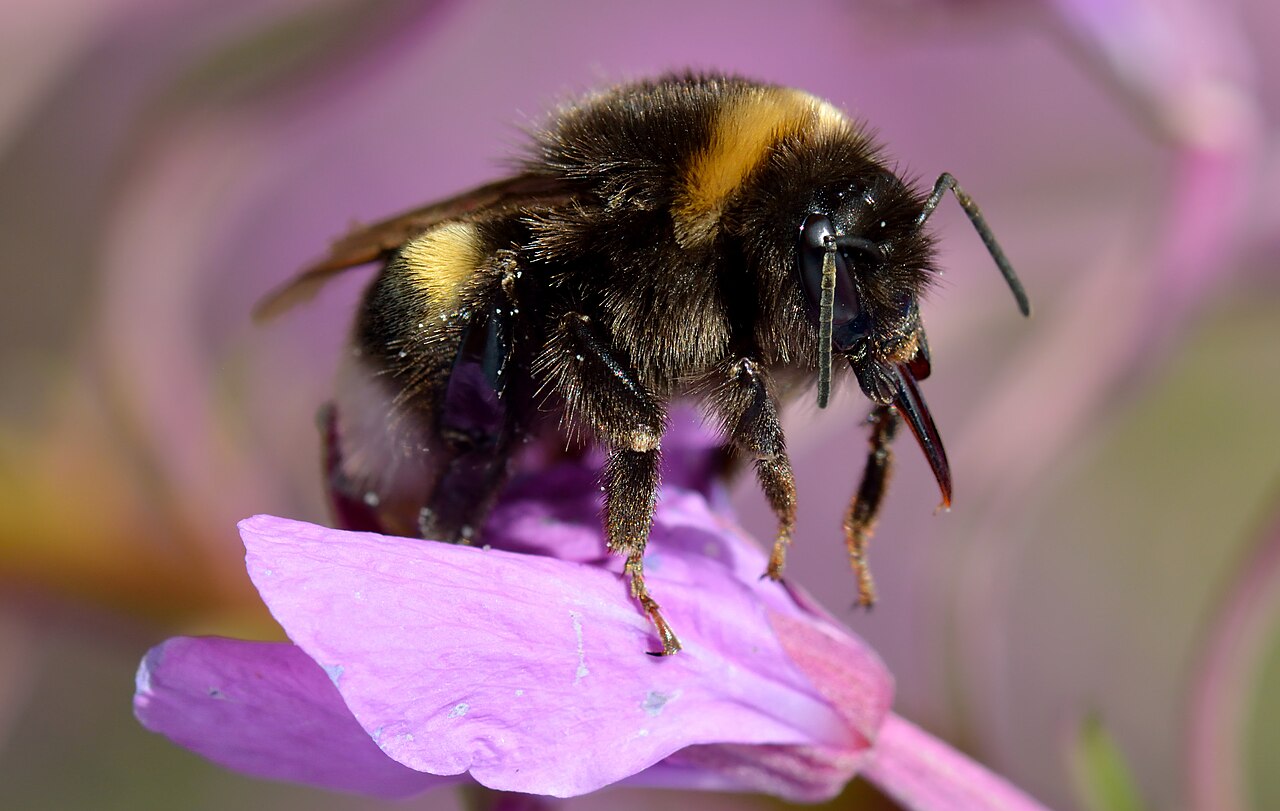 PollinationNearly 90% of wild flowering plants and over 75% of food crops rely on animal pollinators. How pollination…
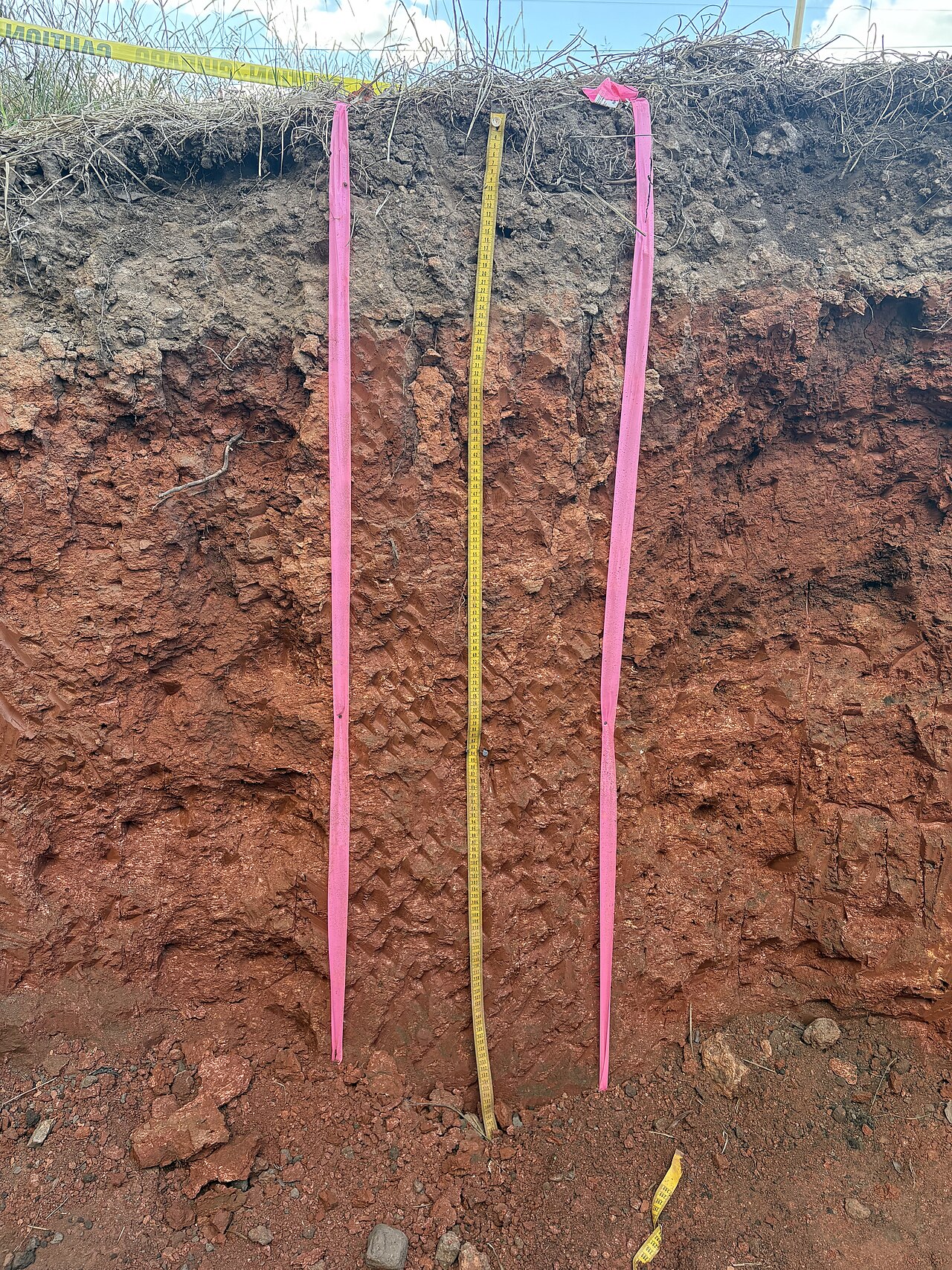 How soil is madeIt takes over 1,000 years to make one centimetre of soil, and 95% of our food grows in it. How rock,…
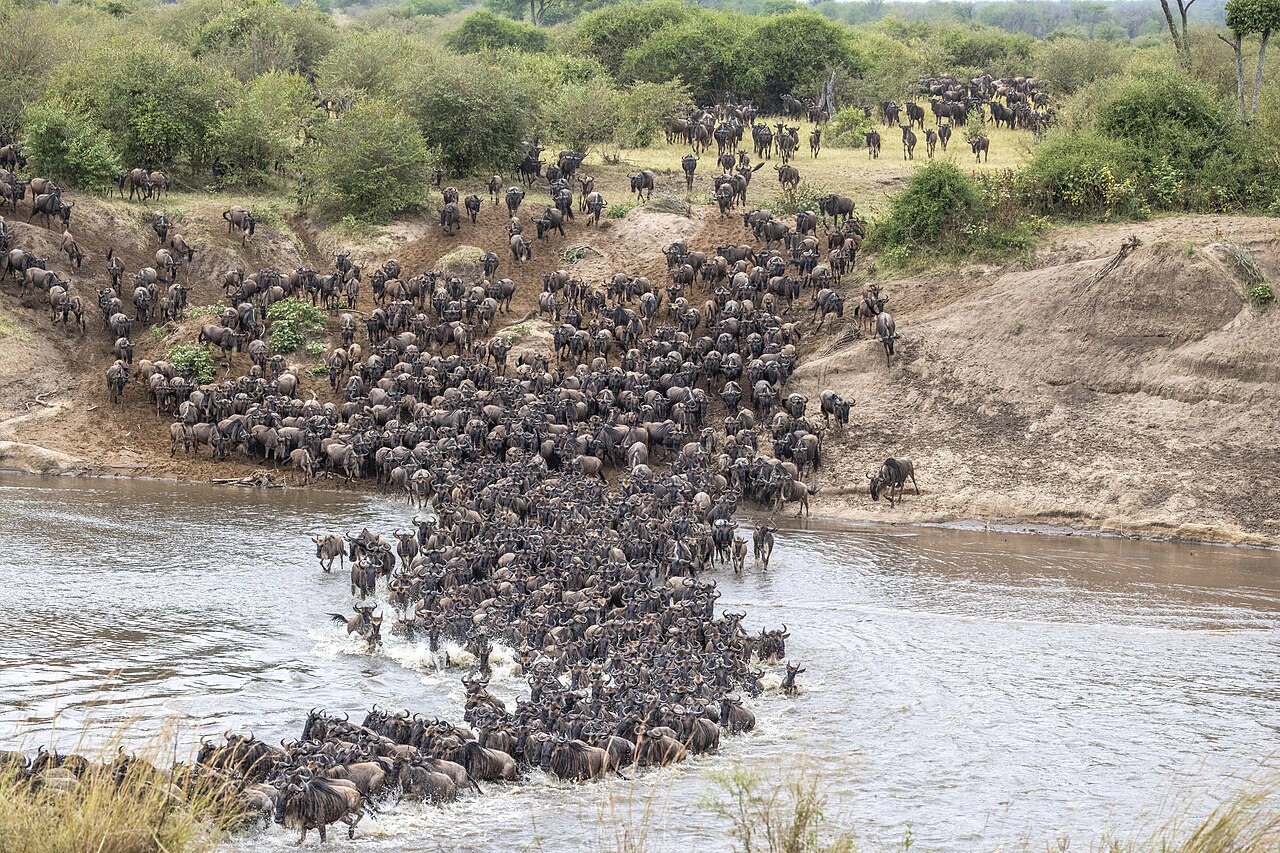 Animal migrationWhales, birds, turtles and wildebeest cross oceans and continents every year. How migration works, why it…
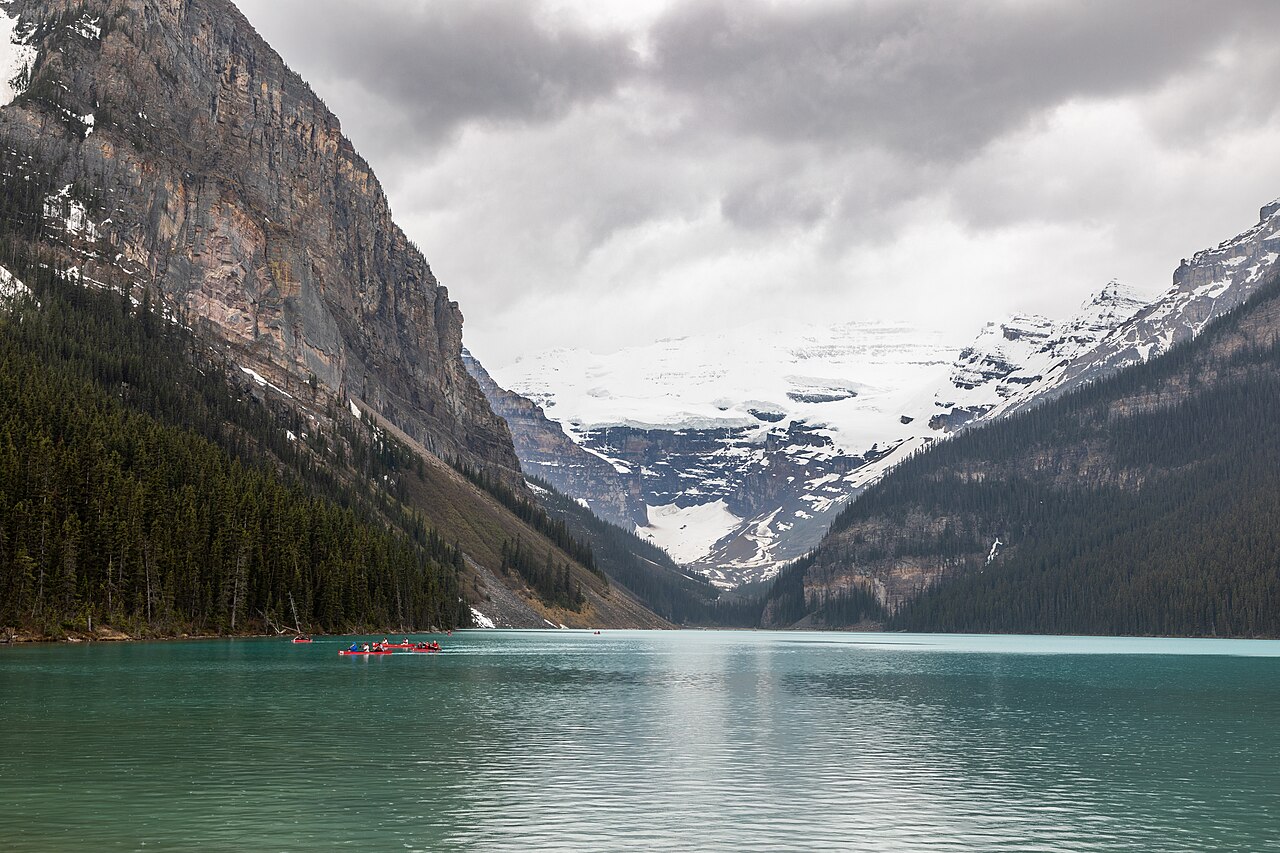 The water cycleThe oceans hold about 96.5% of all Earth’s water. How evaporation, clouds, rain, rivers and forests keep…
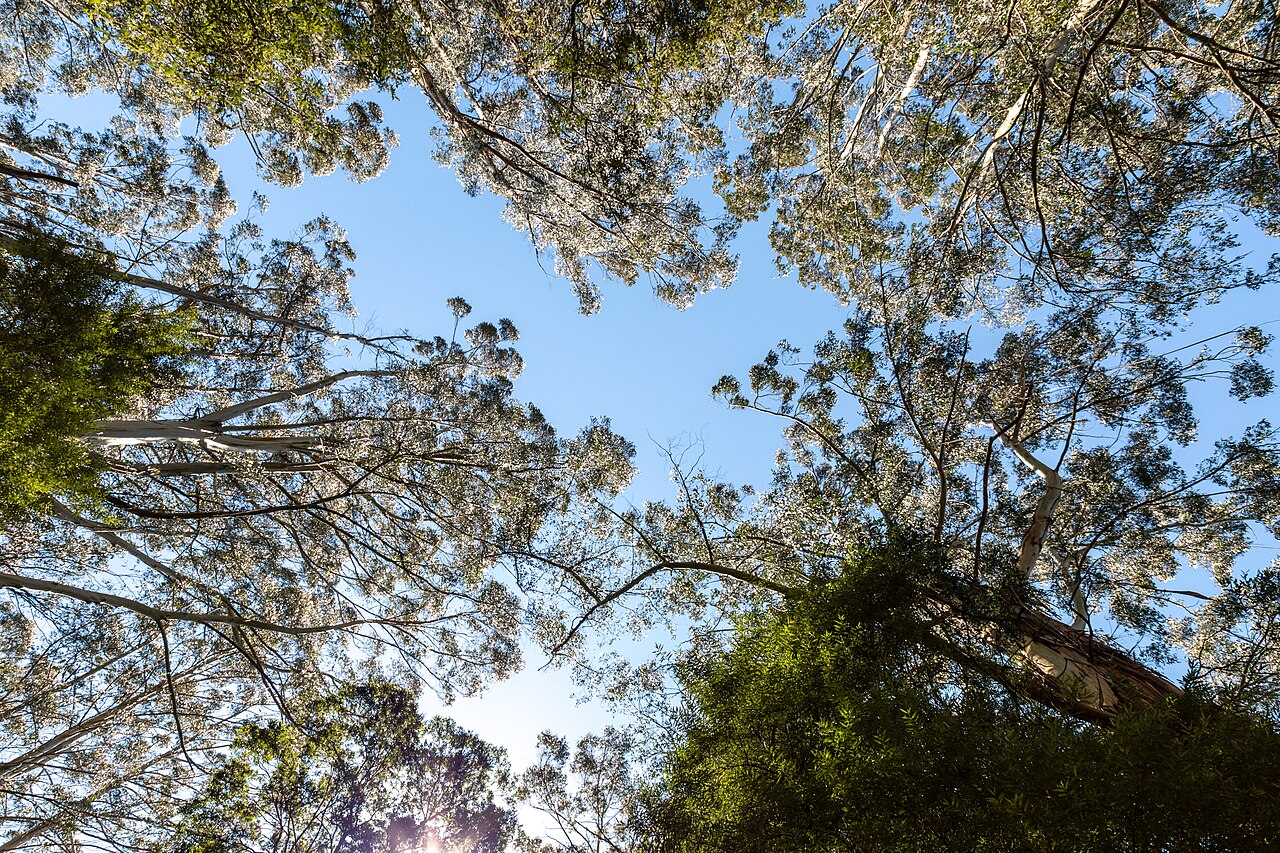 The carbon cyclePlants and the ocean have taken up about 55% of the extra carbon people have released. How carbon moves…
The state now
How life on land is doing
Four numbers, each from the 4PLANET page that cites its source.
- 40%
Up to 40% of the world's land is degraded.
Land degradation → - 1/5
of the world's wetlands lost since 1970.
Wetland loss → - ½
of migrating animal populations are falling.
Animal migration → - 17.6%
of land is protected.
Protected areas →
Pressures
What pushes life on land out of balance
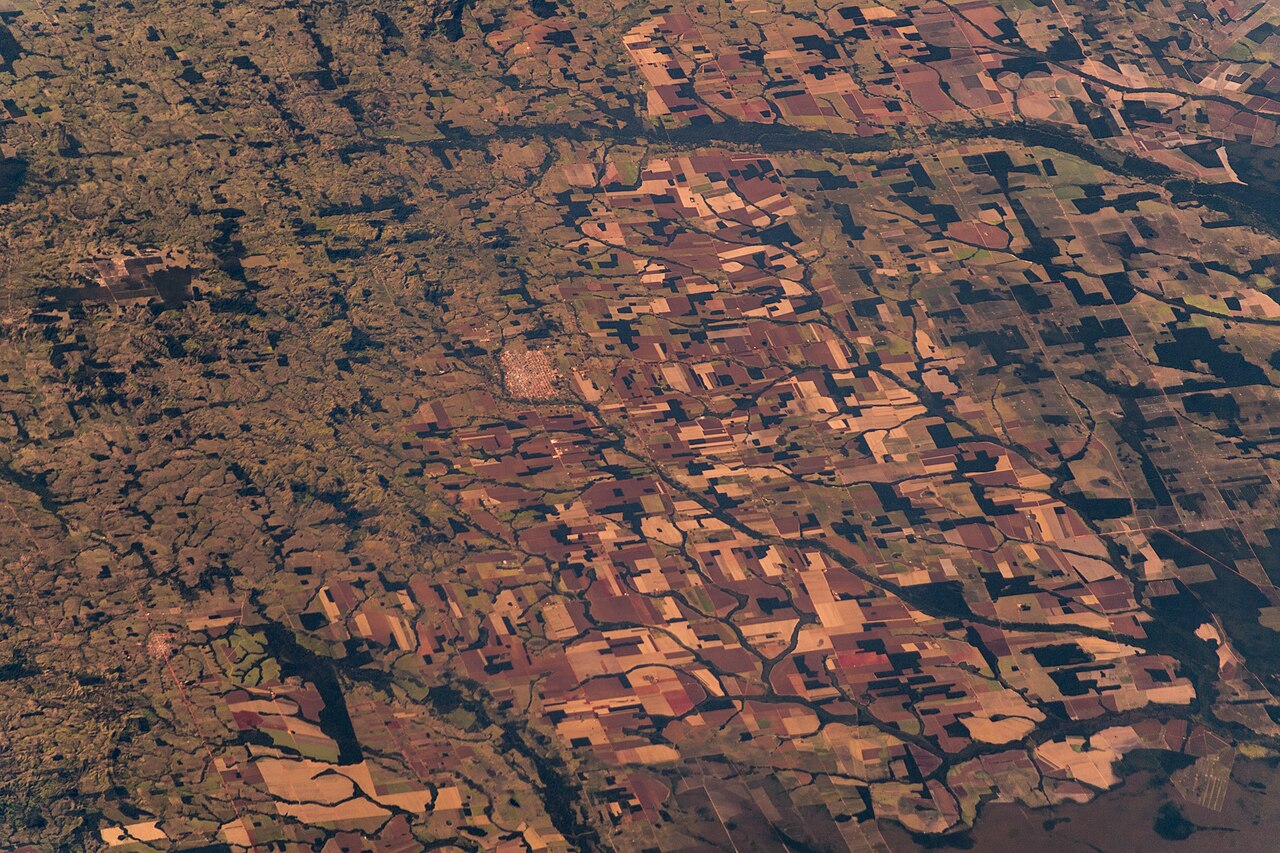 DeforestationHow much forest the world is losing, where the loss is greatest, which habitats and animals it hits, and…
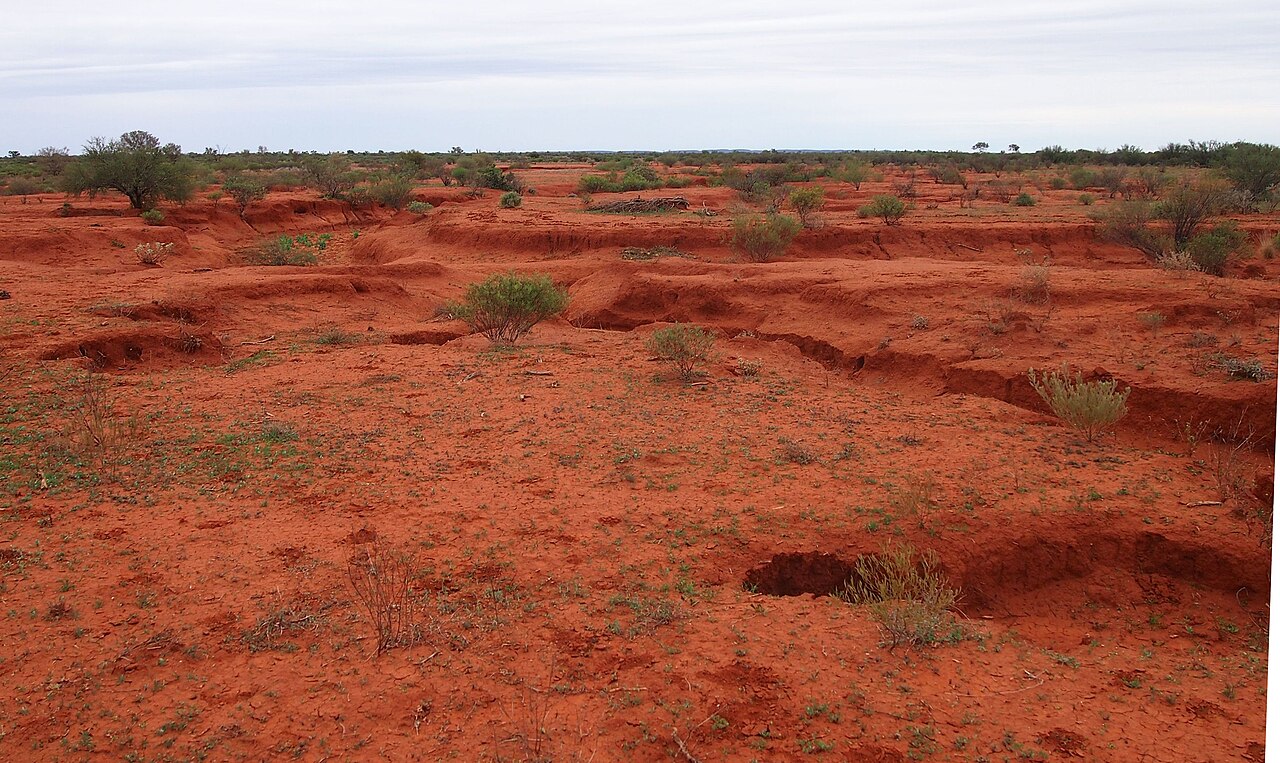 Land degradationUp to 40% of the world's land is degraded, and more is lost every year. Where it is worst, why it happens,…
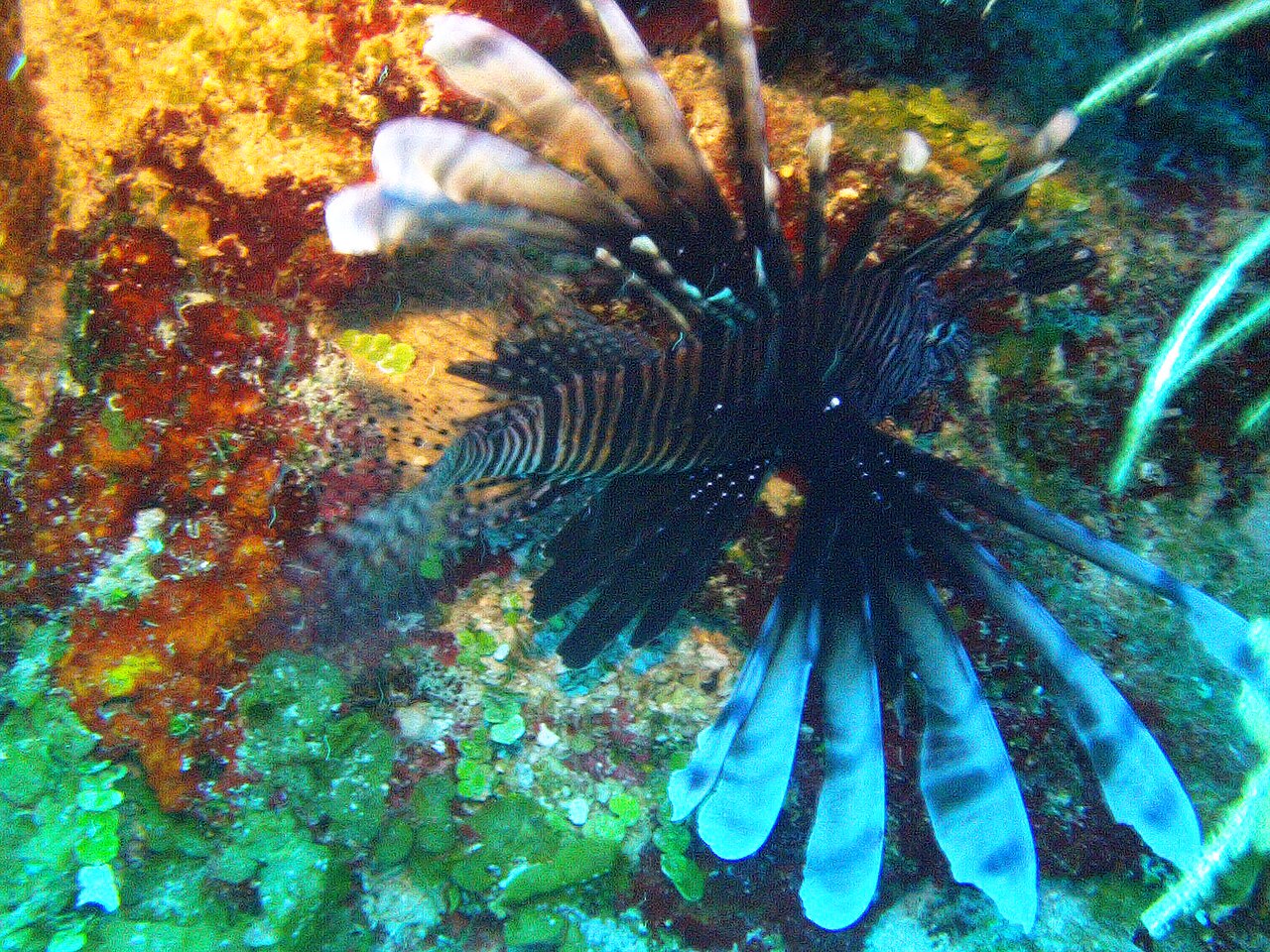 Invasive speciesOver 3,500 invasive species harm nature and people, and they played a part in 60% of recorded extinctions.…
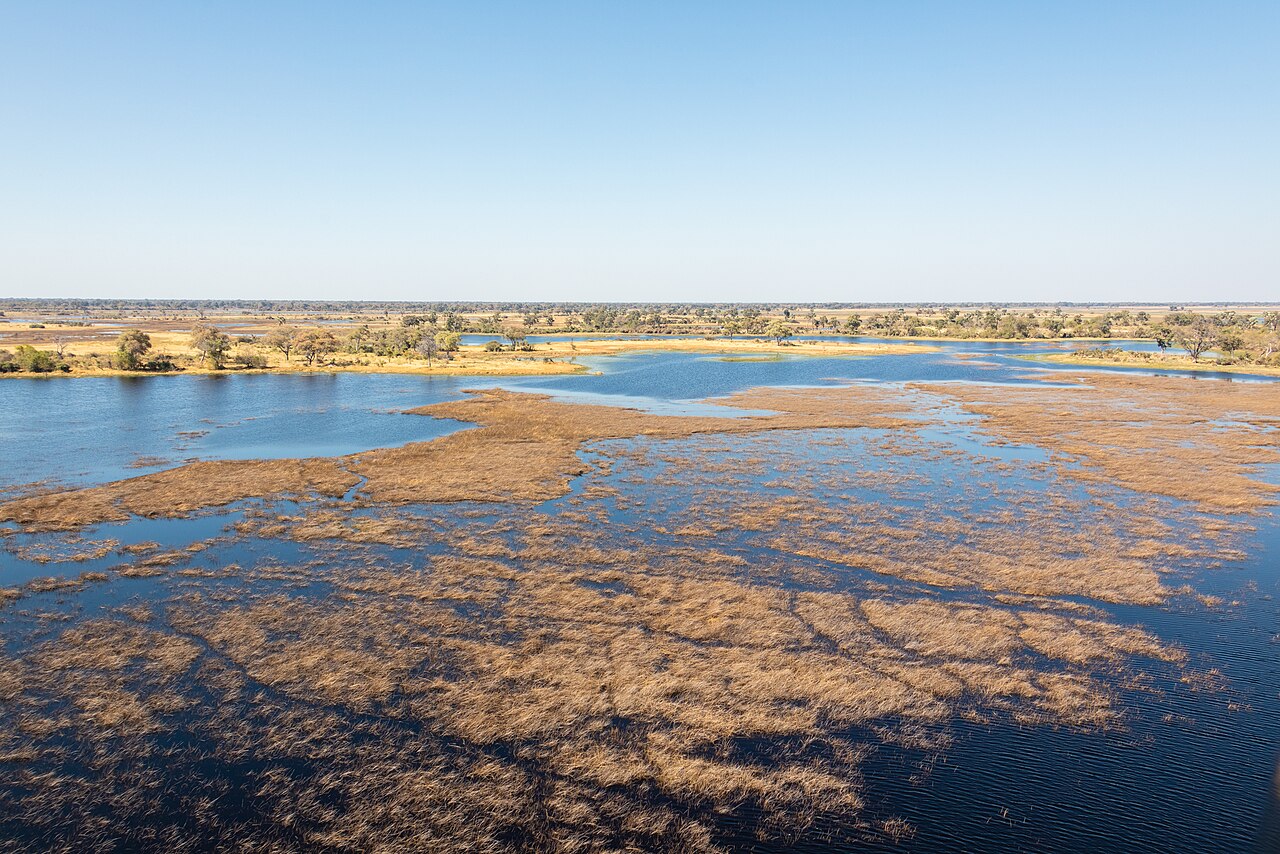 Wetland and freshwater lossA fifth of the world's wetlands have been lost since 1970, and freshwater animal populations have fallen…
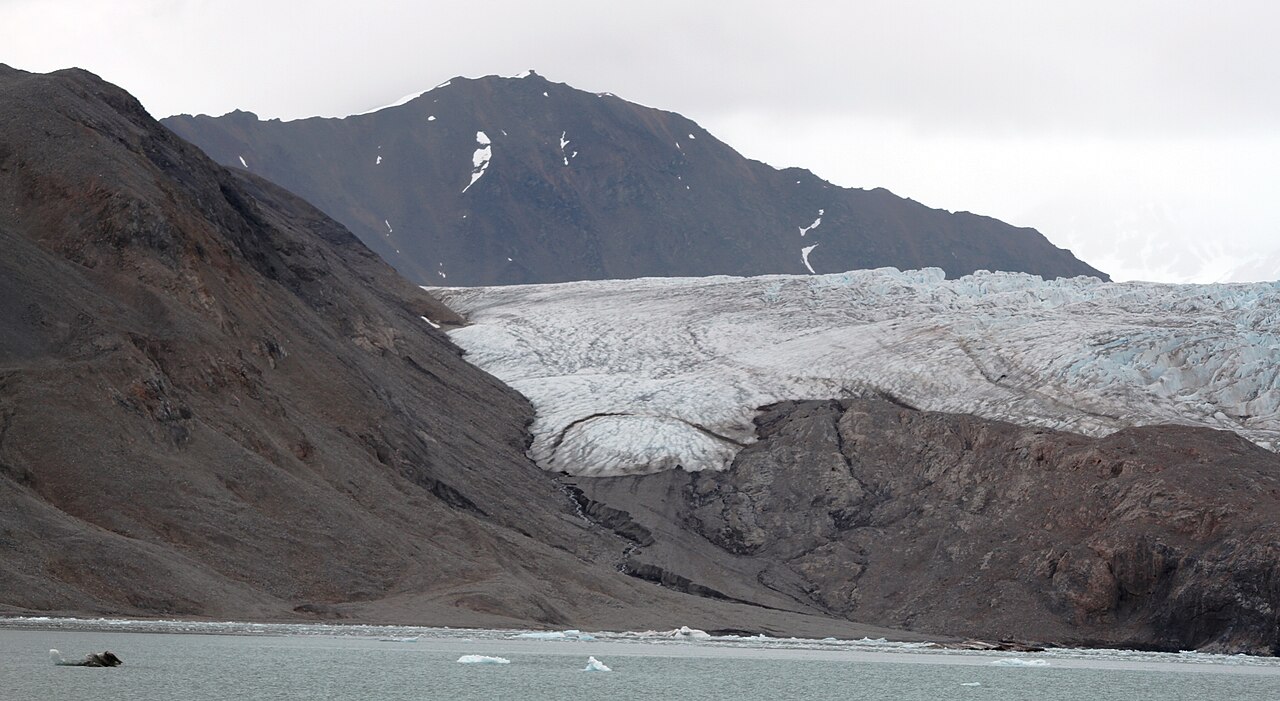 Global heatingHow much the world has warmed since the 1850s, which habitats and animals it hits hardest, from coral…
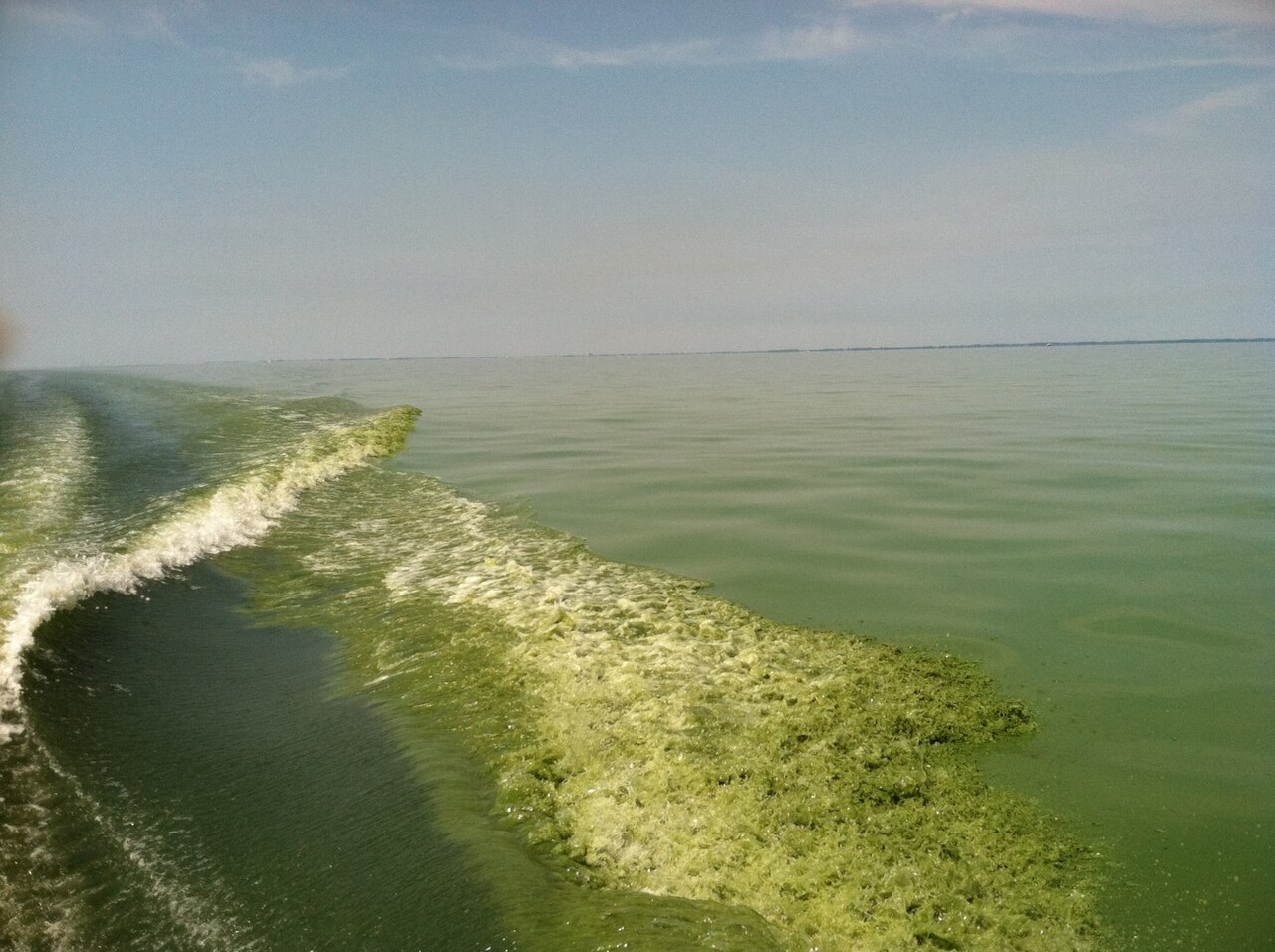 Nitrogen and phosphorus pollutionAbout 200 million tonnes of nitrogen are lost to nature each year, feeding algae and more than 400 ocean…
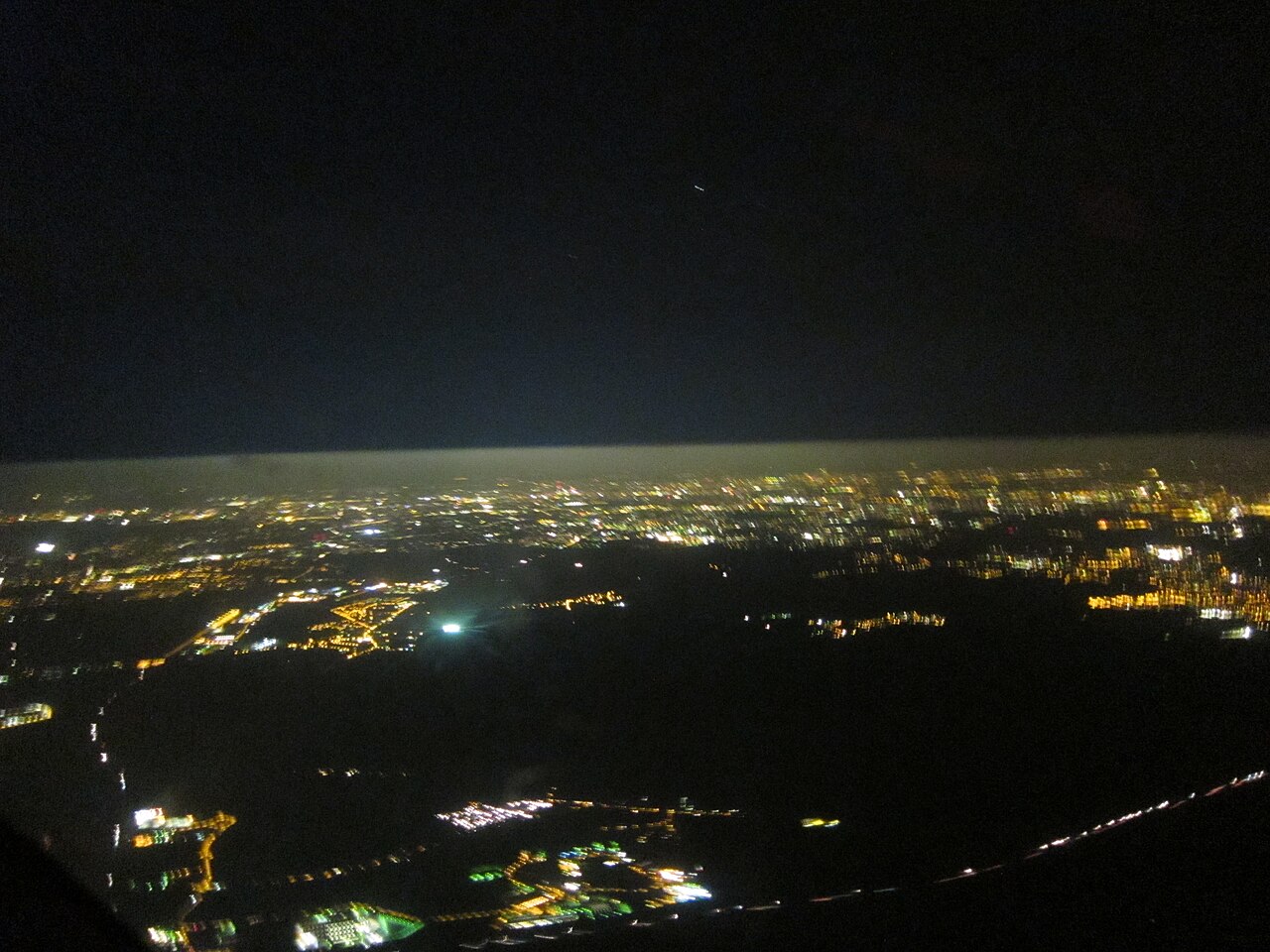 Light pollutionArtificial light now reaches 23% of the world's land at night and the sky grows brighter every year. How…
Organisations
Working for life on land
Profiled from their own and independent sources. Profiled, not partners.
Explore more
Go deeper
- SPECIESEvery animal, plant and fungus we profile.
- Wildlife near youWhat people record around you this month.
- Amazon rainforestThe largest rainforest on Earth, species by species.
- SerengetiThe great migration and who eats whom.
- 4PLANET AtlasEvery country and city on one living map.
- OceanThe blue heart of the living planet.
Follow life on land with us, and help bring it back.
Join 4PLANET freePhoto and video credits (61)
Earth: Rob and Stephanie Levy · Flooded forest along the Juma River in the Brazilian Amazon: Alexey Yakovlev, CC BY-SA 2.0 · A hiker and her dog on a mountain trail in Custer Gallatin National Forest, Montana: USDA Forest Service, Northern Region (public domain) · Amazon rainforest: Alexey Yakovlev, CC BY-SA 2.0 · Boreal forest: Ximonic (Simo Räsänen), CC BY-SA 3.0 · Borneo rainforest: Mike Prince from Bangalore, India, CC BY 2.0 · Danube Delta: Charles J. Sharp, CC BY-SA 4.0 · Deserts: Luca Galuzzi (Lucag), CC BY-SA 2.5 · Everglades: Moni3, CC BY 3.0 · Iguazú Falls: W. Bulach, CC BY-SA 4.0 · Kaziranga: Joli, CC BY-SA 4.0 · Lake Baikal: Ludger Heide, CC BY-SA 2.0 · Okavango Delta: Diego Delso, CC BY-SA 4.0 · Pantanal: Stoni111121, CC BY-SA 4.0 · Savannas: Giles Laurent, CC BY-SA 4.0 · Serengeti: Bjørn Christian Tørrissen, CC BY-SA 3.0 · Torres del Paine: LBM1948, CC BY-SA 4.0 · Tropical rainforests: Rob and Stephanie Levy, CC BY 2.0 · Tundra: NPS Photo, Public domain · Wetlands: Charles J. Sharp, CC BY-SA 4.0 · Yellowstone: James St. John from Newark, Ohio, CC BY 2.0 · Tiger: Charles J. Sharp, CC BY-SA 4.0 · African savanna elephant: Giles Laurent, CC BY-SA 4.0 · Jaguar: Thiagomarcelcampi, CC BY-SA 4.0 · Gray wolf: Doug Smith, Public domain · Giant panda: James Eaton, CC0 · Lion: Diego Delso, CC BY-SA 4.0 · Polar bear: AWeith, CC BY-SA 4.0 · Leopard: Sumeet Moghe, CC BY-SA 4.0 · Cheetah: Giles Laurent, CC BY-SA 4.0 · Eurasian lynx: Julia Moning, CC BY 4.0 · Red fox: ClaudiaTen, CC BY-SA 4.0 · Monarch butterfly: Rhododendrites, CC BY-SA 4.0 · Western honey bee: Ivar Leidus, CC BY-SA 4.0 · Giant otter: Giles Laurent, CC BY-SA 4.0 · Spotted hyena: Liaka ac, CC BY-SA 4.0 · Pollination: Ivar Leidus, CC BY-SA 4.0 · How soil is made: Cjrufe, CC0 · Animal migration: Charles J. Sharp, CC BY-SA 4.0 · The water cycle: Dietmar Rabich, CC BY-SA 4.0 · The carbon cycle: Dietmar Rabich, CC BY-SA 4.0 · Deforestation: Alexander Gerst, CC BY-SA 2.0 · Land degradation: Mark Marathon, CC BY-SA 3.0 · Invasive species: Serge Melki from Indianapolis, USA, CC BY 2.0 · Wetland and freshwater loss: Diego Delso, CC BY-SA 4.0 · Global heating: Bjoertvedt, CC BY-SA 3.0 · Nitrogen and phosphorus pollution: NOAA Great Lakes Environmental Research Laboratory, CC BY-SA 2.0 · Light pollution: Ralf Steikert, CC BY-SA 3.0 · Protected areas: Andyb3947, CC BY-SA 4.0 · Ecosystem restoration: RobbieIanMorrison, CC BY-SA 4.0 · Rainforest Trust: Rob and Stephanie Levy, CC BY 2.0 · Re:wild: Andyb3947, CC BY-SA 4.0 · Trees for the Future: Mark Marathon, CC BY-SA 3.0 · Regreening Africa: Bjørn Christian Tørrissen, CC BY-SA 3.0 · Wetlands International: Diego Delso, CC BY-SA 4.0 · Bat Conservation International: Luca Galuzzi (Lucag), CC BY-SA 2.5 · Pact for the Restoration of the Atlantic Forest: W. Bulach, CC BY-SA 4.0 · Acción Andina: LBM1948, CC BY-SA 4.0 · Good Forests Foundation Uganda: Rob and Stephanie Levy, CC BY 2.0 · Borneo Nature Foundation: Mike Prince from Bangalore, India, CC BY 2.0 · International Union for Conservation of Nature: Giles Laurent, CC BY-SA 4.0