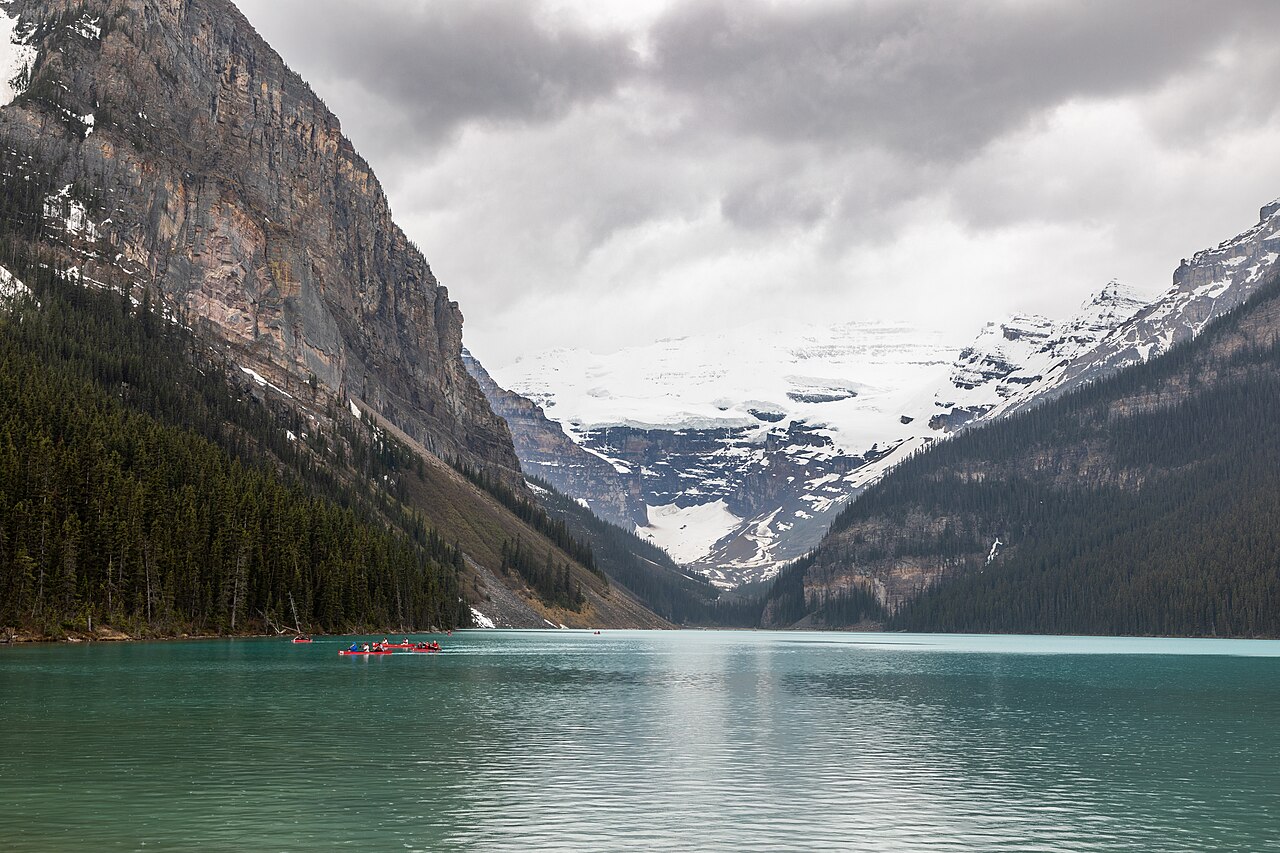
The water cycle
How the living planet works, and what keeps it working
The same water has been moving around the planet for billions of years. Sunshine lifts it from oceans, lakes and leaves as vapour, winds carry it as clouds, and it falls again as rain and snow that fill rivers, soils and the sea.
About 71% of Earth’s surface is covered by water, and the oceans hold about 96.5% of it. The small share that is fresh and within reach is what every forest, field and city depends on.
How it works
- The sun lifts waterHeat evaporates water from oceans, lakes and soil, and plants release vapour through their leaves.
- Clouds formRising vapour cools and condenses into droplets and ice crystals, and winds carry the clouds over land.
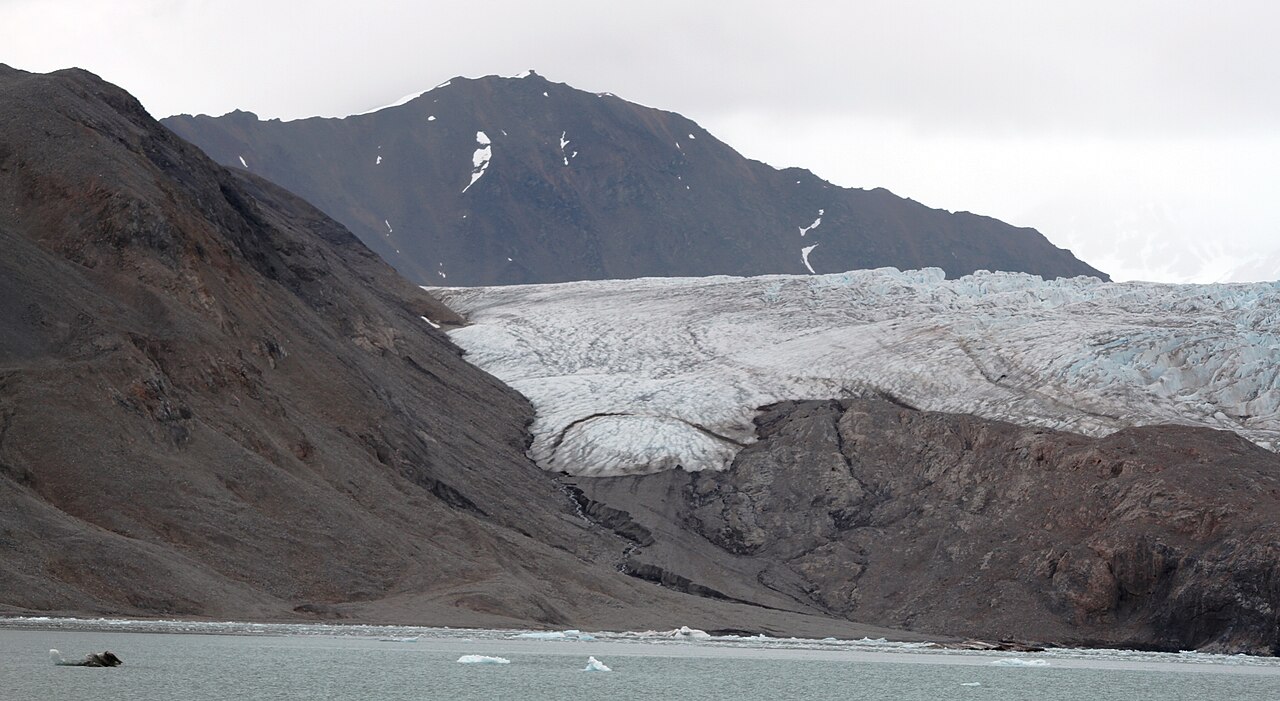
- Rain and snow fallWhen droplets grow heavy enough they fall as rain, snow or hail. Snow and glaciers can store water for years.
- Water flows and soaks inRain runs into streams and rivers or sinks into soil and rock, refilling groundwater.
- Back to the seaRivers and groundwater return water to the ocean, where the cycle starts again.
Why it matters
- About 71 percent of the Earth’s surface is water-covered, and the oceans hold about 96.5 percent of all Earth’s water. USGS Water Science School · How much water is there on Earth?
What depends on it
Habitats
What threatens it, and what helps
What threatens it
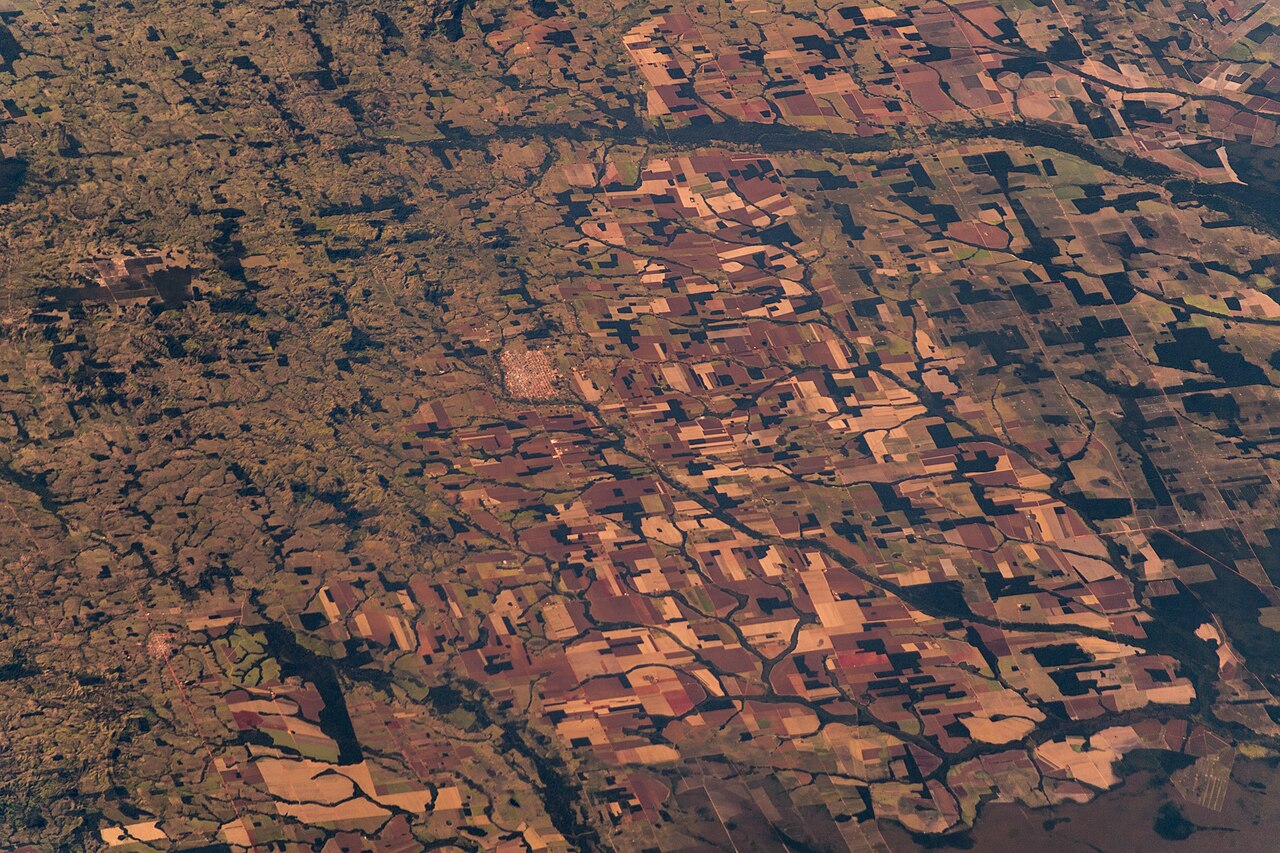
- Clearing forests that recycle rain
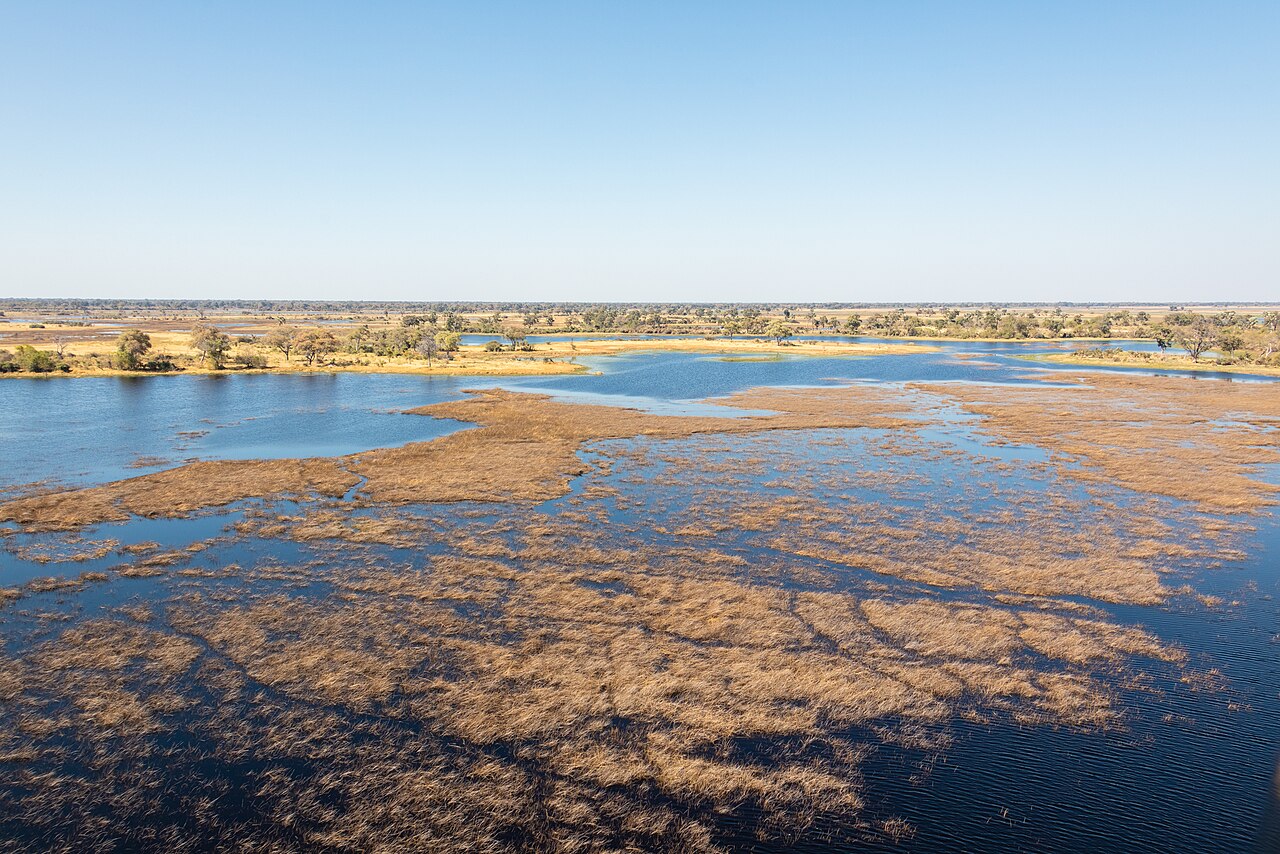
- Draining wetlands
- Pumping groundwater faster than it refills
- Sealing land under roads and buildings
- Climate change, which makes rain heavier and droughts longer
What helps
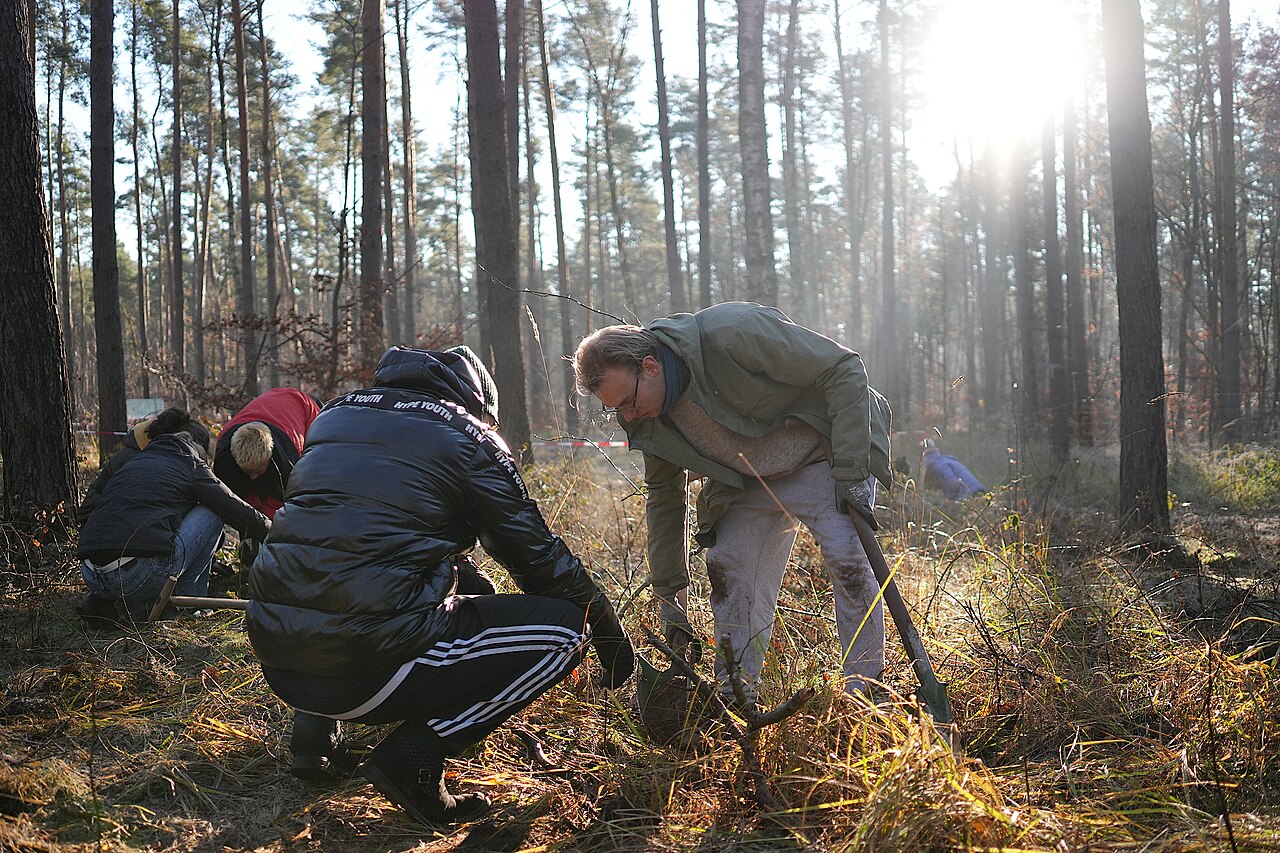
- Protecting forests and wetlands
- Restoring rivers and floodplains
- Using water efficiently in farming and cities
Pressures on it
Solutions that help
What the world has agreed
- Countries agreed to restore, maintain and enhance nature’s contributions to people, including the regulation of air, water and climate, by 2030. Kunming-Montreal Global Biodiversity Framework, Target 11 (2022)
What you can do
- Save water at home
- Keep rainwater on your land with plants and permeable surfaces
- Support river and wetland restoration
Questions people ask
What are the main steps of the water cycle?
Evaporation, condensation into clouds, precipitation as rain or snow, and runoff and infiltration back to rivers, groundwater and the sea.
How much of Earth’s water is in the oceans?
About 96.5%, according to the USGS. About 71% of the planet’s surface is covered by water.
Why do forests matter for rain?
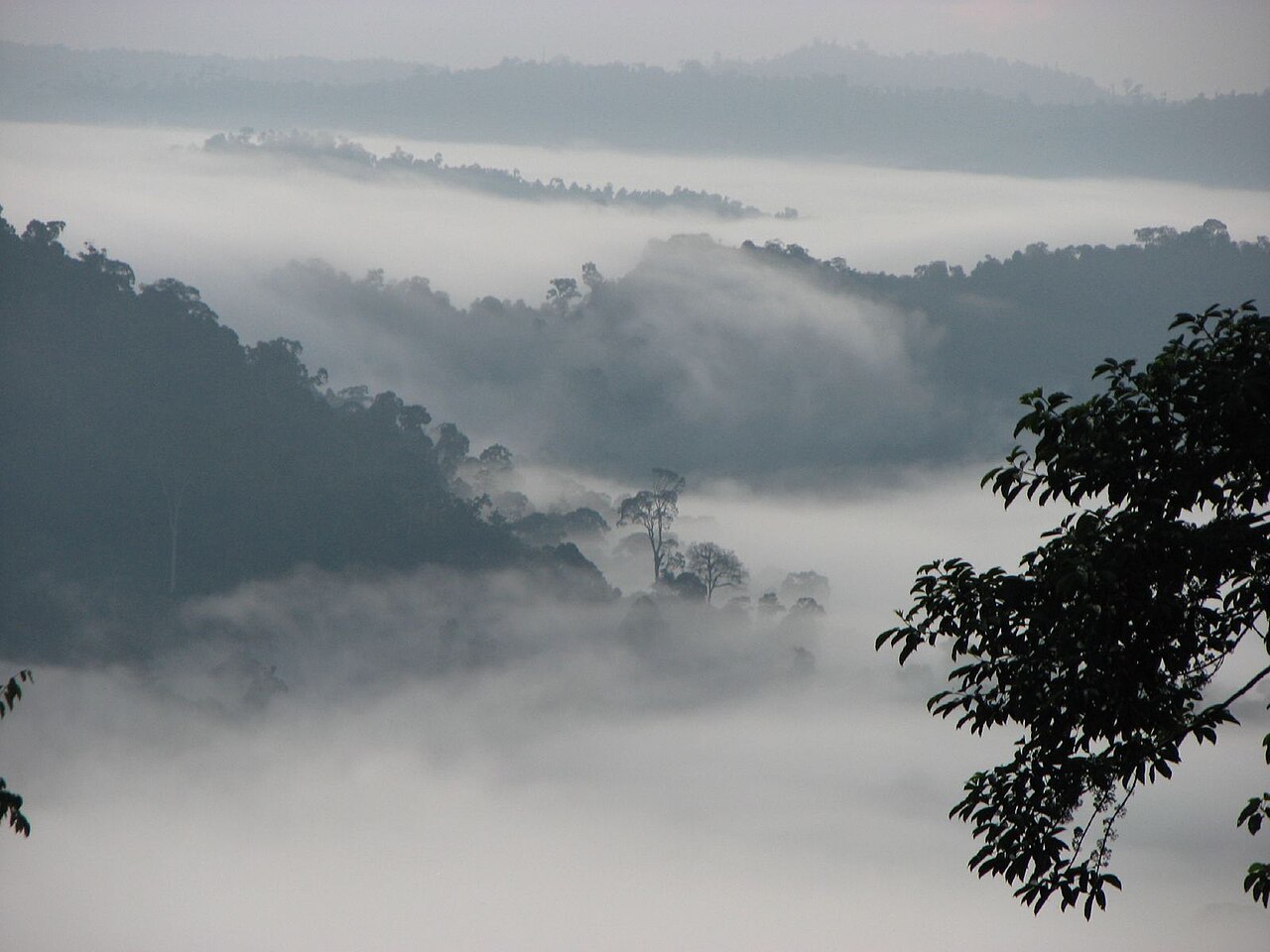
Trees release water vapour through their leaves, which feeds clouds, and their soils store water and release it slowly.
Sources and photo credits
- USGS Water Science School · How much water is there on Earth?
- Kunming-Montreal Global Biodiversity Framework, Target 11 (2022)
Lake Louise fed by glacier meltwater below snowy peaks and clouds, Banff National Park: Dietmar Rabich, CC BY-SA 4.0

Figures are national or global estimates from the sources named, with the uncertainty those sources give. Country rankings compare reported totals, not responsibility or effort.
Checked 2026-11-22.