The carbon cycle
How the living planet works, and what keeps it working
Carbon is the backbone of life, and it never stays still. Plants pull carbon dioxide from the air to build leaves, wood and roots; animals eat them; and decay, breathing and fire send the carbon back into the air.
Burning fossil fuels has added far more carbon than this cycle can absorb. So far, land plants and the ocean have taken up about 55% of the extra carbon people have put into the atmosphere, while about 45% has stayed there.
How it works
- Plants breathe in carbonThrough photosynthesis, plants, algae and plankton turn carbon dioxide and sunlight into sugars and living tissue.
- It moves through food websAnimals eat plants and each other, passing the carbon along and breathing some of it back out.
- Death feeds the soilFallen leaves, wood and bodies are broken down by fungi and bacteria. Part of the carbon is stored in soil for decades or centuries.
- The ocean takes its shareSeawater absorbs carbon dioxide from the air, and sinking plankton carry carbon down to the deep sea.
- Back to the airBreathing, decay, fires and the burning of fossil fuels release carbon dioxide again, and the cycle continues.
Why it matters
- So far, land plants and the ocean have taken up about 55% of the extra carbon people have put into the atmosphere, while about 45% has stayed in the atmosphere. NASA Earth Observatory · The Carbon Cycle
- Plants on land have taken up approximately 25% of the carbon dioxide that humans have put into the atmosphere. NASA Earth Observatory · The Carbon Cycle
- Eventually, the land and ocean will take up most of the extra carbon dioxide, but as much as 20% may remain in the atmosphere for many thousands of years. NASA Earth Observatory · The Carbon Cycle
What depends on it
Habitats
What threatens it, and what helps
What threatens it
- Burning coal, oil and gas
- Clearing and burning forests
- Draining peatlands and wetlands
- Ploughing and eroding soils
- Ocean heating, which weakens the ocean’s uptake
What helps
- Cutting fossil fuel emissions
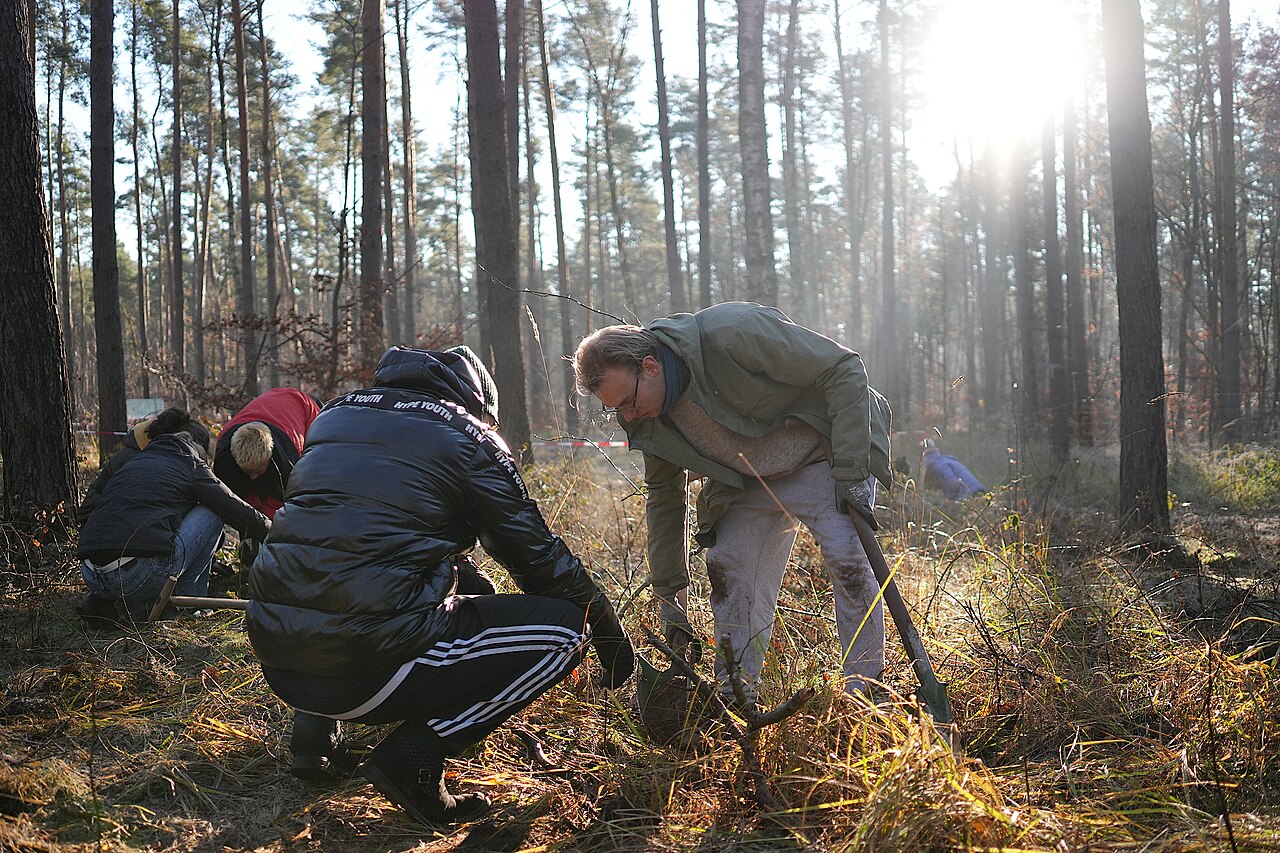
- Protecting and restoring forests, peatlands and mangroves
- Farming that builds soil carbon
- Protecting ocean ecosystems
Pressures on it
Solutions that help
What the world has agreed
- Countries agreed to restore, maintain and enhance nature’s contributions to people, including the regulation of air, water and climate, by 2030. Kunming-Montreal Global Biodiversity Framework, Target 11 (2022)
What you can do
- Cut your own energy use and switch to renewable power
- Support forest and wetland protection
- Choose foods with a lower footprint
Questions people ask
What is the carbon cycle?
The constant movement of carbon between the air, plants, animals, soil, rocks and the ocean, through photosynthesis, breathing, decay, fire and the ocean’s uptake.
How much of our carbon pollution do nature and the ocean absorb?
So far about 55% of the extra carbon people released has been taken up by land plants and the ocean; about 45% has stayed in the atmosphere (NASA).
Why do forests matter for the climate?
Plants on land have taken up about 25% of the carbon dioxide humans have added to the air (NASA). Cutting forests both releases stored carbon and removes that sink.
Sources and photo credits
- NASA Earth Observatory · The Carbon Cycle
- Kunming-Montreal Global Biodiversity Framework, Target 11 (2022)
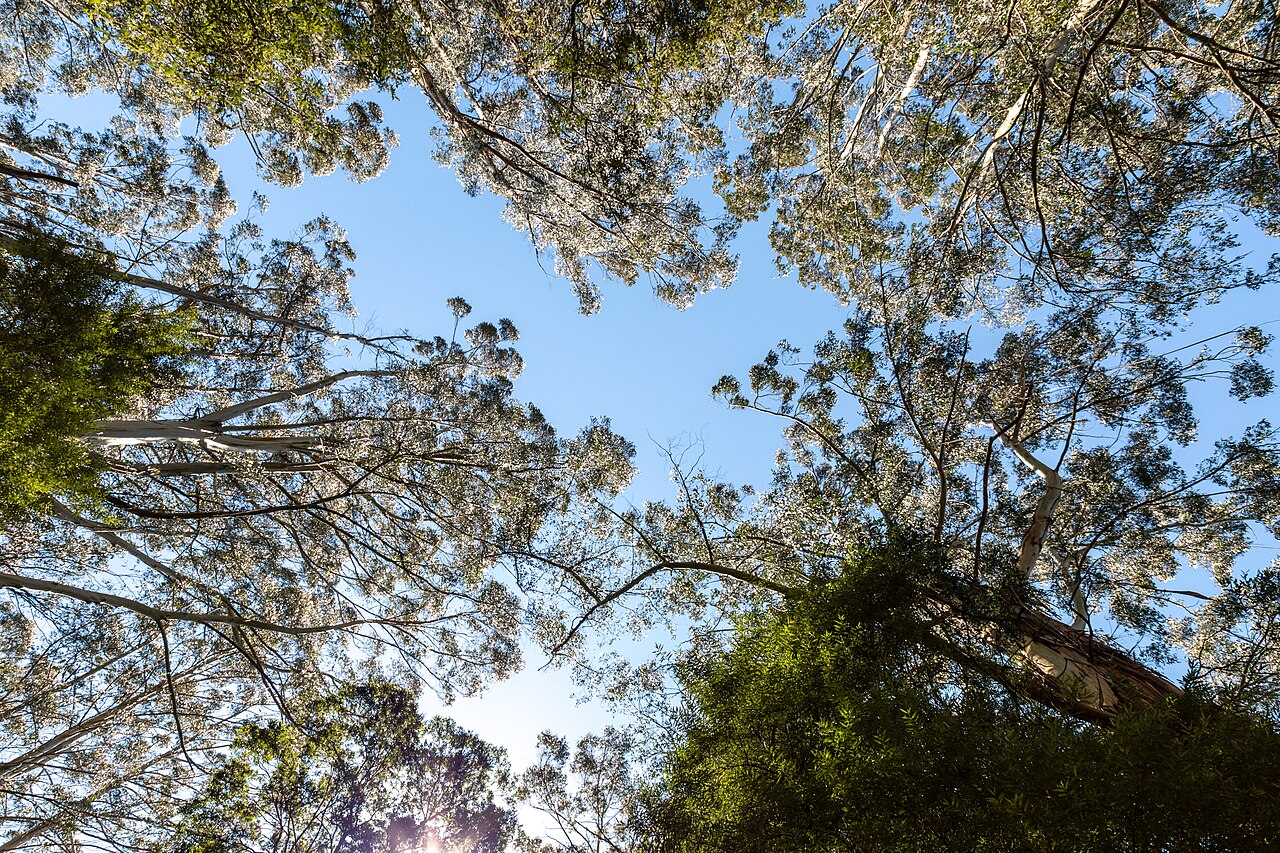
Looking up into a tall eucalyptus forest canopy in Great Otway National Park, Australia: Dietmar Rabich, CC BY-SA 4.0

Figures are national or global estimates from the sources named, with the uncertainty those sources give. Country rankings compare reported totals, not responsibility or effort.
Checked 2026-11-22.