Ocean acidification
A pressure on the living planet, and what is being done about it
The ocean takes up nearly a third of the carbon dioxide people release. That slows global heating, but the gas reacts with seawater and makes it more acidic. Since the start of the industrial age, the surface ocean has become about 30% more acidic.
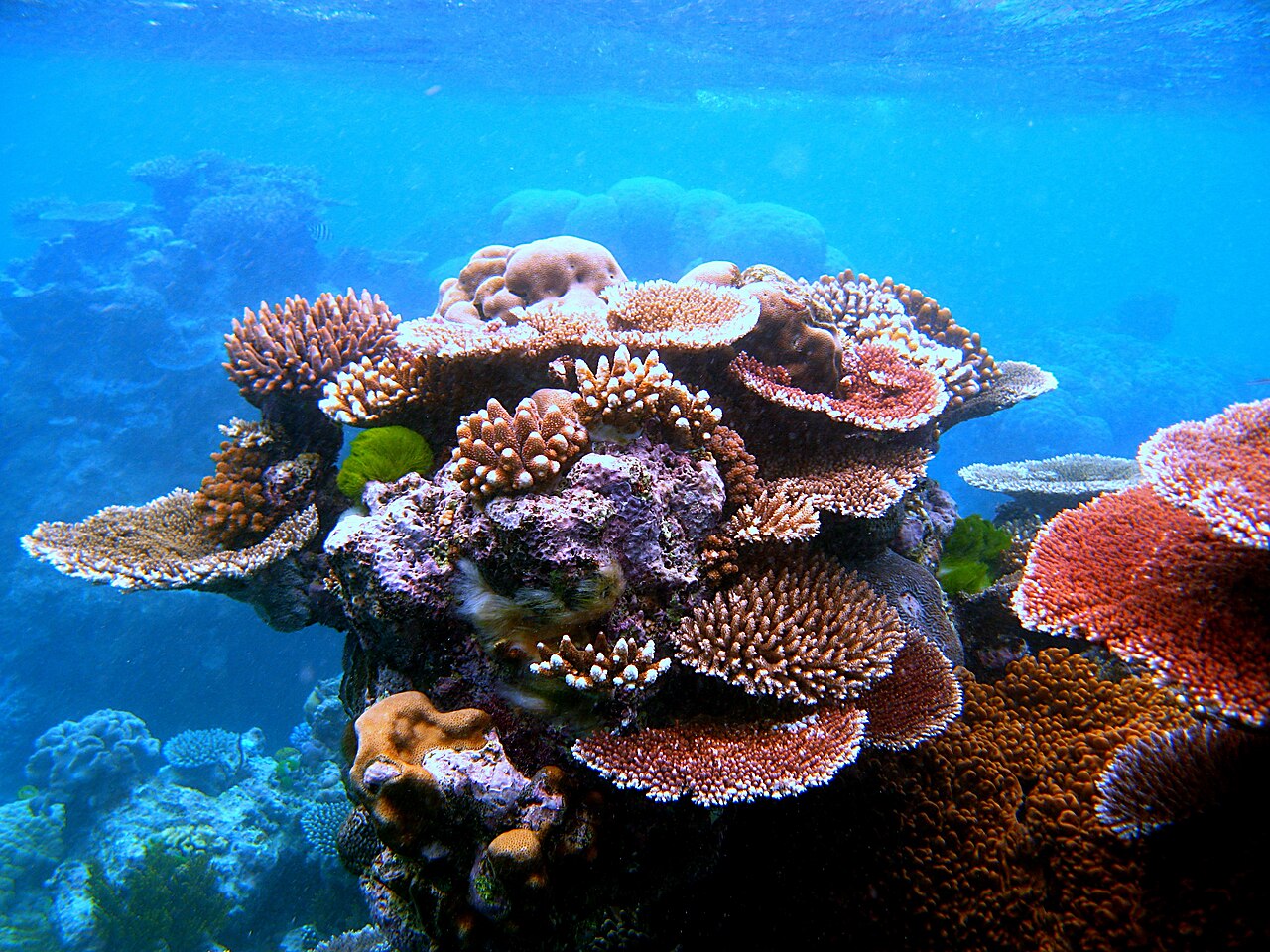
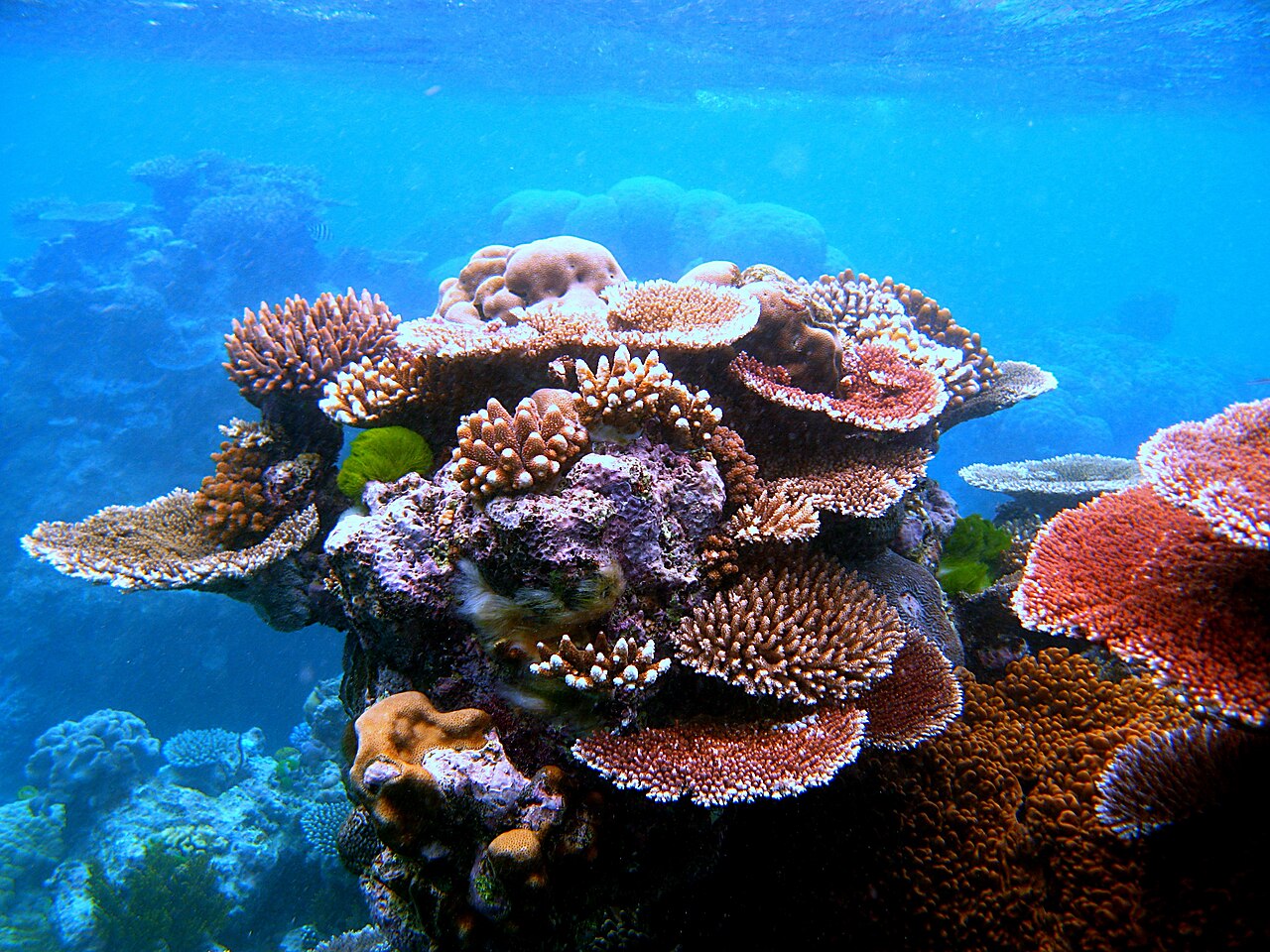
More acidic water makes it harder for corals, oysters, mussels, sea snails and many plankton to build their shells and skeletons, and these animals carry much of the life in the sea. The only way to stop it is to cut carbon dioxide emissions.
- Surface seawater pH near Hawaii, yearly average (lower is more acidic)
- 8.04 pH (2024)
Why it matters
- Since the start of the industrial era, the ocean's surface pH has fallen by around 0.1 units, a 30 to 40% increase in acidity. In 2025, scientists found that ocean acidification has crossed its safe planetary boundary. Stockholm Resilience Centre · Planetary Health Check 2025
- The ocean absorbs about 30% of the carbon dioxide released into the atmosphere. NOAA · What is ocean acidification?
- Cold-water corals, tropical coral reefs and Arctic sea life are most at risk, and tiny sea snails called pteropods, food for many fish, already show shell damage. Stockholm Resilience Centre · Planetary Health Check 2025
How it has changed
What it touches
Habitats

Species

Why it happens, and what helps
Main causes
- Carbon dioxide from burning coal, oil and gas
- Carbon dioxide from cutting down and burning forests
- Along coasts: nutrient runoff from farms and sewage, which adds to the acidity locally
What is proven to help
- Cutting carbon dioxide emissions: the only way to stop it at the source
- Reducing other stresses, such as pollution and overfishing, so sea life is better able to cope
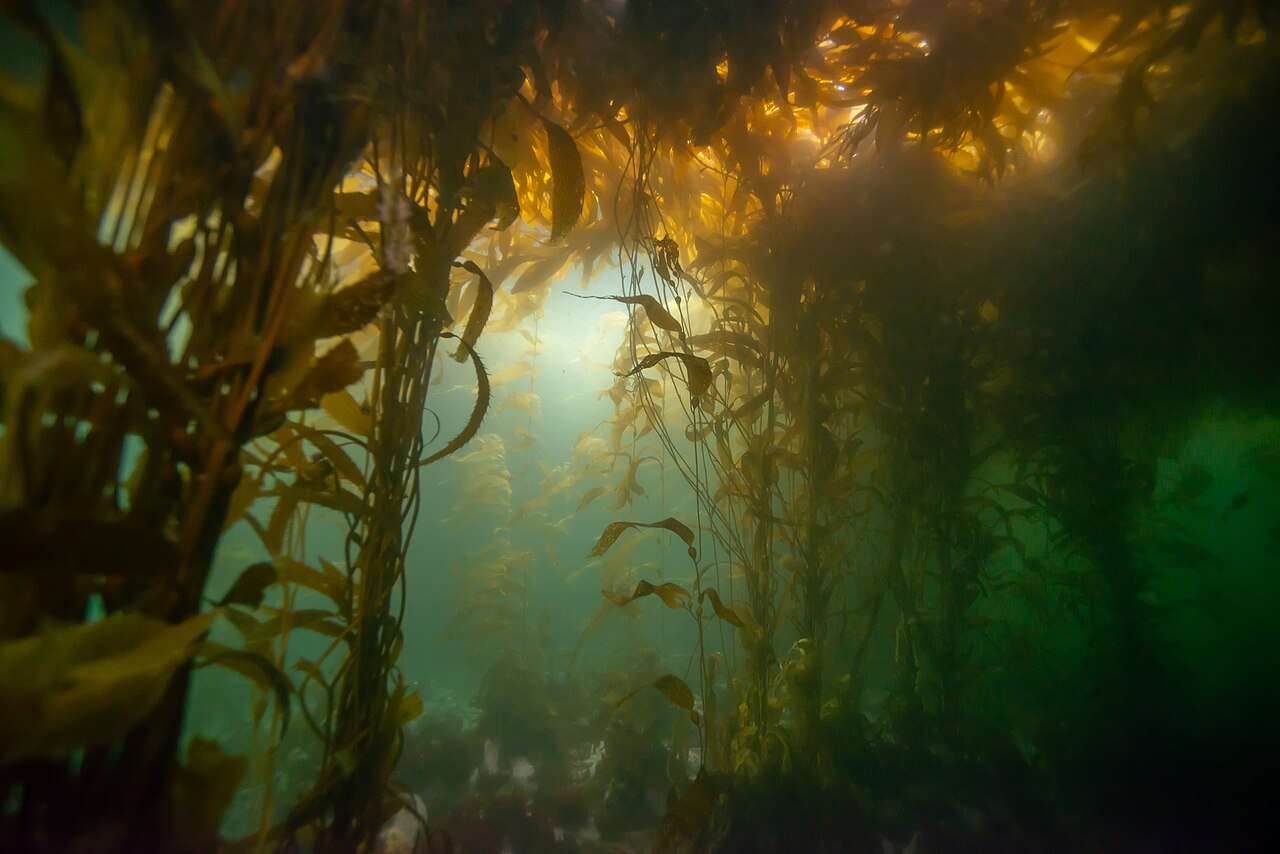
- Protecting and restoring seagrass, mangroves and kelp, which can ease acidity in the waters around them
- Monitoring the water, so shellfish farms and fisheries can adapt in time
What the world has agreed
- Countries agreed to minimise and address the impacts of ocean acidification, including through better science and cooperation. United Nations · Sustainable Development Goal 14.3
- Under the Paris Agreement, countries aim to hold global warming well below 2°C and to pursue 1.5°C, which means cutting the carbon dioxide that also acidifies the ocean. UNFCCC · The Paris Agreement
What you can do
- Cut your own carbon dioxide where you can: travel, heating and food
- Support policies and companies that move away from coal, oil and gas
- Follow the oceans on Atlas and share what you learn
Questions people ask
What is ocean acidification?
It is the fall in the pH of seawater as the ocean takes up carbon dioxide from the air. The carbon dioxide forms carbonic acid, which makes the water more acidic and leaves less of the carbonate that corals, shellfish and plankton use to build their shells and skeletons.
Is the ocean becoming acid?
No. Seawater is still slightly alkaline, with a pH around 8. Acidification means it is moving towards the acidic end of the scale. A fall of about 0.1 pH units since the industrial age means a 30 to 40% increase in acidity, a fast change for sea life.
Can ocean acidification be reversed?
It can be stopped by cutting carbon dioxide emissions, and the ocean will recover over a long time. Locally, healthy seagrass, kelp and mangroves can ease it, and reducing pollution and overfishing helps sea life cope.
Sources and photo credits
- School of Ocean & Earth Science & Technology – Hawaii Ocean Time-series (2026) – with major processing by Our World in Data · Surface seawater pH near Hawaii, yearly average (lower is more acidic)
- Stockholm Resilience Centre · Planetary Health Check 2025
- NOAA · What is ocean acidification?
- United Nations · Sustainable Development Goal 14.3
- UNFCCC · The Paris Agreement
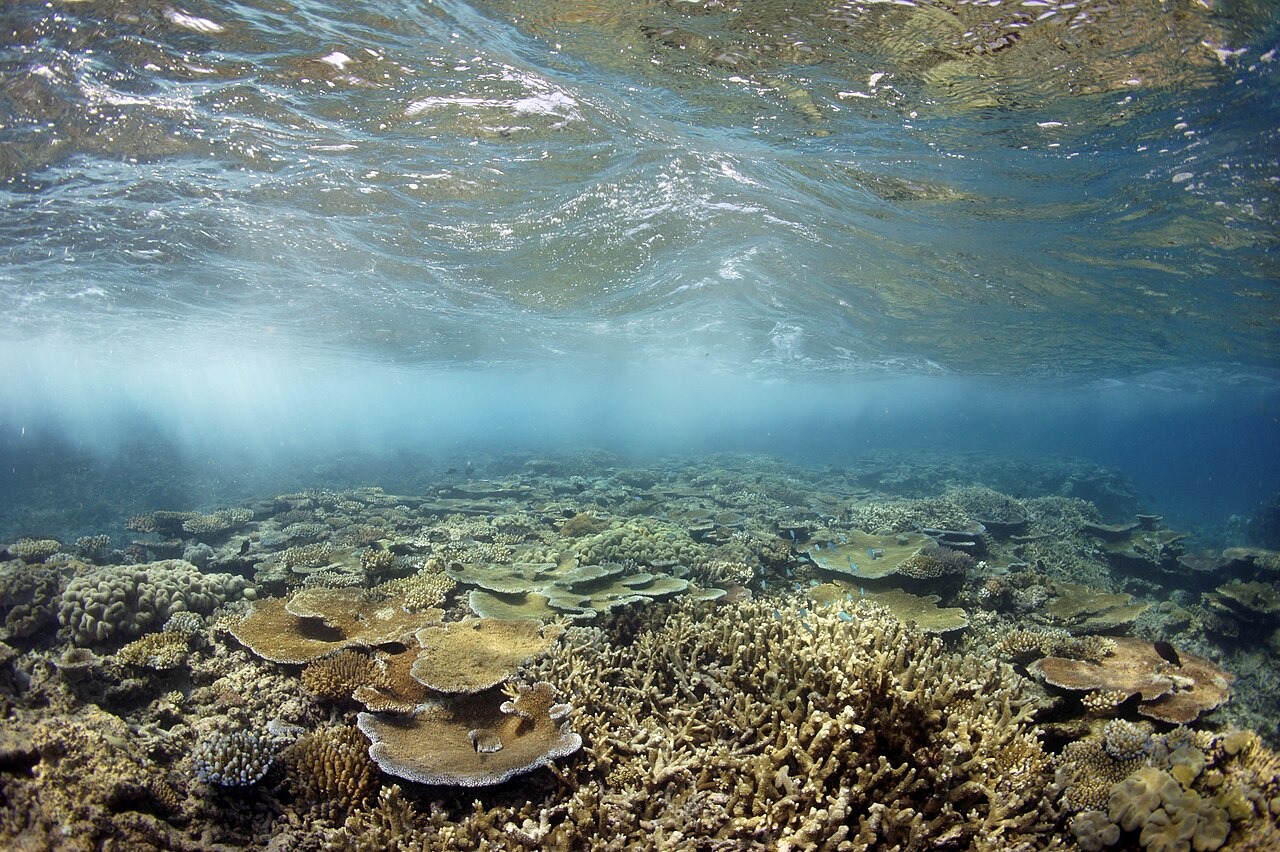
Table corals on Moore Reef, part of the Great Barrier Reef, just below the surface: Holobionics, CC BY-SA 4.0

Figures are national or global estimates from the sources named, with the uncertainty those sources give. Country rankings compare reported totals, not responsibility or effort.
Checked 2026-11-21.