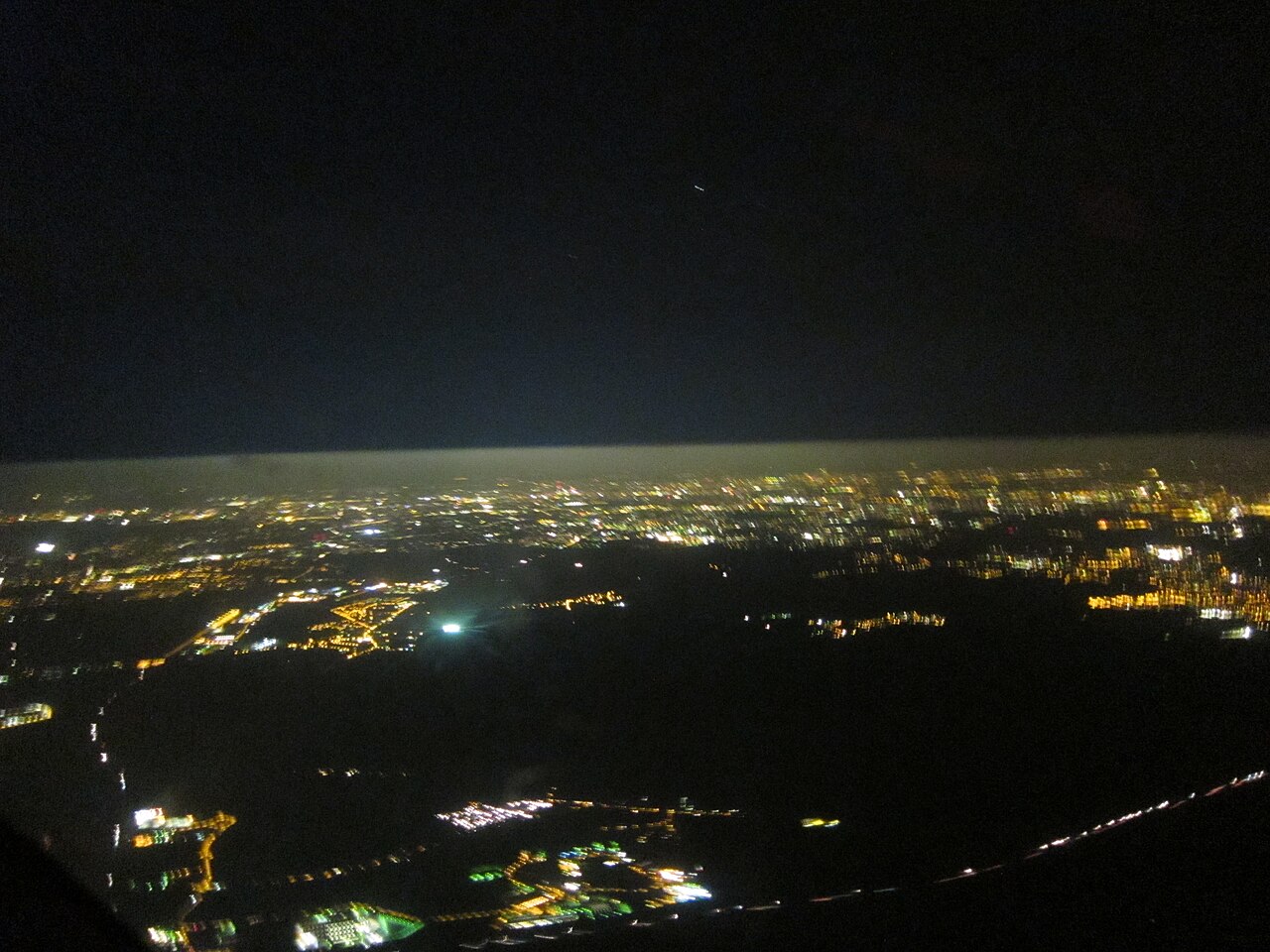
Light pollution
A pressure on the living planet, and what is being done about it
Life evolved with day and night, the phases of the moon and the changing length of the day. Animals use that light to find food, navigate and time migration and breeding, and darkness gives night animals cover to hunt and hide.
Artificial light at night now reaches 23% of the world's land between 75°N and 60°S, including 88% of Europe and almost half of the United States, and 22.2% of the world's coastline is lit every night. It can upset hormones, sleep, breeding, dormancy, navigation and migration, above all for animals active at night.
Why it matters
- Between 2012 and 2016 the world's artificially lit outdoor area grew by about 2.2% a year. CMS · Light pollution
- Light pollution affects 23% of the world's land surfaces between 75°N and 60°S, including 88% of Europe and almost half of the United States. CMS · Light pollution
- Between 2011 and 2022 the average night sky got brighter by 9.6% a year. CMS · Light pollution
- Almost a quarter (22.2%) of the world's coastline is exposed to artificial light every night, one of the factors changing wetlands. Ramsar Global Wetland Outlook, via CMS
What it touches
Habitats
Species
Why it happens, and what helps
Main causes
- Lamps that shine up and sideways instead of down where light is needed
- More light than needed, and lights left on all night
- Lights placed where animals feed, rest, nest or migrate
- Bright lights along coasts, wetlands and migration routes
What is proven to help
- Light only what needs lighting, and only when it is needed, with timers and motion sensors
- Shield lamps so the light points down
- Use dimmer, warmer light
- Keep dark corridors along coasts, rivers and migration routes
- Follow the CMS international light pollution guidelines for migratory species, adopted by governments in 2024
What the world has agreed
- Target 7 of the Kunming-Montreal Global Biodiversity Framework covers pollution from all sources, naming types of light and sound among them. CBD · GBF Target 7
- In February 2024 the parties to the Convention on Migratory Species adopted international light pollution guidelines for migratory species. CMS · Resolution 13.5 (Rev. COP14)
What you can do
- Turn off outdoor lights you do not need, or put them on a timer or motion sensor
- Choose shielded, warm-coloured outdoor lamps that point down
- Draw the curtains at night, especially near coasts and wetlands
Sources and photo credits
- CMS · Light pollution
- CBD · GBF Target 7
- CMS · International light pollution guidelines for migratory species (Resolution 13.5, Rev. COP14)
- Ramsar · Global Wetland Outlook 2018
The lights of Berlin glowing under the night sky, seen from above: Ralf Steikert, CC BY-SA 3.0

Figures are national or global estimates from the sources named, with the uncertainty those sources give. Country rankings compare reported totals, not responsibility or effort.
Checked 2026-11-22.