Animal migration
How the living planet works, and what keeps it working
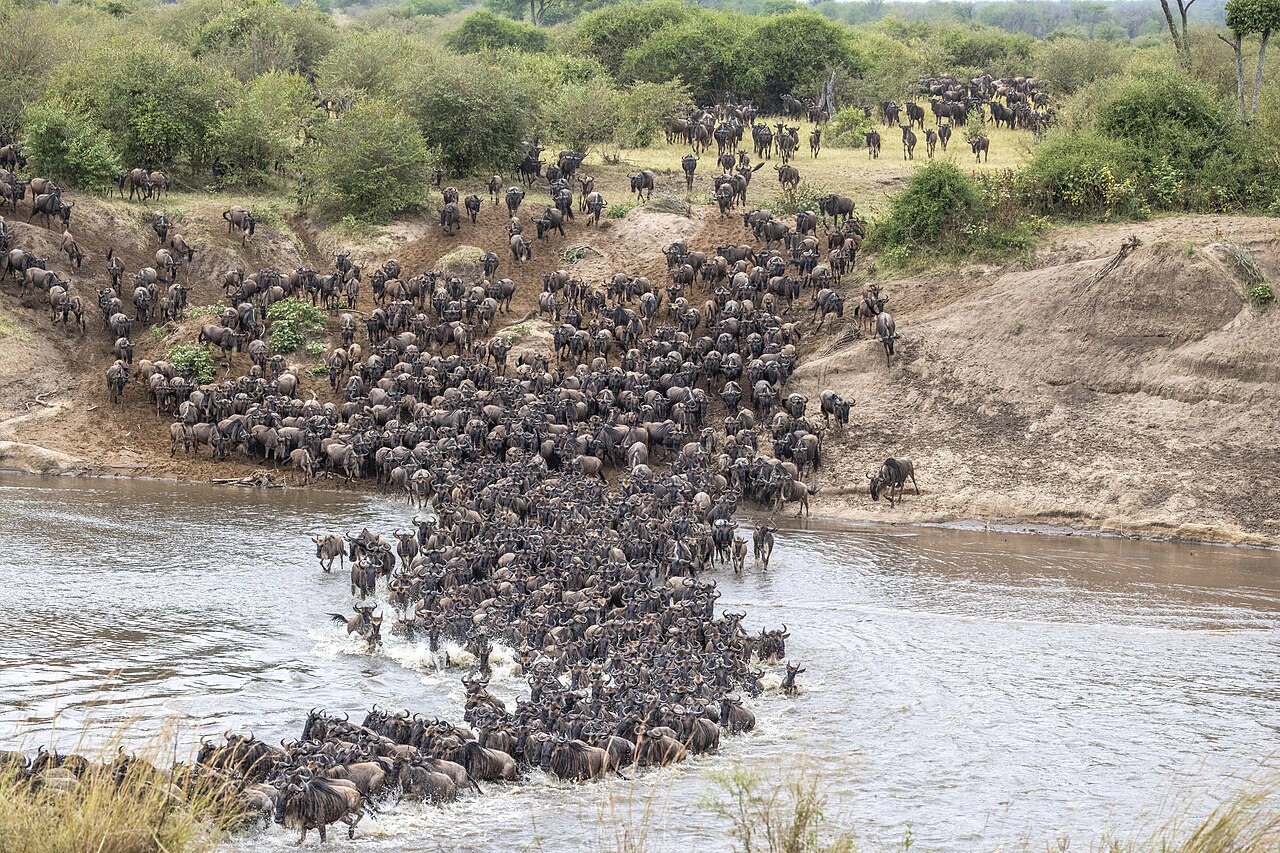
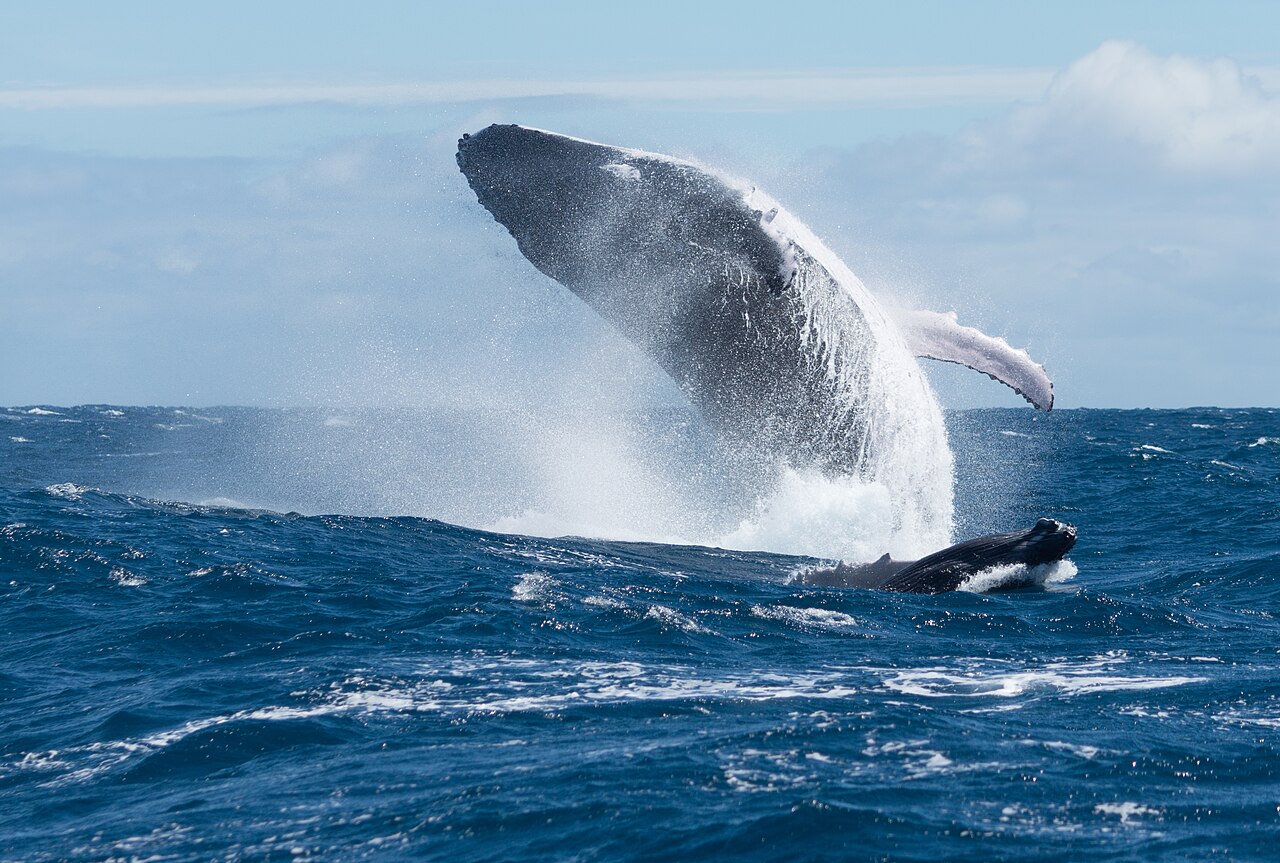
Every year, billions of animals set off on journeys that follow the seasons: whales between feeding and breeding seas, birds between continents, wildebeest across the Serengeti and Mara in search of fresh grass. They cross national borders, regions and even continents.
Migration links places that are thousands of kilometres apart. When a single stopover, river crossing or breeding beach is lost, a whole journey can fail.
How it works
- The season turnsFood runs short, days shorten or water dries up. Changes in light, temperature and rain tell animals it is time to move.
- They set offMany travel the same routes every year, guided by the sun, the stars, the Earth’s magnetic field, smell or memory passed on in the group.
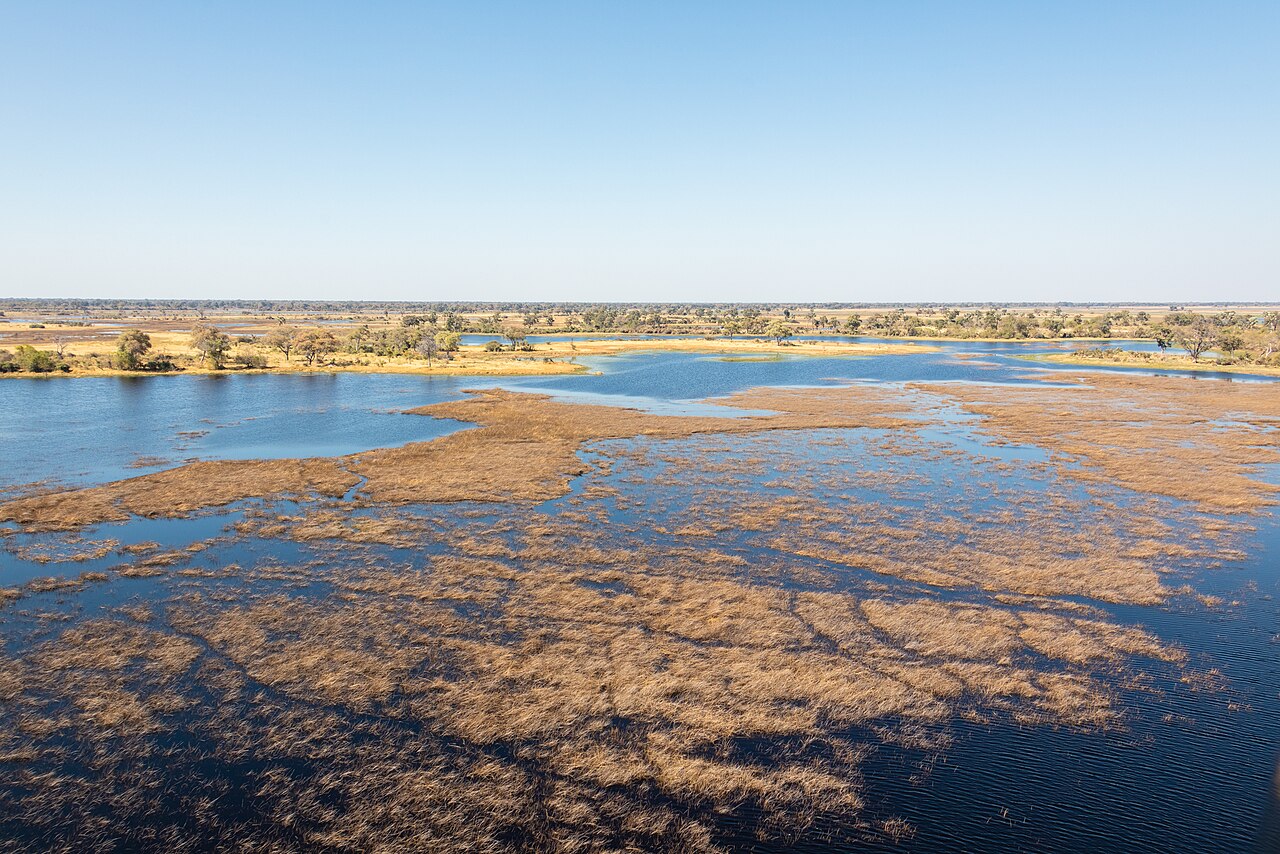
- Stopovers refuel themWetlands, coasts and river valleys along the way give tired travellers food and rest. These places are as vital as the start and the end.
- They arrive and breedAt the far end, food is plentiful and young can be raised. Then the journey back begins.
- Nature moves with themMigrants carry nutrients, seeds and energy between ecosystems, and feed the predators and people along their route.
Why it matters
- 49% of migratory species populations covered by the UN Convention on Migratory Species are declining. CMS · State of the World’s Migratory Species, update
- 24% of the migratory species listed under the Convention face extinction. CMS · State of the World’s Migratory Species, update
- Along their routes, migratory animals provide vital benefits for people, while habitat loss, degradation and fragmentation are among their key threats. Convention on Migratory Species (CMS)
What depends on it
Habitats
Species
What threatens it, and what helps
What threatens it
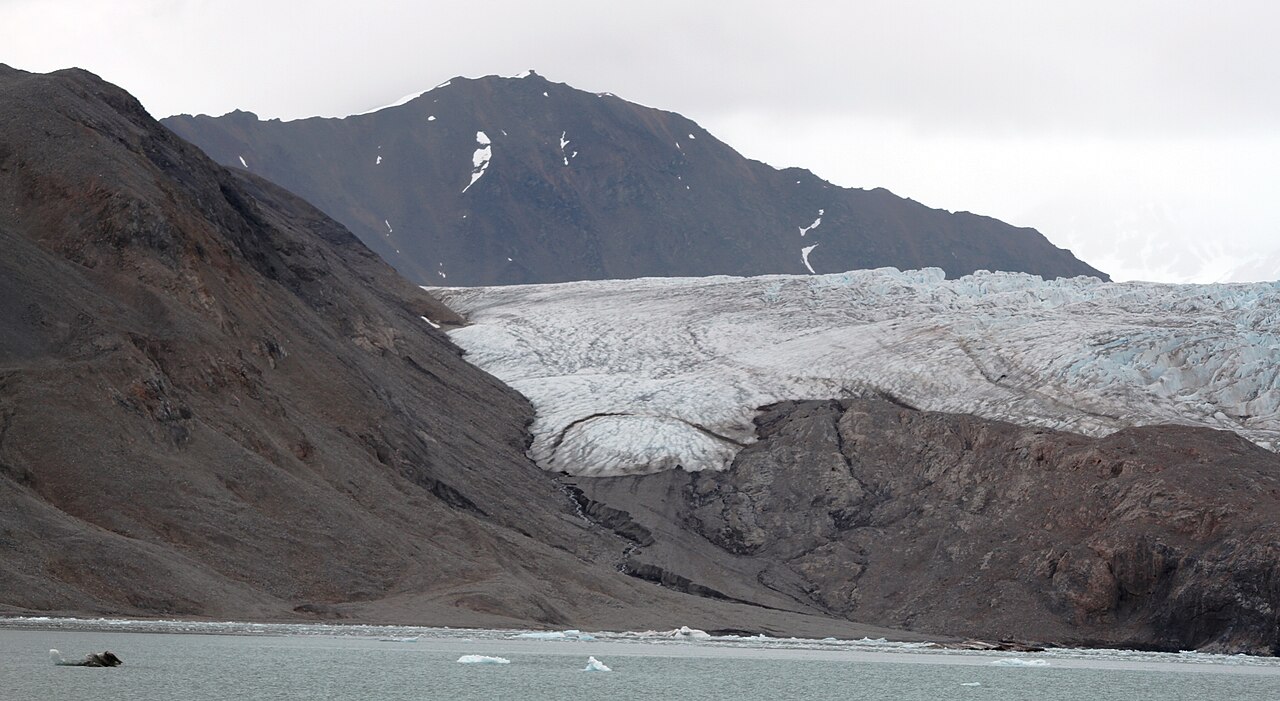
- Loss and breaking up of habitats along the route, from wetlands to grasslands
- Dams, roads and fences that cut migration paths
- Overexploitation and bycatch
- Pollution, including light at night
- Climate change, which shifts seasons and food
What helps
- Protecting the stopovers and corridors, not only the start and end
- Wildlife crossings, fish passes and removing old barriers
- Cooperation between the countries a route passes through
Pressures on it
Solutions that help

What the world has agreed
- Countries agreed to conserve or protect at least 30% of land and inland waters, and 30% of marine and coastal areas, by 2030. Kunming-Montreal Global Biodiversity Framework, Target 3 (2022)
What you can do
- Keep outdoor lights low and shielded during migration seasons
- Support wetland and corridor protection
- Report sightings in a citizen science project
Questions people ask
Why do animals migrate?
To follow food, water and good places to breed as the seasons change. Moving lets them use places that are only rich for part of the year.
How do animals find their way?
With a mix of cues: the sun and stars, the Earth’s magnetic field, smell, landmarks and routes learned from others.
Are migratory animals in trouble?
Many are. 49% of migratory species populations covered by the UN Convention on Migratory Species are declining, and 24% of the listed species face extinction (CMS).
Sources and photo credits
- CMS · State of the World’s Migratory Species, update
- Convention on Migratory Species (CMS)
- Kunming-Montreal Global Biodiversity Framework, Target 3 (2022)
A herd of wildebeest crossing the Mara River in Kenya: Charles J. Sharp, CC BY-SA 4.0

Figures are national or global estimates from the sources named, with the uncertainty those sources give. Country rankings compare reported totals, not responsibility or effort.
Checked 2026-11-22.