How coral reefs are built
How the living planet works, and what keeps it working
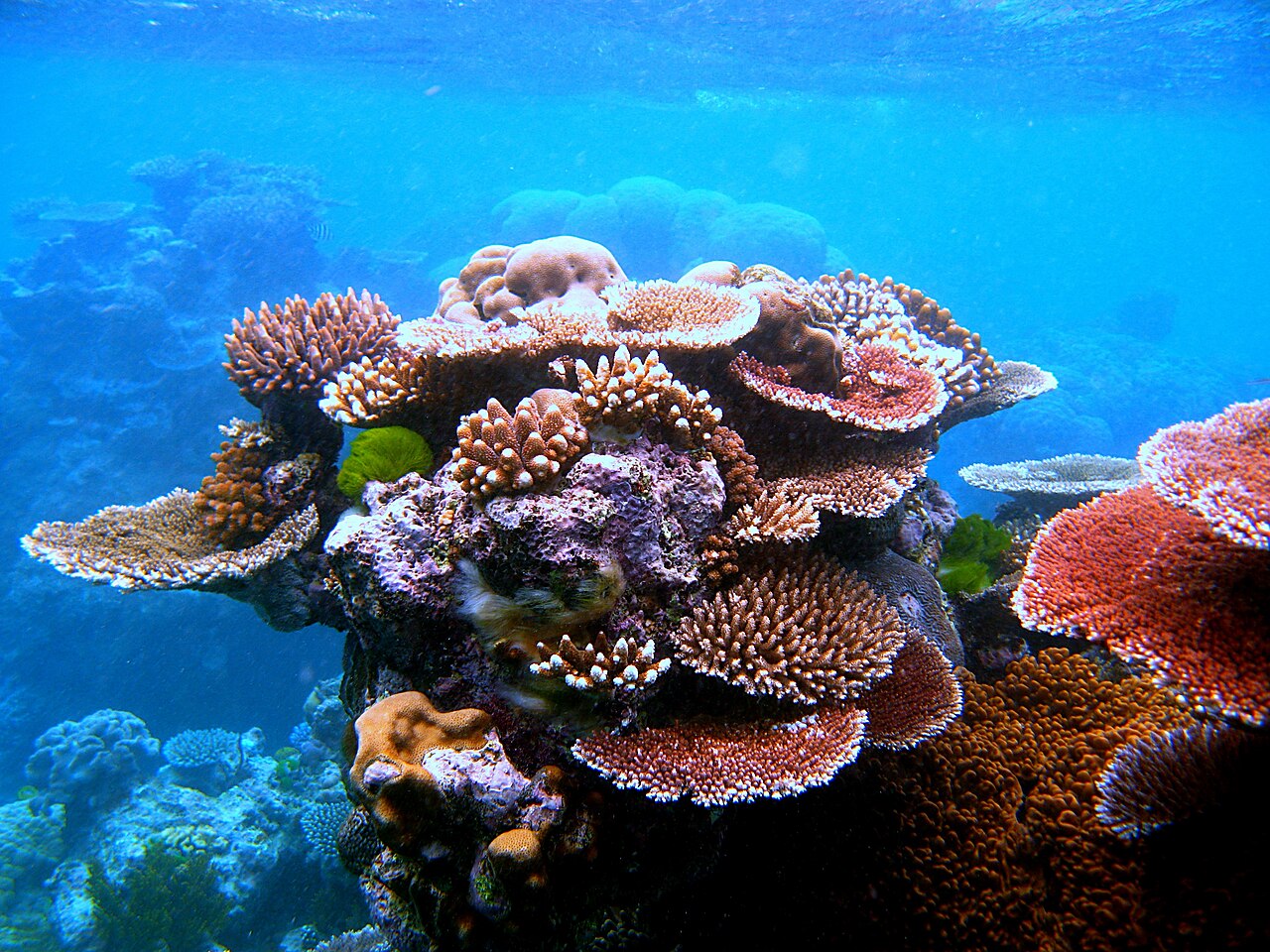
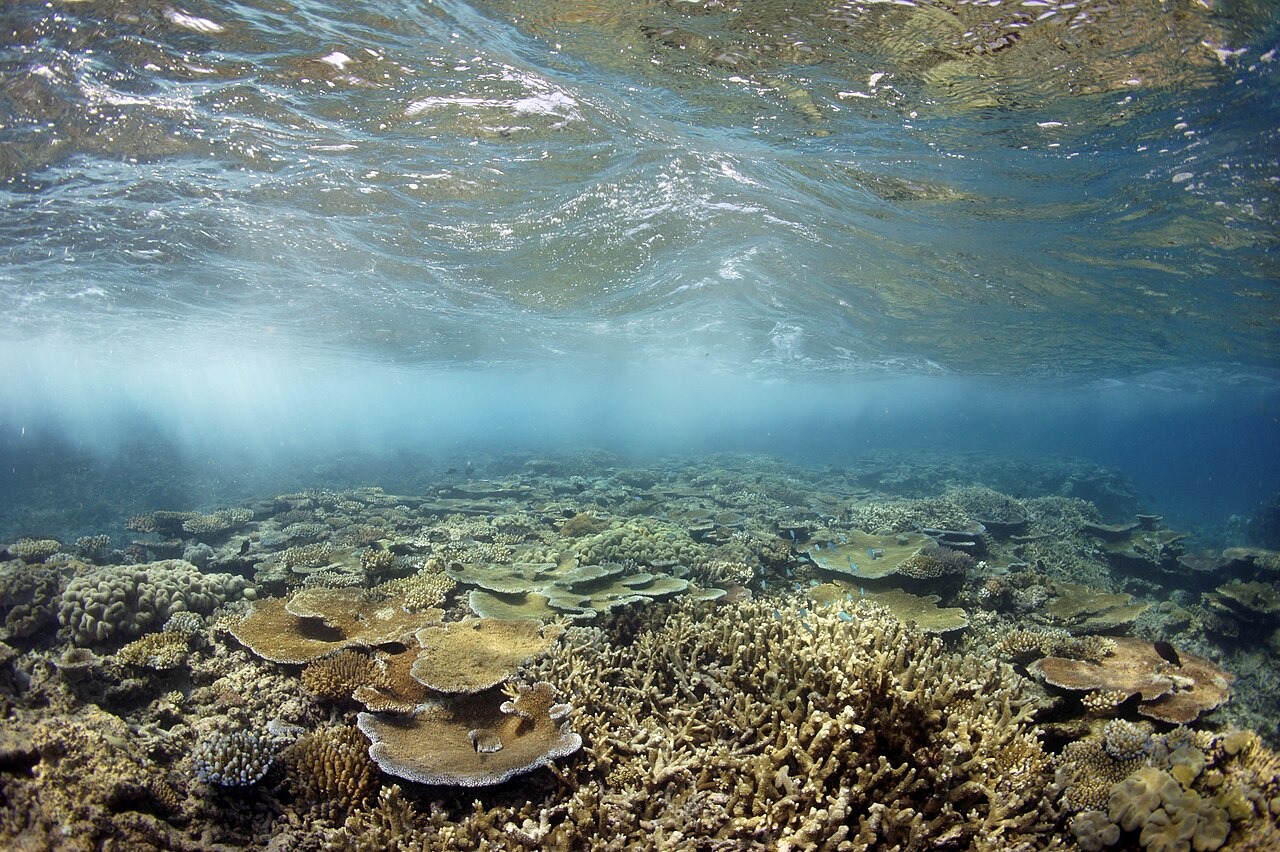
A coral reef is built by animals smaller than a fingernail. Coral polyps form a thin living mat over a skeleton of calcium carbonate, and over centuries their layers grow into reefs large enough to see from space.
Reefs cover only about 1% of the world’s oceans, yet they give a home to at least a quarter of all marine life.
How it works
- A polyp settlesA tiny coral larva drifts until it finds a hard surface in clear, warm, shallow water, then fixes itself in place.
- It builds a cupThe polyp takes calcium and carbonate from seawater and lays down a limestone cup beneath its soft body.
- Partners power itAlgae living inside the coral turn sunlight into food and share it, which gives corals the energy to build and their colours.
- The colony growsPolyps divide again and again. Thin layers of calcium carbonate pile up into branching, plate and boulder shapes.
- A reef risesOver centuries the colonies grow into reef structures that break waves, shelter fish and feed millions of people.
Why it matters
- Coral reefs cover only 1% of the world’s oceans but provide habitat for at least 25% of the world’s marine life. NOAA · Why are coral reefs important?
- Reefs are home to over 4,000 species of fish, corals and other marine life, and many reef species are still to be discovered. NOAA · Why are coral reefs important?
- Massive reef structures form as each stony coral lays down calcium carbonate beneath its living tissue, layer on layer. NOAA · What are corals made of?
What depends on it
Habitats
Species
What threatens it, and what helps
What threatens it
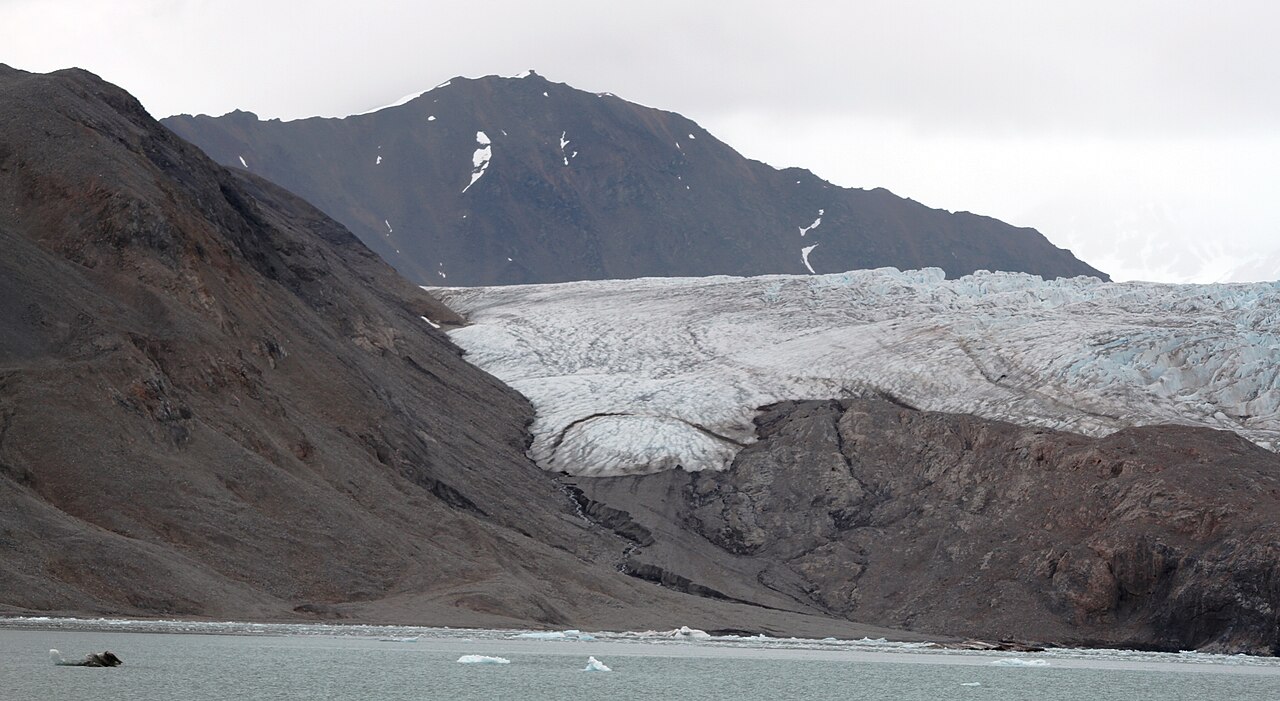
- Ocean heating, which causes coral bleaching
- Ocean acidification, which makes building skeletons harder
- Pollution and sediment from land
- Overfishing and destructive fishing
- Physical damage from anchors, coastal building and storms
What helps
- Cutting greenhouse gas emissions
- Well-enforced marine protected areas
- Cleaner rivers and coasts
- Restoring damaged reefs with nursery-grown corals
Pressures on it
Solutions that help

What the world has agreed
- Countries agreed to conserve or protect at least 30% of land and inland waters, and 30% of marine and coastal areas, by 2030. Kunming-Montreal Global Biodiversity Framework, Target 3 (2022)
What you can do
- Choose reef-safe sunscreen and never touch corals
- Eat seafood from well-managed fisheries
- Support marine protected areas
Questions people ask
What are coral reefs made of?
Of calcium carbonate laid down by coral polyps. Polyps form a thin living layer over the skeleton, and the layers build up over centuries (NOAA).
Why are coral reefs important?
They cover only about 1% of the oceans but give habitat to at least 25% of marine life, protect coasts from waves and support fisheries and tourism (NOAA).
Are corals plants or animals?
Animals. Each coral is a colony of small polyps related to jellyfish, living together with algae that make food from sunlight.
Sources and photo credits
- NOAA · Why are coral reefs important?
- NOAA · What are corals made of?
- Kunming-Montreal Global Biodiversity Framework, Target 3 (2022)
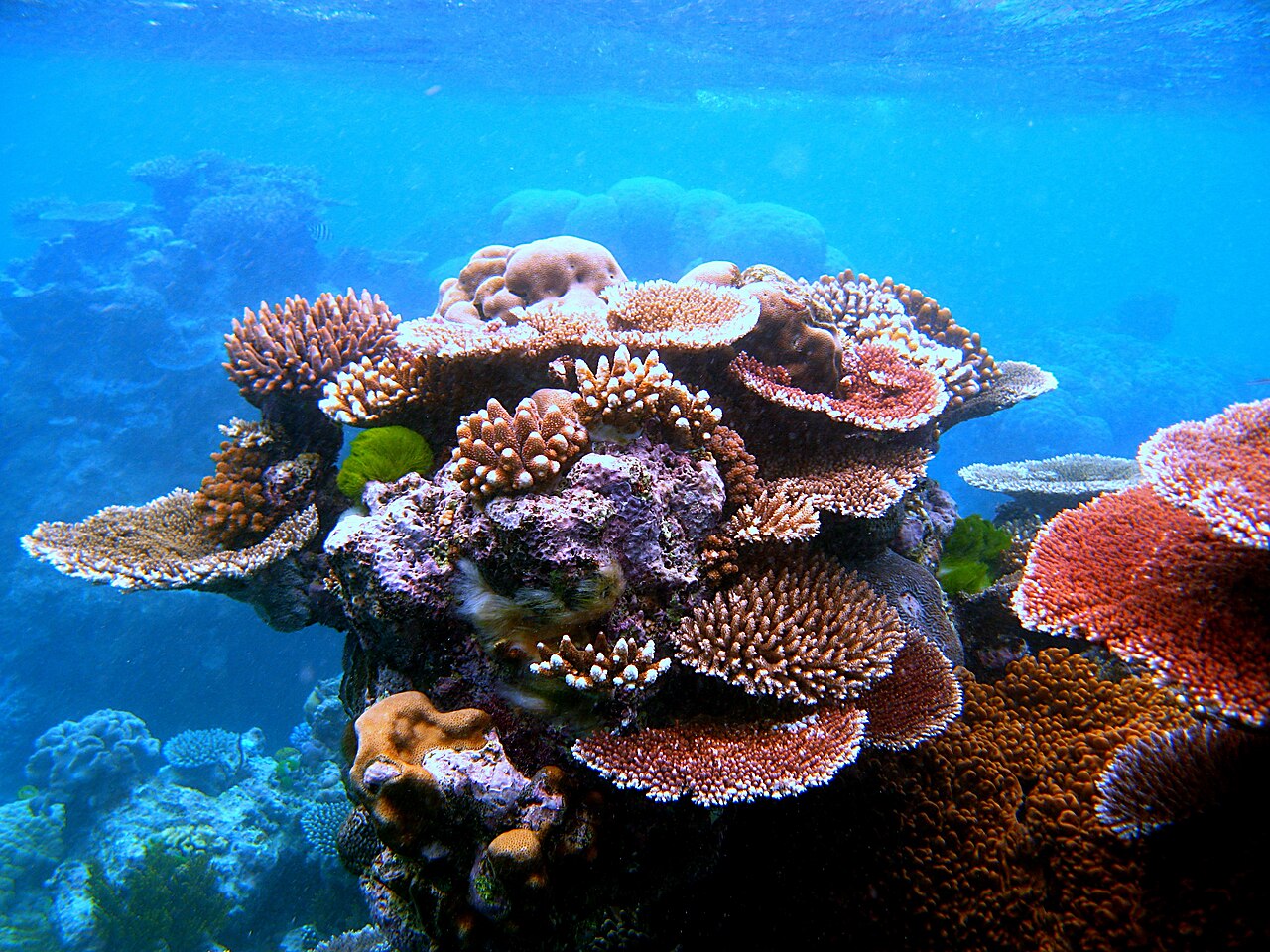
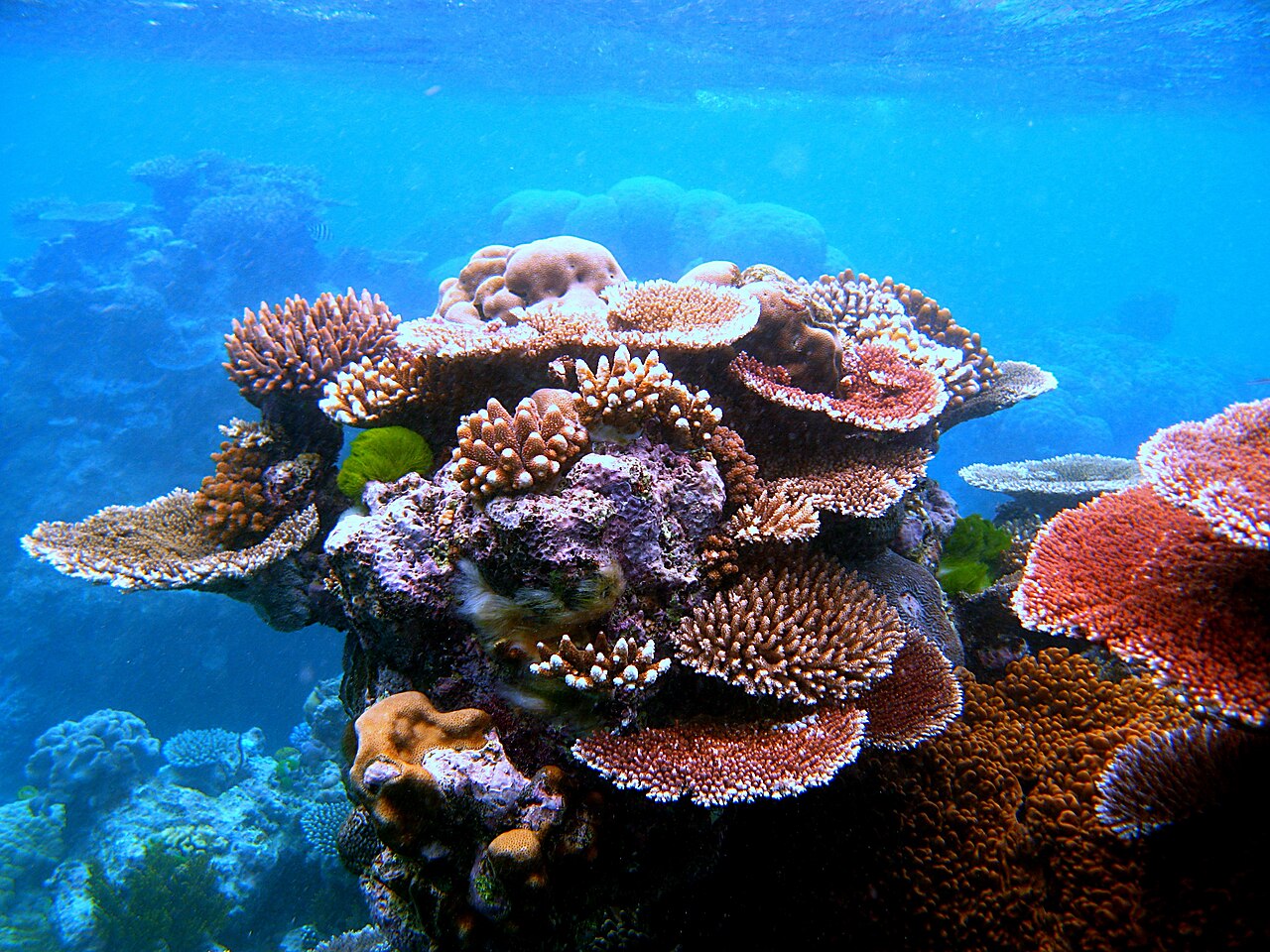
A colourful coral outcrop on Flynn Reef in the Great Barrier Reef: Toby Hudson, CC BY-SA 3.0

Figures are national or global estimates from the sources named, with the uncertainty those sources give. Country rankings compare reported totals, not responsibility or effort.
Checked 2026-11-22.