Ocean upwelling
How the living planet works, and what keeps it working
Along some coasts, winds push surface water away from the shore, and cold, nutrient-rich water rises from the deep to take its place. That water fertilises the sunlit surface like a natural fertiliser.
The result is some of the richest seas on Earth. Coastal upwelling regions cover only about 1% of the ocean surface, yet they contribute roughly 50% of the world’s fisheries landings.
How it works
- Wind blows along the coastSteady winds blow along the shore, and the Earth’s rotation deflects the surface water out to sea.
- Deep water risesCold water from below rises to replace it, bringing up nutrients from decayed life in the deep.
- Plankton bloomIn sunlight, the nutrients feed huge blooms of microscopic algae, the base of the food web.
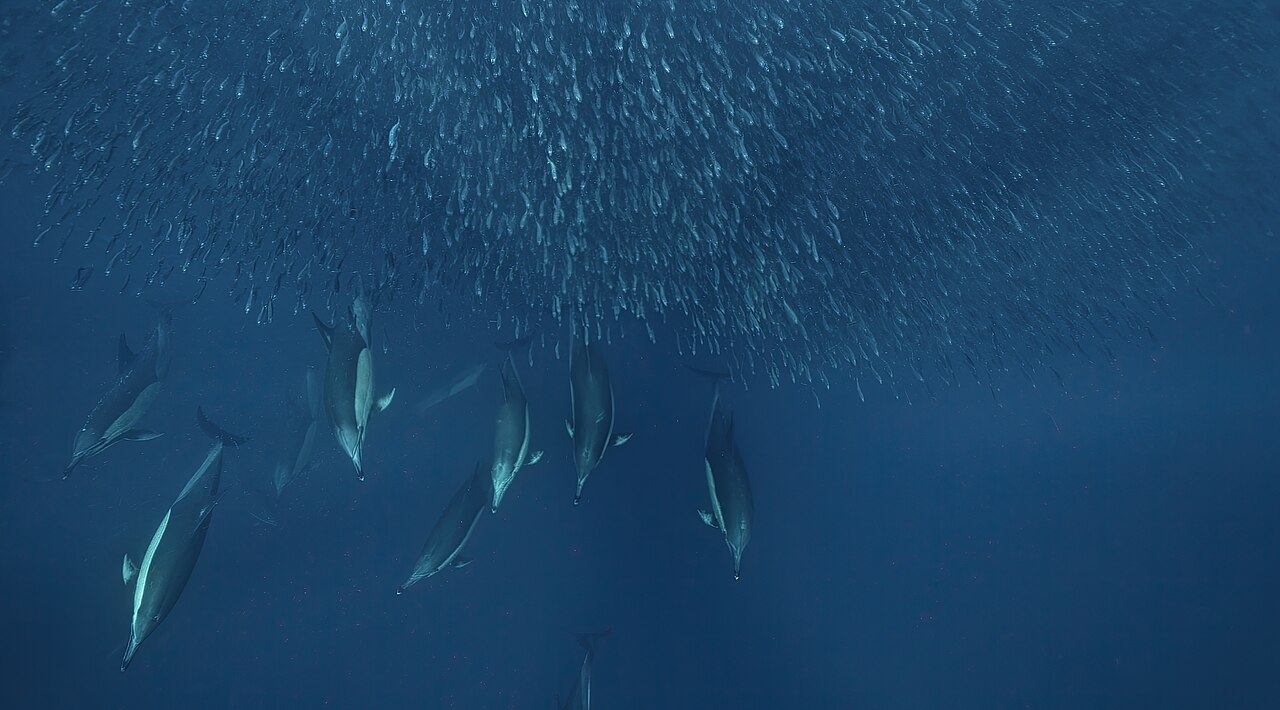
- Fish gatherSmall fish such as anchovies and sardines feed on the plankton in vast schools.
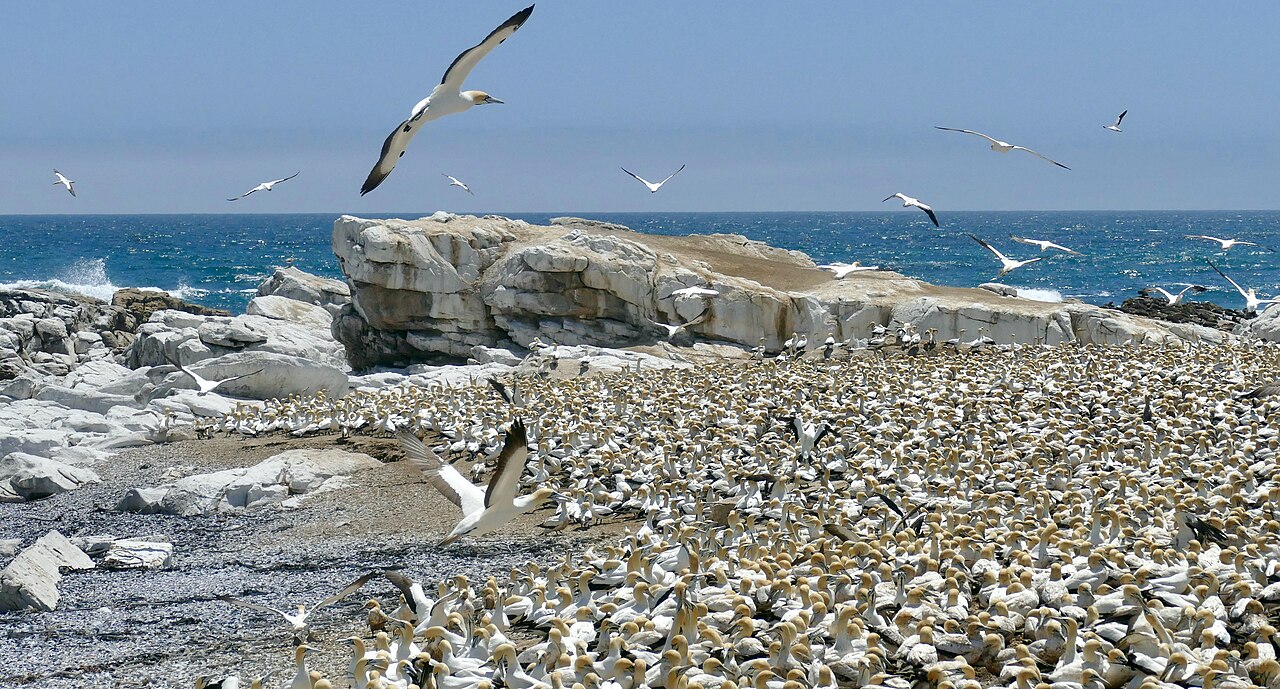
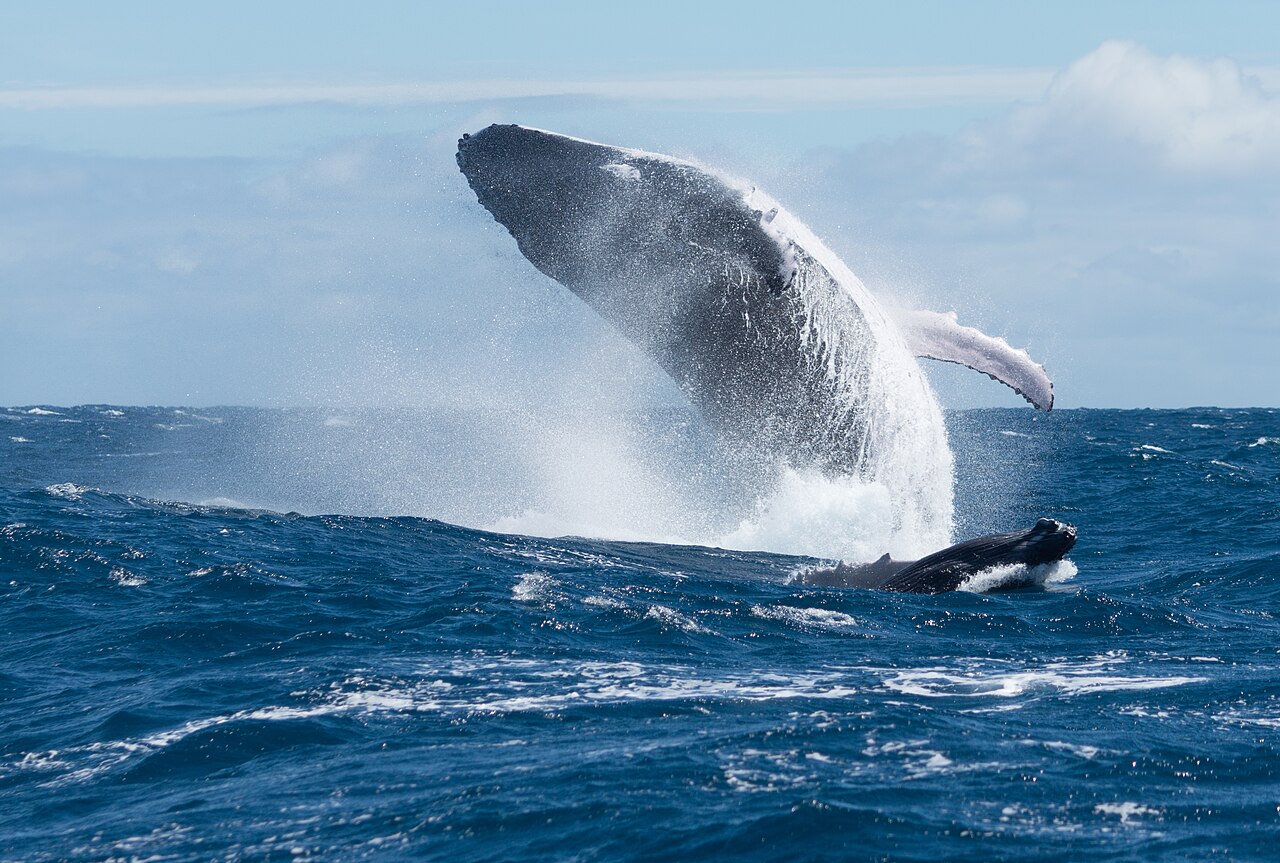
- Predators followSeabirds, seals, whales and fishing fleets follow the fish, making these some of the busiest seas on the planet.
Why it matters
- Although coastal upwelling regions account for only one percent of the ocean surface, they contribute roughly 50 percent of the world’s fisheries landings. NOAA Ocean Exploration · What is upwelling?
What depends on it
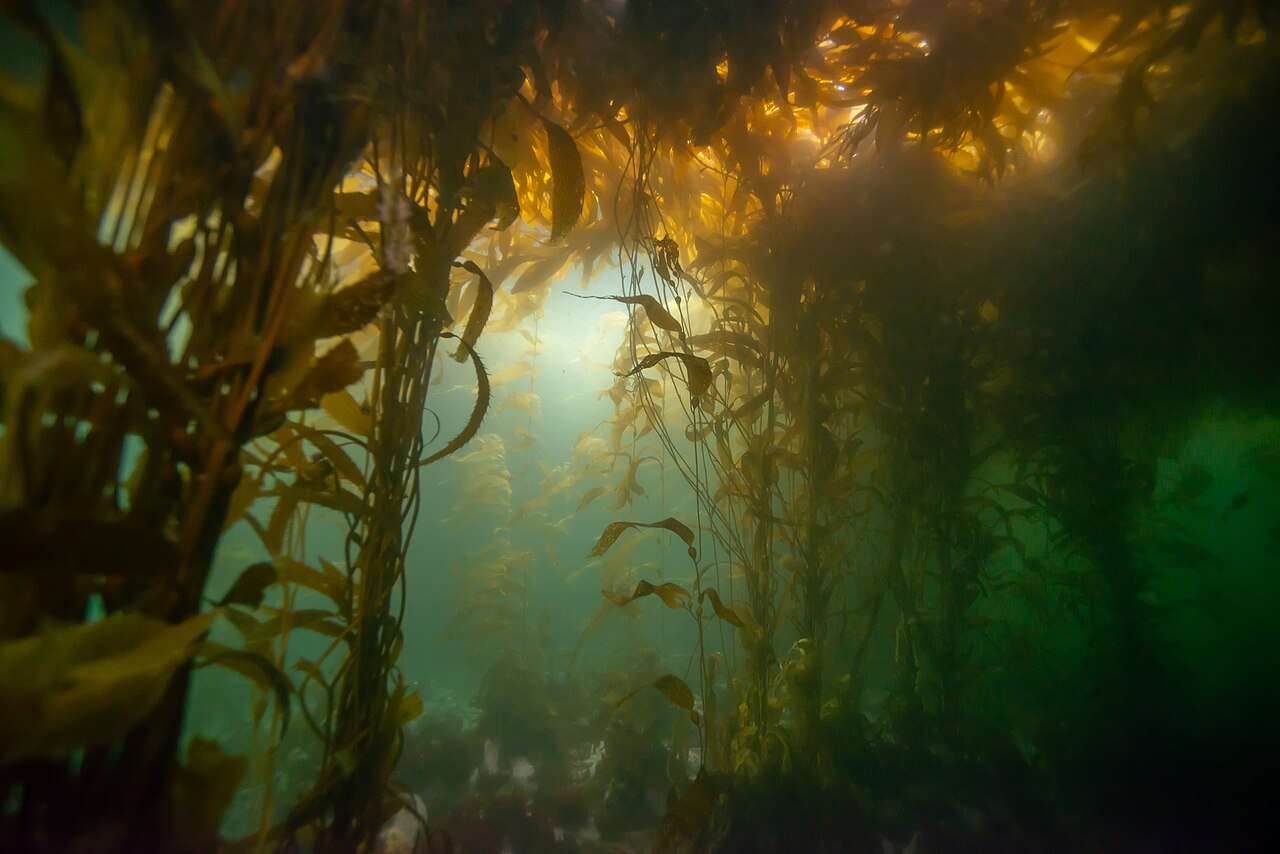
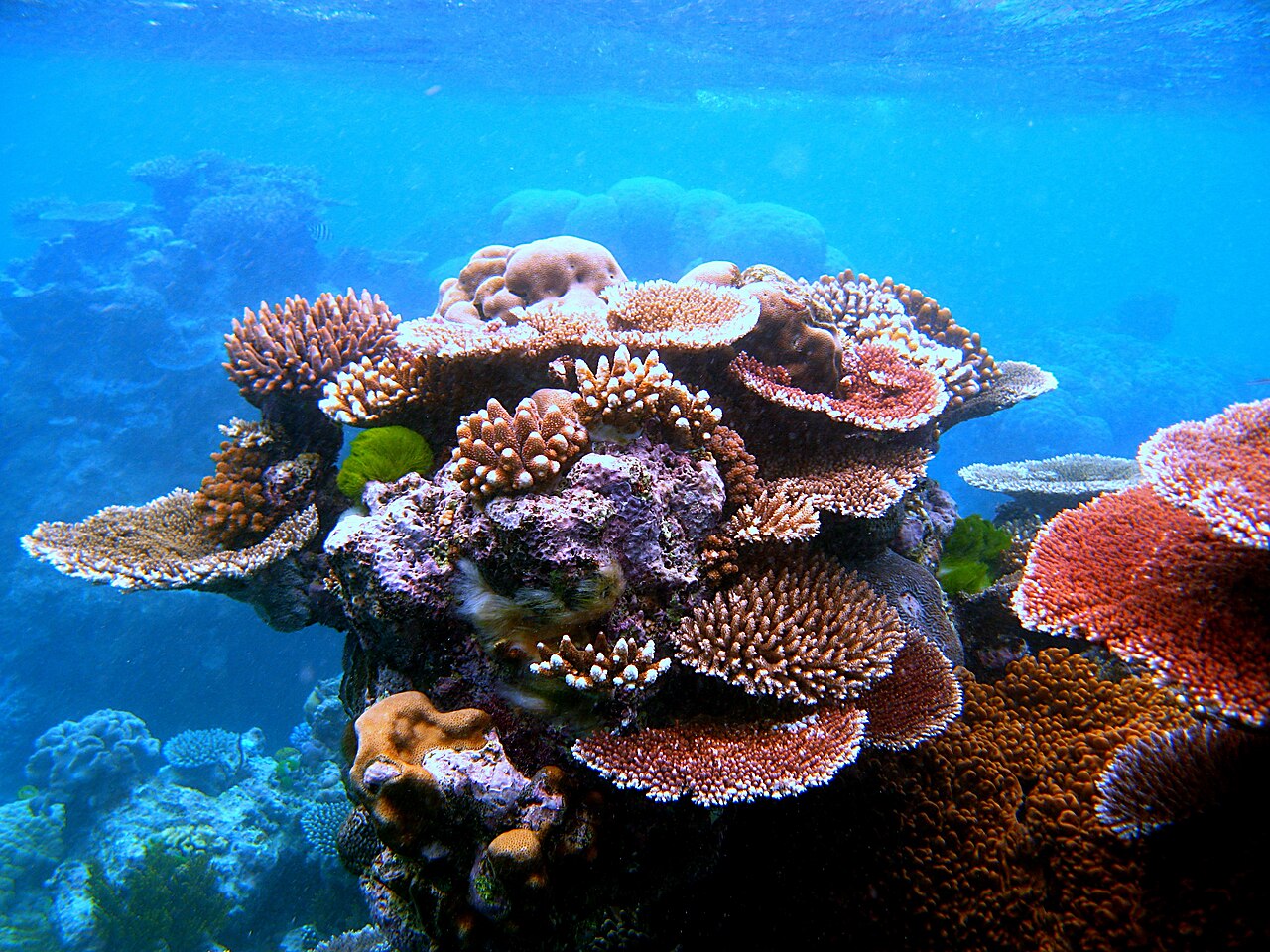
Habitats
Species
What threatens it, and what helps
What threatens it
- Ocean heating, which can weaken or shift upwelling
- Overfishing of the small fish at the heart of the food web
- Low-oxygen zones that grow as waters change
What helps
- Science-based fishing limits
- Marine protected areas
- Cutting greenhouse gas emissions
Pressures on it
Solutions that help
What you can do
- Choose seafood from well-managed fisheries
- Support marine protected areas
Questions people ask
What is ocean upwelling?
The rise of cold, nutrient-rich deep water to the surface, usually where winds push surface water away from a coast.
Why is upwelling important?
Upwelling regions cover only about 1% of the ocean surface but contribute roughly 50% of the world’s fisheries landings (NOAA).
Where does upwelling happen?
Along western coasts of continents such as Peru, California, northwest Africa and southwest Africa, and along the equator.
Sources and photo credits
A breeding colony of Cape gannets, seabirds of the cold, upwelling-fed coast of southern Africa: Bernard DUPONT, CC BY-SA 2.0

Figures are national or global estimates from the sources named, with the uncertainty those sources give. Country rankings compare reported totals, not responsibility or effort.
Checked 2026-11-22.