What holds the sea back.
The pressures on ocean life, each with the evidence behind it and what works against it.
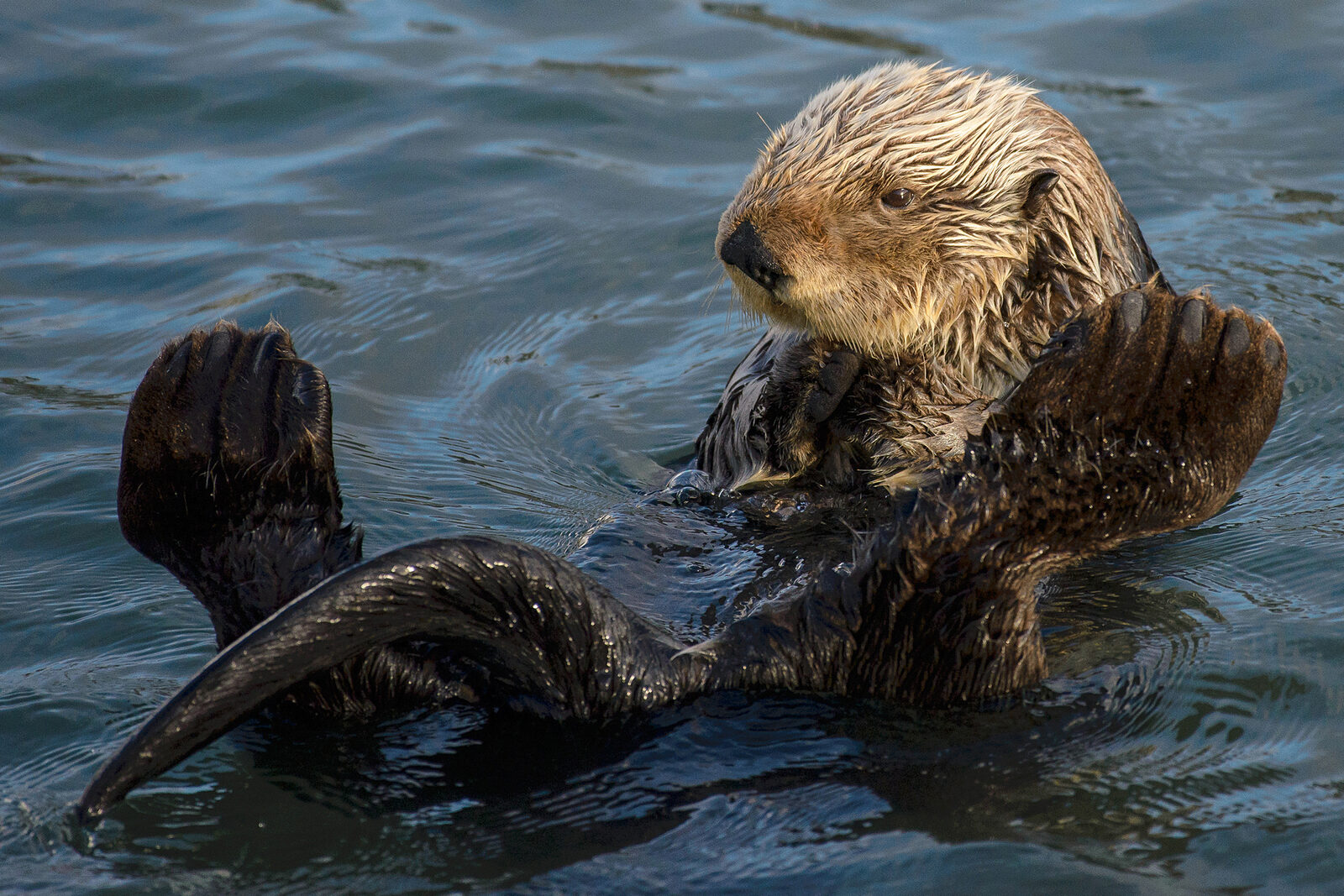
Photo: Marshal Hedin
At a glance
 OverfishingMore than a third of the world's assessed fish stocks are overfished. Where fishing is heaviest, what it…
 BycatchAn estimated 9.1 million tonnes of catch are thrown back each year. What bycatch and discards do to…
 Ocean warmingThe upper ocean keeps taking up heat. What warming and marine heatwaves do to corals, fish and the people…
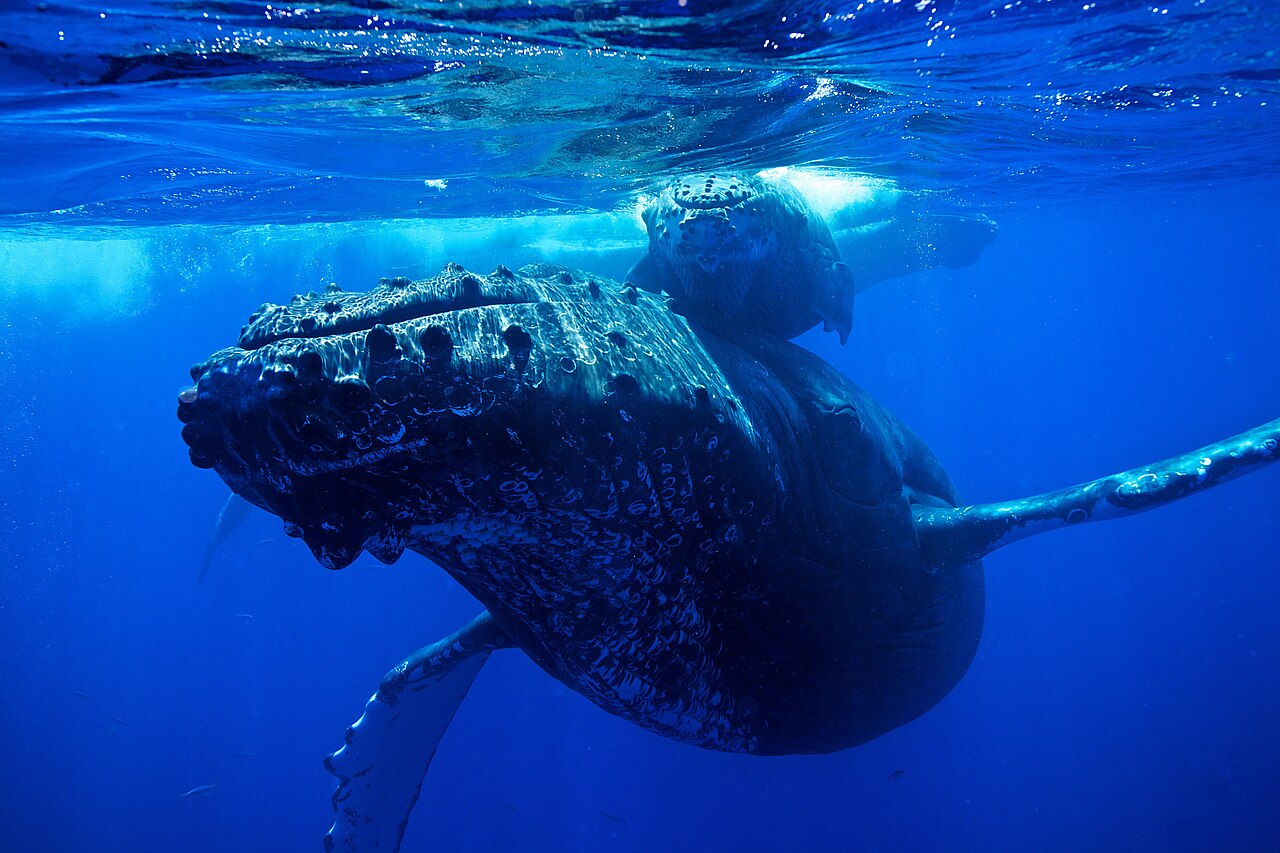 Underwater noise91% of Europe's seas are exposed to continuous shipping noise. How noise from ships, sonar and…
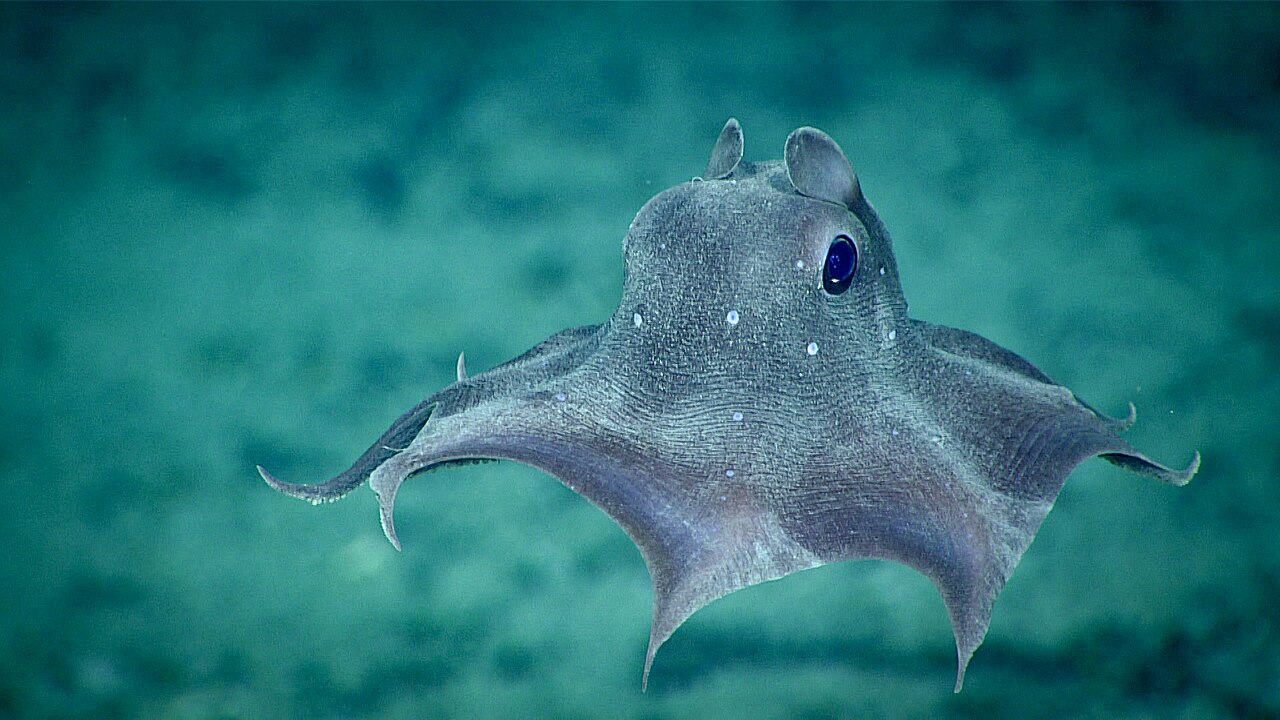 Deep-sea miningMining the deep seabed for metals could begin soon, in places where around 90% of species are still…
Overfishing
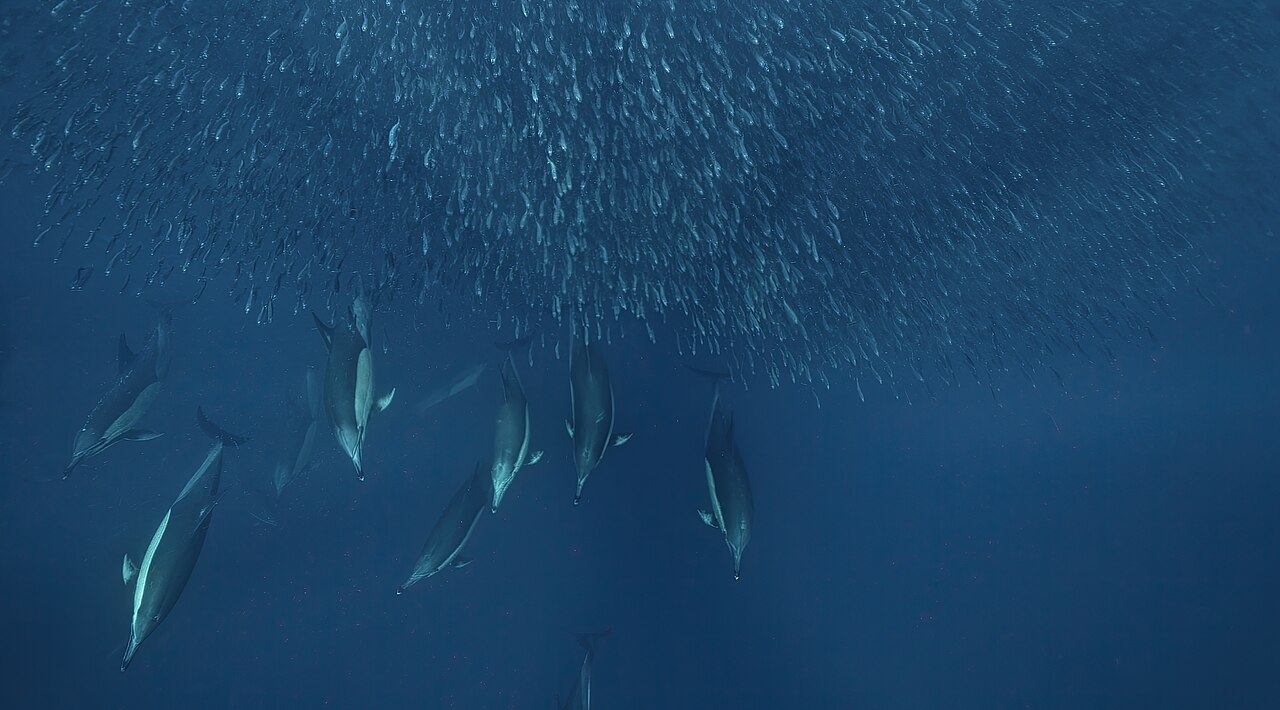
Fish feed billions of people and almost everything else in the sea, from dolphins and seabirds to sharks and whales. Overfishing means taking fish faster than they can breed and grow back.
FAO's 2025 assessment of 2,570 marine fish stocks found 35.5% overfished.
Source: FAO · Global marine fish stock assessment 2025
Photo: Stanislav Stelmakhovich
Bycatch
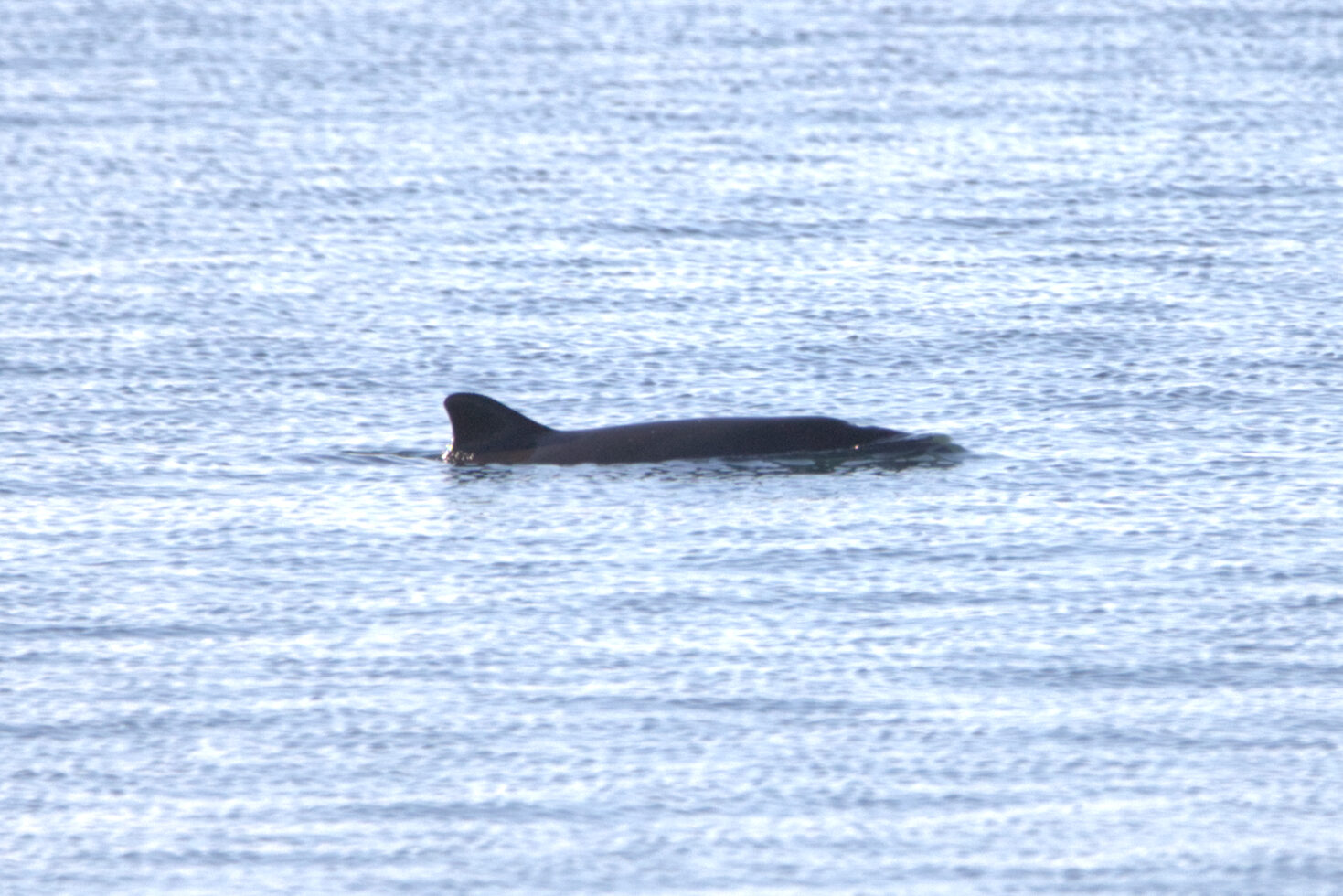
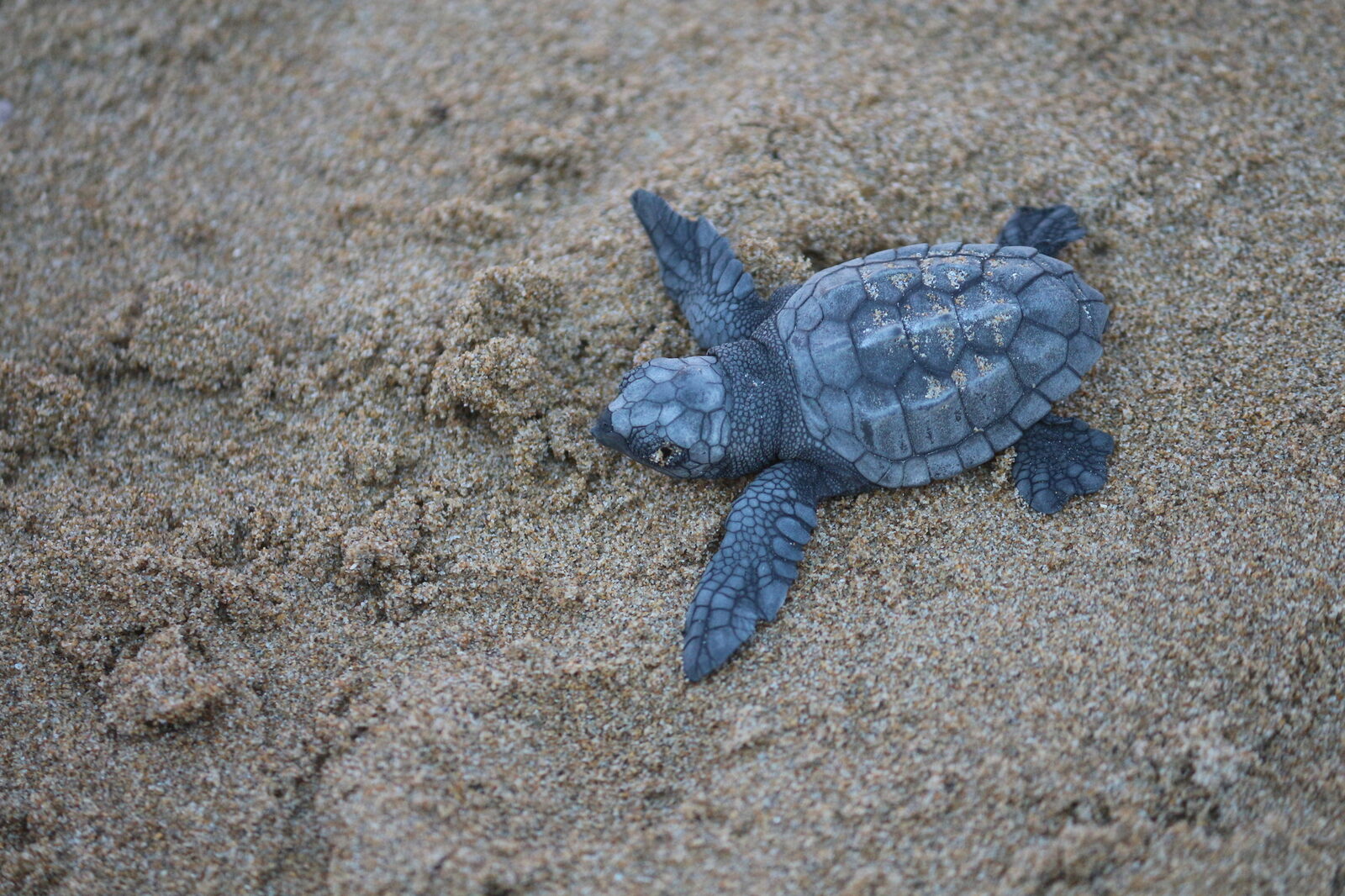
Fishing nets and lines catch more than the fish they are meant for. Porpoises, dolphins, turtles, seabirds, sharks and young fish are caught by accident, and much of it is thrown back dead or dying.
About 9.1 million tonnes of catch were discarded each year in 2010–2014 (range 6.7–16.1 million tonnes). Discards are not all bycatch.
Source: Pérez Roda et al. (2020) · Global marine fisheries discards, Scientific Reports
Photo: Eric Habisch
Ocean warming
The ocean has taken up most of the extra heat trapped by greenhouse gases. A warmer sea holds less oxygen, shifts where fish can live, and brings marine heatwaves that can bleach and kill corals.
Preliminary estimate: upper-ocean (0–2,000 m) heat content rose by 23 ± 8 zettajoules from 2024 to 2025.
Source: WMO · 2025 was one of the warmest years on record (preliminary)
Photo: Radu Teodoreanu (CC BY 4.0)
Underwater noise
The ocean is a world of sound. Whales and dolphins depend on it for communicating, finding food, attracting mates, detecting predators and navigating. Light fades quickly underwater, but sound travels far.
One study estimates that 91% of Europe's seas are exposed to continuous shipping noise and 10% to high shipping density.
Source: EEA · Underwater noise pollution in Europe's seas
Photo: National Marine Sanctuaries
Deep-sea mining
Deep-sea mining means taking mineral deposits from the seabed below 200 metres, for metals such as copper, nickel, manganese, zinc, lithium and cobalt. More than 1.5 million square kilometres of international seabed, roughly the size of Mongolia, has been set aside for exploration.
By May 2022, the International Seabed Authority had issued 31 contracts to explore deep-sea mineral deposits in international waters.
Source: IUCN · Issues brief: deep-sea mining
Photo: NOAA Ocean Exploration & Research from USA
4PLANET
For a Living Planet
Independent, no ads, free for everyone. Join and follow the living planet with us.