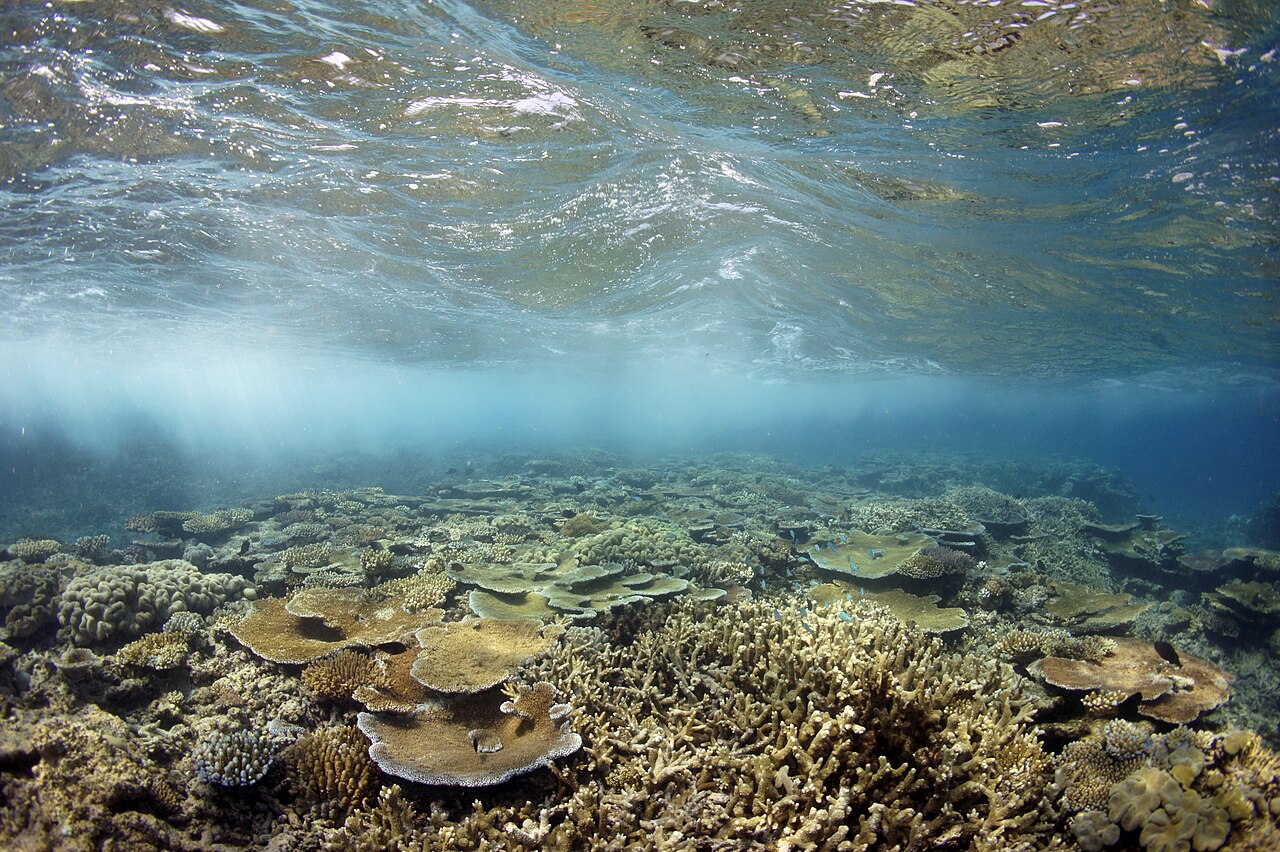
Ocean warming
A pressure on the living planet, and what is being done about it.
The ocean has taken up most of the extra heat trapped by greenhouse gases. A warmer sea holds less oxygen, shifts where fish can live, and brings marine heatwaves that can bleach and kill corals.
The World Meteorological Organization's preliminary estimate is that the heat content of the upper 2,000 metres of the ocean rose by 23 ± 8 zettajoules from 2024 to 2025. On the Great Barrier Reef, a marine heatwave in 2024 left more than a tenth of the coral bleached on 73% of the reefs surveyed from the air.
Why it matters
- Preliminary estimate: upper-ocean (0–2,000 m) heat content rose by 23 ± 8 zettajoules from 2024 to 2025. WMO · 2025 was one of the warmest years on record (preliminary)
- In 2024, prevalent bleaching (more than 10% of coral cover) was found on 73% of Great Barrier Reef reefs surveyed from the air. AIMS · Coral bleaching events
What it touches
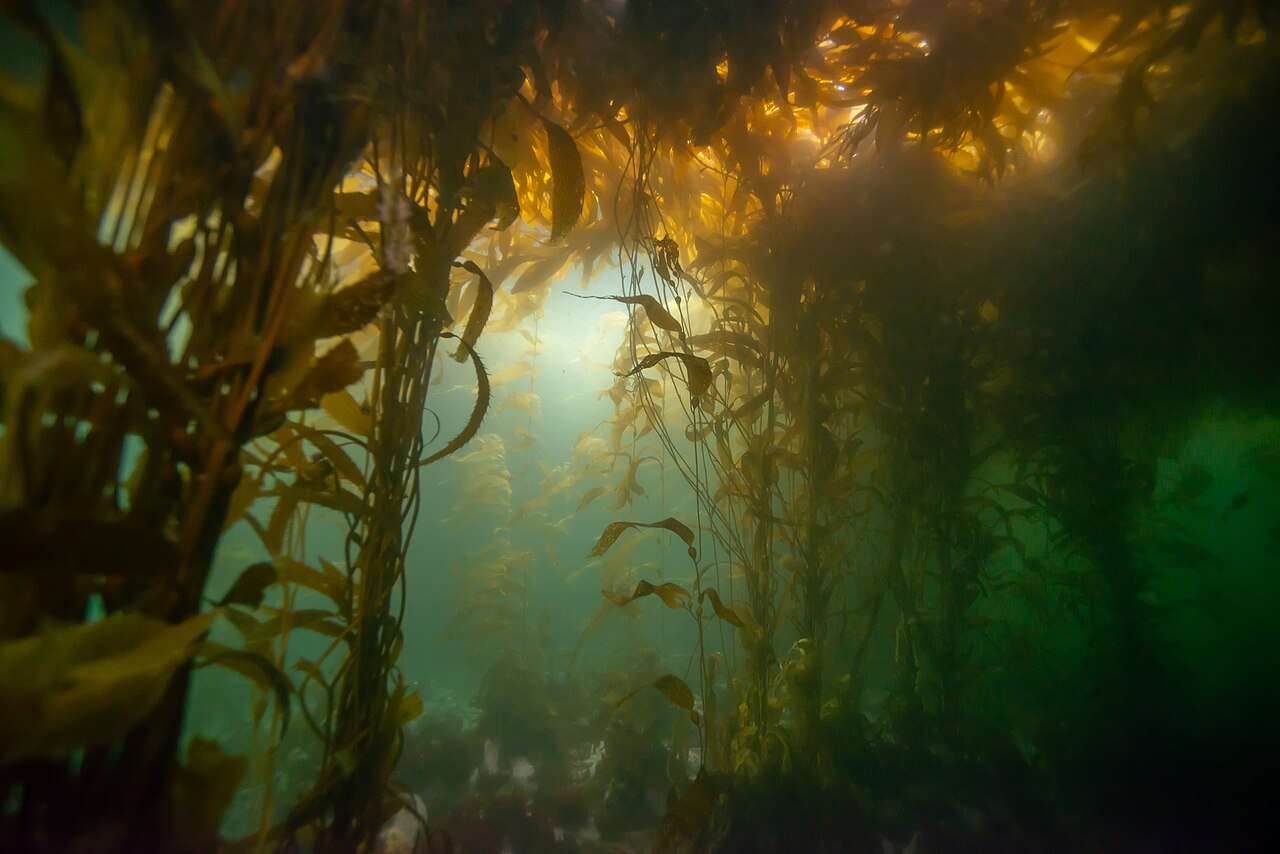
Habitats
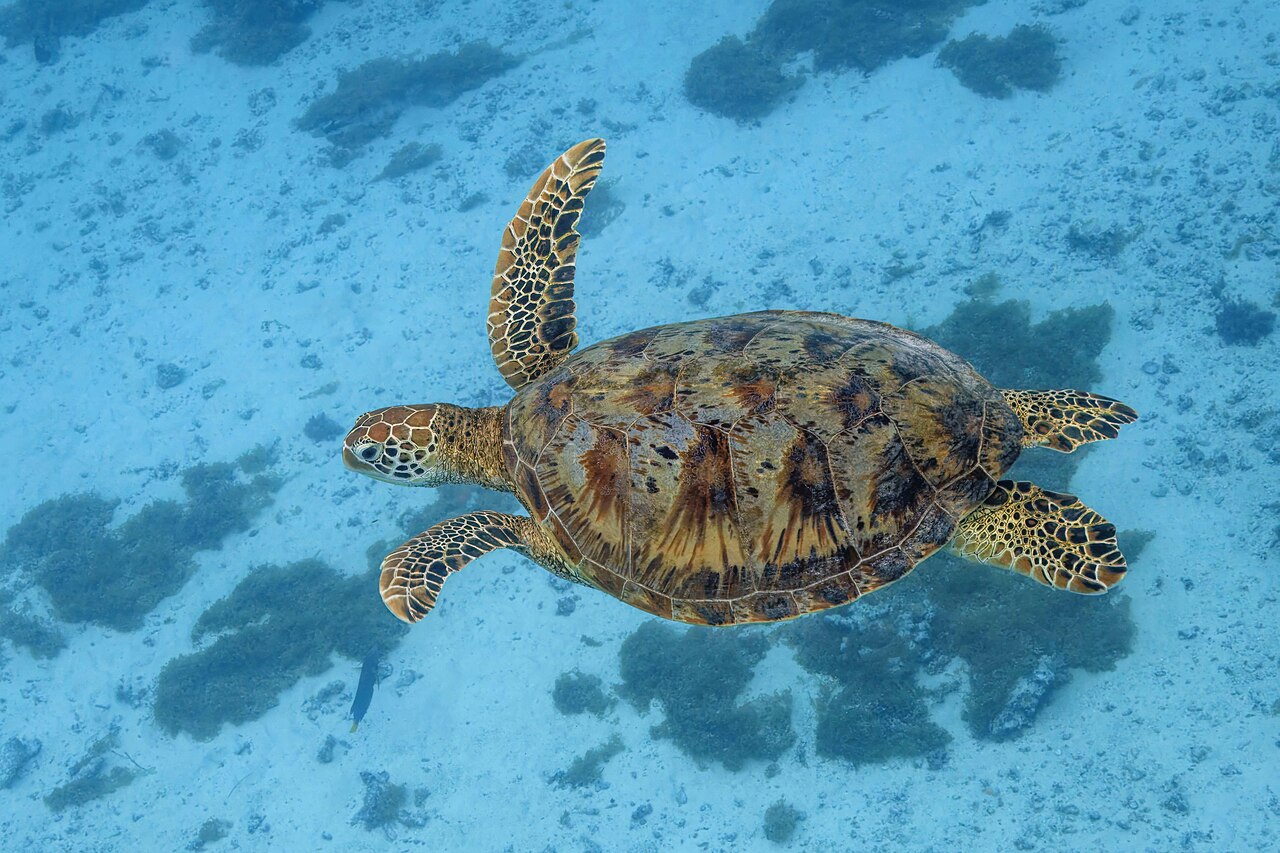
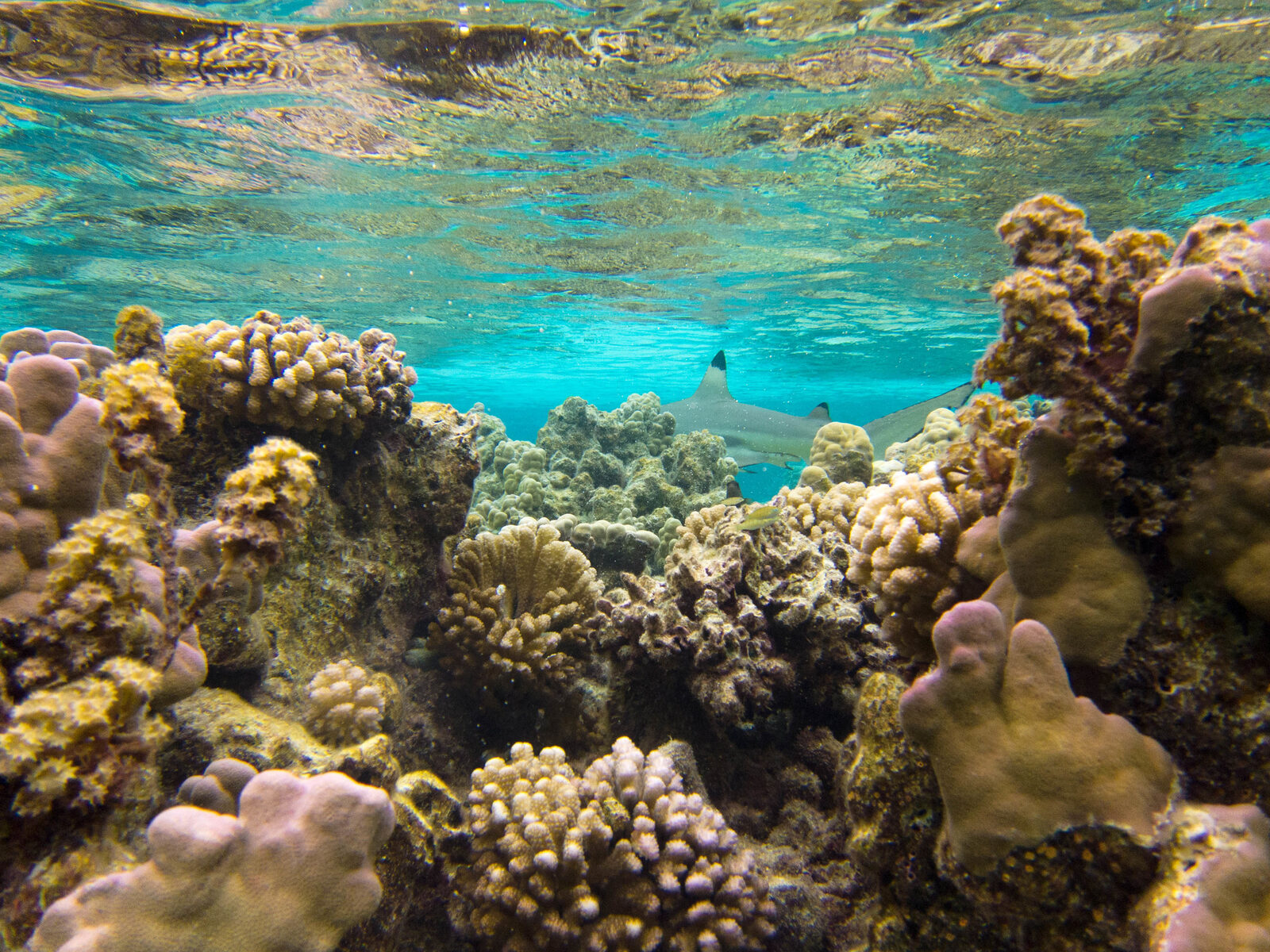
Species
Why it happens, and what helps
Main causes
- Greenhouse gases from burning coal, oil and gas
- Loss of forests and other carbon sinks
- Marine heatwaves on top of long-term warming
What is proven to help
- Cutting greenhouse gas emissions, the only lasting answer
- Protecting marine areas so ecosystems are more resilient
- Reducing local pressures such as pollution and overfishing
- Restoring kelp, seagrass and mangroves
What you can do
- Cut your own energy use and choose clean energy
- Support marine protected areas
- Follow and share sourced ocean science
Sources and photo credits
Table and branching corals on Moore Reef, Great Barrier Reef, seen just below the surface: Holobionics, CC BY-SA 4.0

Figures are national or global estimates from the sources named, with the uncertainty those sources give. Country rankings compare reported totals, not responsibility or effort.
Checked 2026-11-24.