Sustainable fisheries
A way to bring nature back into balance, and what it takes to work.
A fishery is sustainable when it takes no more than a fish stock can replace, and when it limits harm to other sea life. That needs counting the fish, setting catch limits, and enforcing them.
The FAO's 2025 assessment covered 2,570 marine fish stocks. 64.5% were within biologically sustainable levels and 35.5% were overfished. Weighted by how much is landed, 77.2% of global landings came from sustainable stocks: well-managed fisheries tend to land the most fish.
Why it matters
- Weighted by production, 77.2% of assessed global landings came from biologically sustainable stocks (2025 assessment). FAO · The most detailed global assessment of marine fish stocks (2025)
- Of 2,570 assessed marine fish stocks, 64.5% were within biologically sustainable levels and 35.5% were overfished. FAO · Global marine fish stock assessment (2025)
What it helps protect
Habitats

Species

How it works, and its limits
How it works
- Regular stock assessments based on science
- Catch limits set below what the stock can replace
- Monitoring, control and enforcement at sea and in port
- Gear and area rules that reduce bycatch
Limits, and what it needs
- Many stocks, especially small-scale fisheries, are not assessed at all
- Illegal and unreported fishing undermines limits
- Warming seas move stocks across borders
- A sustainable stock can still be part of an ecosystem under pressure
Pressures it answers
What you can do
- Choose seafood from assessed, well-managed stocks
- Support marine protected areas and fisheries monitoring
- Eat a wider variety of seafood
Questions people ask
How many fish stocks are overfished?
The FAO's 2025 assessment found 35.5% of 2,570 assessed marine stocks overfished.
Does a sustainable stock mean the sea is healthy?
Not on its own. It means that stock is fished within what it can replace; bycatch, habitat damage and warming still matter.
Sources and photo credits
- FAO · The most detailed global assessment of marine fish stocks (2025)
- FAO · Global marine fish stock assessment (2025)
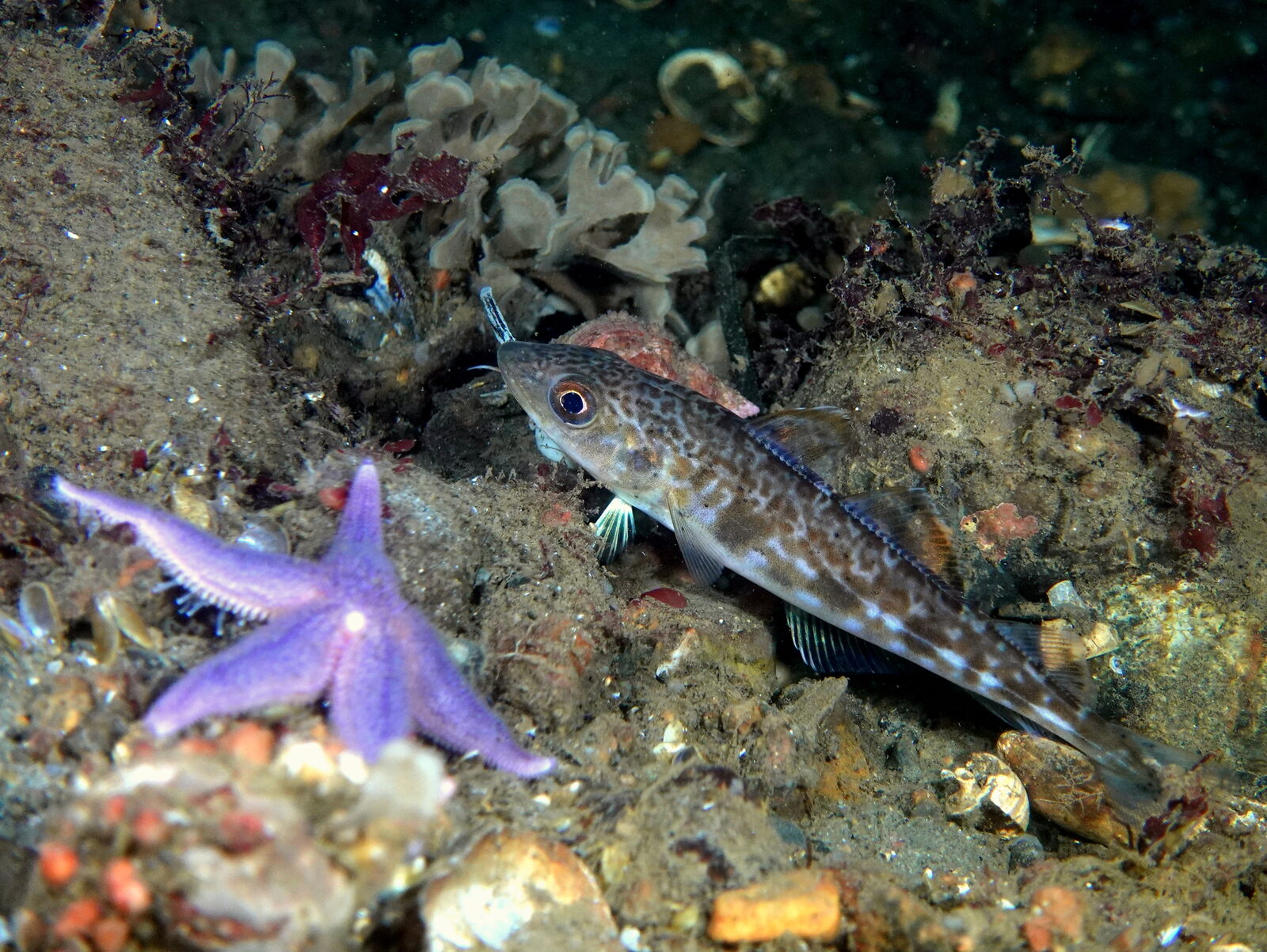
Atlantic cod (Gadus morhua): Klaus Kevin Kristensen, CC BY 4.0
Figures are national or global estimates from the sources named, with the uncertainty those sources give. Country rankings compare reported totals, not responsibility or effort.
Checked 2026-11-24.