Bycatch
A pressure on the living planet, and what is being done about it.
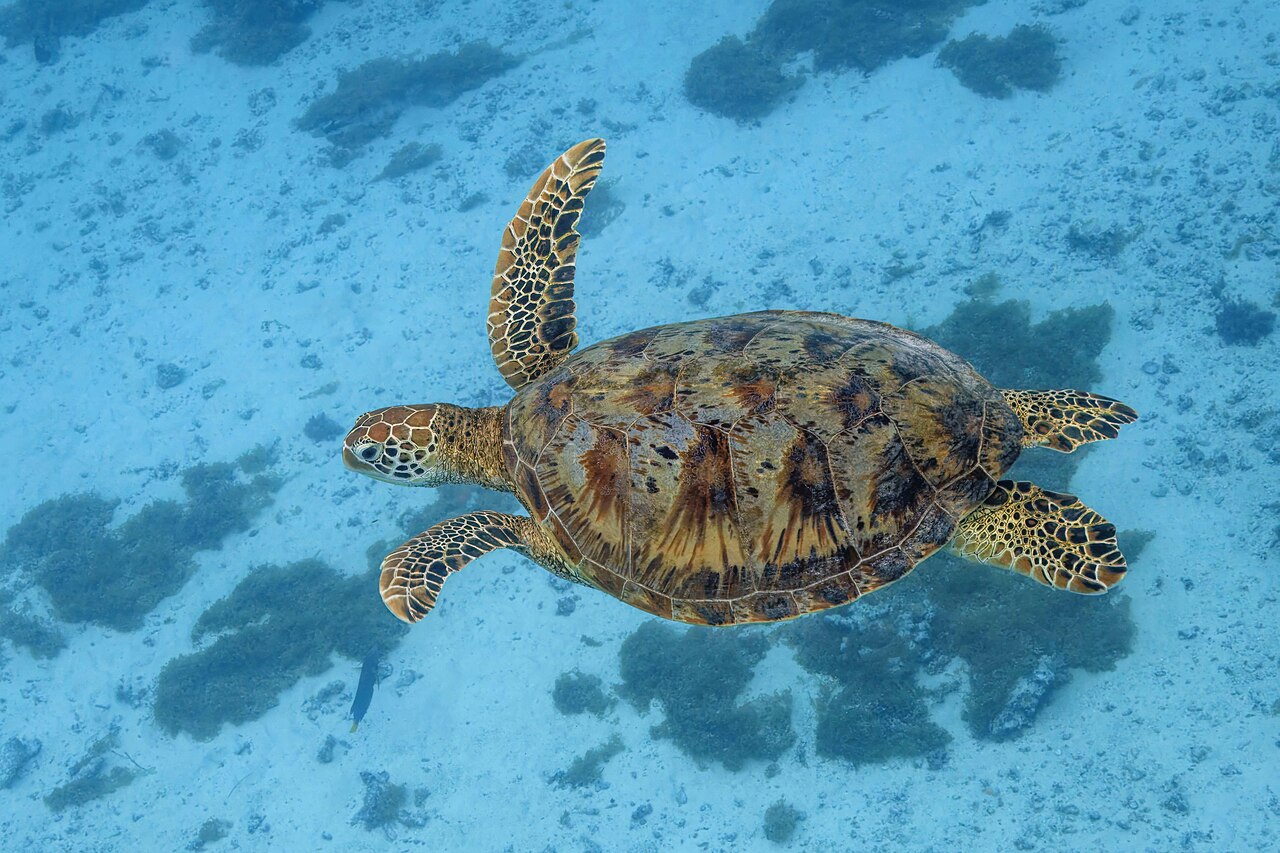
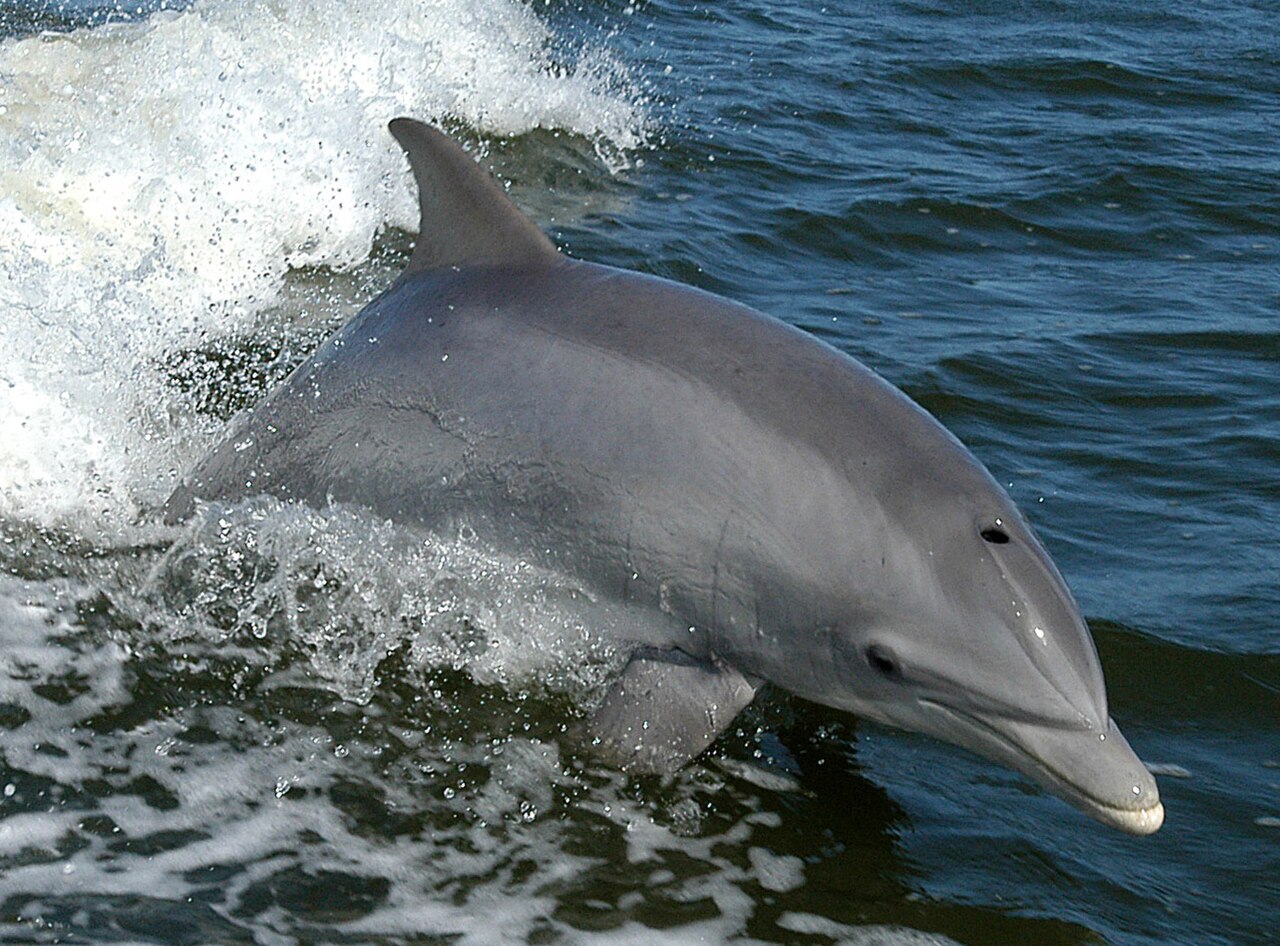
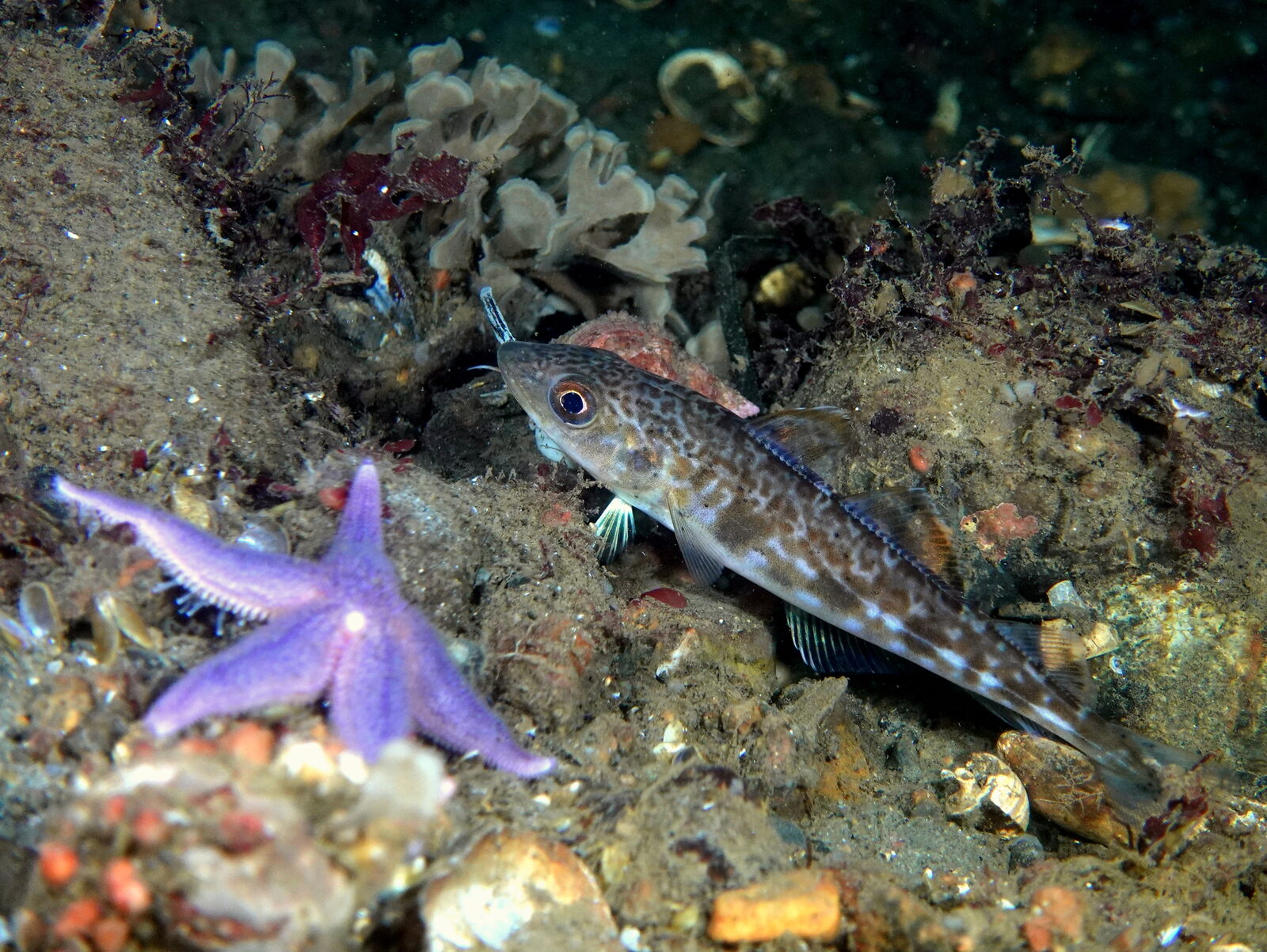
Fishing nets and lines catch more than the fish they are meant for. Porpoises, dolphins, turtles, seabirds, sharks and young fish are caught by accident, and much of it is thrown back dead or dying.
A global study estimated that about 9.1 million tonnes of catch were discarded each year from 2010 to 2014 (range 6.7 to 16.1 million tonnes), about 10.8% of all catch. Discards are only part of bycatch: animals that are kept, or die in nets unseen, are not counted.
Why it matters
- About 9.1 million tonnes of catch were discarded each year in 2010–2014 (range 6.7–16.1 million tonnes). Discards are not all bycatch. Pérez Roda et al. (2020) · Global marine fisheries discards, Scientific Reports
- Discards were about 10.8% of global marine catch (range 10.1–11.5%). Pérez Roda et al. (2020) · Global marine fisheries discards, Scientific Reports
What it touches
Species
Why it happens, and what helps
Main causes
- Nets and lines that are not selective
- Fishing where porpoises, turtles or seabirds feed
- Lost gear that keeps catching (ghost nets)
What is proven to help
- Gear changes: escape panels, circle hooks, bird-scaring lines
- Acoustic pingers that warn porpoises away from nets
- Closing areas and seasons where bycatch is high
- Monitoring on board and safe release of animals
Solutions explained
What you can do
- Choose seafood from fisheries with bycatch measures
- Support monitoring and marine protected areas
- Report stranded animals to local authorities
Sources and photo credits
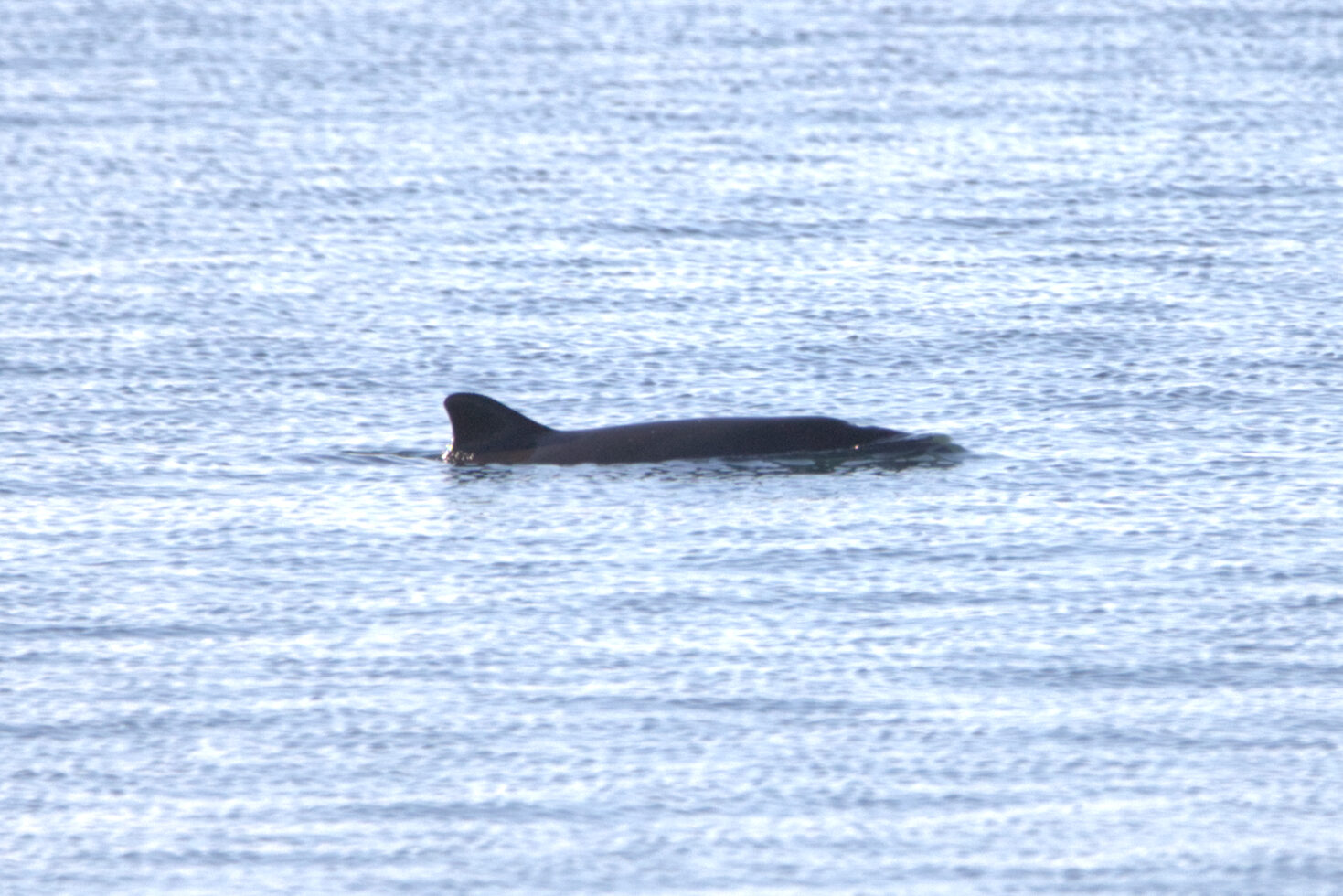
Harbour porpoise (Phocoena phocoena): Eric Habisch, CC BY 4.0
Figures are national or global estimates from the sources named, with the uncertainty those sources give. Country rankings compare reported totals, not responsibility or effort.
Checked 2026-11-24.