The world ocean · from 60° south to 75° north
Where the fish come back.
What happens inside a marine reserve, and how much of the sea is protected.
Natural Earth · NASA GIBS · Blue Marble Next Generation (NASA) · Terrain: Mapzen/AWS · OpenFreeMap · © OpenStreetMap contributors
The comeback, by the numbers
more fish biomass, on average, inside no-take marine reserves than in nearby unprotected waters.
Sala & Giakoumi · No-take marine reserves are the most effective protected areas in the ocean, ICES J. Mar. Sci. 2018, with the 2025 correctionrise in fish biomass in ten years at Cabo Pulmo, Mexico, a no-take reserve since 1995.
Aburto-Oropeza et al. · Large recovery of fish biomass in a no-take marine reserve, PLOS ONE 2011of the ocean is fully or highly protected. 9.7% lies in marine protected areas of any kind.
Marine Conservation Institute · MPAtlas, The MPA Guide assessment of 30 Oct 2026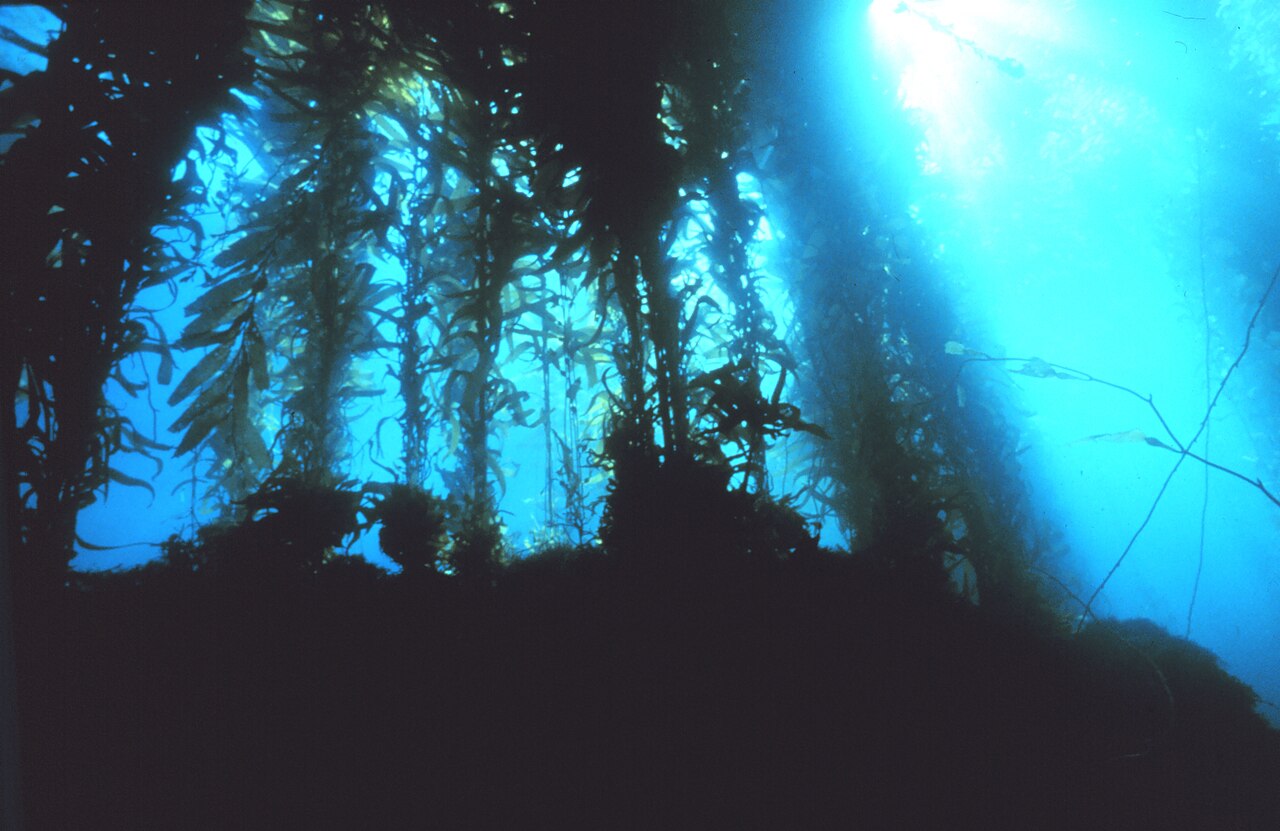
Inside and outside a reserve
A meta-analysis compared marine reserves with nearby waters that are still fished. Where nothing is taken, the whole fish community weighs on average 570% more than in unprotected waters. Where some fishing is still allowed, the gain is 83%.
No-take reserves: 570% more fish biomass. Partly protected areas: 83% more.
Photo: NOAA Photo Library (Public domain)
Cabo Pulmo, Mexico
Cabo Pulmo National Park in the Gulf of California became a no-take reserve in 1995, with strong support from the local community. Between 1999 and 2009 its fish biomass rose from 0.75 to 4.24 tonnes per hectare. Nearby protected and open waters did not change significantly.
463% more fish biomass in ten years: the largest absolute increase measured in a marine reserve worldwide (2011).
Source: Aburto-Oropeza et al. · Large recovery of fish biomass in a no-take marine reserve, PLOS ONE 2011
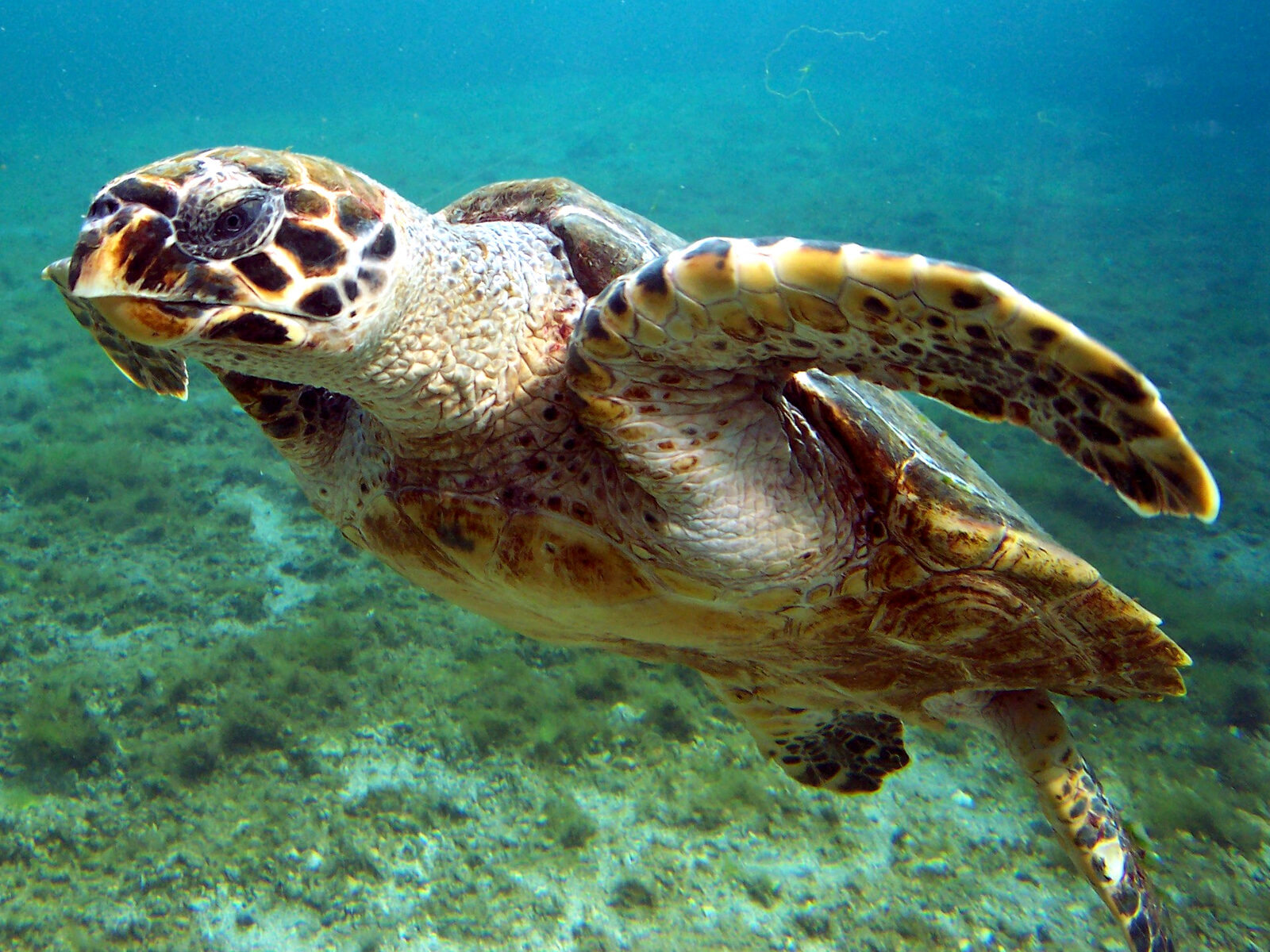
Photo: B.navez (CC BY-SA 4.0)
Most of the sea is still open
9.7% of the ocean lies in marine protected areas, but only 3.5% is fully or highly protected, the kind of protection where the gains are largest.
3.5% of the ocean fully or highly protected (assessment of 30 Oct 2026).
Source: Marine Conservation Institute · MPAtlas, The MPA Guide assessment of 30 Oct 2026
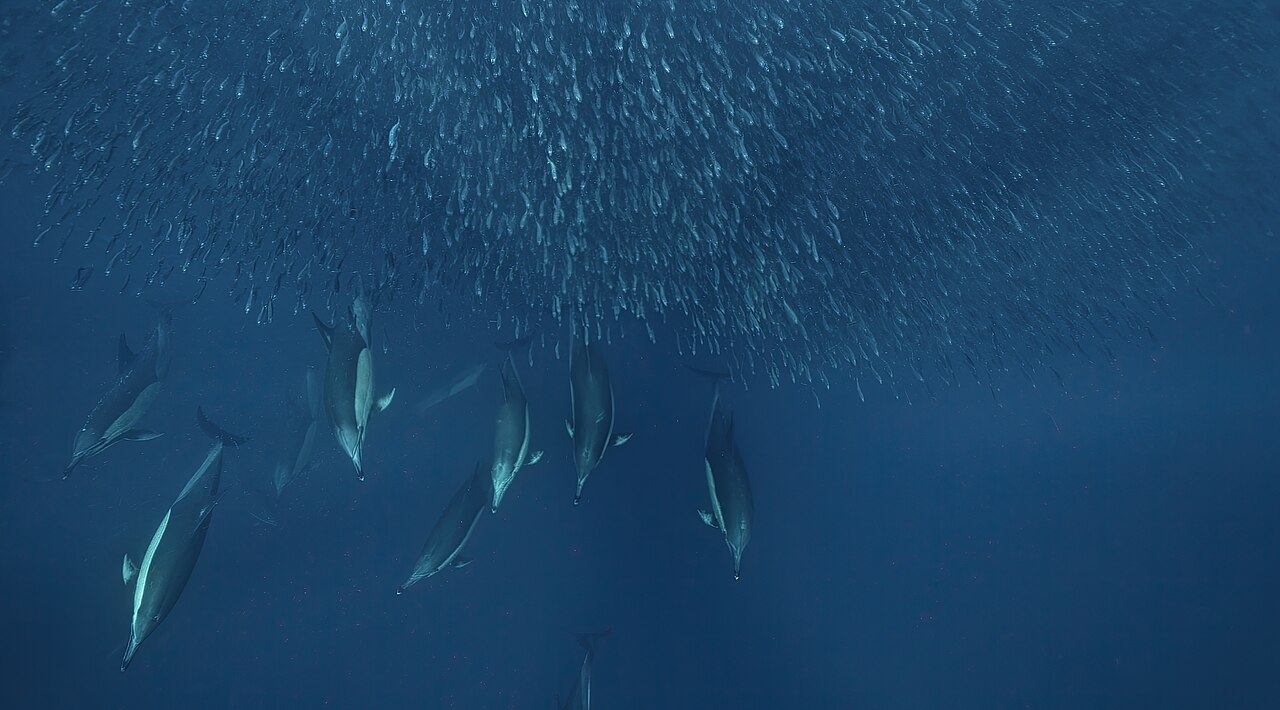
Photo: Stanislav Stelmakhovich (CC0)
The high seas
Waters more than 200 nautical miles from any coast cover 61% of the ocean. In 2024 they held just 10 protected areas; almost all marine protection lies in countries' own waters.
61% of the ocean, 10 protected areas (2024).
Source: UNEP-WCMC & IUCN · Protected Planet Report 2024
Photo: Eric Habisch (CC BY 4.0)
Thirty by thirty
In 2022, countries agreed to conserve at least 30% of coastal and marine areas by 2030, together with 30% of land and inland waters.
At least 30% of coastal and marine areas by 2030 (Target 3).
Source: Kunming-Montreal Global Biodiversity Framework · Target 3
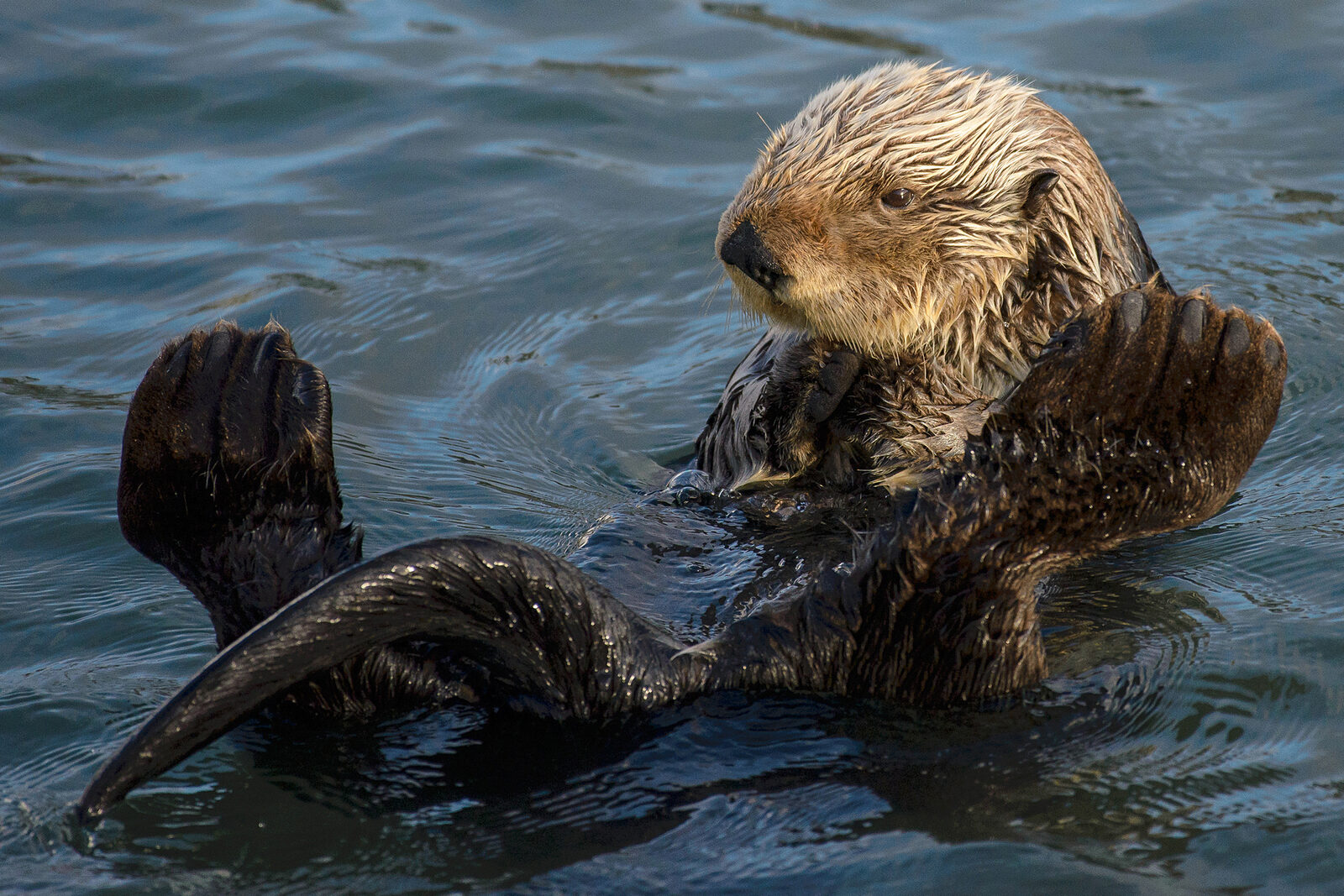 Sea otter
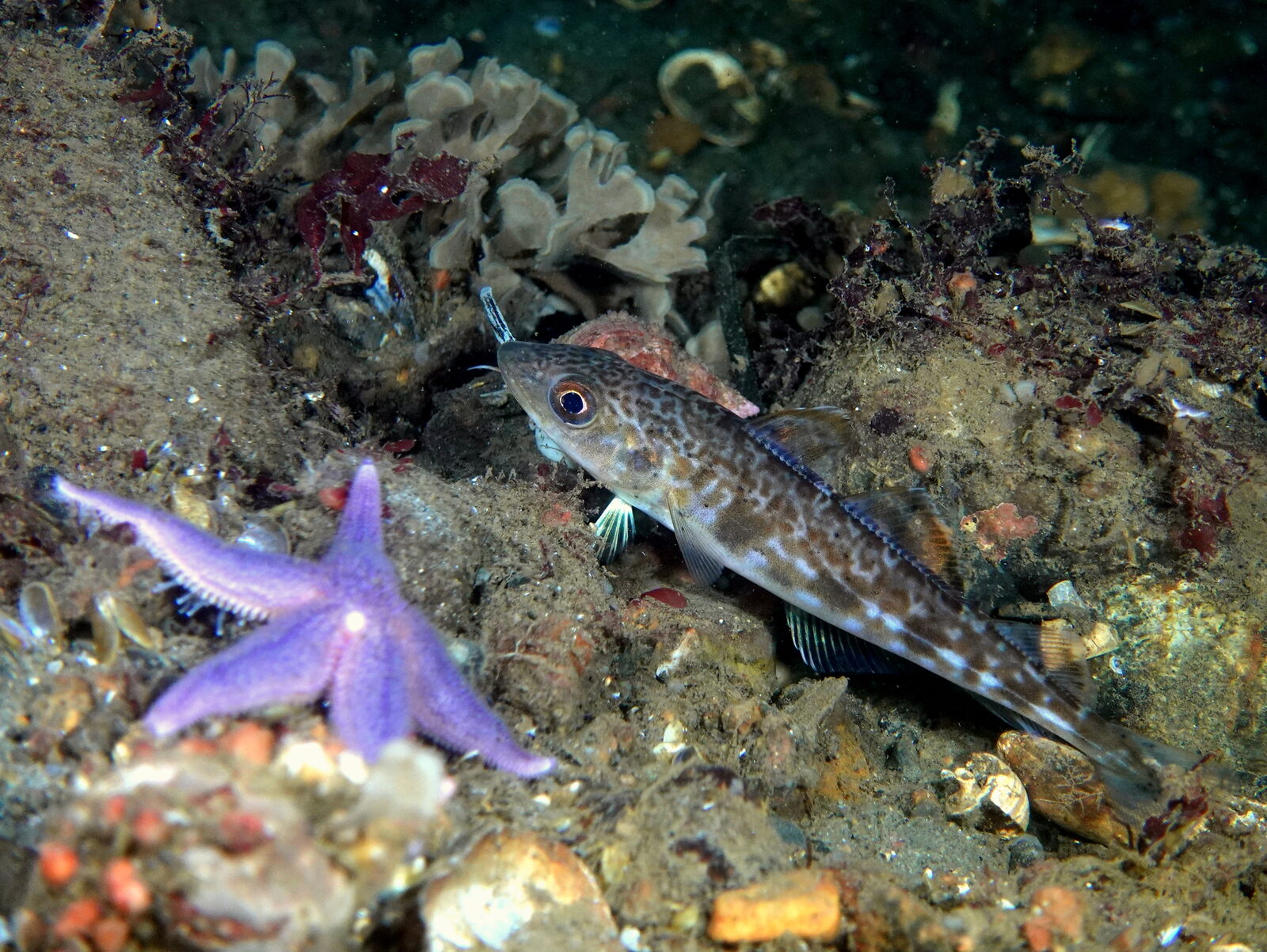 Atlantic cod
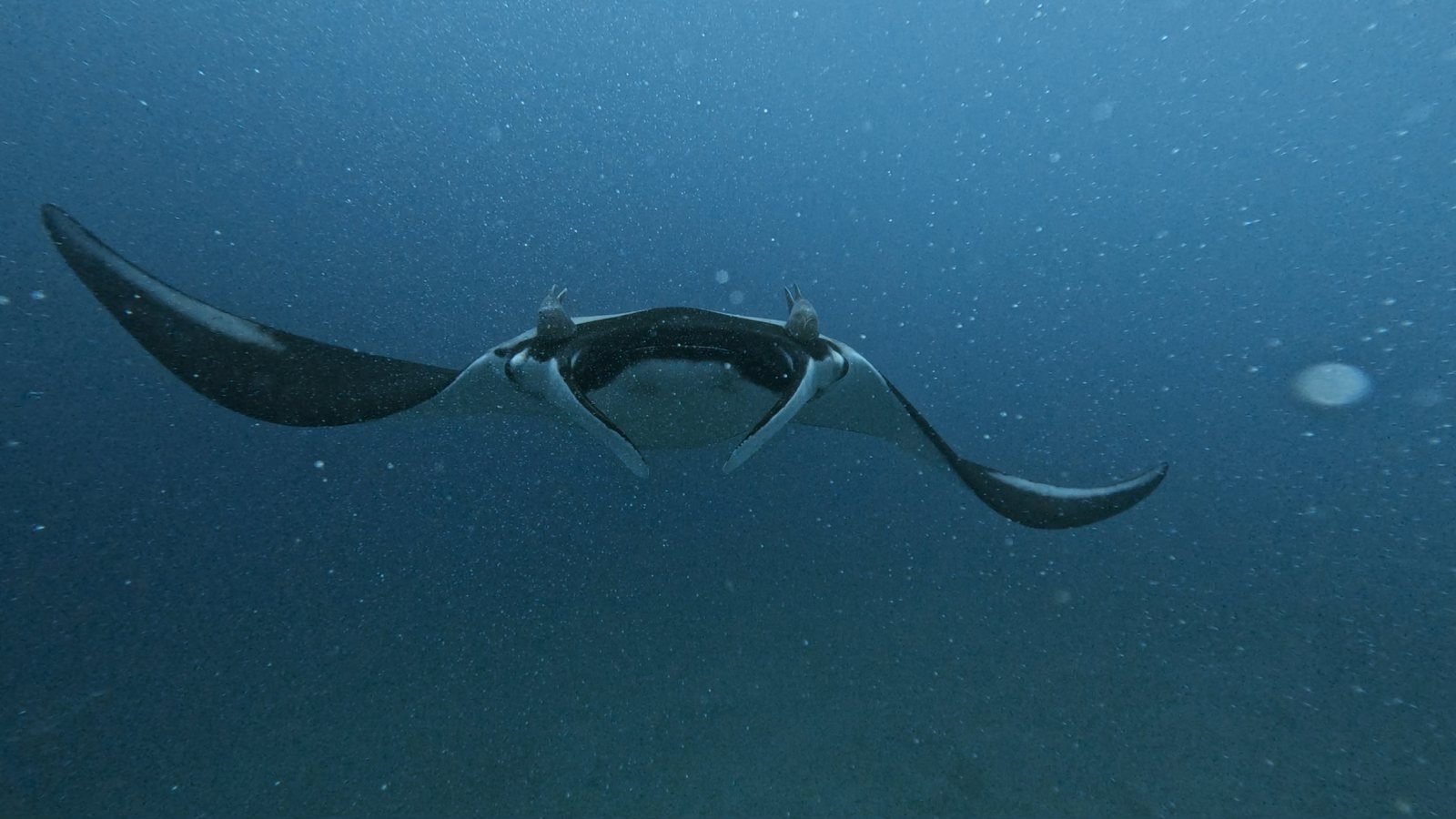 Giant oceanic manta ray
Photo: Dean Hester (CC BY 4.0)
4PLANET
For a Living Planet
Independent, no ads, free for everyone. Join and follow the living planet with us.