What works.
Reserves, better fishing and restored seagrass, with the evidence and the threats they answer.
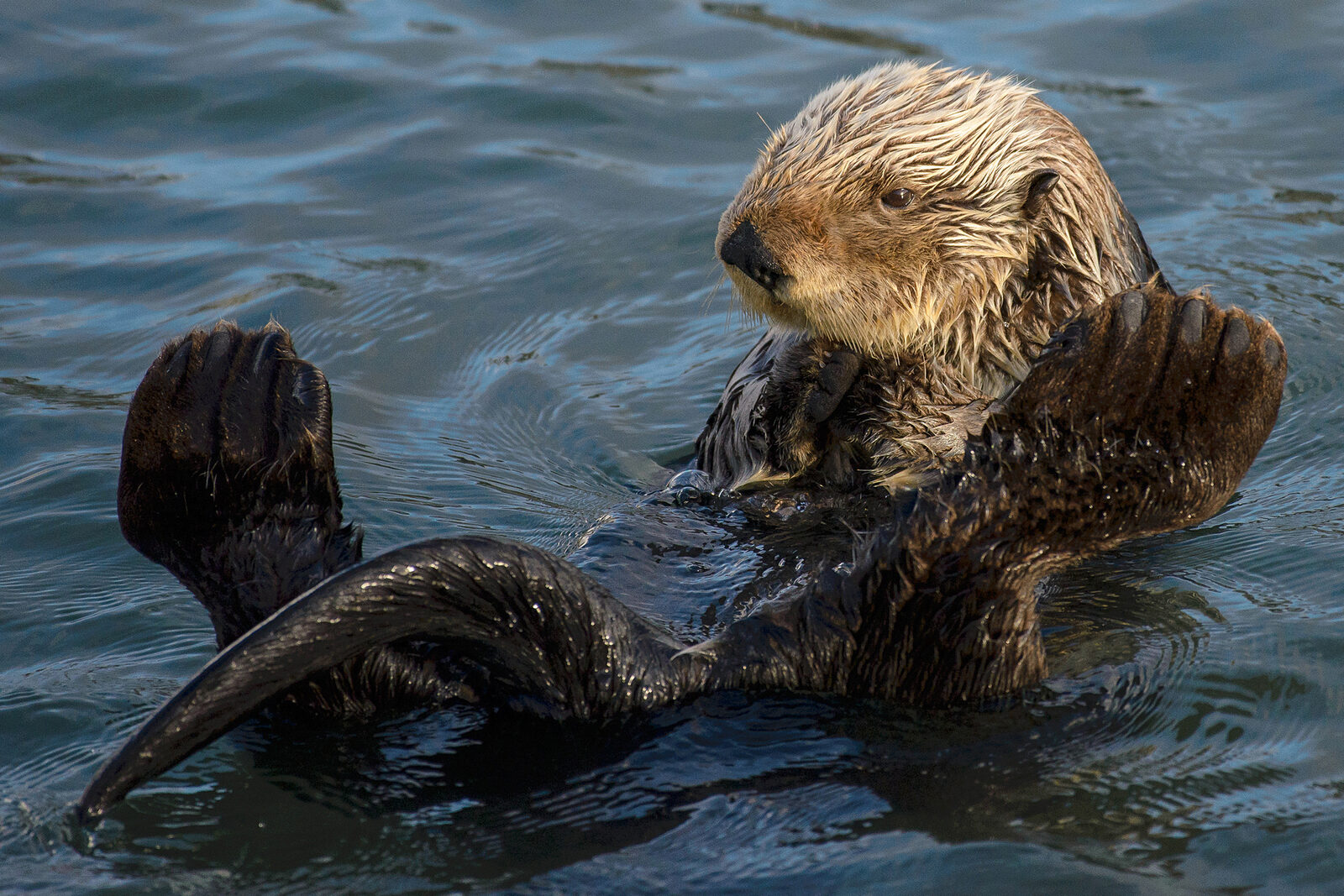
Photo: Marshal Hedin
At a glance
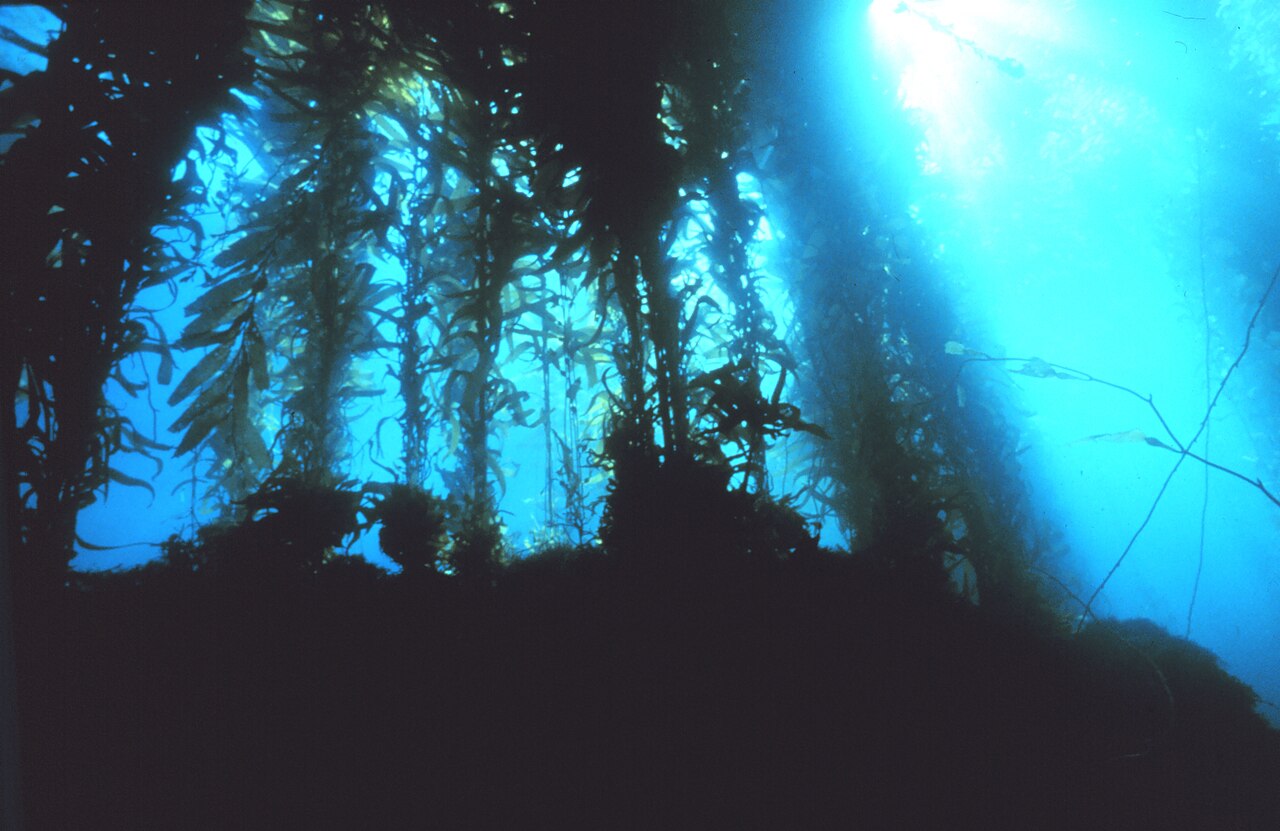 Marine protected areasOnly a small part of the ocean is fully protected. How marine reserves bring fish and reefs back, where…
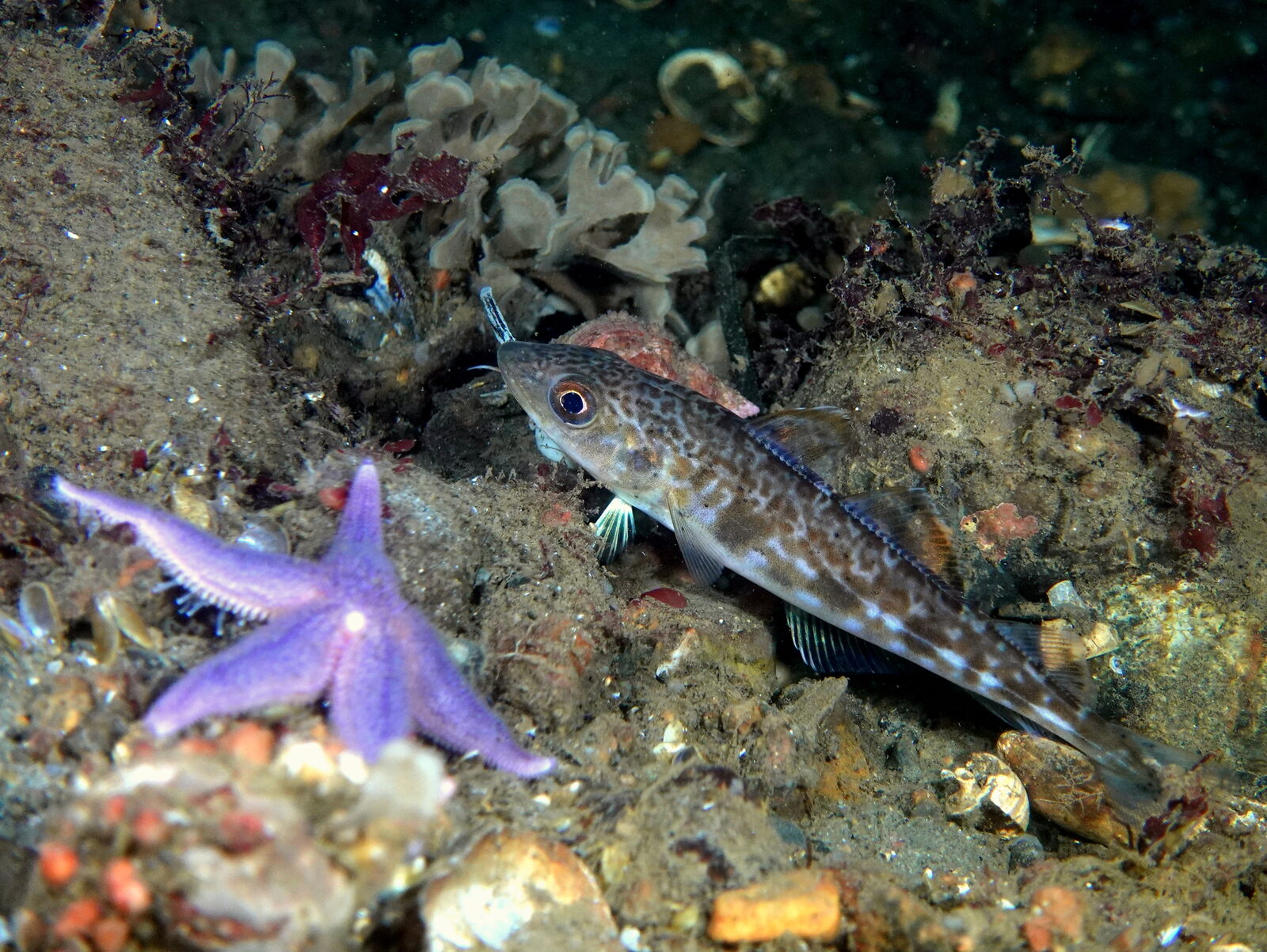 Sustainable fisheries77.2% of global fish landings come from biologically sustainable stocks. How assessment, catch limits and…
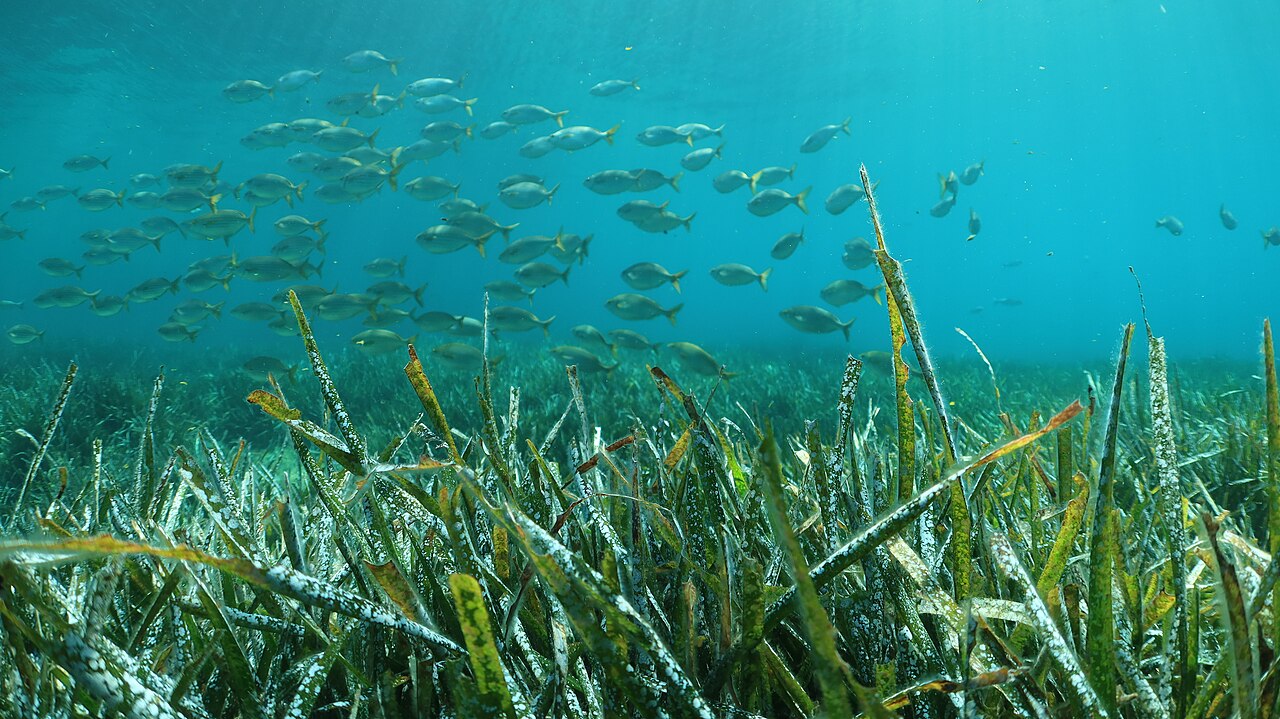 Seagrass restorationSeagrass covers 0.1% of the ocean floor but stores up to 18% of its carbon, and about 7% of meadows are…
Marine protected areas
Marine protected areas are parts of the sea where fishing, mining and other harm are limited or banned. In the strongest of them, marine reserves, nothing is taken at all.
About 8.4% of the ocean lies in protected areas, most of it within countries' own waters. Very little of the high seas, nearly two thirds of the ocean, is protected.
Source: UNEP-WCMC & IUCN · Protected Planet Report 2024
Photo: NOAA Photo Library
Sustainable fisheries
A fishery is sustainable when it takes no more than a fish stock can replace, and when it limits harm to other sea life. That needs counting the fish, setting catch limits, and enforcing them.
Weighted by production, 77.2% of assessed global landings came from biologically sustainable stocks (2025 assessment).
Source: FAO · The most detailed global assessment of marine fish stocks (2025)
Photo: Klaus Kevin Kristensen
Seagrass restoration
Seagrass meadows grow in shallow, sheltered seas in 159 countries. They are nurseries for young fish, grazing for turtles, dugongs and manatees, and they store carbon in the seabed: on just 0.1% of the ocean floor, they hold up to 18% of the ocean's carbon.
Seagrass covers around 300,000 square kilometres of seabed in 159 countries.
Source: UNEP · Five ways seagrasses boost biodiversity (Out of the Blue report)
Photo: Karim saari
4PLANET
For a Living Planet
Independent, no ads, free for everyone. Join and follow the living planet with us.