Deep-sea mining
A pressure on the living planet, and what is being done about it.
Deep-sea mining means taking mineral deposits from the seabed below 200 metres, for metals such as copper, nickel, manganese, zinc, lithium and cobalt. More than 1.5 million square kilometres of international seabed, roughly the size of Mongolia, has been set aside for exploration.
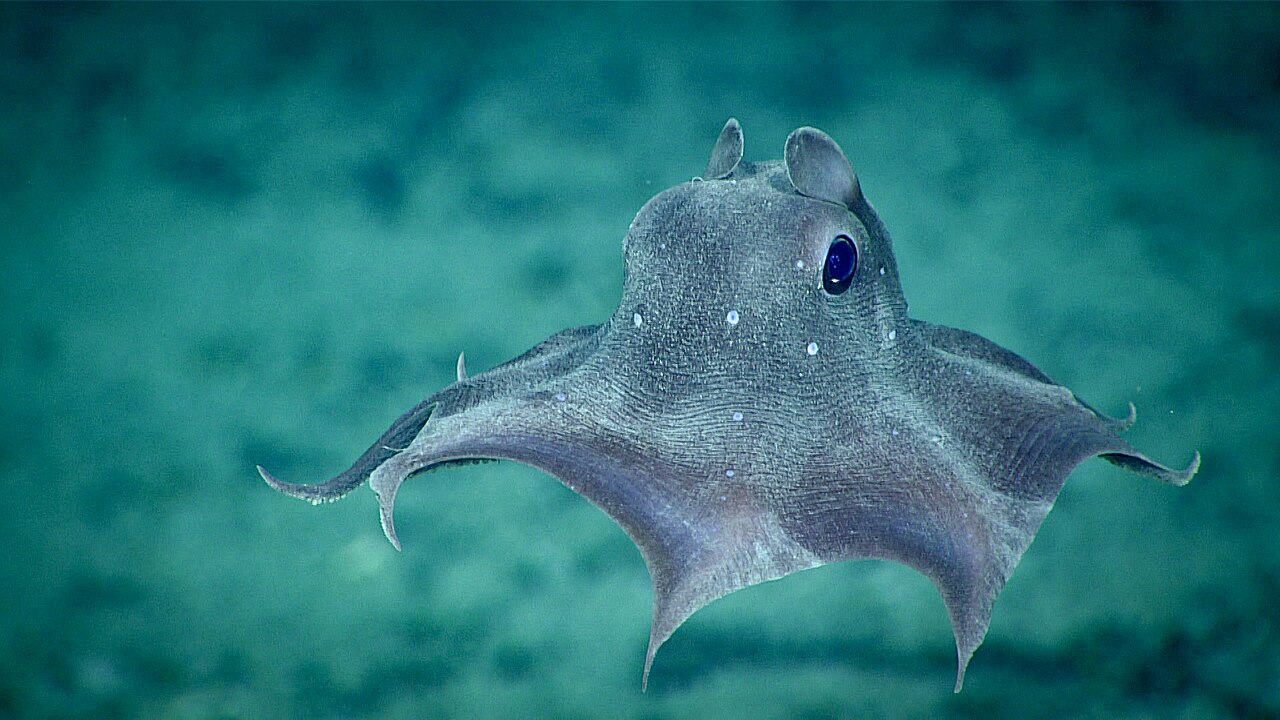
Much of what lives there is unknown. In the Clarion-Clipperton Zone of the Pacific, the area most wanted for mining, scientists have listed 5,142 species with no name yet, and estimate that around 90% of the species there are not known to science. Mining would stir up sediment plumes that may spread for hundreds of kilometres.
Why it matters
- By May 2022, the International Seabed Authority had issued 31 contracts to explore deep-sea mineral deposits in international waters. IUCN · Issues brief: deep-sea mining
- More than 1.5 million km² of international seabed, roughly the size of Mongolia, has been set aside for mineral exploration. IUCN · Issues brief: deep-sea mining
- In the Clarion-Clipperton Zone, the area most wanted for mining, 5,142 species have no formal name yet, and around 90% of species there are thought to be unknown to science. Natural History Museum · 90% of species in prospective mining zone are unnamed
- Mining would stir up plumes of fine sediment that may spread for hundreds of kilometres and take a long time to settle, smothering animals and harming filter feeders. IUCN · Issues brief: deep-sea mining
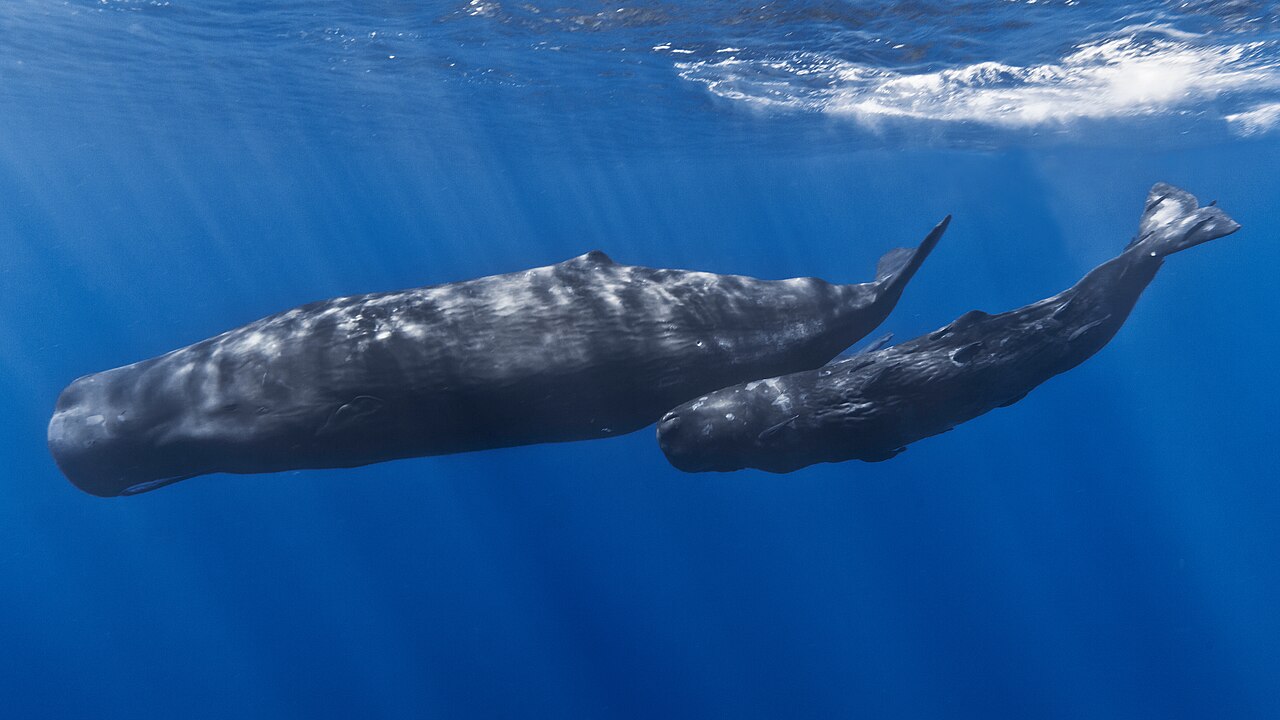
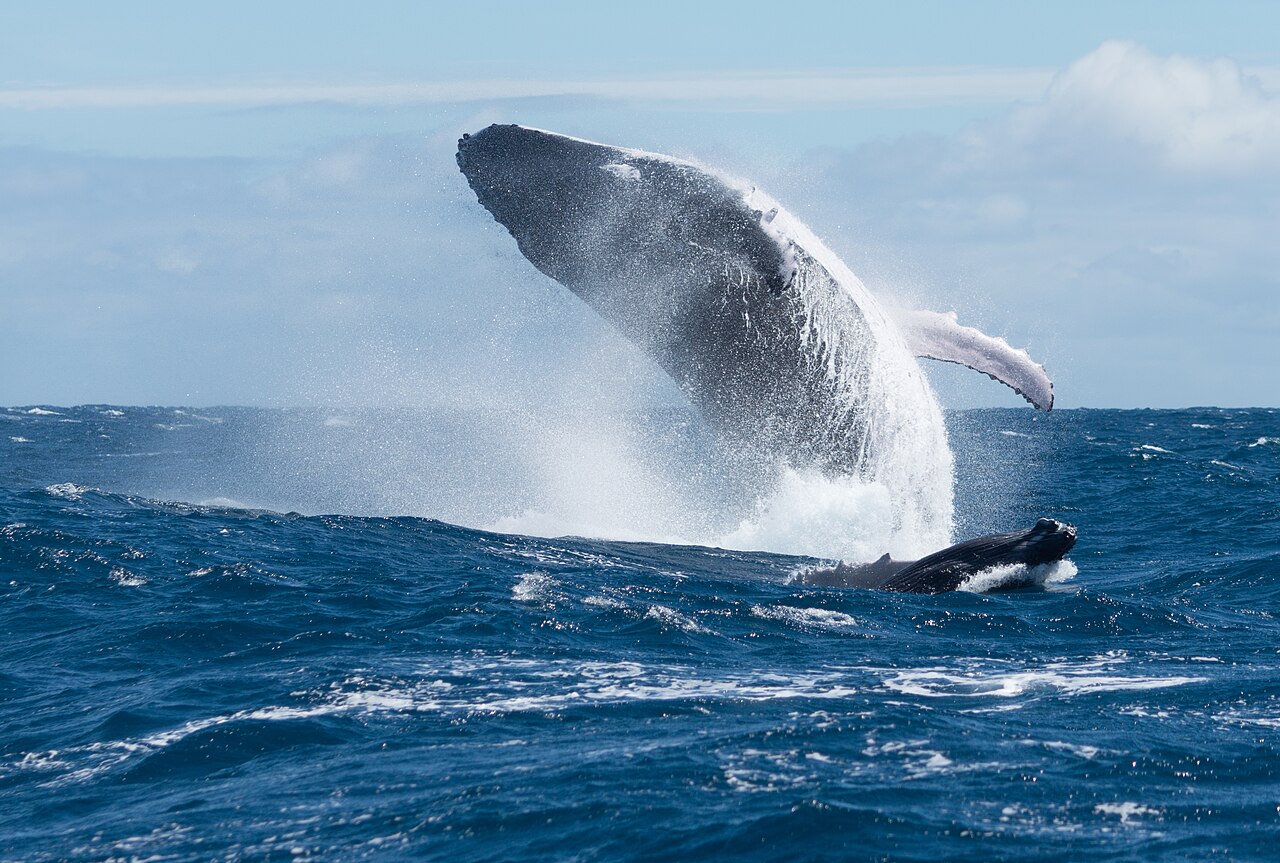
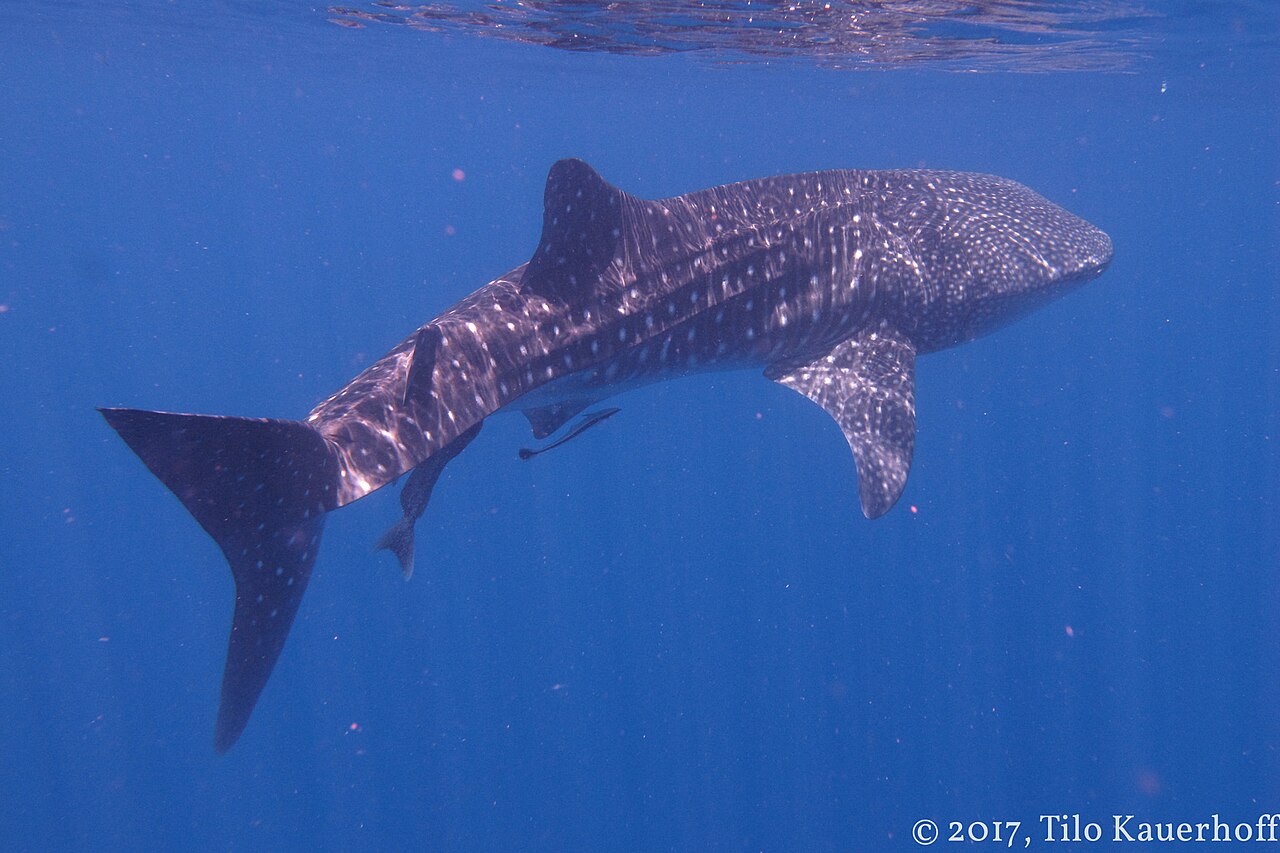
- Noise, vibration and light from mining equipment and ships could affect whales, tuna and sharks. IUCN · Issues brief: deep-sea mining
What it touches
Species
Why it happens, and what helps
Main causes
- Rising demand for metals used in batteries, electronics and cables
- Land deposits that are harder to reach
- Companies and states holding exploration contracts in international waters
What is proven to help
- A pause until the deep sea and the effects of mining are understood, as IUCN members have called for
- Rules agreed under the International Seabed Authority before any mining starts
- Recycling metals and designing products that need less of them
- Protecting large areas of the deep sea from mining
What the world has agreed
- Under the UN Convention on the Law of the Sea, the seabed beyond national jurisdiction and its resources are the common heritage of mankind, managed for all by the International Seabed Authority. UN · UNCLOS Part XI, Article 136
What you can do
- Keep phones and electronics longer, and recycle them properly
- Support deep-sea research and protection
- Ask the brands you buy from where their metals come from
Sources and photo credits
- IUCN · Issues brief: deep-sea mining
- Natural History Museum · 90% of species in prospective mining zone are unnamed
- UN · UNCLOS Part XI, Article 136
A dumbo octopus hovering above the deep seabed, filmed by NOAA Ocean Exploration: NOAA Ocean Exploration & Research from USA, CC BY-SA 2.0

Figures are national or global estimates from the sources named, with the uncertainty those sources give. Country rankings compare reported totals, not responsibility or effort.
Checked 2026-11-22.