What is warming the planet.
The pressures behind a warming world, each with the evidence and what works against it.
Photo: AWeith
At a glance
 Global heatingHow much the world has warmed since the 1850s, which habitats and animals it hits hardest, from coral…
 Ocean warmingThe upper ocean keeps taking up heat. What warming and marine heatwaves do to corals, fish and the people…
 DeforestationHow much forest the world is losing, where the loss is greatest, which habitats and animals it hits, and…
 Coral bleachingSince 2023, bleaching-level heat stress has reached about 84% of the world's coral reef area. Why corals…
Global heating
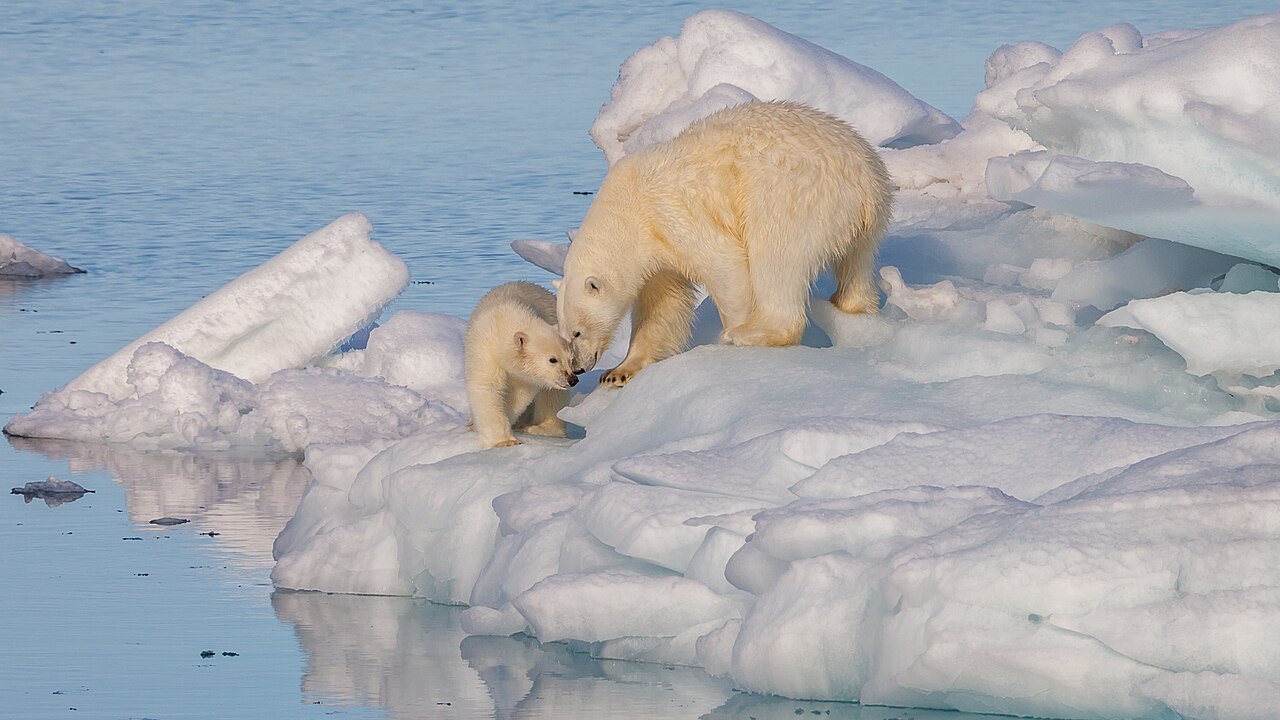
The Earth is warming because of the greenhouse gases we release, above all by burning coal, oil and gas. The last decade was the warmest since measurements began.
Global surface temperature was 1.1 °C higher in 2011–2020 than in 1850–1900, and the warming is caused by human activities.
Source: IPCC · Sixth Assessment Report (2023)
Photo: Emma (CC BY 4.0)
Ocean warming
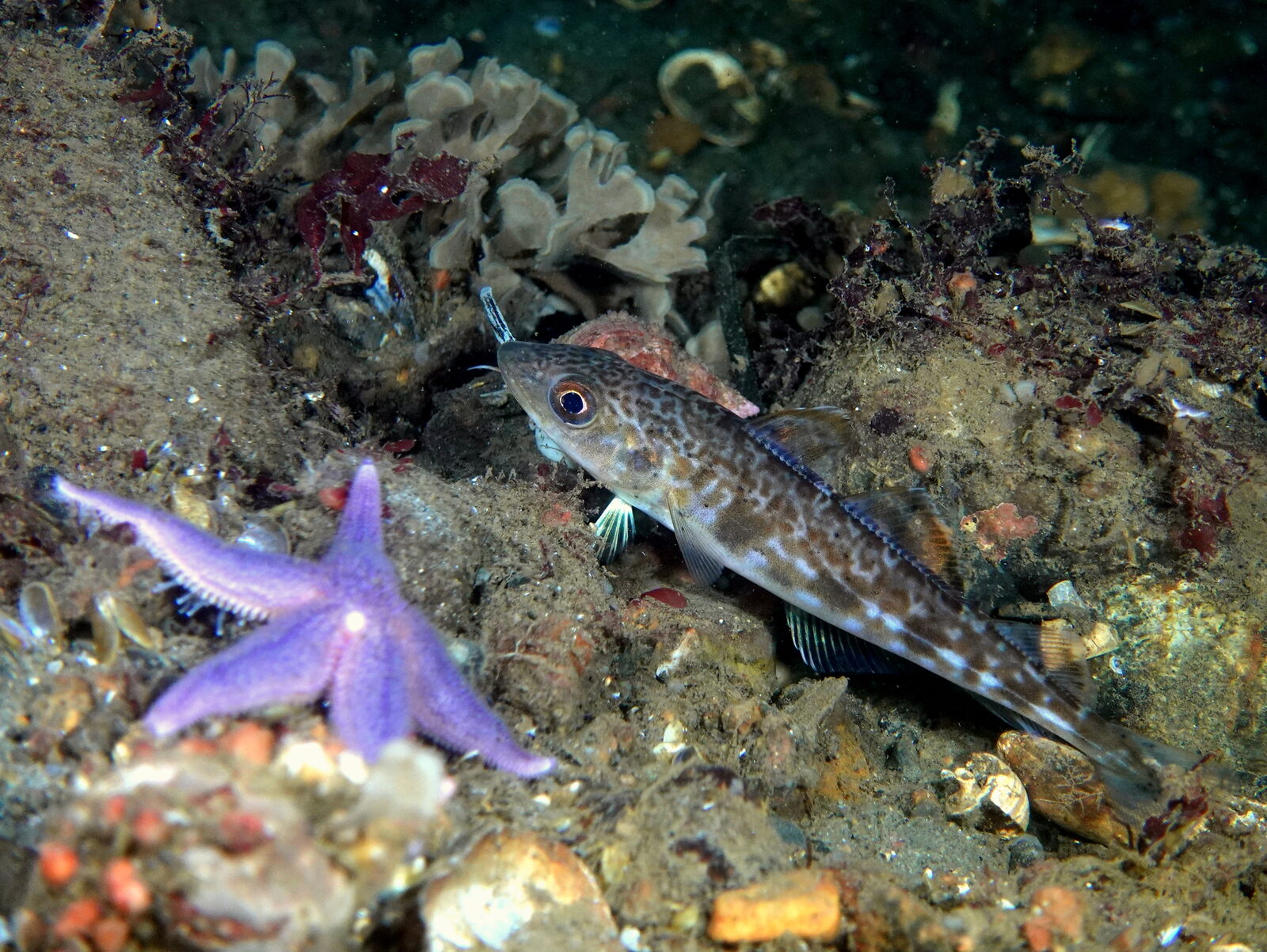
The ocean has taken up most of the extra heat trapped by greenhouse gases. A warmer sea holds less oxygen, shifts where fish can live, and brings marine heatwaves that can bleach and kill corals.
Preliminary estimate: upper-ocean (0–2,000 m) heat content rose by 23 ± 8 zettajoules from 2024 to 2025.
Source: WMO · 2025 was one of the warmest years on record (preliminary)
Photo: Klaus Kevin Kristensen (CC BY 4.0)
Deforestation
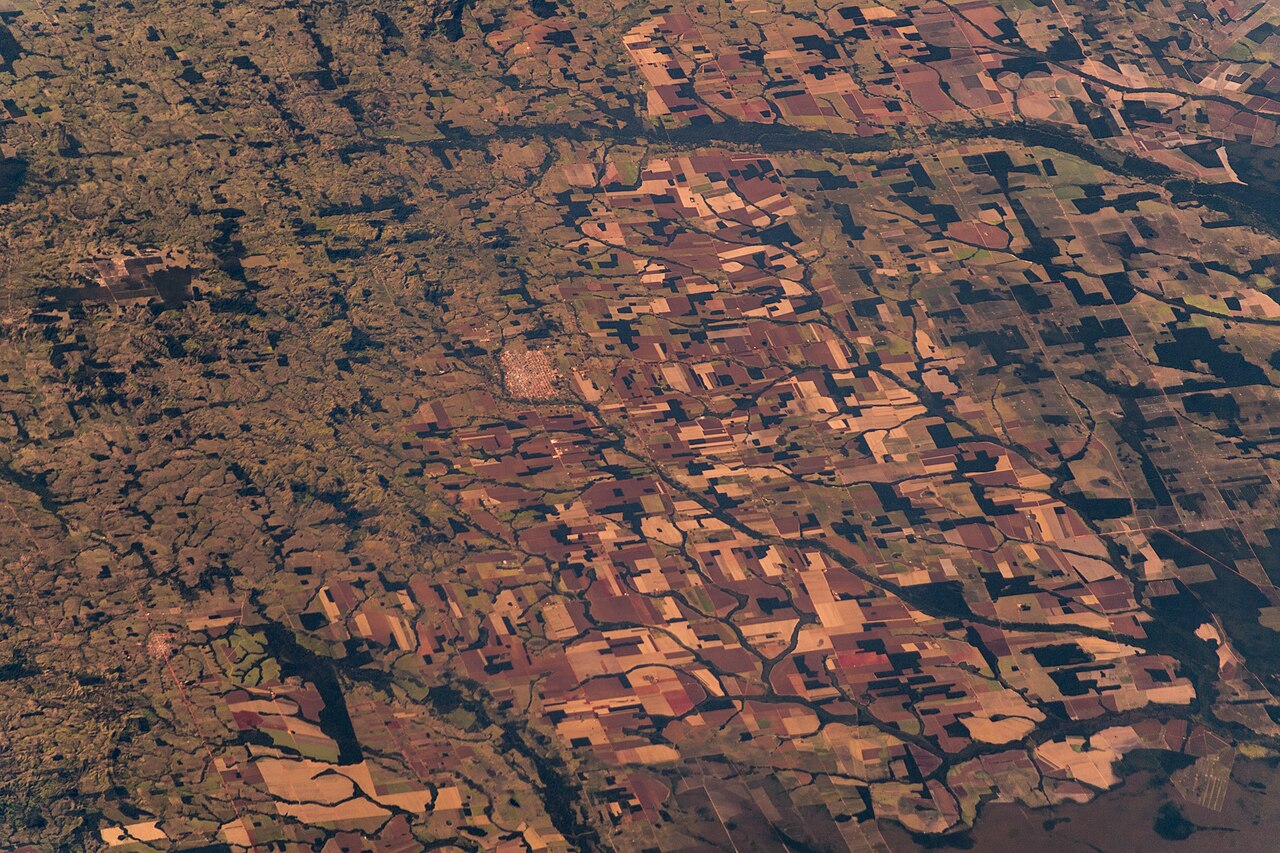
Forests cover about a third of the land and hold most of the animals and plants that live on it. Every year millions of hectares are cut or burned, above all in the tropics, mostly to make room for cattle pasture, soy, oil palm and other crops.
About 10 million hectares of forest were cut down every year between 2015 and 2020, an area about the size of Iceland.
Source: FAO · Global Forest Resources Assessment 2020
Photo: Alexander Gerst
Coral bleaching
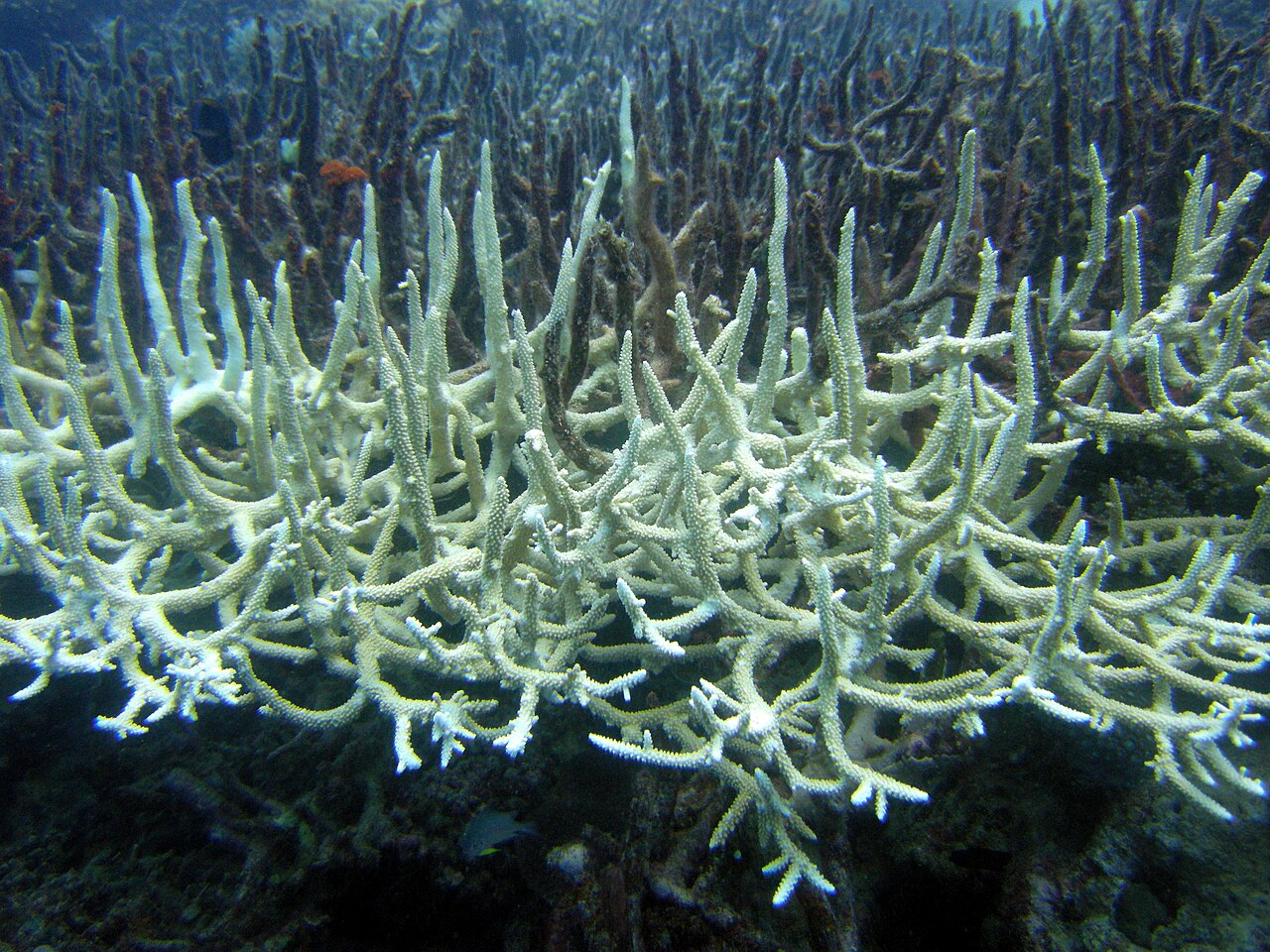
Reef-building corals live in partnership with tiny algae inside their tissue, which give them most of their energy and their colour. When the sea stays unusually warm for too long, corals lose those algae and turn white. A bleached coral is not dead, but it is under severe stress.
From 1 January 2023 to 30 September 2025, bleaching-level heat stress affected about 84.4% of the world's coral reef area.
Source: NOAA Coral Reef Watch
Photo: Matt Kieffer
4PLANET
For a Living Planet
Independent, no ads, free for everyone. Join and follow the living planet with us.