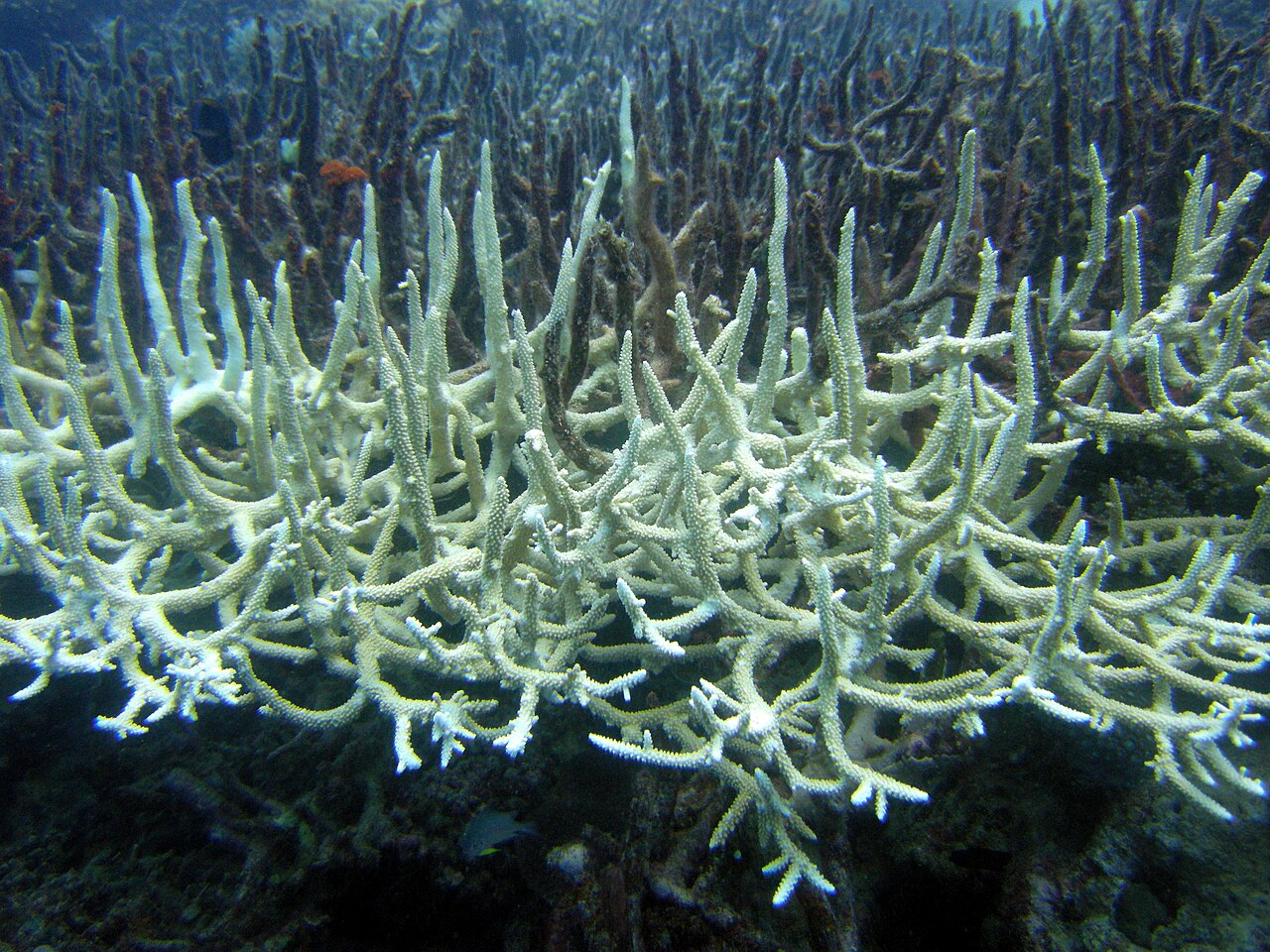
Coral bleaching
A pressure on the living planet, and what is being done about it.
Reef-building corals live in partnership with tiny algae inside their tissue, which give them most of their energy and their colour. When the sea stays unusually warm for too long, corals lose those algae and turn white. A bleached coral is not dead, but it is under severe stress.
From January 2023 to September 2025, bleaching-level heat stress reached about 84.4% of the world's coral reef area, and mass bleaching was documented in at least 83 countries and territories. That beat the previous record of 68.2% of reef area, set during the global bleaching event of 2014 to 2017.
Why it matters
- From 1 January 2023 to 30 September 2025, bleaching-level heat stress affected about 84.4% of the world's coral reef area. NOAA Coral Reef Watch
- In the same period, mass coral bleaching was documented in at least 83 countries and territories. NOAA Coral Reef Watch
- The previous record, during the global bleaching event of 2014 to 2017, was 68.2% of the world's reef area. NOAA Coral Reef Watch
What it touches
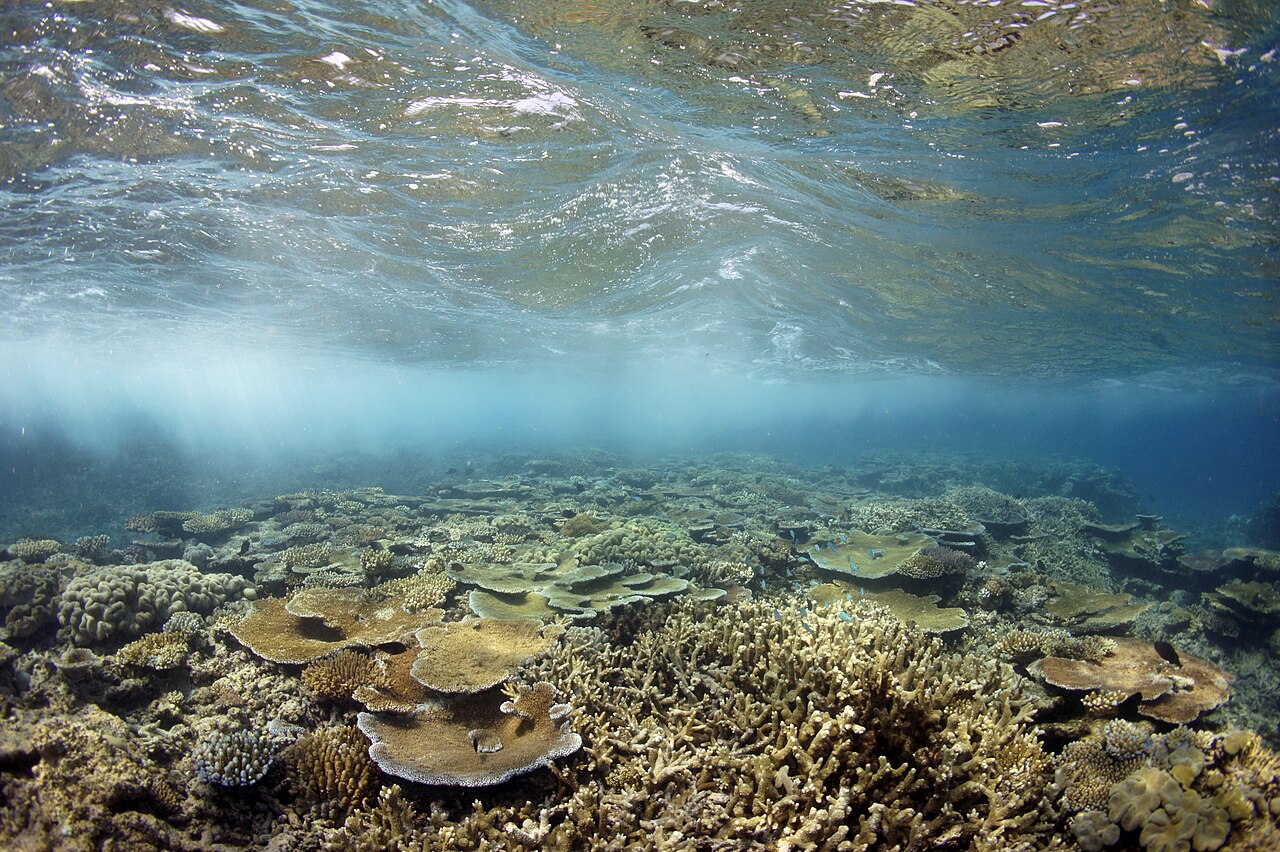
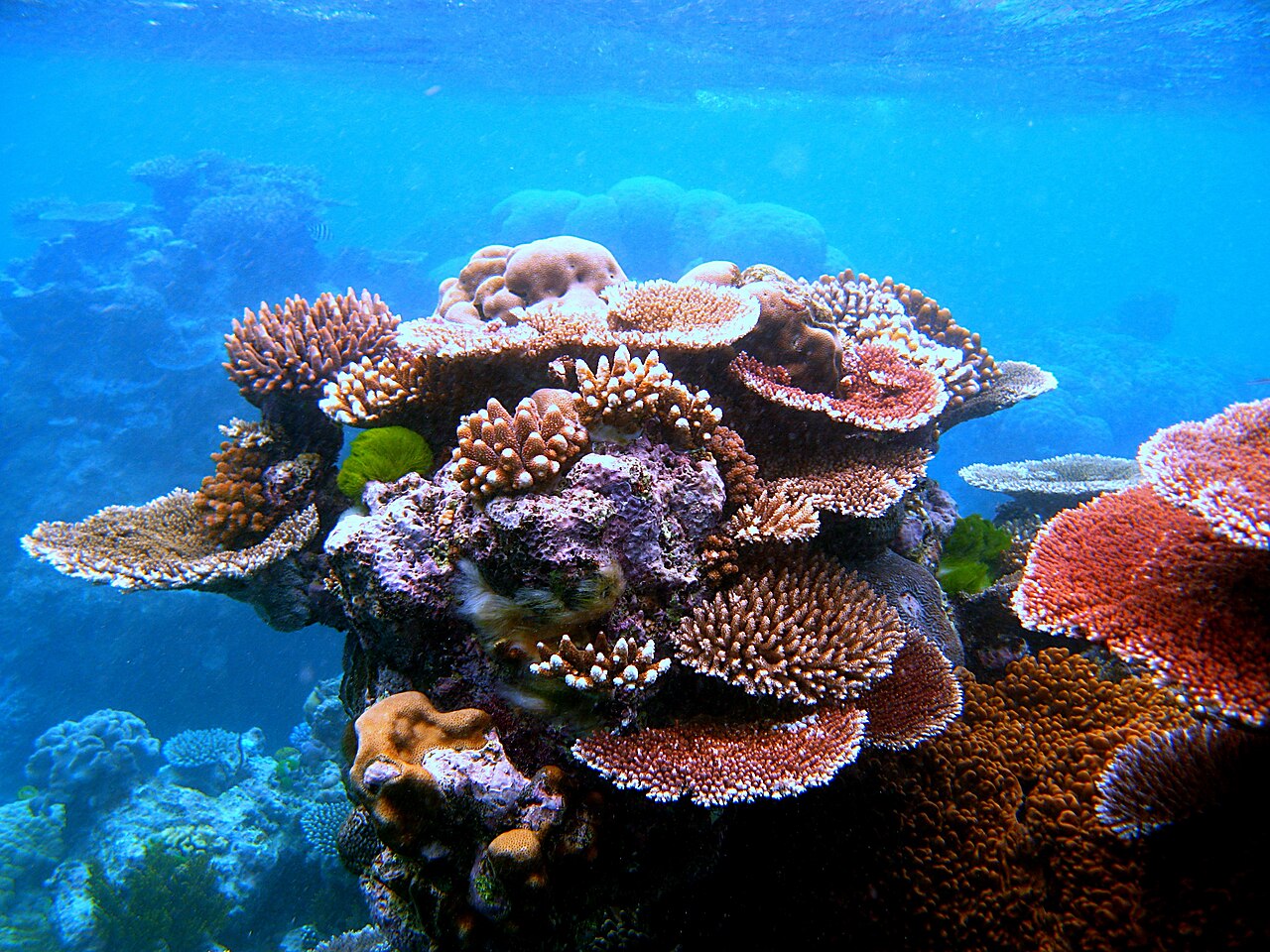
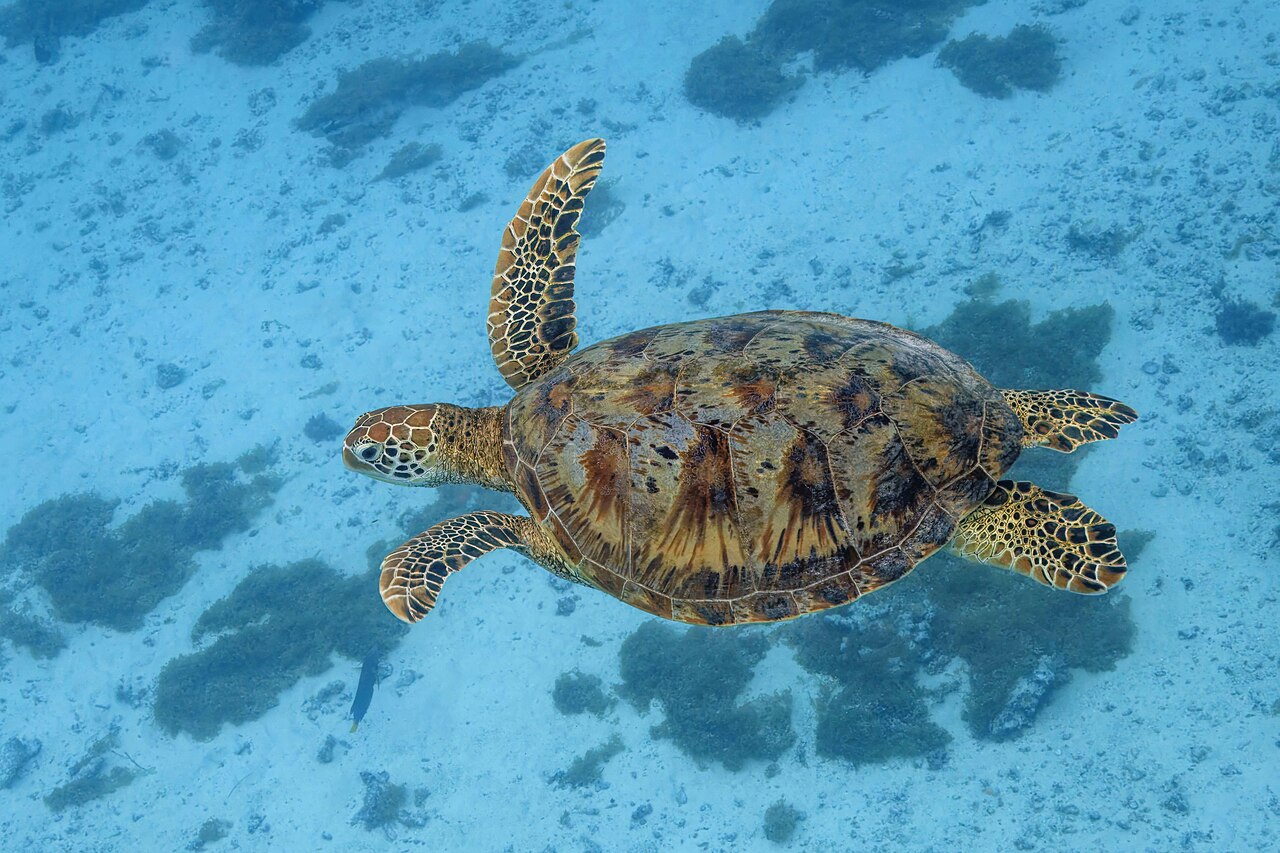
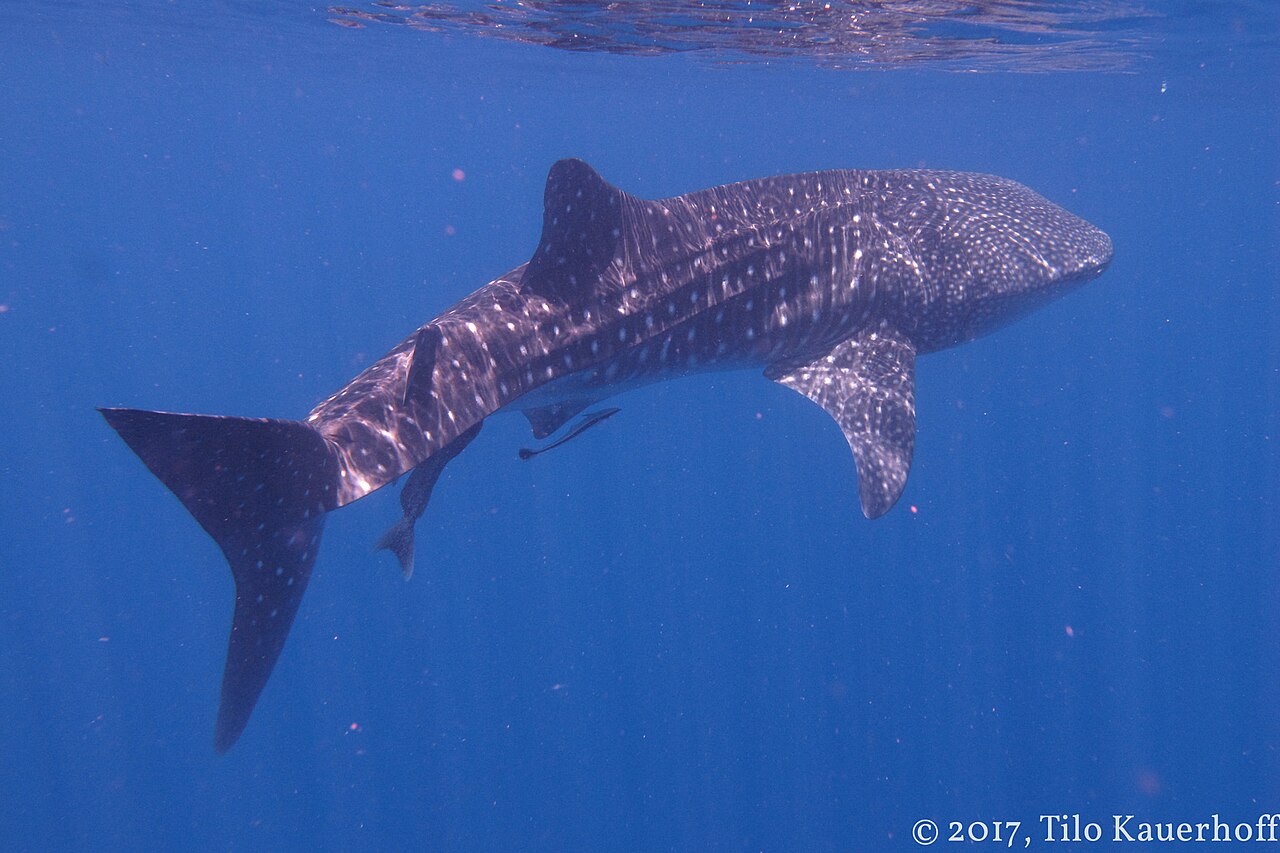
Habitats
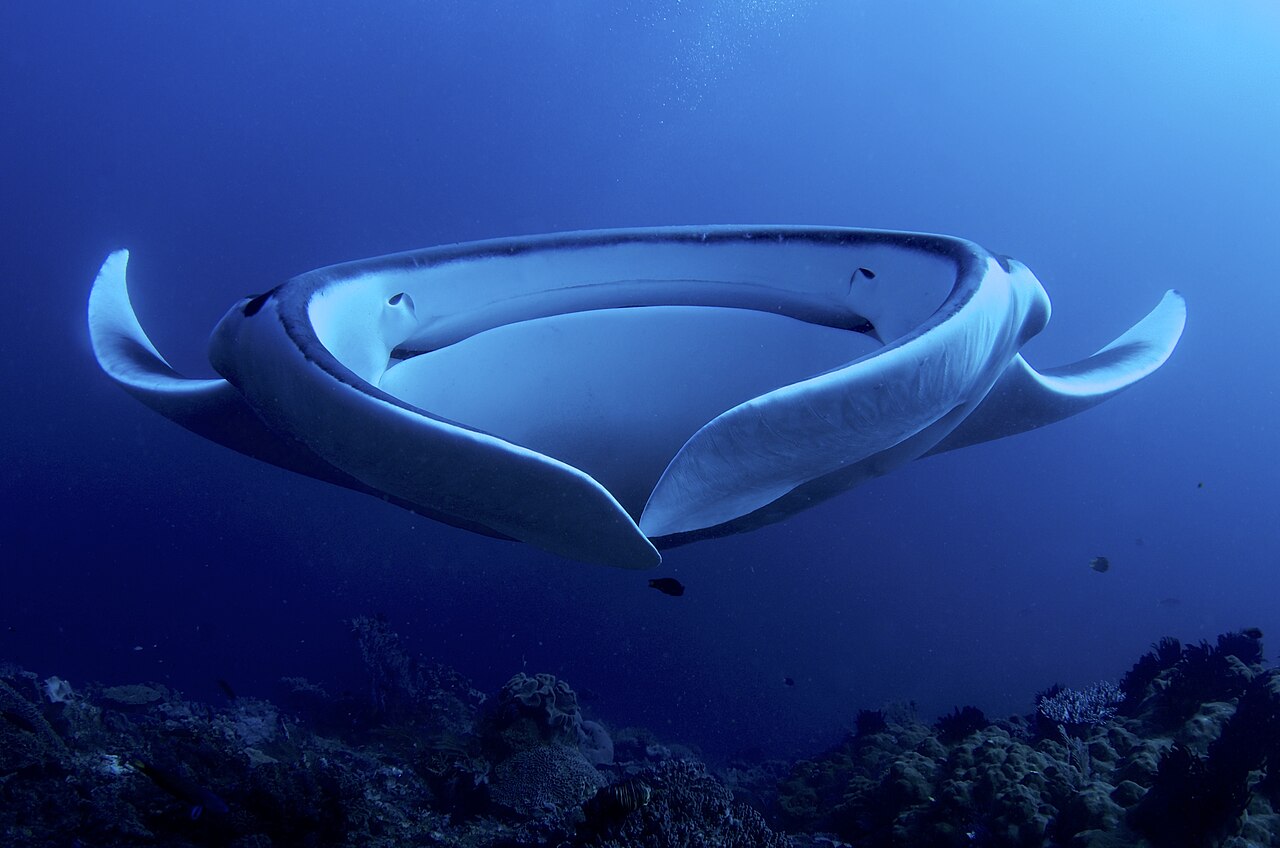
Species
Why it happens, and what helps
Main causes
- Marine heatwaves and long-term ocean warming driven by greenhouse gases
- Pollution and sediment washed off the land
- Disease and repeated stress that leave reefs no time to recover
What is proven to help
- Rapid cuts in greenhouse-gas emissions
- Cleaner coastal water, with less sewage, fertiliser and sediment
- Protecting reefs from overfishing and physical damage so they can recover
- Measuring bleaching, coral deaths and recovery in the water, not only heat stress from satellites
What the world has agreed
- Target 8 of the Kunming-Montreal Global Biodiversity Framework aims to minimise the impacts of climate change on biodiversity and build resilience. CBD · GBF Target 8
- Target 2 aims to have restoration under way on 30% of all degraded ecosystems by 2030. CBD · GBF Target 2
What you can do
- Support reef conservation that measures recovery, not only corals planted
- Cut fertiliser and waste running off into the sea near coasts
- Choose reef-friendly tourism: never touch, stand on or anchor on coral
Sources and photo credits
A thicket of staghorn coral turned white by bleaching: Matt Kieffer, CC BY-SA 2.0

Figures are national or global estimates from the sources named, with the uncertainty those sources give. Country rankings compare reported totals, not responsibility or effort.
Checked 2026-11-22.