What works.
Restoring ecosystems, protecting forests through land rights, and protecting the ocean, with the evidence.
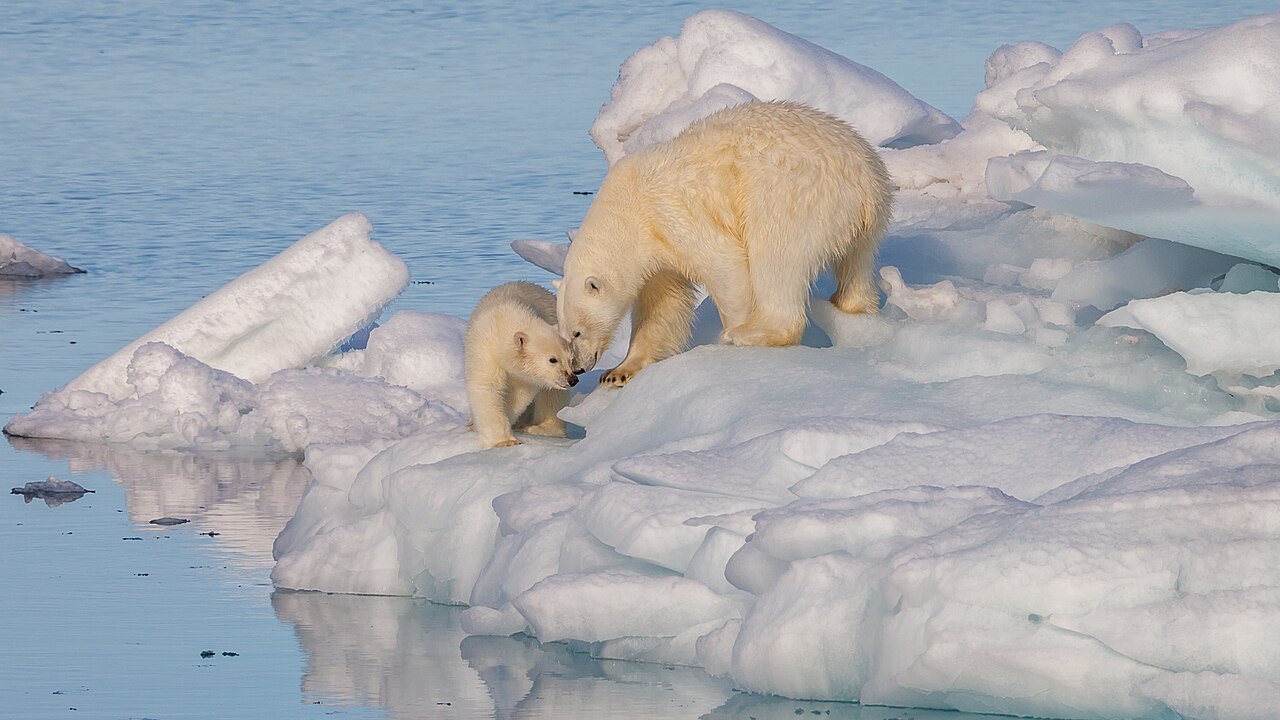
Photo: AWeith
At a glance
 Ecosystem restorationHow restoring forests, wetlands, rivers and reefs brings nature back, what the science says works, the…
 Indigenous land rightsAt least a quarter of the world's land is owned, managed, used or occupied by Indigenous Peoples, and…
 Marine protected areasOnly a small part of the ocean is fully protected. How marine reserves bring fish and reefs back, where…
Ecosystem restoration
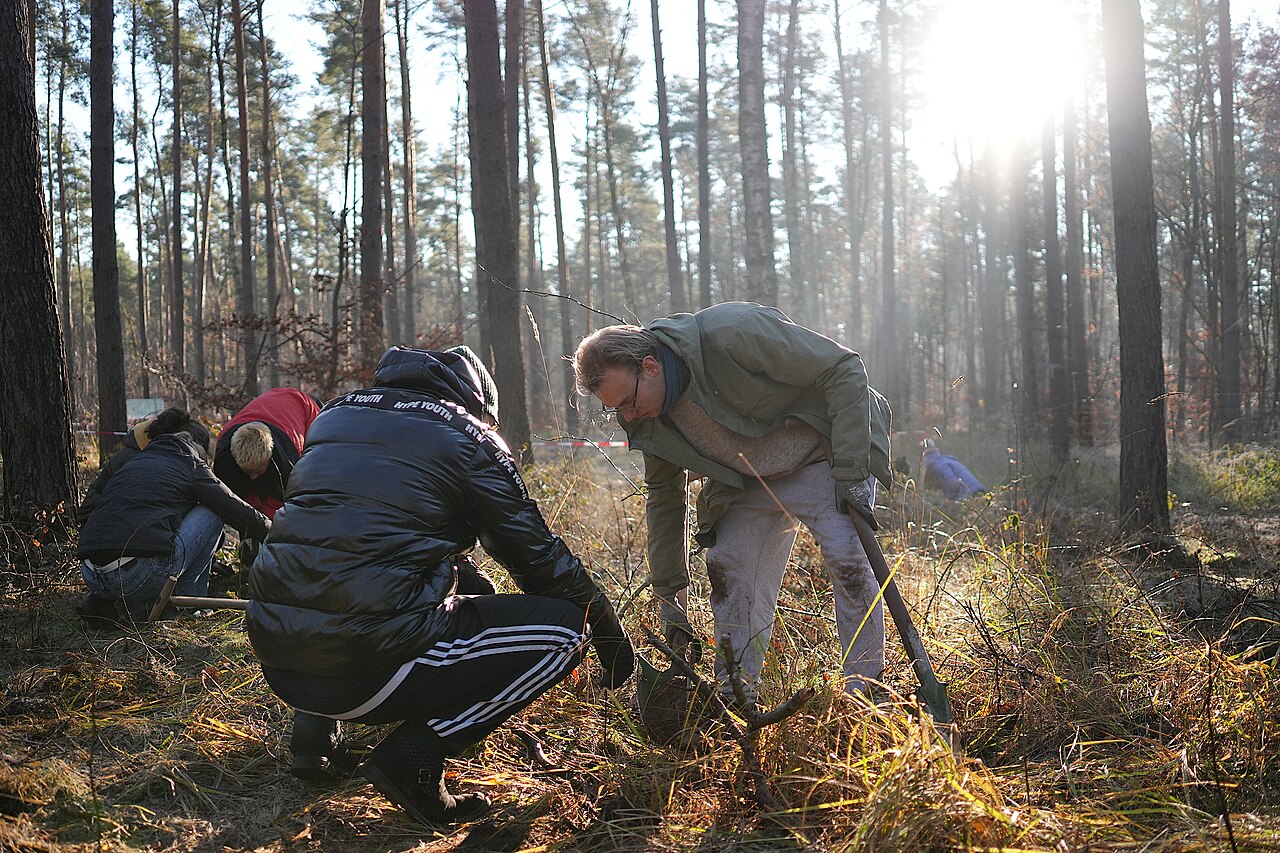
Restoration means helping damaged nature recover: letting forests grow back, rewetting drained peatlands, freeing rivers, replanting mangroves and seagrass, and bringing back animals that were lost.
Land degradation harms the well-being of at least 3.2 billion people.
Source: IPBES · Land Degradation and Restoration Assessment 2018
Photo: RobbieIanMorrison
Indigenous land rights
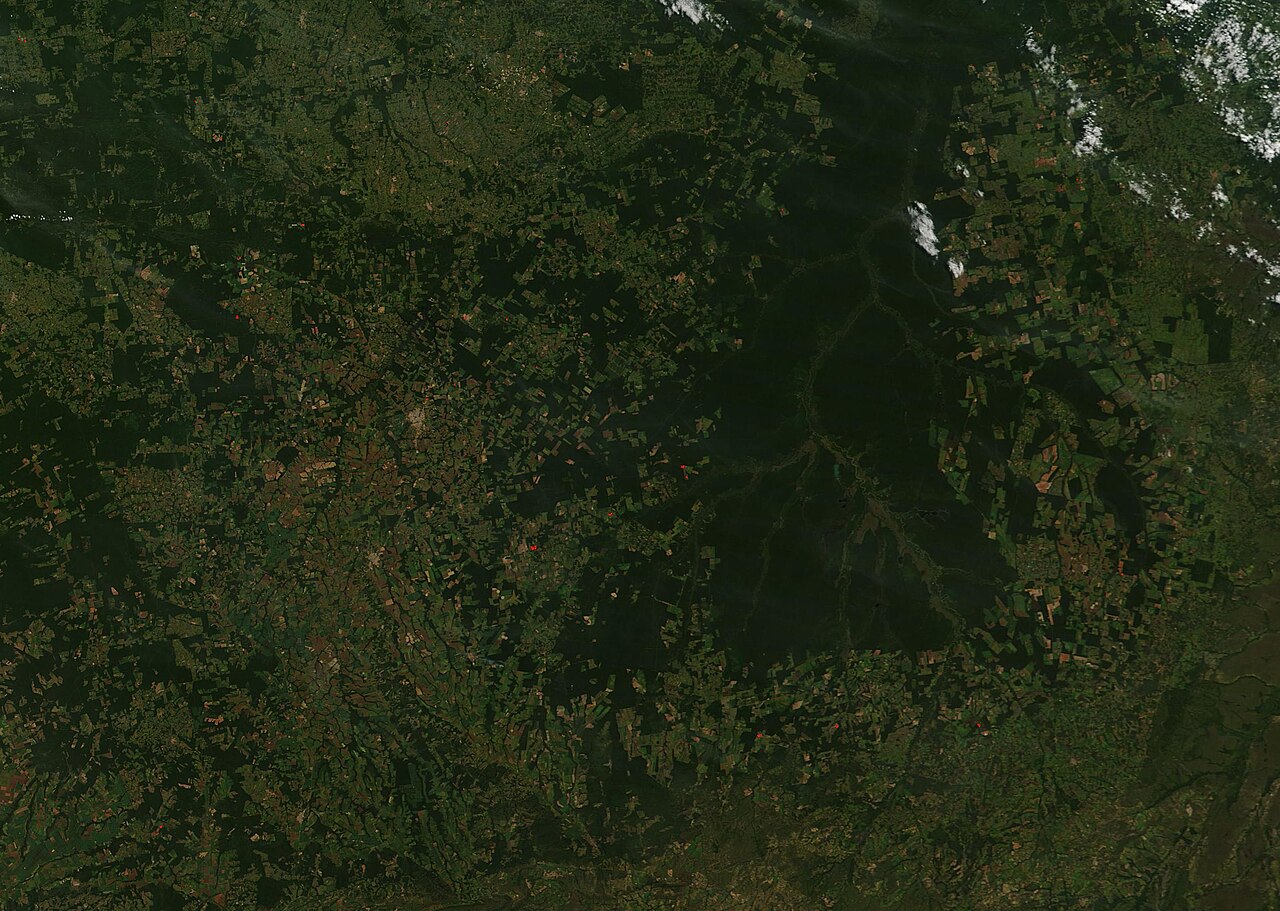
Indigenous Peoples have looked after their lands for generations. At least a quarter of the world's land is traditionally owned, managed, used or occupied by them, including about 35% of the area that is formally protected and about 35% of the land people have changed least.
At least a quarter of the global land area is traditionally owned, managed, used or occupied by Indigenous Peoples.
Source: IPBES Global Assessment 2019
Photo: MODIS Land Rapid Response Team, NASA GSFC
Marine protected areas
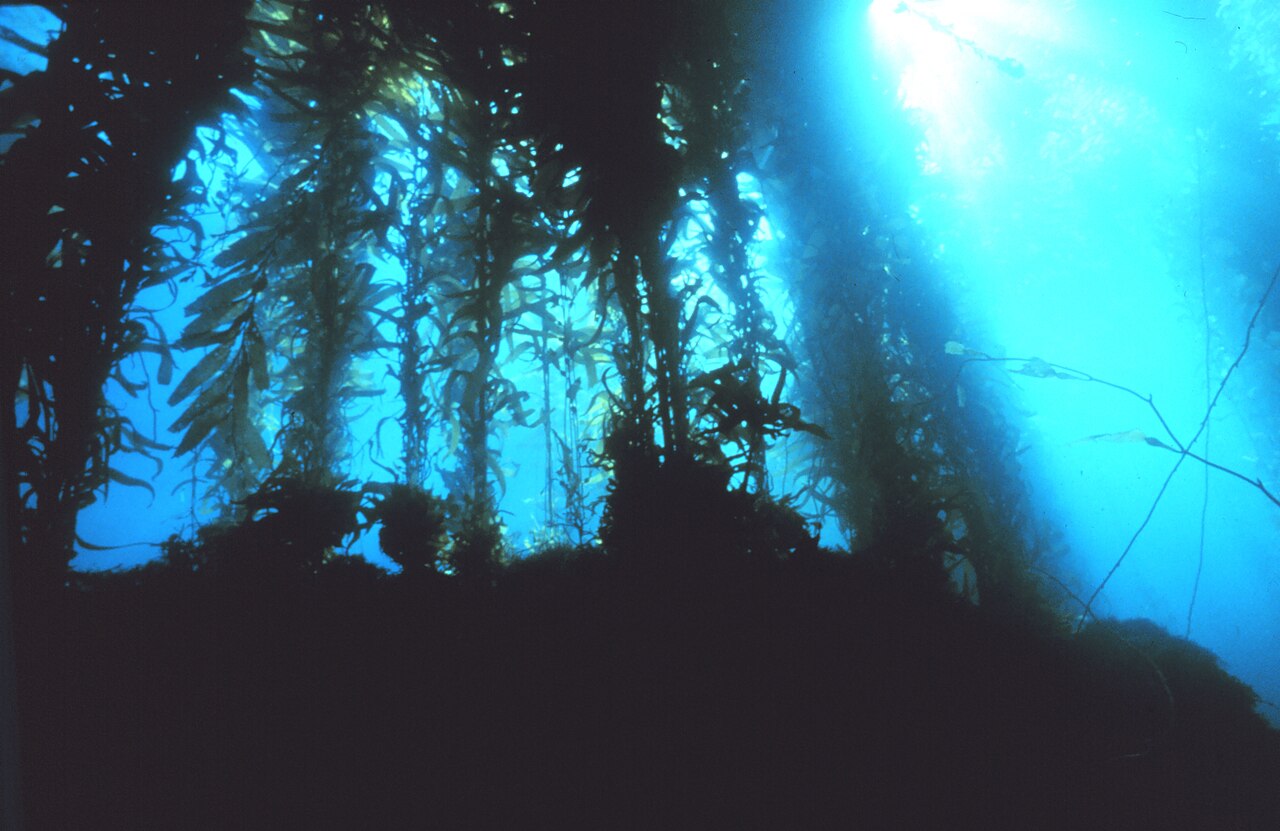
Marine protected areas are parts of the sea where fishing, mining and other harm are limited or banned. In the strongest of them, marine reserves, nothing is taken at all.
About 8.4% of the ocean lies in protected areas, most of it within countries' own waters. Very little of the high seas, nearly two thirds of the ocean, is protected.
Source: UNEP-WCMC & IUCN · Protected Planet Report 2024
Photo: NOAA Photo Library
4PLANET
For a Living Planet
Independent, no ads, free for everyone. Join and follow the living planet with us.