Indigenous land rights
A way to bring nature back into balance, and what it takes to work
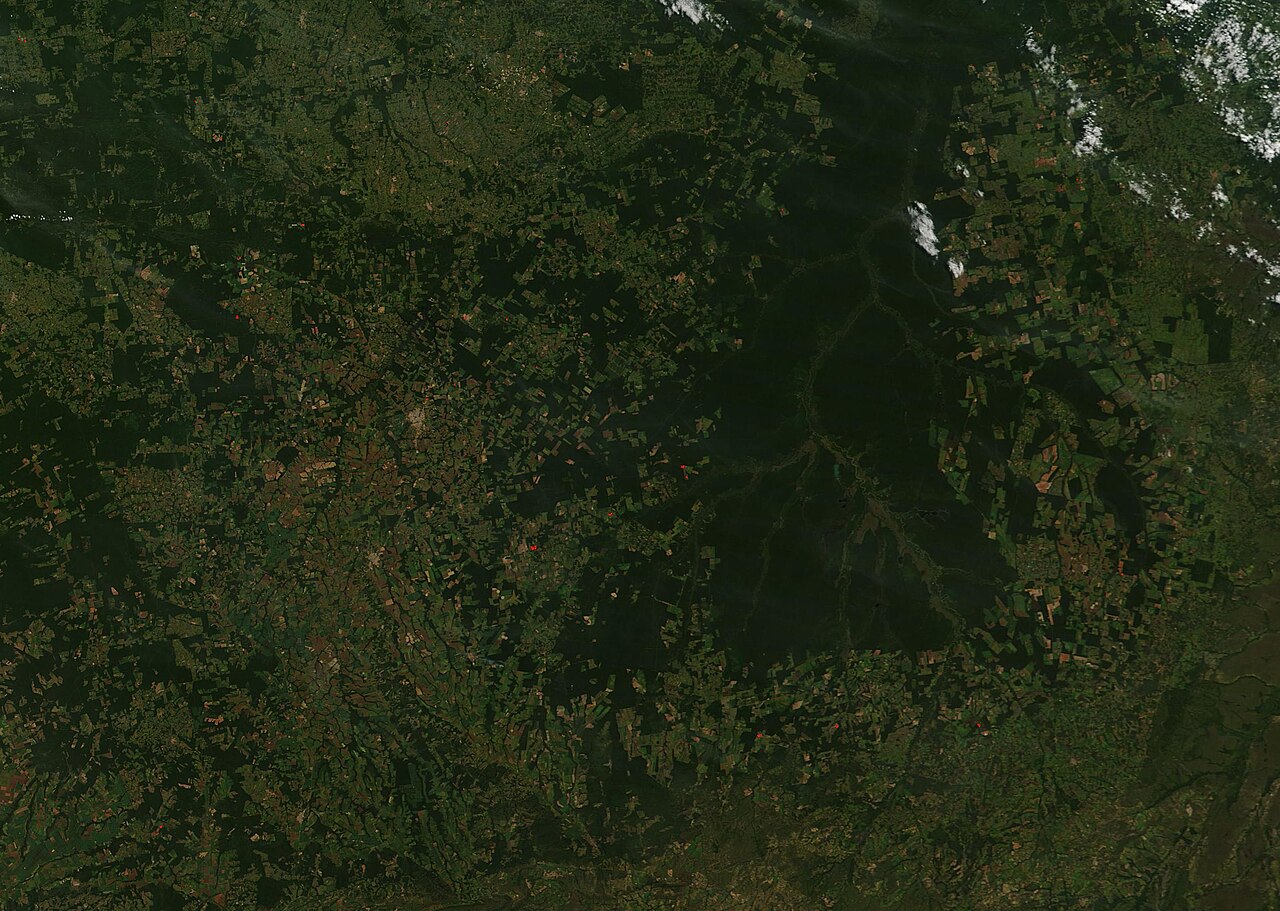
Indigenous Peoples have looked after their lands for generations. At least a quarter of the world's land is traditionally owned, managed, used or occupied by them, including about 35% of the area that is formally protected and about 35% of the land people have changed least.
Nature on these lands is under growing pressure, but it is generally declining less rapidly than elsewhere. Recognising Indigenous Peoples' rights, knowledge and institutions, and including them in decisions about the environment, often improves both their quality of life and the protection of nature.
Why it matters
- At least a quarter of the global land area is traditionally owned, managed, used or occupied by Indigenous Peoples. IPBES Global Assessment 2019
- These lands include about 35% of the area that is formally protected, and about 35% of all remaining land with very low human intervention. IPBES Global Assessment 2019
- Nature managed by Indigenous Peoples and local communities is under increasing pressure, but is generally declining less rapidly than in other lands. IPBES Global Assessment 2019
What it helps protect
Habitats
How it works, and its limits
How it works
- Secure land titles and collective rights to traditional territories
- Free, prior and informed consent before projects on Indigenous lands
- Funding and decisions led by the communities themselves
- Monitoring that respects and credits traditional knowledge
Limits, and what it needs
- Land rights are not the same as declaring a protected area
- Results depend on enforcement, funding, local governance and consent
- Pressure is still rising: 72% of the local indicators used by Indigenous Peoples and local communities show nature declining
- No organisation can speak for a community without its consent
Pressures it answers
What the world has agreed
- Target 3 of the Kunming-Montreal Global Biodiversity Framework aims to conserve 30% of land, waters and seas by 2030. CBD · GBF Target 3
- Target 22 asks countries to ensure that Indigenous Peoples and local communities take part in decisions, and have access to justice and information, on biodiversity. CBD · GBF Target 22
What you can do
- Support organisations led by Indigenous Peoples and chosen by their communities
- Choose products that respect land rights and consent
- Respect the right of communities to control their traditional knowledge
Sources and photo credits
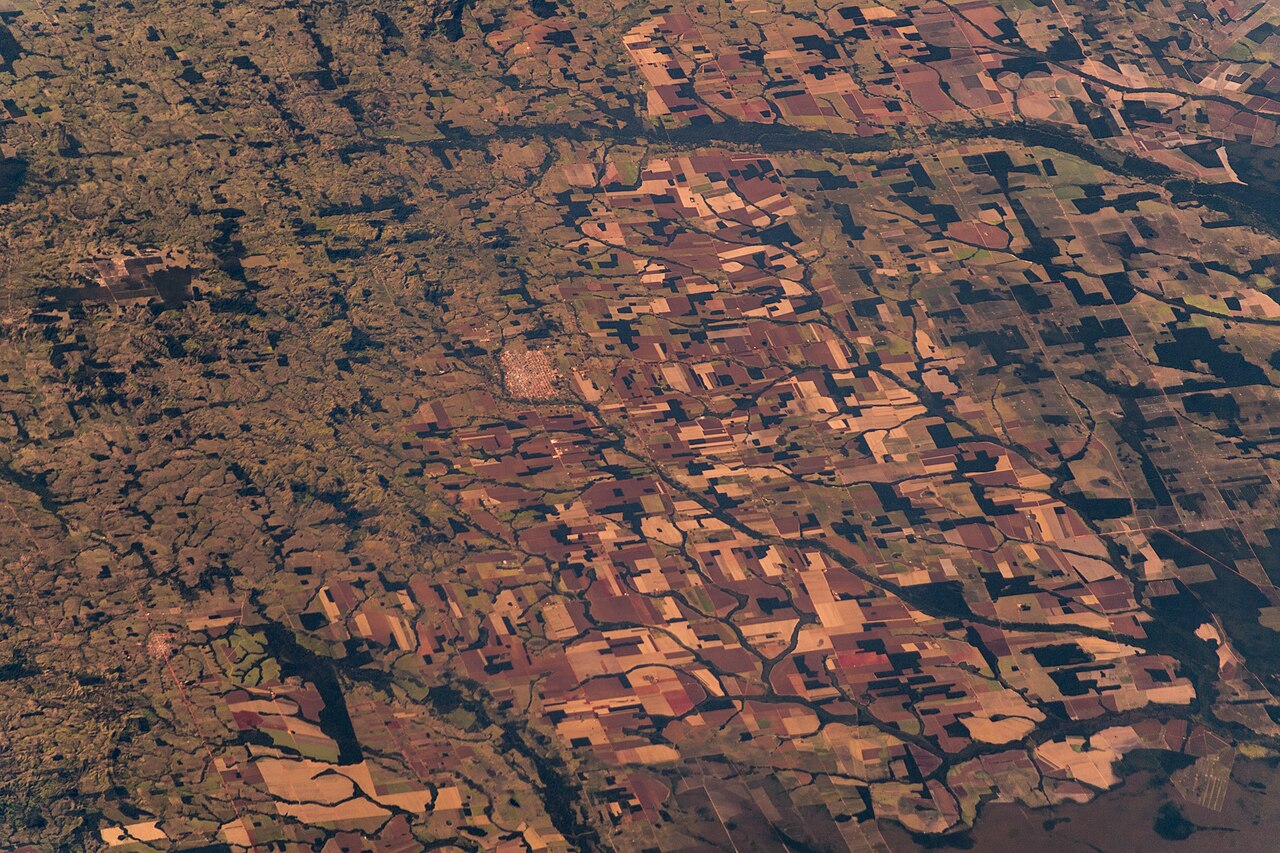
Satellite view of the forest of Xingu Indigenous Park and the cleared land around it, Mato Grosso, Brazil: MODIS Land Rapid Response Team, NASA GSFC, Public domain

Figures are national or global estimates from the sources named, with the uncertainty those sources give. Country rankings compare reported totals, not responsibility or effort.
Checked 2026-11-22.