The living planet · records of eight species
A warming world.
What the science shows, measured and sourced.
Natural Earth · NASA GIBS · Blue Marble Next Generation (NASA) · Terrain: Mapzen/AWS · OpenFreeMap · © OpenStreetMap contributors
The climate, by the numbers
warmer: global surface temperature in 2011–2020 compared with 1850–1900. Human activities caused the warming.
IPCC · Sixth Assessment Report, Synthesis (2023)above pre-industrial levels in 2024, the warmest year on record.
World Meteorological Organization · 2024 the warmest year on record (2025)of tropical coral reefs projected to be lost at 1.5 °C of warming; more than 99% at 2 °C.
IPCC · Global Warming of 1.5 °C (2018)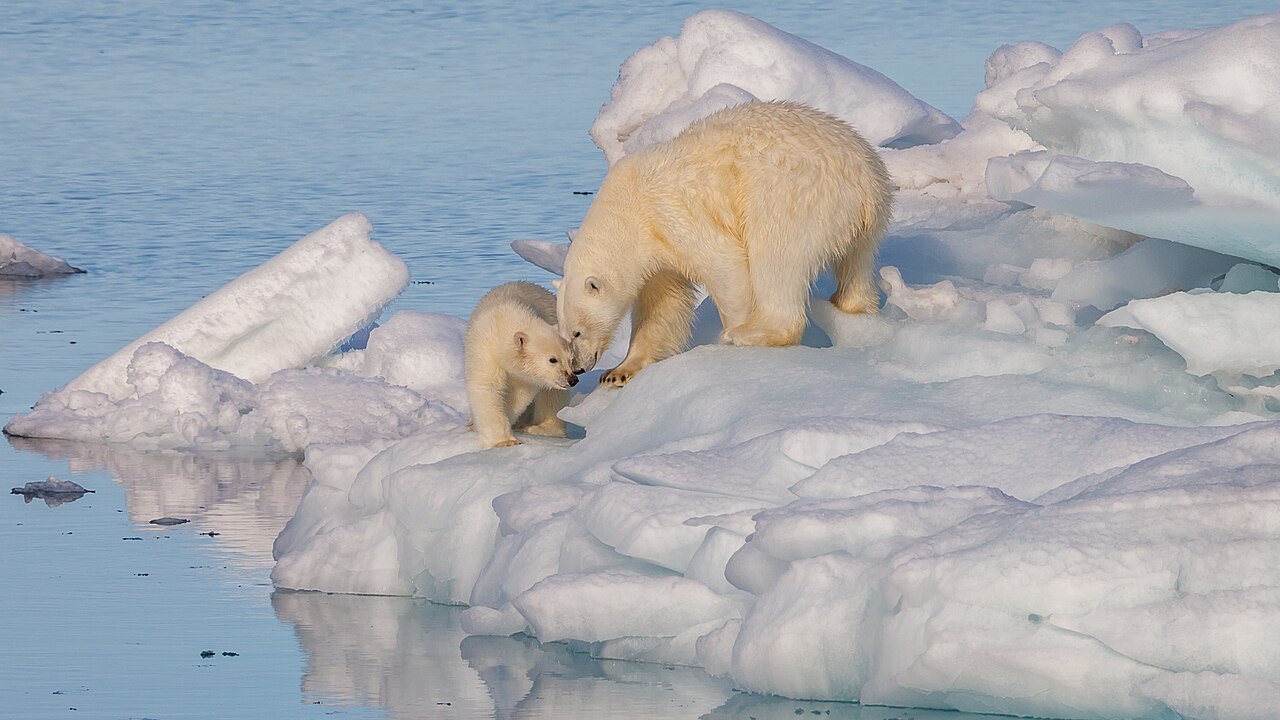
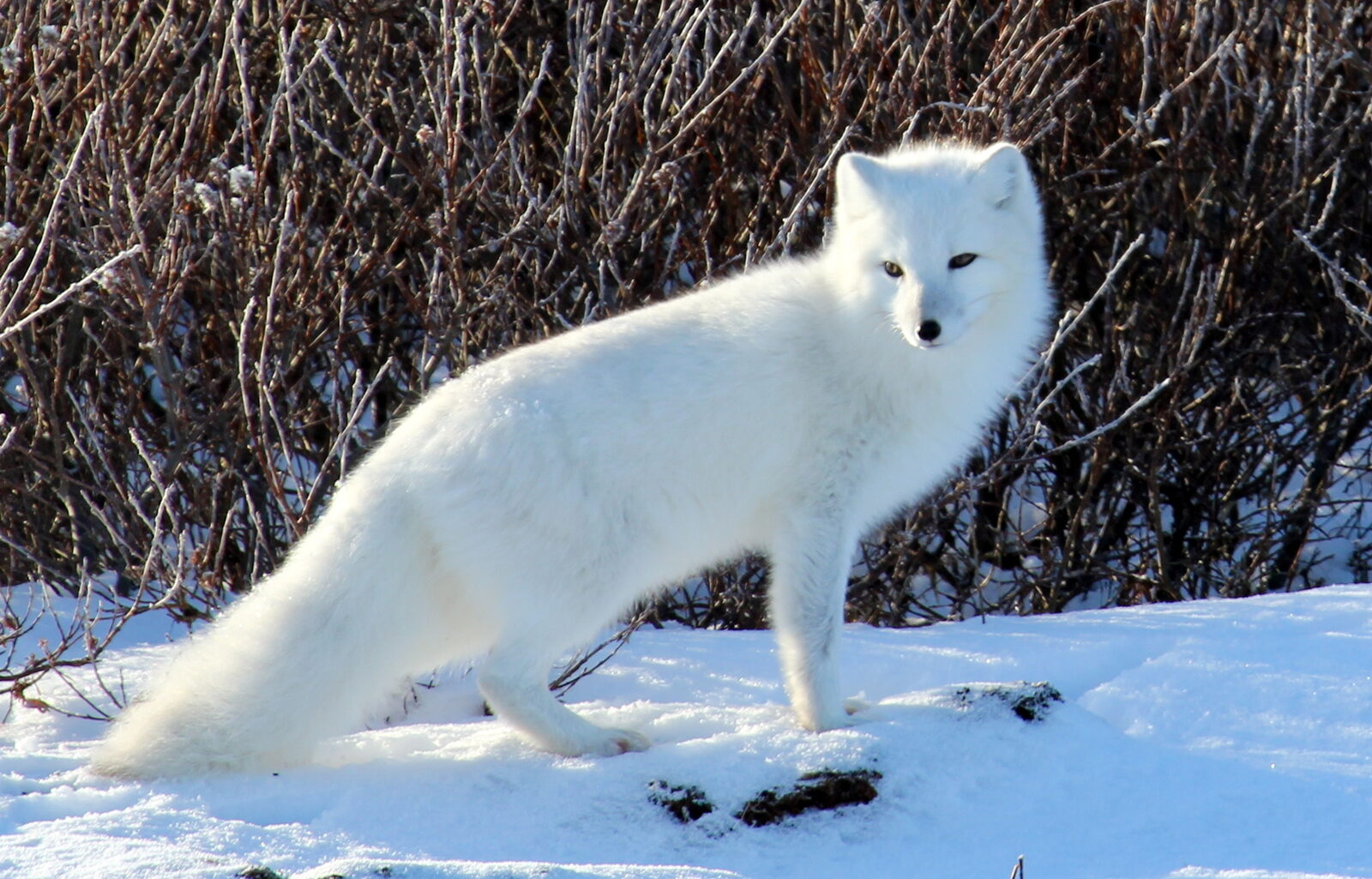
What the science says
Global surface temperature was about 1.1 °C higher in 2011–2020 than in 1850–1900. The IPCC concludes that human activities caused the warming.
1.1 °C warmer in 2011–2020 than in 1850–1900, caused by human activities.
Source: IPCC · Sixth Assessment Report, Synthesis (2023)
Photo: AWeith (CC BY-SA 4.0)
The warmest year on record
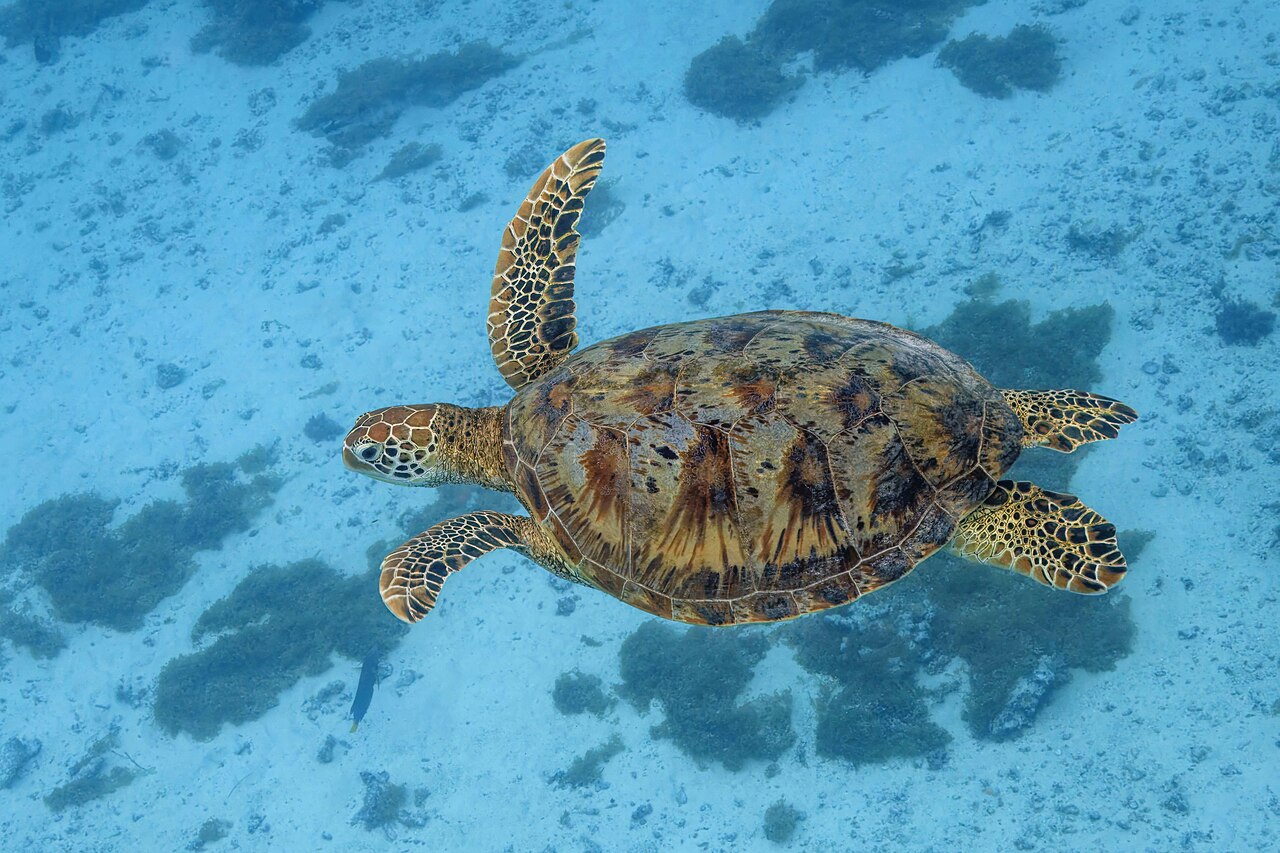
2024 was the warmest year on record, about 1.55 °C above pre-industrial levels.
2024: about 1.55 °C above pre-industrial levels.
Source: World Meteorological Organization · 2024 the warmest year on record (2025)
Photo: Charles J. Sharp (CC BY-SA 4.0)
Reefs at the edge
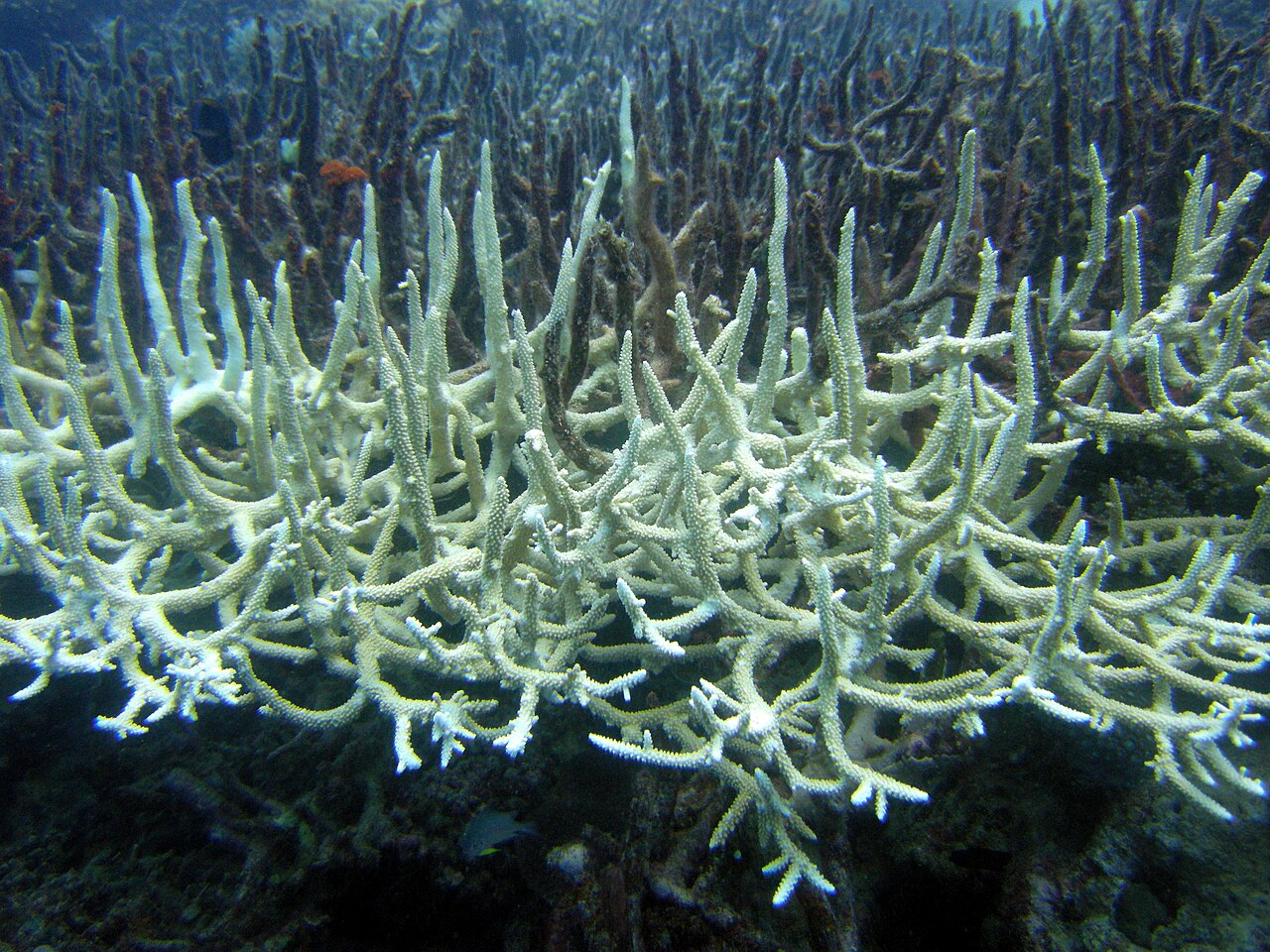
Coral reefs are among the most sensitive ecosystems. At 1.5 °C of warming, 70–90% of tropical reefs are projected to be lost.
70–90% of tropical coral reefs projected to be lost at 1.5 °C; more than 99% at 2 °C.
Source: IPCC · Global Warming of 1.5 °C (2018)
Photo: Matt Kieffer (CC BY-SA 2.0)
Ice at both poles
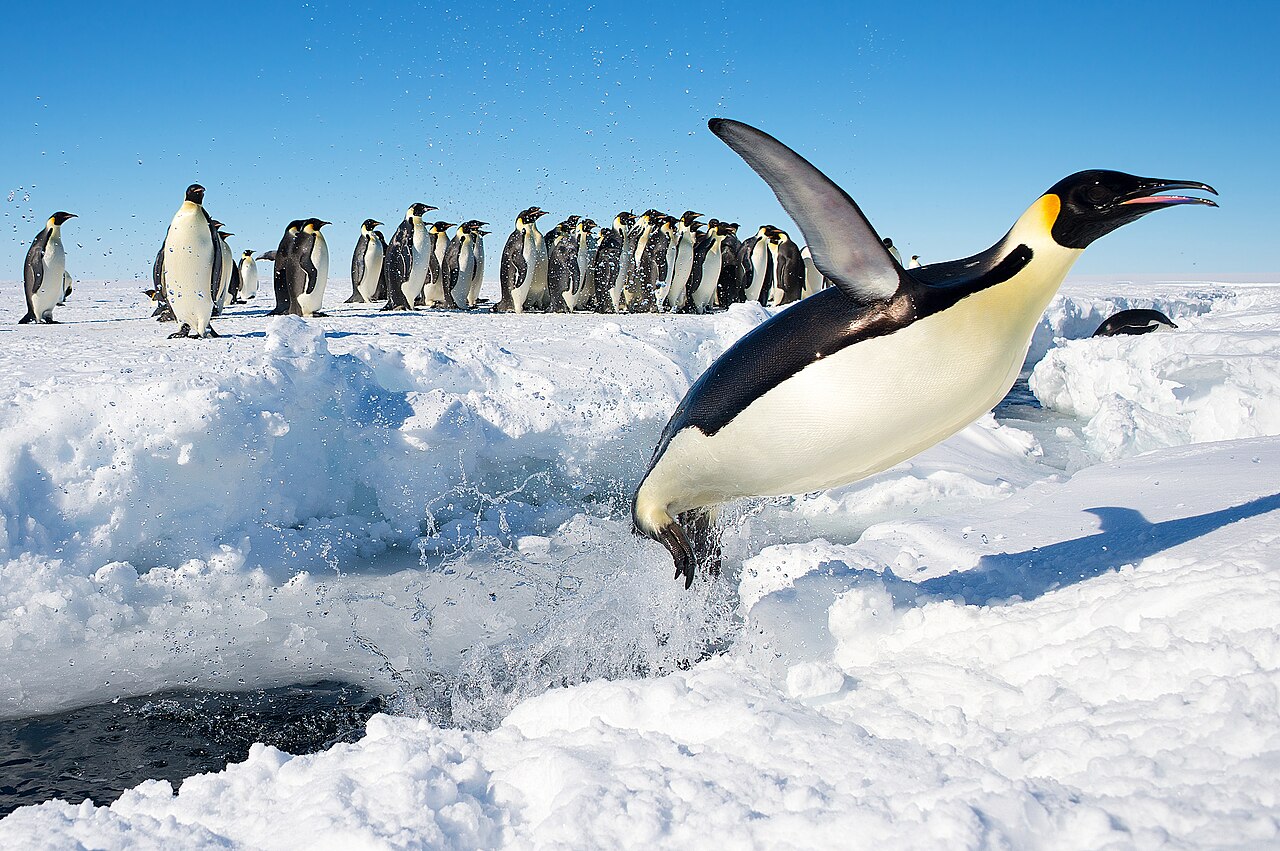
Antarctic sea ice reached a record-low annual minimum of 1.79 million km² in February 2023.
Antarctic sea ice extent: record-low annual minimum, 1.79 million km², 21 February 2023.
Source: NSIDC · Antarctic sea ice settles at record low (2023)
Photo: Christopher Michel (CC BY 2.0)
Animals of a warming world
From the Arctic to the tropics, these animals live where the climate is changing fastest.
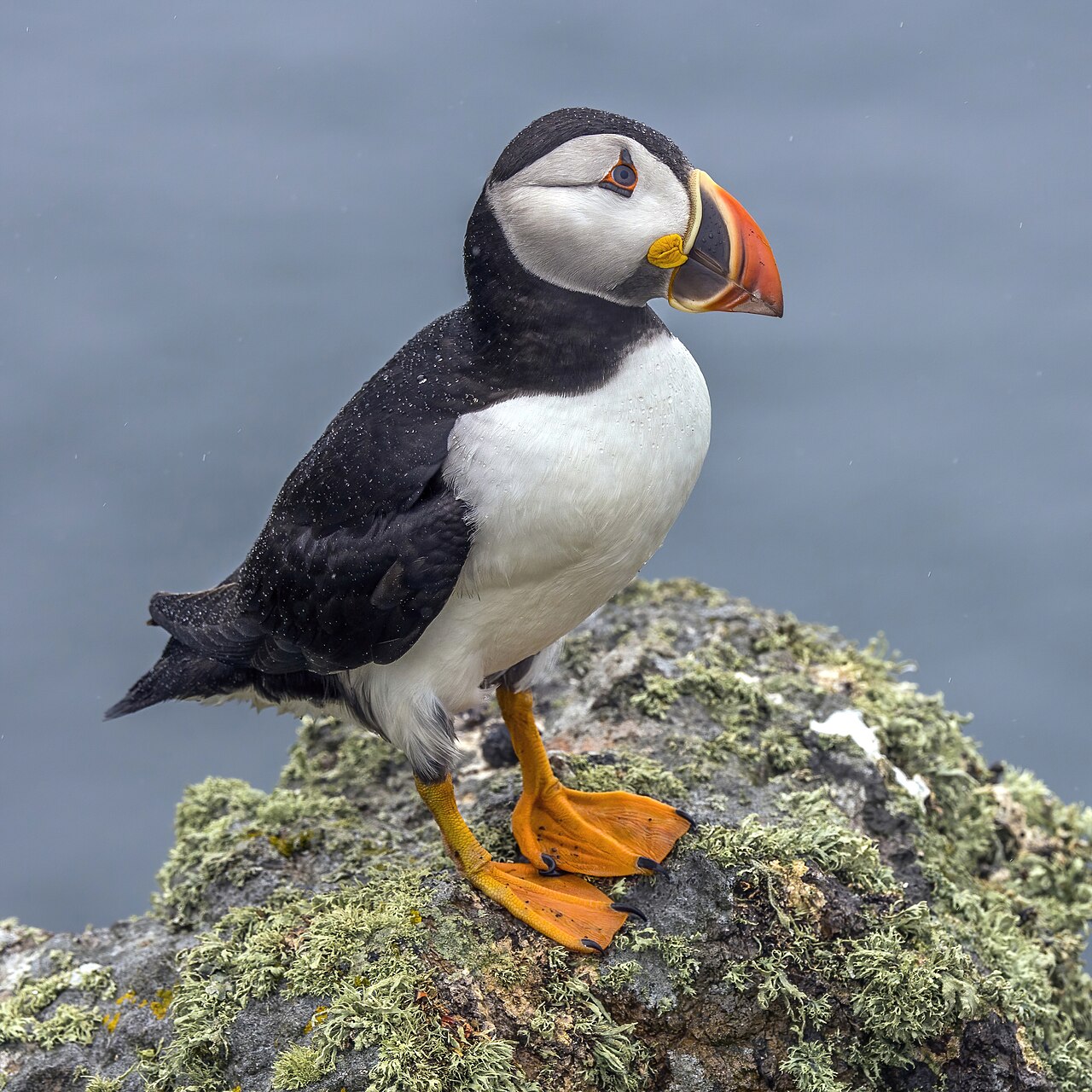 Atlantic puffin
Photo: Emma
4PLANET
For a Living Planet
Independent, no ads, free for everyone. Join and follow the living planet with us.