What is pushing the Amazon to the edge.
Four pressures on the forest, each with the evidence behind it and what works against it.
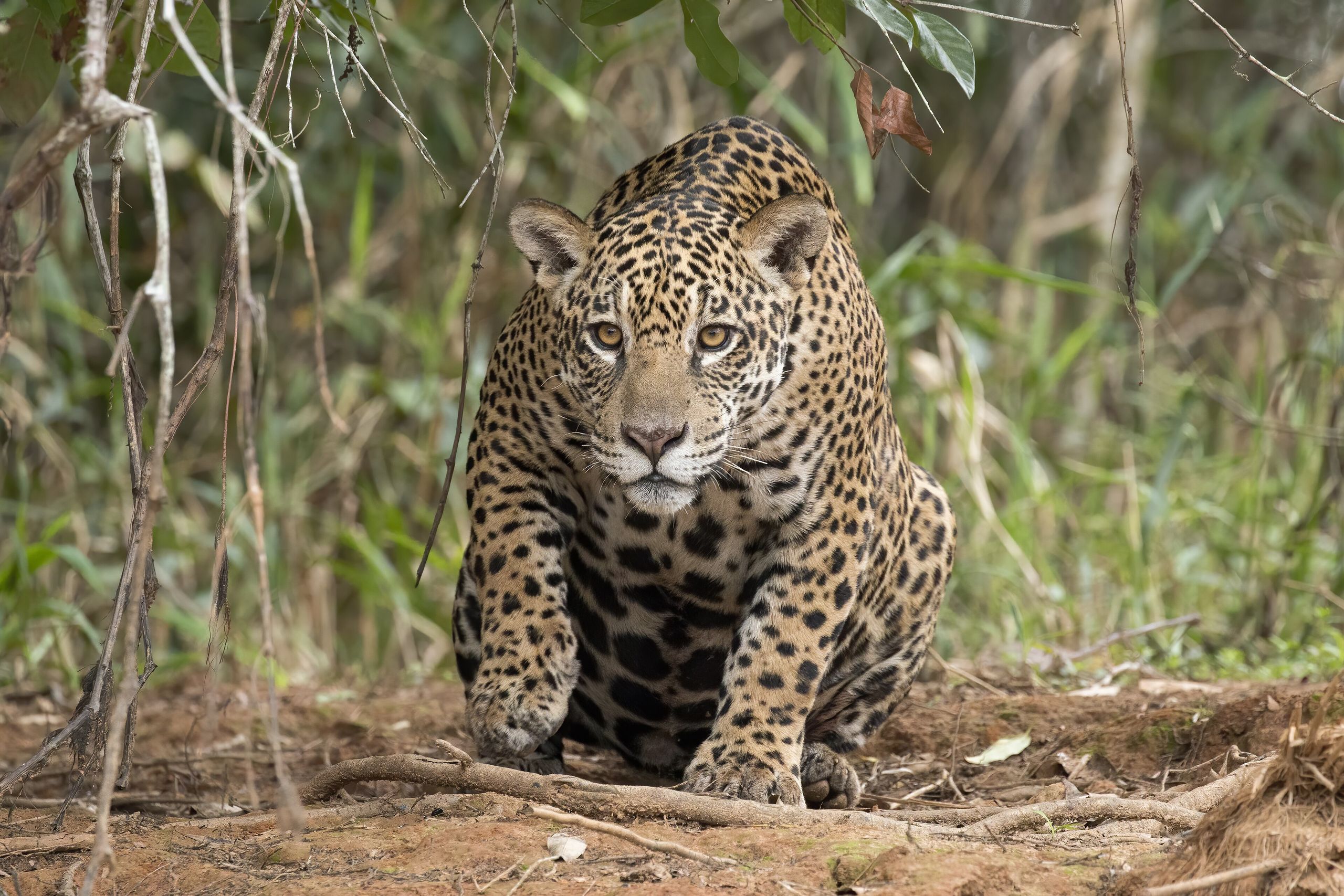
Photo: Charles J. Sharp (CC BY-SA 4.0) · photographed in the Pantanal
At a glance
 DeforestationHow much forest the world is losing, where the loss is greatest, which habitats and animals it hits, and…
 Wetland and freshwater lossA fifth of the world's wetlands have been lost since 1970, and freshwater animal populations have fallen…
 Global heatingHow much the world has warmed since the 1850s, which habitats and animals it hits hardest, from coral…
 Land degradationUp to 40% of the world's land is degraded, and more is lost every year. Where it is worst, why it happens,…
Deforestation
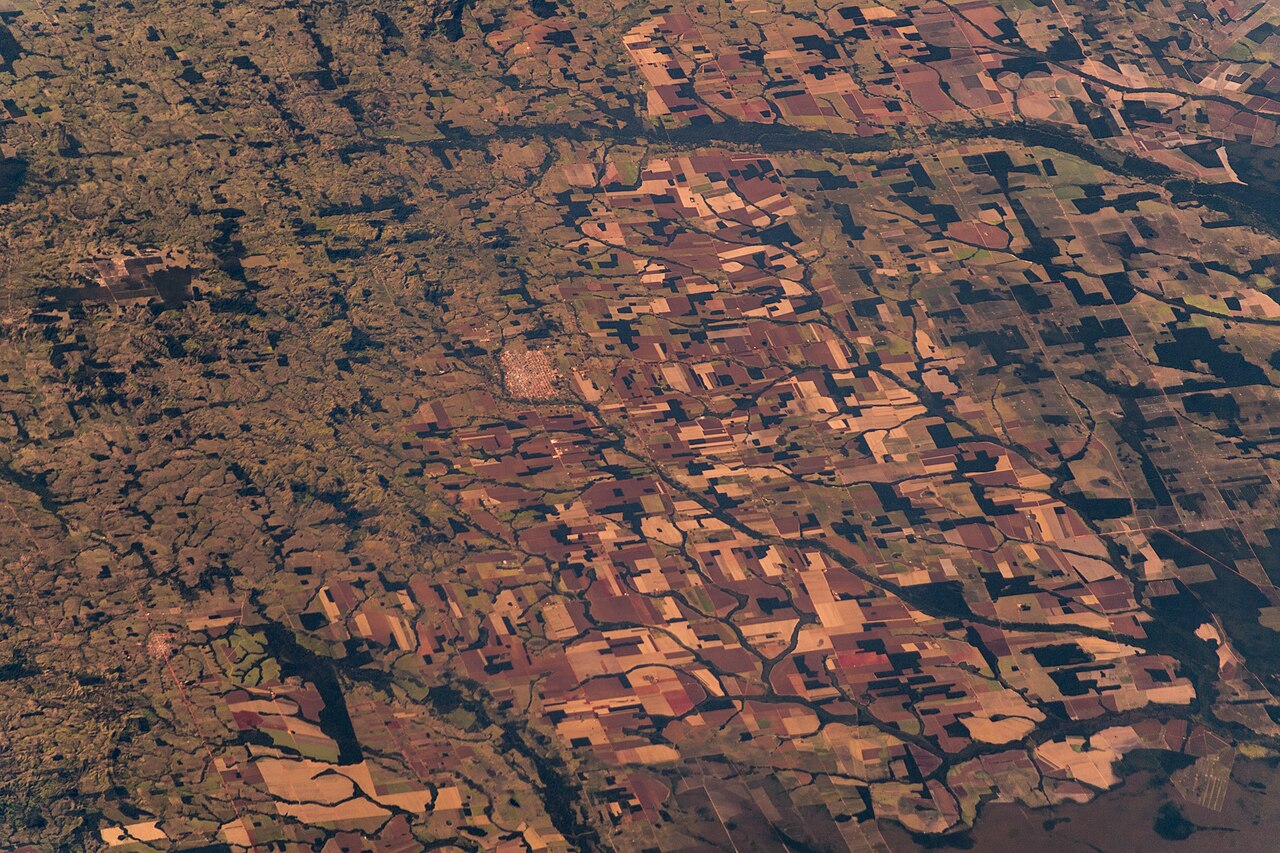
Forests cover about a third of the land and hold most of the animals and plants that live on it. Every year millions of hectares are cut or burned, above all in the tropics, mostly to make room for cattle pasture, soy, oil palm and other crops.
About 10 million hectares of forest were cut down every year between 2015 and 2020, an area about the size of Iceland.
Source: FAO · Global Forest Resources Assessment 2020
Photo: Alexander Gerst
Wetland and freshwater loss
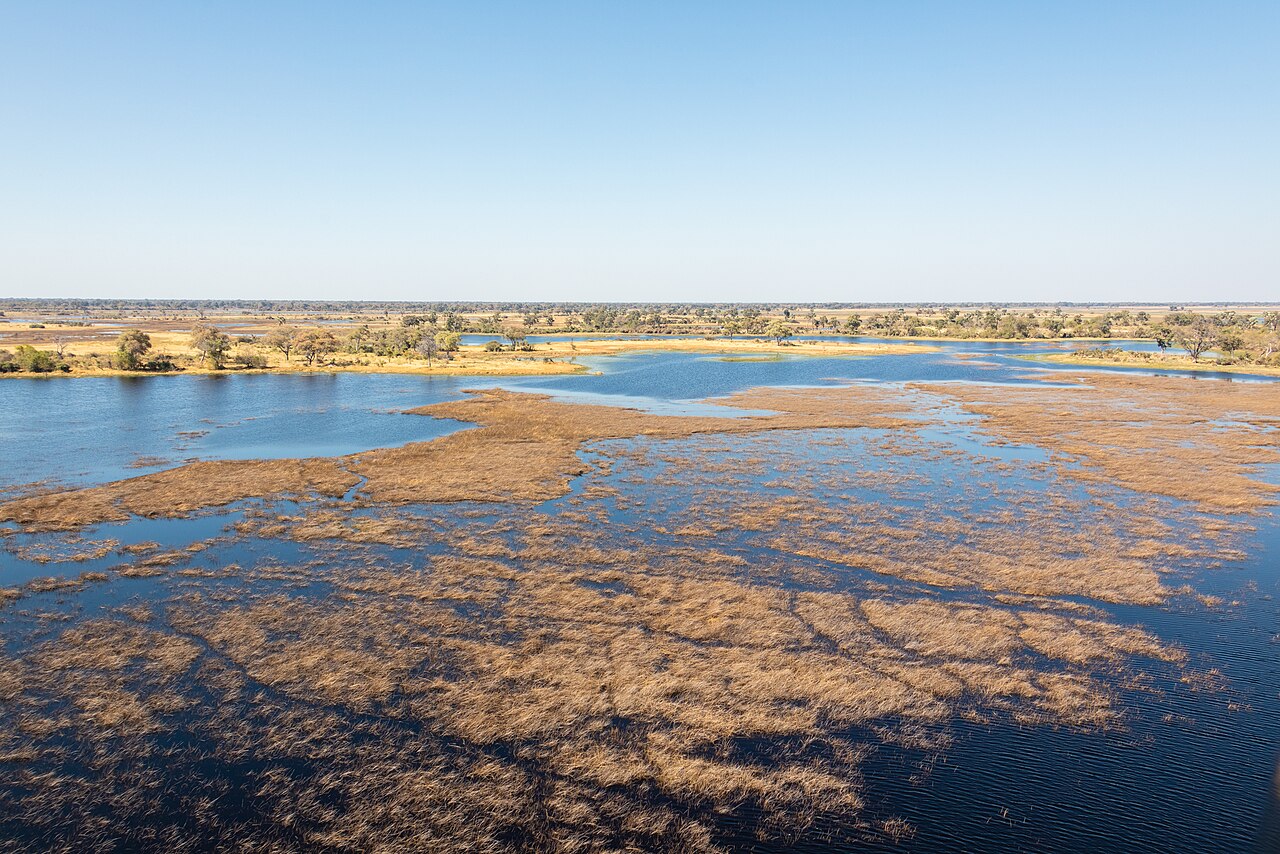
Rivers, lakes, marshes, swamps and peatlands are some of the richest places on Earth. They give people water and food, store carbon, and soften floods and droughts.
An estimated 411 million hectares of wetlands, about 22% of the world's total, have been lost since 1970, and they are still disappearing by 0.52% a year.
Source: Ramsar Convention · Global Wetland Outlook 2025
Photo: Diego Delso
Global heating
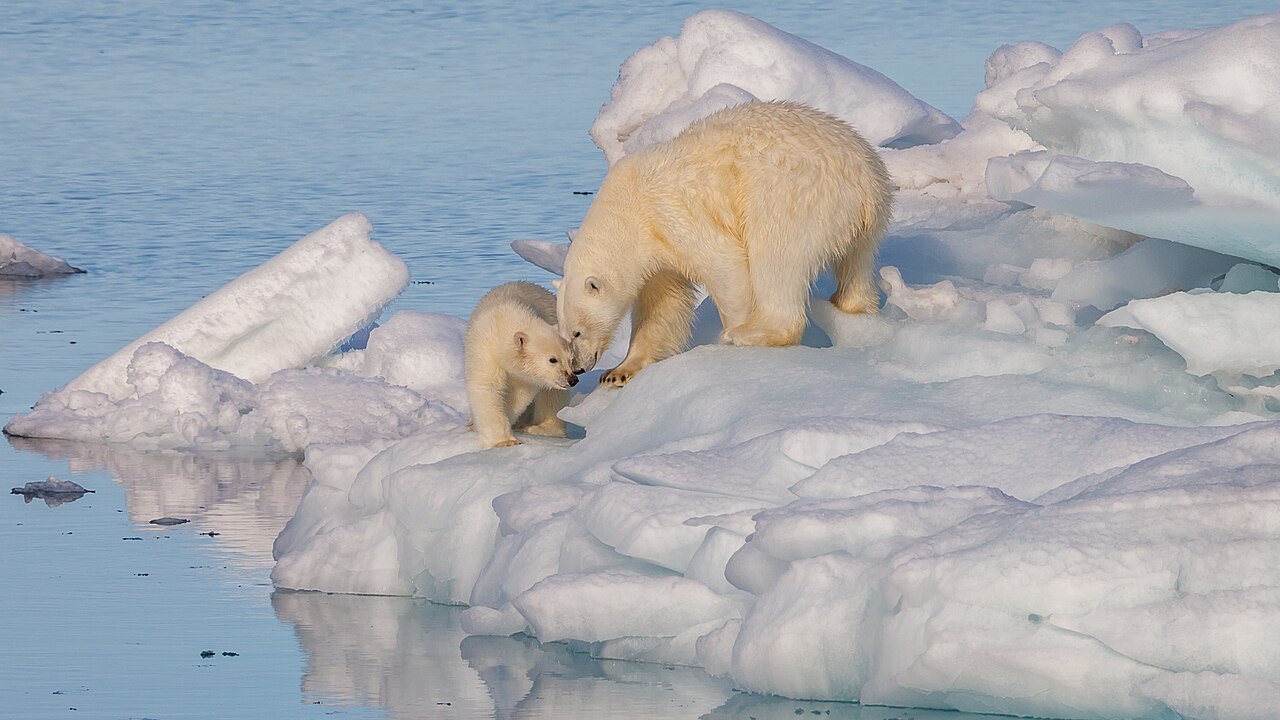
The Earth is warming because of the greenhouse gases we release, above all by burning coal, oil and gas. The last decade was the warmest since measurements began.
Global surface temperature was 1.1 °C higher in 2011–2020 than in 1850–1900, and the warming is caused by human activities.
Source: IPCC · Sixth Assessment Report (2023)
Photo: AWeith
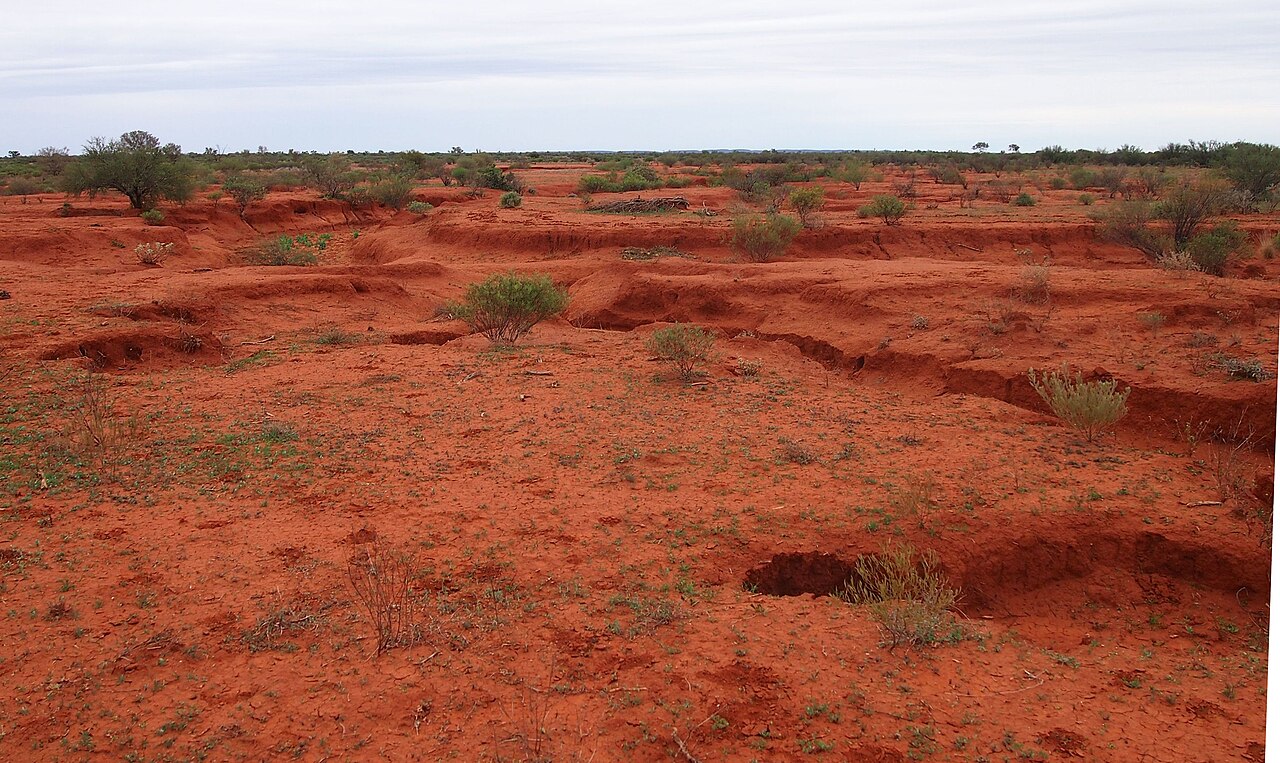
Land degradation
Land is degraded when it loses the soil, water and life that make it productive: topsoil washed or blown away, pastures grazed bare, forests cleared, wetlands drained, salt left behind by poor irrigation. In drylands, the end point is desertification.
Up to 40% of the world's land is degraded.
Source: UNCCD · Land health
Photo: Mark Marathon
4PLANET
For a Living Planet
Independent, no ads, free for everyone. Join and follow the living planet with us.