Amazon basin · Jaguar · 92,110 GBIF records
GBIF · NASA GIBS · Blue Marble Next Generation (NASA) · Terrain: Mapzen/AWS · OpenFreeMap · © OpenStreetMap contributors
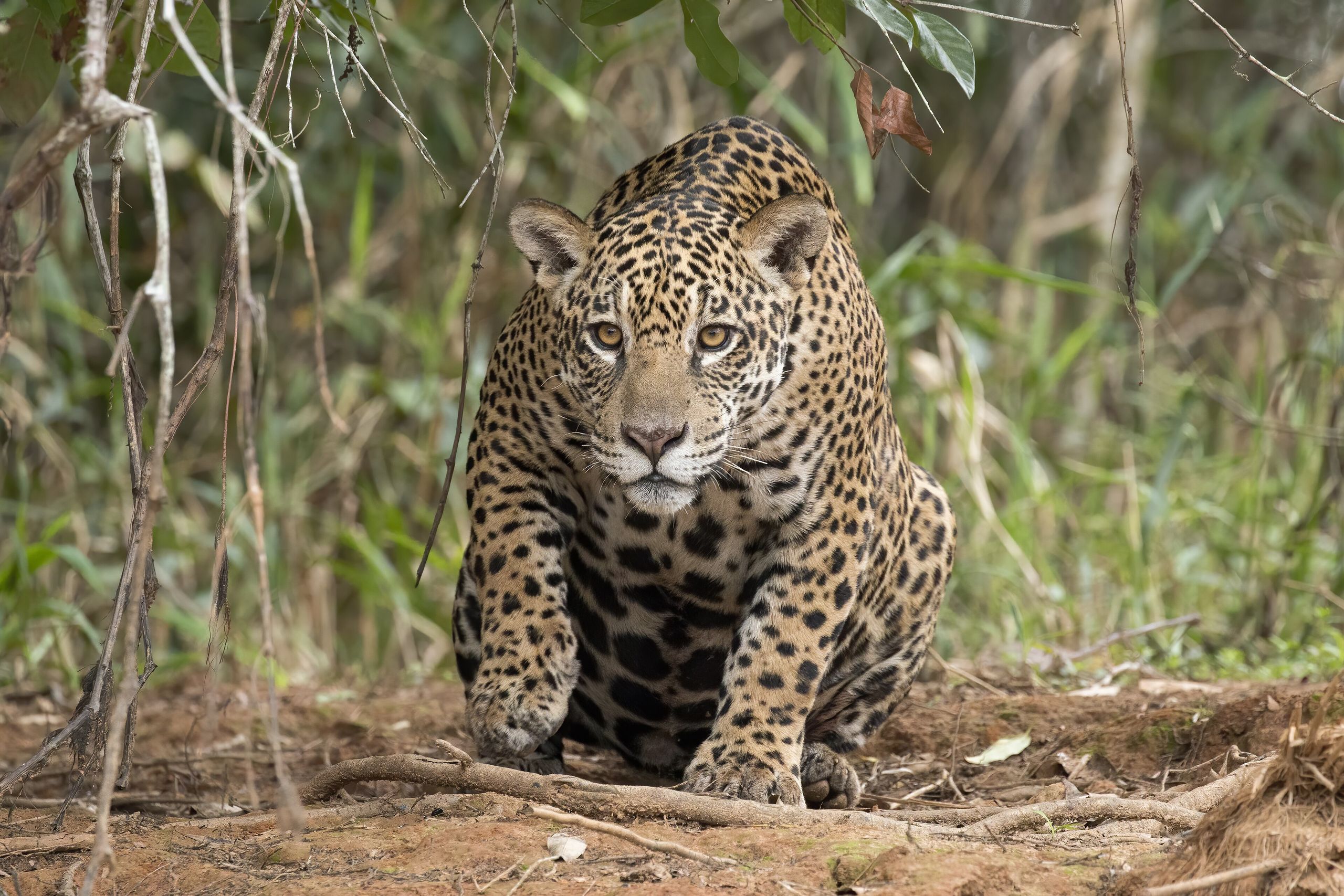 Charles J. Sharp (CC BY-SA 4.0) · photographed in the Pantanal
Jaguar
Panthera onca
Across the Americas, the jaguar moves between forests and wetlands as a powerful, mostly solitary hunter.
92,110 records shared with GBIF in this part of South America. The dots show where people have looked and recorded, not the full range.
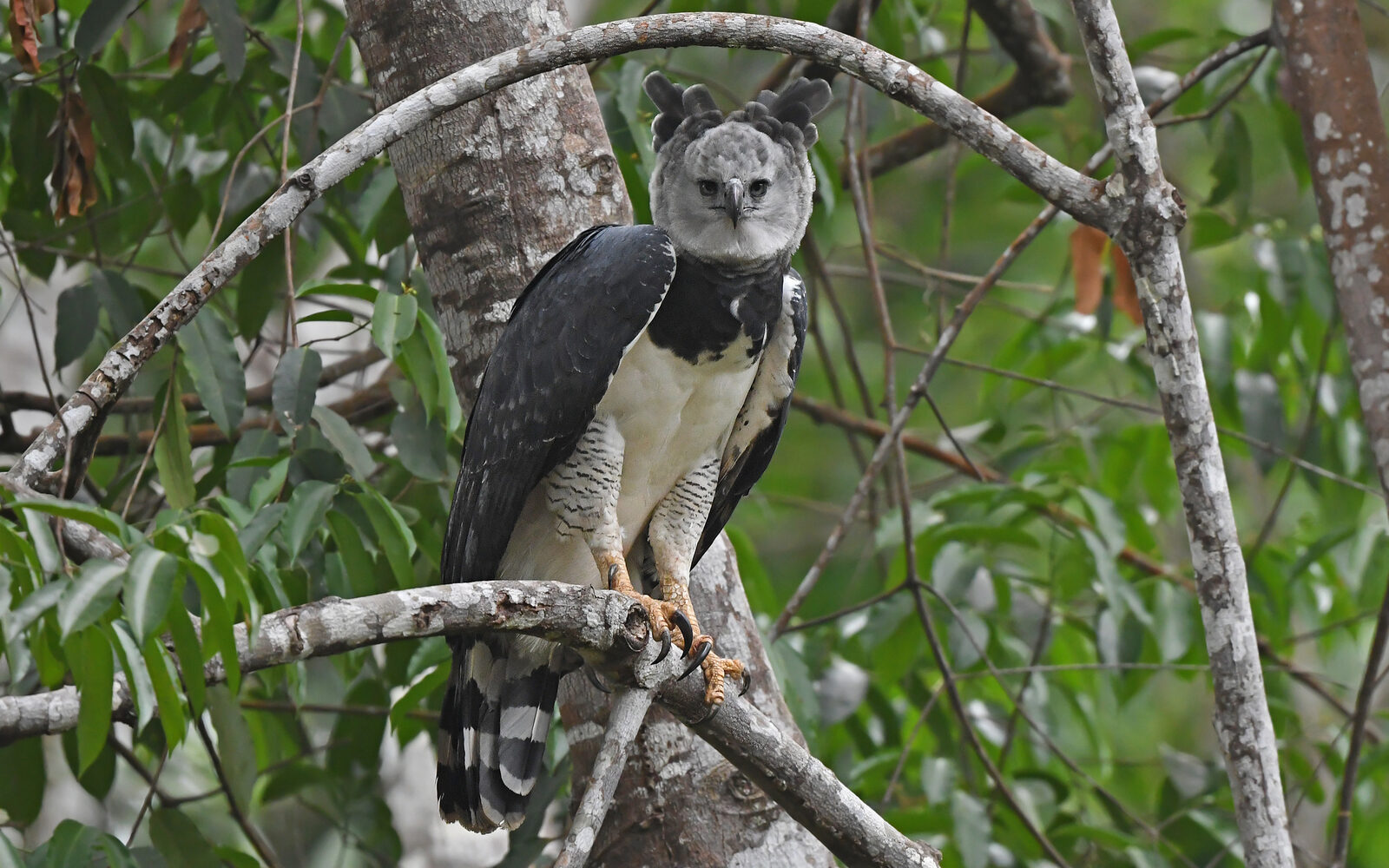 Christoph Moning
Harpy eagle
Harpia harpyja
One of the most powerful eagles on Earth, it hunts sloths and monkeys in the rainforest canopy.
5,654 records shared with GBIF in this part of South America. The dots show where people have looked and recorded, not the full range.
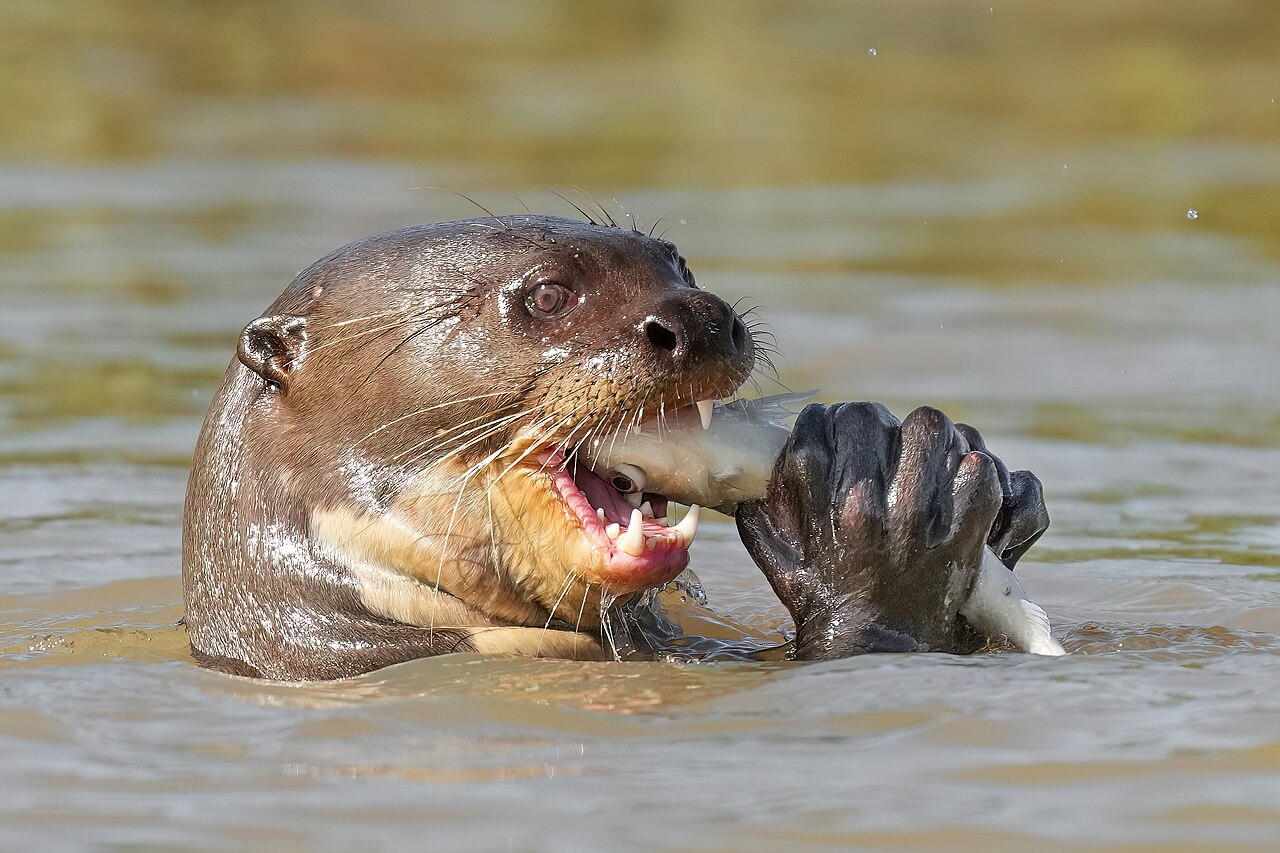 Giles Laurent
Giant otter
Pteronura brasiliensis
An Amazonian river predator whose loud family life makes waterways sound almost conversational.
2,162 records shared with GBIF in this part of South America. The dots show where people have looked and recorded, not the full range.
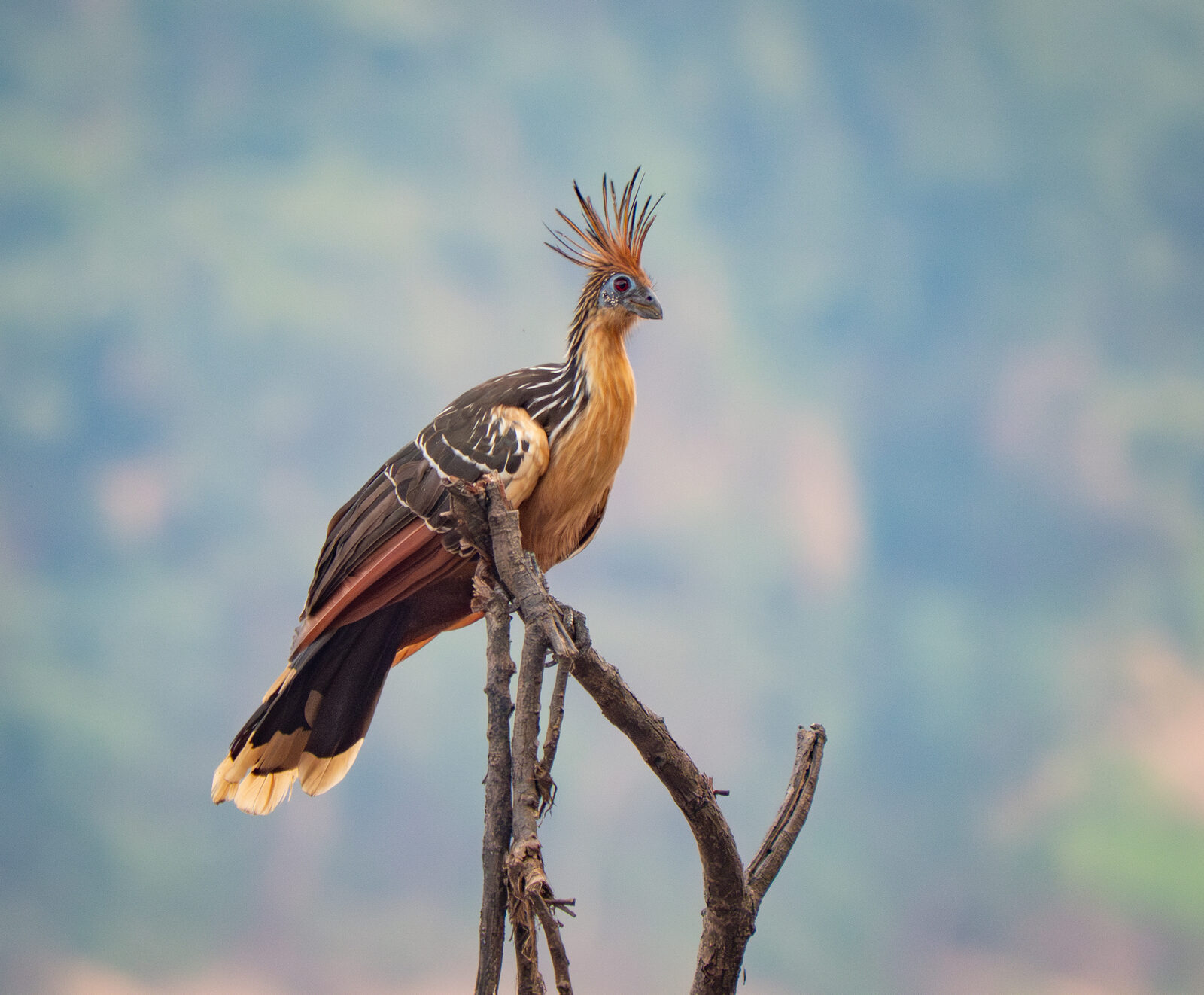 no rights reserved, uploaded by Philipp Hoenle
Hoatzin
Opisthocomus hoazin
A rainforest bird that digests leaves by fermenting them, like a cow; its chicks have claws on their wings.
51,572 records shared with GBIF in this part of South America. The dots show where people have looked and recorded, not the full range.
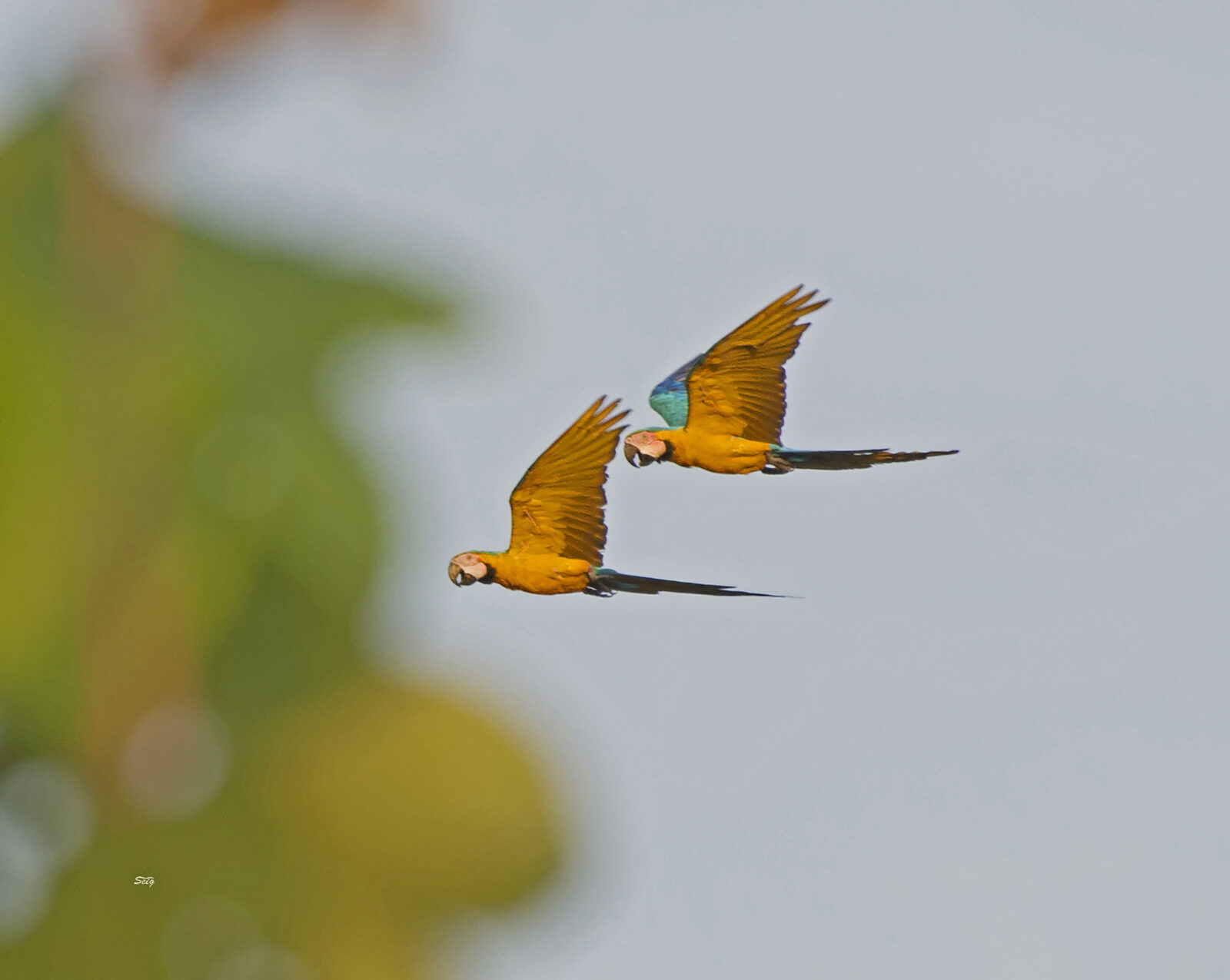 Seig
Blue-and-yellow macaw
Ara ararauna
A large parrot of South American forests and palm swamps, usually seen in pairs flying over the canopy.
70,814 records shared with GBIF in this part of South America. The dots show where people have looked and recorded, not the full range.
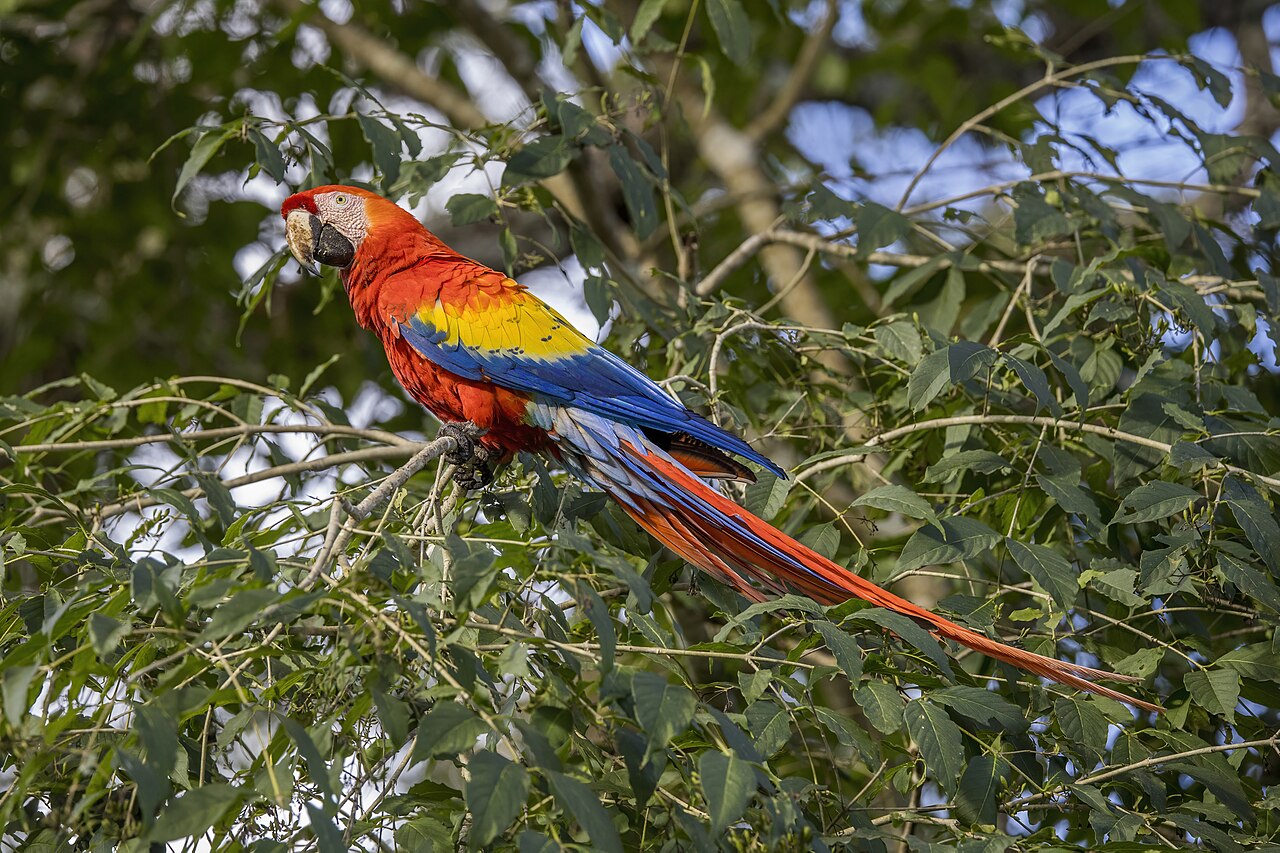 Charles J. Sharp
Scarlet macaw
Ara macao
Scarlet, gold and cobalt wings streak through the tropical canopy.
41,262 records shared with GBIF in this part of South America. The dots show where people have looked and recorded, not the full range.
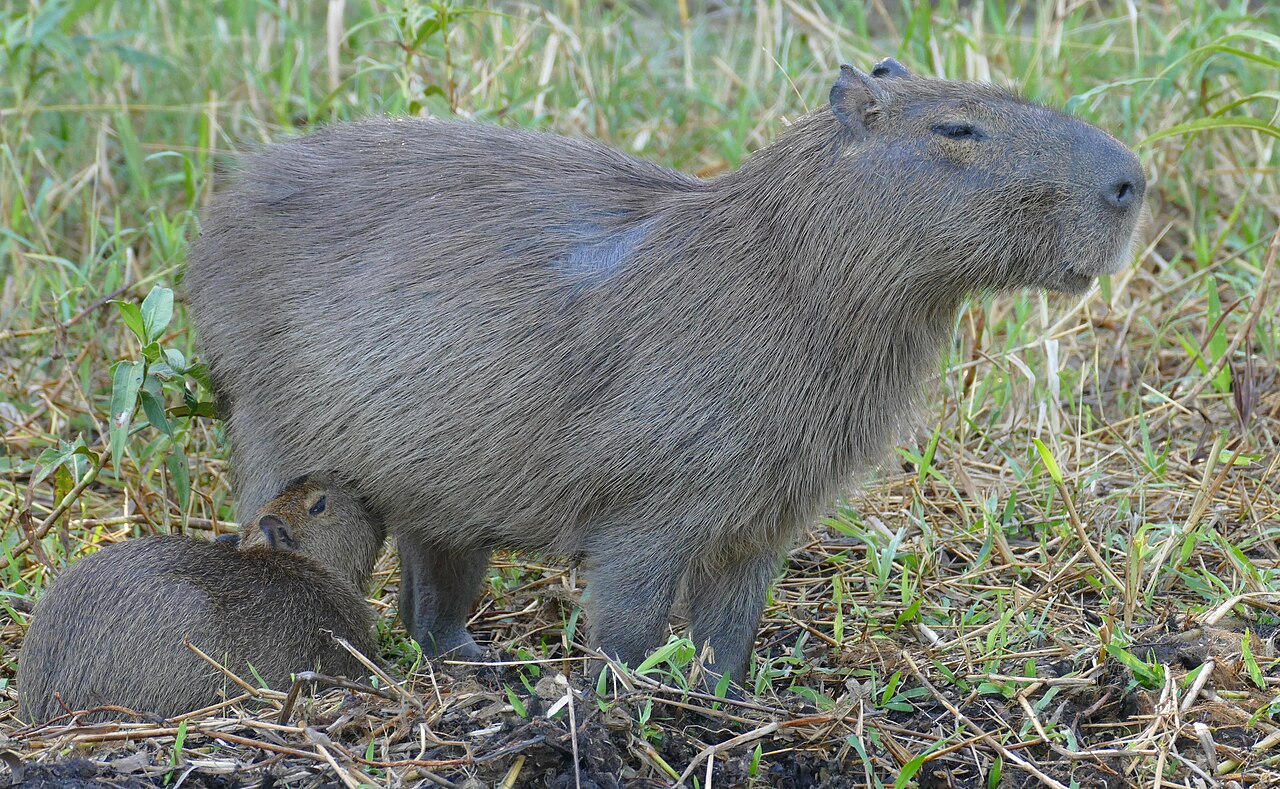 Bernard DUPONT from FRANCE
Capybara
Hydrochoerus hydrochaeris
The world's largest living rodent lives between water and grass, often surrounded by companions.
14,677 records shared with GBIF in this part of South America. The dots show where people have looked and recorded, not the full range.
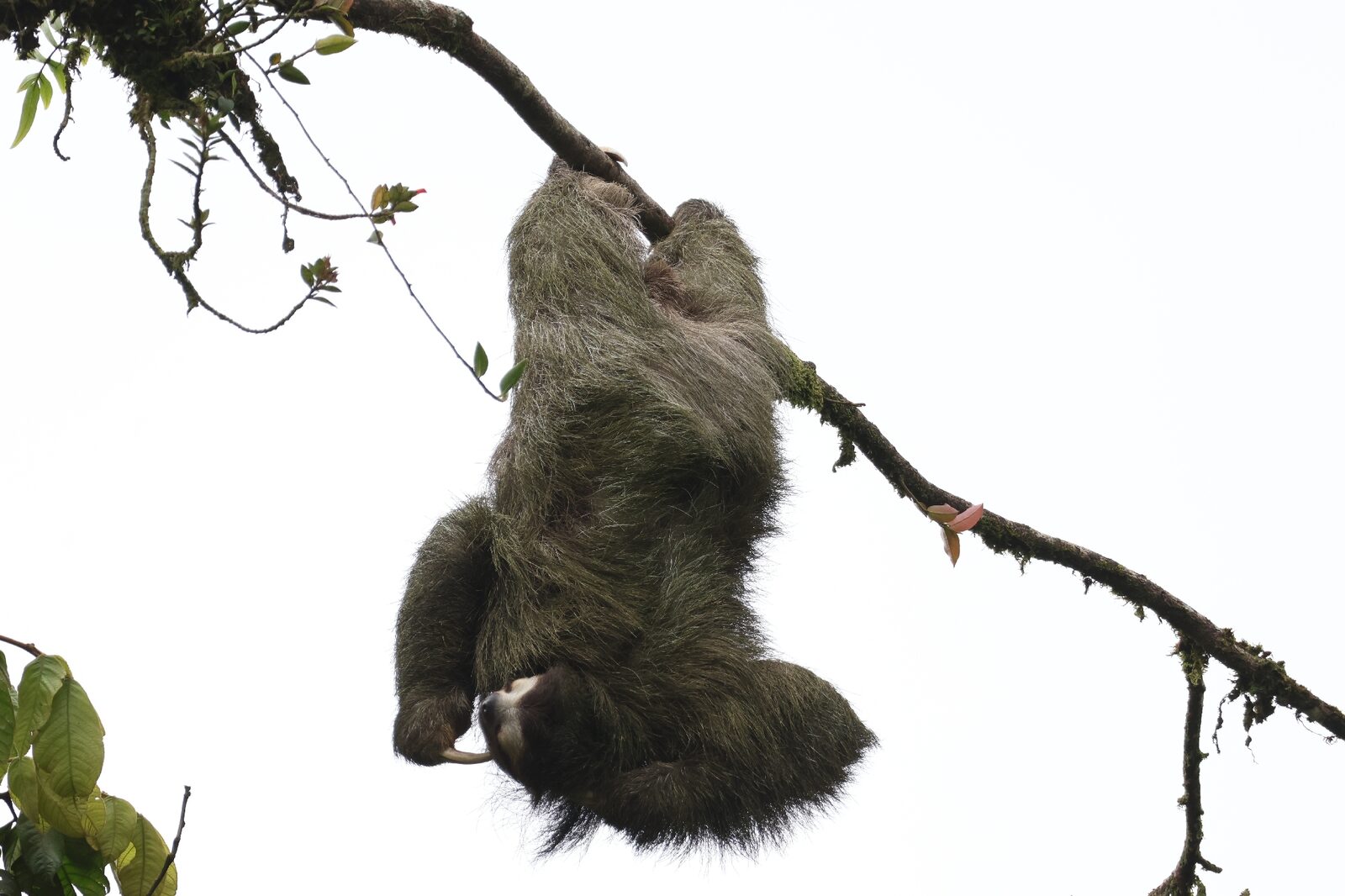 tanager manager
Brown-throated sloth
Bradypus variegatus
A three-toed sloth that spends almost its whole life in the trees, climbing down about once a week.
4,691 records shared with GBIF in this part of South America. The dots show where people have looked and recorded, not the full range.
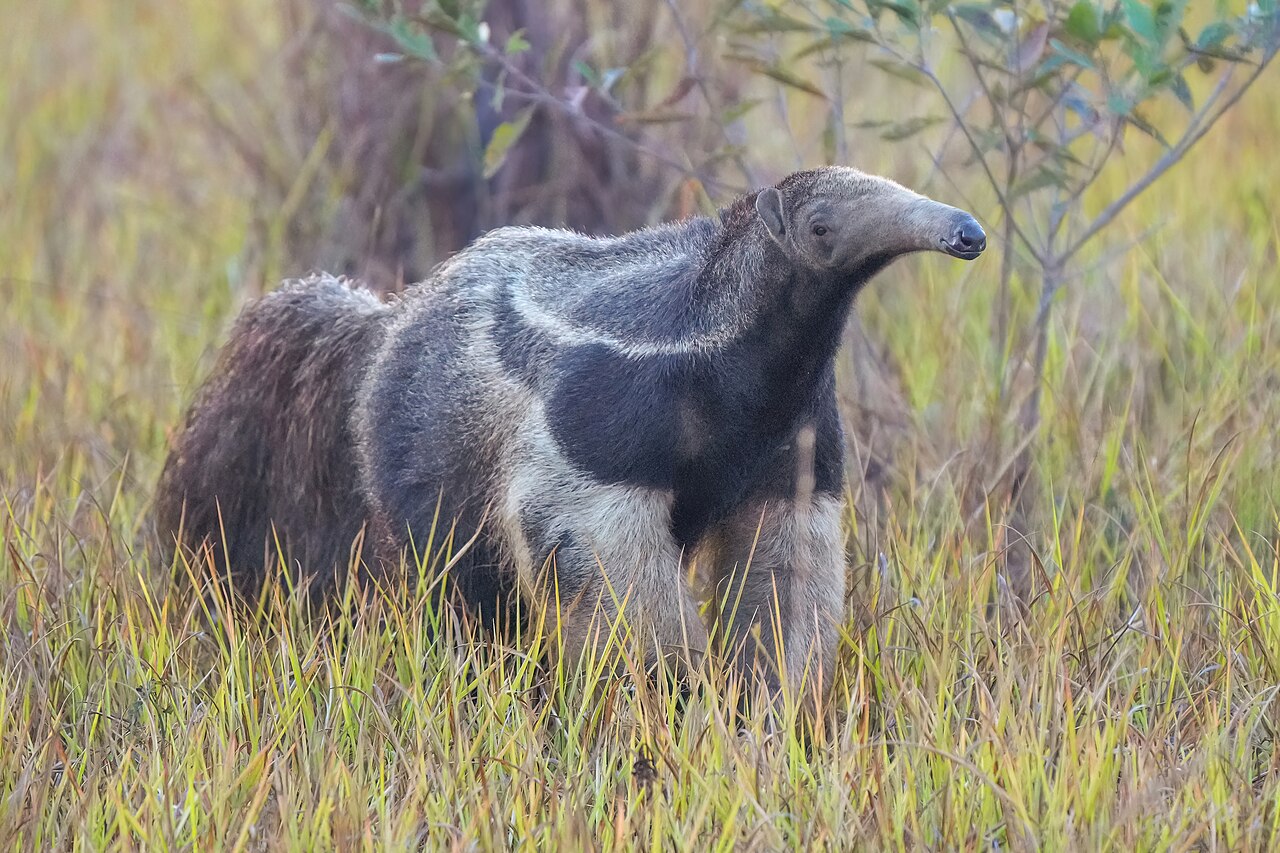 Giles Laurent
Giant anteater
Myrmecophaga tridactyla
A long snout, formidable claws and an extraordinary tongue reveal a mammal built around ants.
8,963 records shared with GBIF in this part of South America. The dots show where people have looked and recorded, not the full range.
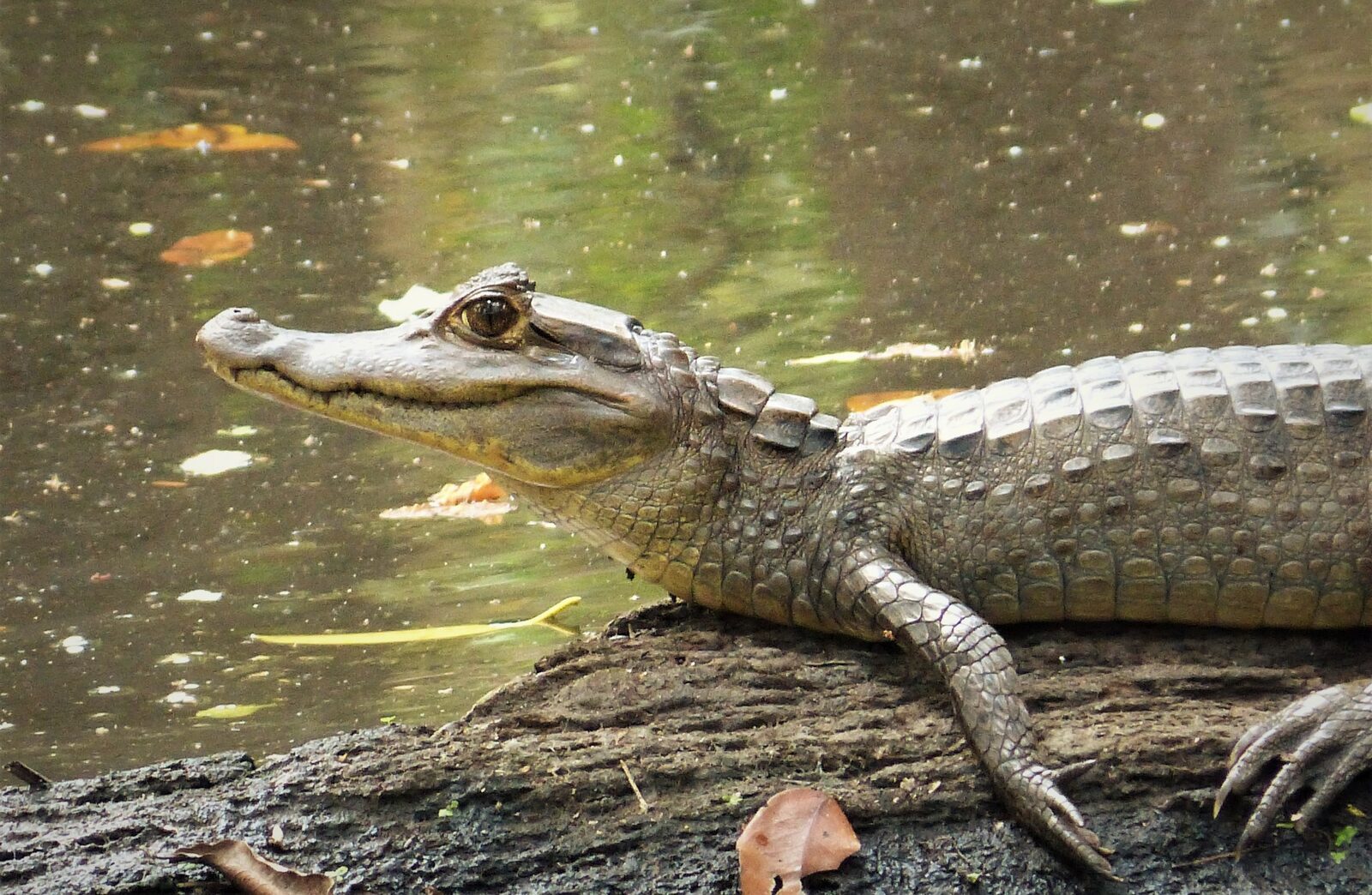 gailhampshire
Spectacled caiman
Caiman crocodilus
A crocodilian of Central and South American wetlands, named for the bony ridge between its eyes.
11,375 records shared with GBIF in this part of South America. The dots show where people have looked and recorded, not the full range.

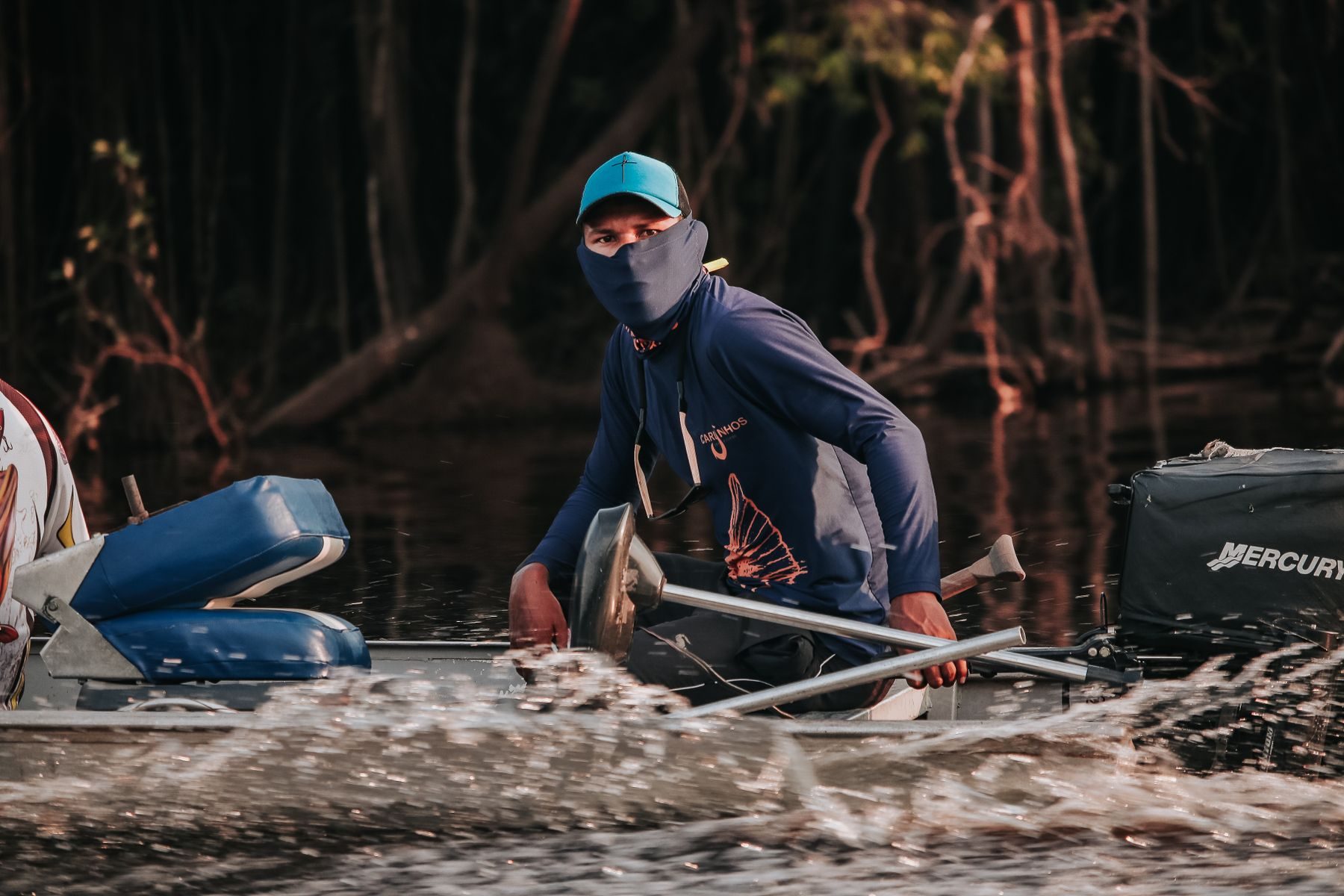
What the jaguar eats
Recorded prey of the jaguar. Energy flows from the eaten to the eater.
Source: GloBI, recorded feeding interactions.
Photo: Neil Palmer/CIAT (CC BY-SA 2.0)
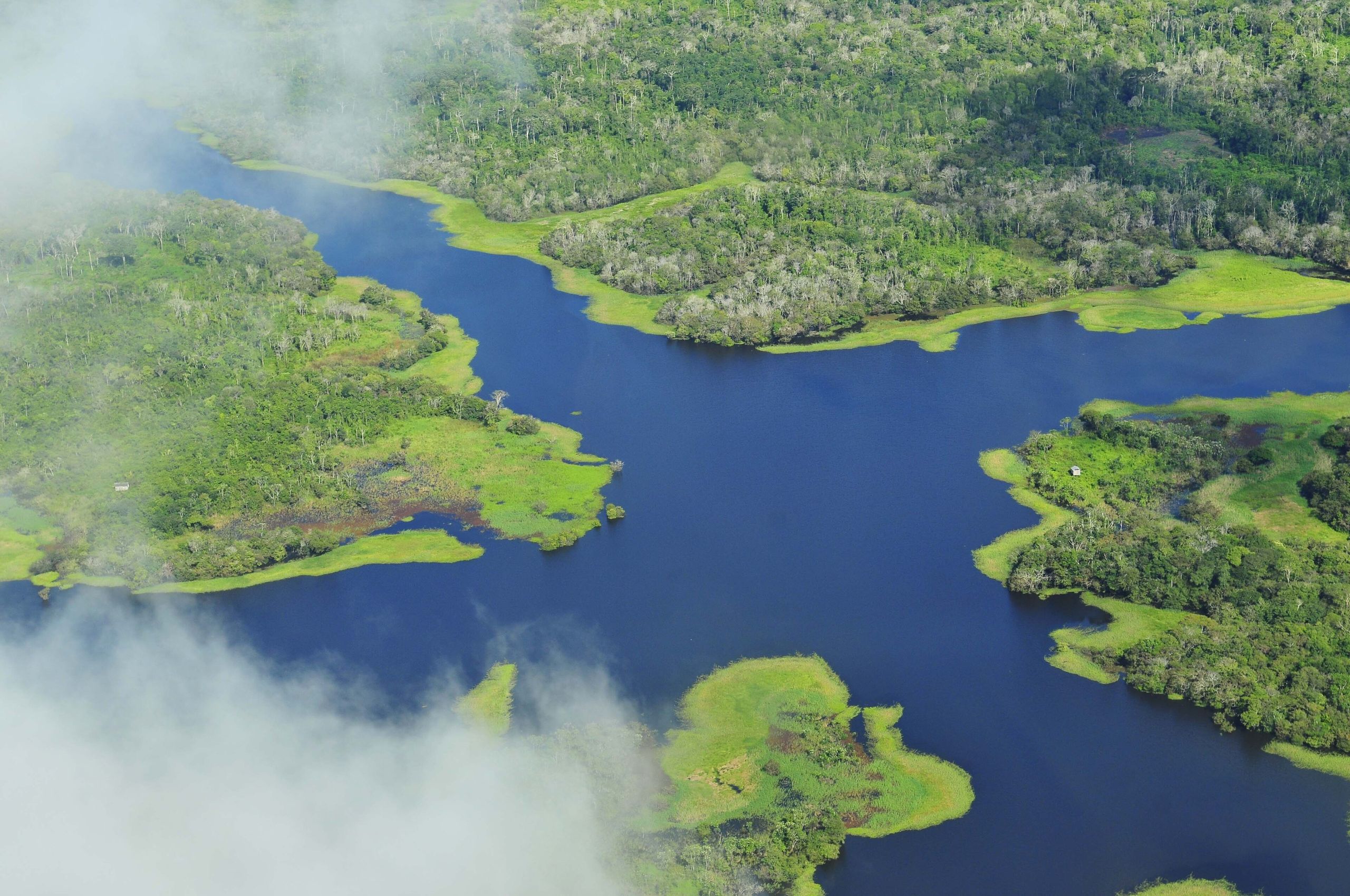
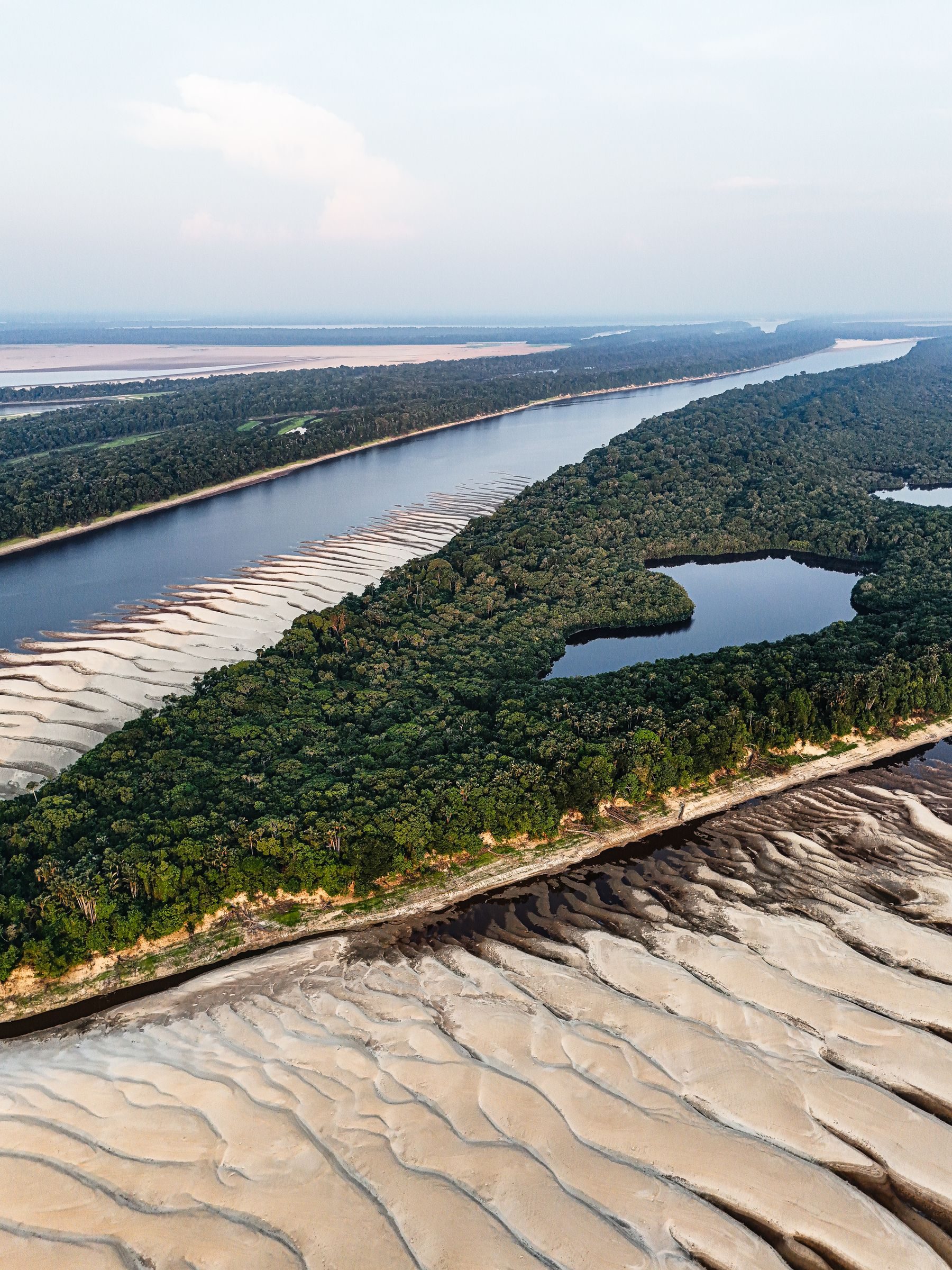
What threatens its home
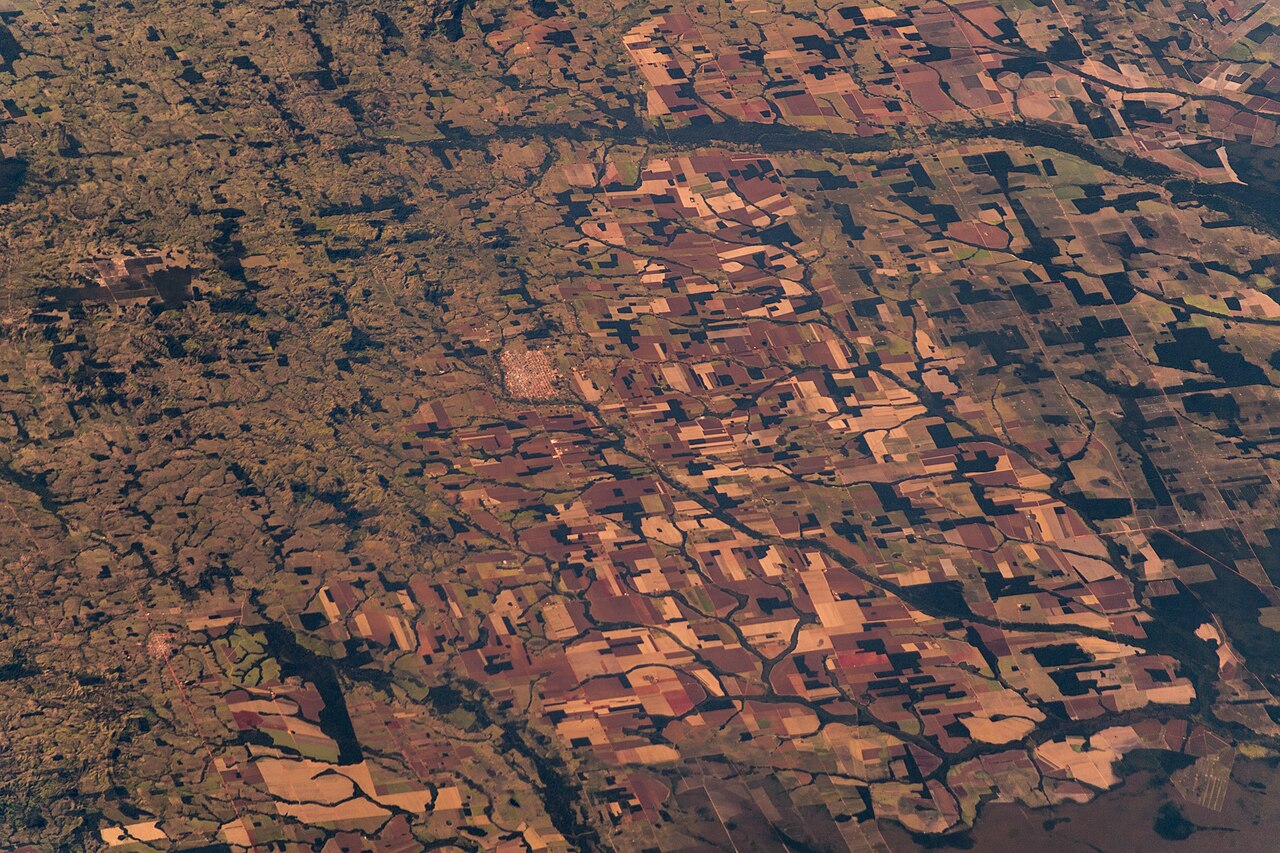 Deforestation
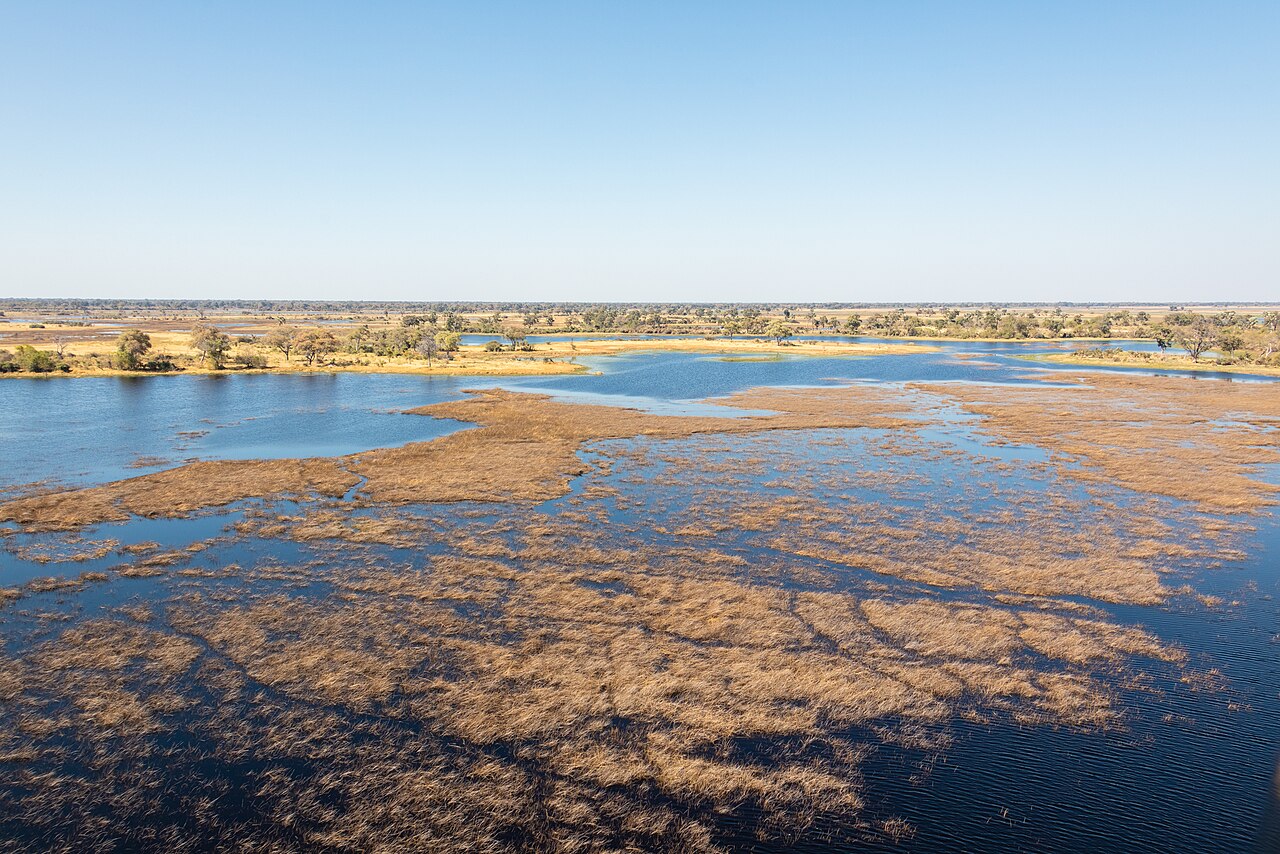 Wetland and freshwater loss
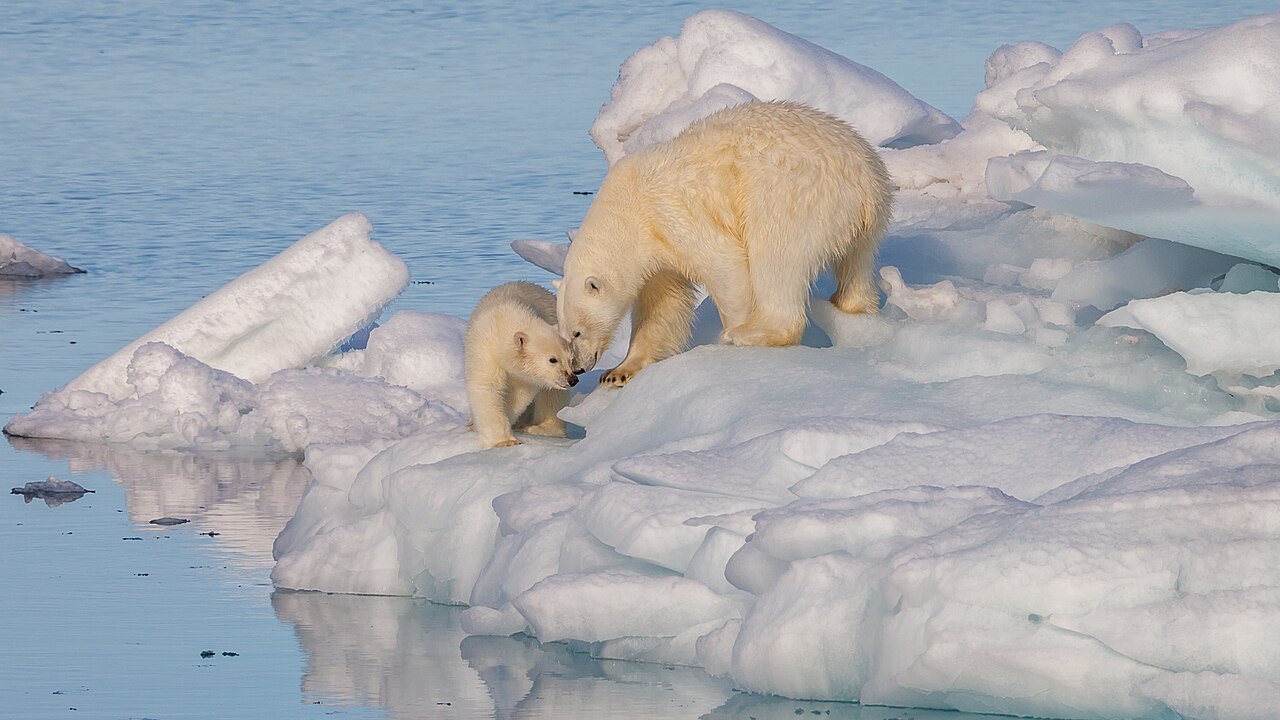 Global heating
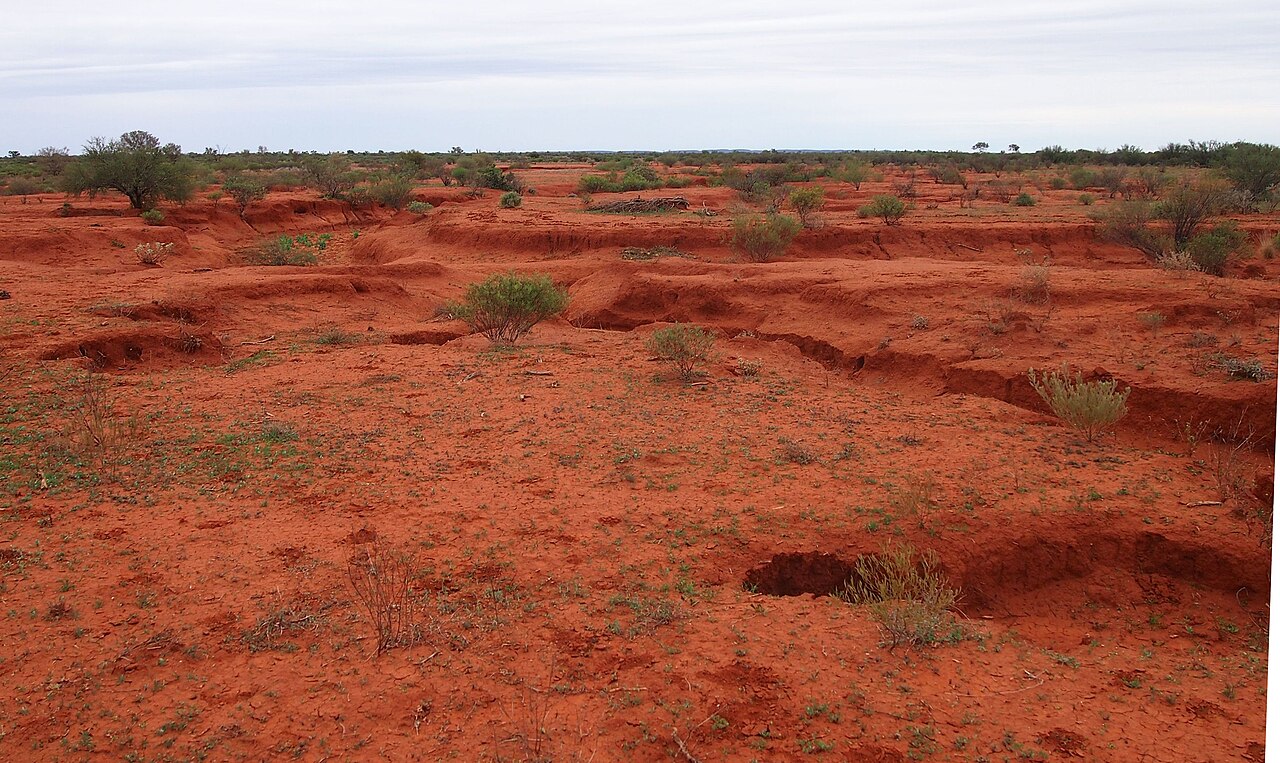 Land degradation
Photo: Gustavo Denuncio (Pexels)
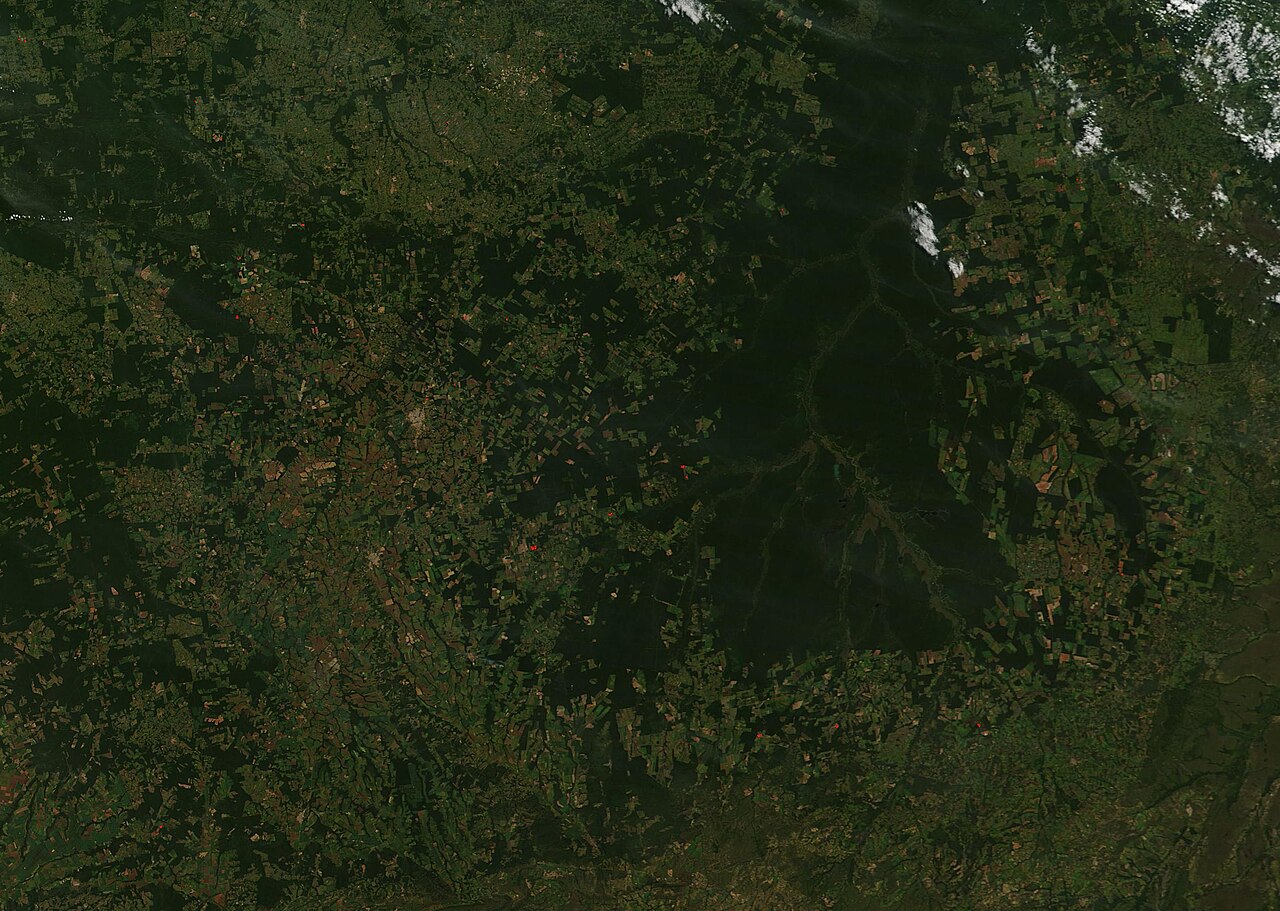 Indigenous land rights
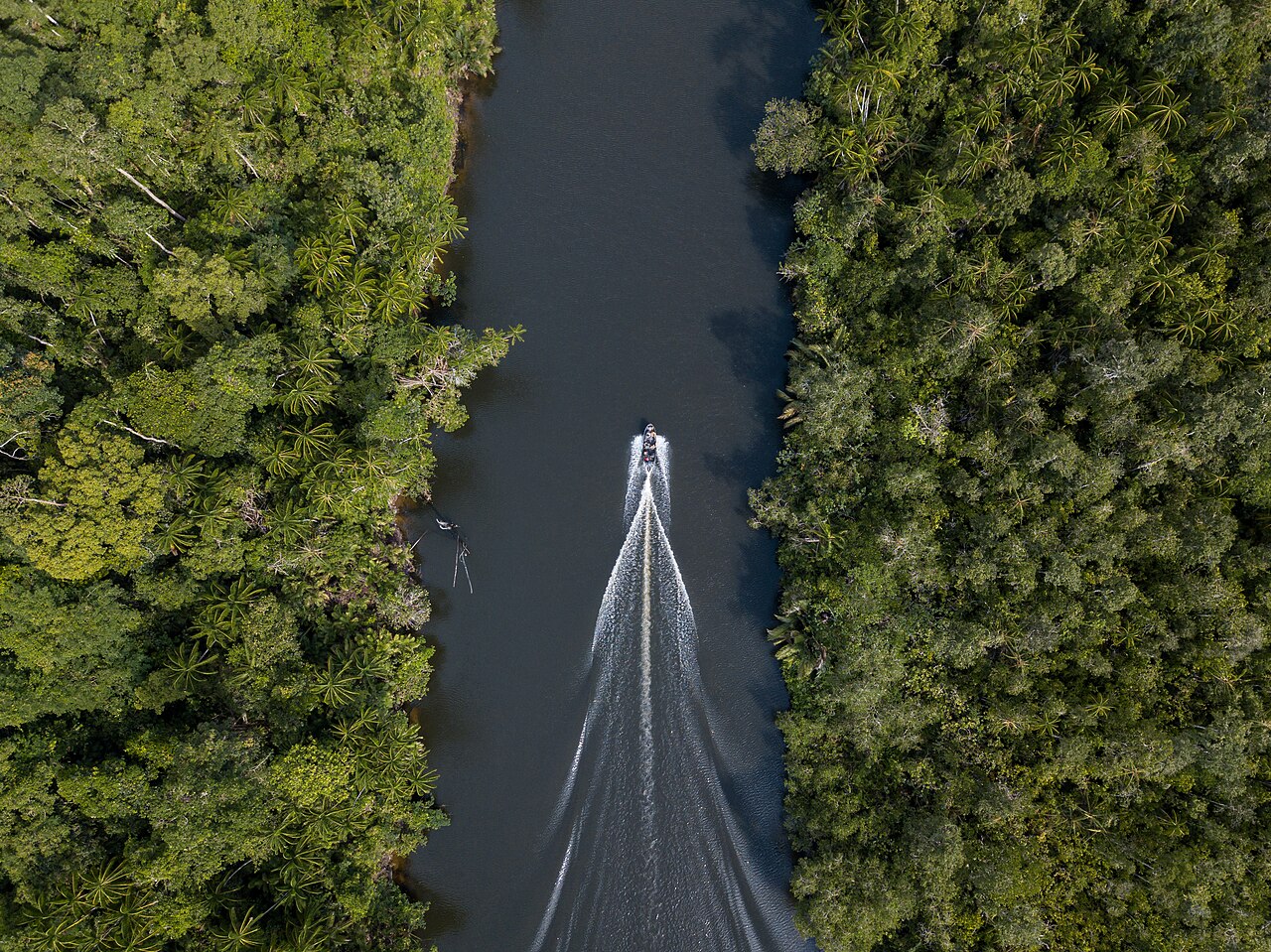 Protected areas
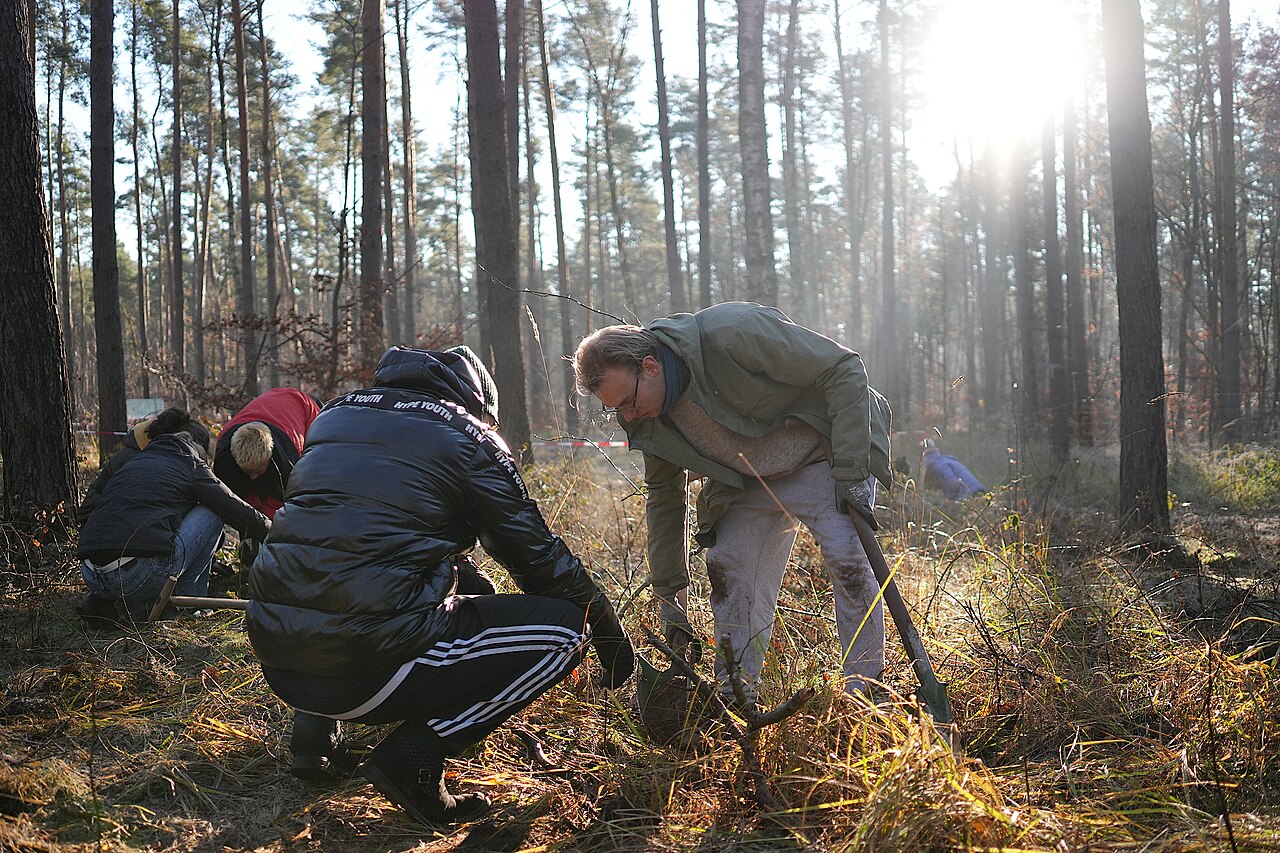 Ecosystem restoration
Who protects it
Organisations working here.
Photo: Jean Gc (Pexels)
4PLANET
For a Living Planet
Independent, no ads, free for everyone. Join and follow the living planet with us.