Amazon basin · the rivers
The forest that makes its own rain.
The largest river system on Earth, and a forest that breathes out enough water to start its own rainy season.
Natural Earth · NASA GIBS · Blue Marble Next Generation (NASA) · Terrain: Mapzen/AWS · OpenFreeMap · © OpenStreetMap contributors
Water, by the numbers
of all the river water reaching the oceans comes from the Amazon, about 206,000 cubic metres every second.
Fassoni-Andrade et al. 2021 · Amazon hydrology from space, Reviews of Geophysics (doi:10.1029/2020RG000728)In the central Amazon the water rises and falls this much with the seasons. Some trees stand in water for months.
Parolin & Wittmann 2010 · Struggle in the flood, AoB PLANTS (doi:10.1093/aobpla/plq003)At the end of the dry season, water vapour from the trees of the southern Amazon builds the first clouds of the rainy season.
NASA Earth Observatory · The Amazon makes its own wet season (2017)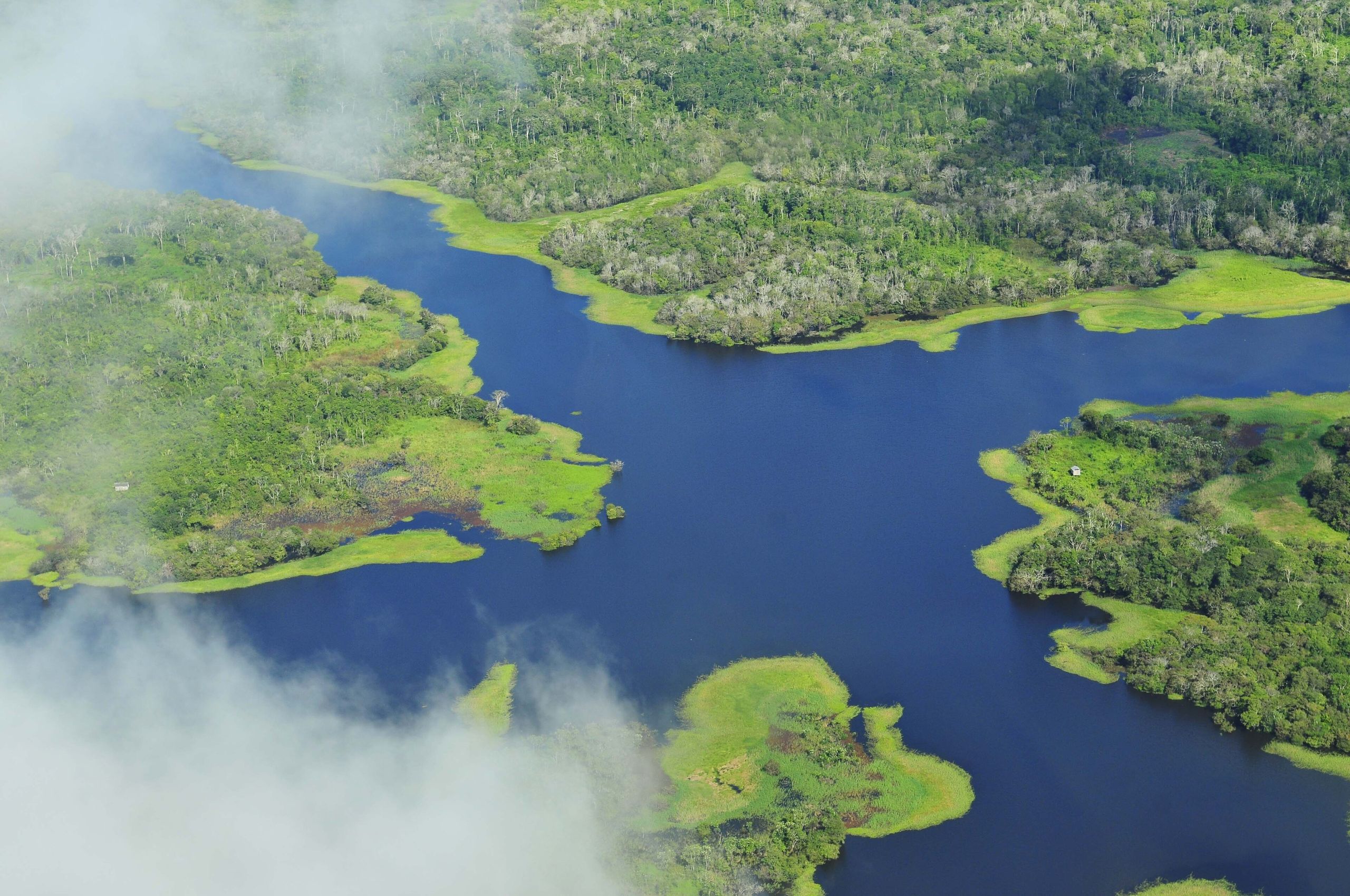
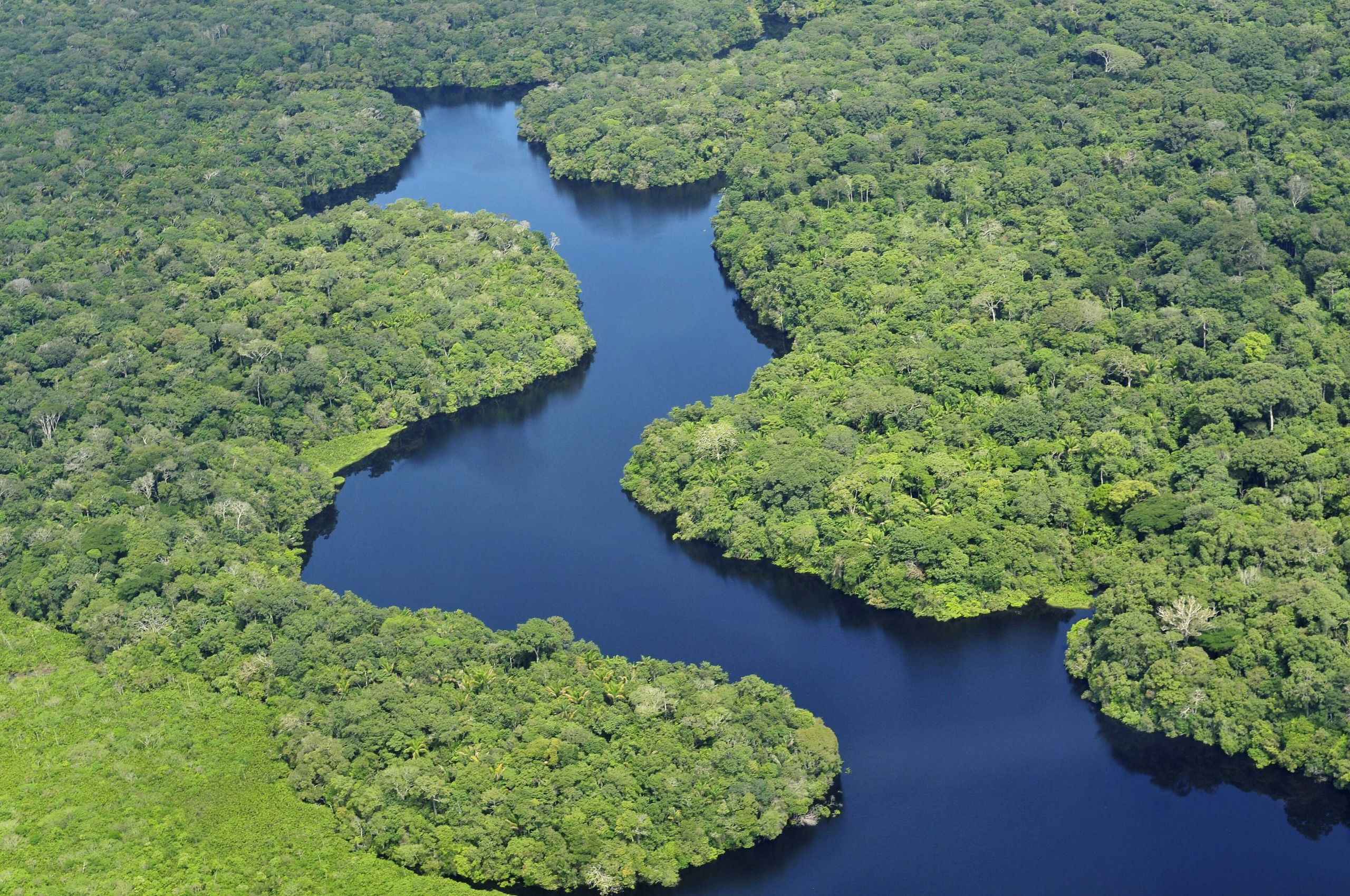
The forest breathes out rain
Trees pull water from the soil and release it through their leaves. Over the Amazon, that vapour rises, builds clouds and falls again as rain.
Satellite measurements show that the southern Amazon starts its own rainy season with water vapour from the trees.
Source: NASA Earth Observatory · The Amazon makes its own wet season (2017)
Photo: Neil Palmer/CIAT (CC BY-SA 2.0)
Rivers that write their own path
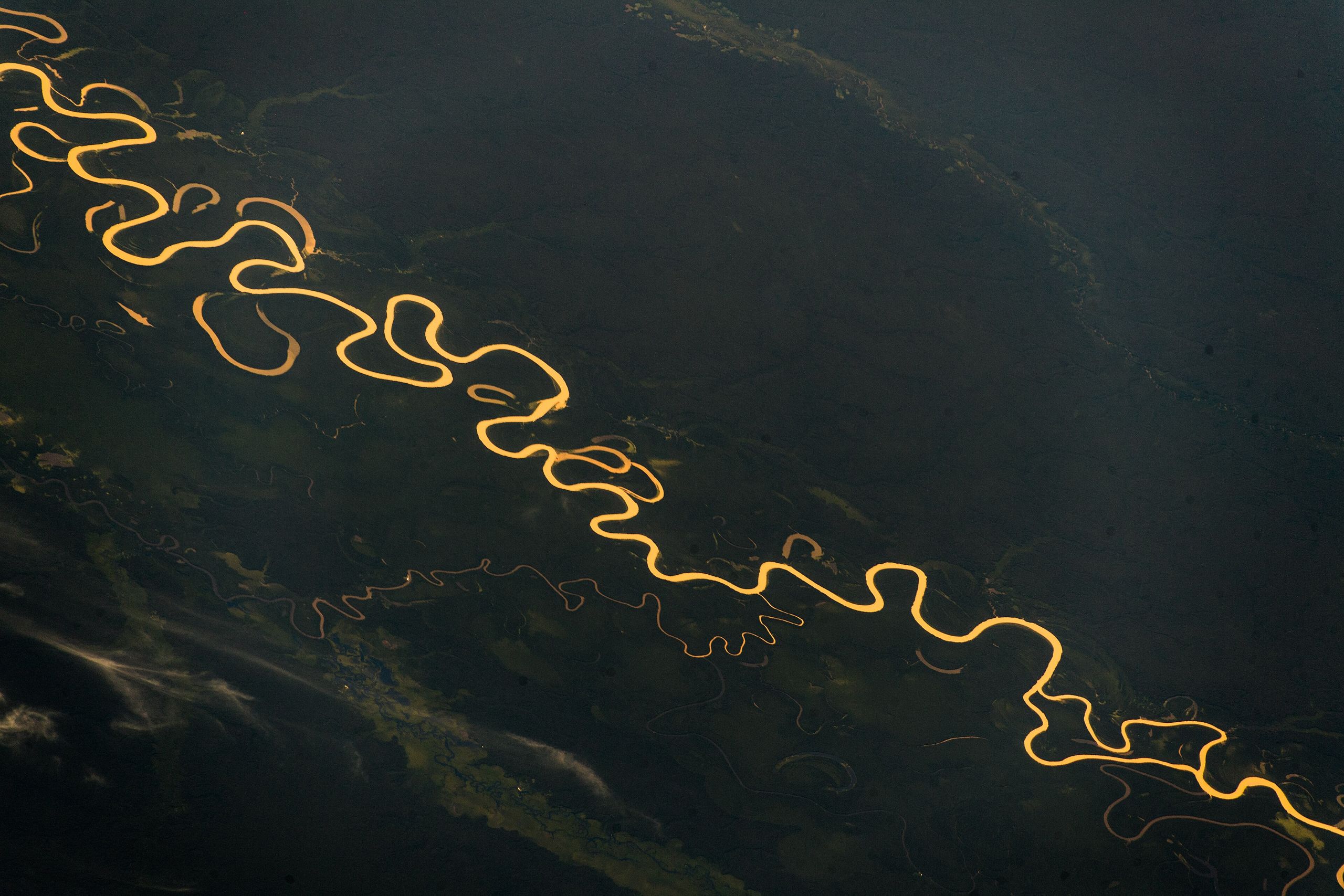
The Juruá loops across the forest, cutting new bends and leaving old ones behind as lakes. Seen from the International Space Station.
Photo: Alexander Gerst/ESA (CC BY-SA 2.0)
The flood pulse
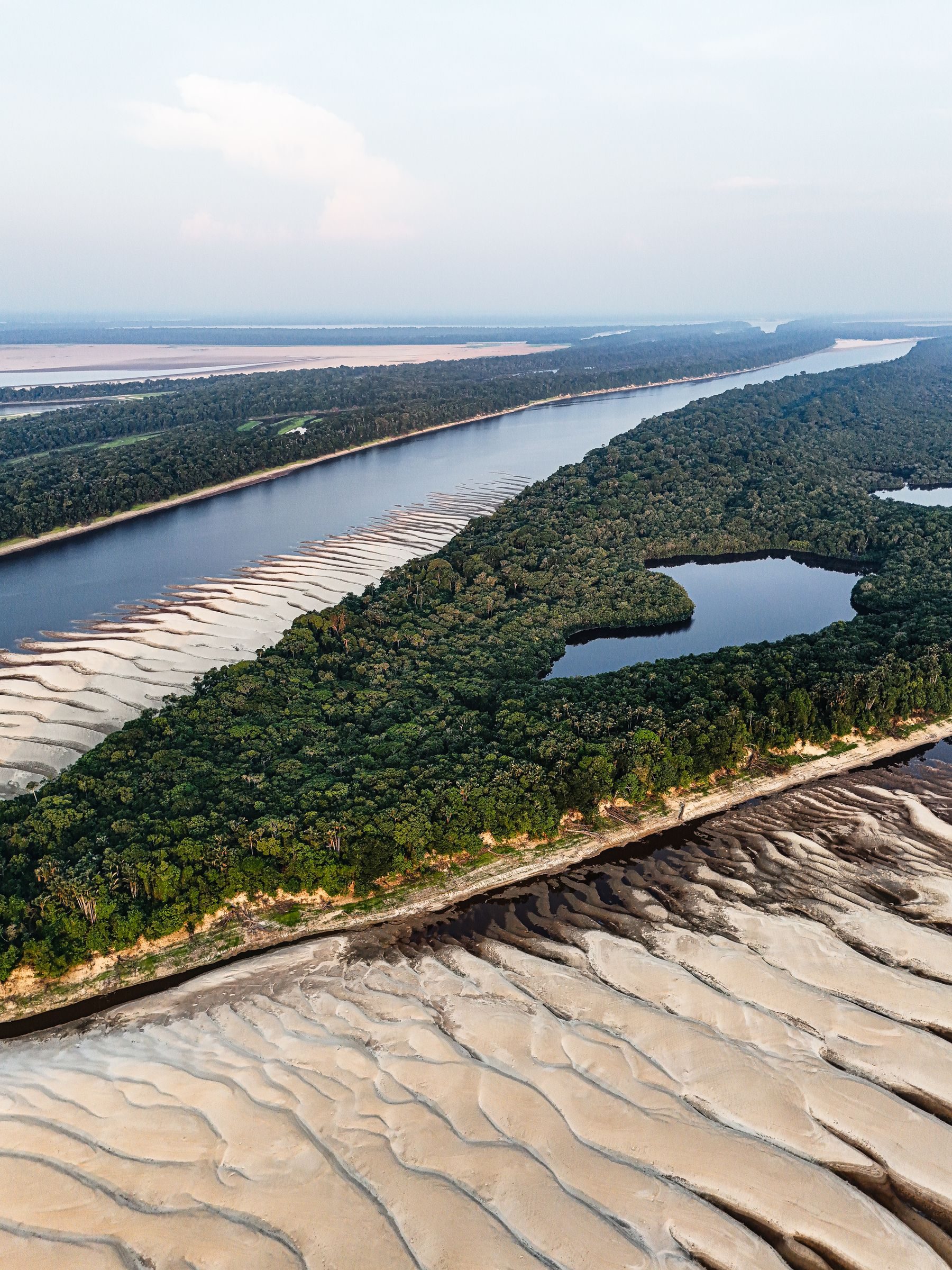
Here, water rises and falls with the seasons. When the rivers spread into the forest, they connect lakes, channels and trees, and change where fish and animals can feed and breed.
In the central Amazon the seasonal difference in water level can reach about 10 metres, and some floodplain trees stand in water for more than half the year.
Source: Parolin & Wittmann 2010 · Struggle in the flood, AoB PLANTS (doi:10.1093/aobpla/plq003)
Photo: Gustavo Denuncio (Pexels)
Life in the water
Giant otters, the arapaima, caimans and capybaras live by the rivers and flooded forest.
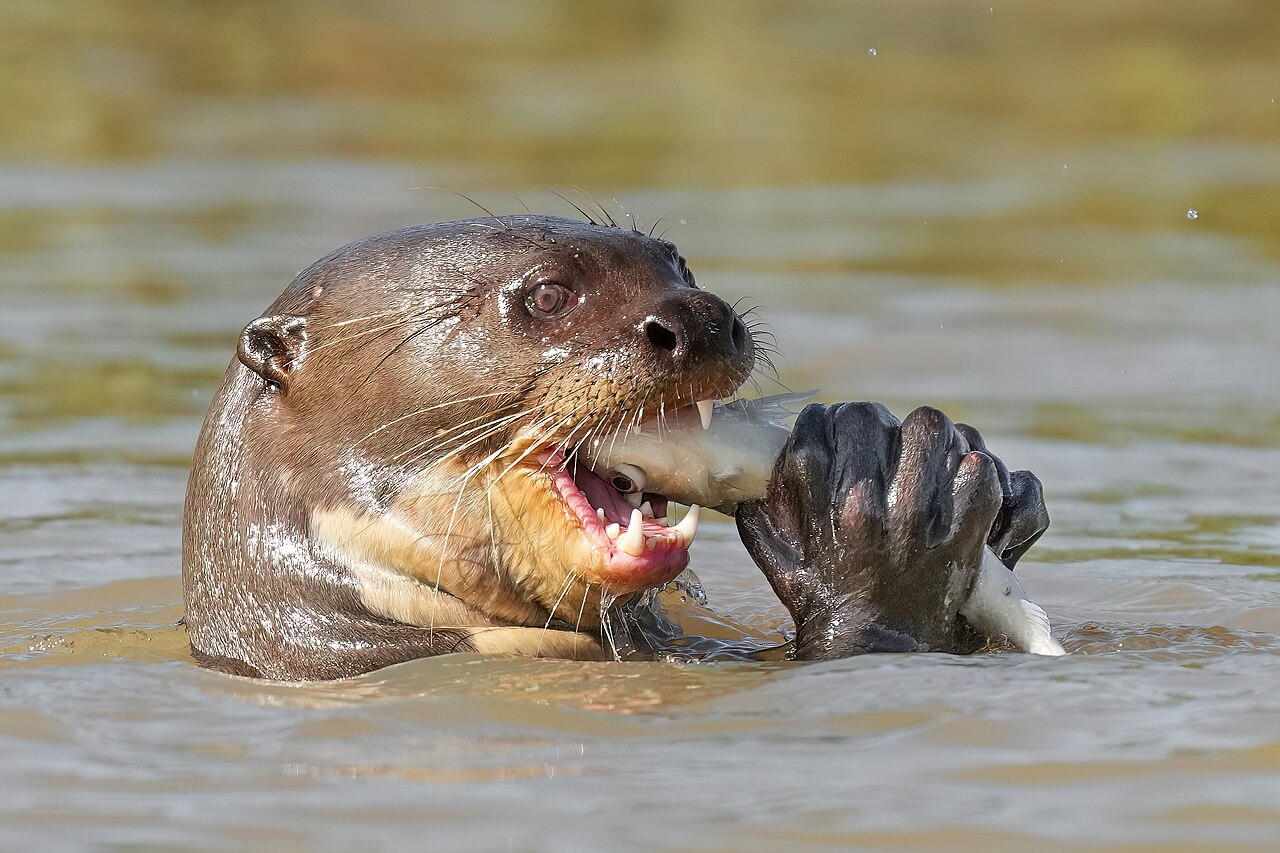 Giant otter
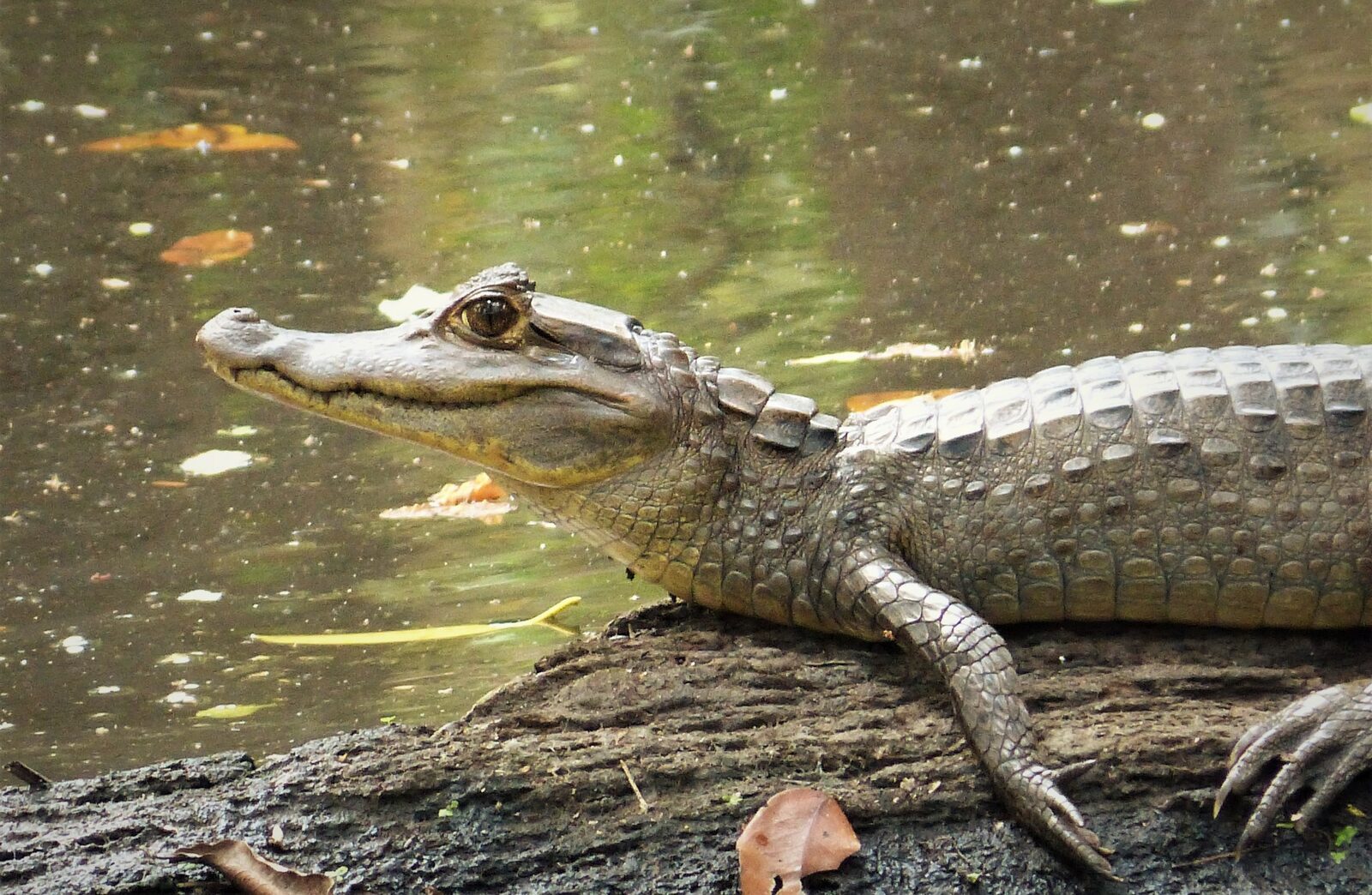 Spectacled caiman
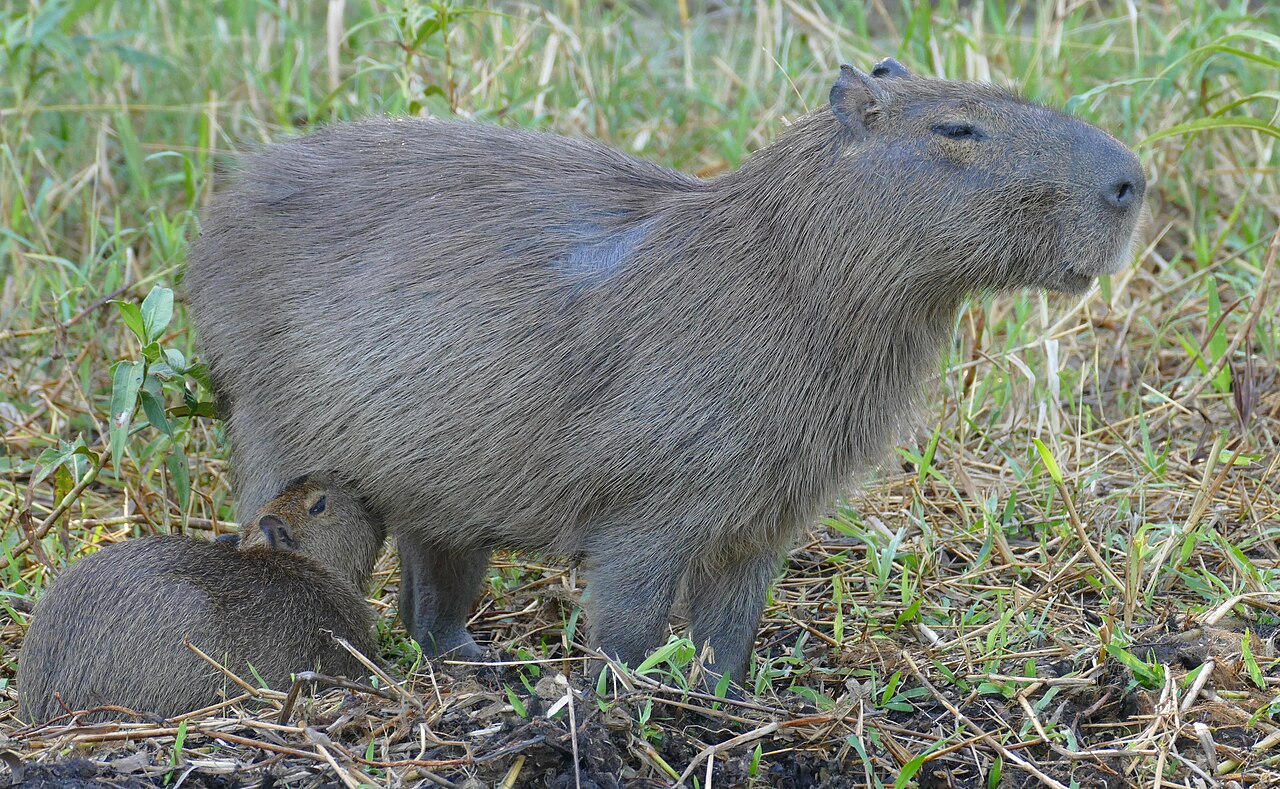 Capybara
Photo: Mycroft Roxton (Pexels)
Wetlands under pressure
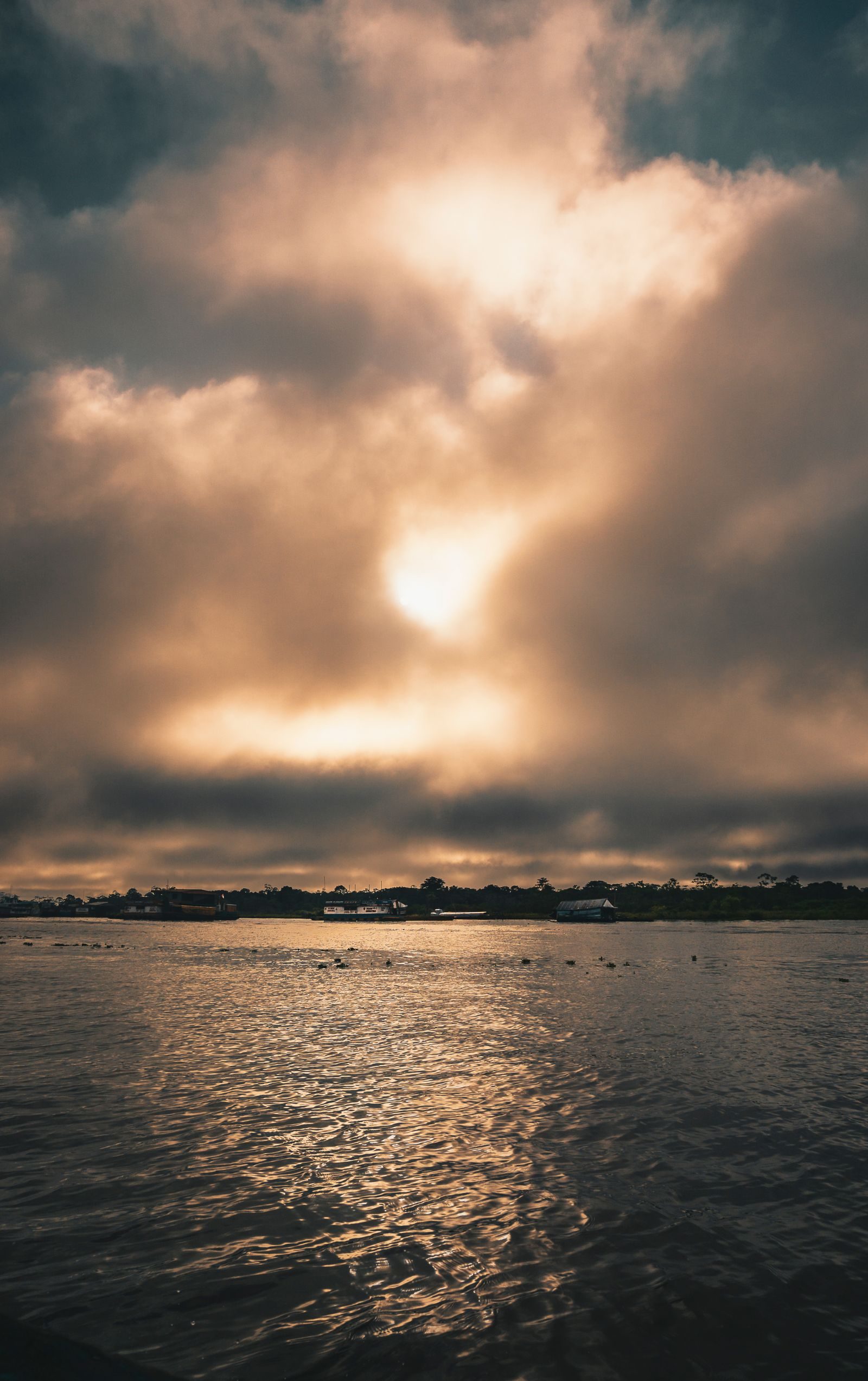
Rivers, lakes, marshes, swamps and peatlands are some of the richest places on Earth. They give people water and food, store carbon, and soften floods and droughts.
An estimated 411 million hectares of wetlands, about 22% of the world's total, have been lost since 1970, and they are still disappearing by 0.52% a year.
Source: Ramsar Convention · Global Wetland Outlook 2025
Photo: Neil Palmer/CIAT (CC BY-SA 2.0)
4PLANET
For a Living Planet
Independent, no ads, free for everyone. Join and follow the living planet with us.