What still holds nature back.
The pressures on Europe's wild places, each with the evidence and what works against it.
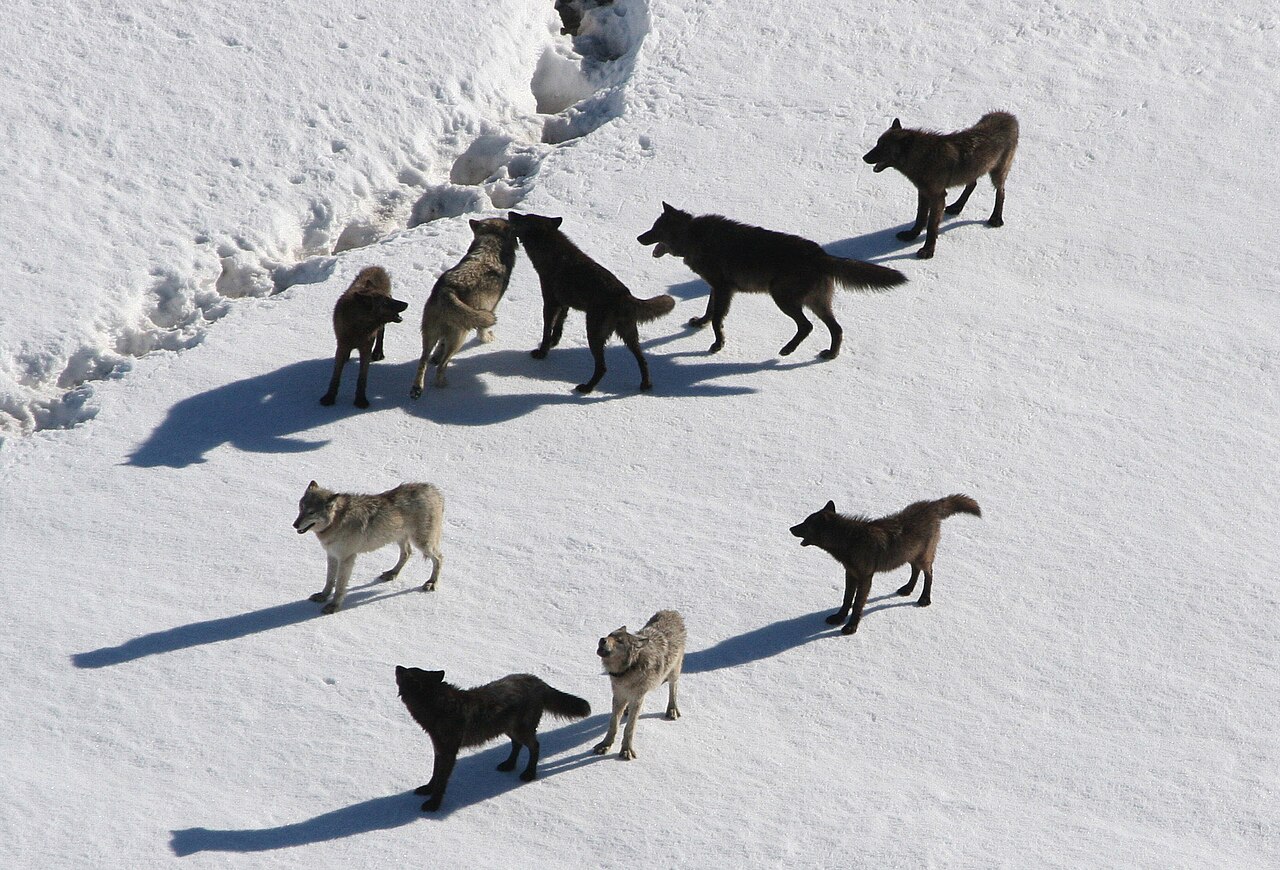
Photo: Doug Smith
At a glance
 Land degradationUp to 40% of the world's land is degraded, and more is lost every year. Where it is worst, why it happens,…
 DeforestationHow much forest the world is losing, where the loss is greatest, which habitats and animals it hits, and…
 Dams and broken riversOnly 37% of the world's rivers longer than 1,000 km still flow freely over their whole length. How dams…
 Invasive speciesOver 3,500 invasive species harm nature and people, and they played a part in 60% of recorded extinctions.…
Land degradation
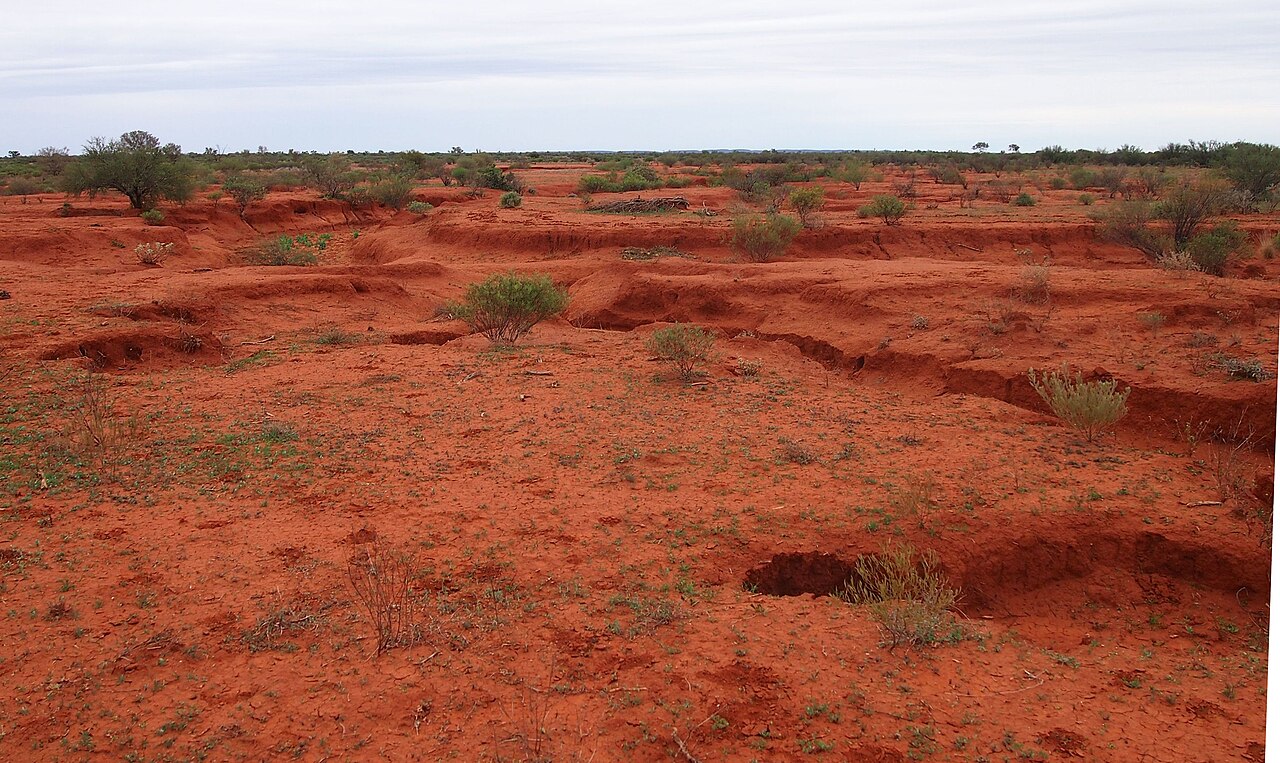
Land is degraded when it loses the soil, water and life that make it productive: topsoil washed or blown away, pastures grazed bare, forests cleared, wetlands drained, salt left behind by poor irrigation. In drylands, the end point is desertification.
Up to 40% of the world's land is degraded.
Source: UNCCD · Land health
Photo: Mark Marathon
Deforestation
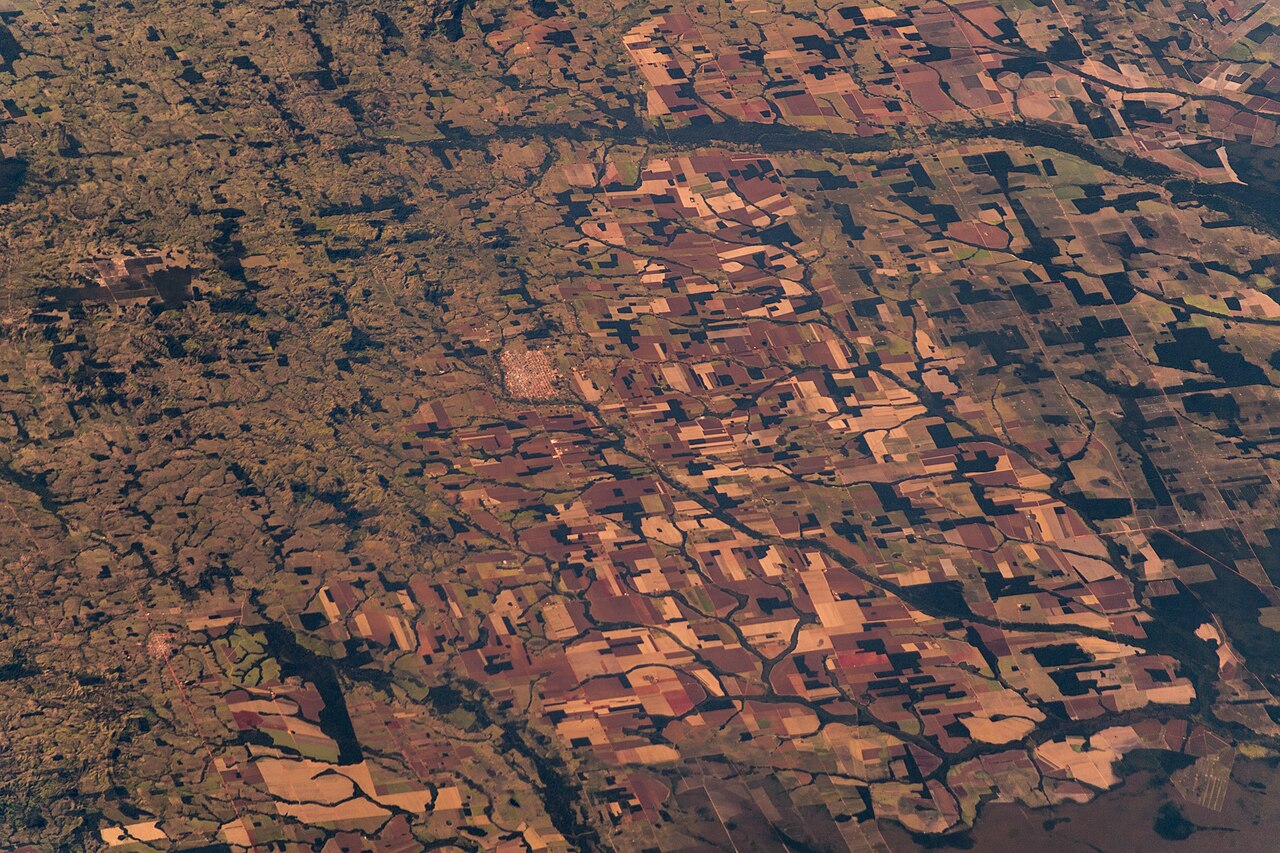
Forests cover about a third of the land and hold most of the animals and plants that live on it. Every year millions of hectares are cut or burned, above all in the tropics, mostly to make room for cattle pasture, soy, oil palm and other crops.
About 10 million hectares of forest were cut down every year between 2015 and 2020, an area about the size of Iceland.
Source: FAO · Global Forest Resources Assessment 2020
Photo: Alexander Gerst
Dams and broken rivers
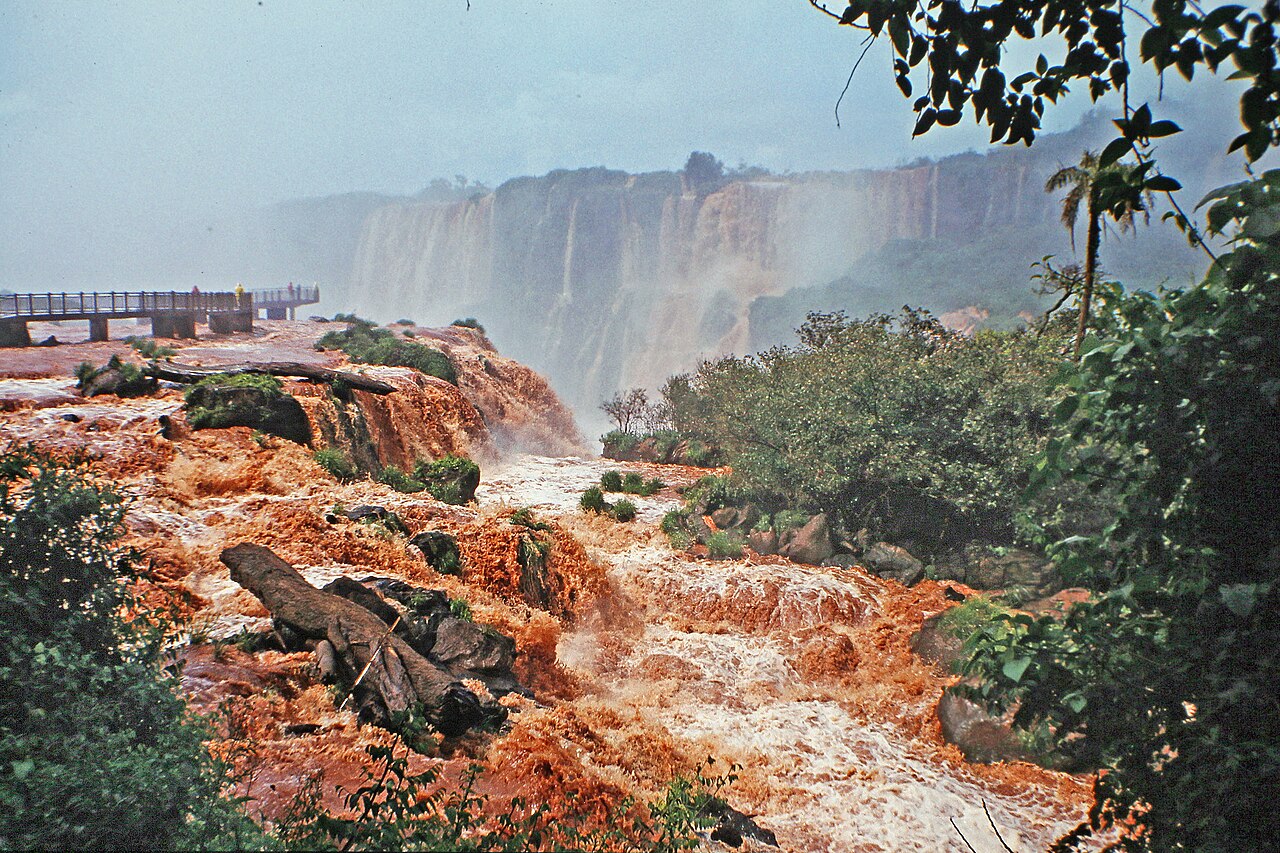
A free-flowing river moves water, sediment, nutrients and fish from its source to the sea. Dams, weirs and other barriers break that line: they hold back sediment, change the flow and block fish that need to migrate.
Only 37% of rivers longer than 1,000 km remain free-flowing over their entire length.
Source: Grill et al. (2019) · Mapping the world's free-flowing rivers, Nature
Photo: W. Bulach
Invasive species
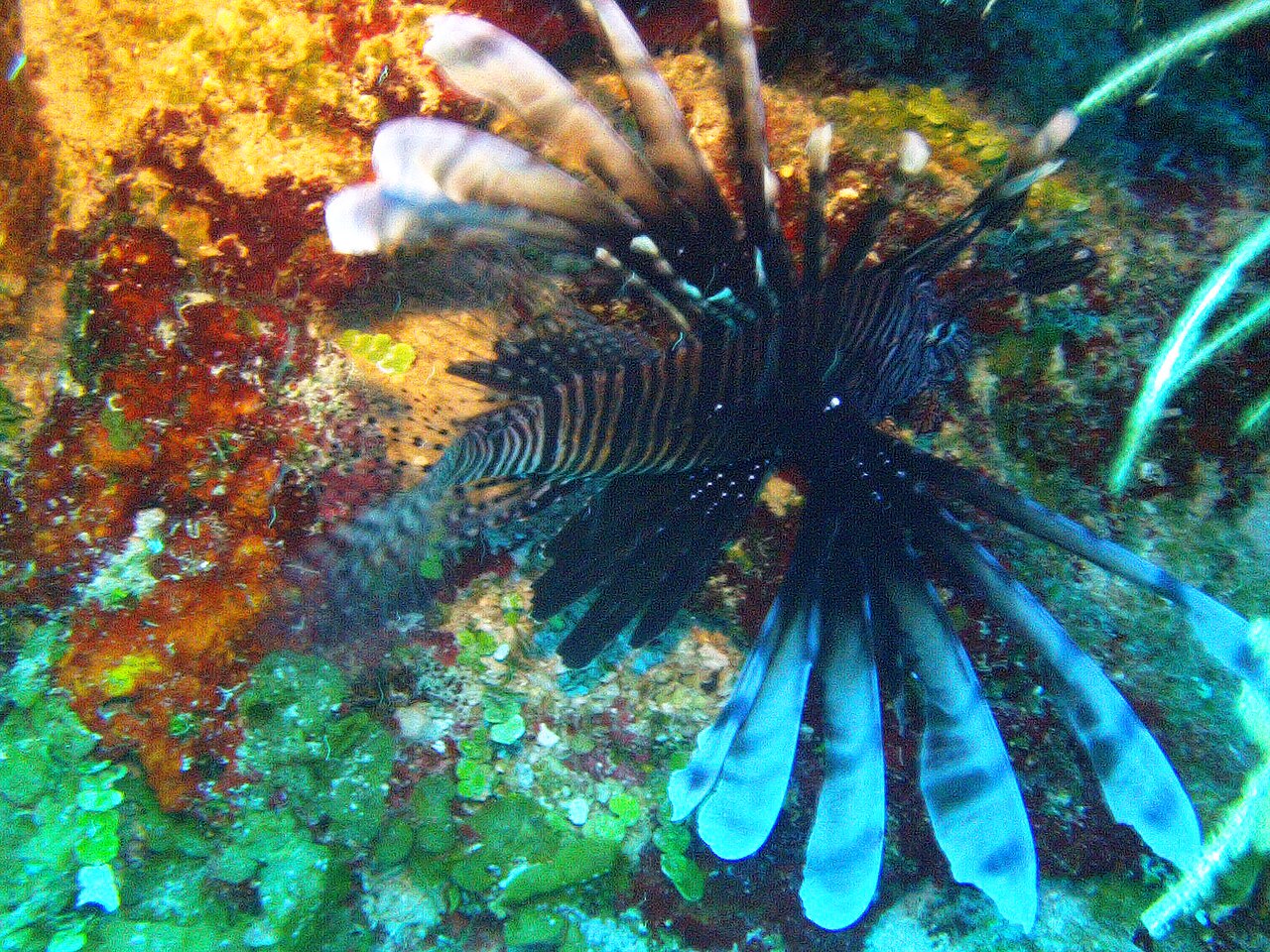
Invasive species are plants, animals and microbes that people have moved, on purpose or by accident, to places where they did not live before, and which then spread and harm the nature already there. Rats on seabird islands, lionfish on Caribbean reefs, water hyacinth on African lakes.
Human activities have established more than 37,000 alien species around the world, and more than 3,500 of them are harmful invasive species.
Source: IPBES · Invasive Alien Species Assessment 2023
Photo: Serge Melki from Indianapolis, USA
4PLANET
For a Living Planet
Independent, no ads, free for everyone. Join and follow the living planet with us.