Rewilding
A way to bring nature back into balance, and what it takes to work.
Rewilding means giving nature room to look after itself again: protecting animals, reconnecting landscapes and letting natural processes such as grazing, predation and flooding do their work.
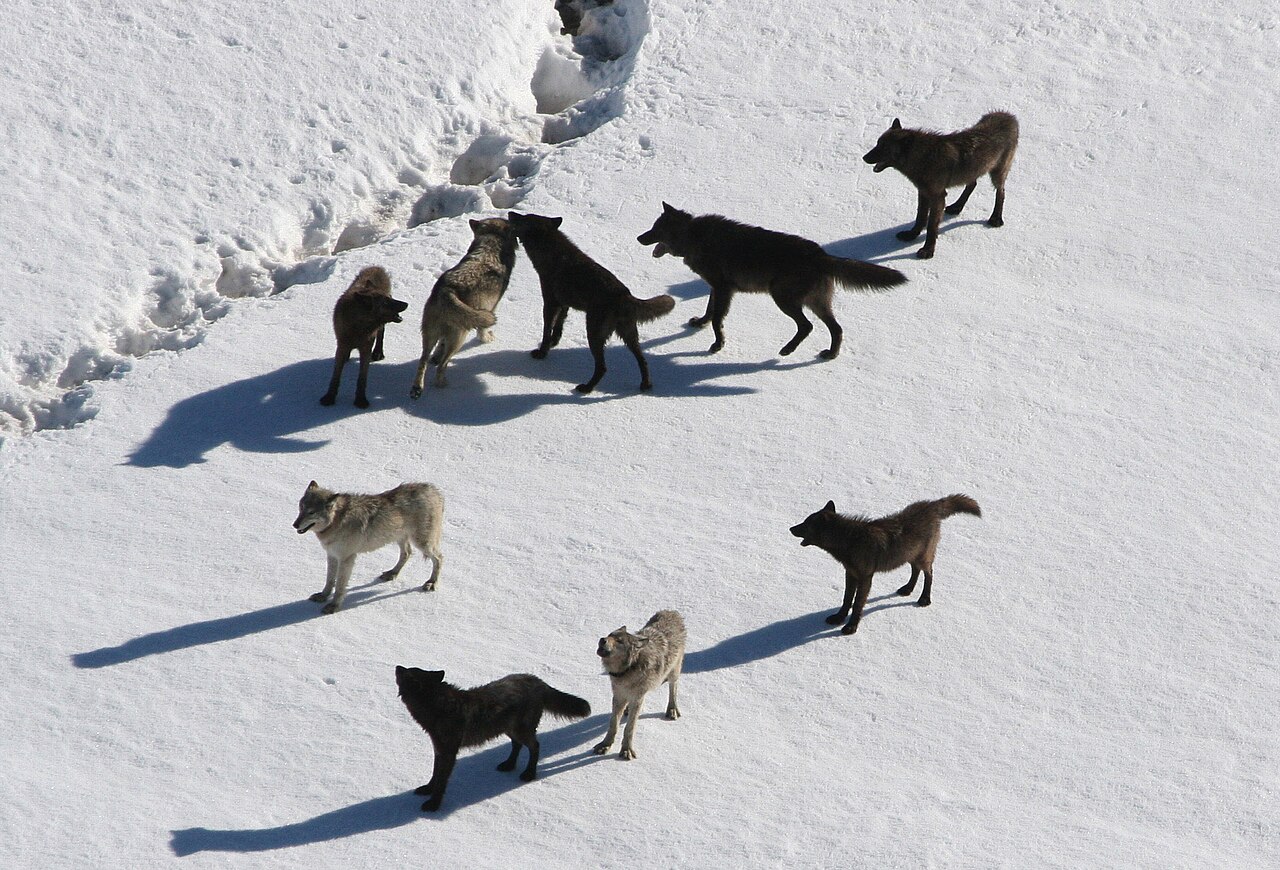
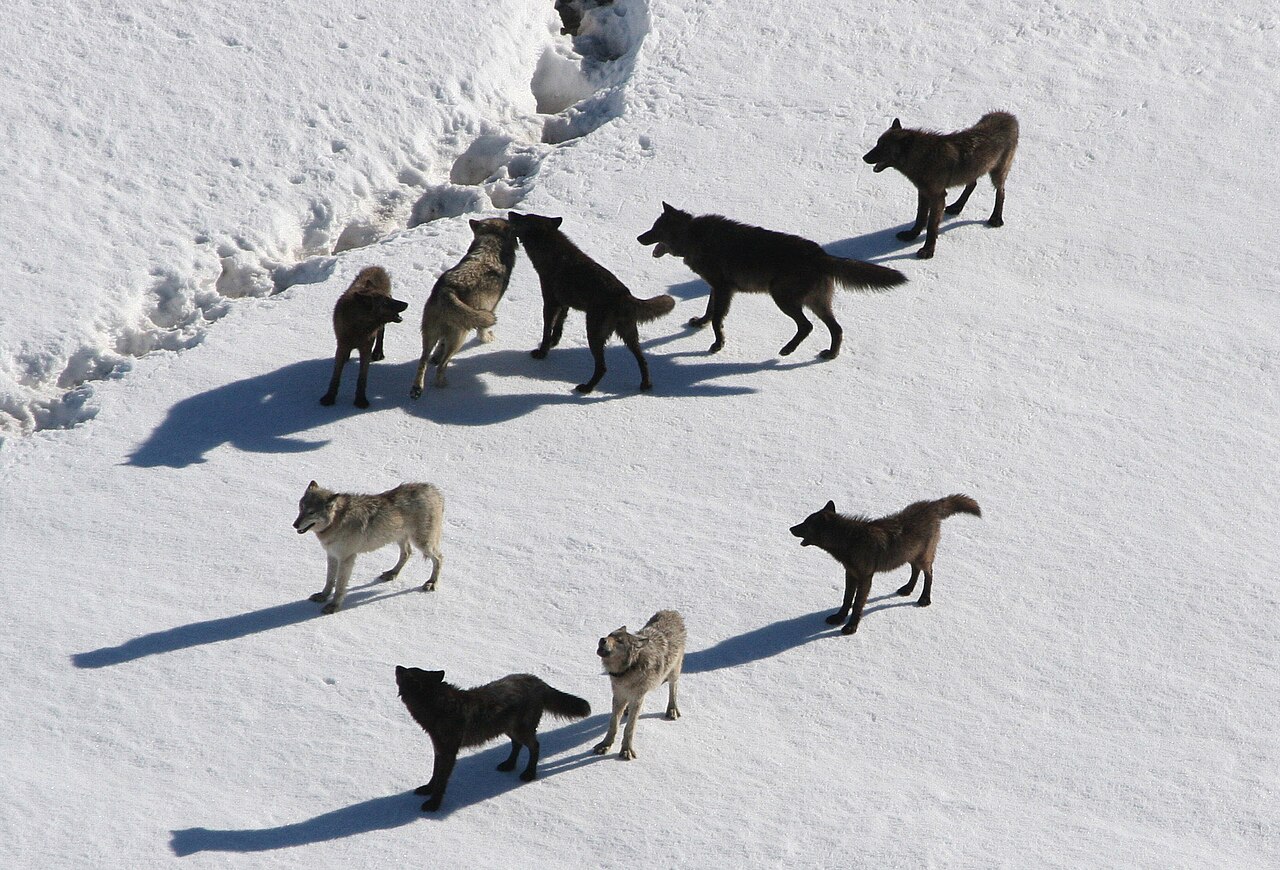
Europe's wolves show what can happen. Around 21,500 wolves now live across Europe, up from about 17,000 in 2016, and their range has grown by a quarter in a decade.
Why it matters
- Around 19,000 wolves live across the 27 EU Member States, compared with 14,300 in 2016, and 21,500 across Europe as a whole, compared with 17,000 in 2016. Large Carnivore Initiative for Europe · Wolf status report 2022
- The range of the wolf in Europe has expanded by 25% over the last decade. Rewilding Europe · The return of the wolf in Europe (citing LCIE 2022)
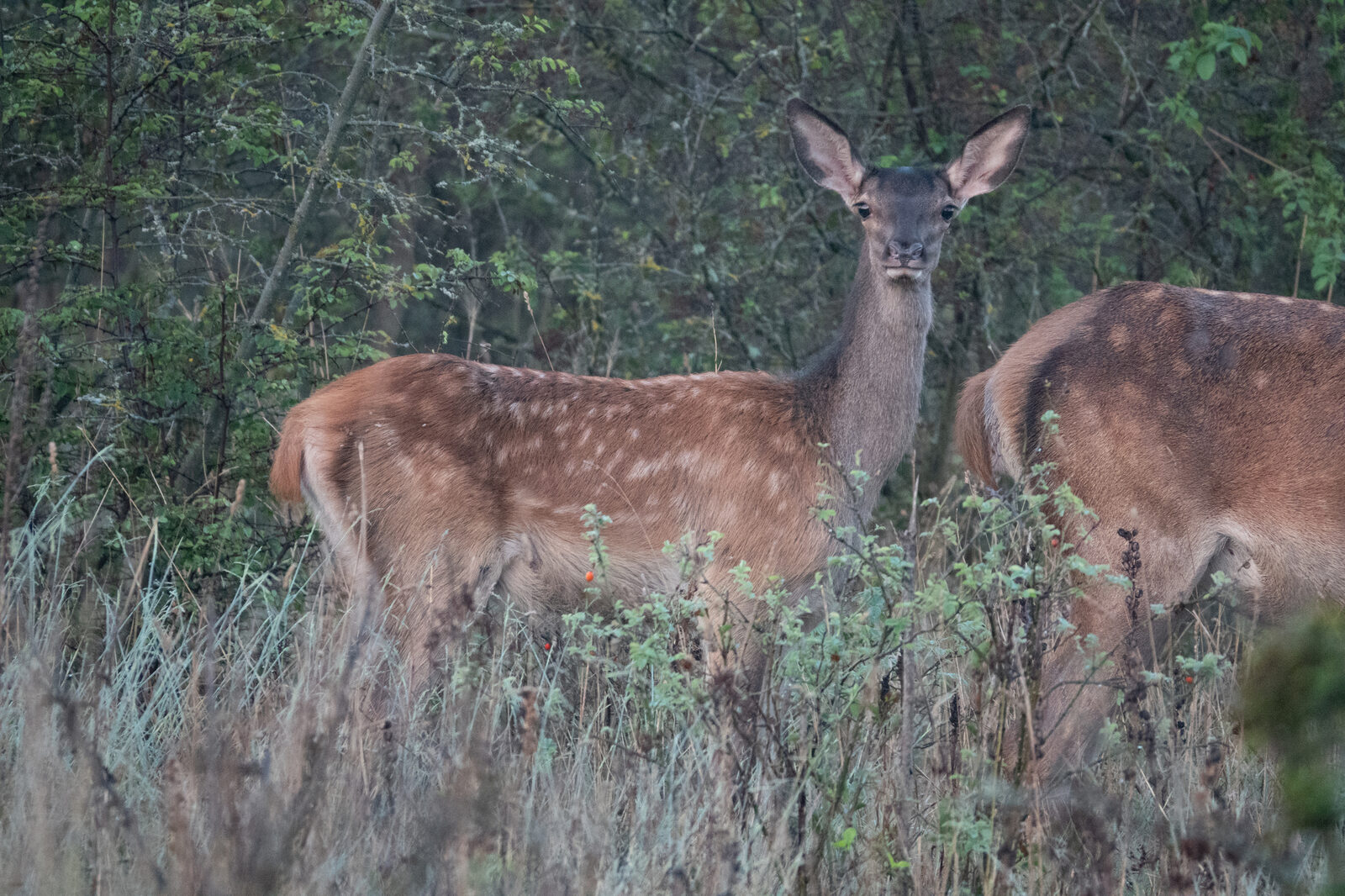
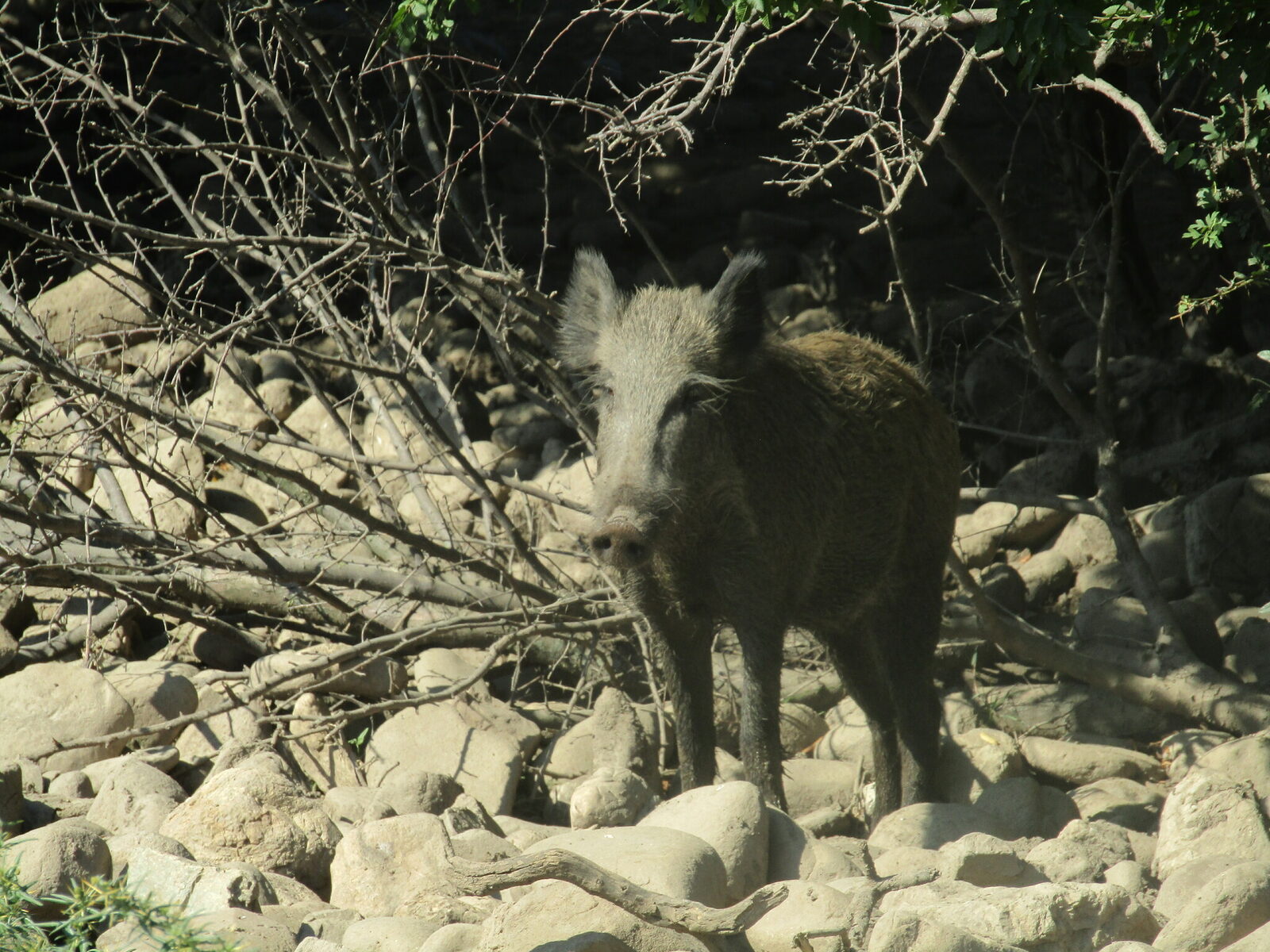
- Legal protection and growing public acceptance have reduced poaching and exploitation, and wolves have benefited from the comeback of prey such as deer and wild boar. Rewilding Europe · The return of the wolf in Europe (citing LCIE 2022)
What it helps protect
Species
How it works, and its limits
How it works
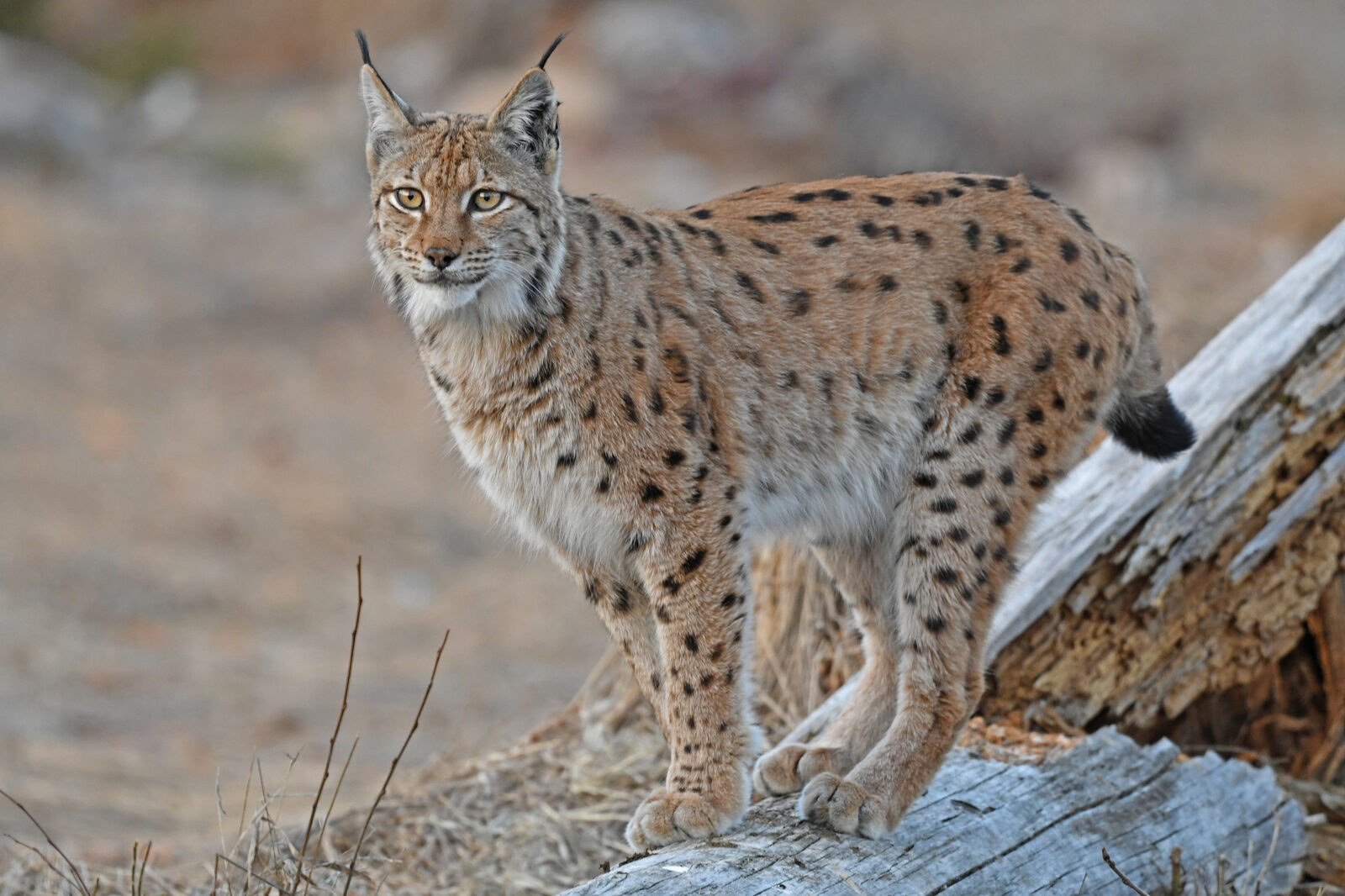
- Legal protection for large carnivores and their prey
- Room to roam: connected landscapes and wildlife corridors
- The return of wild grazers and natural processes
- Working with farmers on coexistence: fences, guard dogs and compensation
Limits, and what it needs
- Conflicts with livestock farming need practical support and fair compensation
- Rewilding takes decades and needs space
- Not every species can return without help
- Public acceptance can change quickly
Pressures it answers

What you can do
- Support organisations that help people and wildlife coexist
- Visit rewilding areas and spend locally
- Learn about large carnivores before forming an opinion
Questions people ask
How many wolves are there in Europe?
Around 21,500 across Europe and about 19,000 in the EU, according to the Large Carnivore Initiative for Europe (2022).
Why are wolves coming back?
Legal protection, growing public acceptance and the return of prey such as deer and wild boar, according to Rewilding Europe.
Sources and photo credits
- Large Carnivore Initiative for Europe · Wolf status report 2022
- Rewilding Europe · The return of the wolf in Europe (citing LCIE 2022)
Grey wolves in the snow in Yellowstone National Park: Doug Smith, Public domain

Figures are national or global estimates from the sources named, with the uncertainty those sources give. Country rankings compare reported totals, not responsibility or effort.
Checked 2026-11-23.