Pressure
Dams and broken rivers
A pressure on the living planet, and what is being done about it.
A free-flowing river moves water, sediment, nutrients and fish from its source to the sea. Dams, weirs and other barriers break that line: they hold back sediment, change the flow and block fish that need to migrate.
A global study mapped the world's rivers in 2019. Only 37% of rivers longer than 1,000 km were still free-flowing over their entire length, and only 23% flowed uninterrupted to the ocean.
Why it matters
- Only 37% of rivers longer than 1,000 km remain free-flowing over their entire length. Grill et al. (2019) · Mapping the world's free-flowing rivers, Nature
- Only 23% of rivers longer than 1,000 km flow uninterrupted to the ocean. Grill et al. (2019) · Mapping the world's free-flowing rivers, Nature
What it touches
Habitats
Why it happens, and what helps
Main causes
- Dams for hydropower, irrigation and water supply
- Weirs, culverts and road crossings
- Water taken out for farms and cities
- Embankments that cut rivers off from their floodplains
What is proven to help
- Environmental flows released from dams
- Removing old barriers that no longer serve a purpose
- Fish passes and ladders where barriers stay
- Planning new dams at basin level, keeping key rivers free-flowing
What you can do
- Support river restoration and dam removal projects
- Save water at home
- Learn which rivers near you still flow freely
Sources and photo credits
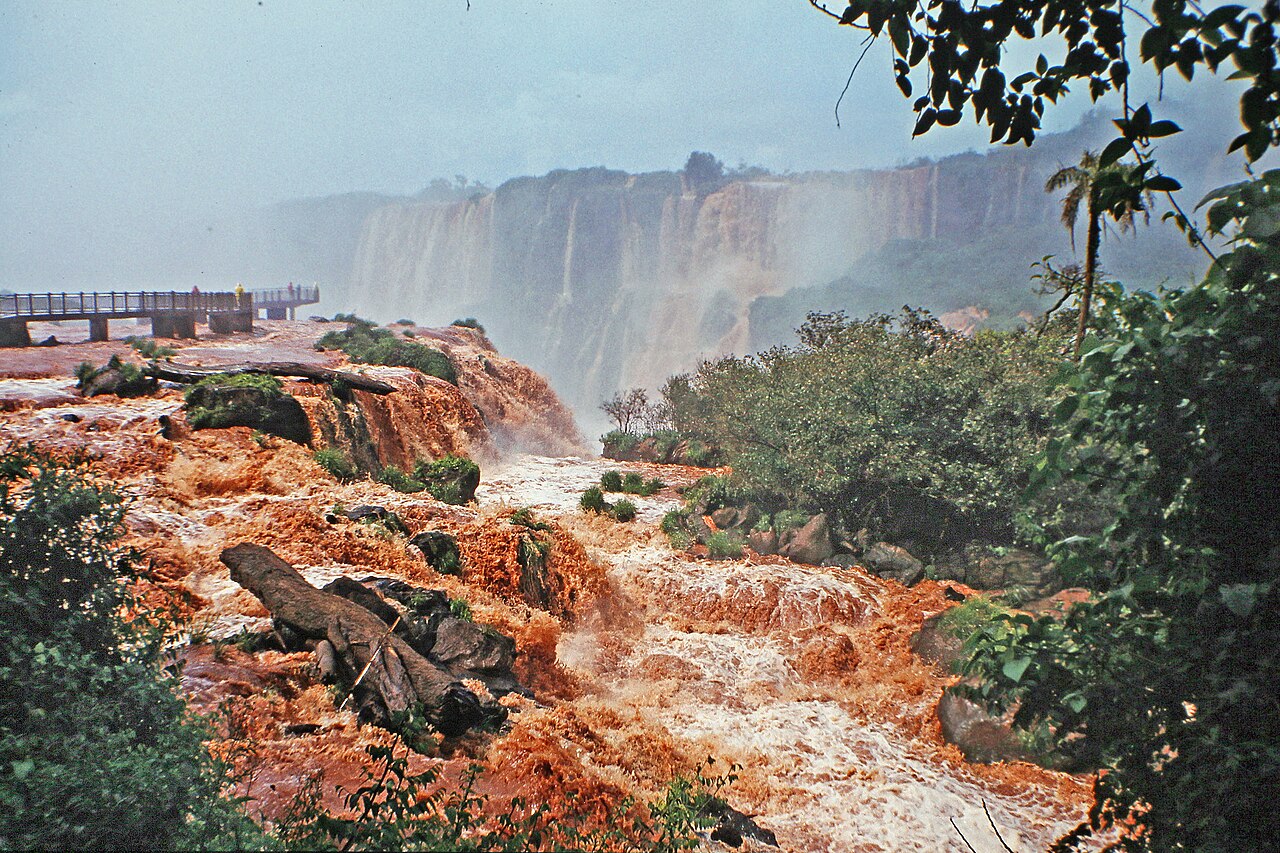
The Iguazú Falls seen from the Brazilian side: W. Bulach, CC BY-SA 4.0

Figures are national or global estimates from the sources named, with the uncertainty those sources give. Country rankings compare reported totals, not responsibility or effort.
Checked 2026-11-24.