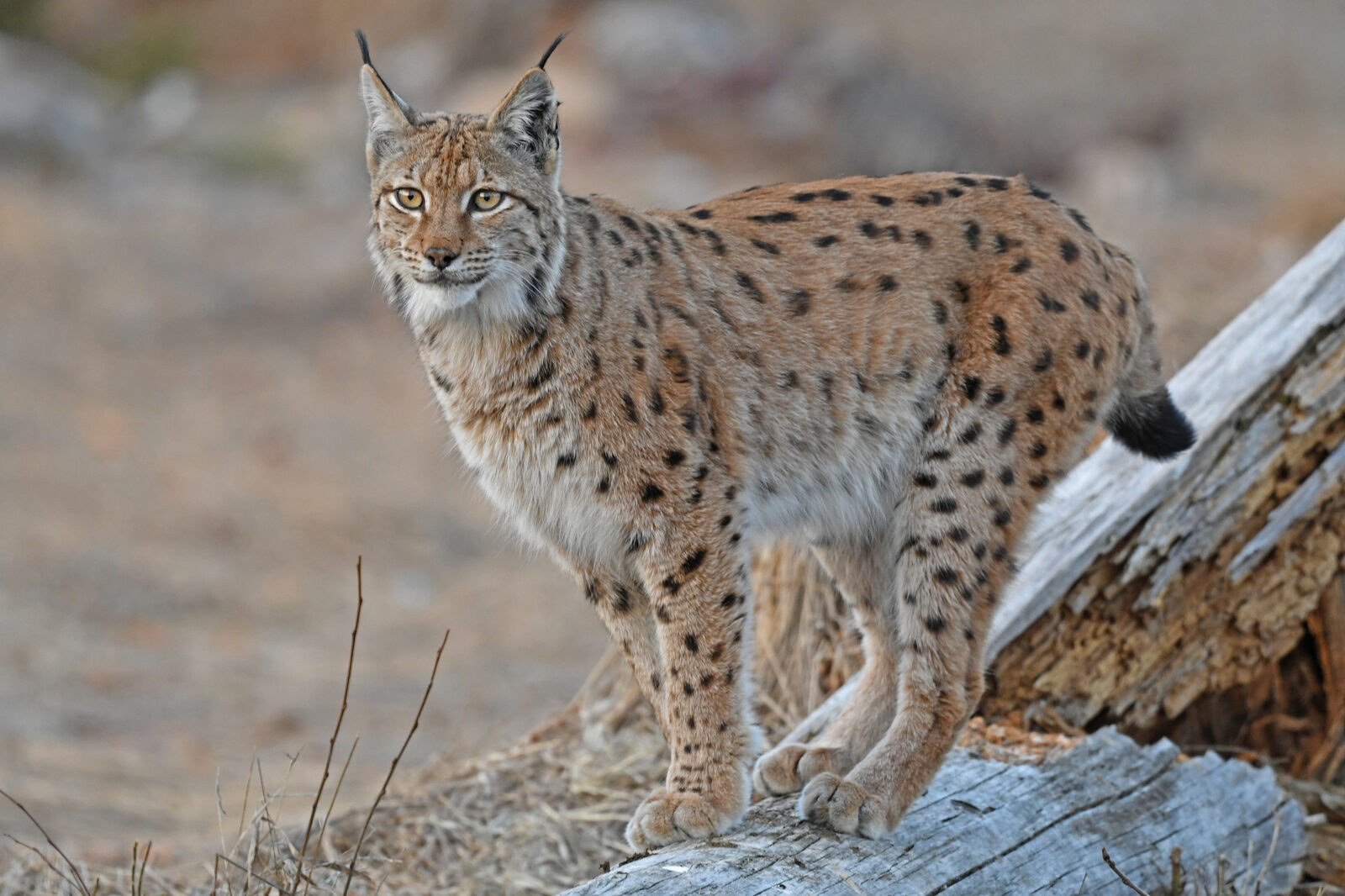
What works.
Rewilding, corridors, protection and restoration, with the evidence.
Photo: Julia Moning
At a glance
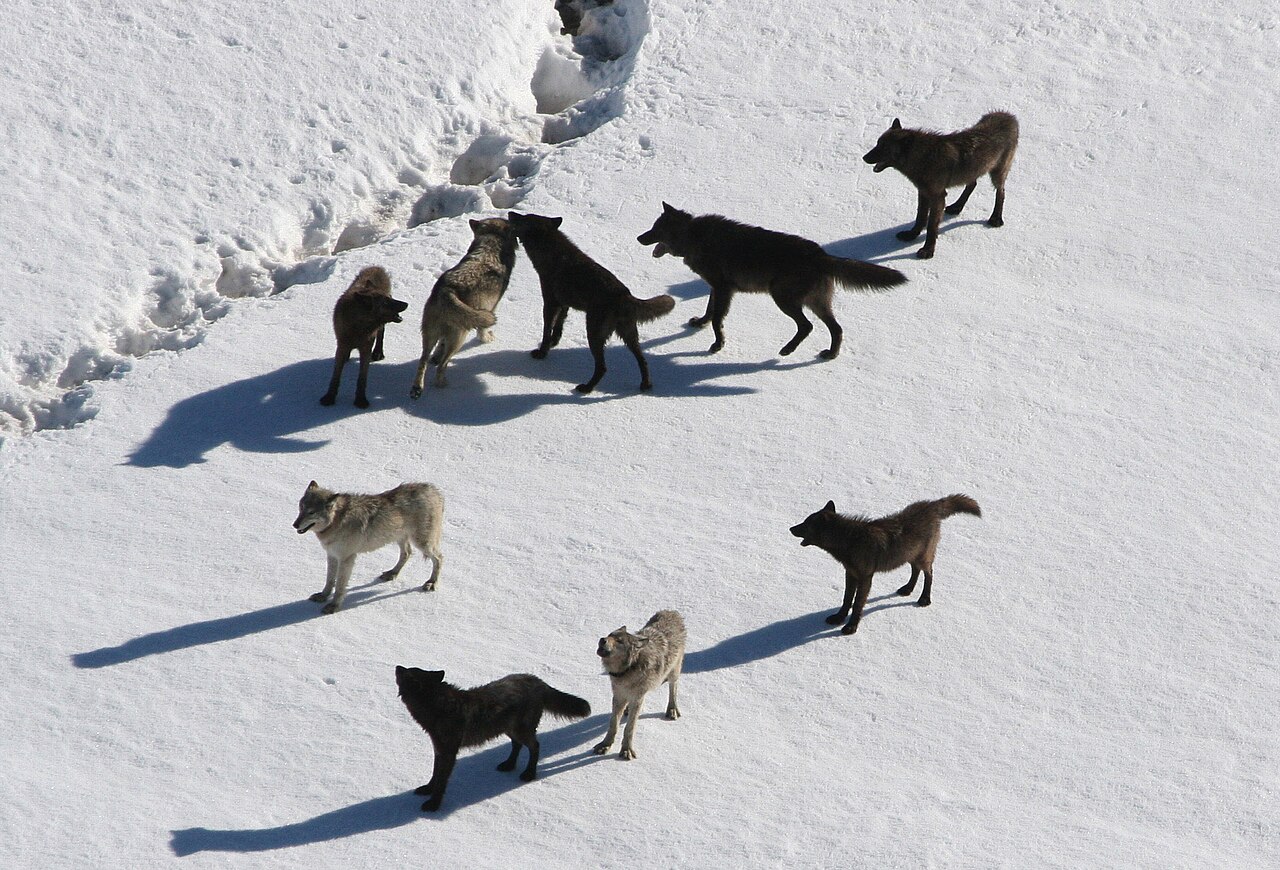 RewildingEurope now has around 21,500 wolves, up from 17,000 in 2016. How rewilding works: protection, room to roam…
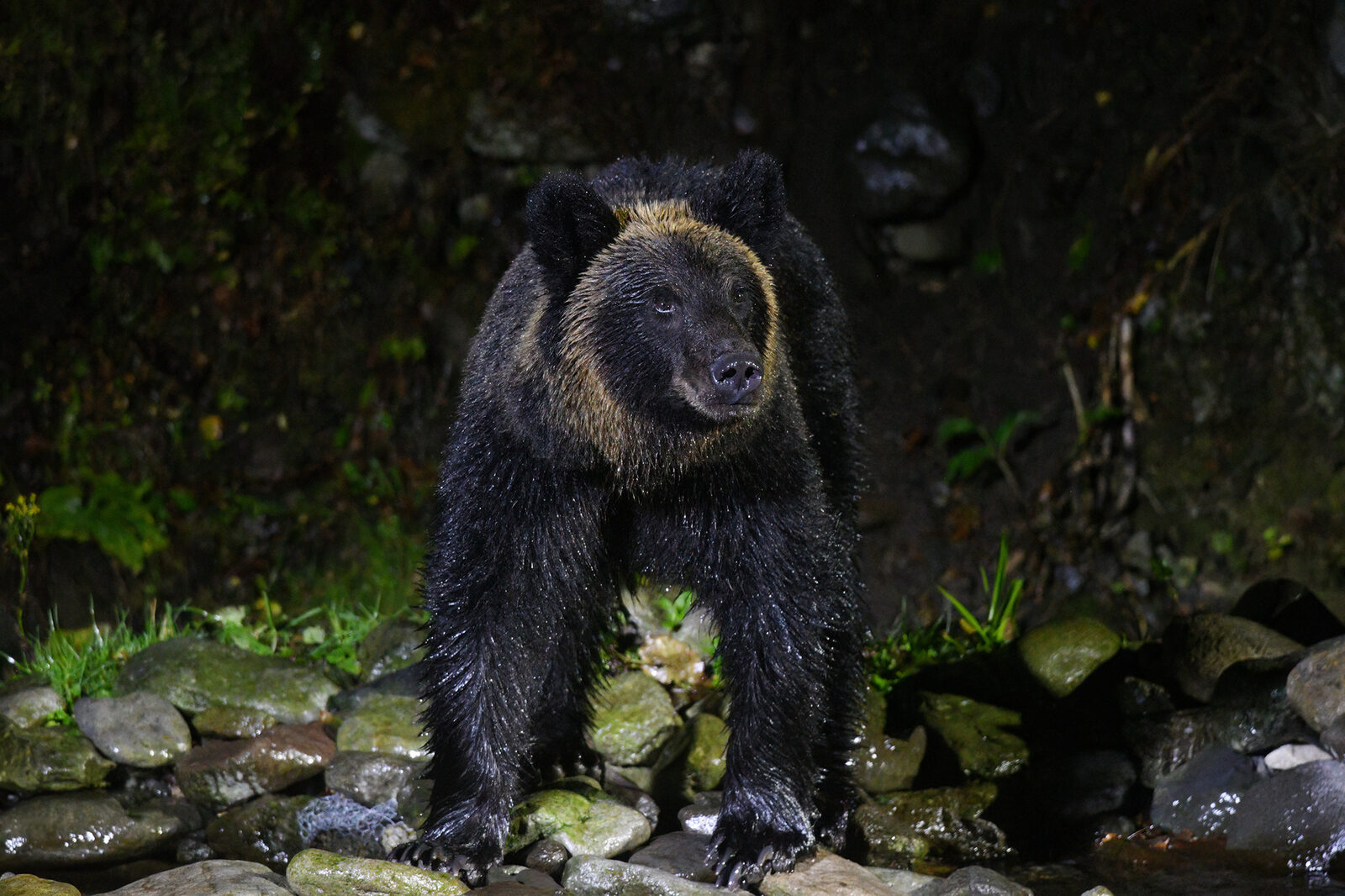 Wildlife corridorsAnimals need to move between habitats to feed, breed and adapt. How corridors and ecological networks…
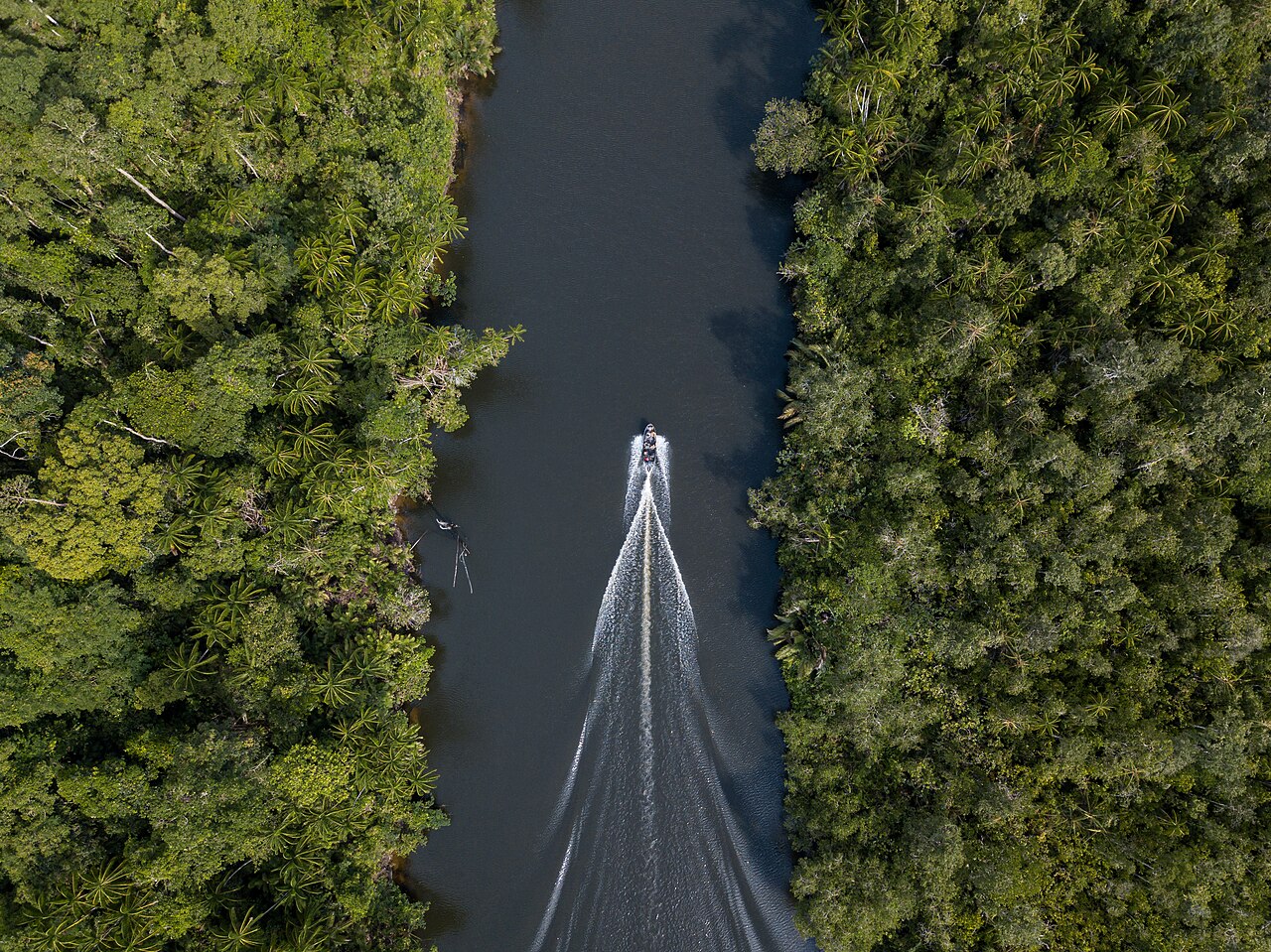 Protected areasAbout 17.6% of land and 8.4% of the ocean is protected. How protected areas work, where they are furthest…
 Ecosystem restorationHow restoring forests, wetlands, rivers and reefs brings nature back, what the science says works, the…
Rewilding
Rewilding means giving nature room to look after itself again: protecting animals, reconnecting landscapes and letting natural processes such as grazing, predation and flooding do their work.
Around 19,000 wolves live across the 27 EU Member States, compared with 14,300 in 2016, and 21,500 across Europe as a whole, compared with 17,000 in 2016.
Source: Large Carnivore Initiative for Europe · Wolf status report 2022
Photo: Doug Smith
Wildlife corridors
Roads, farms and towns cut habitats into islands. Animals then cannot reach food, mates or new homes, and populations become small and isolated.
IUCN guidance (2020) synthesises science and practice for conserving and restoring connectivity through ecological networks and corridors.
Source: IUCN (2020) · Guidelines for conserving connectivity through ecological networks and corridors
Photo: Nathan Ruser
Protected areas
Protected areas are places where nature comes first: national parks, wildlife reserves, and the lands and waters that Indigenous peoples and local communities look after. They are the oldest and most widely used way of keeping wild places wild.
About 17.6% of the world's land and inland waters and 8.4% of the ocean lie in protected and conserved areas.
Source: UNEP-WCMC & IUCN · Protected Planet Report 2024
Photo: Andyb3947
Ecosystem restoration
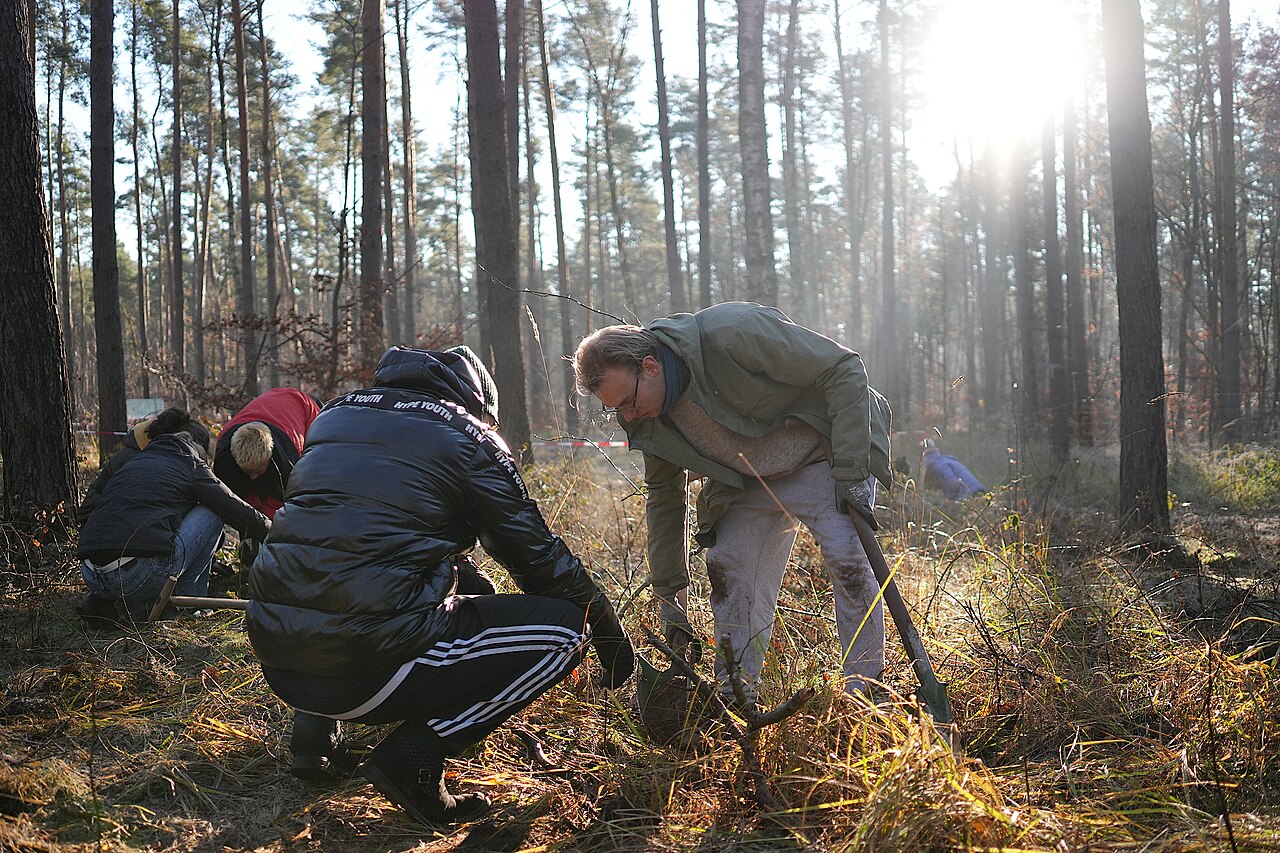
Restoration means helping damaged nature recover: letting forests grow back, rewetting drained peatlands, freeing rivers, replanting mangroves and seagrass, and bringing back animals that were lost.
Land degradation harms the well-being of at least 3.2 billion people.
Source: IPBES · Land Degradation and Restoration Assessment 2018
Photo: RobbieIanMorrison
4PLANET
For a Living Planet
Independent, no ads, free for everyone. Join and follow the living planet with us.