Wildlife corridors
A way to bring nature back into balance, and what it takes to work.
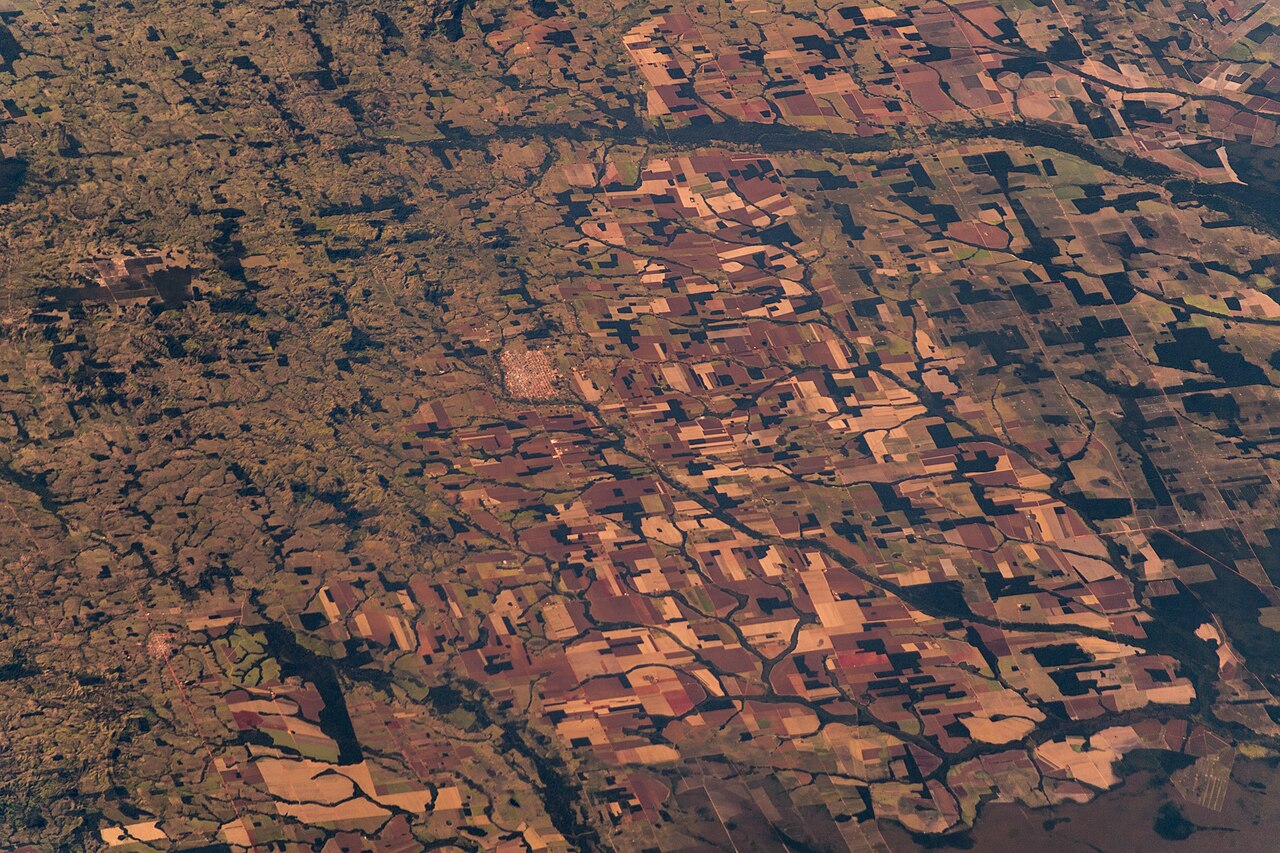
Roads, farms and towns cut habitats into islands. Animals then cannot reach food, mates or new homes, and populations become small and isolated.
Corridors and ecological networks reconnect them: strips of forest, river banks, hedgerows, wildlife bridges and protected stepping stones. IUCN guidance brings together the science and practice of keeping nature connected.
Why it matters
- IUCN guidance (2020) synthesises science and practice for conserving and restoring connectivity through ecological networks and corridors. IUCN (2020) · Guidelines for conserving connectivity through ecological networks and corridors
What it helps protect
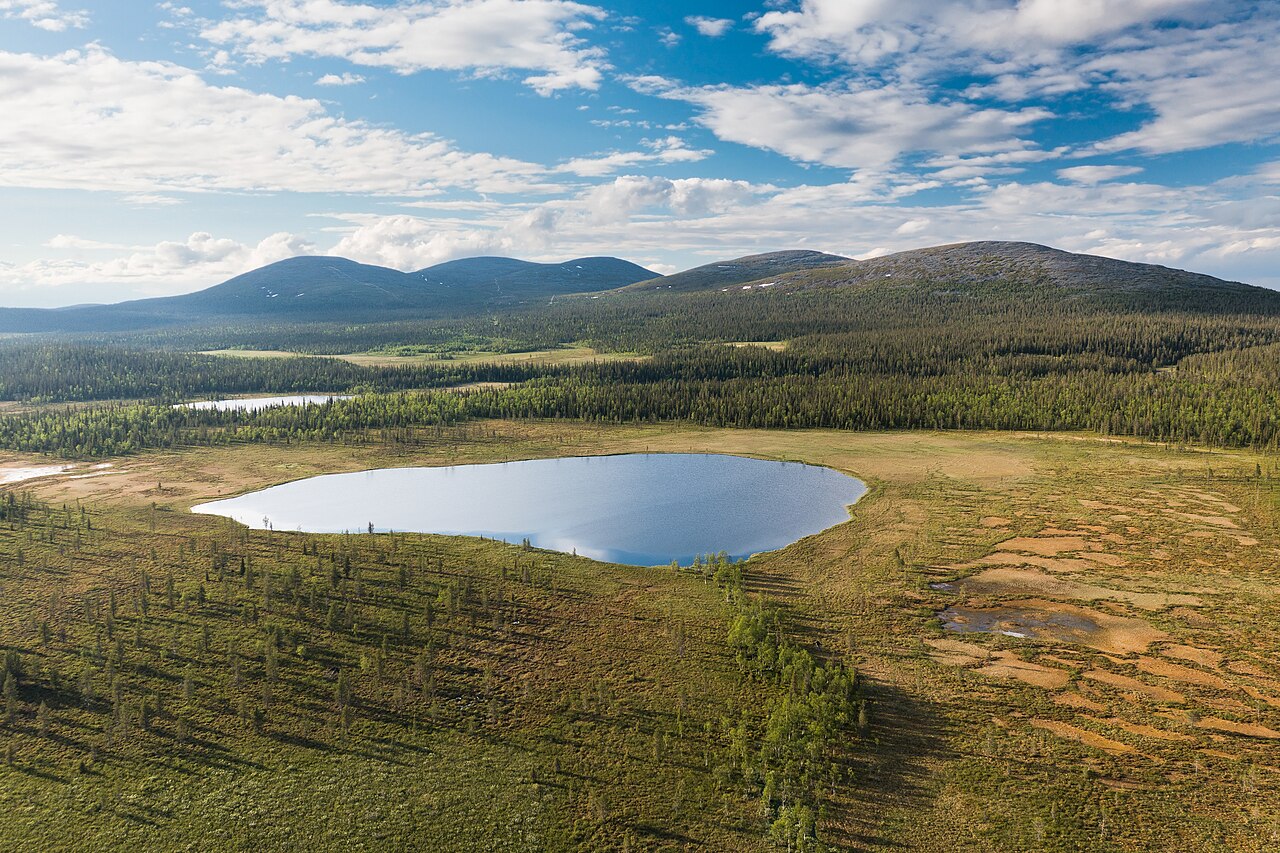
Habitats
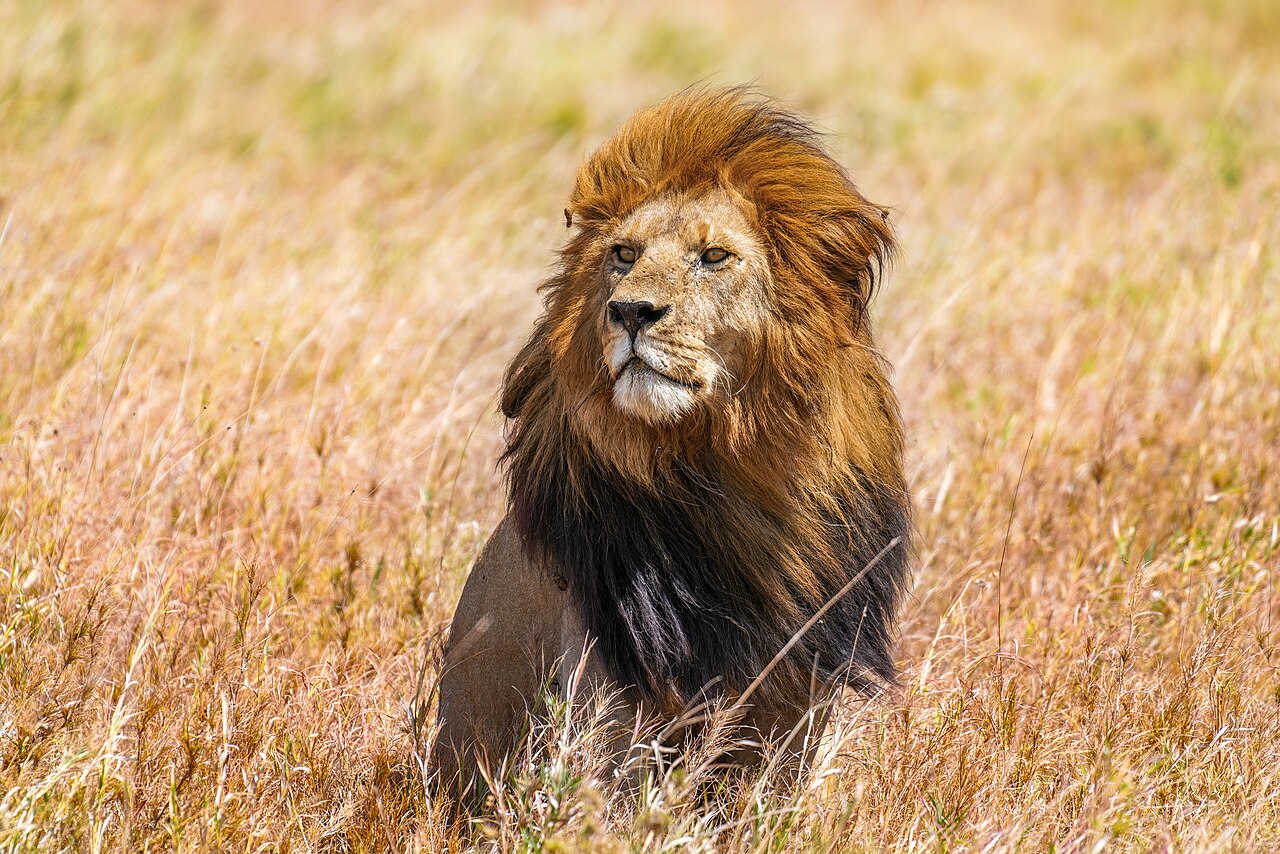
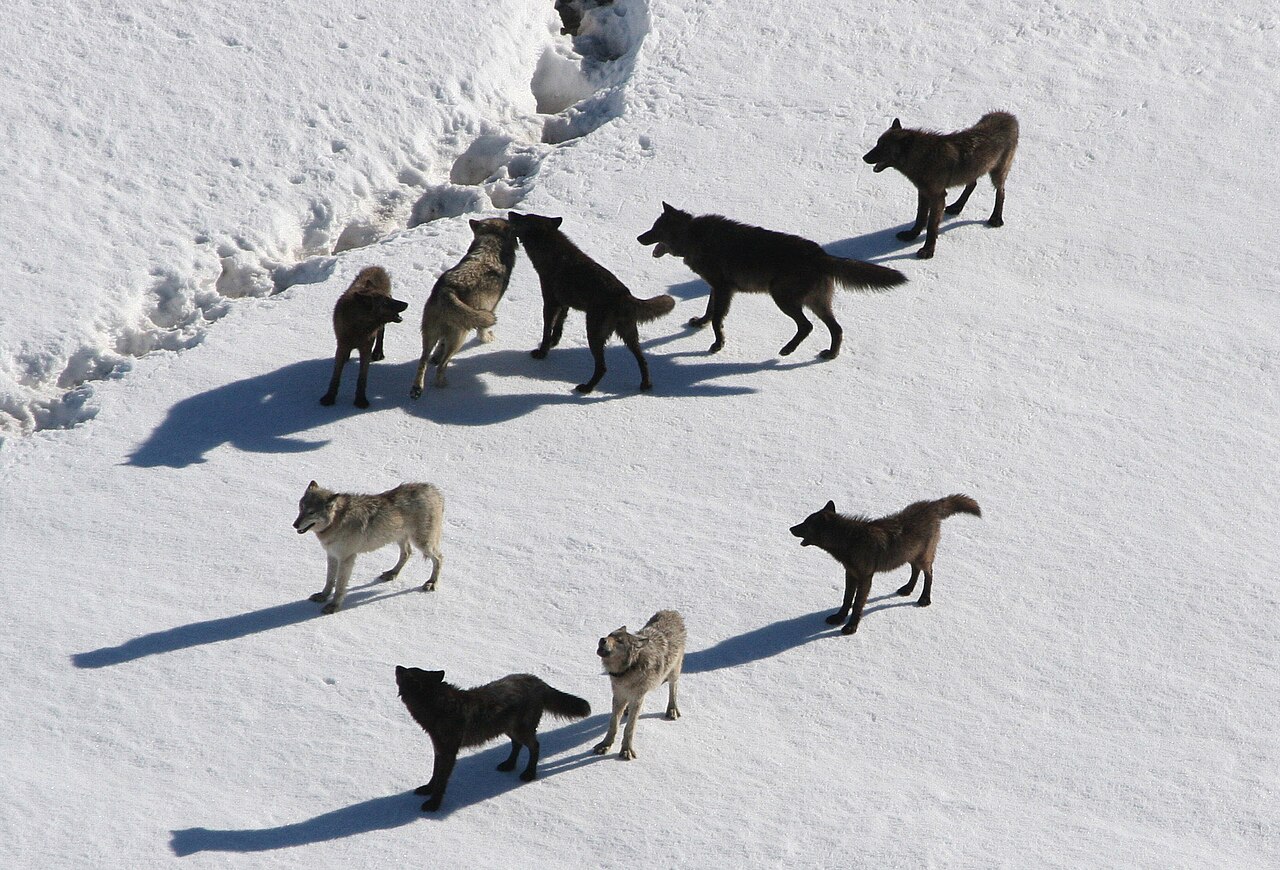
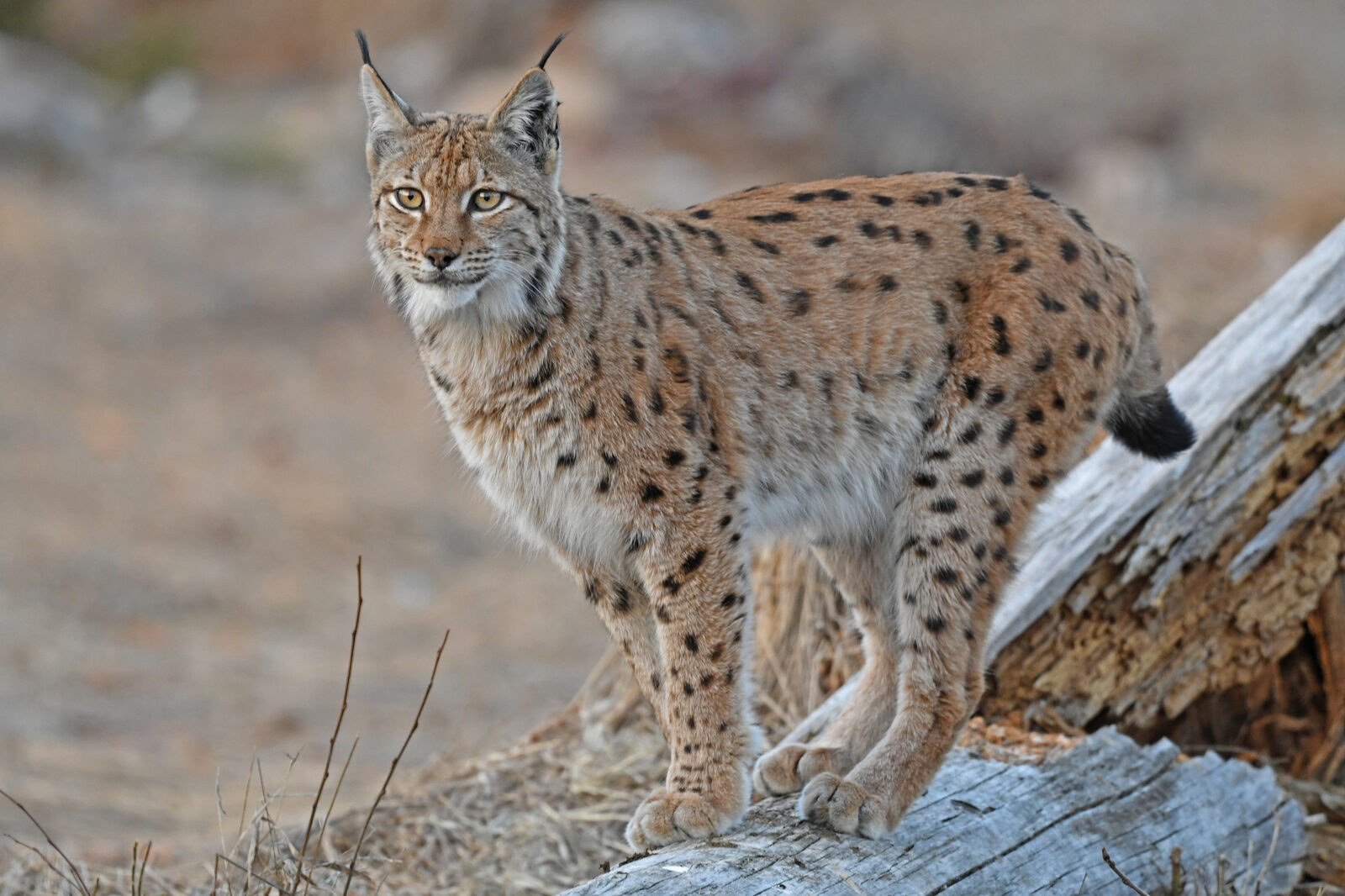
Species
How it works, and its limits
How it works
- Mapping where animals need to move
- Protecting and restoring links between habitats
- Wildlife bridges and tunnels across roads
- Planning land use at landscape scale
Limits, and what it needs
- Corridors only work if the habitats they connect are healthy
- Benefits must be measured: movement, gene flow, habitat quality
- Needs long-term agreement with landowners
Pressures it answers
What you can do
- Leave hedgerows and wild edges on your land
- Support landscape restoration projects
- Drive carefully where wildlife crosses
Questions people ask
What is a wildlife corridor?
A link of habitat that lets animals move between areas that would otherwise be cut off.
Sources and photo credits
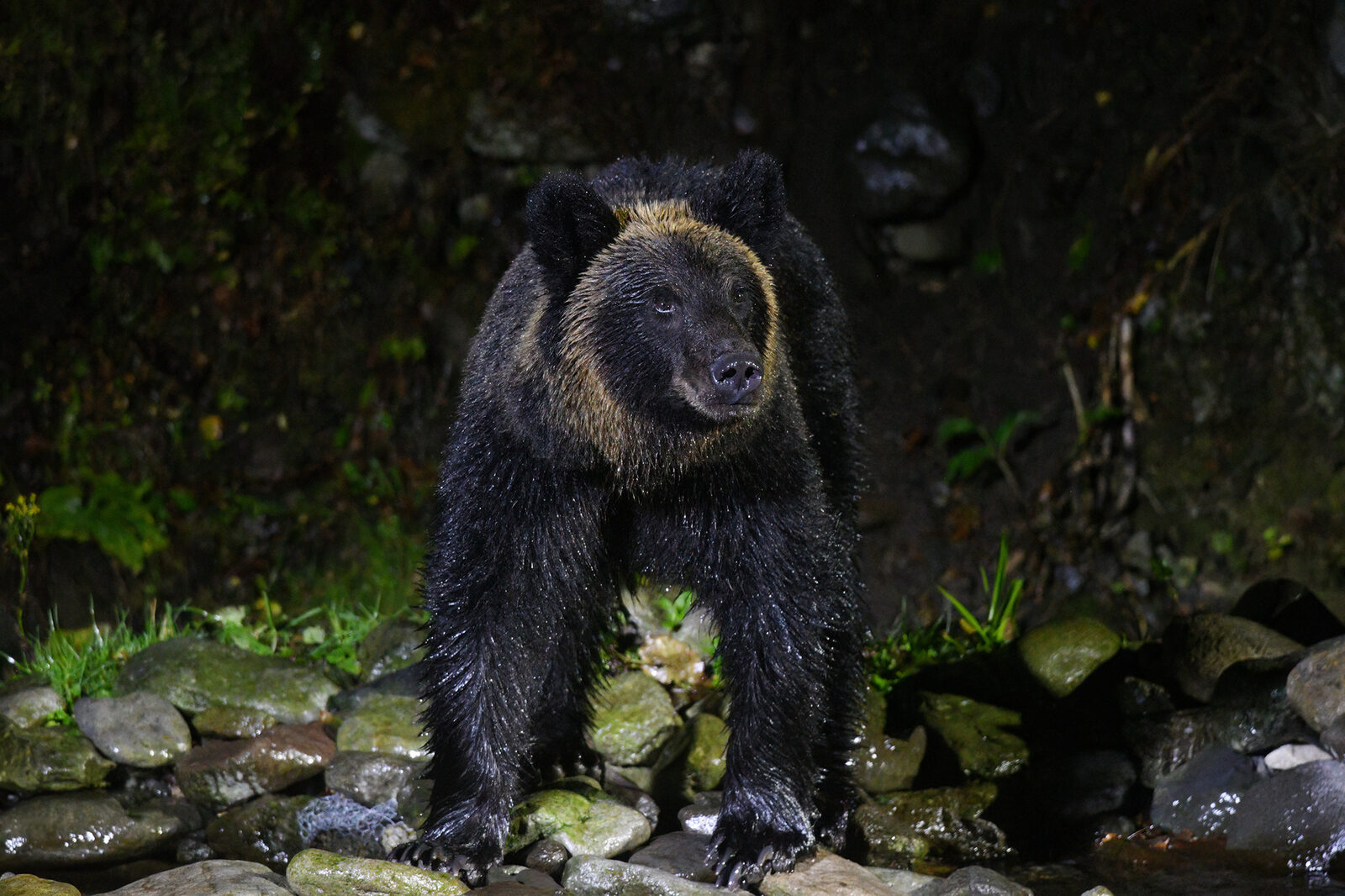
A brown bear on the move through forest: Nathan Ruser, CC BY 4.0
Figures are national or global estimates from the sources named, with the uncertainty those sources give. Country rankings compare reported totals, not responsibility or effort.
Checked 2026-11-24.