What is pushing the Southern Ocean.
The pressures on Antarctica's ocean, each with the evidence behind it and what works against it.
Photo: Ryan F. Mandelbaum (CC BY 4.0)
At a glance
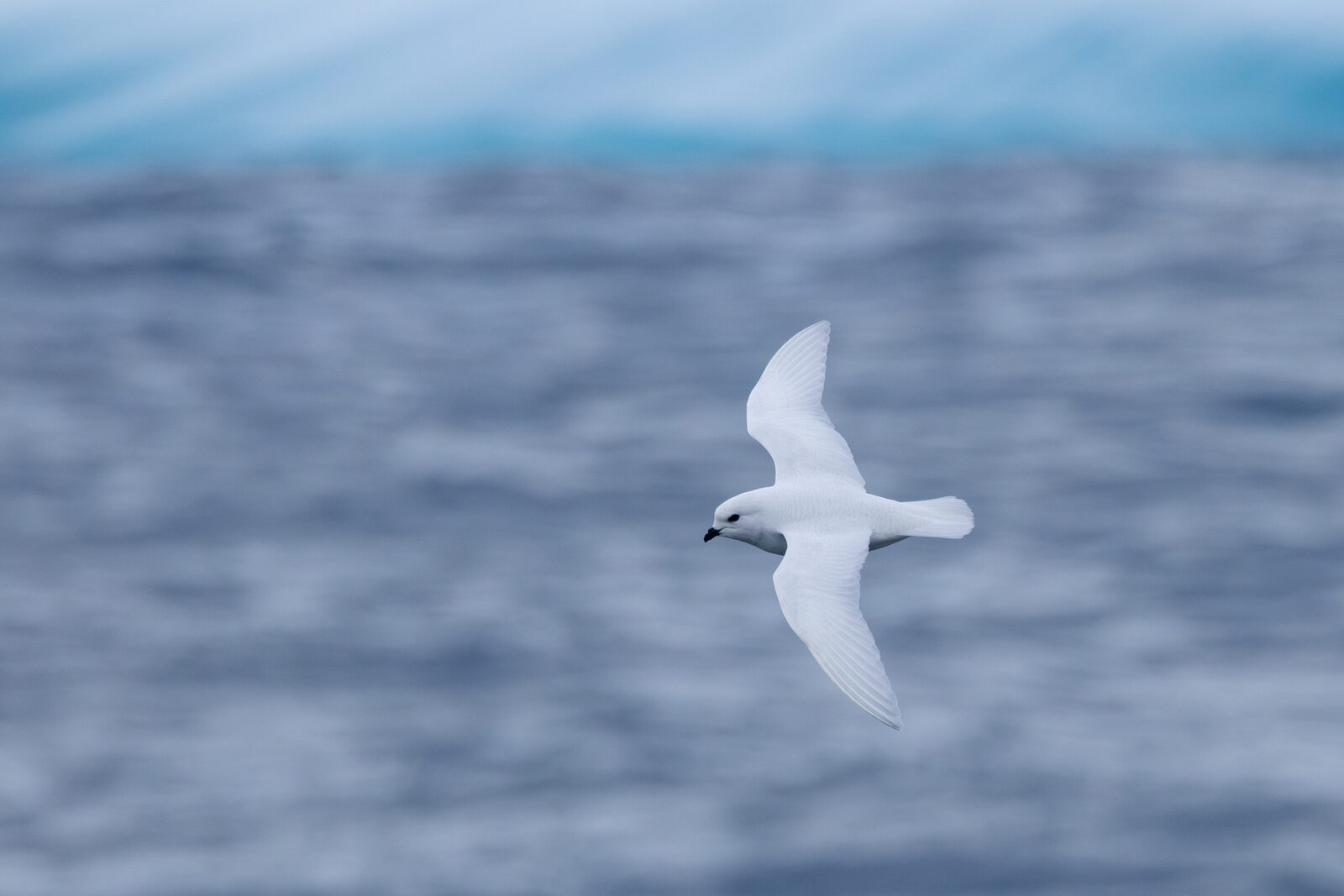
 Ocean warmingThe upper ocean keeps taking up heat. What warming and marine heatwaves do to corals, fish and the people…
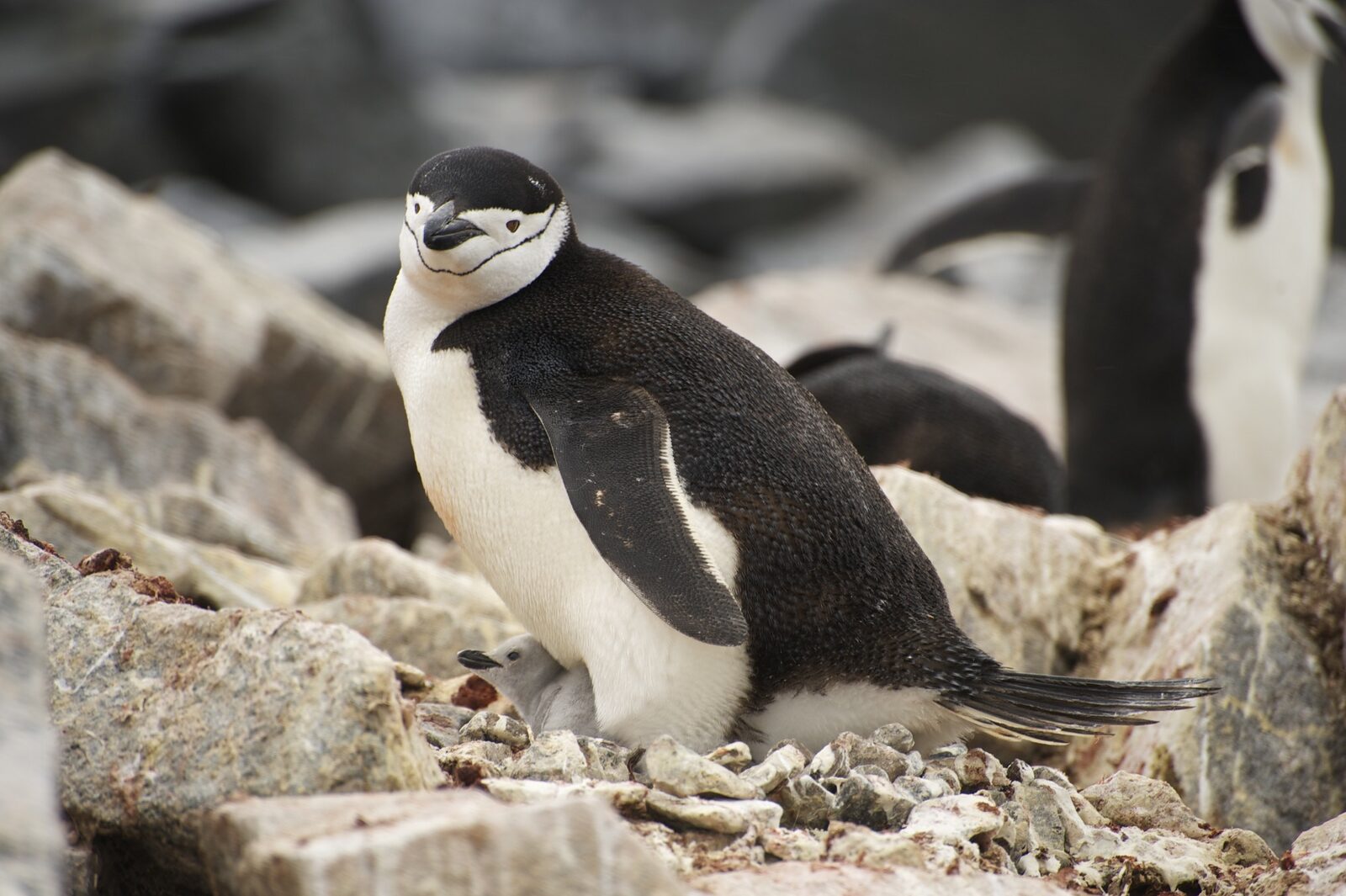
 Ocean acidificationThe ocean has become about 30% more acidic since the industrial age, and has crossed its safe planetary…
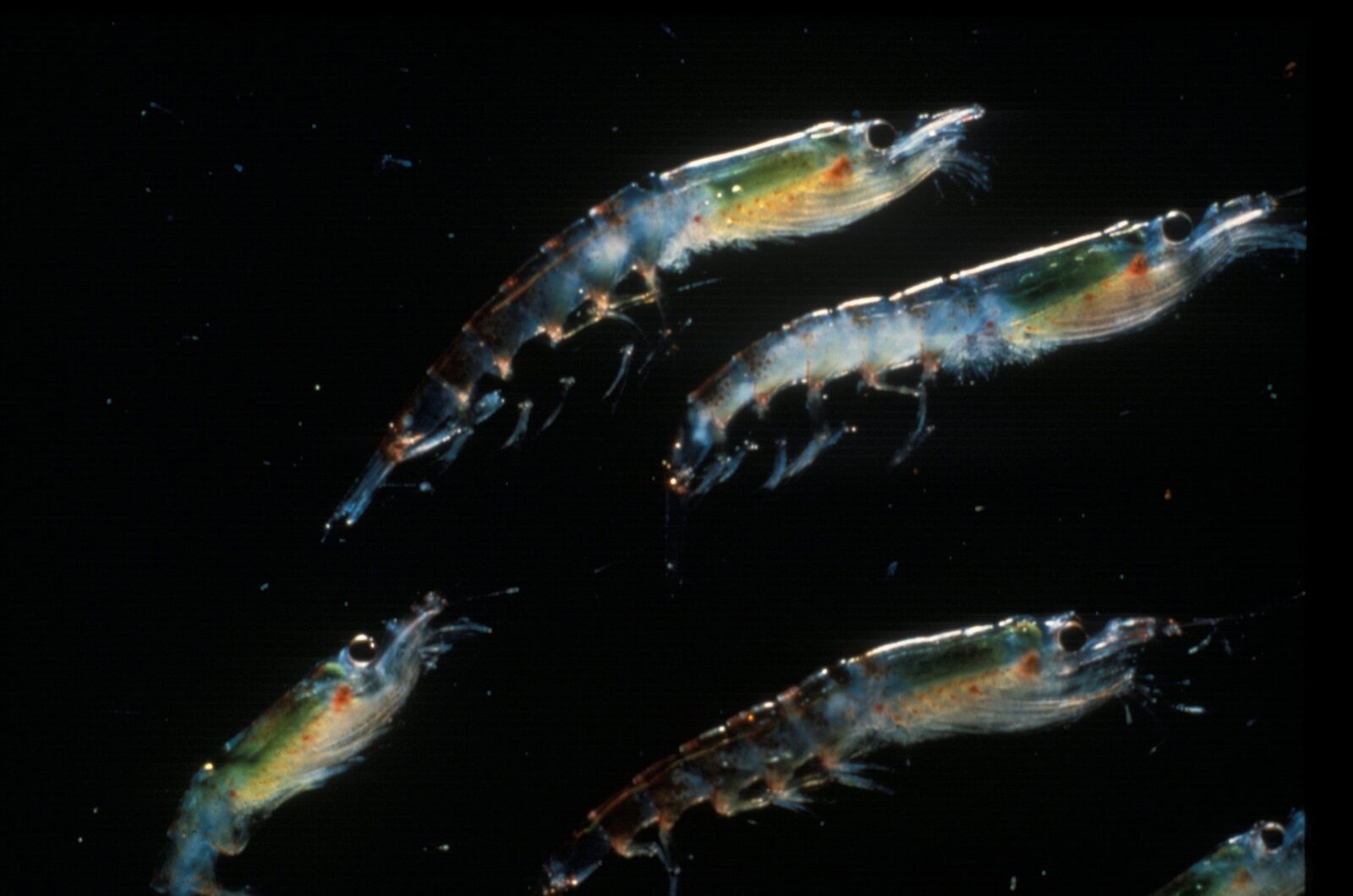
 Global heatingHow much the world has warmed since the 1850s, which habitats and animals it hits hardest, from coral…
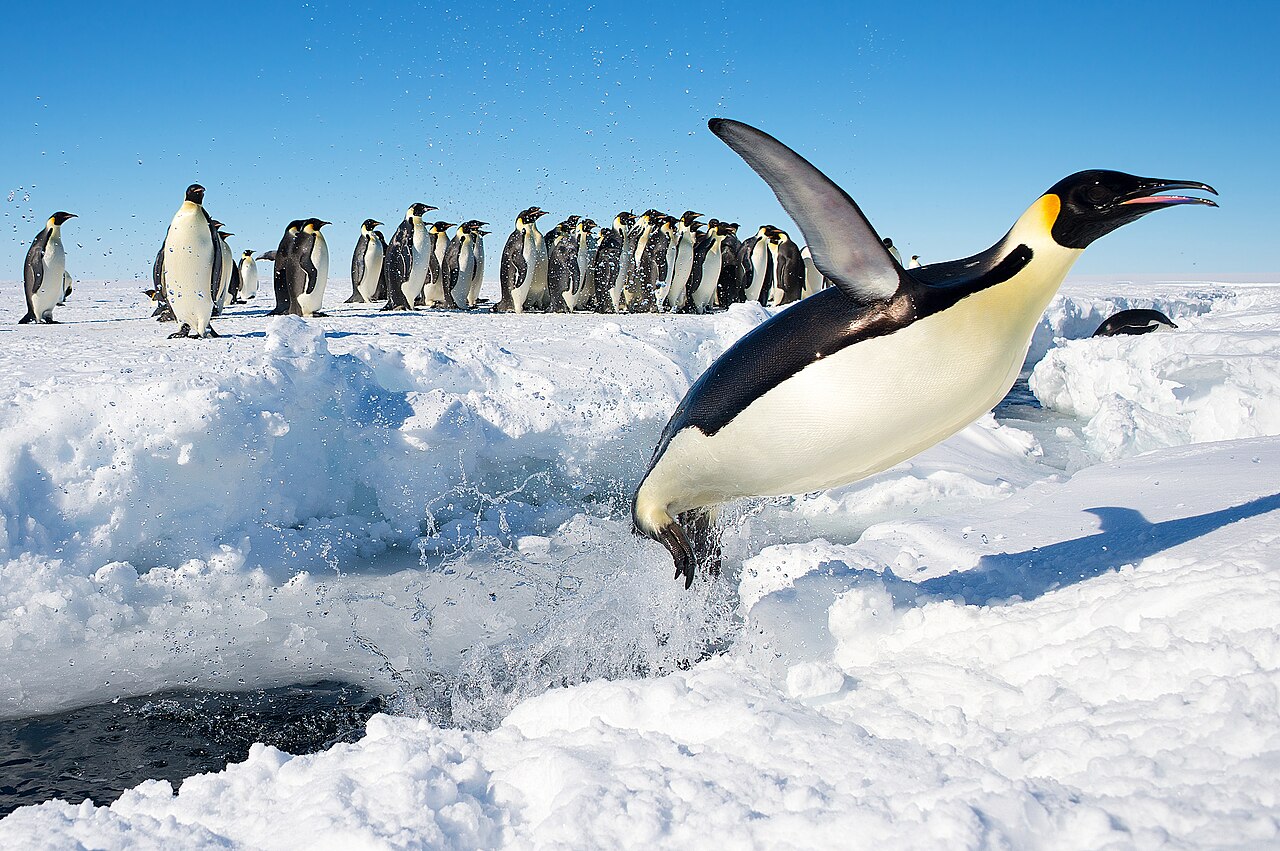
 OverfishingMore than a third of the world's assessed fish stocks are overfished. Where fishing is heaviest, what it…
Ocean warming
The ocean has taken up most of the extra heat trapped by greenhouse gases. A warmer sea holds less oxygen, shifts where fish can live, and brings marine heatwaves that can bleach and kill corals.
Preliminary estimate: upper-ocean (0–2,000 m) heat content rose by 23 ± 8 zettajoules from 2024 to 2025.
Source: WMO · 2025 was one of the warmest years on record (preliminary)
Photo: Sterling Sheehy (CC BY 4.0)
Ocean acidification
The ocean takes up nearly a third of the carbon dioxide people release. That slows global heating, but the gas reacts with seawater and makes it more acidic. Since the start of the industrial age, the surface ocean has become about 30% more acidic.
Since the start of the industrial era, the ocean's surface pH has fallen by around 0.1 units, a 30 to 40% increase in acidity. In 2025, scientists found that ocean acidification has crossed its safe planetary boundary.
Source: Stockholm Resilience Centre · Planetary Health Check 2025
Photo: NOAA Photo Library (CC BY 4.0)
Global heating
The Earth is warming because of the greenhouse gases we release, above all by burning coal, oil and gas. The last decade was the warmest since measurements began.
Global surface temperature was 1.1 °C higher in 2011–2020 than in 1850–1900, and the warming is caused by human activities.
Source: IPCC · Sixth Assessment Report (2023)
Photo: Christopher Michel (CC BY 2.0)
Overfishing
Fish feed billions of people and almost everything else in the sea, from dolphins and seabirds to sharks and whales. Overfishing means taking fish faster than they can breed and grow back.
FAO's 2025 assessment of 2,570 marine fish stocks found 35.5% overfished.
Source: FAO · Global marine fish stock assessment 2025
Photo: eloise kerroux (CC BY 4.0)
4PLANET
For a Living Planet
Independent, no ads, free for everyone. Join and follow the living planet with us.