One planet. One frozen continent at its southern edge.

Antarctica and the Southern Ocean. Every light is a wildlife record shared with science through GBIF.

NASA GIBS · Blue Marble Next Generation (NASA) · Terrain: Mapzen/AWS · OpenFreeMap · © OpenStreetMap contributors

Mission brief

Why Antarctica matters

At the southern edge of our planet, ice and ocean shape a remarkable living world. Seasonal sea ice changes the habitat available to tiny krill and the animals that feed on them. Satellite observations reveal large year-to-year changes, while research helps explain how the ecosystem responds. Explore Antarctica, the Southern Ocean and the work to protect them.

Sources: NSIDC · Antarctic sea ice settles at record low (2023) · British Antarctic Survey · Biological responses to change in Antarctic sea ice habitats · CCAMLR · Antarctic krill species description (2019)
1.79 million km²

Antarctic sea ice extent at its record-low annual minimum, 21 February 2023.

Source: NSIDC · Antarctic sea ice settles at record low (2023)
2.58 million km²

the likely annual minimum on 26 February 2026, near average. One higher year does not reverse a long-term change.

Source: NSIDC · Antarctic sea ice extent arrives near average minimum (2026)
4.8 km

the greatest reported thickness of the Antarctic ice sheet: land ice, a different system from sea ice.

Source: British Antarctic Survey · Antarctic factsheet

Find your way in.

A world of ice and ocean.

The edge of a new iceberg in the Amundsen Sea, filmed from a NASA research flight.

Film: NASA Operation IceBridge, the edge of iceberg B-46 off Pine Island Glacier, 2018 (public domain)

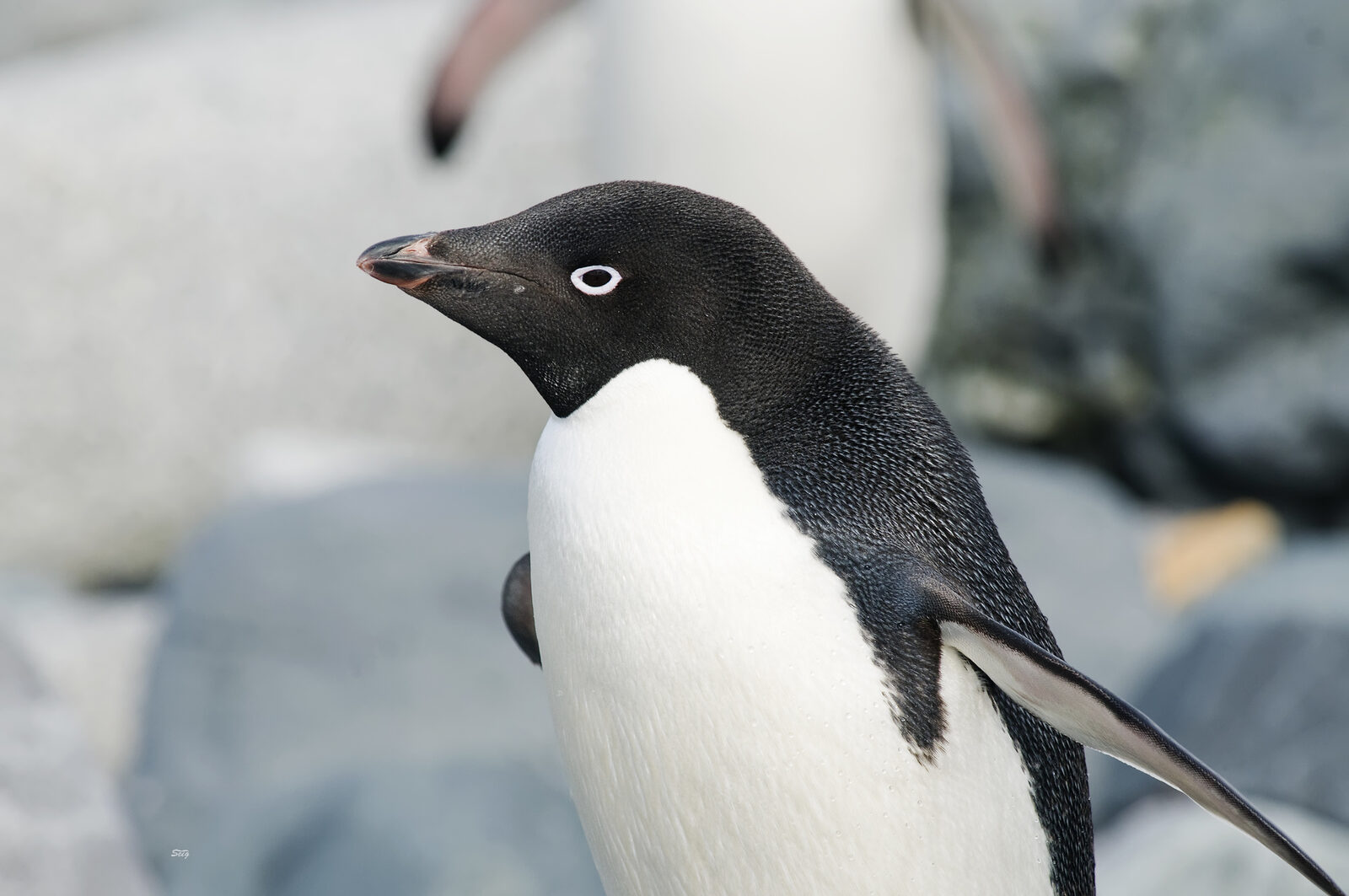
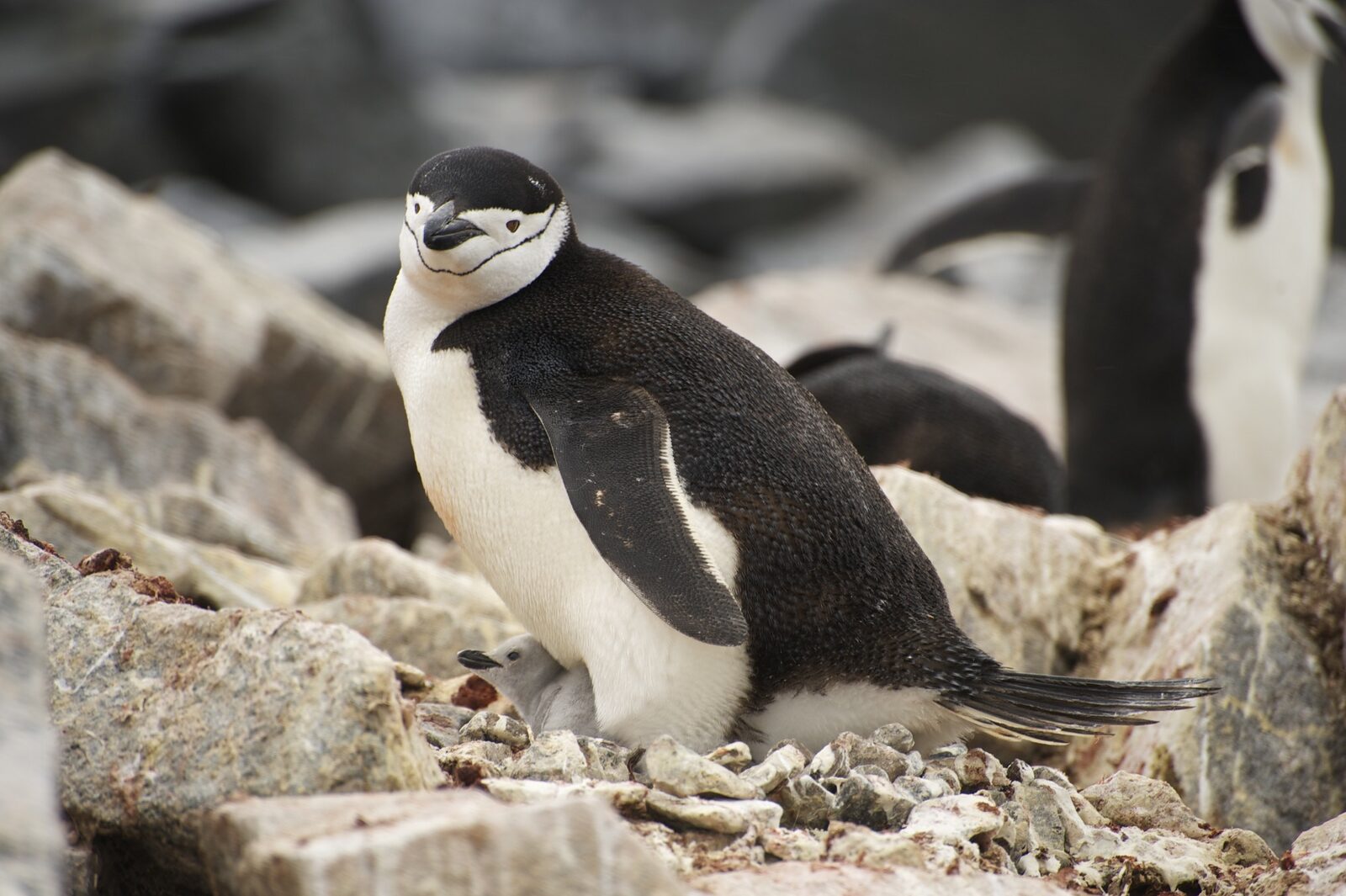
Adélie penguin (Pygoscelis adeliae)

There is more here than you can see.

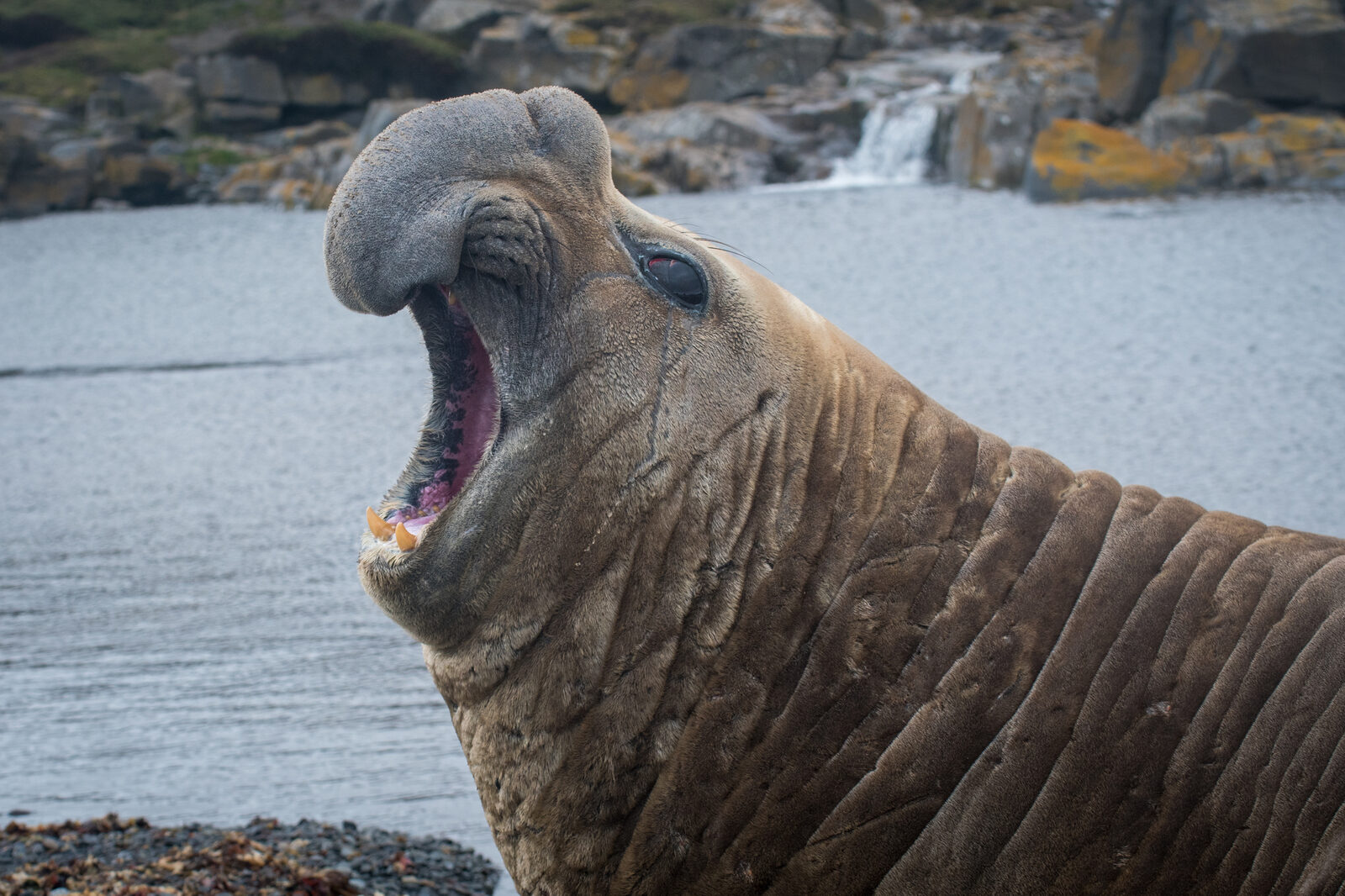
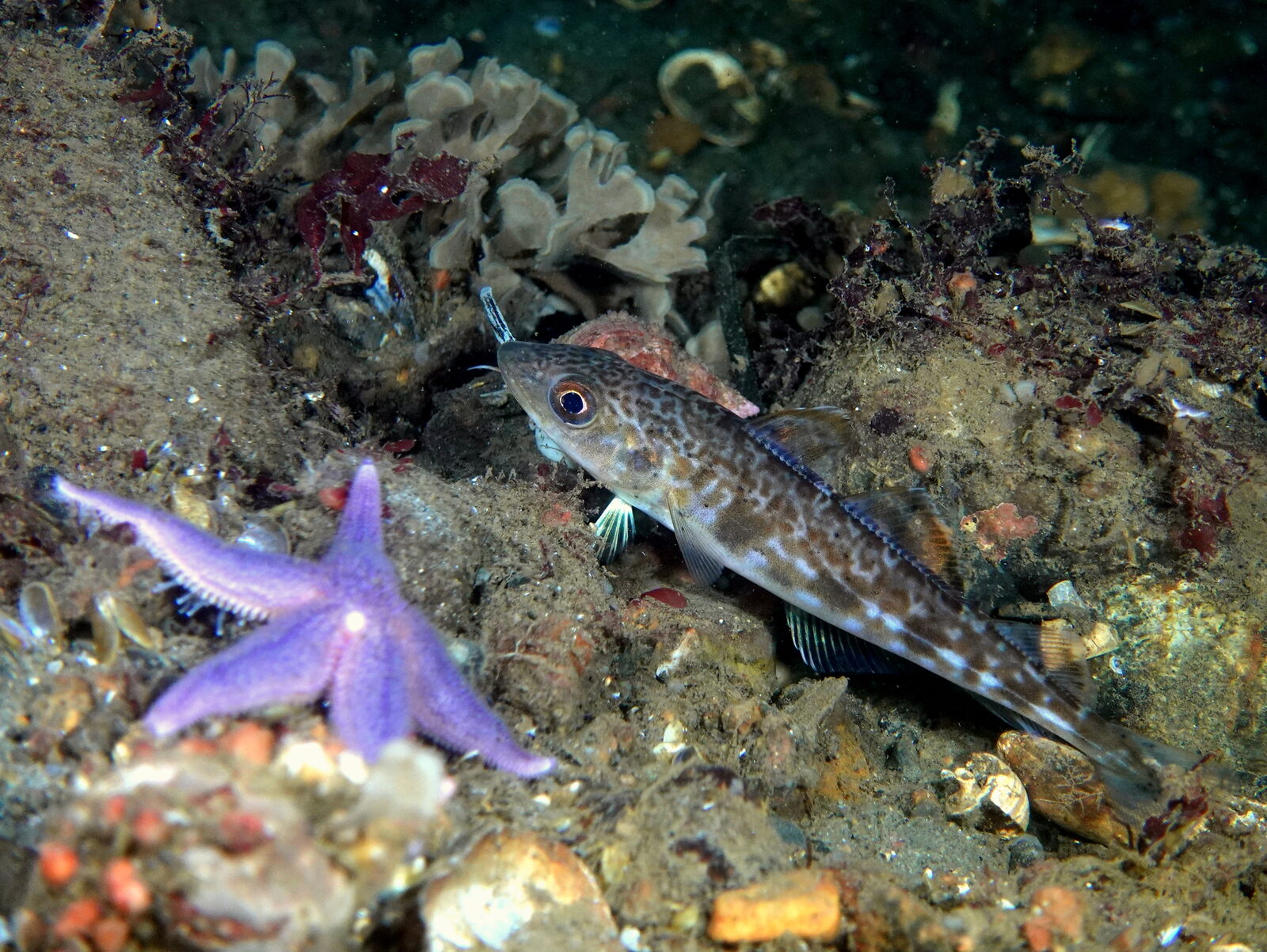
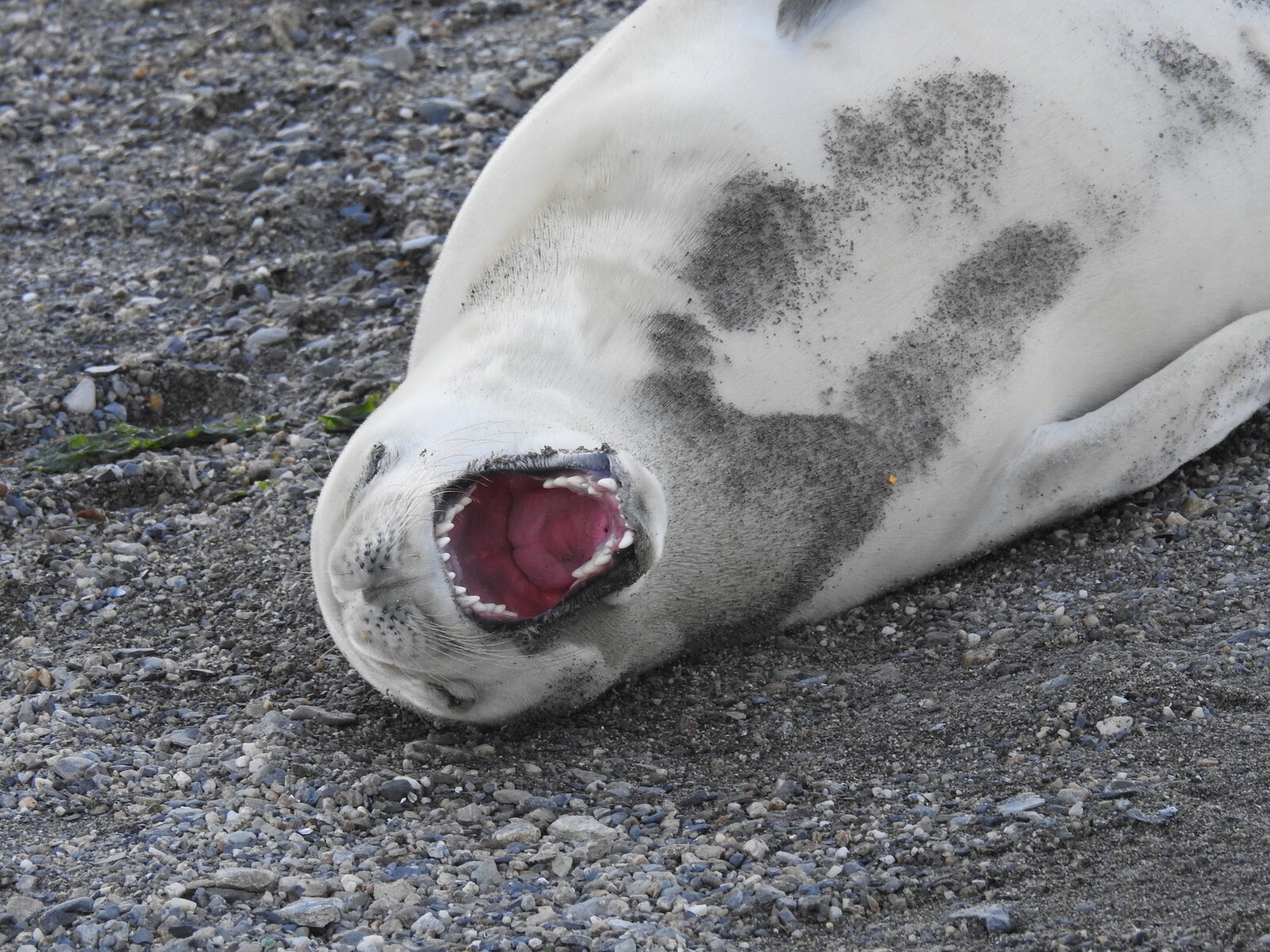
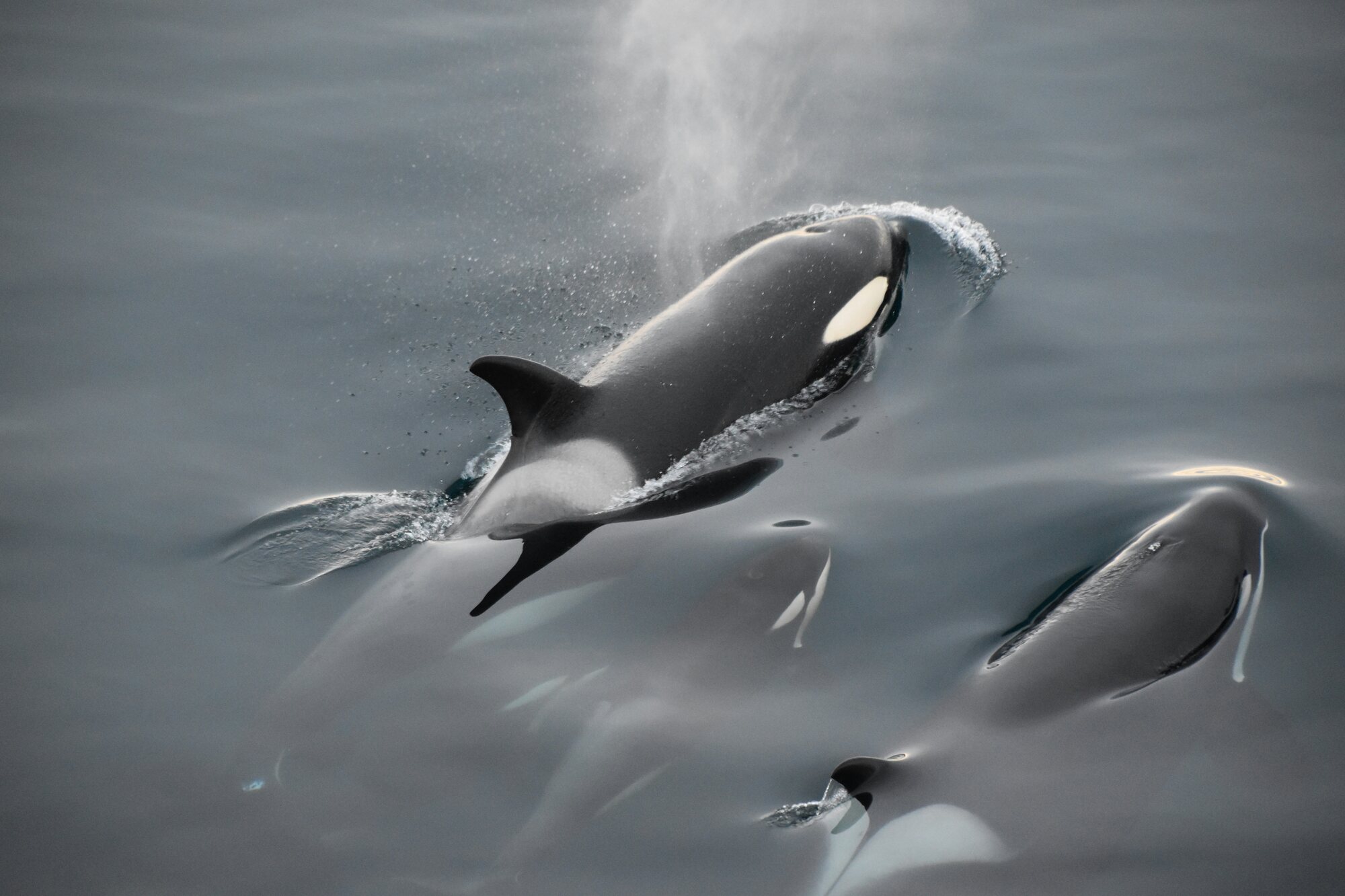
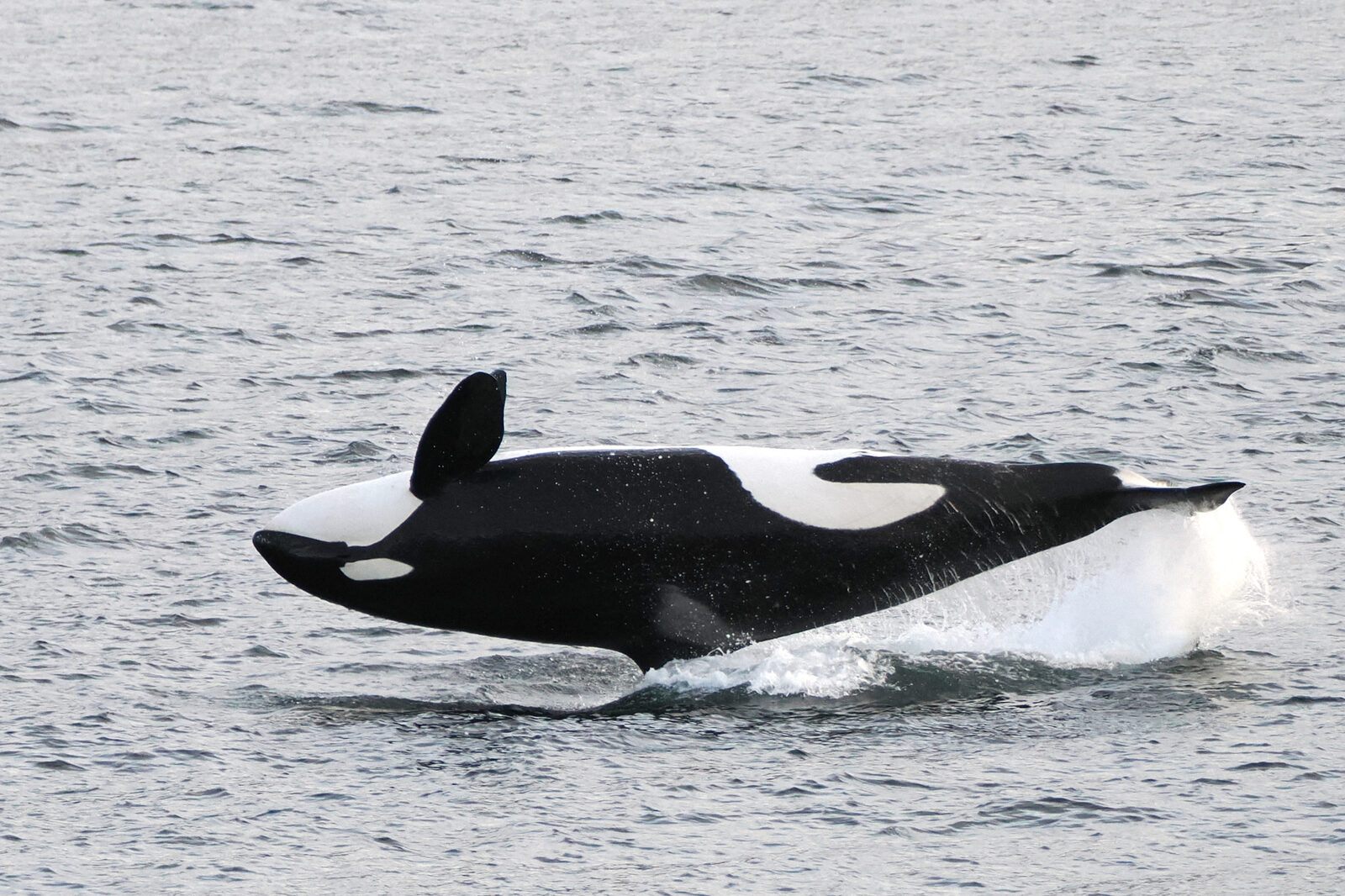
Seasonal sea ice shapes life here, from tiny krill to the penguins, seals and whales that feed on them.

Photo: Seig (CC BY 4.0)

Tap an animal.

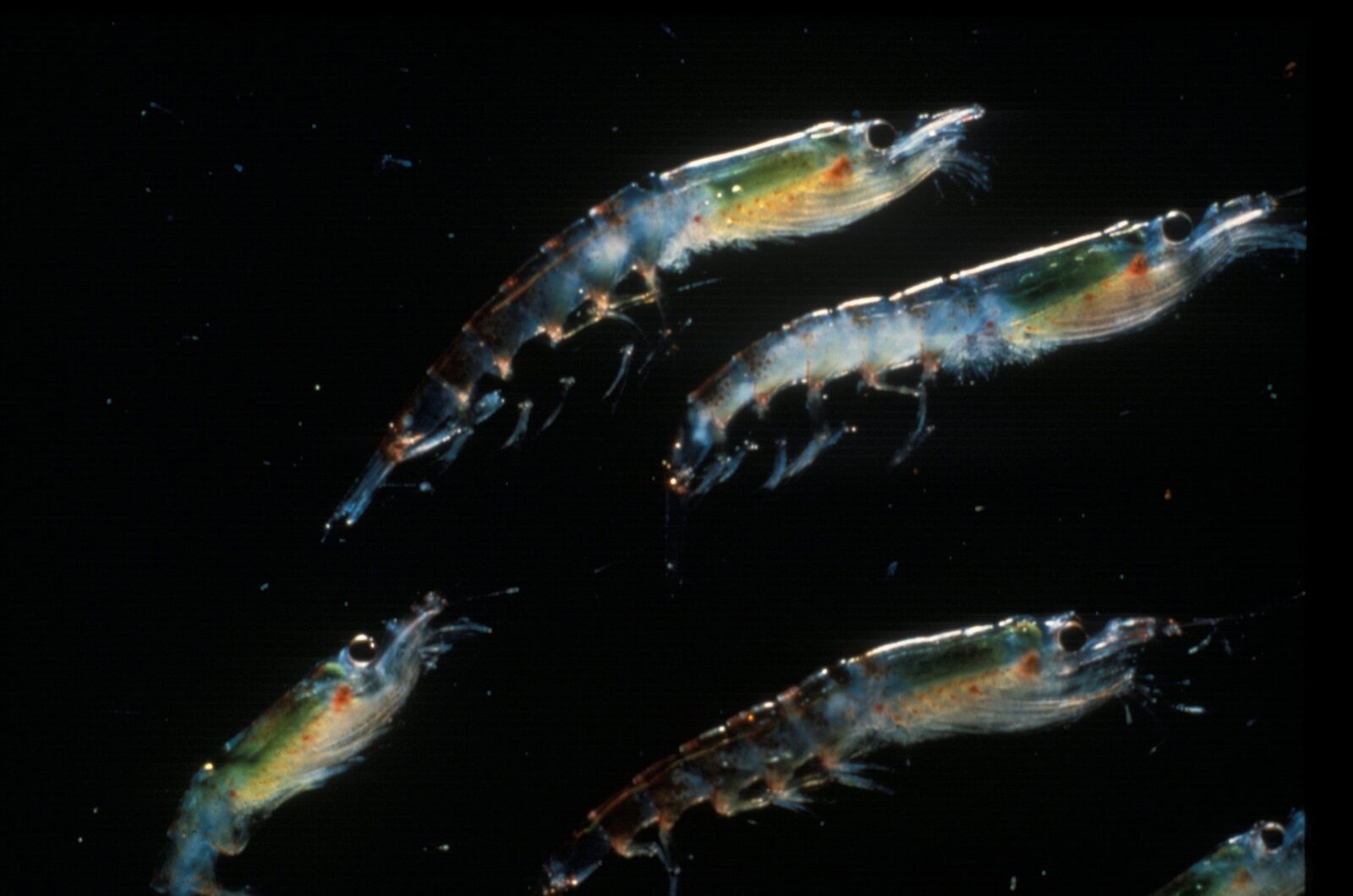
Every light is a record of the antarctic krill shared with science: 717,169 in this view. It shows where people looked, not the full range.

GBIF · NASA GIBS · Blue Marble Next Generation (NASA) · Terrain: Mapzen/AWS · OpenFreeMap · © OpenStreetMap contributors

What is pushing it to the edge

The main threats, each with the evidence behind it and what works against it.

What works

The answers with the strongest evidence.

The organisations on the ground

What they do here. Support them directly.

Films worth your evening

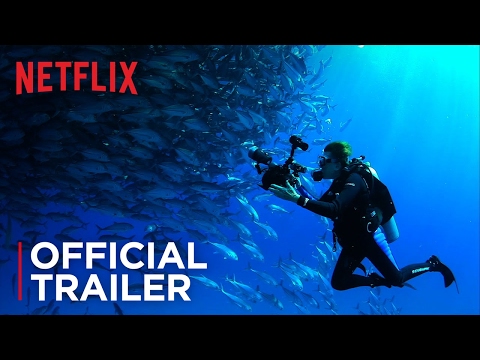
Documentaries from the 4Planet film library. Trailers play right here.

Breaking Boundaries: The Science of Our Planet

Johan Rockström and David Attenborough explain the planetary-boundaries framework, the risks of destabilising Earth systems and the space in which humanity can still act.

About the film
Mission Blue

A portrait of oceanographer Sylvia Earle and her campaign to build public support for protecting critical places in the ocean.

About the film
Before the Flood

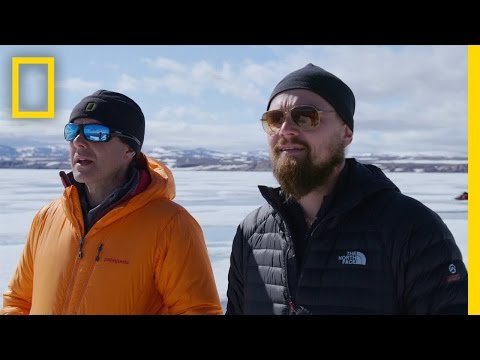
Leonardo DiCaprio travels across the world to understand climate disruption, its political economy and the responses available to societies now.

About the film

From 4Planet Magazine

Stories behind the numbers.

Do something real

Ways to help that take minutes, not months. Each one goes straight to the people doing the work.

Test yourself

Questions about Antarctica. Every answer links to its source.

Question 1 of 4

How thick is the Antarctic ice sheet at its thickest reported point?

Question 2 of 4

How small did Antarctic sea ice get at its record-low minimum in February 2023?

Question 3 of 4

Roughly how much Antarctic krill lives in the Southern Ocean, by a historic modelled estimate?

Question 4 of 4

When was the Ross Sea region marine protected area established?

The same pressures, somewhere else

What you learned here helps you read another place.

One living planet.

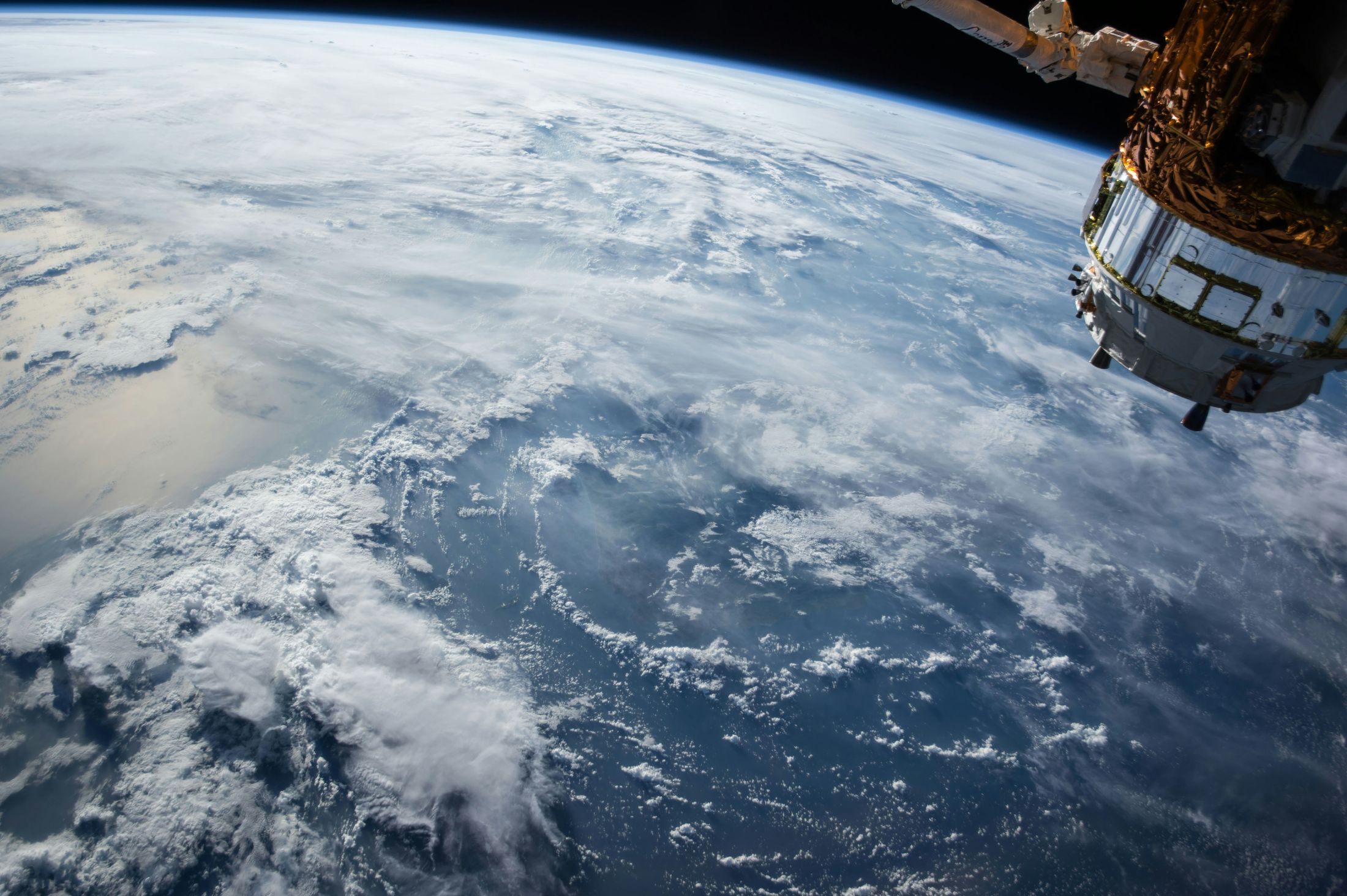
The Earth turning against the Milky Way. Antarctica is one part of a living whole.

NASA GIBS · Blue Marble Next Generation (NASA) · Terrain: Mapzen/AWS · OpenFreeMap · © OpenStreetMap contributors

4PLANET

For a Living Planet

Independent, no ads, free for everyone. Join and follow the living planet with us.