Southern Ocean · sea ice and the Southern Ocean
A world of ice and ocean.
Sea ice grows and melts with the seasons. Satellites measure how far it reaches each year.
Natural Earth · NASA GIBS · Blue Marble Next Generation (NASA) · Terrain: Mapzen/AWS · OpenFreeMap · © OpenStreetMap contributors
The ice, by the numbers
Antarctic sea ice extent at its record-low annual minimum, 21 February 2023.
NSIDC · Antarctic sea ice settles at record low (2023)the likely annual minimum on 26 February 2026, near average. One higher year does not reverse a long-term change.
NSIDC · Antarctic sea ice extent arrives near average minimum (2026)the greatest reported thickness of the Antarctic ice sheet: land ice, a different system from sea ice.
British Antarctic Survey · Antarctic factsheet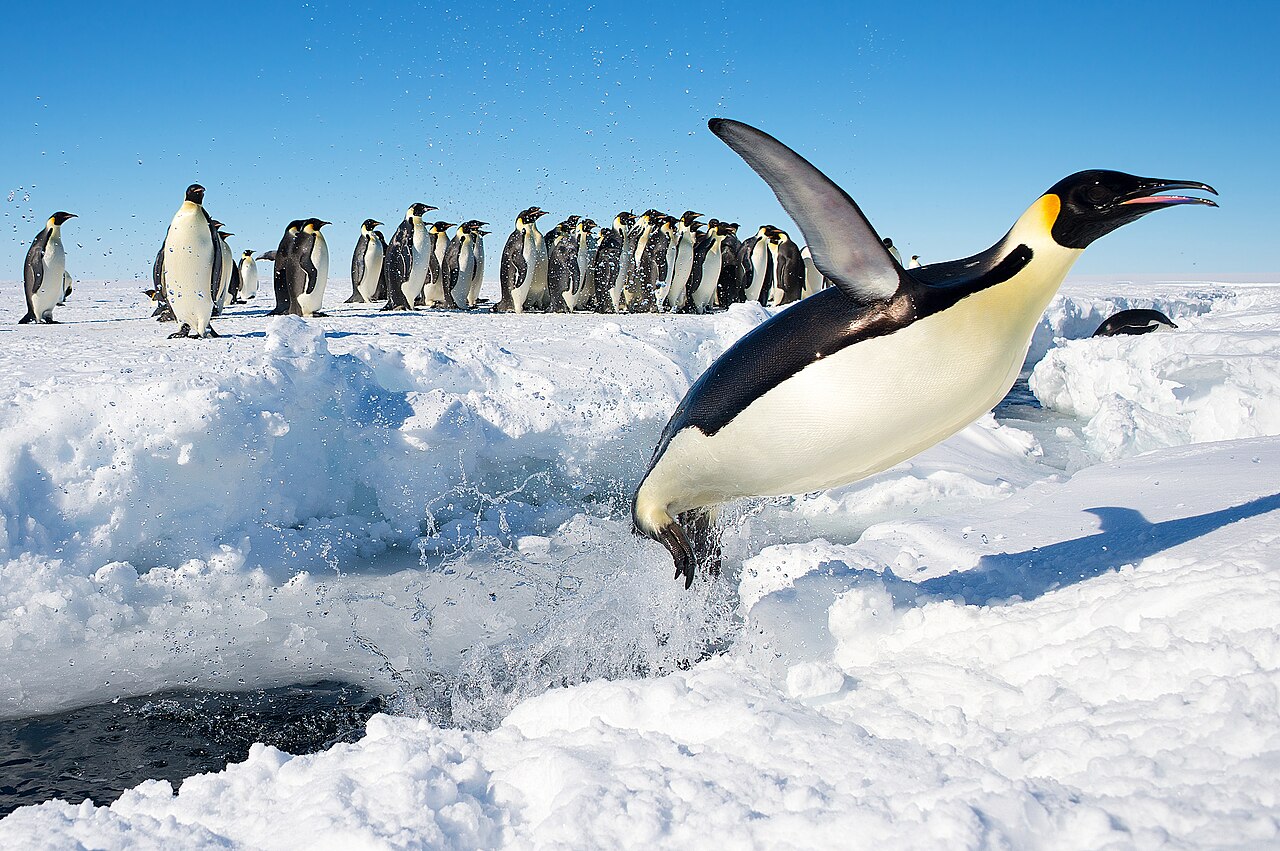
How sea ice is measured
Satellites count every part of the ocean that is at least 15% covered by ice. Added together, that is the sea ice extent.
Extent sums the area of cells with at least 15% ice concentration; it is not the same as ice area or land ice.
Source: NSIDC · Charctic interactive sea ice graph (method)
Photo: Christopher Michel (CC BY 2.0)
Krill and the ice
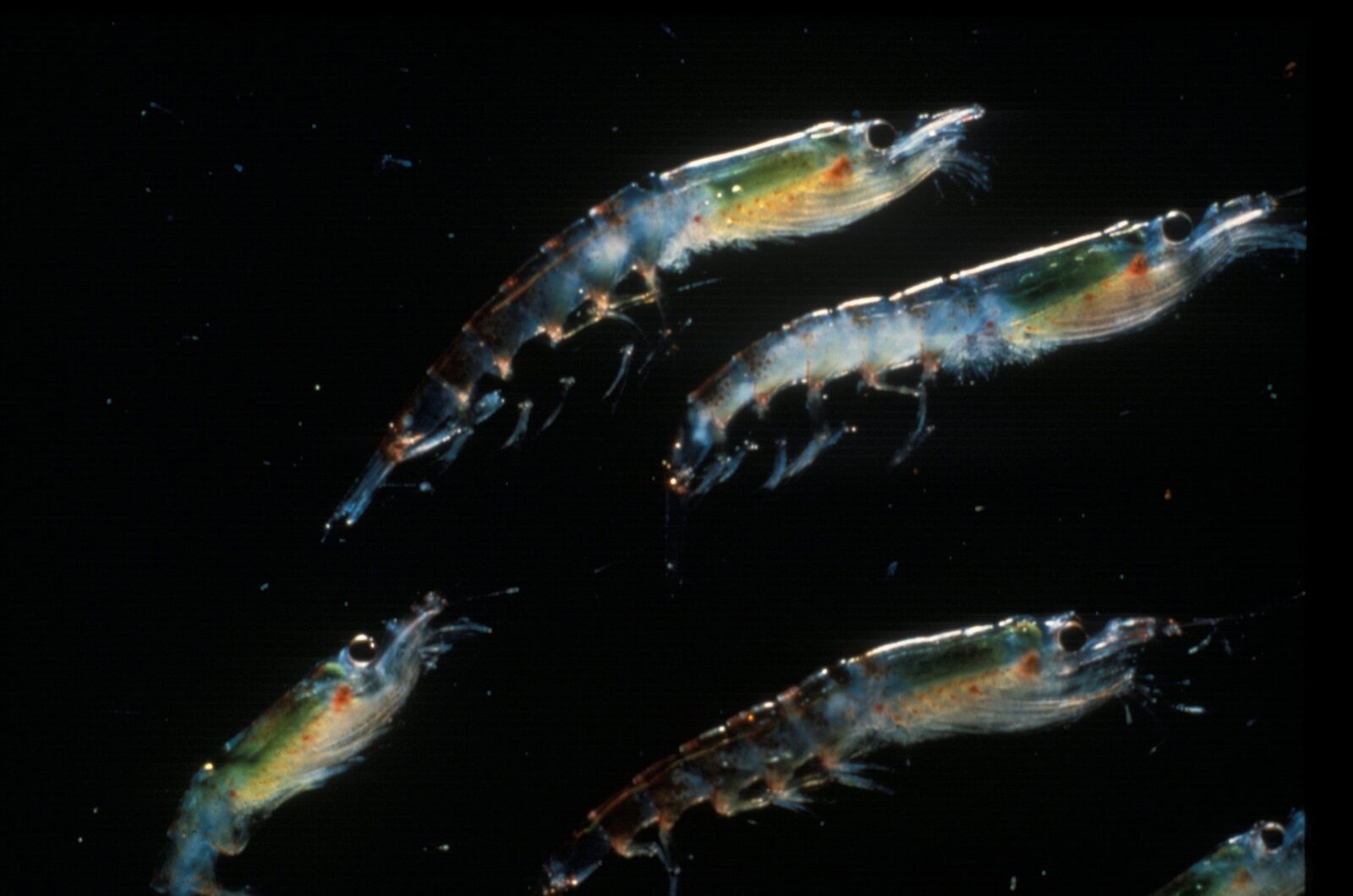
For krill, sea ice gives food and shelter during important stages of their early life. In winter they can also feed on algae beneath the pack ice.
Sea ice provides food and shelter during important larval stages; the effect varies by region and life stage.
Source: British Antarctic Survey · Biological responses to change in Antarctic sea ice habitats
Photo: NOAA Photo Library (CC BY 4.0)
A huge, hard-to-count population
One historic estimate puts Antarctic krill at around 379 million tonnes, within a range of 60 to 420 million tonnes. It is a modelled estimate, not a census.
Historic modelled estimate: about 379 million tonnes (range 60–420 million tonnes).
Source: CCAMLR · Antarctic krill species description (2019)
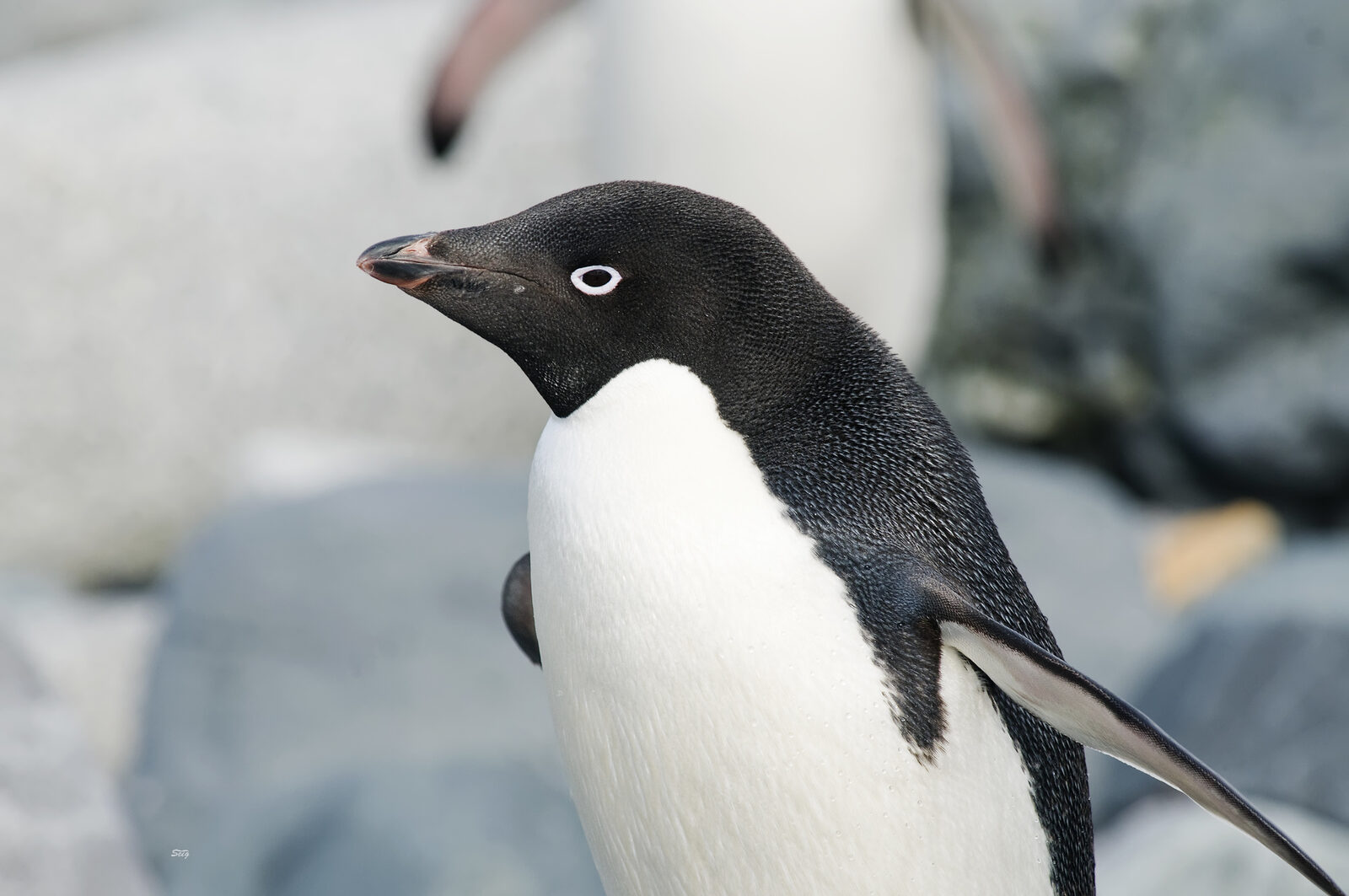
Photo: Seig (CC BY 4.0)
Life on the ice
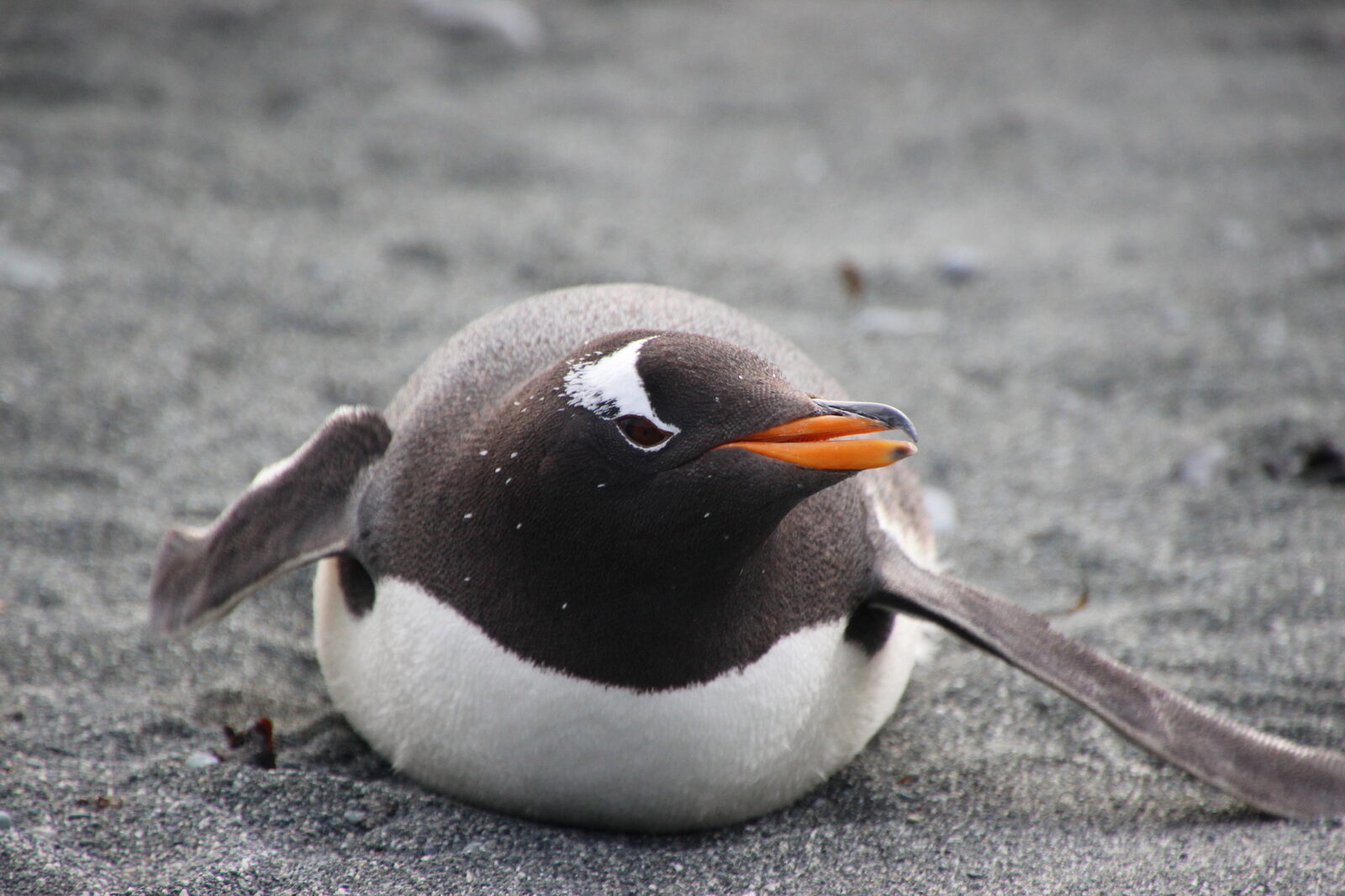
Penguins, seals, albatrosses and whales all depend on the Southern Ocean food web.
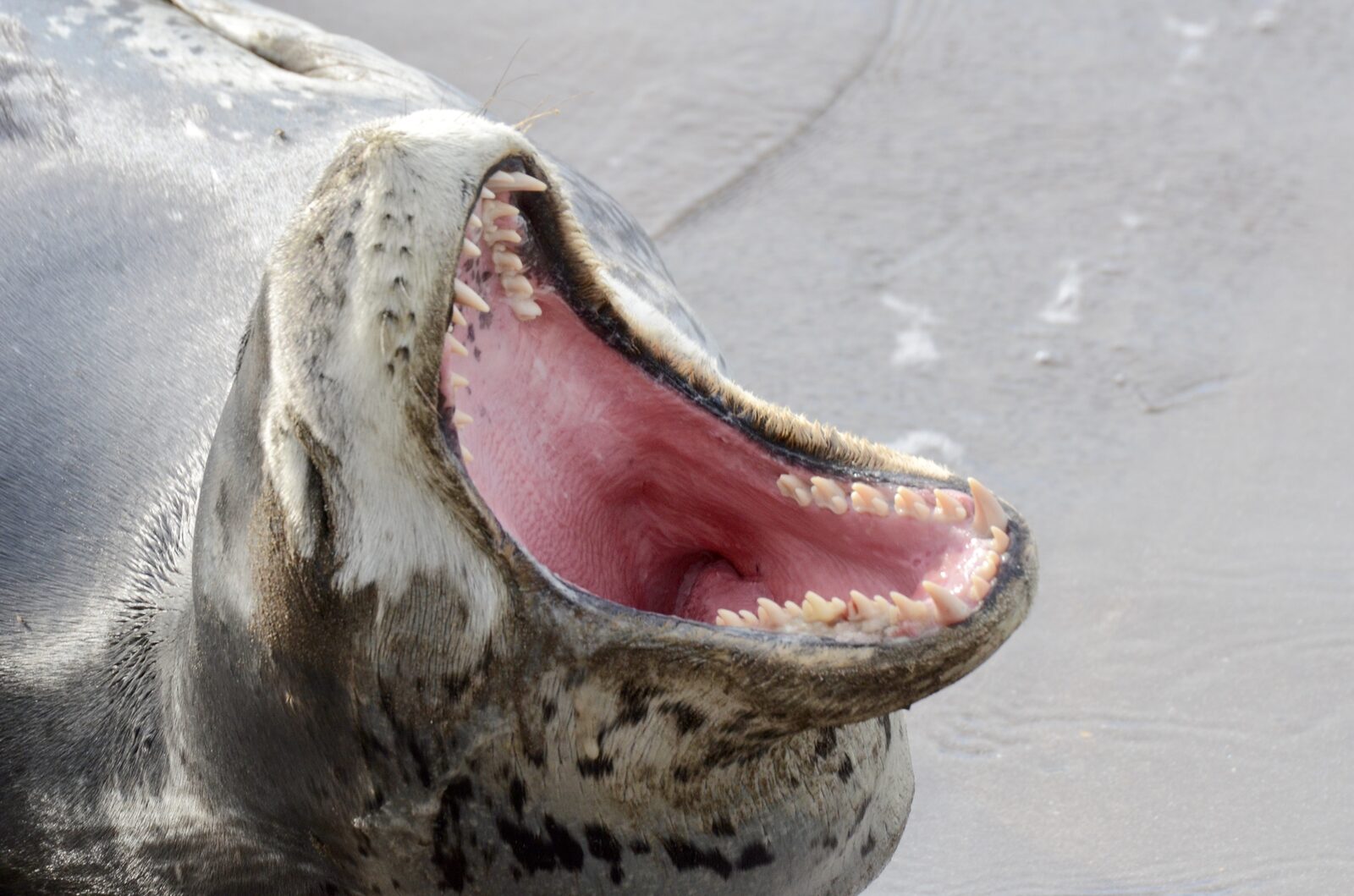 Leopard seal
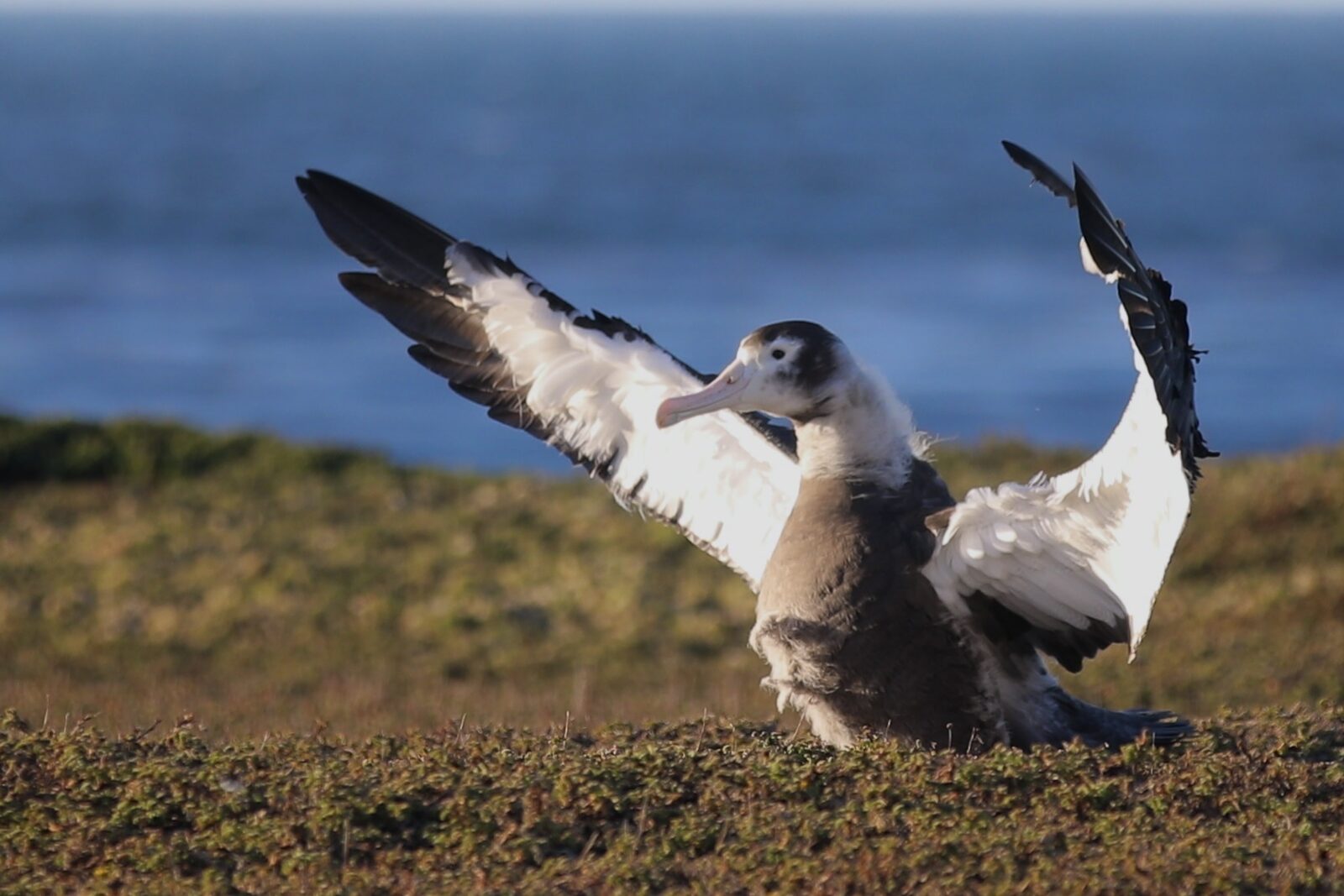 Wandering albatross
Photo: Ryan F. Mandelbaum (CC BY 4.0)
Protected seas
In 2016, CCAMLR members established a marine protected area in the Ross Sea region. A protected area is a decision, not yet proof of recovery.
Ross Sea region marine protected area established in 2016.
Source: ASOC · Marine protected areas
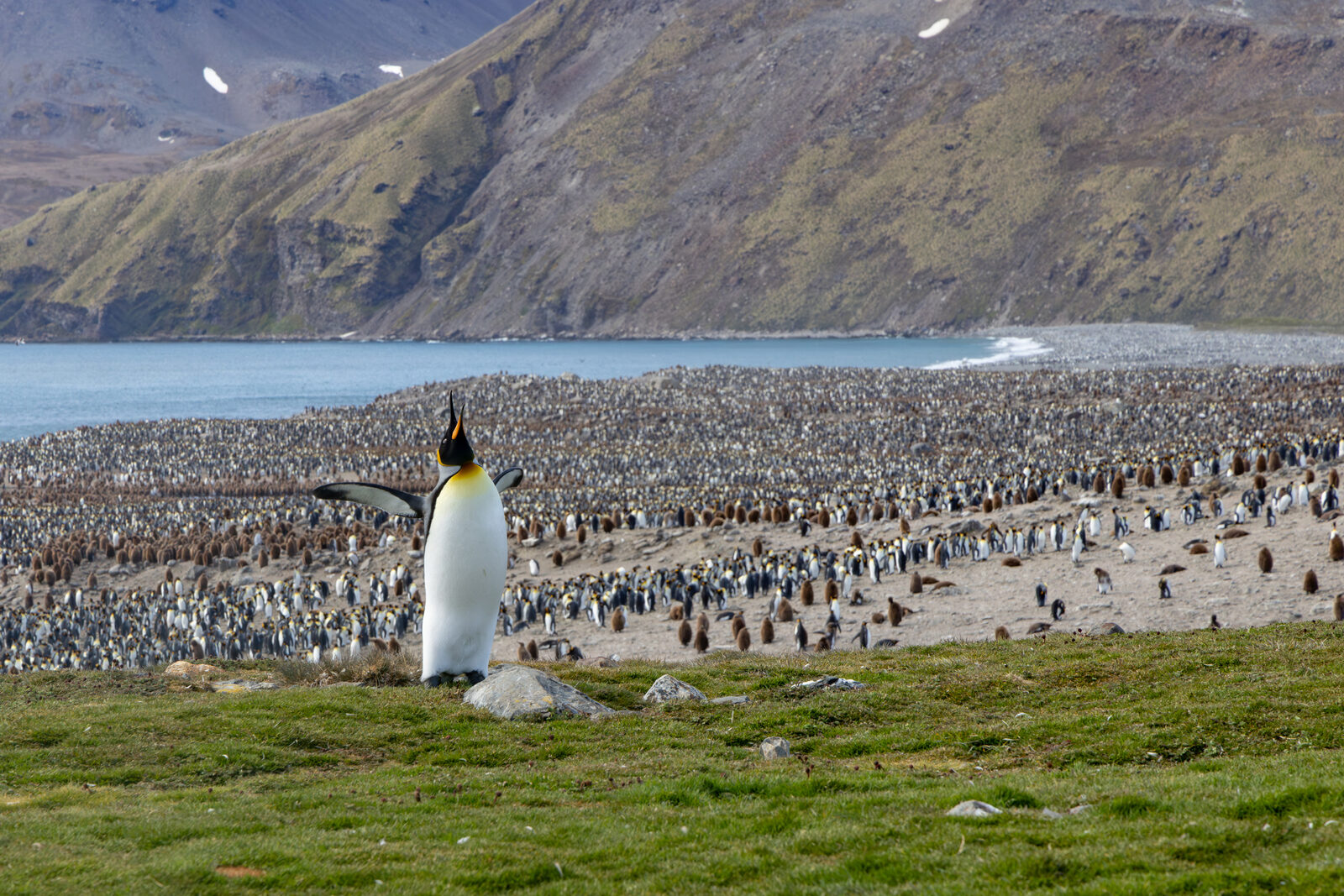
Photo: Alex Fergus (CC BY 4.0)
4PLANET
For a Living Planet
Independent, no ads, free for everyone. Join and follow the living planet with us.