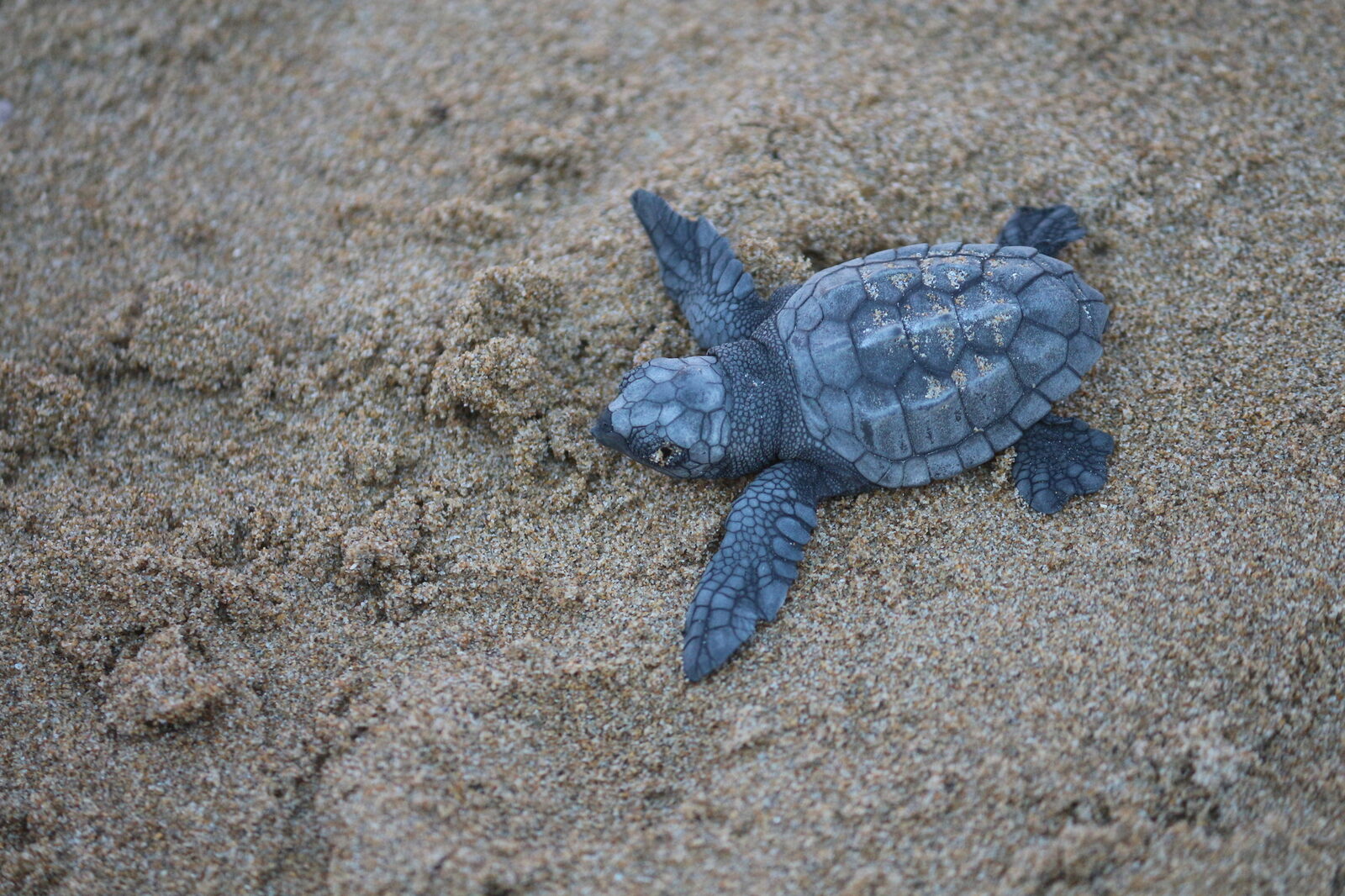
What pollutes the sea.
Plastic, nutrients, oil and light at night, each with the evidence behind it and what works against it.
Photo: Radu Teodoreanu
At a glance
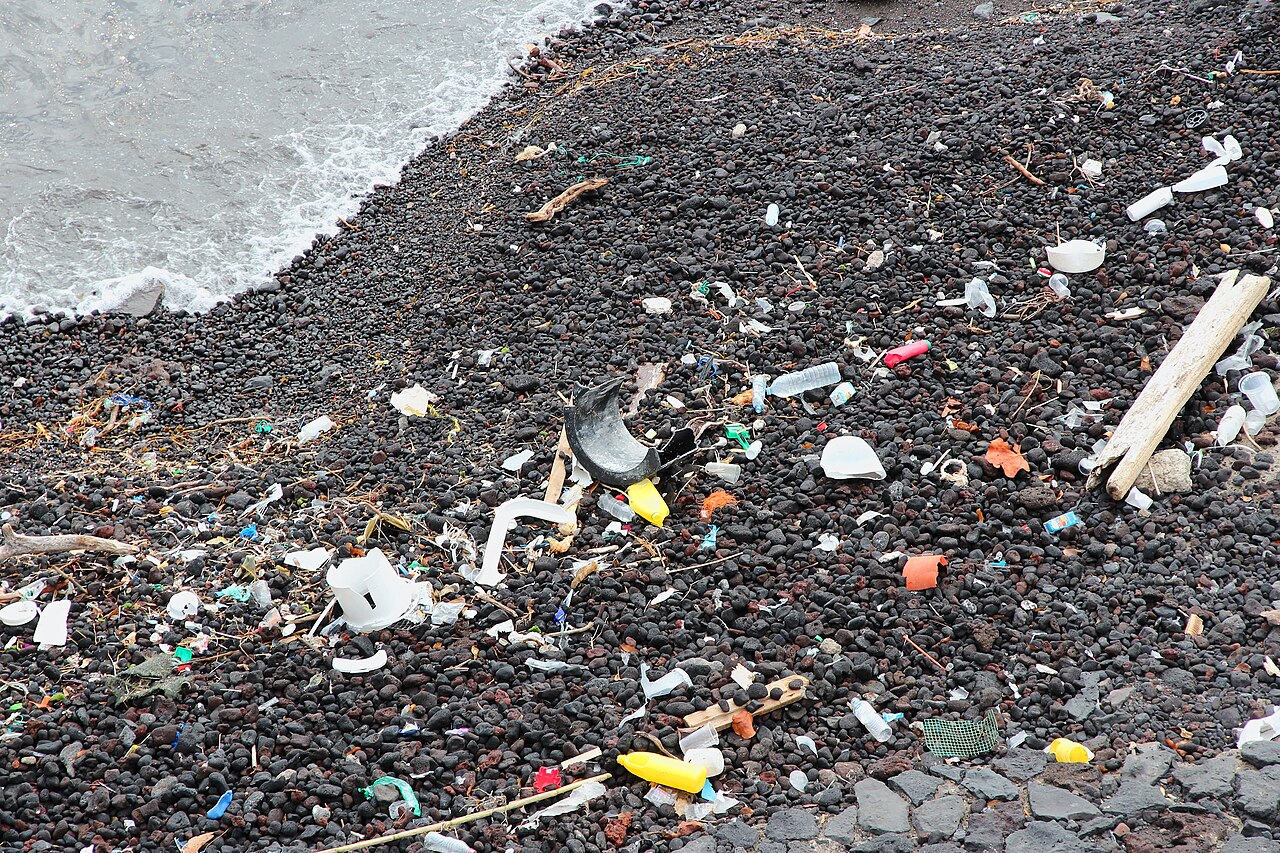 Plastic pollutionWhere plastic waste escapes into rivers and the sea, which habitats and animals it hits, and what is…
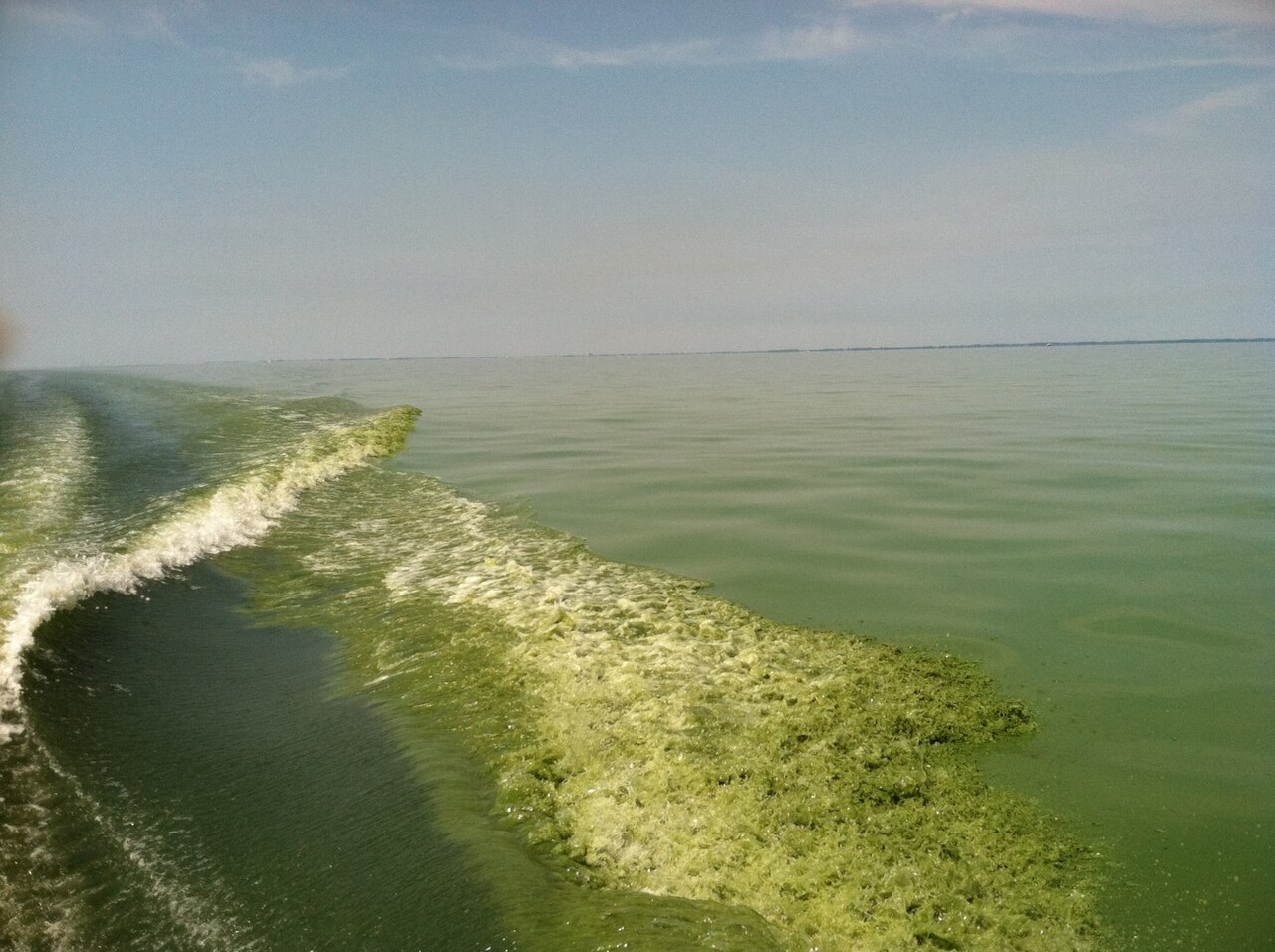 Nitrogen and phosphorus pollutionAbout 200 million tonnes of nitrogen are lost to nature each year, feeding algae and more than 400 ocean…
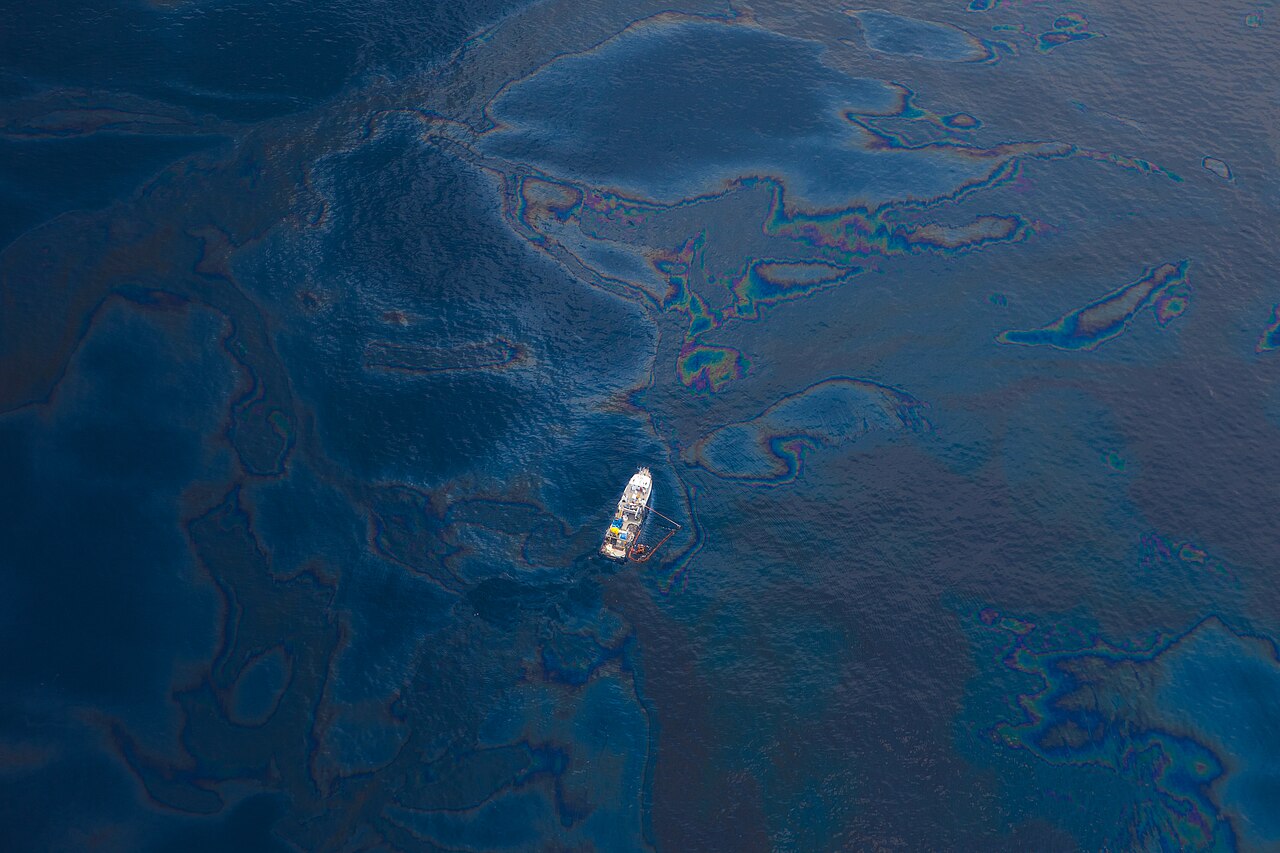 Oil spillsTanker spills are down more than 90% since the 1970s, but a few large accidents still do most of the…
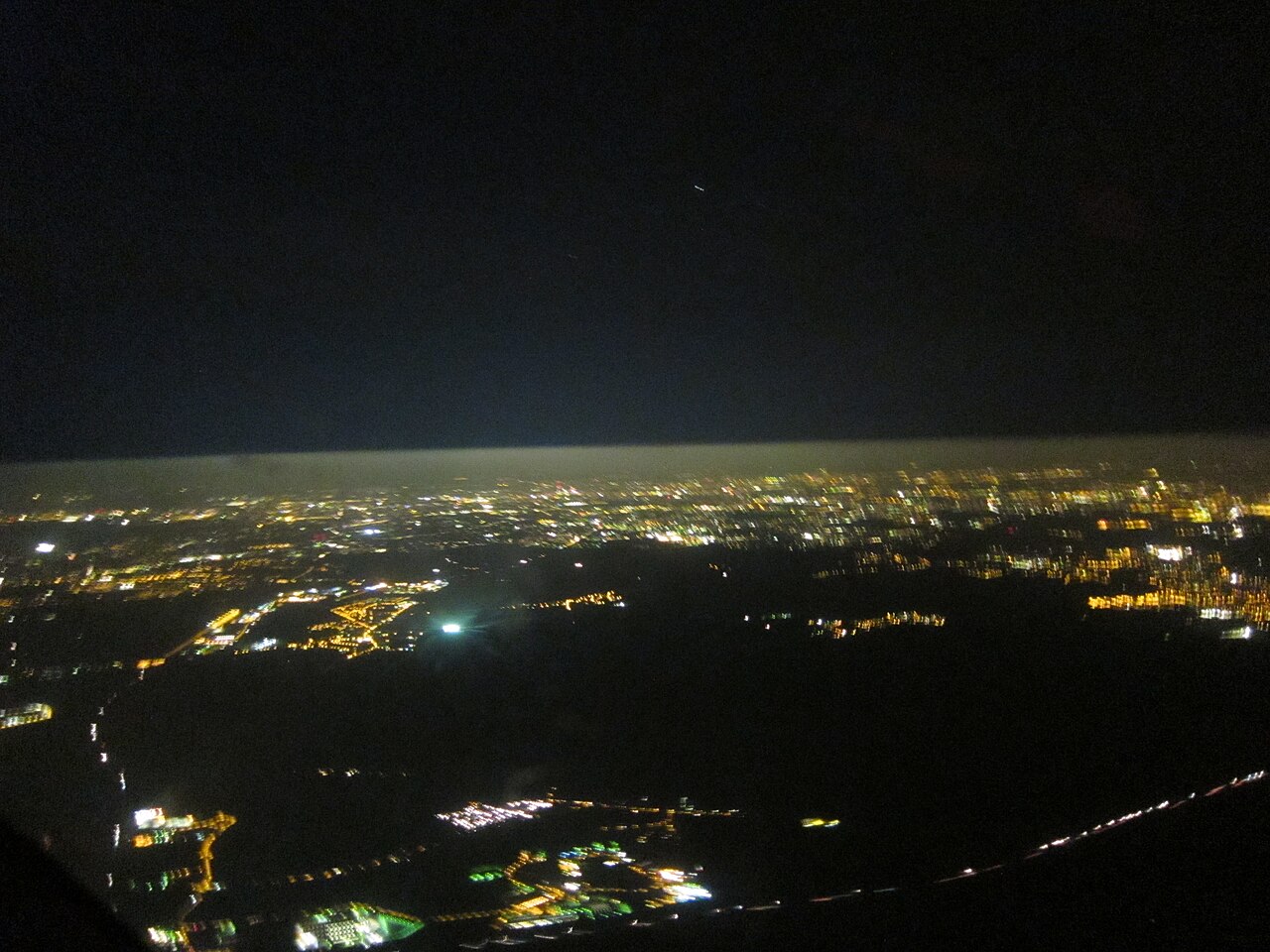 Light pollutionArtificial light now reaches 23% of the world's land at night and the sky grows brighter every year. How…
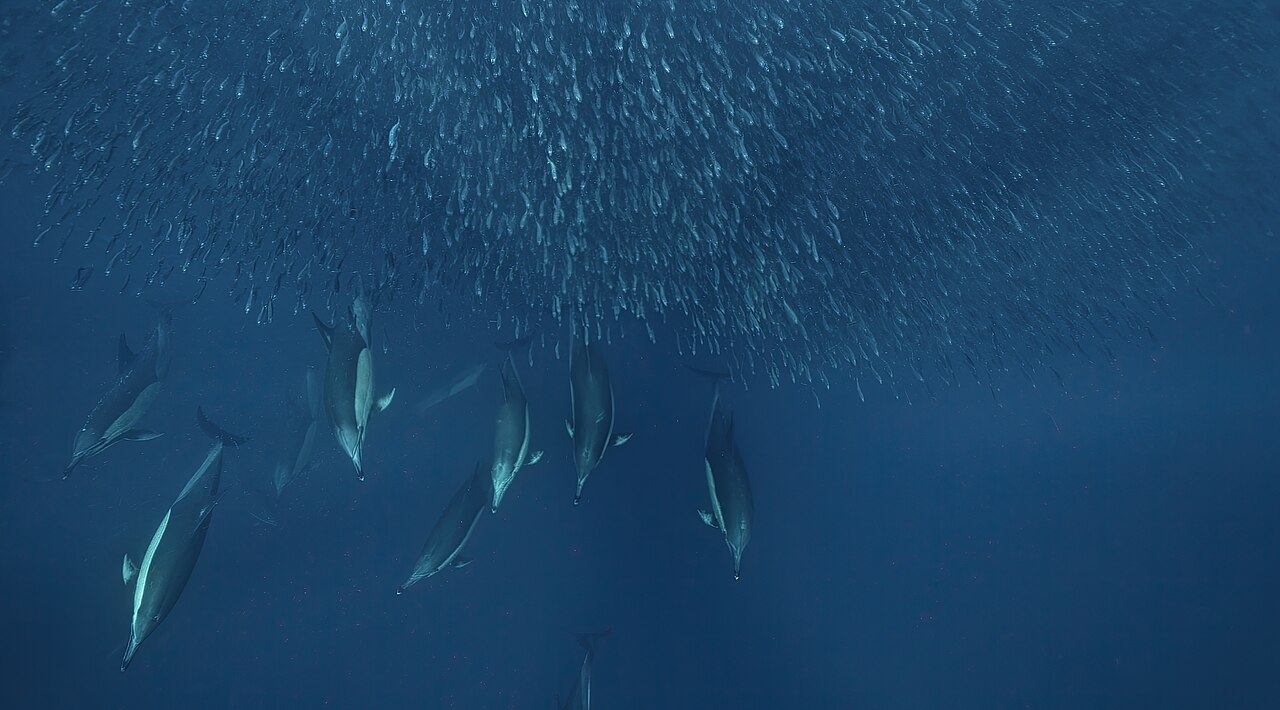 OverfishingMore than a third of the world's assessed fish stocks are overfished. Where fishing is heaviest, what it…
Plastic pollution
Most of the plastic ever made still exists in some form. Large amounts reach rivers and the sea every year, where it breaks into ever smaller pieces.
More than 400 million tonnes of plastic are made every year.
Source: UNEP · Turning off the Tap (2023)
Photo: Marek Ślusarczyk (Tupungato) Photo portfolio
Nitrogen and phosphorus pollution
Nitrogen and phosphorus make crops grow. Farms spread them as fertiliser and manure, and towns and factories release them in wastewater and smoke.
About 80% of reactive nitrogen, some 200 million tonnes a year, is lost to the environment, leaching into soil, rivers and lakes or escaping to the air.
Source: UNEP · Facts about nitrogen pollution
Photo: NOAA Great Lakes Environmental Research Laboratory
Oil spills
Oil coats feathers and fur. A bird covered in it may be unable to fly, and a sea otter loses the insulation in its fur and risks dying of cold. The many toxic compounds in oil can also damage the heart, stunt growth, weaken the immune system and kill.
In 2025 there were three large tanker spills (over 700 tonnes) and three medium ones, losing about 4,000 tonnes of oil to the environment.
Source: ITOPF · Oil tanker spill statistics 2025
Photo: kris krüg
Light pollution
Life evolved with day and night, the phases of the moon and the changing length of the day. Animals use that light to find food, navigate and time migration and breeding, and darkness gives night animals cover to hunt and hide.
Between 2012 and 2016 the world's artificially lit outdoor area grew by about 2.2% a year.
Source: CMS · Light pollution
Photo: Ralf Steikert
Overfishing
Fish feed billions of people and almost everything else in the sea, from dolphins and seabirds to sharks and whales. Overfishing means taking fish faster than they can breed and grow back.
FAO's 2025 assessment of 2,570 marine fish stocks found 35.5% overfished.
Source: FAO · Global marine fish stock assessment 2025
Photo: Stanislav Stelmakhovich
4PLANET
For a Living Planet
Independent, no ads, free for everyone. Join and follow the living planet with us.