Oil spills
A pressure on the living planet, and what is being done about it
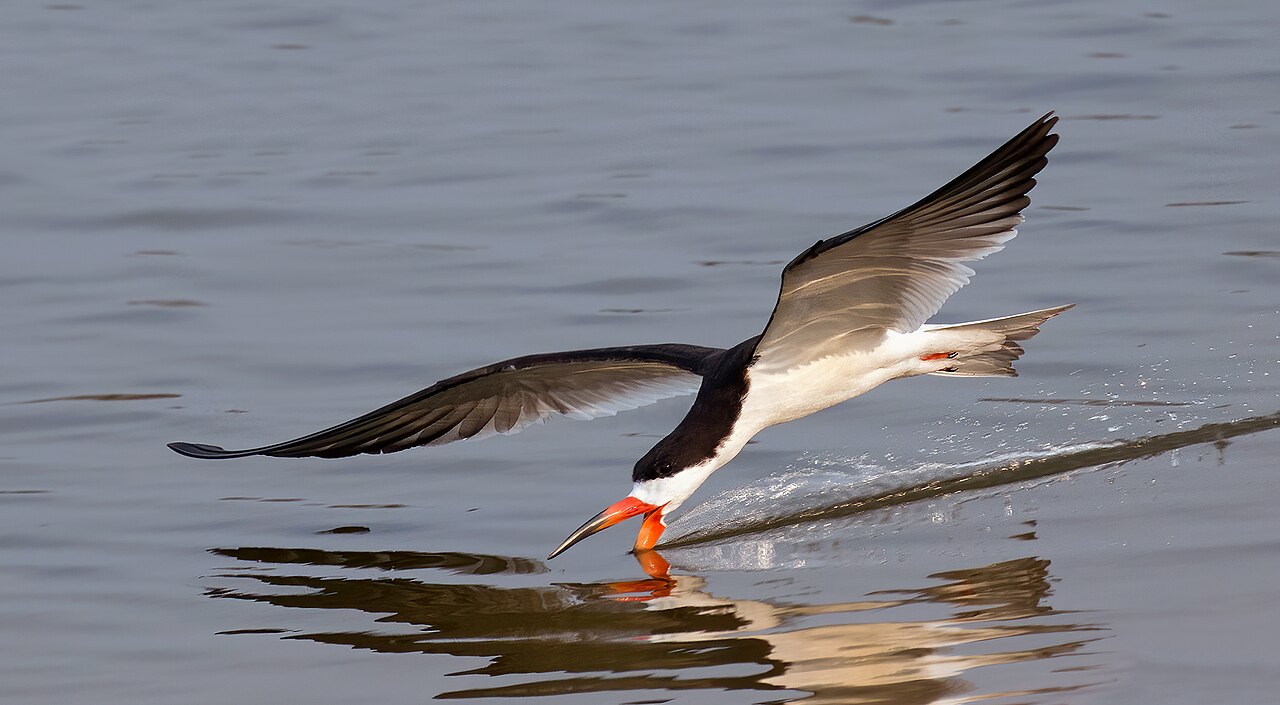
Oil coats feathers and fur. A bird covered in it may be unable to fly, and a sea otter loses the insulation in its fur and risks dying of cold. The many toxic compounds in oil can also damage the heart, stunt growth, weaken the immune system and kill.
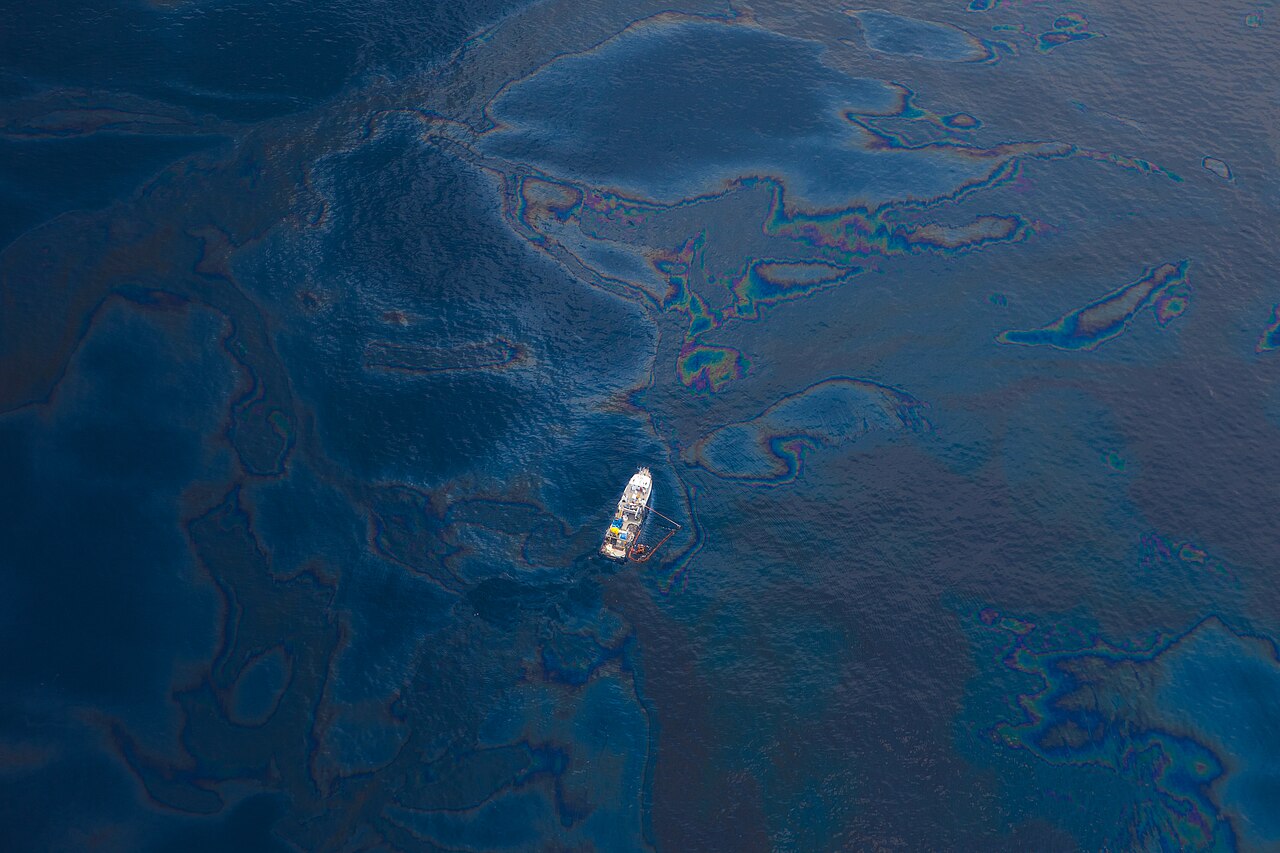
Large tanker spills have fallen sharply: spills of more than 7 tonnes are down by over 90% since the 1970s. But most of the oil still comes from a handful of accidents. In the 2010s, 91% of the oil lost from tanker spills came from just 10 incidents, and offshore platforms and pipelines spill too: about 134 million gallons poured into the Gulf of Mexico from the Deepwater Horizon well in 2010.
Why it matters
- In 2025 there were three large tanker spills (over 700 tonnes) and three medium ones, losing about 4,000 tonnes of oil to the environment. ITOPF · Oil tanker spill statistics 2025
- Tanker spills of more than 7 tonnes have fallen by over 90% since the 1970s. ITOPF · Oil tanker spill statistics 2025
- In the 2010s, 63 tanker spills lost 164,000 tonnes of oil, and 91% of it came from just 10 incidents. ITOPF · Oil tanker spill statistics 2025
- About 134 million gallons of oil spilled into the Gulf of Mexico before the Deepwater Horizon well was capped, and thousands of smaller spills happen in US waters every year. NOAA · Oil spills
What it touches
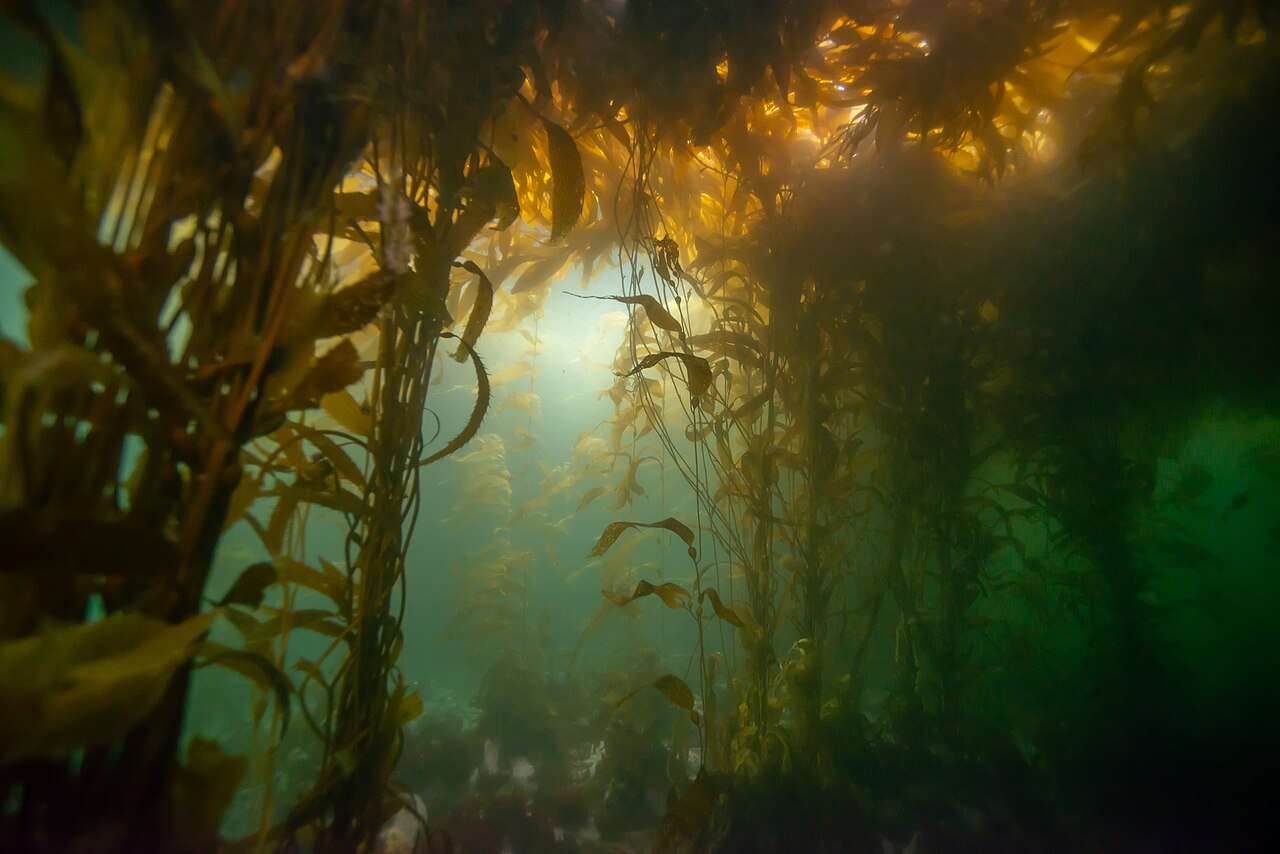
Habitats
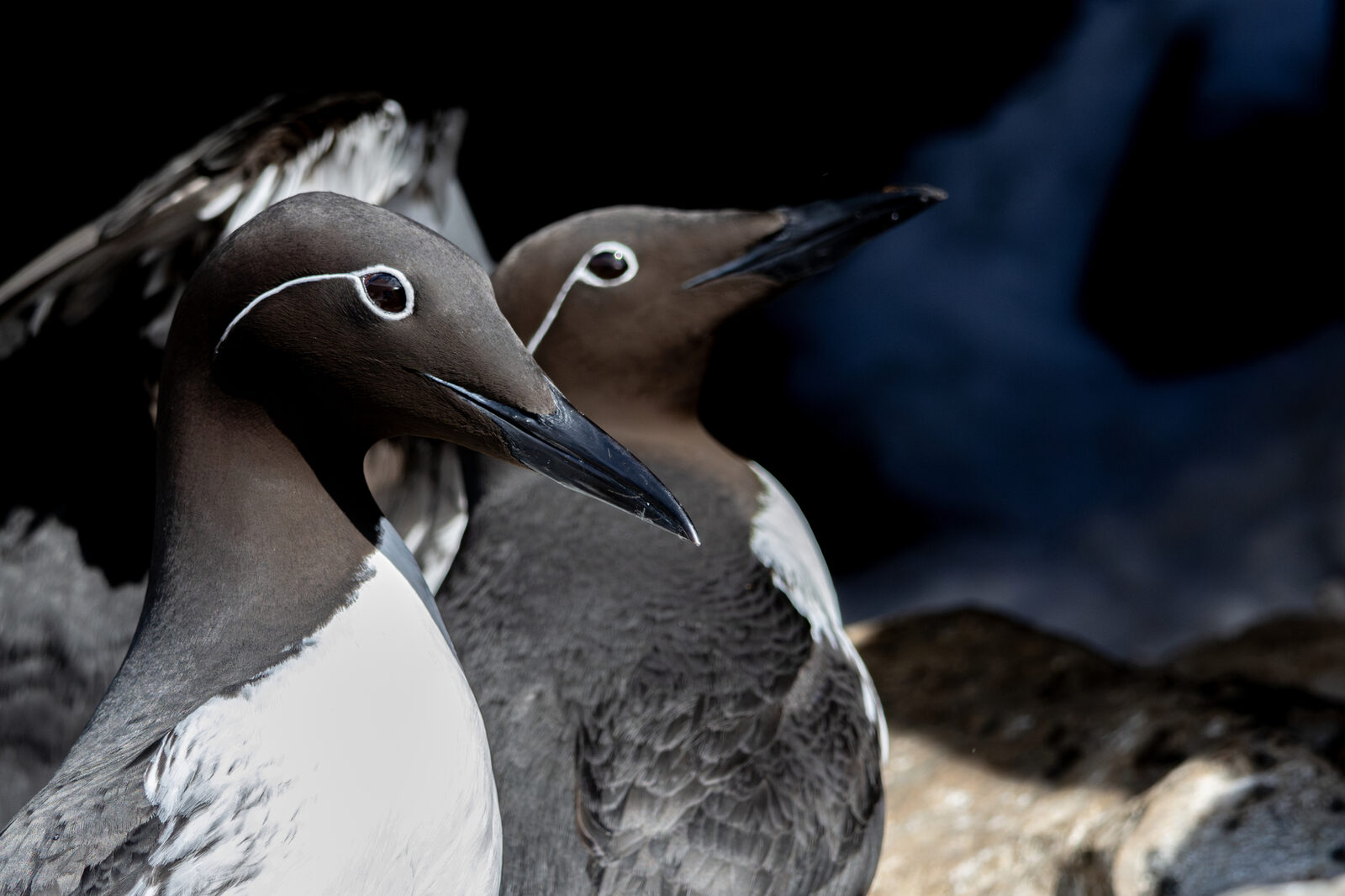
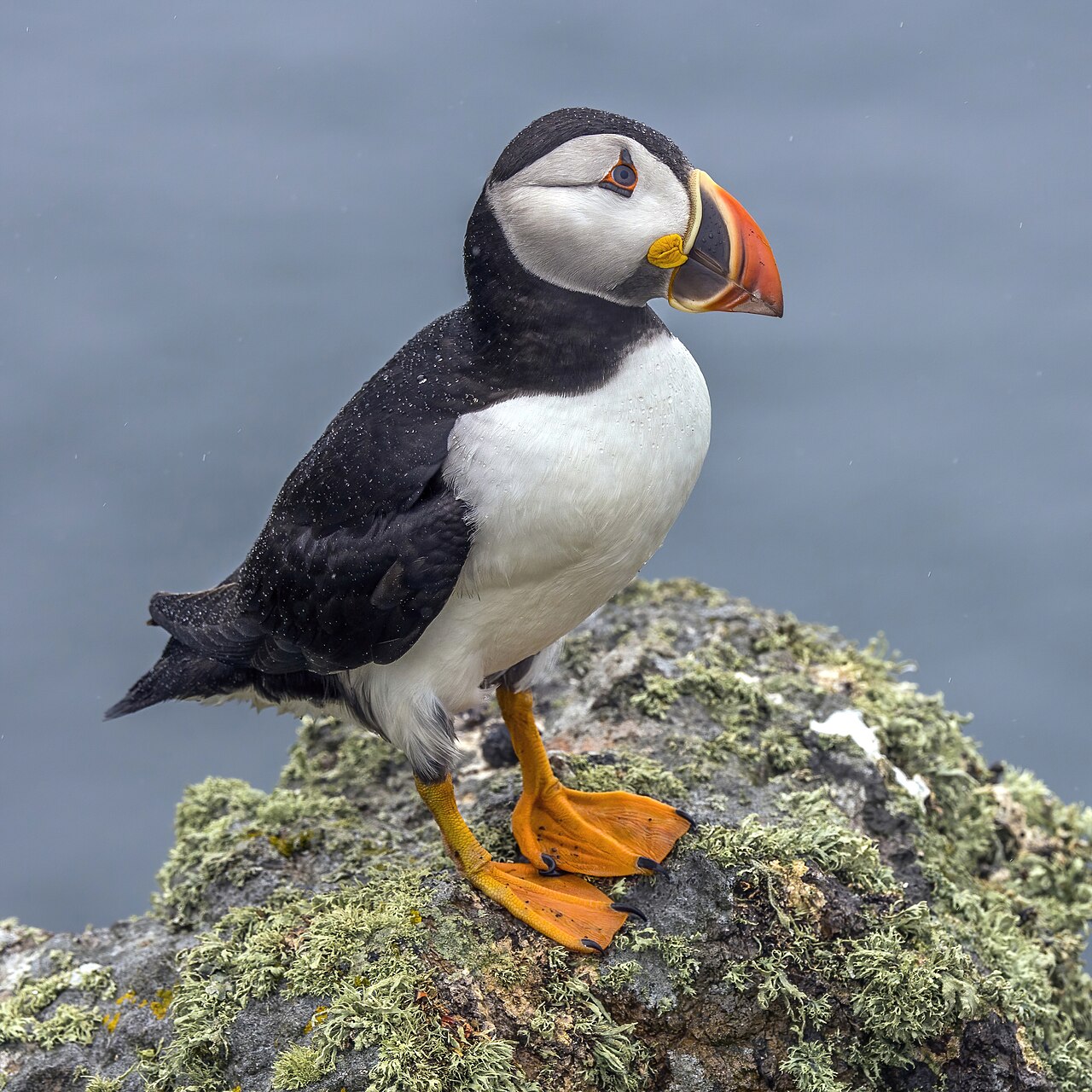
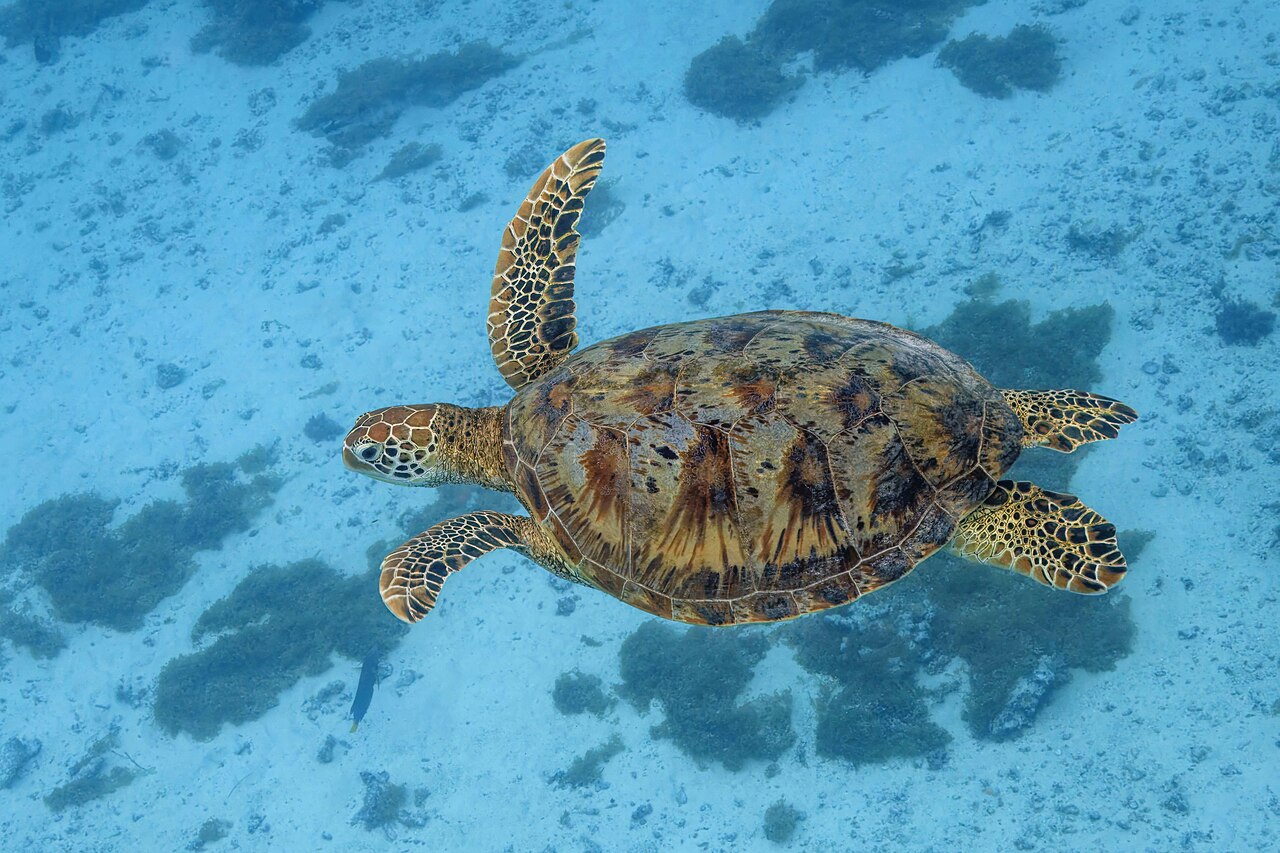
Species
Why it happens, and what helps
Main causes
- Tankers that run aground, collide or break up
- Blowouts on offshore oil platforms
- Leaking pipelines and storage
- Thousands of small spills a year from ships, ports and land
What is proven to help
- Double hulls on oil tankers, mandatory for new tankers under MARPOL since the 1990s
- Safer shipping lanes, pilots and vessel traffic control near coasts
- Blowout preventers and strict inspection of offshore rigs
- Spill response kept ready: booms, skimmers and trained crews
- Using less oil, which means less to drill, ship and spill
What the world has agreed
- MARPOL is the main international convention on preventing pollution of the sea by ships. Its Annex I on oil came into force in 1983, and 1992 amendments made double hulls mandatory for new oil tankers. IMO · MARPOL convention
- Target 7 of the Kunming-Montreal Global Biodiversity Framework commits countries to reduce pollution from all sources to levels that are not harmful to biodiversity. CBD · GBF Target 7
What you can do
- Use less oil: travel by train, bike or electric where you can
- Never pour engine oil or fuel down a drain or onto the ground
- Report oiled wildlife to local wildlife rescuers rather than handling it yourself
Sources and photo credits
A boat crossing a sheen of oil on the Gulf of Mexico during the Deepwater Horizon spill, 2010: kris krüg, CC BY-SA 2.0

Figures are national or global estimates from the sources named, with the uncertainty those sources give. Country rankings compare reported totals, not responsibility or effort.
Checked 2026-11-22.