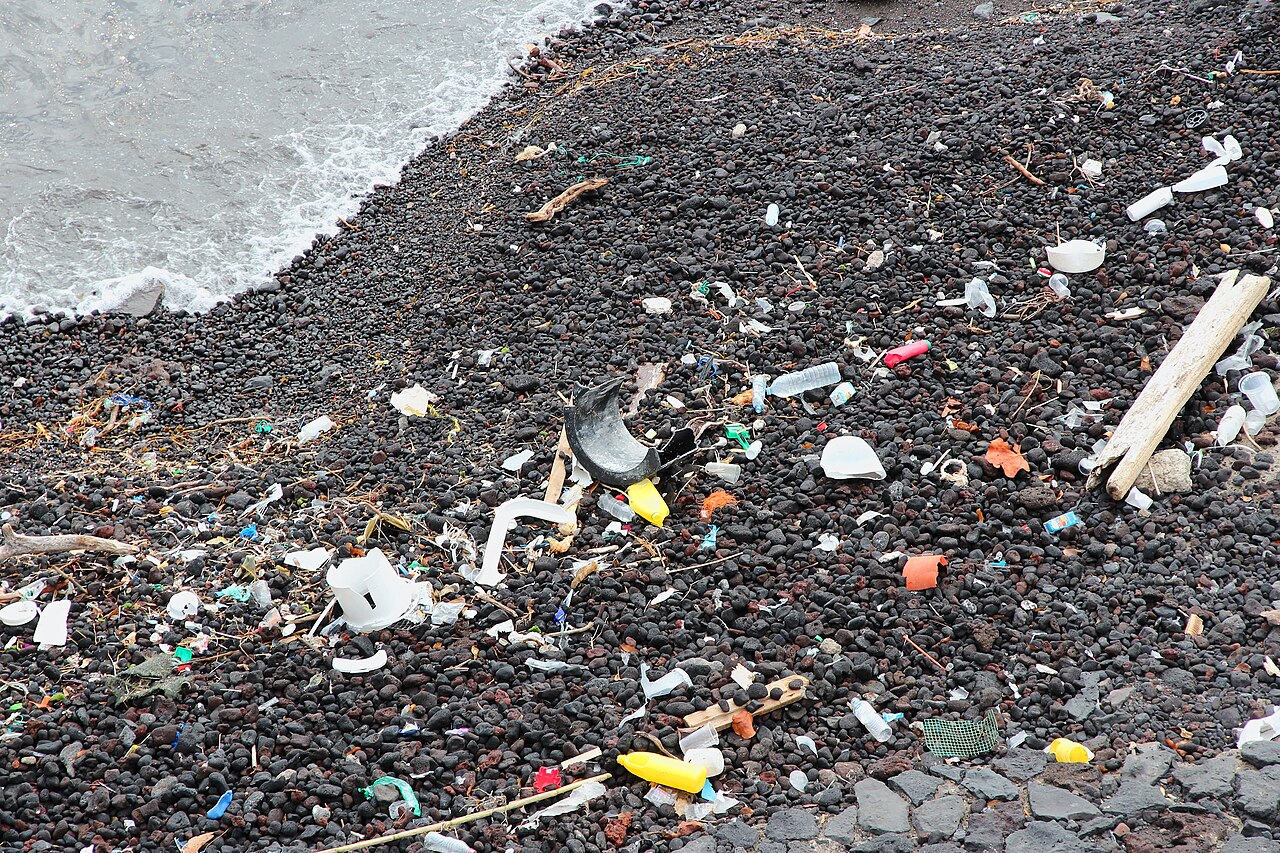
Cutting plastic pollution
A way to bring nature back into balance, and what it takes to work.
Most plastic is used once and thrown away, and a large share escapes into rivers and the sea. Cutting plastic pollution means using less, reusing more, redesigning products and packaging, and recycling what is left.
A UNEP roadmap models that plastic pollution could fall by 80% by 2040, but only with deep shifts in policy and markets. It is a scenario, not a result already achieved.
Why it matters
- UNEP models a possible 80% reduction in plastic pollution by 2040 under deep policy and market shifts. A scenario, not an achieved result. UNEP · Roadmap to cut global plastic pollution
What it helps protect
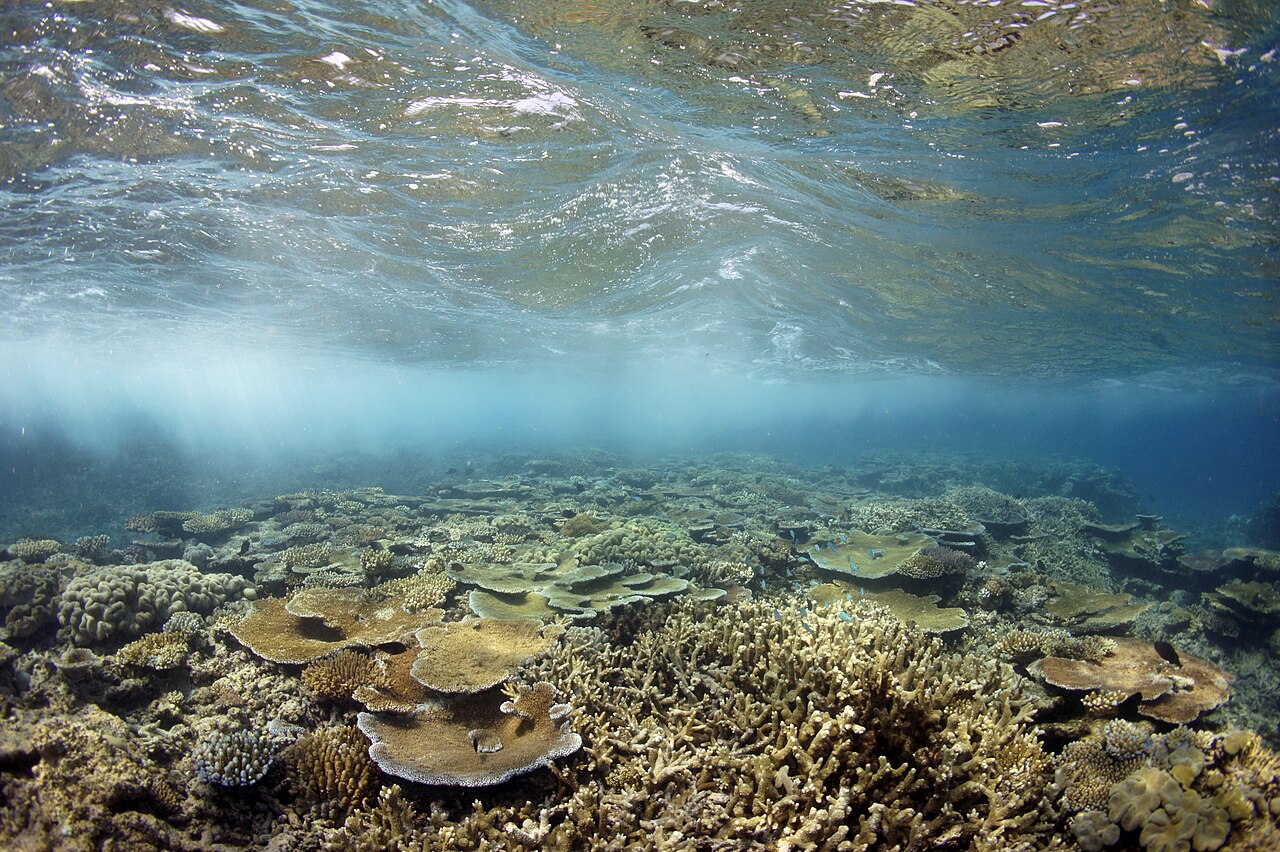
Habitats
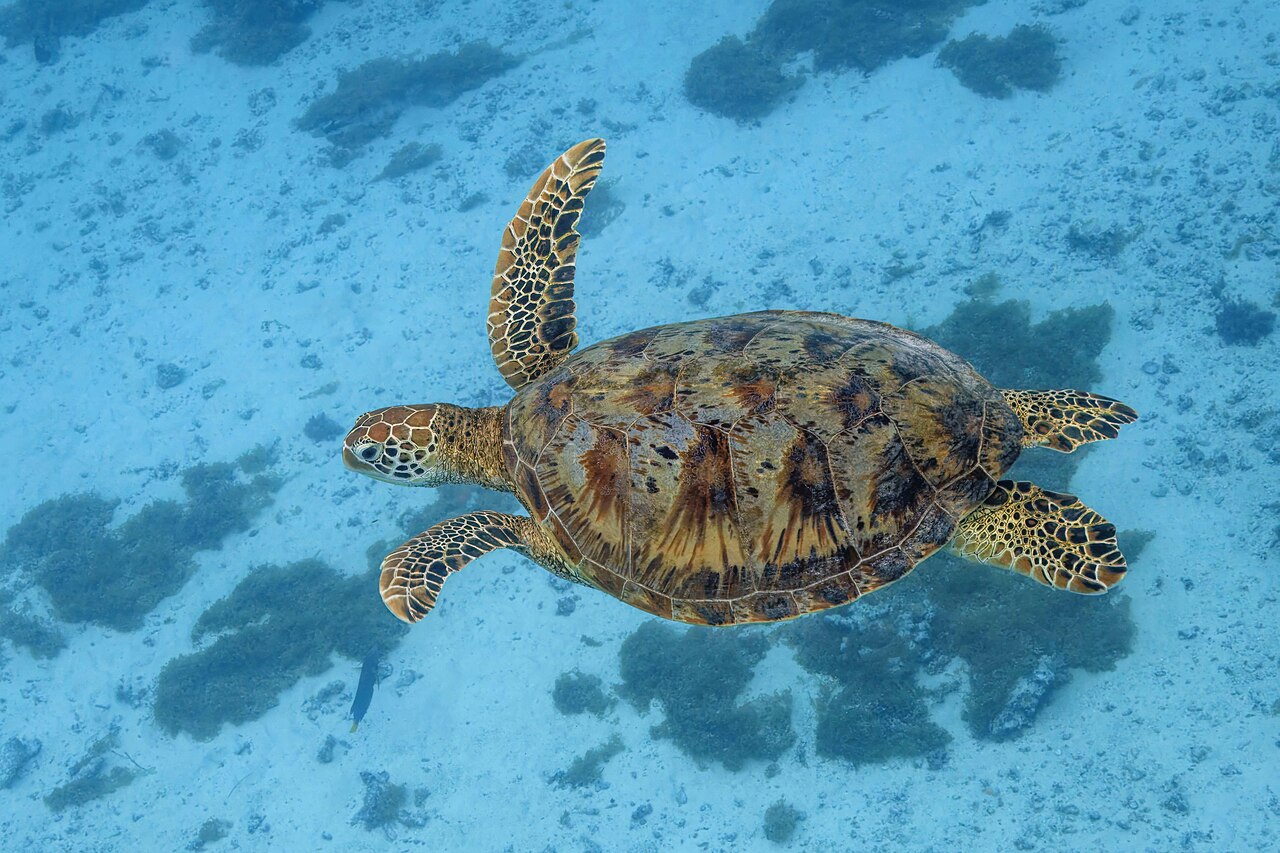
Species
How it works, and its limits
How it works
- Avoiding unnecessary plastic, such as some single-use items
- Reuse and refill systems
- Redesigning products and packaging so they can be recycled
- Better collection and recycling, and safe disposal of the rest
Limits, and what it needs
- Recycling alone cannot keep up with growing production
- Alternatives can have their own footprint
- Plastic already in the sea stays for decades
- Needs rules across countries, not only individual choices
Pressures it answers
What you can do
- Refuse single-use plastic you do not need
- Choose refill and reuse options
- Support policies that cut plastic at the source
Questions people ask
Can recycling solve plastic pollution?
Not on its own. UNEP's scenario combines reuse, redesign and recycling with policy and market changes.
Sources and photo credits
Plastic debris washed up on an Atlantic beach in Tenerife: Marek Ślusarczyk (Tupungato) Photo portfolio, CC BY 3.0

Figures are national or global estimates from the sources named, with the uncertainty those sources give. Country rankings compare reported totals, not responsibility or effort.
Checked 2026-11-24.