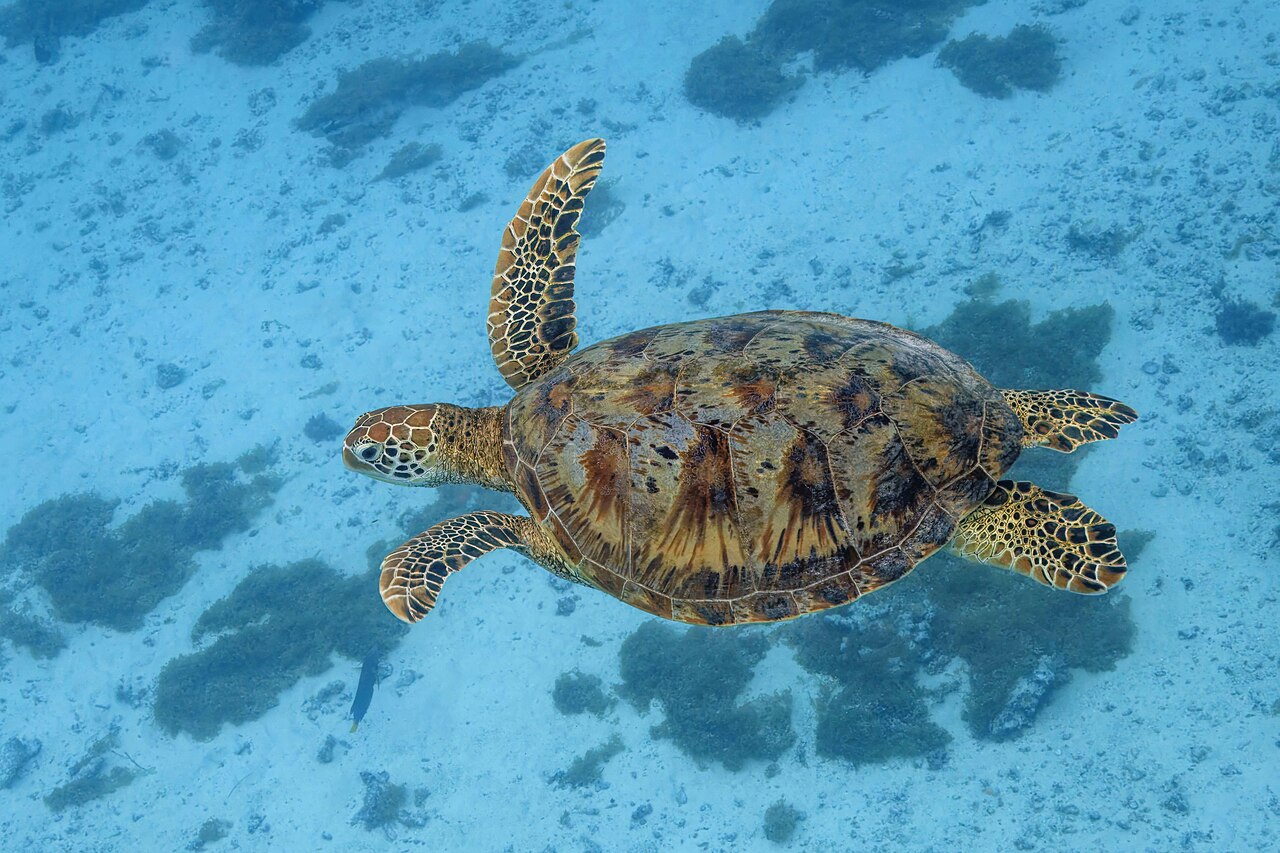
What is pushing the reef.
The pressures on the Great Barrier Reef, each with the evidence behind it and what works against it.
Photo: Charles J. Sharp
At a glance
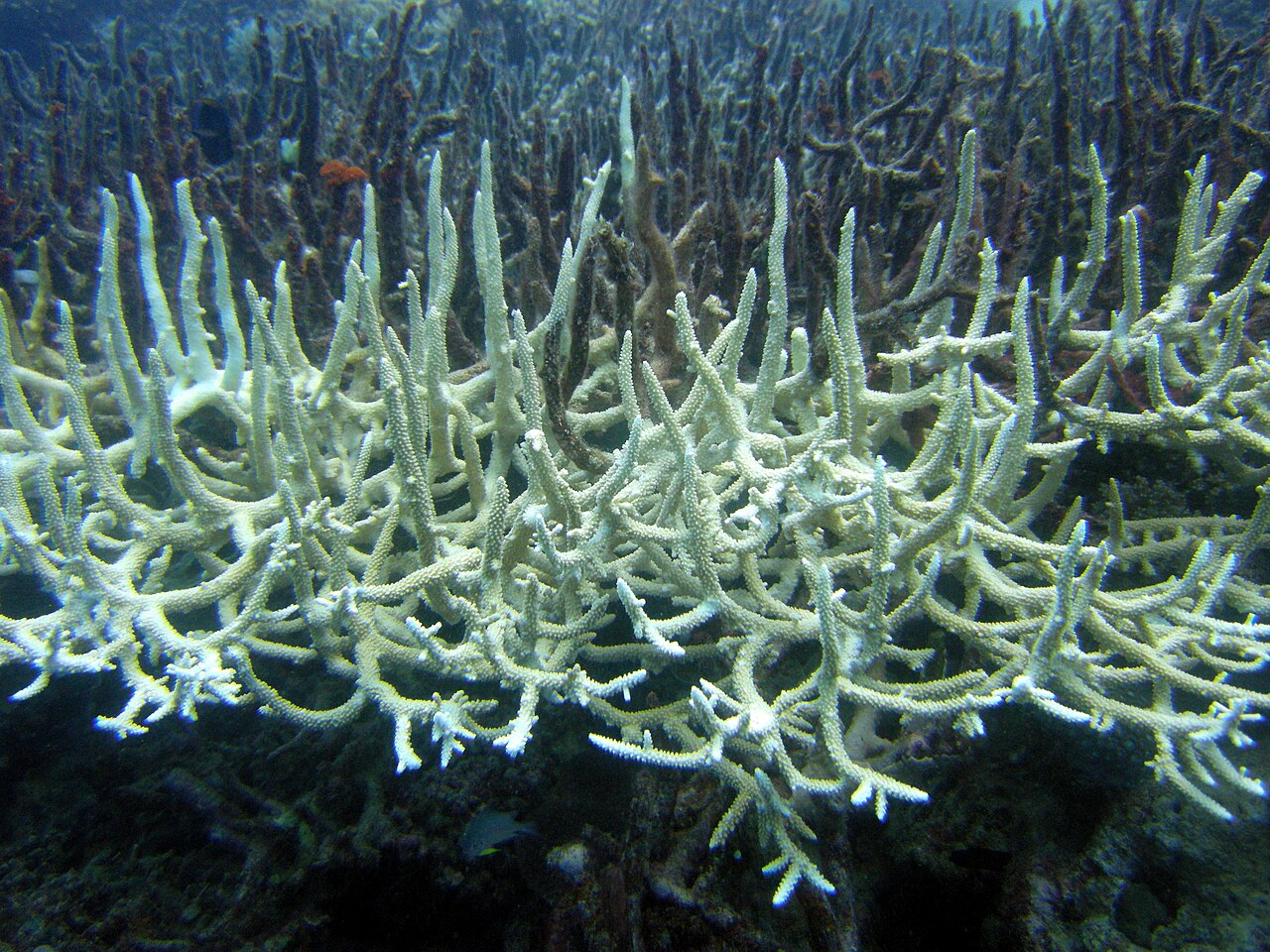 Coral bleachingSince 2023, bleaching-level heat stress has reached about 84% of the world's coral reef area. Why corals…
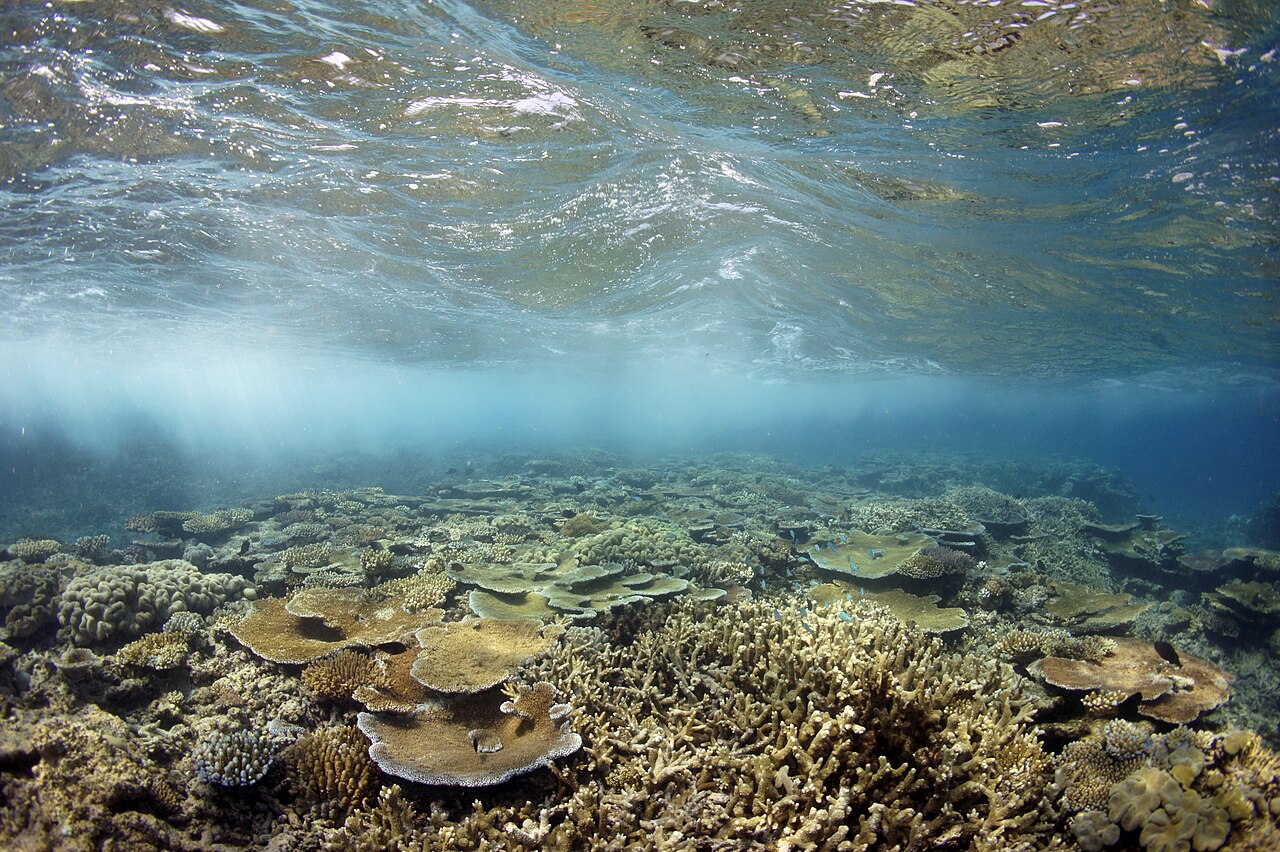 Ocean acidificationThe ocean has become about 30% more acidic since the industrial age, and has crossed its safe planetary…
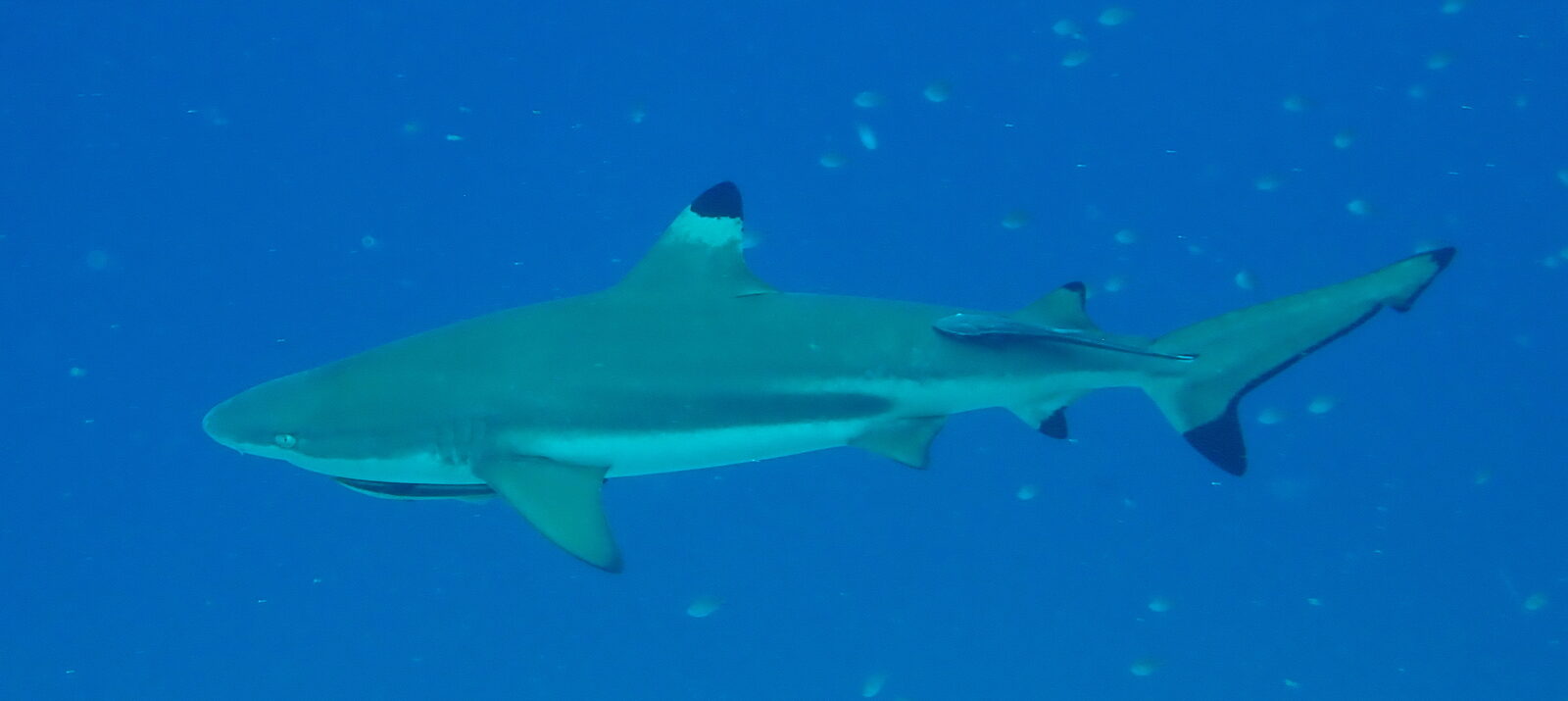 Global heatingHow much the world has warmed since the 1850s, which habitats and animals it hits hardest, from coral…
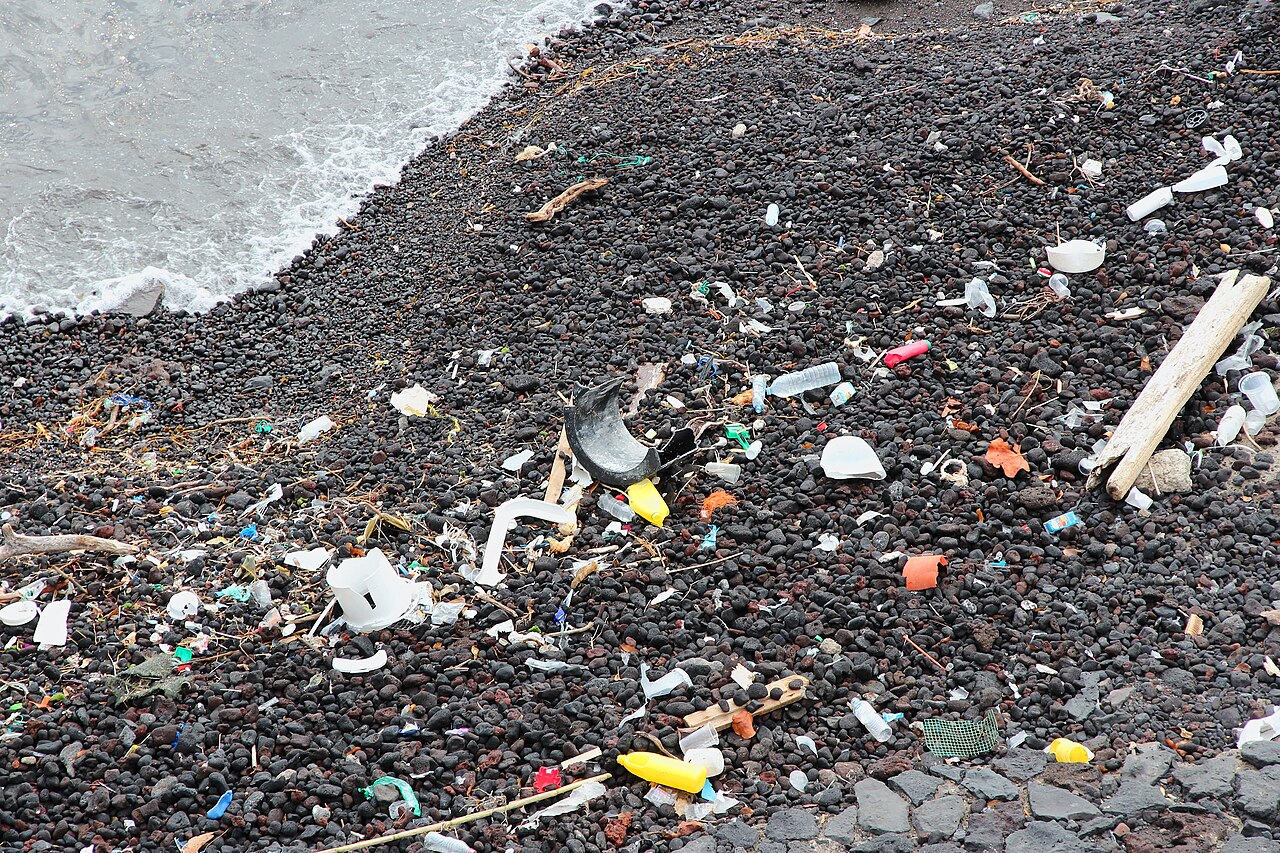 Plastic pollutionWhere plastic waste escapes into rivers and the sea, which habitats and animals it hits, and what is…
Coral bleaching
Reef-building corals live in partnership with tiny algae inside their tissue, which give them most of their energy and their colour. When the sea stays unusually warm for too long, corals lose those algae and turn white. A bleached coral is not dead, but it is under severe stress.
From 1 January 2023 to 30 September 2025, bleaching-level heat stress affected about 84.4% of the world's coral reef area.
Source: NOAA Coral Reef Watch
Photo: Matt Kieffer
Ocean acidification
The ocean takes up nearly a third of the carbon dioxide people release. That slows global heating, but the gas reacts with seawater and makes it more acidic. Since the start of the industrial age, the surface ocean has become about 30% more acidic.
Since the start of the industrial era, the ocean's surface pH has fallen by around 0.1 units, a 30 to 40% increase in acidity. In 2025, scientists found that ocean acidification has crossed its safe planetary boundary.
Source: Stockholm Resilience Centre · Planetary Health Check 2025
Photo: Holobionics (CC BY-SA 4.0)
Global heating
The Earth is warming because of the greenhouse gases we release, above all by burning coal, oil and gas. The last decade was the warmest since measurements began.
Global surface temperature was 1.1 °C higher in 2011–2020 than in 1850–1900, and the warming is caused by human activities.
Source: IPCC · Sixth Assessment Report (2023)
Photo: desertnaturalist (CC BY 4.0)
Plastic pollution
Most of the plastic ever made still exists in some form. Large amounts reach rivers and the sea every year, where it breaks into ever smaller pieces.
More than 400 million tonnes of plastic are made every year.
Source: UNEP · Turning off the Tap (2023)
Photo: Marek Ślusarczyk (Tupungato) Photo portfolio
4PLANET
For a Living Planet
Independent, no ads, free for everyone. Join and follow the living planet with us.