What works.
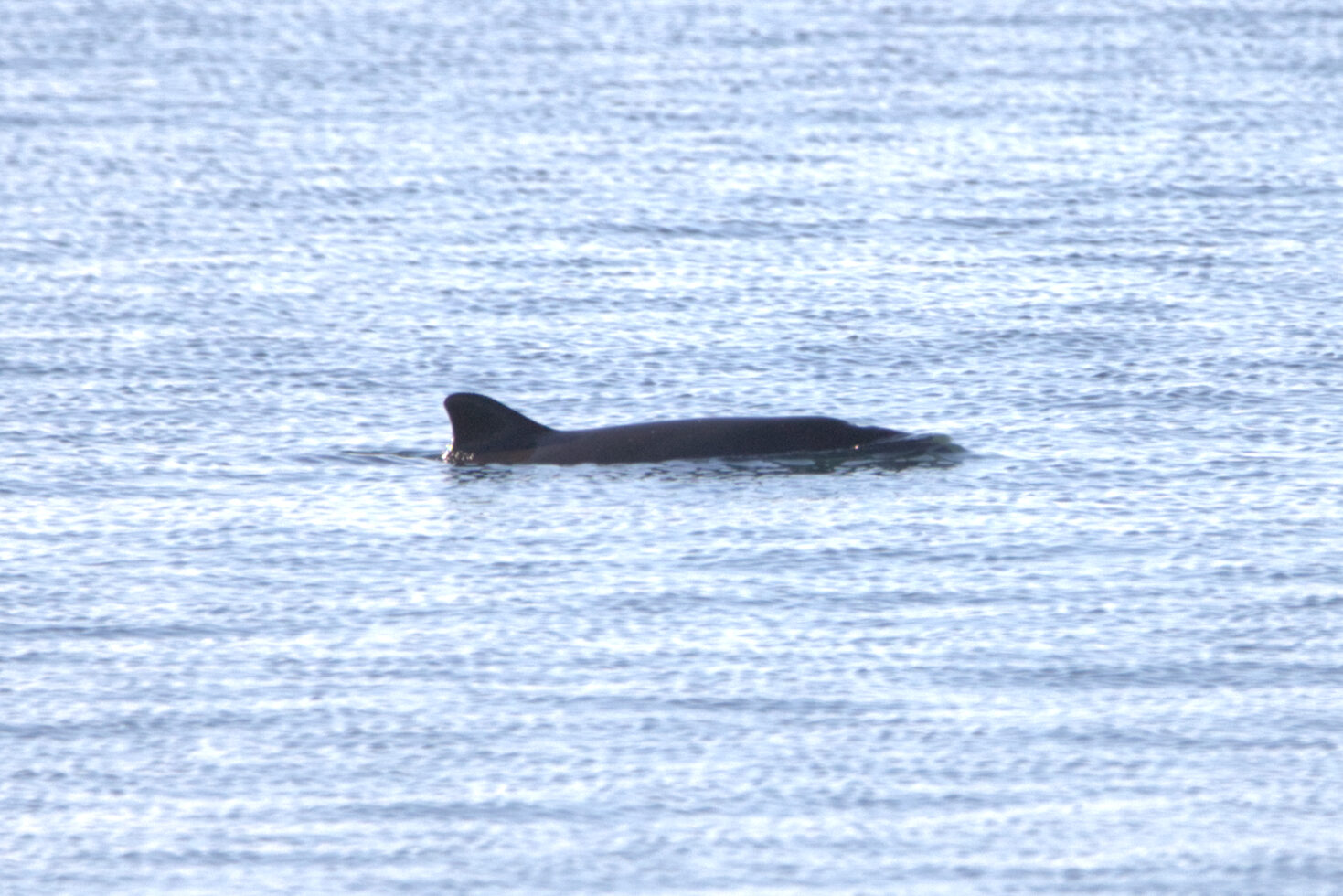
Restoring eelgrass and protecting zones of the sea, with the evidence and the threats they answer.
Photo: Eric Habisch
At a glance
Seagrass restoration
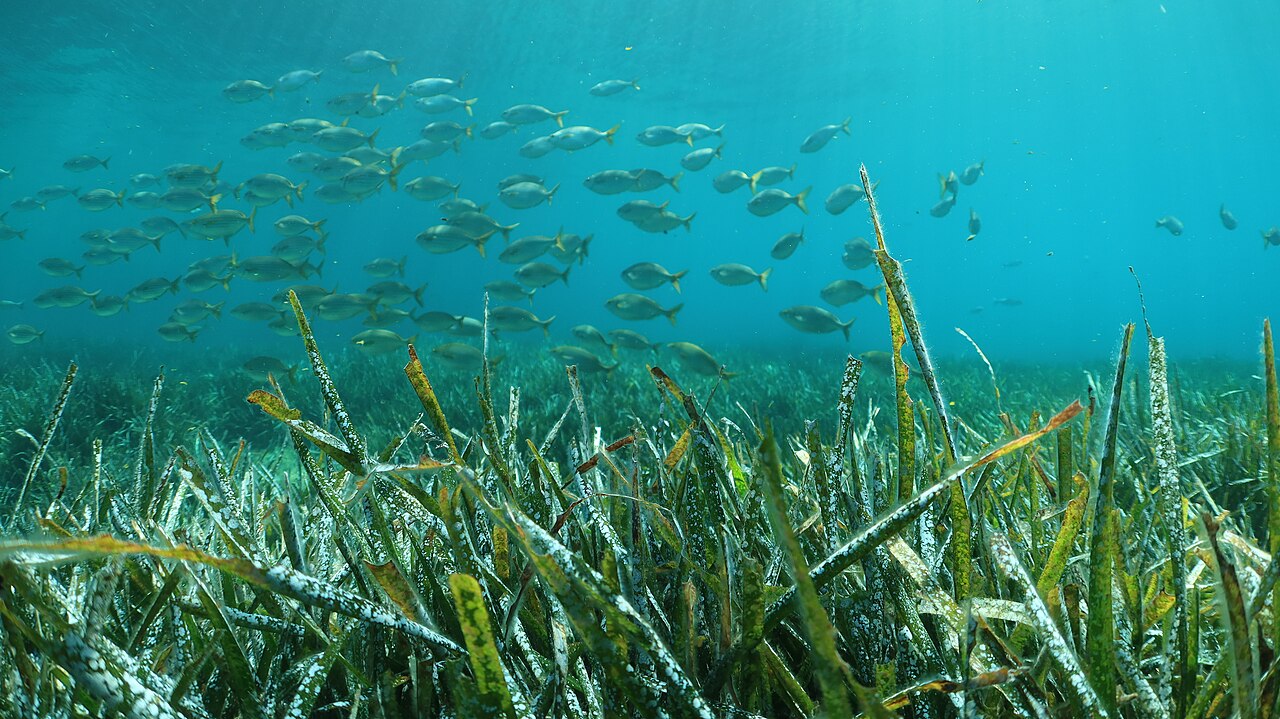
Seagrass meadows grow in shallow, sheltered seas in 159 countries. They are nurseries for young fish, grazing for turtles, dugongs and manatees, and they store carbon in the seabed: on just 0.1% of the ocean floor, they hold up to 18% of the ocean's carbon.
Seagrass covers around 300,000 square kilometres of seabed in 159 countries.
Source: UNEP · Five ways seagrasses boost biodiversity (Out of the Blue report)
Photo: Karim saari
Marine protected areas
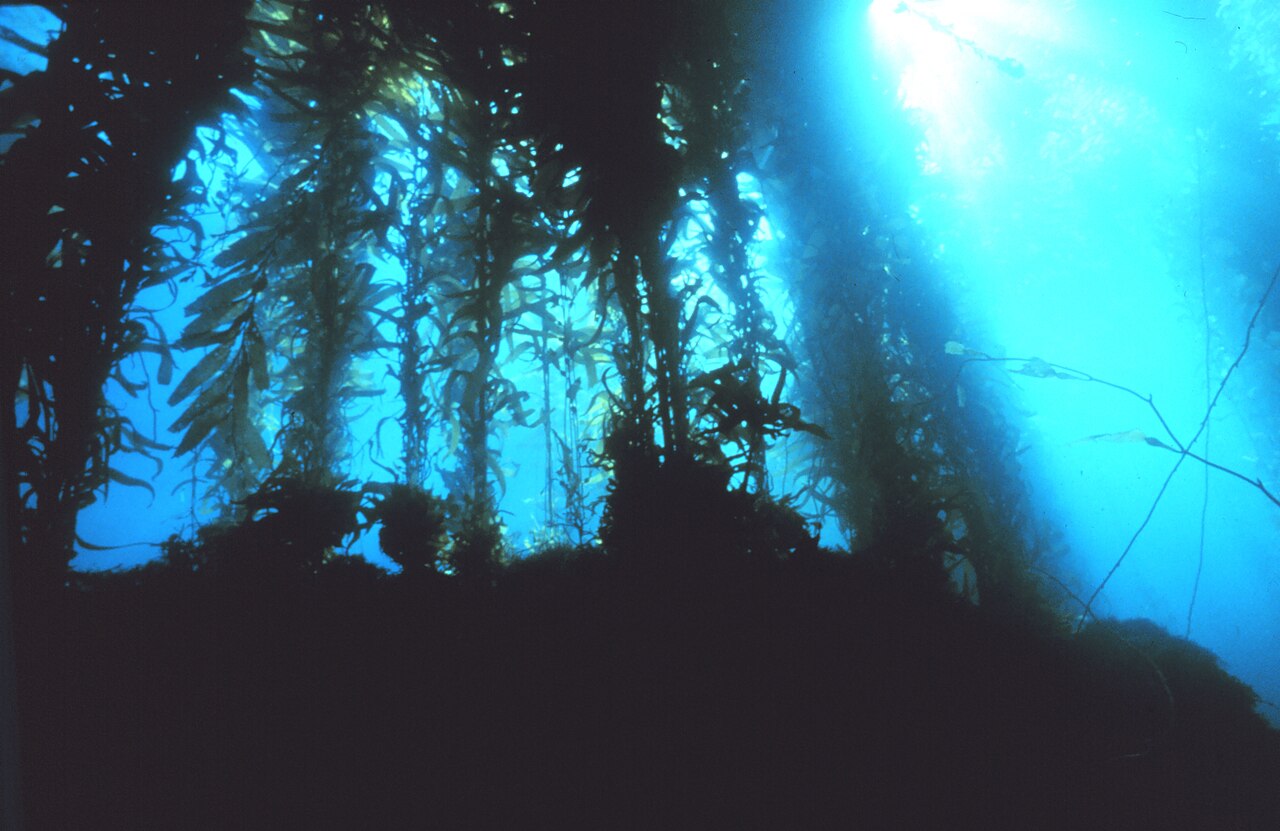
Marine protected areas are parts of the sea where fishing, mining and other harm are limited or banned. In the strongest of them, marine reserves, nothing is taken at all.
About 8.4% of the ocean lies in protected areas, most of it within countries' own waters. Very little of the high seas, nearly two thirds of the ocean, is protected.
Source: UNEP-WCMC & IUCN · Protected Planet Report 2024
Photo: NOAA Photo Library
4PLANET
For a Living Planet
Independent, no ads, free for everyone. Join and follow the living planet with us.